Deep in the Coast Range of northwestern Oregon, a river cuts through some of the wildest, most untouched terrain in the Pacific Northwest. For over a century, a railroad pushed through these same rugged canyons, battling storms, floods, and dense forest before eventually being swallowed back by nature.
Now, that forgotten corridor is being reborn as an 80-mile trail that hikers, cyclists, and adventurers can finally explore. The Salmonberry River Trail is shaping up to be one of Oregon’s most extraordinary outdoor experiences, blending railroad history with jaw-dropping scenery in a way that few trails anywhere in the country can match.
Where the Trail Begins: Location and Access
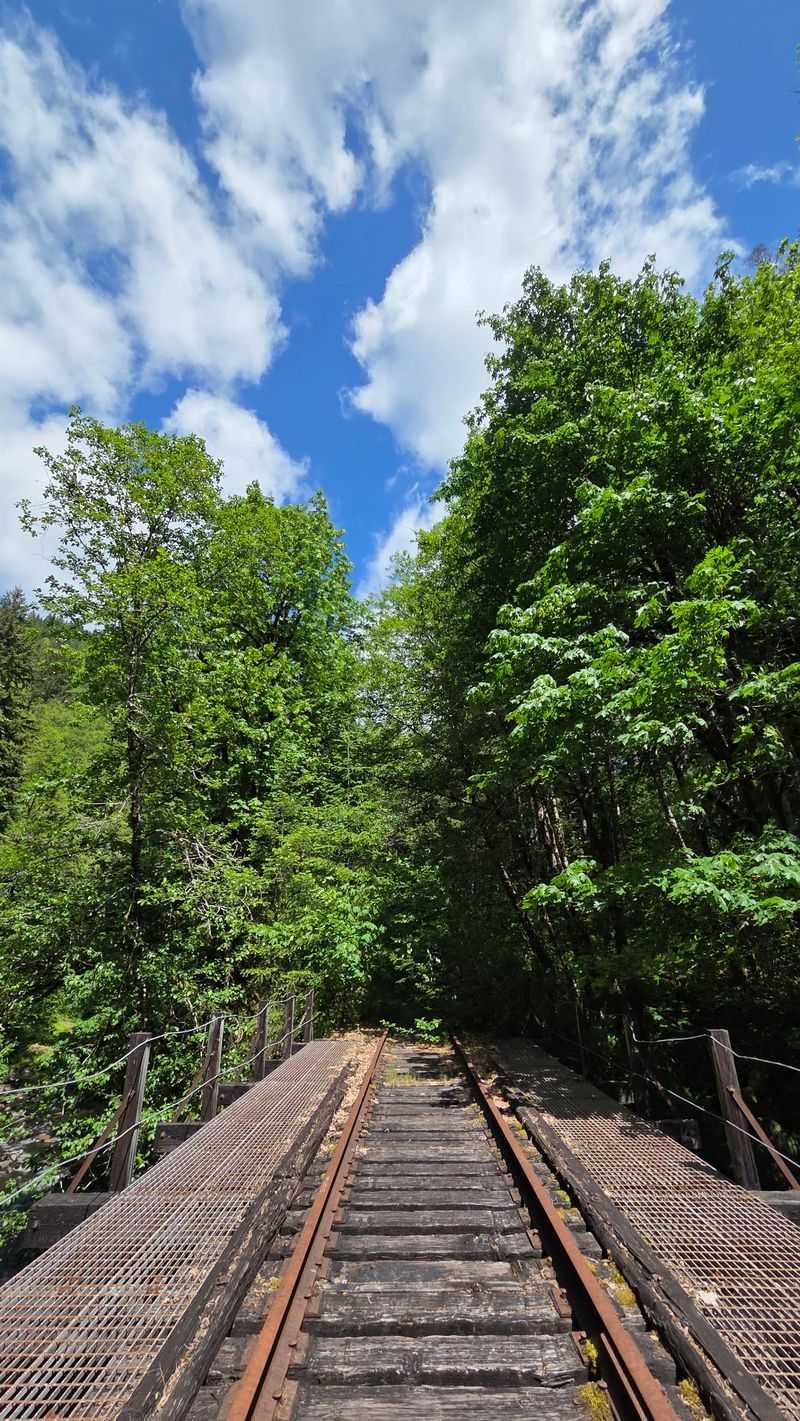
The Salmonberry River flows through Tillamook County in northwestern Oregon, tucked deep inside the Coast Range where paved roads give way to gravel and eventually to nothing at all. The trail corridor largely follows the old Pacific Railway and Navigation Company line, which once connected the Willamette Valley to the coast.
Getting here takes some planning. There is no single well-marked trailhead with a big parking lot and a ranger station waiting to greet you.
Access points vary depending on which section you want to explore, and a four-wheel-drive vehicle is strongly recommended for reaching the more remote entry points.
The infamous “Beaverslide” road, a steep and narrow descent into the canyon, earns its name honestly. First-timers often grip the steering wheel a little tighter on the way down.
Once you reach the river corridor, though, the effort immediately starts making sense, and you realize this place was worth every white-knuckle turn on the way in.
The Railroad That History Almost Forgot
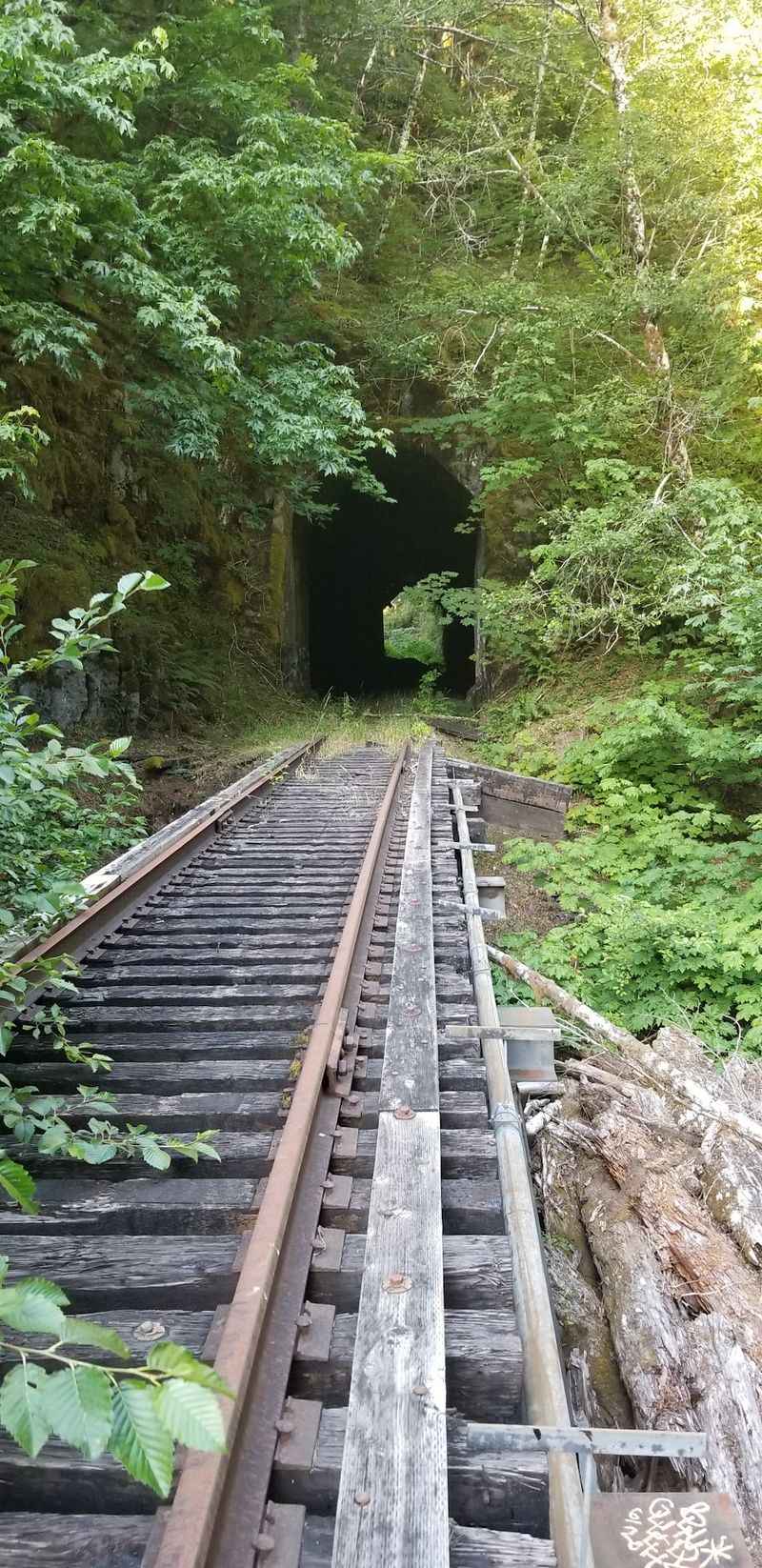
Back in 1906, the Pacific Railway and Navigation Company began pushing a rail line through the Salmonberry River canyon with the goal of connecting Tillamook to the broader rail network. Crews nicknamed the route “Punk, Rotten and Nasty,” which tells you pretty much everything you need to know about how construction went.
The terrain fought back at every turn. Gale-force storms, landslides, and the catastrophic Tillamook Burn fires repeatedly damaged or destroyed sections of the line.
Despite all that, the railroad operated for decades before finally being abandoned in the 1990s.
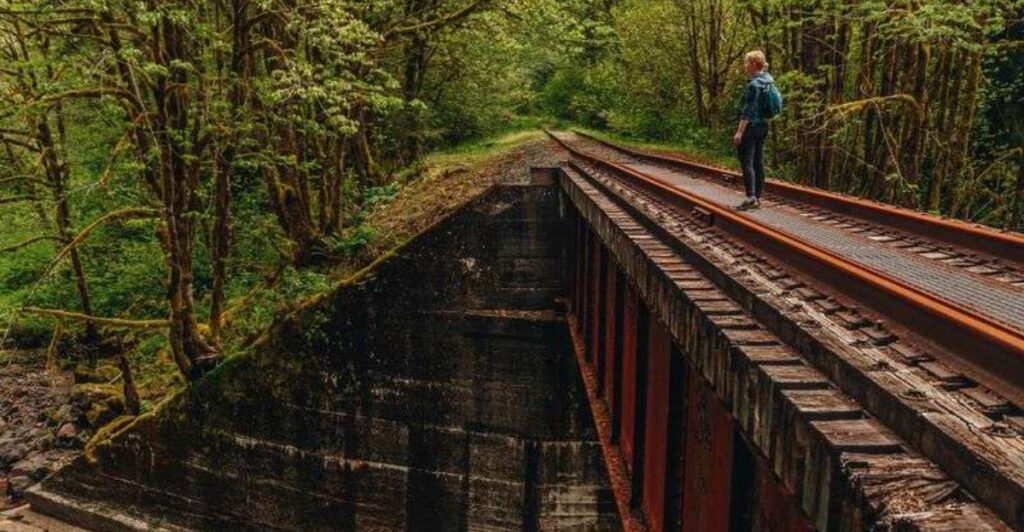
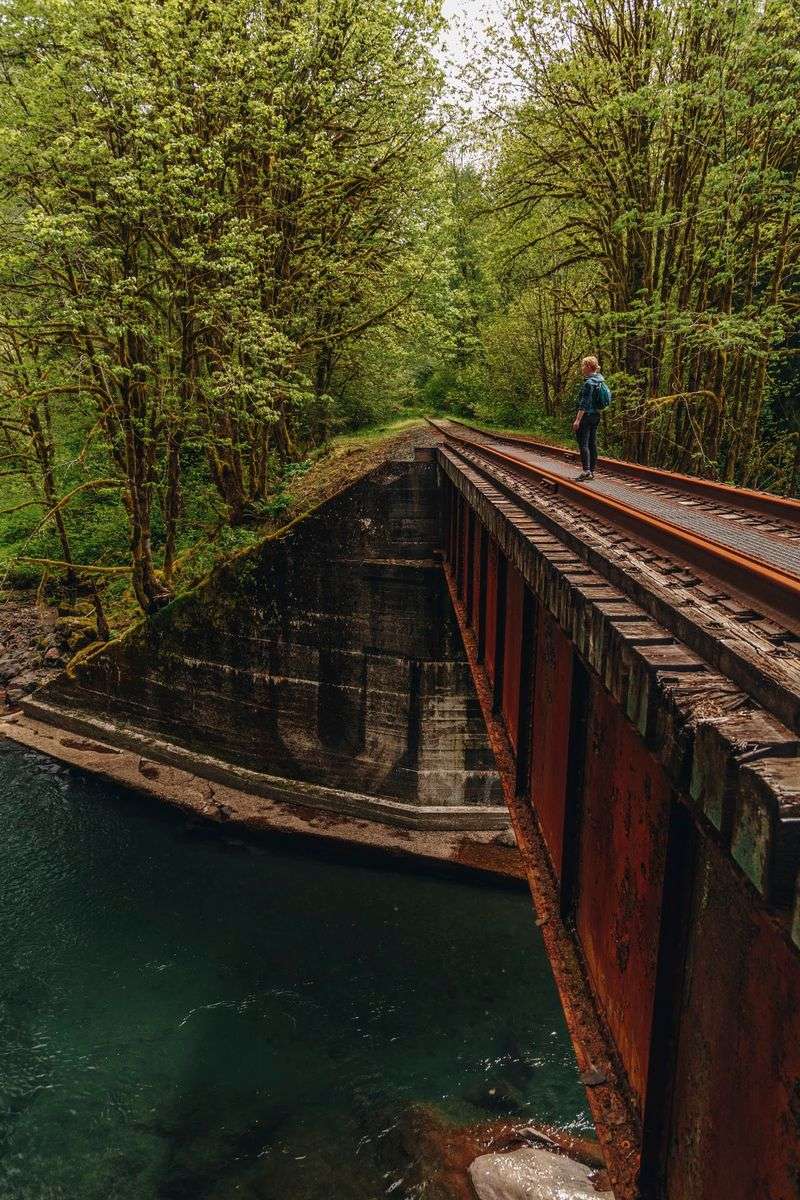
What the railroad left behind is extraordinary. Tunnels bored through solid rock, trestles spanning the river, and miles of graded roadbed still cling to the canyon walls.
These remnants are now the backbone of the new trail, giving hikers a direct connection to a piece of Oregon history that most people never even knew existed.
The Salmonberry River Itself: A Waterway Worth the Hike
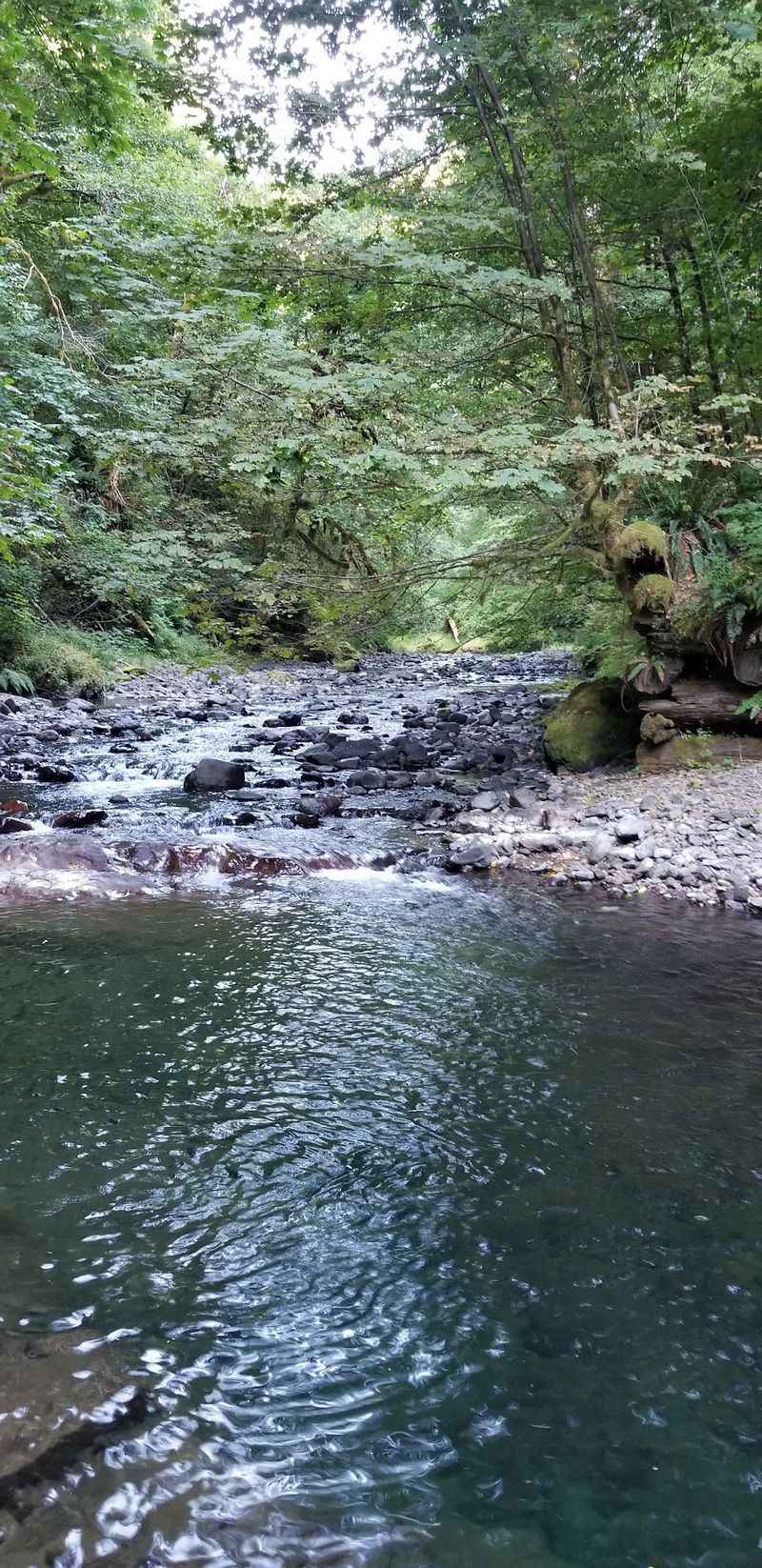
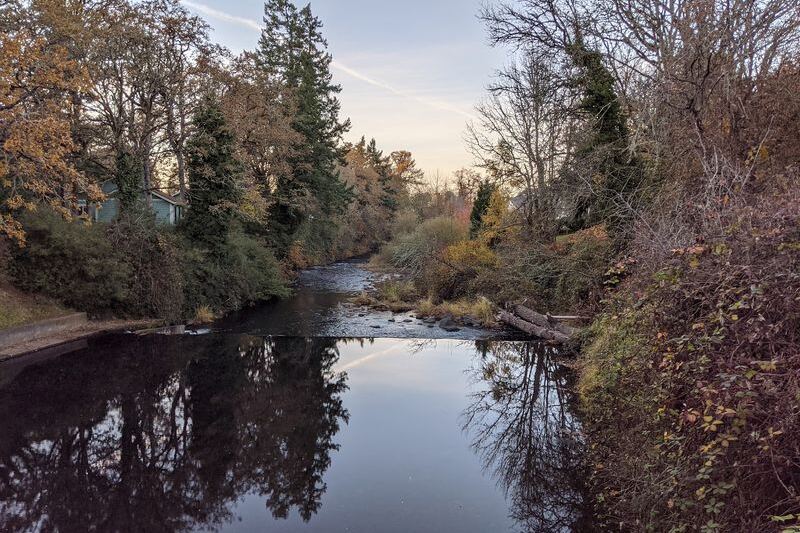
The river is the heart of this entire experience. Clear, cold, and rushing over smooth basalt, the Salmonberry moves with the kind of energy that makes you want to stop every few hundred yards just to watch it.
Wildlife is abundant along the banks. Black bears, elk, deer, and a wide range of bird species call this canyon home.
The river itself supports wild salmon and steelhead runs, which is partly how it got its name, alongside the bright orange salmonberries that grow in thick clusters along the water’s edge each summer.
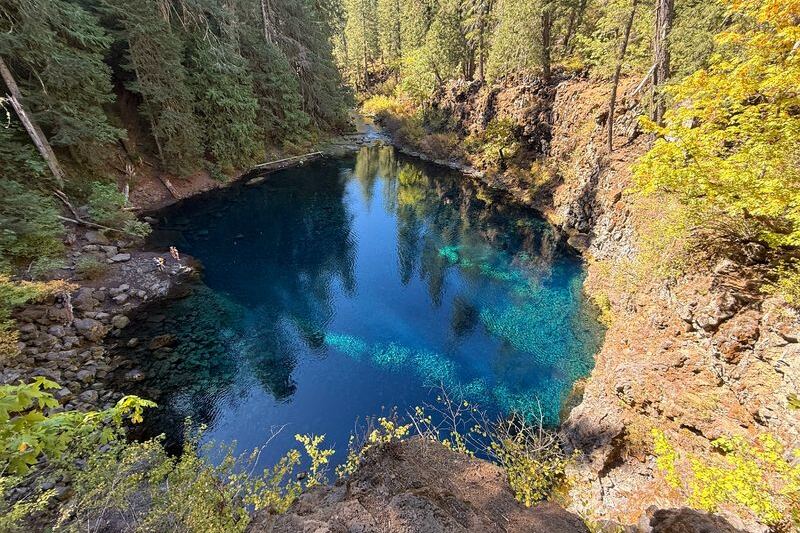
Swimming holes appear at several points along the trail, and the pool near the second tunnel is a particular favorite. The water is refreshingly cold even in late summer, making it a perfect reward after a long stretch of uphill trail.
The river also provides a constant soundtrack throughout the hike, a steady rush of white noise that makes the whole canyon feel alive.
The Tunnels: A Highlight No One Expects
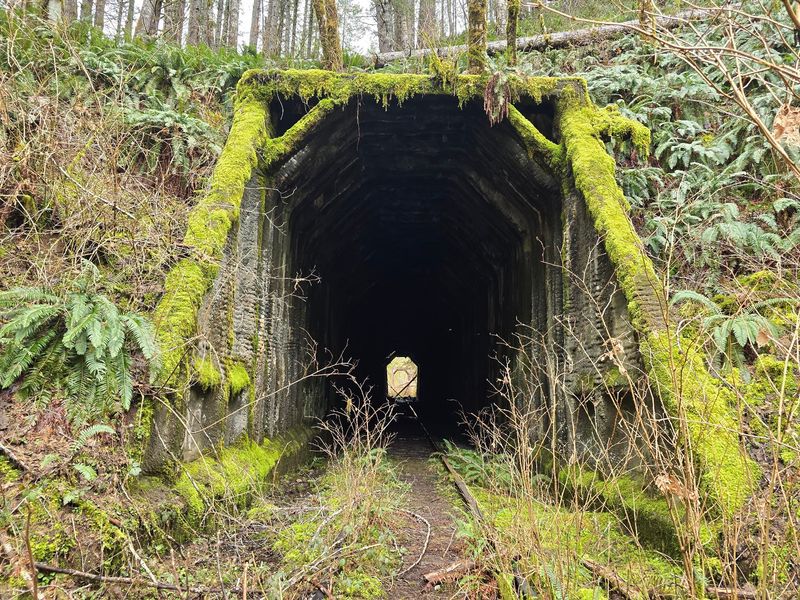
Few things on a hike stop you in your tracks quite like coming face-to-face with a tunnel bored straight through a mountain. The Salmonberry corridor has several of these, and they are genuinely impressive up close.
The first tunnel sits right at the end of the main access road, so it greets you almost immediately after you park. The second tunnel, roughly half a mile down the trail, sits near one of the best swimming spots in the canyon.
Both tunnels were originally built for the railroad and have survived decades of storms and neglect remarkably well.
Bringing a headlamp is non-negotiable. The tunnels are long enough that natural light fades completely before you reach the other side, and the floor can be uneven and wet.
That said, the experience of walking through a century-old railroad tunnel with the sound of the river echoing around you is the kind of thing that sticks with you long after the hike is over.
The 80-Mile Vision: What the Full Trail Will Look Like
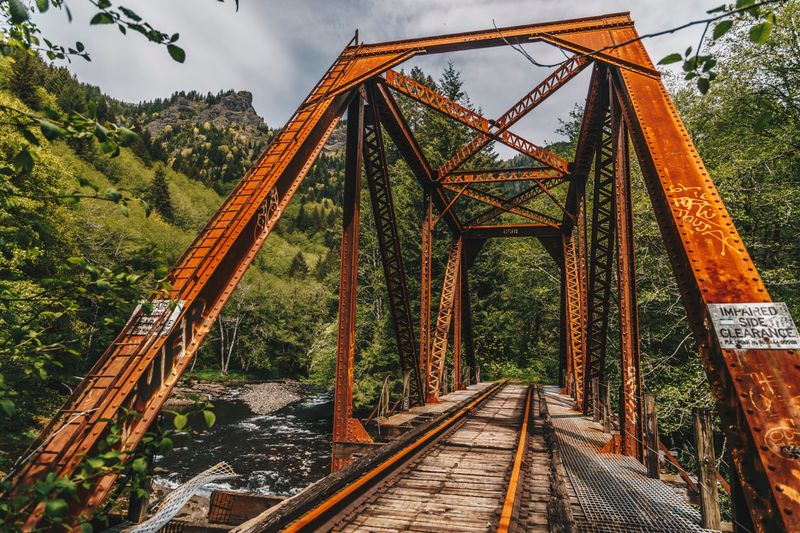
The Salmonberry Trail is not fully complete yet, but the vision behind it is ambitious. When finished, the trail will stretch roughly 80 miles through the Coast Range, following the old railroad corridor from the town of Cochran near Highway 26 all the way to Tillamook on the coast.
The project is part of a broader 86-mile coastal range rehabilitation plan and is being developed through a partnership between the Port of Tillamook Bay, Tillamook County, and various conservation groups. The goal is to create a multi-use trail suitable for hikers, mountain bikers, and eventually equestrians.
Progress has been steady but slow, given the rugged terrain and the amount of infrastructure repair required. Some sections remain difficult or temporarily closed while work continues.
Keeping an eye on updates from the Salmonberry Trail Alliance before planning a trip is a smart move, as trail conditions and accessible sections can change from season to season.
Wildlife and Wilderness Along the Corridor
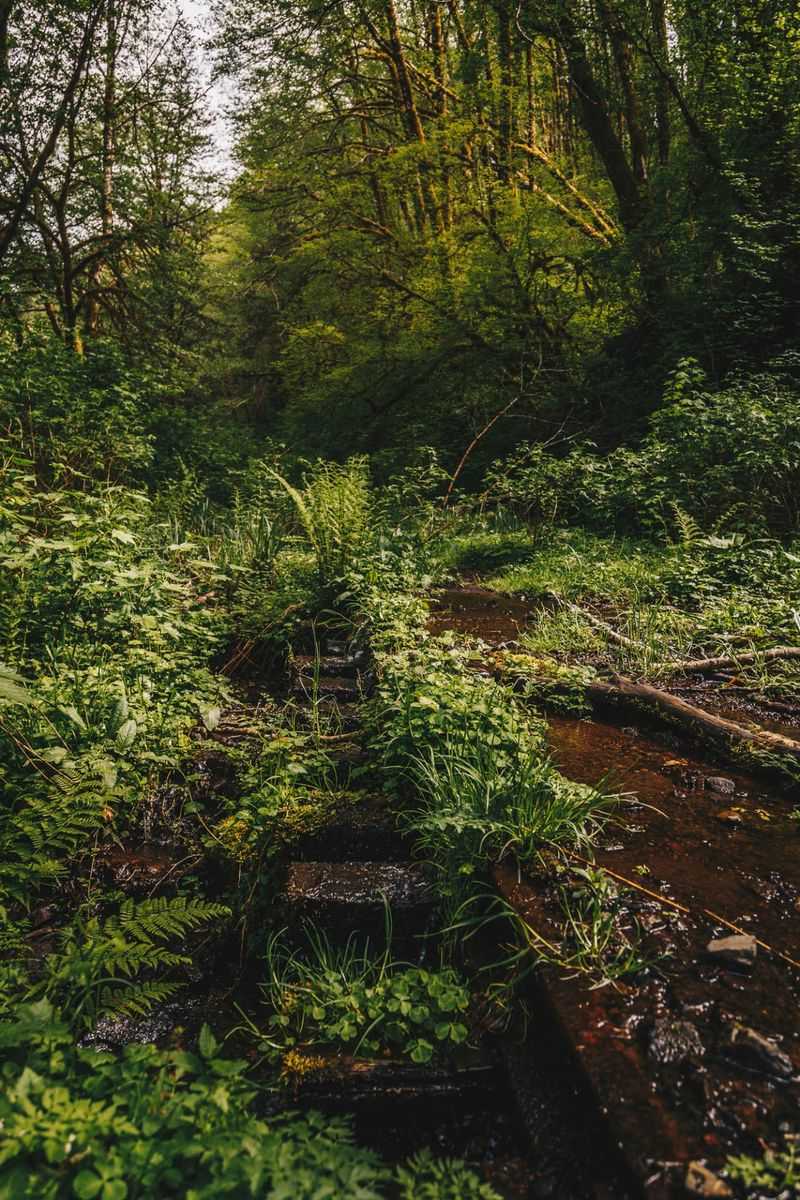
The Salmonberry canyon is about as close to true wilderness as you can get in the northern Oregon Coast Range. The area sees relatively few visitors compared to more famous Oregon trails, which means the wildlife here behaves with a refreshing lack of concern for human presence.
Elk sightings are common, especially in the early morning hours when herds move through the canyon bottom. Black bears occasionally appear along the trail, so carrying bear spray and knowing how to use it is a reasonable precaution.
Bald eagles and osprey hunt the river regularly, and the dense canopy overhead hosts a chorus of songbirds throughout spring and summer.
The plant life is equally impressive. Sword ferns, oxalis, and massive old-growth Douglas firs create a layered forest that feels prehistoric in the best possible way.
Salmonberry bushes line the trail in many places, and if you visit in late spring or early summer, you can snack on the ripe orange berries as you walk. Nature here is not a backdrop; it is the main event.
Camping in the Canyon: What to Know Before You Go
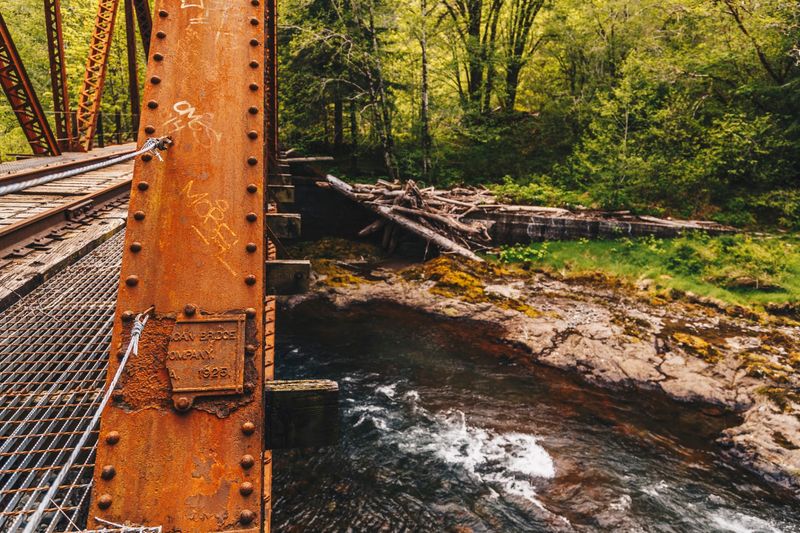
Spending a night in the Salmonberry canyon is a completely different experience from day hiking. Once the day-trippers clear out, the canyon settles into a deep, almost reverent quiet that is hard to find anywhere else in the region.
Dispersed camping is available along much of the corridor, though established campsites with formal amenities are limited. A tent, a water filter, and solid backcountry skills are all necessary.
The river provides water throughout the route, but it should always be filtered or treated before drinking.
Weather in the Coast Range can shift fast. Even in summer, rain is a real possibility, and the canyon can feel significantly cooler than surrounding lowlands.
Layered clothing and a waterproof shelter are smart choices regardless of the season. Those who come prepared are rewarded with some of the most peaceful nights imaginable, falling asleep to the sound of the Salmonberry River just a few feet away from their tent door.
Trail Conditions and Seasonal Considerations
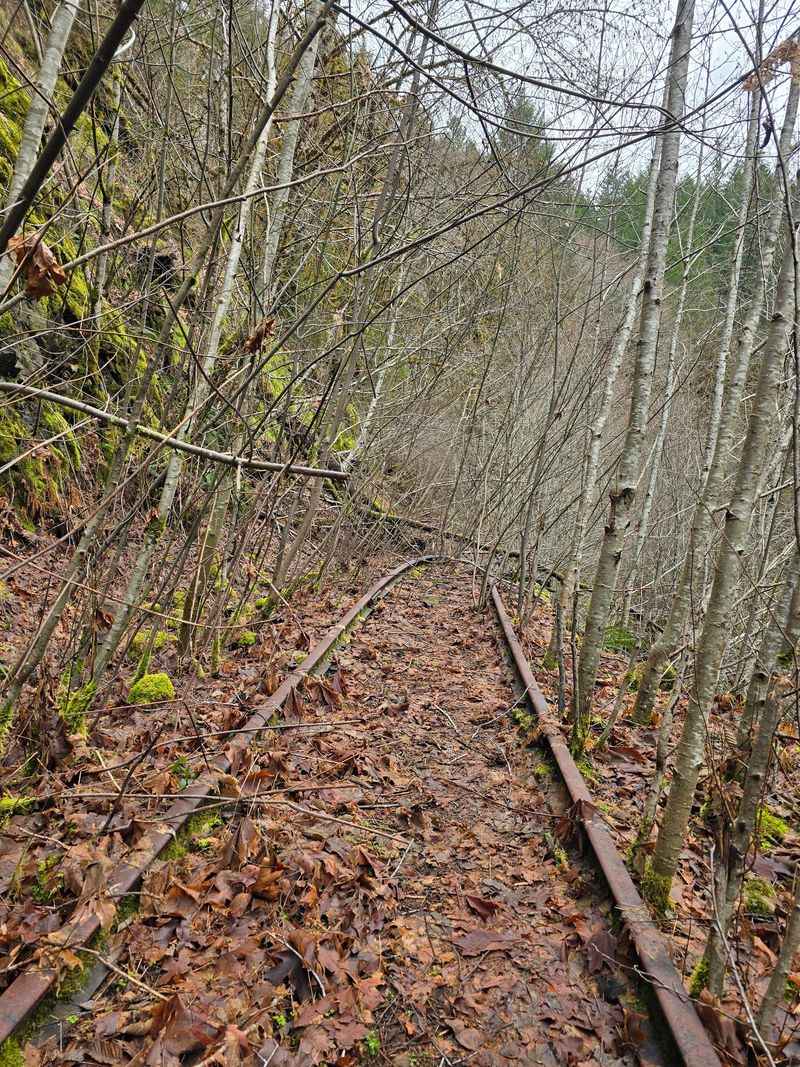
The Salmonberry corridor is not a trail that rewards casual or unprepared visitors. Trail conditions can vary dramatically depending on the season and recent weather, and some sections have historically been closed for maintenance or storm damage repair.
Winter and early spring bring heavy rain, which can make the access roads slippery and certain trail sections impassable. The Beaverslide road in particular becomes treacherous when wet, and even experienced four-wheel-drive drivers treat it with respect.
Late spring through early fall is generally the best window for visiting, when the roads are drier and the river levels are manageable.
Checking in with the Tillamook County community or the Salmonberry Trail Alliance before heading out is always a good idea. Trail closures, road conditions, and newly opened sections are updated periodically, and what was passable one month may not be the next.
Flexibility and preparation are the two most valuable things you can bring on this trip.
What to Pack for the Salmonberry Experience
Packing for the Salmonberry River trail requires a bit more thought than your average day hike. The remoteness of the canyon means that once you are in, you are largely on your own, so having the right gear matters.
A quality headlamp is essential for navigating the railroad tunnels safely. Sturdy, waterproof hiking boots will handle the uneven, often wet terrain along the old rail bed.
A water filter or purification tablets are necessary since there are no water stations along the route. Trekking poles help on the steeper sections, especially if you are carrying a full backpack.
Navigation tools deserve special attention here. Cell service in the canyon is essentially nonexistent, so downloading offline maps before you leave is critical.
A paper topographic map as a backup is not overkill. Snacks that provide sustained energy, a basic first-aid kit, and a reliable rain layer round out the essentials.
The canyon rewards those who come prepared and tends to humble those who do not.
Why This Trail Matters for Oregon’s Outdoor Future
The Salmonberry Trail is more than just a new route for hikers and cyclists. It represents a meaningful effort to preserve a piece of Oregon’s industrial and natural history while creating long-term recreational value for the region.
Tillamook County has long been known for its dairy farms and cheese, but the Salmonberry Trail has the potential to bring a new wave of outdoor tourism to the area. Local communities stand to benefit from the increased foot traffic, and the trail itself helps protect the fragile ecosystem of the canyon from unmanaged off-road use.
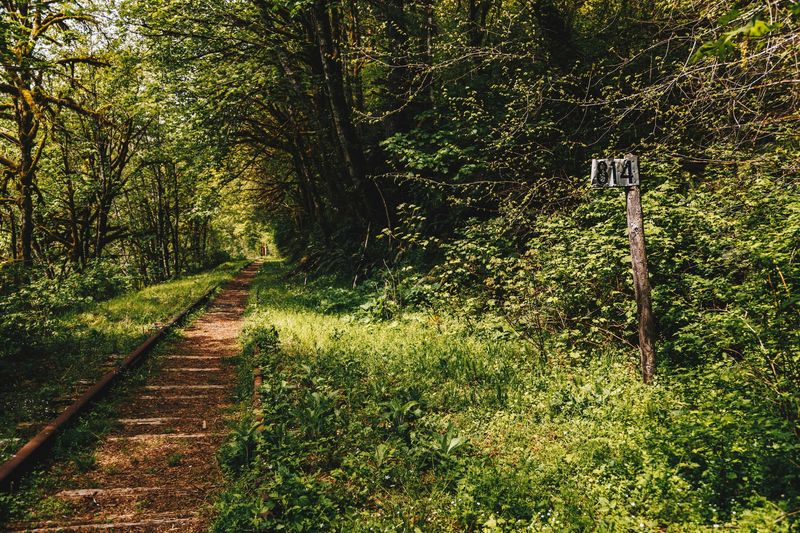
For hikers who love the idea of walking where history happened, the Salmonberry corridor delivers something rare: a trail that tells a story with every mile. The rusted rails, the hand-cut tunnels, the trestles still standing over a wild river all of it adds up to an experience that feels genuinely earned.
Oregon has no shortage of beautiful trails, but this one is building a reputation as something truly special.
Share this story