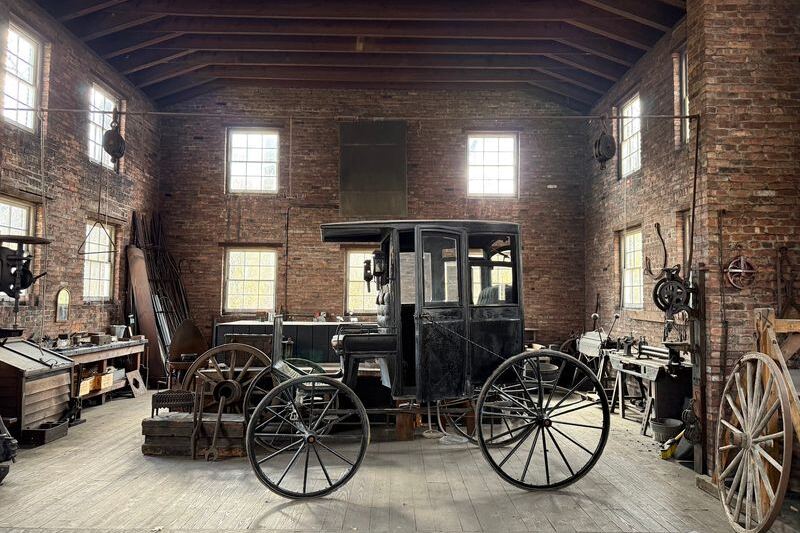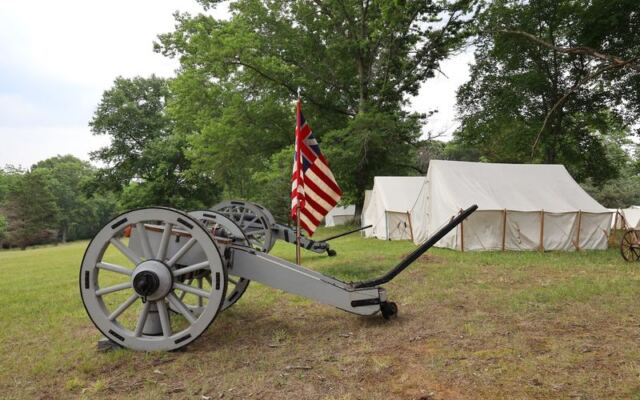
A quiet stretch of New Jersey can fool you at first. It looks like a simple place for a walk, a picnic, or a quick stop after errands, but then the story starts showing up in the fields, the markers, the visitor center, and the old paths.
Before long, a short outing turns into a surprisingly rich look at Revolutionary War history, with cannons, trails, orchards, and a park layout that makes the past easy to follow. For New Jersey residents who like day trips with substance, this is one of those places that proves the state keeps its best chapters close to home.
A Manalapan Township Landmark With A Full Address
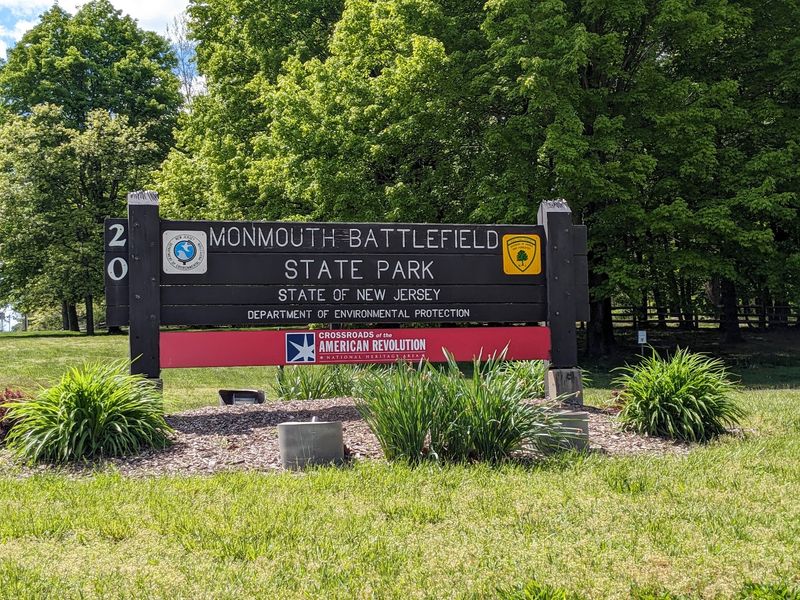
New Jersey history does not always arrive with fanfare. At Monmouth Battlefield State Park, 20 NJ-33 Business, Manalapan Township, NJ 07726, United States, it arrives through open fields, marked routes, a visitor center, and a preserved Revolutionary War landscape that still works as a local park.
The setting sits in Monmouth County, not far from Freehold, making it a practical stop for central New Jersey residents and a reasonable day trip for people coming from other parts of the state. Its identity is clear from the start: this is a state park built around a restored battlefield, with trails and interpretation arranged so people can connect the land to the story.
The park is not only for history fans with notebooks and sensible shoes, although they will have plenty to appreciate. It is also used for walks, picnics, family outings, biking, horseback riding, and half-day escapes that do not require a complicated plan.
That mix is the hook. A person can come for the grounds and leave knowing why this spot mattered in 1778, which is a tidy little New Jersey trick.
The 1778 Story Beneath The Fields
A date anchors the entire park: June 28, 1778. Monmouth Battlefield preserves the site connected to the Battle of Monmouth, a major Revolutionary War event that unfolded across the fields now crossed by paths, signs, and self-guided routes.
The park information explains the broader context through maps, displays, and marked viewpoints rather than forcing the story into one room. That matters because the land itself is the main document here, and the experience makes more sense when the visitor center and trails are paired together.
Regular parkgoers often point to the way the center explains the movement of British and Continental forces, the positions across the fields, and New Jersey’s role in the Revolutionary War. The grounds include spots such as Combs Hill and Perrine Hill, giving the route named places rather than a vague stroll through grass.
History can feel distant when it stays behind glass. At Monmouth, the better rhythm is to learn a little indoors, follow the map outdoors, then realize the field markers are doing more than decorating the landscape.
Cannons As Story Markers
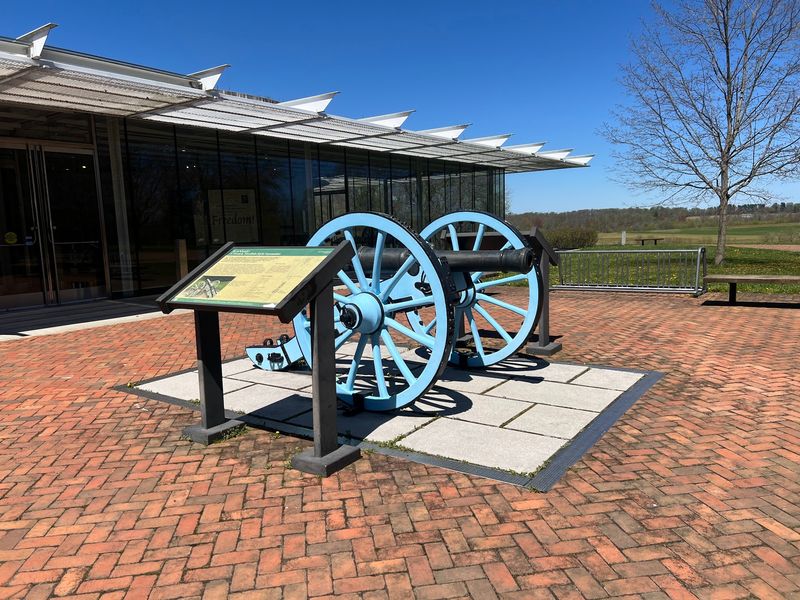
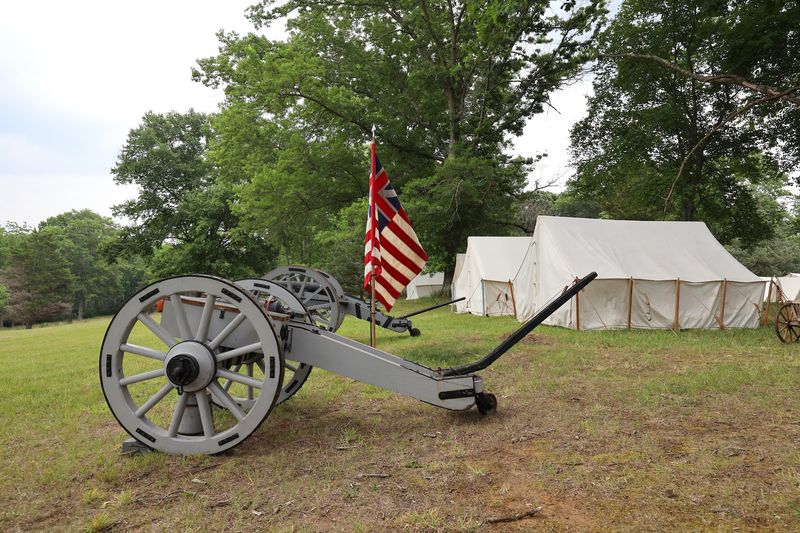
Cannons have a way of making even casual walkers slow down. At Monmouth Battlefield State Park, they are not random props but visible reminders of the park’s Revolutionary War setting and the field positions explained through the self-guided experience.
The park is associated with one of the largest field artillery actions of the American Revolutionary War, a detail that gives the displayed pieces and interpretive signs extra context. The cannons help readers of the landscape understand that the open views were once tied to carefully placed lines, commands, and movement across the terrain.
Families often use them as a natural stopping point, because they are easy to understand before the more detailed maps and plaques come into play. A child may notice the cannon first, while an adult may connect it to the visitor center’s explanation later, and both leave with a clearer sense of the site.
The best part is that the objects do not need theatrical treatment. They stand in the landscape with enough presence to pull attention toward the story, which is exactly the job they should be doing.
A Visitor Center That Connects The Dots
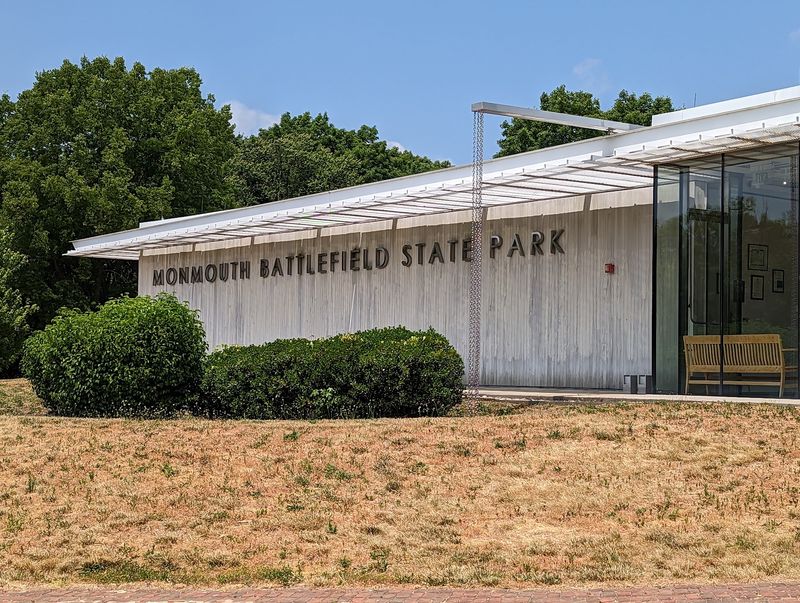
The smartest first stop is indoors, even for people who came mostly to stretch their legs. Monmouth Battlefield State Park has a visitor center with a small museum, an auditorium, displays, maps, dioramas, and information that frames the field experience before the trails begin.
The museum focuses on the Revolutionary War and New Jersey’s part in the broader story. Displays explain positions, movements, and the context of the event, while dioramas and maps make the site easier to follow once a person heads outside.
A short film is shown in a small cinema setting, and regulars often single it out as one of the more memorable pieces of the center. The building has also drawn attention for fitting well into the landscape, which helps it feel like part of the park rather than a separate attraction placed beside it.
The visitor center is also practical. It offers a place to start, orient, and pick up the thread of the story before the park opens into fields, orchards, and trails that make much more sense with a little background in hand.
Self-Guided Trails With A Plotline
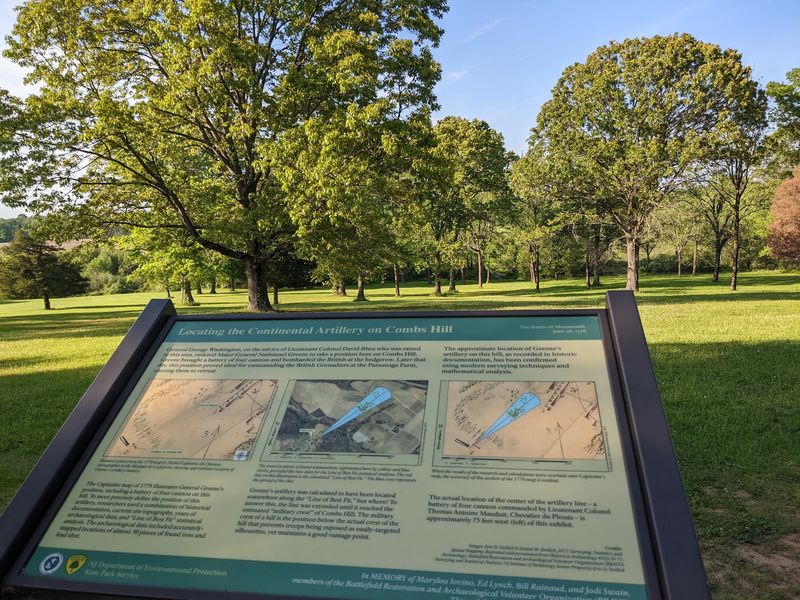
A trail map here can feel less like exercise homework and more like a chapter guide. The park offers self-guided maps and routes that lead people through battlefield areas, orchard paths, and named historic points, allowing the story to unfold at a manageable pace.
Some paths pass through open fields tied to the 1778 event, where interpretive signs help explain what happened in different areas. Others offer shorter walks closer to the visitor center, including a loop that has been noted as a highlight for people who want a compact route.
Combs Hill and Perrine Hill appear in the park experience as meaningful stops rather than throwaway labels. The self-guided format also works well for mixed groups, since some people can linger over signs while others keep the walk moving.
Signage has been described by some parkgoers as an area that could be stronger in spots, so checking a map before wandering toward the farm and orchard areas is a wise move. A little planning keeps the route from turning into a guessing game with sneakers.
Woodland Paths Near The Museum
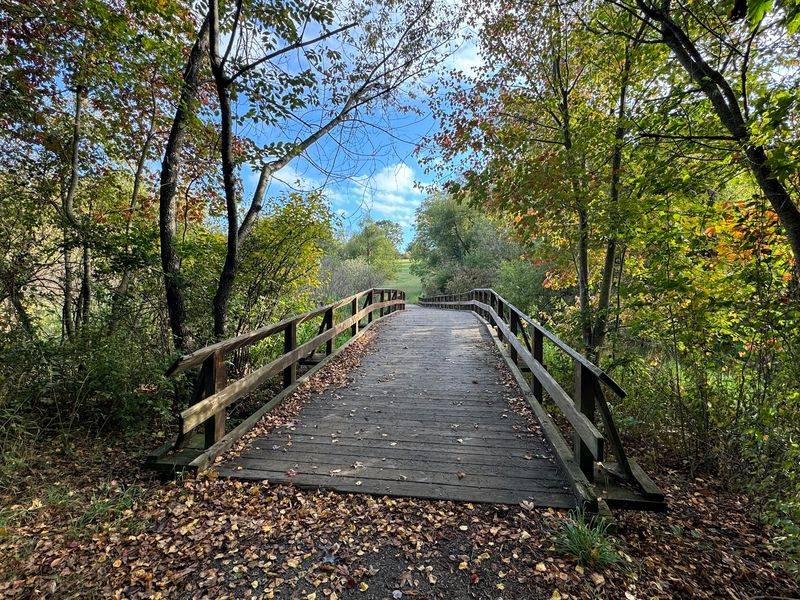
Not every path at the park crosses open battlefield ground. Near the museum area, woodland trails provide a shorter walking option with marked routes, a large loop, and places where the route can be shortened by cutting across.
That flexibility gives the park a useful second personality. A person can come for Revolutionary War context, then choose a quieter route that feels more like a local walk than a formal history lesson.
The woodland section has been described as easy to navigate and well marked, especially compared with some of the broader field and farm routes. It is a practical choice for families, solo walkers, and people who want a manageable distance without committing to the wider park network.
Because the trails begin near the museum, they pair neatly with a visitor center stop. Learn indoors, take a loop outdoors, and the day already feels complete before the larger battlefield routes even enter the conversation.
For a state park with such a big historical identity, that simple short-walk option is a quiet advantage.
Open Fields With Room To Read The Land
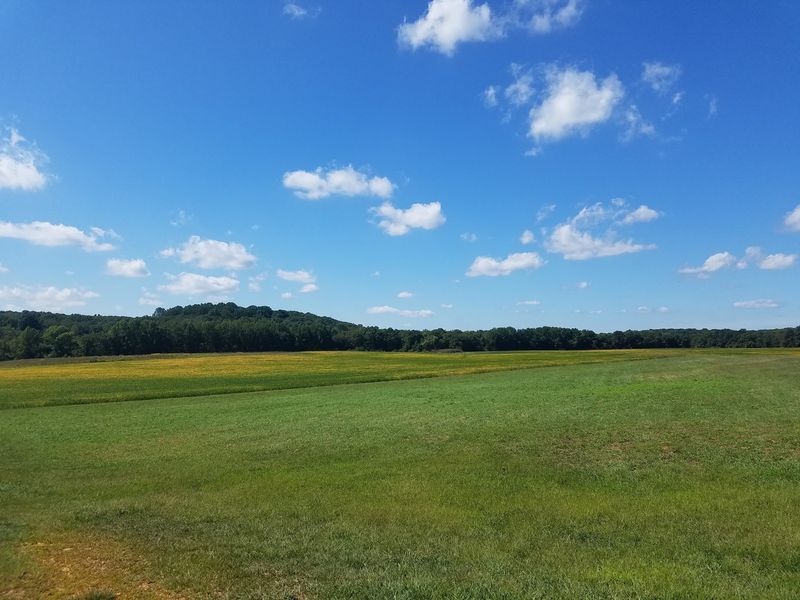
Open space carries much of the park’s meaning. Monmouth Battlefield State Park is known for preserved fields that allow people to stand within the landscape connected to the 1778 event rather than only reading about it on a wall.
The field routes give the site its scale. They show why maps matter, why the named hills matter, and why the visitor center’s explanations feel more useful after a person has seen how much ground the park covers.
Those broad areas are also part of the recreational appeal. People use the park for walking, hiking, biking, horseback riding, and spreading out during a half-day outing, so the historic purpose and everyday use share the same ground without competing too much.
Summer walkers should plan carefully, since some trail areas have limited shade. Bringing water and choosing a time that matches personal comfort can make the difference between a thoughtful route and an overly ambitious trek.
The fields do not shout for attention. They ask for a little patience, then reward anyone willing to match the map to the land.
Orchards Along The Historic Route
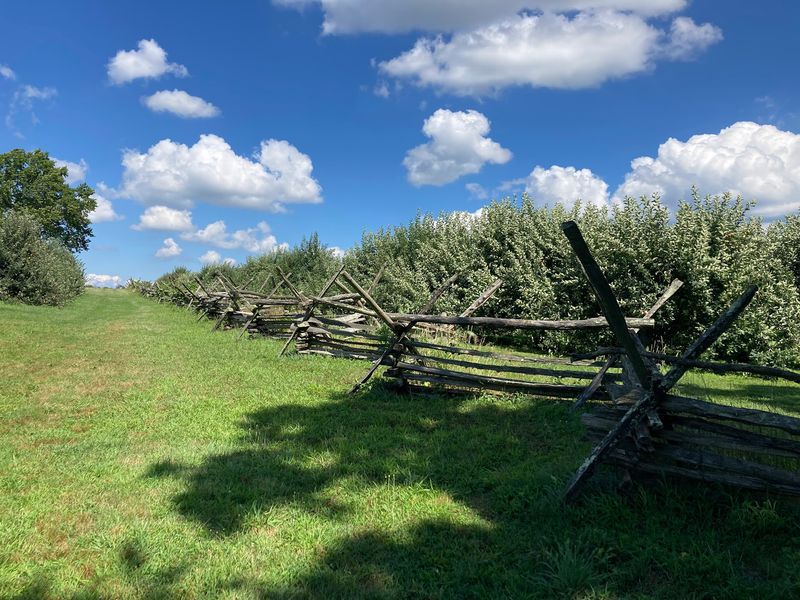
An apple orchard is not the first thing many people expect at a Revolutionary War battlefield. Yet orchard areas are part of the Monmouth Battlefield State Park experience, and some self-guided routes pass through them as the trail system moves across the property.
The orchard setting adds a distinctly New Jersey layer to the visit. It keeps the park from feeling like a static historic site and reminds people that preserved land can hold multiple local identities at once, including agriculture, recreation, and public history.
Apple picking and pumpkins are frequently associated with the wider park conversation, and nearby farmland details appear in the way people describe the grounds. The orchard paths also make map-checking important, because it is easy to think a quick walk through crop areas covers more of the battlefield than it actually does.
That little navigational wrinkle is not a flaw so much as a friendly warning. Look at the map first, follow the route with intent, and the orchard becomes part of the storyline rather than a scenic detour with historical homework waiting somewhere else.
Historic Farmhouses And The Craig House
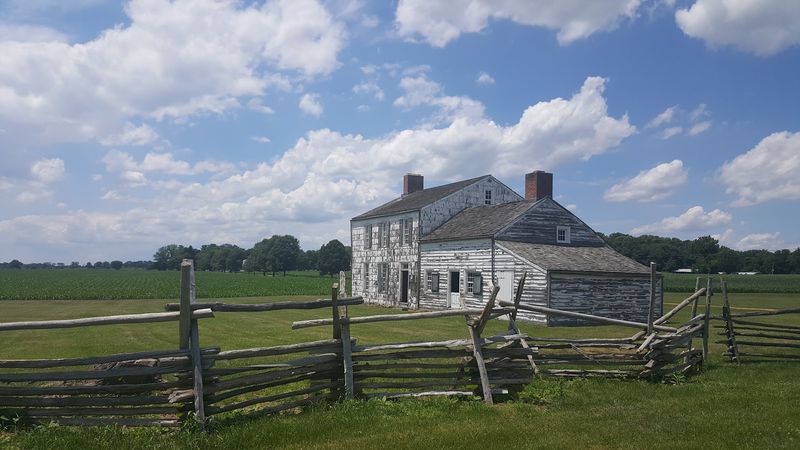
Old buildings give the park another kind of anchor. Monmouth Battlefield State Park includes historic farmhouses connected to the landscape, among them the Craig House, which dates to 1746.
That detail matters because it places the battlefield inside a lived-in rural setting rather than an abstract historical zone. The farmhouses help explain that the story unfolded around real homesteads, roads, fields, and local places that existed before the park became a preserved public site.
Tours of historic farmhouses are part of the park experience noted by people familiar with the grounds, and the Craig House is one of the names that stands out. The presence of these structures gives history-minded guests another reason to move beyond the visitor center and explore more of the property.
The farmhouses also give the park texture for people who enjoy old New Jersey architecture and early local history. A battlefield can feel large and difficult to grasp, but a house with a date attached gives the mind a doorway into the same period.
That doorway is worth taking, especially for anyone who likes history with a street-level sense of place.
June Reenactments With A Loyal Following

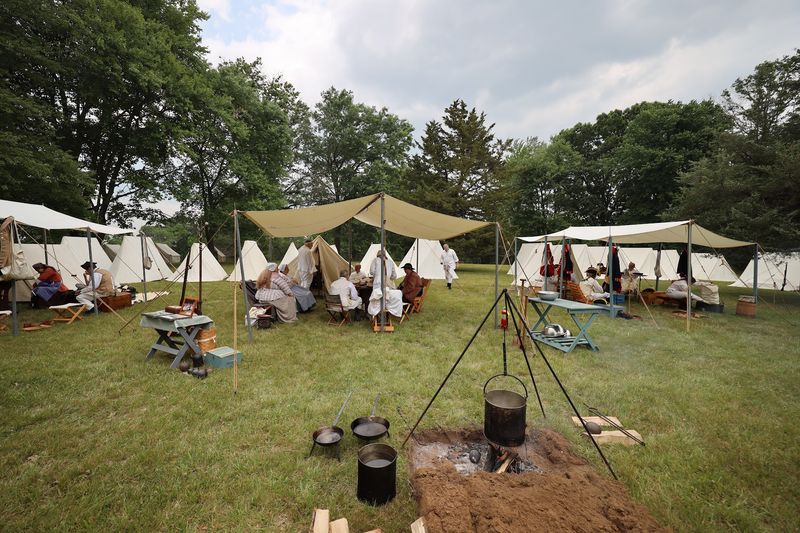
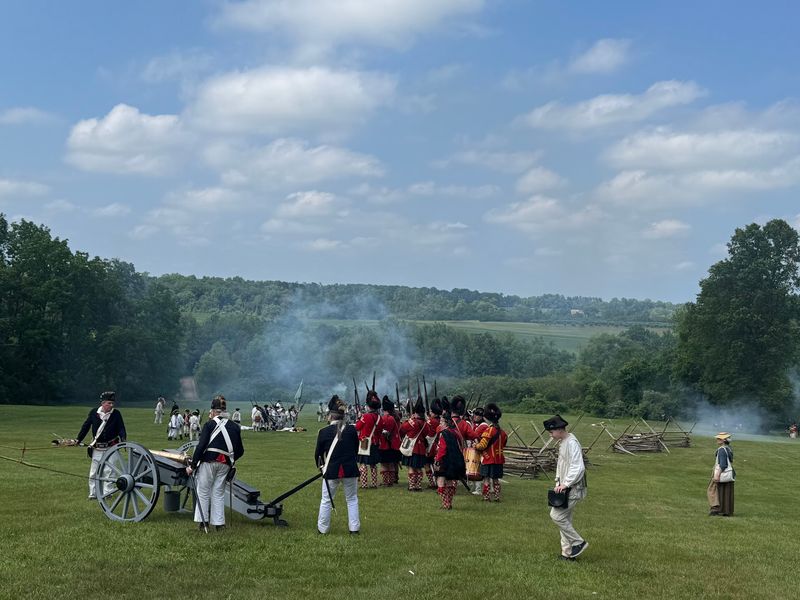
June gives the park its busiest history-focused moment. Monmouth Battlefield State Park is known for its annual Battle of Monmouth reenactment, an event that brings period clothing, tents, demonstrations, and public programs onto the grounds.
The reenactment is tied to the anniversary period of the 1778 event and has become a memory-making tradition for many New Jersey families. Reenactors participate on the grounds, and event setups can include tents where colonial-period wares, clothing, books, and food are available.
The event helps translate the museum’s maps into movement across the park. For younger attendees, it can make the Revolutionary War setting easier to understand than a display alone, while adults may appreciate the added context after visiting the center.
Large turnouts have been noted during anniversary events, so planning ahead is sensible. Arriving with patience, checking current park information, and expecting a fuller atmosphere can make the day smoother.
Even outside the event, the reenactment’s popularity says something useful. The park is not only preserved, it is actively remembered.
Picnic Areas Made For A Half-Day Plan
A good park visit needs somewhere to pause, and Monmouth Battlefield has that part covered. The grounds include picnic areas, tables, grills, a covered pavilion for larger gatherings, and space that supports a relaxed half-day outing.
Families can pair a museum stop with a short trail, then settle into the picnic area without turning the day into a race across every historic marker. A playground near the pavilion adds another practical reason the park works for mixed-age groups.
Several amenities show up in descriptions of the park experience, including benches, smaller grills, restroom access, and multiple places to park. Seasonal restroom availability may vary in some areas, while restrooms in the building opposite the museum have been described as open year-round.
The picnic setup also makes the park less intimidating for people who are not sure how much history they want in one afternoon. Start with the visitor center, follow a route, take a break, and decide whether the fields, woods, or orchard paths deserve a second round.
That flexibility is the park’s quiet superpower.
A Park That Works For Different Kinds Of Outings
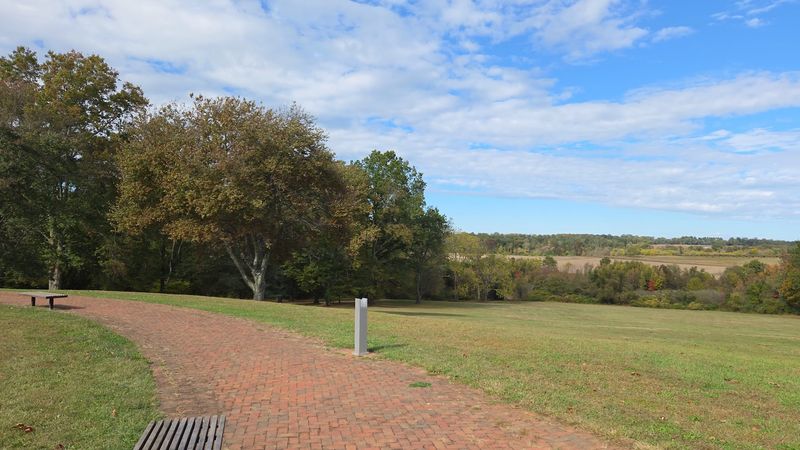
History buffs are not the only audience here, which is good news for everyone traveling with a group that cannot agree on anything. Monmouth Battlefield State Park supports hiking, walking, horseback riding, biking, picnicking, playground time, and self-guided history routes.
That range makes the park useful for several kinds of New Jersey outings. A parent can build a simple family day around the playground and picnic tables, while a history fan can spend time with maps, dioramas, and battlefield markers.
Dog walking is also part of how people use the broad grounds, and the park’s size helps different activities share space. The trails vary in character, so a short loop near the visitor center feels different from a longer route through fields or orchards.
The place can also suit a half-day getaway from city or suburban routines, especially for people who want something more grounded than a quick errand-style stop. It offers enough structure to feel purposeful, but not so much structure that every minute needs scheduling.
In classic New Jersey fashion, it manages to be practical and surprisingly deep at the same time.
Hours, Access, And The Free Factor
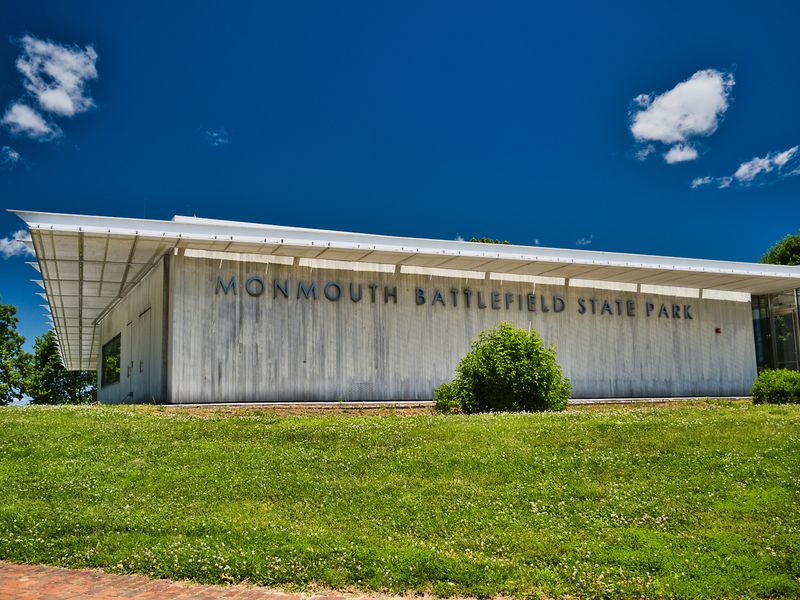
Practical details make this park especially easy to consider. Monmouth Battlefield State Park is listed as open daily from 8 AM to 4:30 PM, covering Thursday through Wednesday with the same posted hours.
The visitor center is a key part of the trip, but checking current official information before going is still smart, especially during off-season periods or before planning around indoor exhibits, tours, or special programs. The official state park website is the best place to confirm current details.
Cost is another appealing point. The visitor center has been described as free, and the park experience has been described as available at no cost, which gives New Jersey families and day-trippers a low-pressure way to add history, trails, and picnic time to a weekend plan.
Parking is also part of the convenience. A large parking lot and several parking areas have been noted, including spots at the entry and inside the state park.
The overall message is refreshingly simple: arrive during posted hours, start with orientation, and let the park’s layout do much of the planning for you.
Guided Tours, Lectures, And Extra Context

A self-guided route is useful, but a guided program can sharpen the whole visit. Monmouth Battlefield State Park has been associated with free battlefield tours on the first Sunday of the month and Battle of Monmouth lectures on the second Sunday of the month.
Those programs matter because the landscape is wide, and the story has many moving parts. A guide or lecture can help connect the visitor center displays to specific places outside, especially for people who want more than a casual walk.
Guided walking tours of the battlefield have been described as strong ways to learn the history while standing in the middle of the site. That combination is the park’s biggest educational advantage: the lesson is not separated from the place.
A bookstore has also been mentioned as part of the visitor center experience, though its hours should be checked before building a trip around it. Special events and tours may vary, so confirming schedules through official park information is the safer move.
When the timing works, these extras turn a good park day into a more complete New Jersey history outing.
A Soft Verdict For New Jersey Day-Trippers
Some parks are best for recreation, and some historic sites are best for reading plaques. Monmouth Battlefield State Park succeeds because it does both without making either side feel like an afterthought.
The cannons, visitor center, maps, dioramas, self-guided trails, orchards, open fields, and historic farmhouses create a layered visit that can be as casual or as focused as the day allows. Families can keep things simple, history fans can follow the details, and local walkers can return without needing a major event as an excuse.
The park does ask for a little preparation. Checking hours, looking over a map, bringing water in summer, and confirming program schedules can make the experience smoother, especially for anyone hoping to cover more than the short routes near the museum.
Still, the appeal is easy to understand. A place that starts as a quiet state park becomes a walkable Revolutionary War story, and it does so in a way that feels proudly, unmistakably New Jersey.
For a no-fuss day trip with substance, Monmouth Battlefield State Park earns its spot on the local list.
Share this story