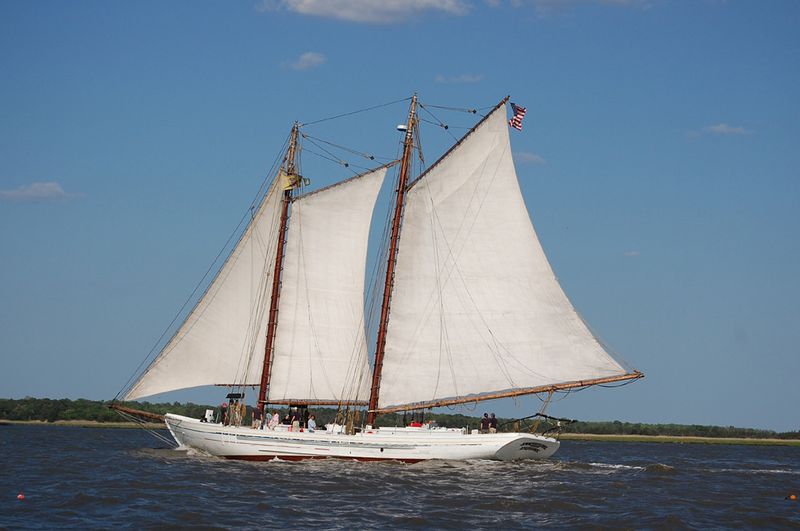
A 1928 oyster schooner still has work to do on the Delaware Bay, and New Jersey gets bragging rights for keeping her story alive. Down in Cumberland County, a small museum connects old oystering towns, protected marshland, public sails, and hands-on learning in one very specific place.
It is part history stop, part working waterfront, and part reminder that the Garden State has stories far beyond boardwalks and highways. Keep reading and the old bay industry starts to feel less like a textbook chapter and more like a local legacy still moving.
A Working Bayshore Address With A Big Local Story
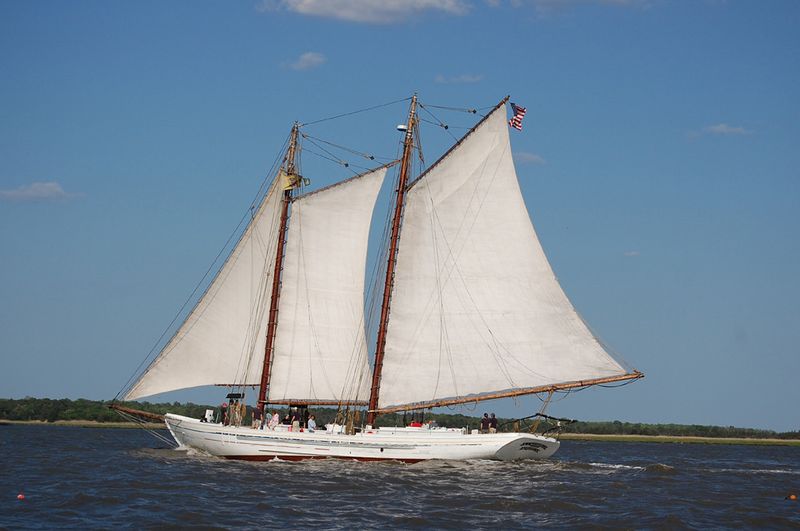
The map point matters here because the place is not tucked into a polished downtown or a giant attraction district. Bayshore Center at Bivalve is at 2800 High St, Port Norris, NJ 08349, in New Jersey’s bayshore country, where the Delaware Bay and local maritime history are the real headline.
As a museum, the center focuses on the oyster industry that once shaped this part of Cumberland County. The address places it in Bivalve, a name that already gives away the plot in the most New Jersey way possible.
The center is known for connecting people with the history of oystering, the Delaware Bay, wetlands, and the A.J. Meerwald, a 1928 oyster schooner tied to the region’s working past.
That combination gives the stop a rare mix: museum exhibits on land, a historic vessel when available, and a waterfront setting that explains why the story happened here in the first place.
New Jersey residents looking for a day trip with actual roots will find more than a quick display case visit. The point is not just to see old things, but to understand how a bayshore community built a livelihood around the water and kept enough of that memory alive to share it today.
The Oyster Industry Chapter New Jersey Should Not Skip
A good local museum does not need to shout when the subject already carries weight. Inside the Bayshore Center at Bivalve, the focus lands on the once booming oyster industry of the Delaware Bay, a history that shaped work, trade, and town identity along this shoreline.
Exhibits and introductory videos help explain the industry in a way that works for curious adults and younger learners. The center has been described in its public feedback as a place where people often leave having learned new details about oystering, local maritime history, and the role this area played in New Jersey’s past.
Antiques and displays add context without turning the experience into a maze. The museum side is especially useful because it gives land-based visitors a clear path into the story before they think about a sail or time near the docks.
The topic also feels proudly local. Oystering is not a generic coastal tale pasted onto Port Norris, but a reason this community matters in the larger Delaware Bay story.
For New Jersey readers who like places that quietly defend the state’s depth, this section of the center does a fine job. It reminds people that industry, ecology, and small-town heritage can sit together in one modest museum and still carry plenty of meaning.
A.J. Meerwald And The 1928 Schooner Still In Motion
The star of the story has masts, rigging, and a long connection to the bay. A.J.
Meerwald, the 1928 oyster schooner associated with the Bayshore Center at Bivalve, gives the museum a living centerpiece rather than only a historical subject behind glass.
Public comments about the center often point to the ship as beautiful, memorable, and closely tied to the history of New Jersey’s oyster industry. The vessel was built on the Maurice River and used for oystering on the bay, which makes her more than a decorative dockside attraction.
When the schooner is docked, she adds a strong reason to linger at the center. The ship connects the exhibits to a real working design, showing how maritime labor depended on specific craft, skill, timing, and knowledge of local waters.
Her role also stretches beyond nostalgia. The center uses experiences aboard the A.J.
Meerwald for education about the ship, the industry, sailing, and the environment of the Delaware Bay.
That is the part that gives the place its unusual staying power. Plenty of museums preserve a story, but fewer keep a 1928 oyster schooner active enough that the past still has a schedule to keep.
Public Sails With A Hands-On Twist
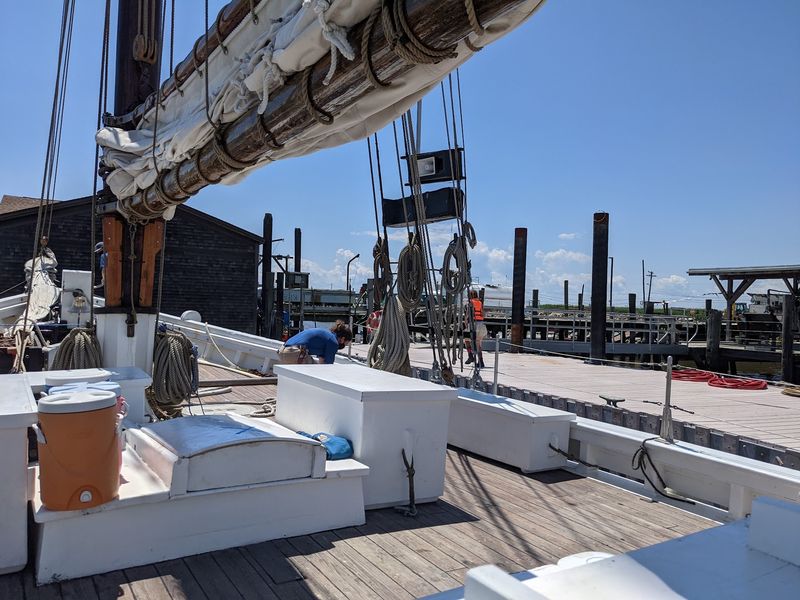
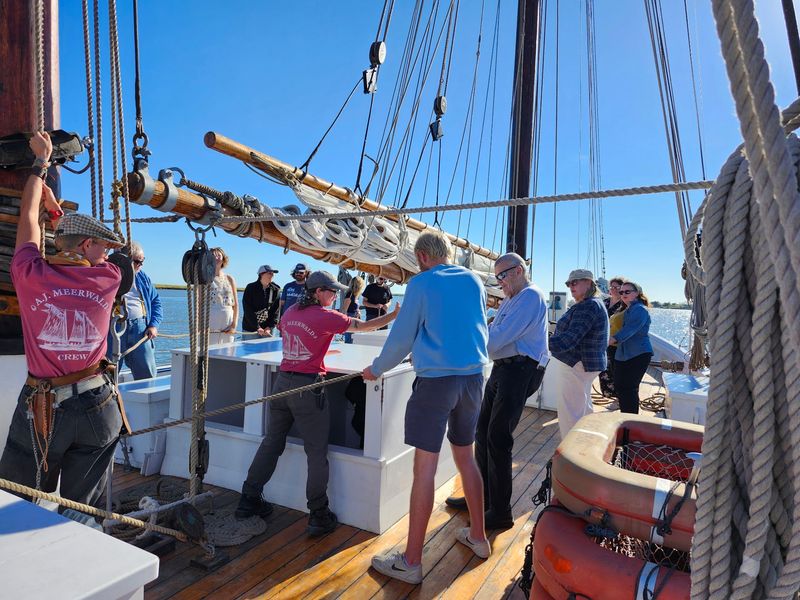
Not every museum visit comes with the chance to help raise a sail. The Bayshore Center’s public sails aboard A.J.
Meerwald are a major draw because they turn a maritime history lesson into something active, structured, and tied directly to the old schooner.
People who have taken sails often mention learning from knowledgeable crew members, historians, mates, deckhands, volunteers, and interns. The experience can include information about the ship, the oyster industry, the Delaware Bay, and personal knowledge from people involved with sailing the vessel.
Some sails have allowed passengers to assist with raising the sails, which comes up repeatedly as a highlight. That detail matters because it gives the outing a participatory edge without requiring guests to arrive as sailing experts.
Reported sail lengths in public comments include two-hour, two-and-a-half-hour, and six-hour outings, so the exact trip depends on the event or schedule being offered. The center’s own website is the sensible place to check current options before making plans.
Families also appear to fit well into this format. One public sail from Bivalve included a 9-year-old child helping with the sails, which says a lot about the center’s ability to make serious history approachable without watering it down.
Delaware Bay Learning Beyond The Display Cases
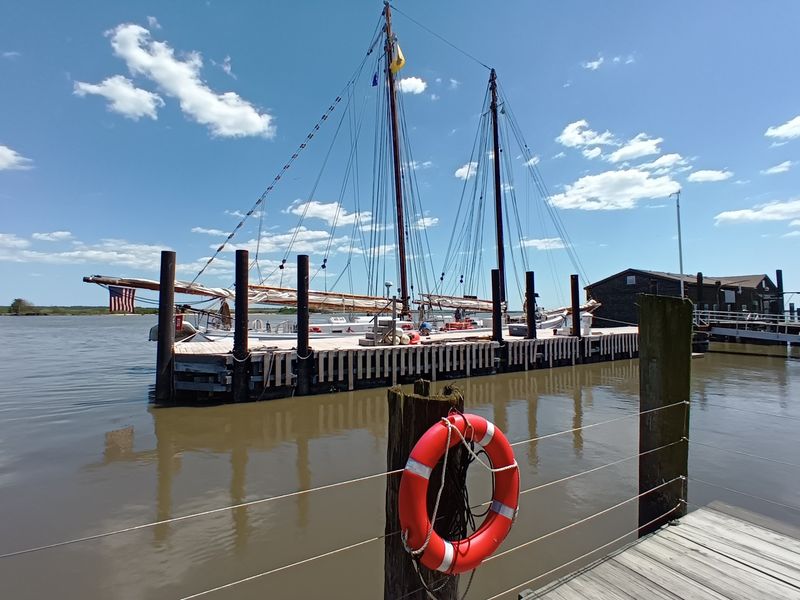
Here is where the center gets bigger than one ship. The Bayshore Center at Bivalve uses its setting and programs to connect maritime history with the natural environment of the Delaware Bay, including wetlands, water, land, and air environments.
Educational sails are designed not only for enjoyment, but also for environmental learning. That mission comes through in experiences where guides, birding volunteers, and onboard educators answer questions about the bay and its surroundings.
Birding sails are part of the public story around the center, and past participants have noted help from birding volunteers during those trips. Bald eagles and bird activity appear among commonly mentioned topics connected with the place, while protected marshlands nearby add another reason the location works for nature-focused learning.
The center also has a reputation for adapting explanations to the group. That is useful for families, school-age children, and adults who want details without feeling like they have wandered into an advanced seminar by accident.
New Jersey has many places where nature and history overlap, but this one makes that overlap unusually clear. The bay is not treated as scenery in the background; it is part of the lesson, part of the heritage, and part of why the center exists.
Docks, Walking Paths, And Nearby Marshland
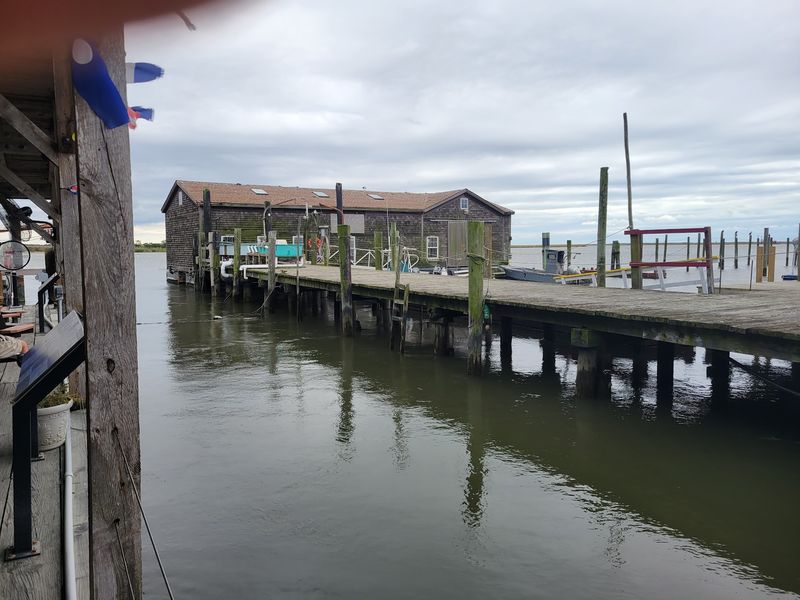
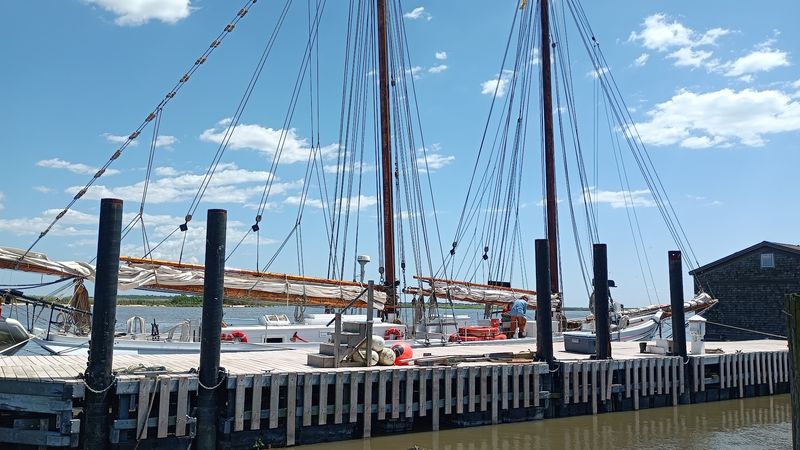
A museum visit here can stretch outside without becoming complicated. The Bayshore Center at Bivalve has a dockside setting, a walking path mentioned by past guests, and local history nearby, which gives the stop more range than a single indoor room.
The docks help connect the museum displays to the working waterfront that made the oyster story possible. People have described being able to walk out near the docks and see the river area, making the setting part of the interpretation rather than a separate afterthought.
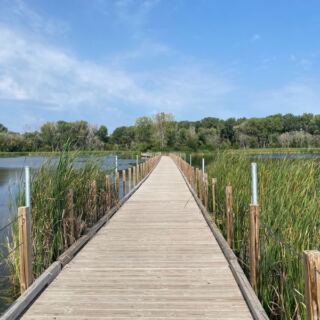
Protected marshlands nearby also come up as worth a look. The trails have been described as straightforward routes through reeds and along canals, so visitors should expect a simple bayshore walk rather than a highly developed trail network.
Bird activity is part of the broader appeal around the center and nearby bay areas. Mentions of martins, different birds, and bald eagles suggest that the setting can reward people who like adding a nature stop to a history outing.
This is the kind of place that benefits from a little unhurried time. The museum explains the industry, the docks show where the work belonged, and the marshland adds another chapter without asking anyone to drive across half the state.
A Friendly Fit For Families And Curious Day-Trippers
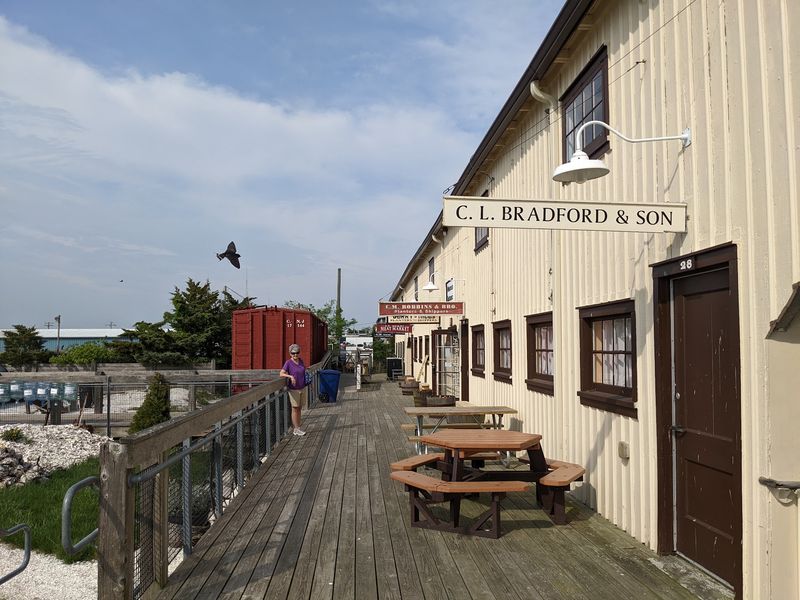
Some places feel built for experts, but this one seems to welcome the casually curious too. The Bayshore Center at Bivalve works well for families, local-history fans, birders, maritime buffs, and New Jersey day-trippers who want a stop with substance.
Public feedback points again and again to knowledgeable, welcoming staff and guides who can explain the history at different levels. That matters because a topic like oystering could easily become technical, yet the center appears to keep it accessible.
Children can get something out of the visit, especially when explanations are adjusted for younger learners. The sail experiences add another layer for families because assisting with sails can make the trip feel more interactive than a standard museum stop.
The atmosphere is often described as quaint, interesting, and unique, with the learning experience standing out as a repeated theme. The center is not presented as a high-speed attraction, and that is part of its value.
For short-hop travelers in South Jersey, the appeal is practical as well as cultural. It is a way to turn a day into a local history lesson, a waterfront outing, and perhaps a schooner experience, all centered on one place that feels distinctly tied to the Delaware Bay.
Simple Planning Notes And A Soft Bayshore Verdict
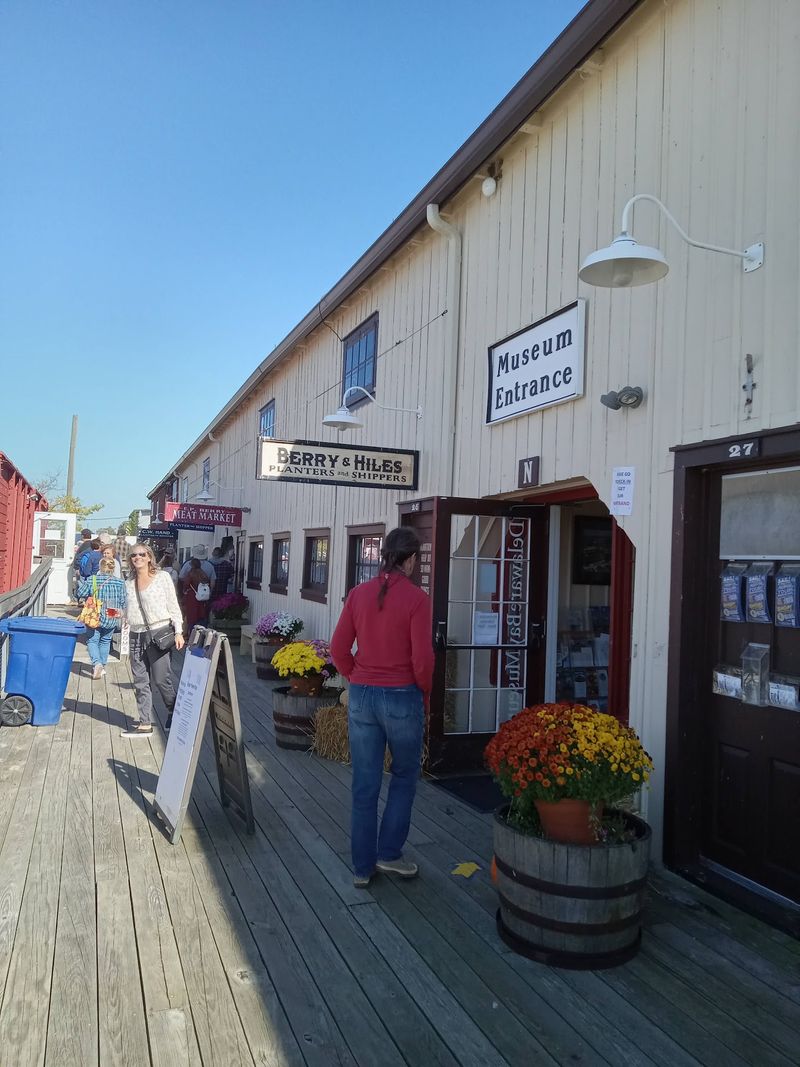
Practical details are refreshingly short, though checking ahead is still smart. Google Maps lists Bayshore Center at Bivalve as open Wednesday from 11 AM to 4 PM and Saturday from 11 AM to 4 PM, with Thursday, Friday, Sunday, Monday, and Tuesday listed as closed.
Current public map data does not provide admission prices, so plan to use the center’s website before going, especially for seasonal activities, public sails, festivals, or special events. Past public comments also recommend checking seasonal times and activities in advance, which is sensible for any place tied to a working waterfront and scheduled sails.
Free parking has been mentioned in public feedback, adding an easy note for day-trippers. The center’s website is bayshorecenter.org, and it is the best source for confirming what is open, what is sailing, and what requires advance planning.
The soft verdict is simple: this is not just a museum with a boat nearby. It is a New Jersey bayshore place where a 1928 oyster schooner, oystering history, environmental education, docks, and local pride all point in the same direction.
For readers who like underrated state stories with a real address and a reason to exist, Bayshore Center at Bivalve earns a spot on the South Jersey day-trip list.
Share this story