New Jersey has a funny way of hiding big surprises in places that look ordinary on the map. A quick campus stop can turn into the kind of detour that makes a day trip feel larger than planned, especially when a building suddenly seems more like something from an old university town overseas.
The place at the center of this story is not a restaurant, not a museum, and not a long hike, but it still gives curious travelers plenty to linger over. Keep reading, because the details explain why one chapel can make the Garden State feel dramatically more historic than expected.
A Chapel Anchored In The Heart Of Campus
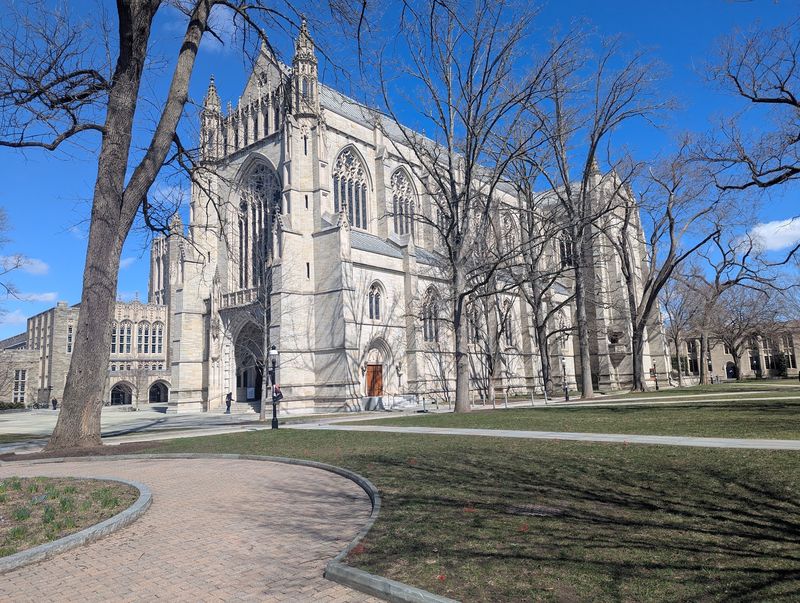
Campus detours rarely announce themselves with such confidence, but Princeton University Chapel has a way of turning a simple walk into a full stop.
The chapel stands at Princeton, NJ 08544, United States, on the Princeton University campus in Mercer County, New Jersey. It is a public-facing chapel within a working university setting, so it feels both academic and ceremonial without needing a long explanation.
For New Jersey residents, that matters because the place is not some faraway postcard. It is right here in the state, tucked into one of its most walkable college environments.
The building functions as a chapel, but its scale makes it feel far bigger than a quiet campus add-on. Since it is part of Princeton University, a visit can fit naturally into a broader campus stroll, especially for day-trippers who like architecture with a side of local pride.
The 1928 Story Behind The Stone
A date can do a lot of work here: 1928 places the chapel in a period when American universities were shaping buildings to carry weight, meaning, and tradition.
Princeton University Chapel was completed in 1928 and designed by Ralph Adams Cram, a major American Gothic Revival architect of the early 20th century. His work often drew from older church and university forms, and this chapel is widely treated as one of his standout achievements.
The design pulls from English medieval cathedrals, French Gothic churches, and the chapel traditions of Oxford and Cambridge. That combination helps explain why a New Jersey campus can suddenly seem connected to a much older academic world.
Nothing about the story feels random. The building was planned to support ceremony, learning, and reflection, giving Princeton a landmark that belongs to campus life while still feeling special enough for a separate trip.
Collegiate Gothic With An English Accent
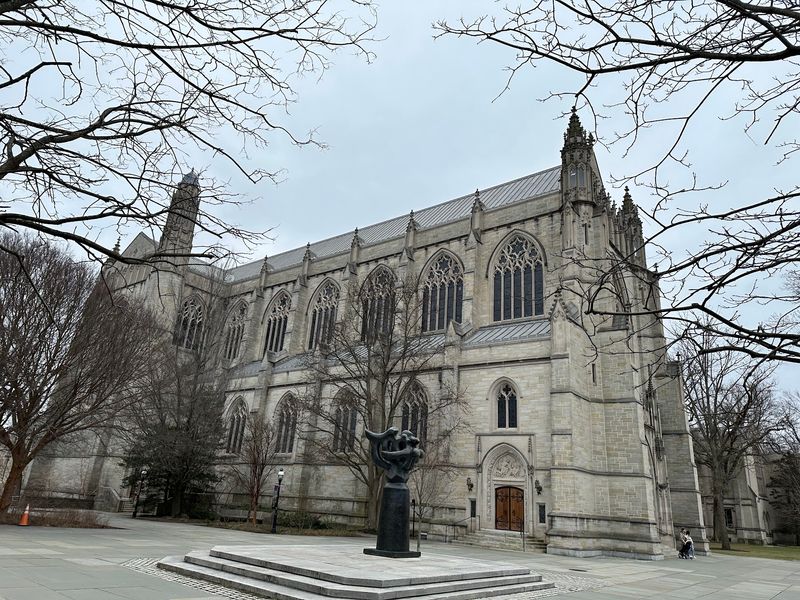
One reason the chapel sparks so much second-glancing is that its style seems to speak fluent old-world university.
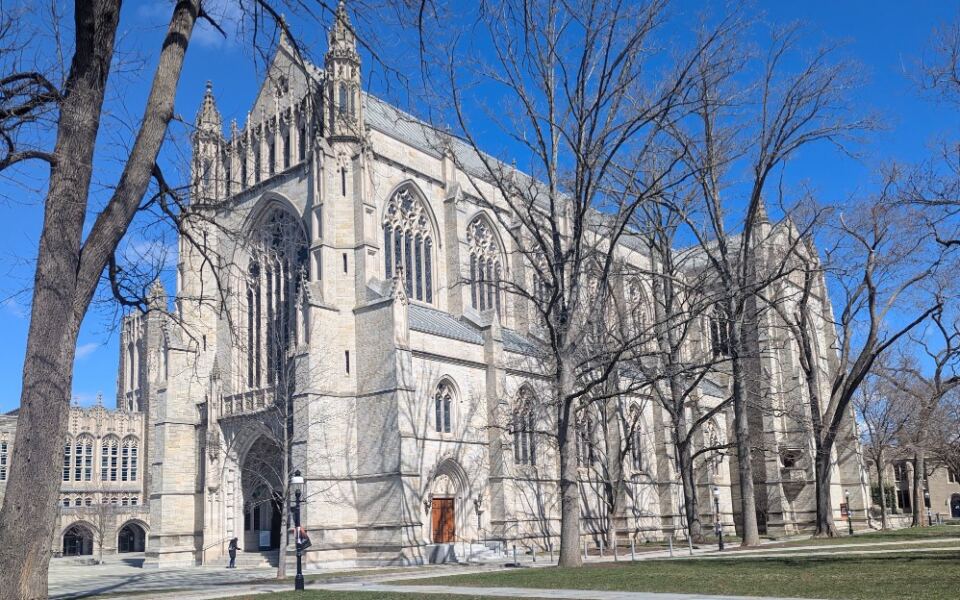
The building is described as High Gothic Revival, with a clear connection to English collegiate architecture. Its pointed windows, sandstone exterior, sculptural portals, and tall wall forms create the academic drama that people often associate with Oxford and Cambridge.
Princeton does not need to pretend to be England, of course. The fun is that New Jersey gets to host its own version, shaped for an American campus and woven into daily university life.
The chapel also avoids feeling like a stand-alone monument dropped onto a lawn. Ralph Adams Cram intended it to fit into the campus rather than overpower it, which helps the building read as part of Princeton’s identity instead of a separate showpiece.
That balance is a big part of its charm.
A Scale That Surprises First-Timers
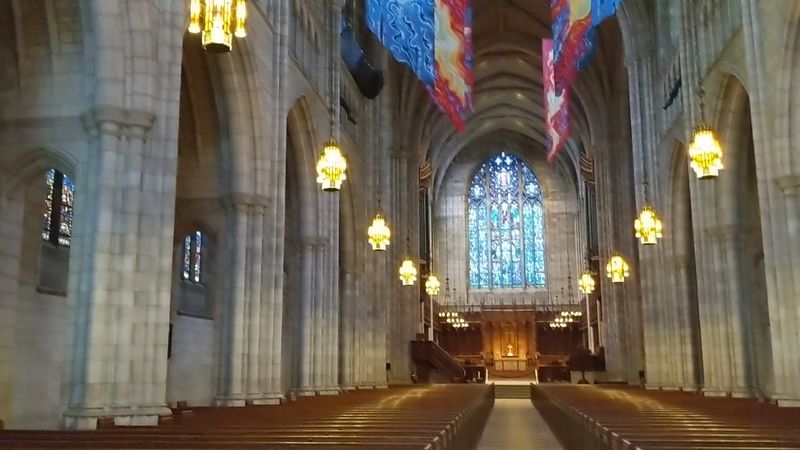
Small chapel expectations do not last long once the proportions start to register.
Princeton University Chapel is about 277 feet long and can seat around 2,000 people, placing it among the largest university chapels in the world. That scale gives the building a presence that goes well beyond the size many people expect from the word chapel.
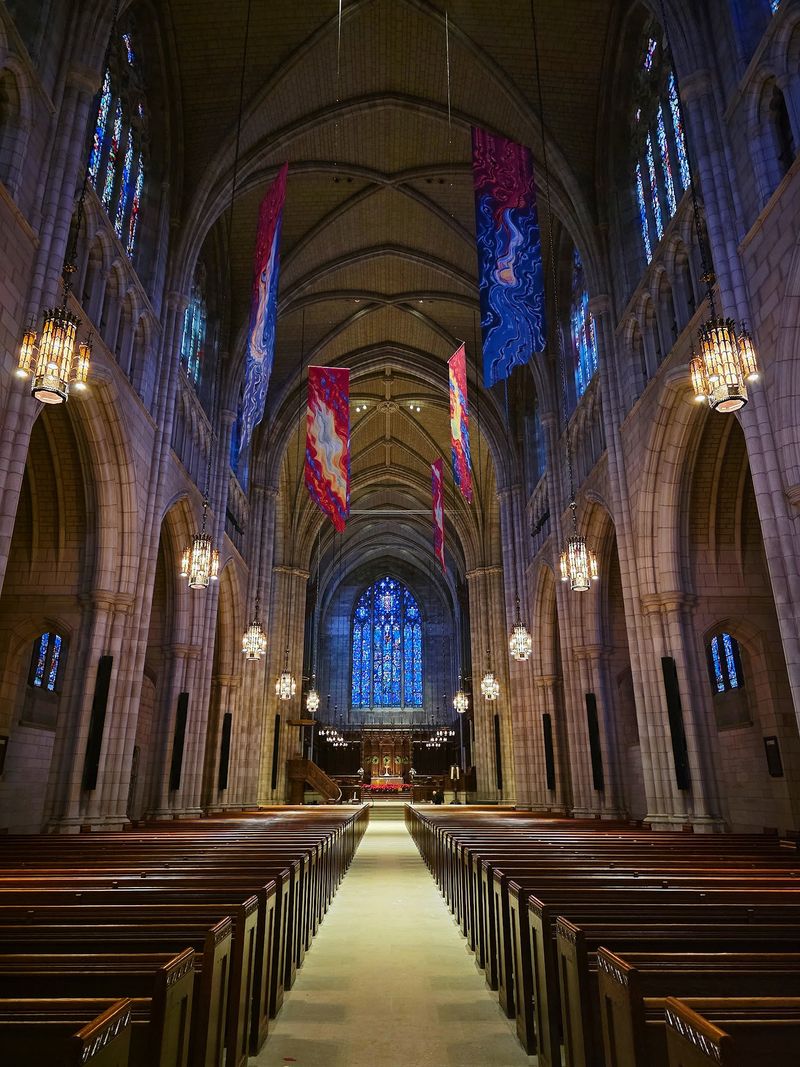
Inside, the long nave and high rib-vaulted ceiling reinforce the sense of ceremony. The layout draws attention forward, making the space feel organized around processions, gatherings, and formal university occasions.
The size also helps explain why music events and large services work so naturally here. Even a brief stop can become a lesson in how architecture directs movement and attention.
New Jersey has plenty of compact historic buildings, but this one plays in a much bigger architectural league.
Stonework That Rewards Slow Looking
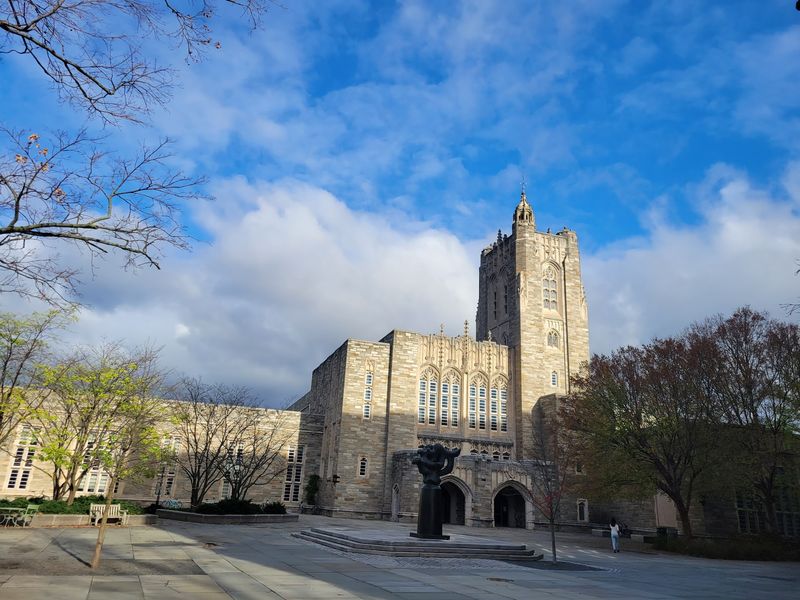
Here is the sneaky part: the building gets better when nobody rushes past the details.
The exterior includes sandstone construction, pointed traceried windows, pinnacles, finials, and supports that recall flying buttresses. Those features give the chapel its Gothic character, but the carved portals are where the building starts to feel especially layered.
The west facade includes deeply recessed Gothic portals with carved figures representing scholars, saints, philosophers, and historical thinkers. That mix fits a university chapel because the decoration is not only religious in focus, but also tied to learning and intellectual history.
Even the smaller carvings have stories attached. One detail noted by a docent connects sculpted pinecones to the Pine family, who helped pay for the chapel’s construction.
That is the kind of campus fact that makes a wall feel less like stone and more like a scrapbook.
Windows Filled With Faith And Learning
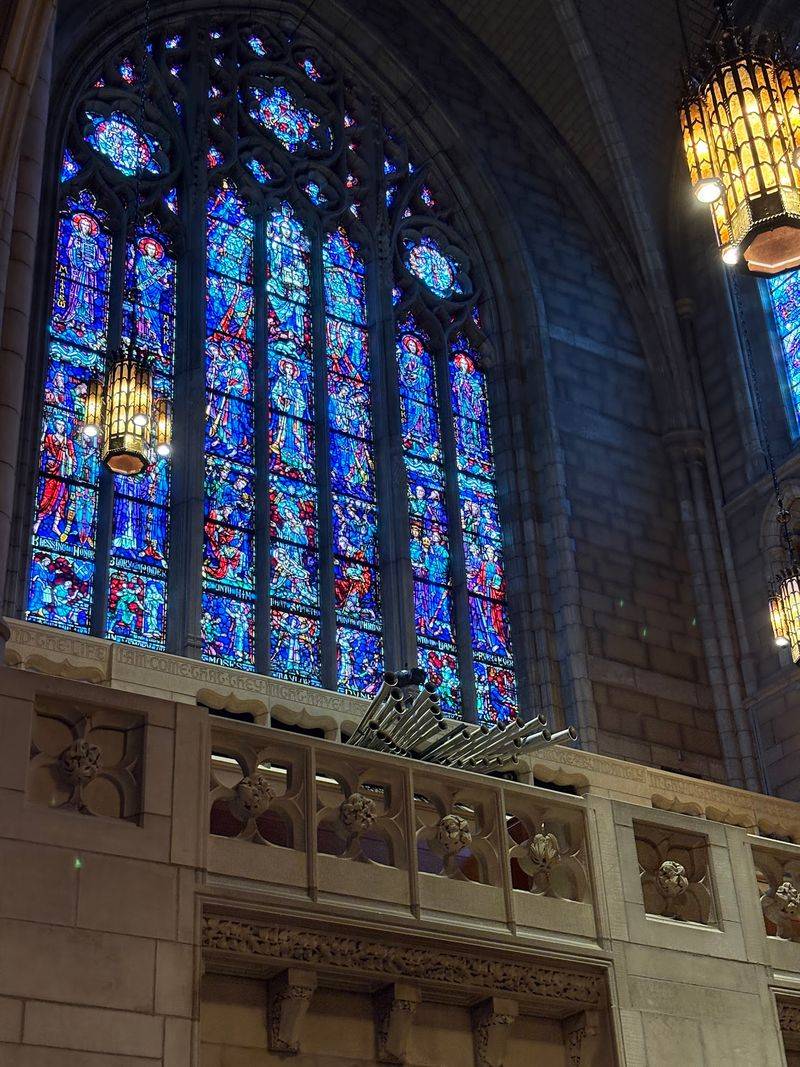
The windows do more than decorate the walls, and that is where the chapel becomes especially Princeton.
Its stained glass blends Christian iconography with academic symbolism and secular intellectual history. Instead of focusing only on biblical narratives, the windows also refer to scientists, poets, philosophers, and educators.
Figures associated with the windows include Isaac Newton, Johann Wolfgang von Goethe, and Dante Alighieri. That range reflects the university setting, where religious tradition and academic humanism were intentionally brought into the same visual program.
People often single out the glass as one of the chapel’s most memorable features, and it is easy to understand why from a factual standpoint. The windows turn the building into more than an architectural statement.
They also make it a campus text, with ideas, disciplines, and traditions arranged in colored glass instead of pages.
An Interior Built For Upward Attention
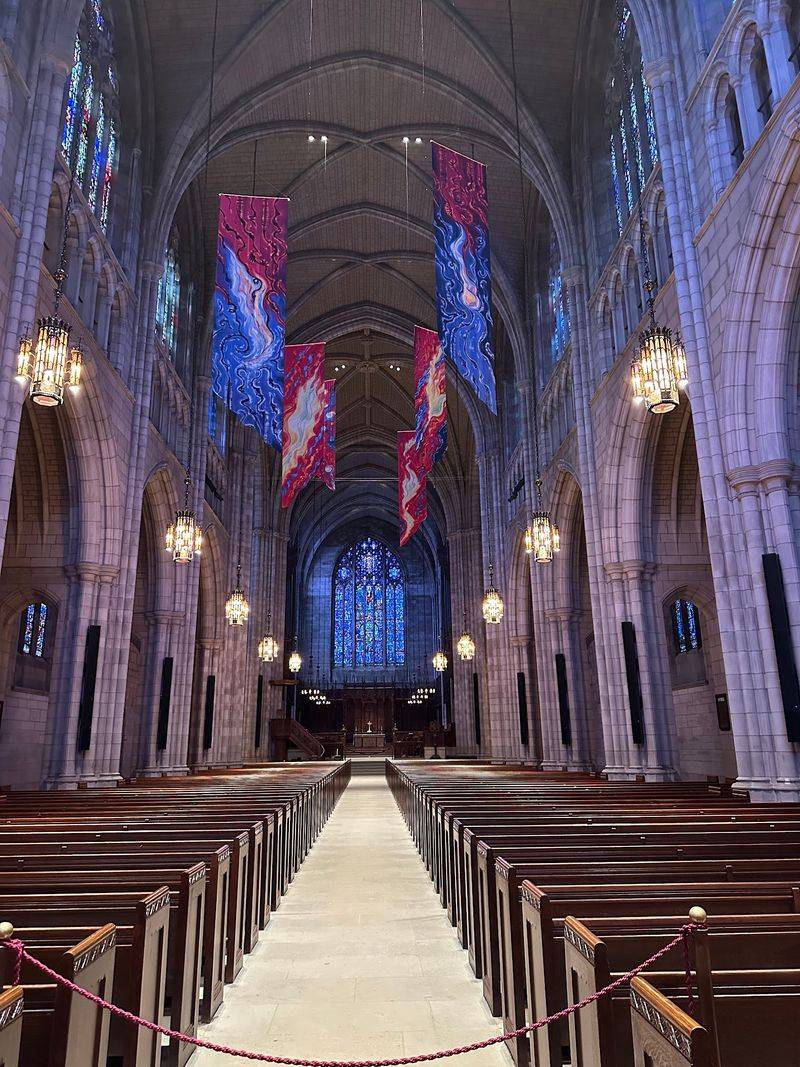
Geometry does a lot of quiet persuading inside the chapel.
The interior features extremely high rib-vaulted ceilings, a long axial nave, pale stone, and dark wood seating. Together, those elements create a strong vertical emphasis typical of Gothic architecture.
The rib vaults guide attention upward, while the nave organizes the room along a clear central path. That makes the space feel purpose-built for processions, ceremonies, and moments when the setting needs to feel formal without becoming fussy.
The contrast between the wood seating and stonework also helps the design stay readable. Visitors do not need a degree in architecture to understand that the building is carefully composed.
A little time inside shows how the chapel uses height, rhythm, and proportion to do what good campus architecture often does best: make people slow down without being told.
Music That Belongs To The Building
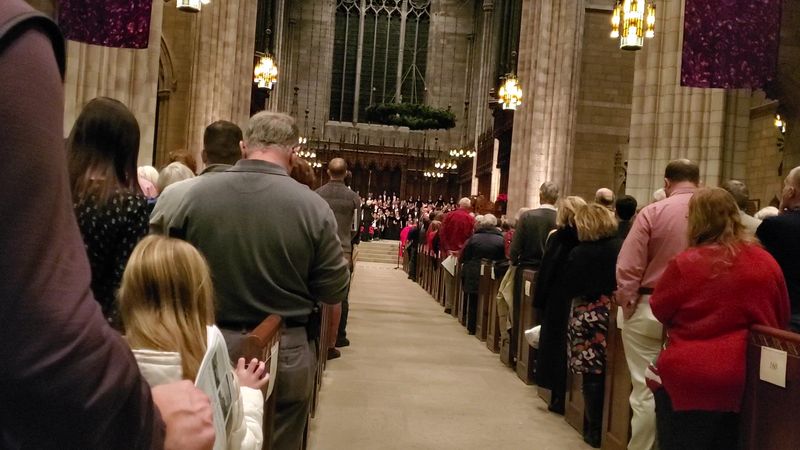
A chapel this large was never meant to be only looked at like a museum piece.
The building is known for acoustics that support organ sound and choral projection. Its long reverberation and large interior volume make music events an important part of the chapel’s public appeal.
People who attend performances often connect the setting with the impact of choirs, organ practice, and formal musical programs. The chapel’s design was planned not only for visual effect, but also for sound within a ceremonial space.
That makes checking the event schedule a smart move before visiting, especially for travelers who enjoy architecture that still has an active role. A quiet tour is worthwhile, but a music program shows another side of the building.
The chapel is not just preserved, it continues to work as a gathering place.
A Calm Stop For Believers And Architecture Fans
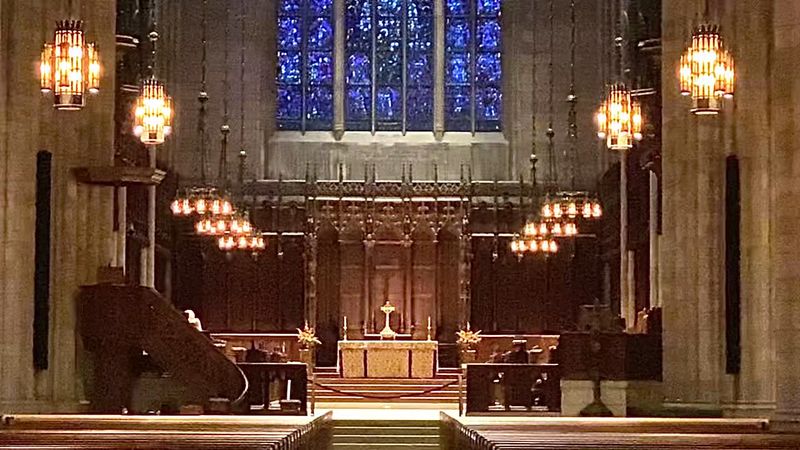
Not every memorable chapel visit requires a specific religious reason.
Princeton University Chapel serves spiritual purposes, but many people also come for architecture, campus history, stained glass, and music. Its appeal extends to those who are religious, those who are not, and anyone curious about major historic buildings in New Jersey.
The space is often described as calm and suitable for reflection, while still being open enough to welcome casual campus explorers. That combination is useful because it gives different kinds of travelers a reason to stop without feeling out of place.
Respect matters here. Free entry, when the chapel is open, comes with the expectation that guests maintain proper decorum and follow posted rules.
In other words, treat it less like a photo errand and more like a working chapel that also happens to be architecturally remarkable.
A Campus Setting With Extra Detour Power
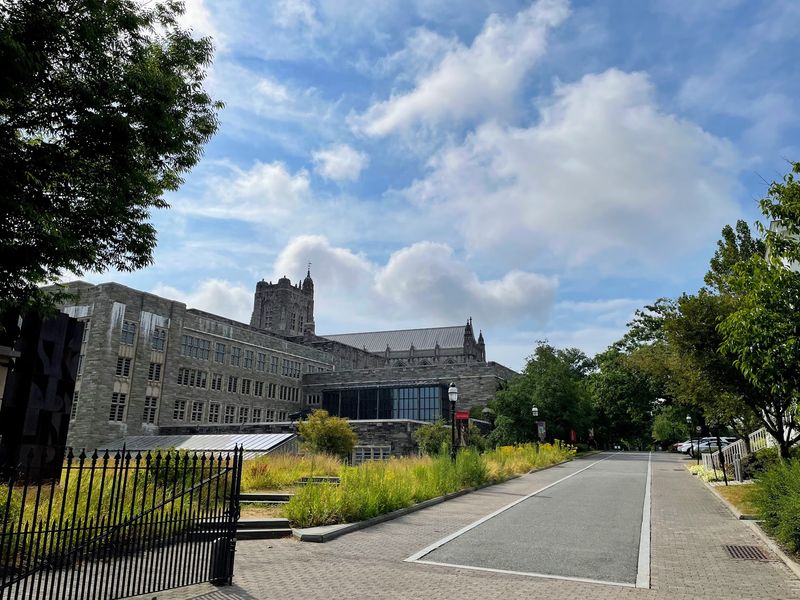
The chapel gains extra force because it is surrounded by more Princeton architecture, not isolated from it.
As part of the broader university campus, it fits into a setting known for eye-catching buildings and walkable academic spaces. A chapel visit can therefore become one piece of a larger campus route rather than a single stop-and-go errand.
That is useful for New Jersey day-trippers who want a destination with flexibility. A person can stop by for the chapel, continue through campus areas open to the public, and build a short outing around architecture rather than a packed schedule.
One practical note is worth keeping in mind: not every university building is open to casual guests. The chapel, however, is a clear focal point for those who want a visitable piece of Princeton’s campus character.
It gives the walk a strong anchor and a satisfying sense of purpose.
Hours, Cost, And Small Practical Notes
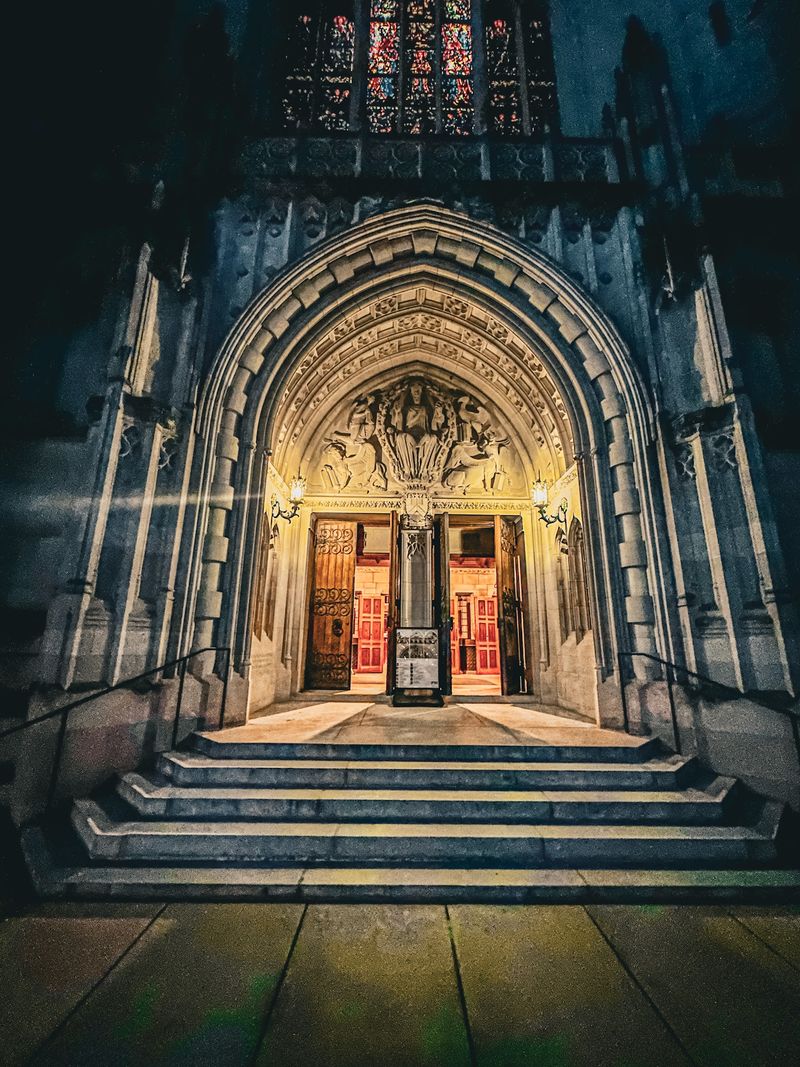
Useful details keep a pretty building from becoming a guessing game.
Princeton University Chapel is listed as open daily from 9 AM to 11 PM, including Saturday, Sunday, Monday, Tuesday, Wednesday, Thursday, and Friday. The listing also notes that it opens at 9 AM, so checking current access before heading over is sensible.
Entry is free, according to available visitor information, with the expectation that guests follow chapel rules and behave respectfully. Restrooms have been noted to the right as one enters, a small but welcome detail during a campus outing.
Roadside paid parking has also been mentioned by people exploring the area, though campus and town conditions can vary. Since the chapel sits within an active university environment, schedules, services, tours, and performances may affect access.
A quick look at the chapel’s official website before visiting can prevent awkward timing.
A Soft Verdict For New Jersey Day-Trippers
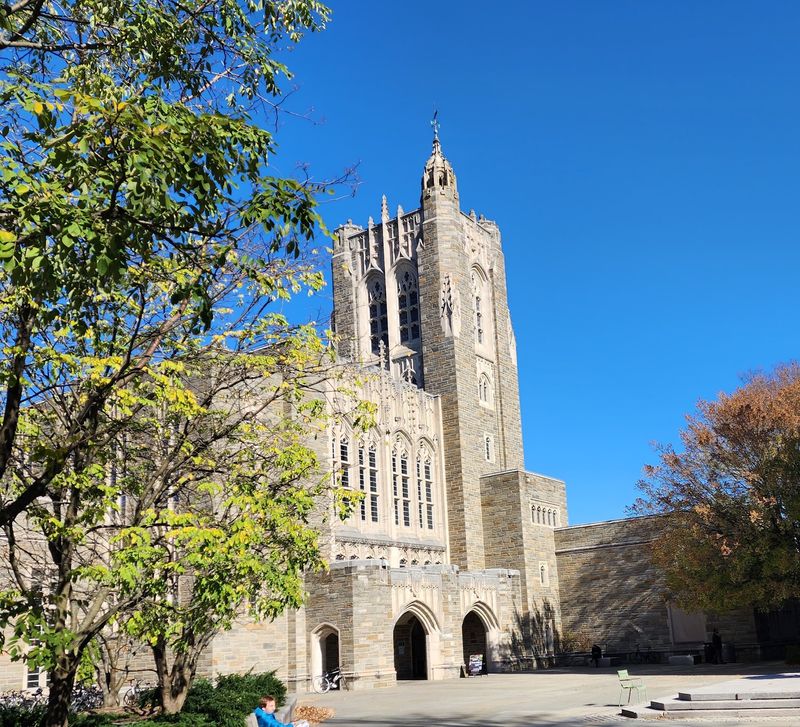
Some places earn attention because they make a familiar state feel newly interesting.
Princeton University Chapel does exactly that by combining serious Gothic Revival architecture, academic symbolism, stained glass, music, and a central campus setting. It is not a novelty stop, and it does not need inflated claims to justify the trip.
The Oxford comparison works because the chapel borrows from old collegiate traditions while remaining firmly planted in New Jersey. That mix gives local travelers a satisfying answer to anyone who still thinks the state lacks architectural range.
A visit makes the most sense for architecture fans, campus wanderers, history-minded day-trippers, and anyone who likes free public stops with real substance. The soft verdict is simple: when the doors are open and the timing works, this chapel is worth building a Princeton outing around.
Share this story