A quick produce run in New Jersey can take an unexpected turn when the market has much more than produce. At this one, a shopping list is just the starting point: indoor stalls, outdoor tables, and places to stop for a meal can turn an errand into an outing.
It is the kind of unassuming stop that makes a hungry, curious shopper set aside extra time before heading home. Here is what makes it worth exploring and what to know before choosing a day to go.
A Market With Room to Roam
A produce list might get someone through the entrance, but it will not explain the scale of Columbus Farmers Market. The market is at 2919 US-206, Columbus, NJ 08022, in the United States.
It combines produce vendors with indoor retail stalls, outdoor sellers, a flea market, Amish goods, and places to eat.
That mix changes the plan for a trip. Someone who needs groceries can make that the priority, while a companion who would rather browse has plenty else to explore.
The grounds are large enough that people familiar with the market recommend comfortable shoes and more time than a quick errand would normally require.
There is no need to cover everything in one visit. Starting with the produce area and following curiosity from there is a sensible approach, especially on a first trip.
The market works best when the shopping list has a little room around it.
An Errand That Can Become a Ritual
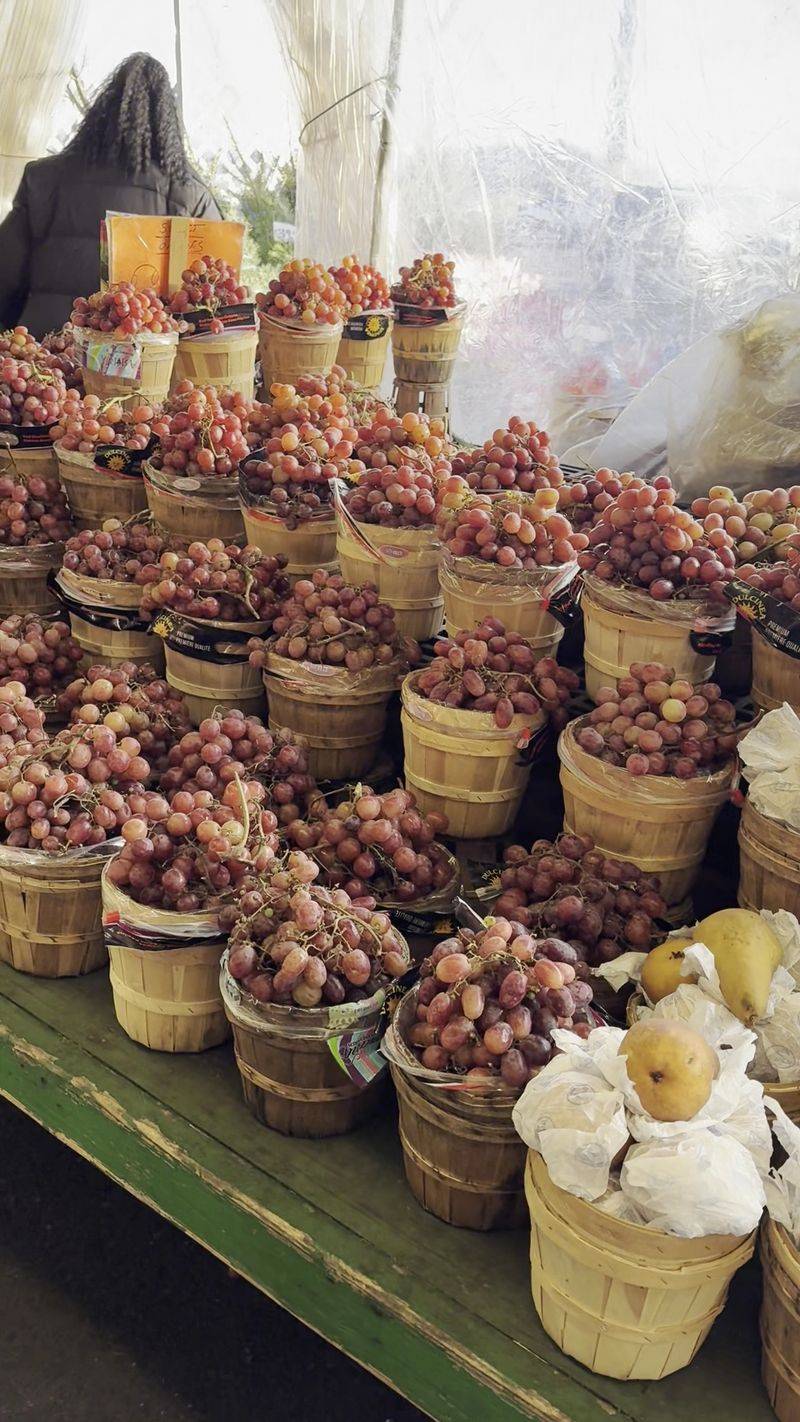
Some weekend routines begin with a very ordinary question: what needs buying? At Columbus, the answer may include produce, but the trip can stretch into time spent browsing stalls or sitting down for a meal.
That is the market’s appeal as a repeat stop, rather than a place to rush through once.
Its layout brings different kinds of shopping together. Groceries sit within a much broader indoor-outdoor market, so returning does not have to mean repeating the same route.
One trip can stay focused on practical purchases; another can leave time for the flea market or indoor shops.
There is no documented origin story in the available information, so the interesting story here is the routine people build around the place today. Accounts of returning for produce and Amish baked goods show why a market run can become a regular outing.
The errand remains useful, and the extra wandering is entirely optional.
Produce as the Starting Point
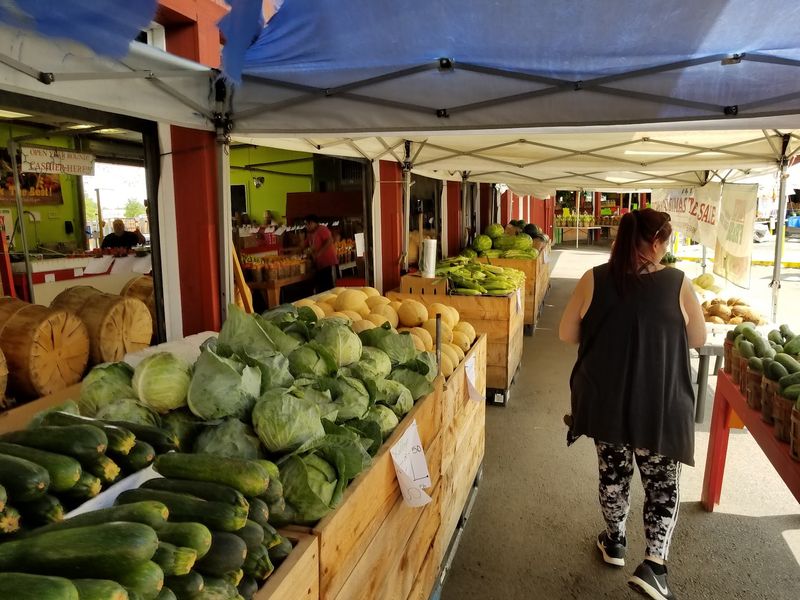
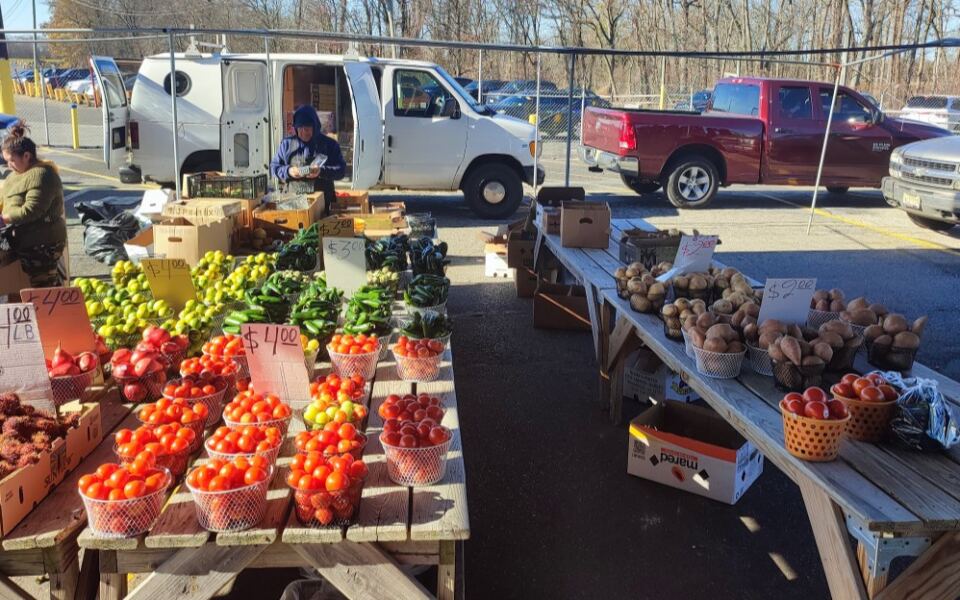
Before the browsing takes over, there is the reason many people go to a farmers market in the first place. Columbus has produce vendors selling fruits and vegetables, making it possible to begin with a straightforward grocery task.
Keeping that task first can help shoppers stay on track in such a large place.
There is an important distinction to keep in mind. The available information confirms produce for sale but does not establish that every item is locally grown.
Shoppers who care about where a particular purchase came from can ask the seller rather than assume. Selection and individual costs can change, so a flexible list may be more useful than a fixed expectation.
Once the essentials are handled, the rest of the market becomes a choice instead of a distraction. That simple shift is part of the pleasure here: the trip can meet a household need and still leave room for an unplanned find.
The Outdoor Flea Market
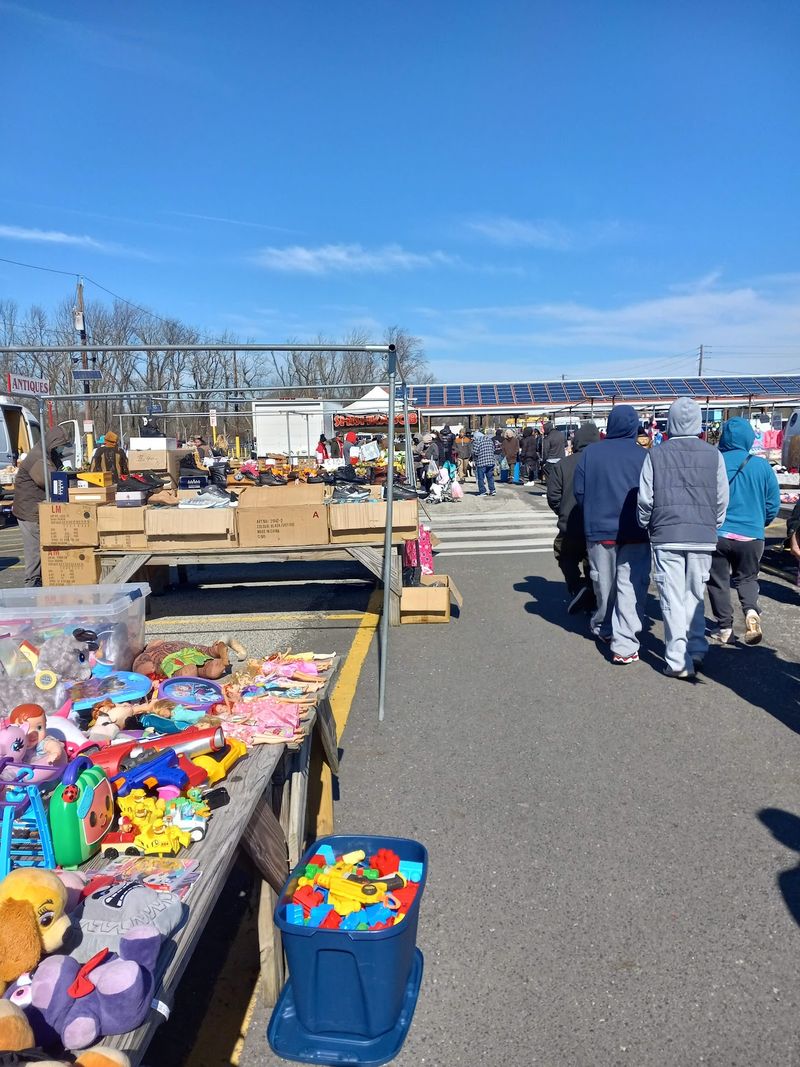
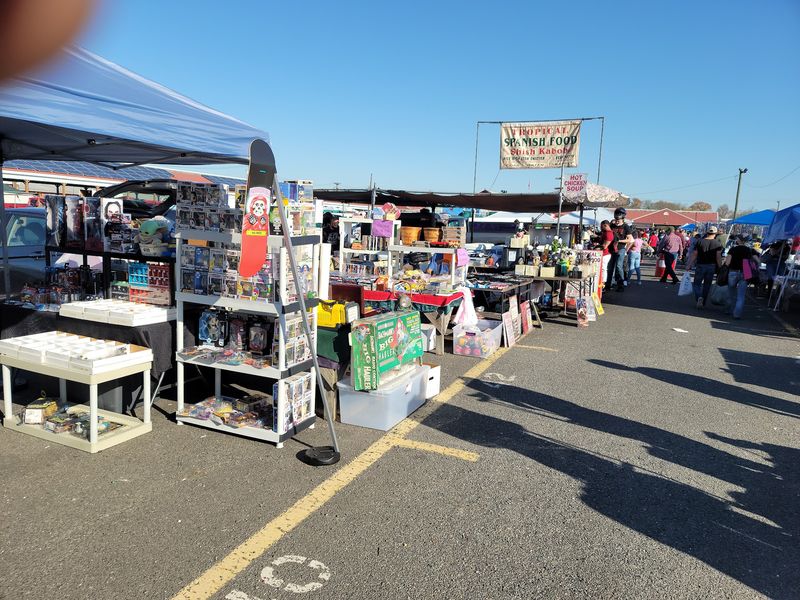
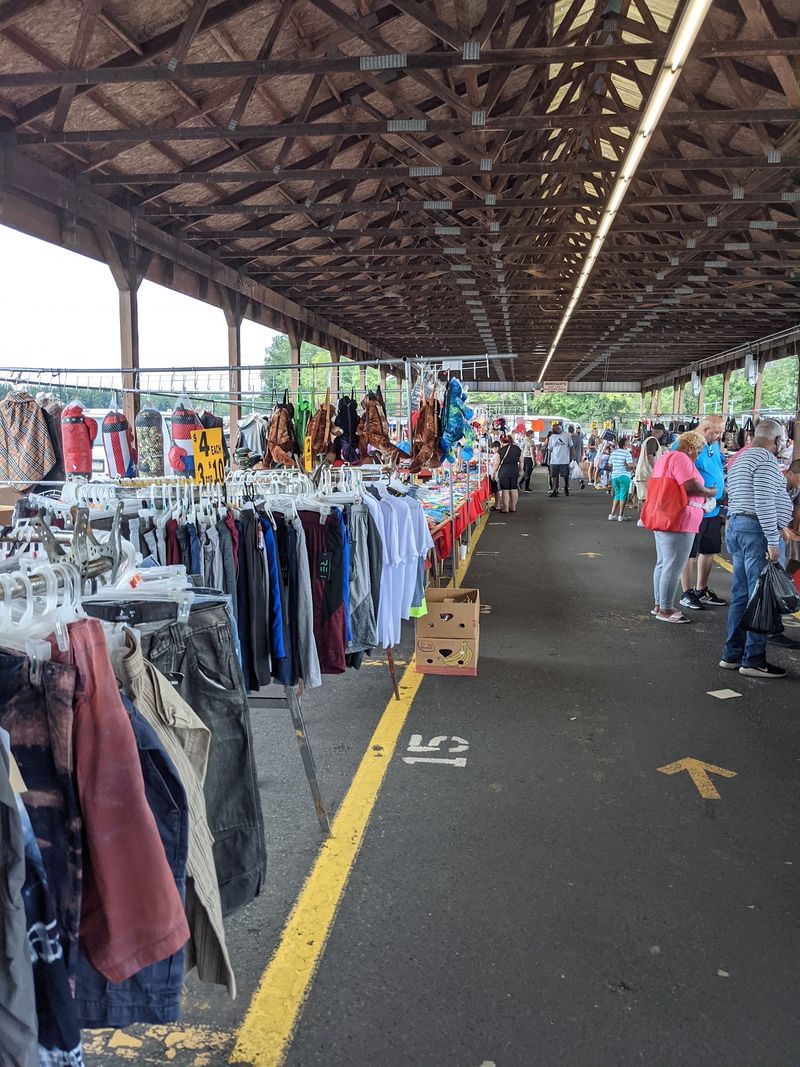
The shopping list has little authority over the outdoor flea market. Tables of varied merchandise make this part of Columbus a place to browse without knowing in advance what might be available.
Accounts of visits mention collectibles, antiques, and other practical finds, though the selection depends on the sellers present that day.
Outdoor browsing also asks for a different pace from grocery shopping. A shopper can cover a small stretch and move on, or spend much longer looking through tables.
The size of the grounds makes it wise to decide how much time and walking to give this section before heading back indoors.
Day choice matters here. People familiar with the market describe Sunday as a particularly active day for outdoor tables, while Saturday includes regular sellers indoors and under awnings.
Those are observations, not a promise that every seller will appear each week. The fun is in leaving the exact finds unknown.
Indoor Shops Beyond Groceries
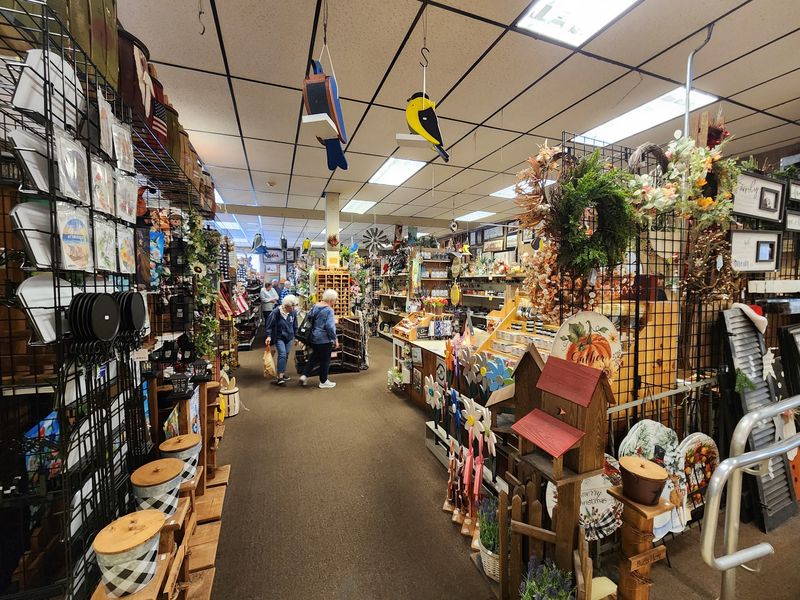
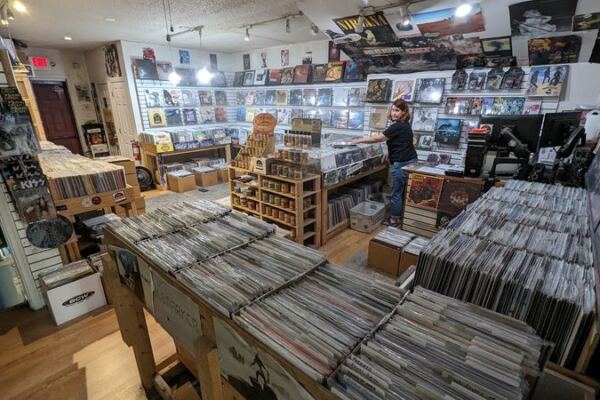
Not everyone in a group has to be interested in produce for this trip to work. Columbus also has indoor retail stalls, and accounts of shopping there describe a broad range of merchandise.
Collectibles, kitchen supplies, motorcycle gear, and household items have all been noted, giving browsers several directions to take.
That variety is useful when the outdoor tables are not the main draw. Indoor shops offer another part of the market to explore, although the available information does not establish a separate schedule for each seller.
A specific shop may not be open just because the market itself is open, so it is best not to build an entire trip around an unconfirmed purchase.
The indoor section helps explain why Columbus is more than a produce stop. It gives companions with different shopping goals a shared destination, then lets them pursue their own interests.
Meeting back up can be part of the plan.
Amish Goods and Meal Stops
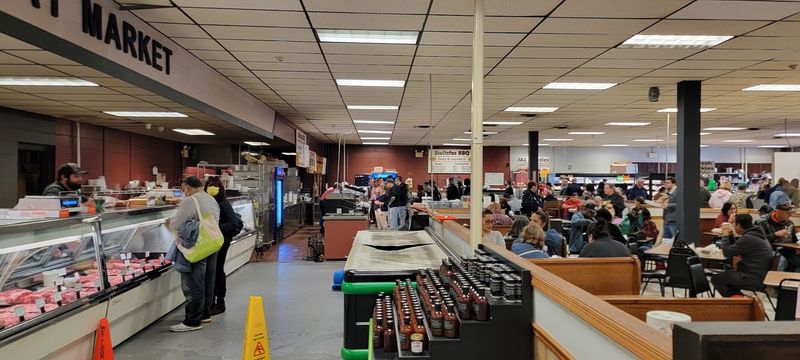
Hunger does not have to end a market trip early. The Columbus setup includes Amish goods, restaurants, and a dedicated area for sitting down to eat.
That makes it easier to turn several hours of shopping into an outing without arranging a separate stop elsewhere.
The Amish market is a major reason some people make return trips. Accounts also suggest that its busiest counters can involve a wait, so shoppers with a short schedule may want to decide early whether a meal stop fits.
A small detail matters when choosing a day: people familiar with the market report that Amish food offerings are closed on Sunday. The market’s general Sunday hours should not be mistaken for the hours of every section.
There is a practical way to plan around that difference. Choose a day other than Sunday if Amish goods are central to the trip, or focus a Sunday visit on the outdoor market.
Either way, a meal can be part of the plan rather than an afterthought.
A Place for Different Shopping Styles
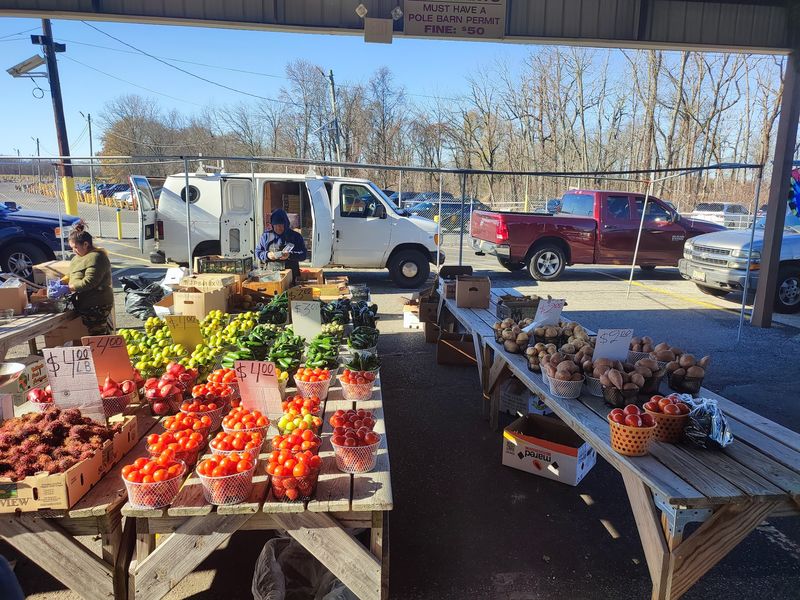
A group outing gets easier when nobody has to agree on every stop. At Columbus, one person can concentrate on produce while another browses retail stalls or outdoor tables.
The market’s range of sellers gives families and mixed-interest groups something to do without requiring a single shopping agenda.
Its size is both an advantage and a planning detail. Accounts describe busy periods and enough ground to cover that comfortable shoes are a sensible choice.
A first visit may be more enjoyable with a loose plan: agree on the areas that matter most, allow time for a break, and accept that some sections can wait until another day.
Those who prefer a quick, predictable grocery trip may want to keep their route focused. People who enjoy browsing can give themselves more time.
Neither approach is wrong; the market accommodates both because its different areas serve different purposes. It is a weekend stop that does not ask everyone to shop alike.
The Day Makes a Difference
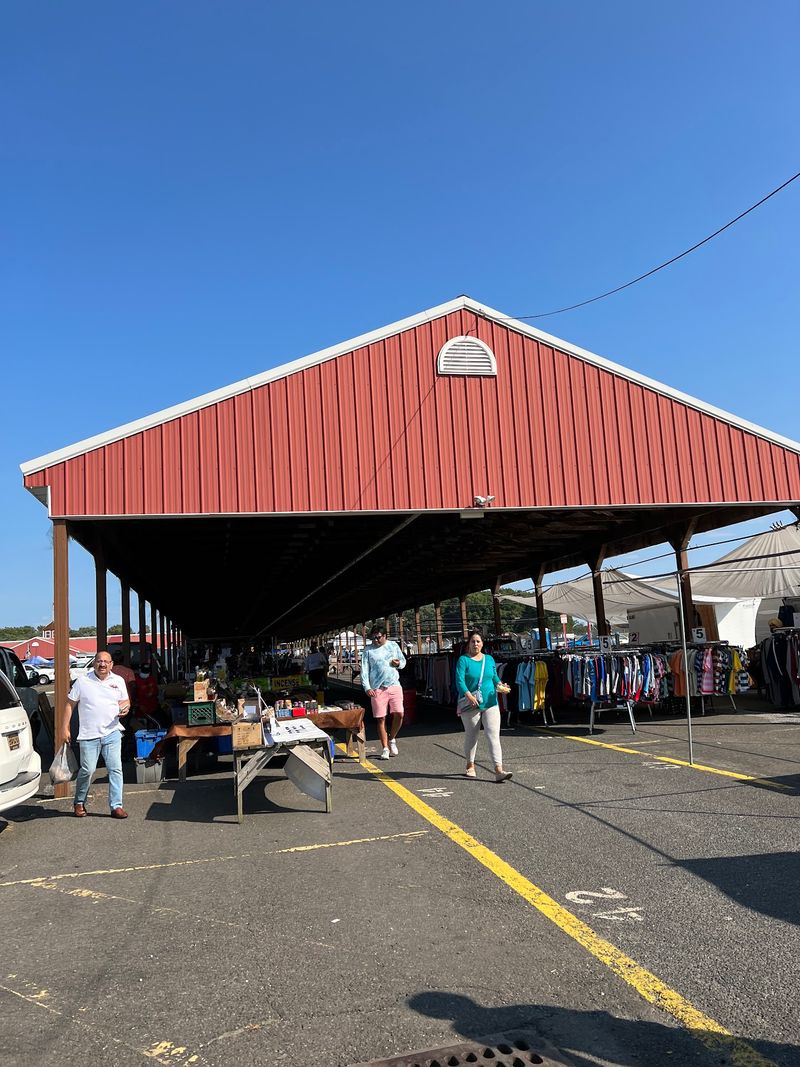
Saturday and Sunday can offer different reasons to go. People familiar with Columbus describe Saturday as a day for regular sellers indoors and under the awnings.
Sunday is often singled out for its outdoor flea market tables. The distinction helps shoppers choose a day that matches their main interest.
No weekend schedule guarantees a particular seller or the same number of tables every time. One account describes vendors leaving during a Sunday afternoon visit, while others describe lively outdoor browsing.
Anyone hoping to spend the most time at those tables may prefer to start earlier rather than count on finding everything in place late in the day.
Thursday and Friday are market days too, not merely a lead-up to the weekend. Still, the available accounts do not establish exactly which individual stalls operate on each day.
The safest plan is to pick a priority, check current details for that part of the market, and leave some space for the unexpected.
Hours, Costs, and an Easy Arrival
Good timing can make a large market much easier to manage. Columbus Farmers Market lists hours of 8 a.m. to 8 p.m.
Thursday, 10 a.m. to 8 p.m. Friday, 8 a.m. to 8 p.m.
Saturday, and 8 a.m. to 5 p.m. Sunday.
It is closed Monday through Wednesday.
The US-206 address provides a clear destination for the drive. Parking has been described as free, but the supplied information does not establish an admission charge or a fixed cost for shopping.
Individual purchases depend on the seller and item. Accounts differ on how affordable particular goods feel, which is another reason to compare options rather than expect one uniform price across the market.
Hours for individual stalls or the Amish market may differ from the market’s posted schedule. Checking the market’s current information before setting out is sensible, especially if the trip depends on one section.
A little planning leaves more time for the part that brought you there.
A Good Reason to Return
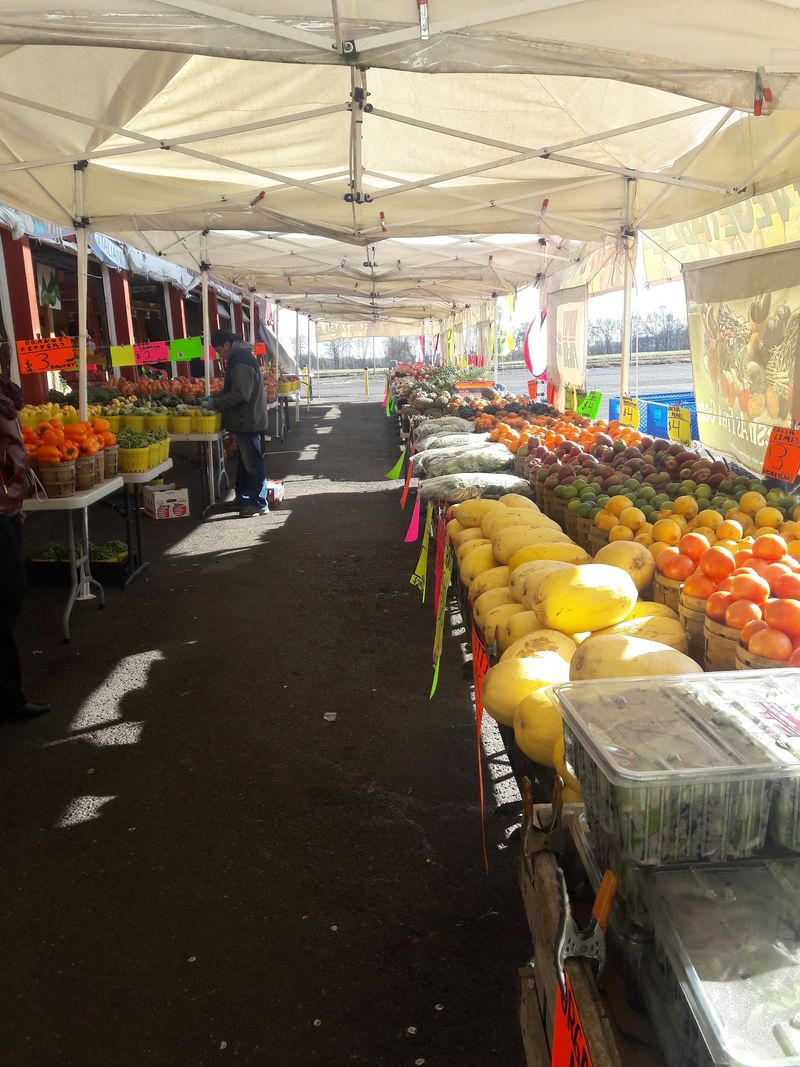
A market this broad does not need to be conquered in one afternoon. Columbus offers several ways to make a trip worthwhile: buy produce, explore outdoor tables, browse indoor shops, or make time for a meal.
The strongest plan is the one that starts with what a shopper actually wants to do.
There are limits to set alongside the appeal. The grounds call for comfortable shoes, busy periods can slow a visit, and a favorite seller may not be operating every market day.
Sunday outdoor browsing and Amish market shopping also deserve separate plans because their schedules may not line up. Keeping those details in mind makes the outing easier to enjoy without expecting every section to be available at once.
For New Jersey residents, the draw is refreshingly practical. An ordinary produce run can still get done, while the rest of the market offers a reason to linger or come back.
That is how a useful errand earns a regular place on the weekend calendar.
Share this story