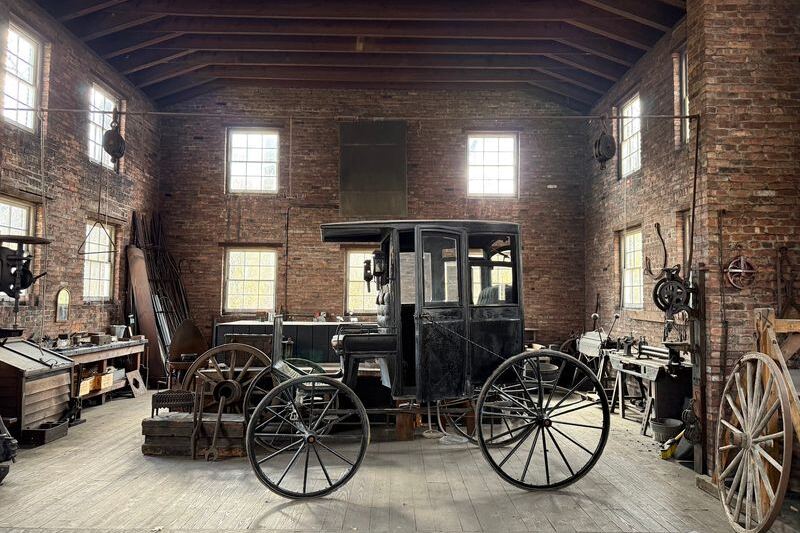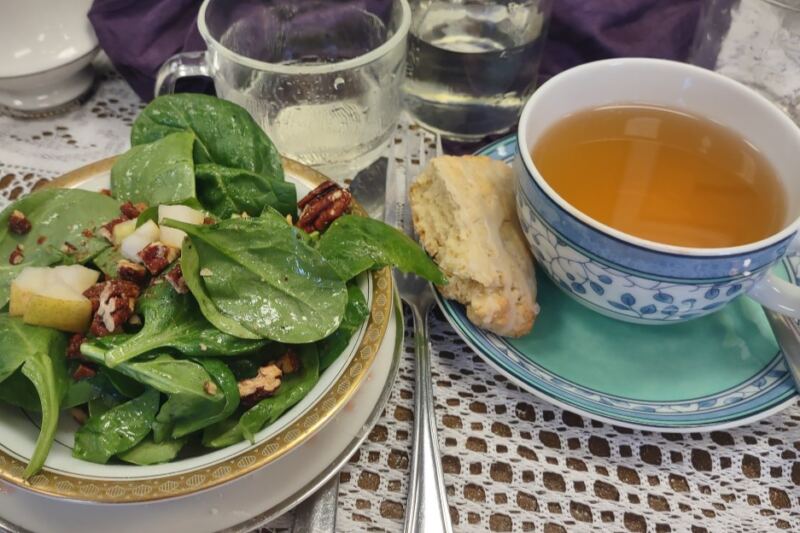
A simple turn off the road in New Jersey can lead to a place that feels much bigger than it first appears. One minute it seems like a quiet arts stop, and the next it is a whole village of studios, museum rooms, handmade objects, and people shaping molten glass with steady focus.
It is the kind of outing that makes a day trip feel useful, not just busy. Keep reading and the plain-looking destination starts to sound like one of South Jersey’s most rewarding hands-on escapes.
A South Jersey arts village with a real address
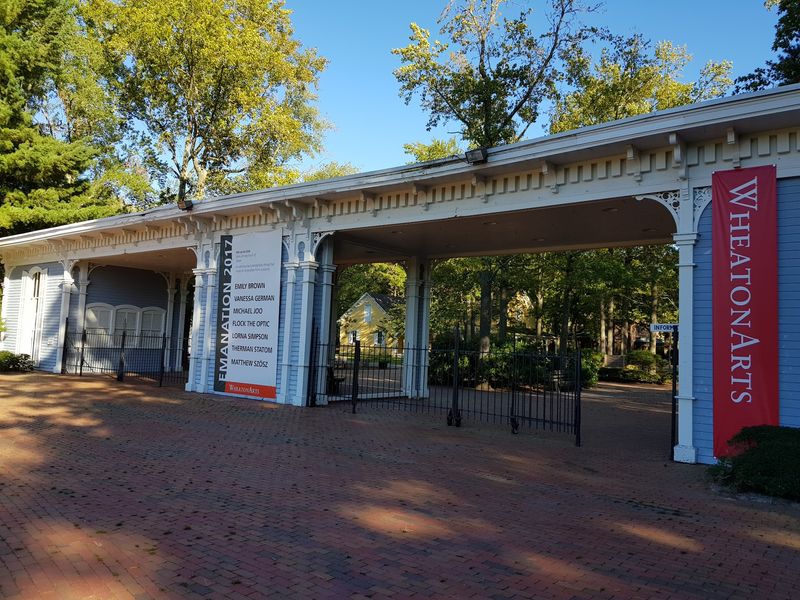
South Jersey keeps a few cards close, and WheatonArts is one of the better ones to find on purpose. The nonprofit arts center is at 1000 Village Dr, Millville, NJ 08332, in the United States, and it gives Cumberland County a destination that feels both educational and easygoing.
Spread across a 65-acre wooded setting, the center is arranged more like a small creative village than a single museum building. Its mix includes the Museum of American Glass, artist studios, galleries, shops, event spaces, a picnic grove, and grounds that can be explored at an unhurried pace.
What makes the place especially useful for New Jersey day-trippers is its clear focus. Instead of asking guests to simply look at finished art, WheatonArts shows how glass, clay, and other craft traditions are made, explained, shaped, and carried forward.
Glassmaking roots with Cumberland County pride
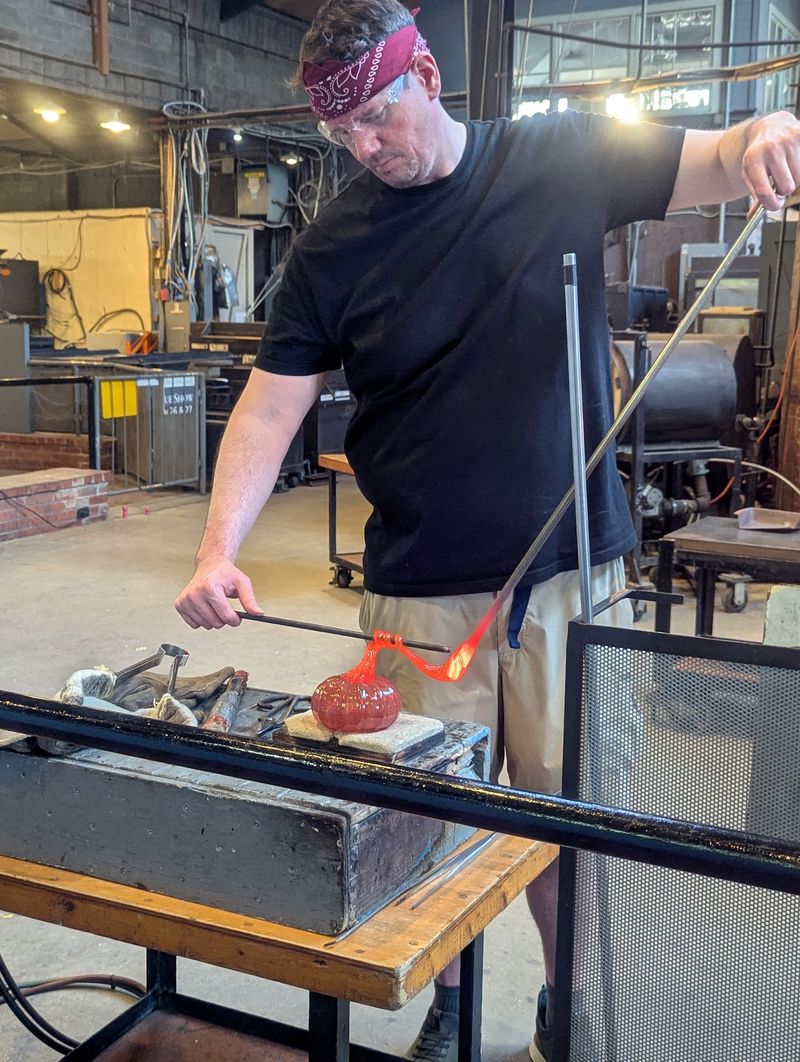
Local history does some heavy lifting here, because WheatonArts is not presenting glass as a random craft trend. The surrounding area has long been tied to glassmaking, including traditions connected with German immigrants and the glass factories that helped define this part of South Jersey.
That background gives the museum and studios a stronger reason to exist. The center frames glass and pottery in both historical and contemporary ways, letting the past sit close to current makers instead of staying locked behind labels.
Regulars often mention that the history feels deep without becoming stiff. A stop in the museum, followed by time in the working studios, helps connect older techniques with modern creative choices.
For New Jersey readers who enjoy defending the state against lazy stereotypes, WheatonArts makes a strong case. Millville has a craft story worth knowing, and the center keeps it active.
The Museum of American Glass as the anchor
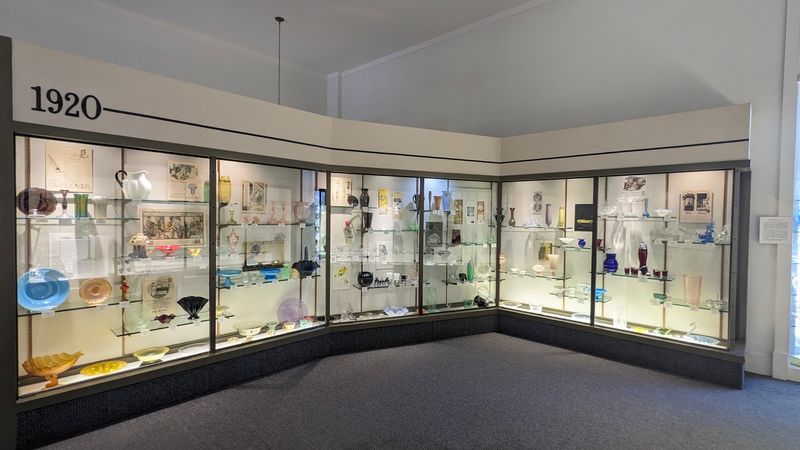
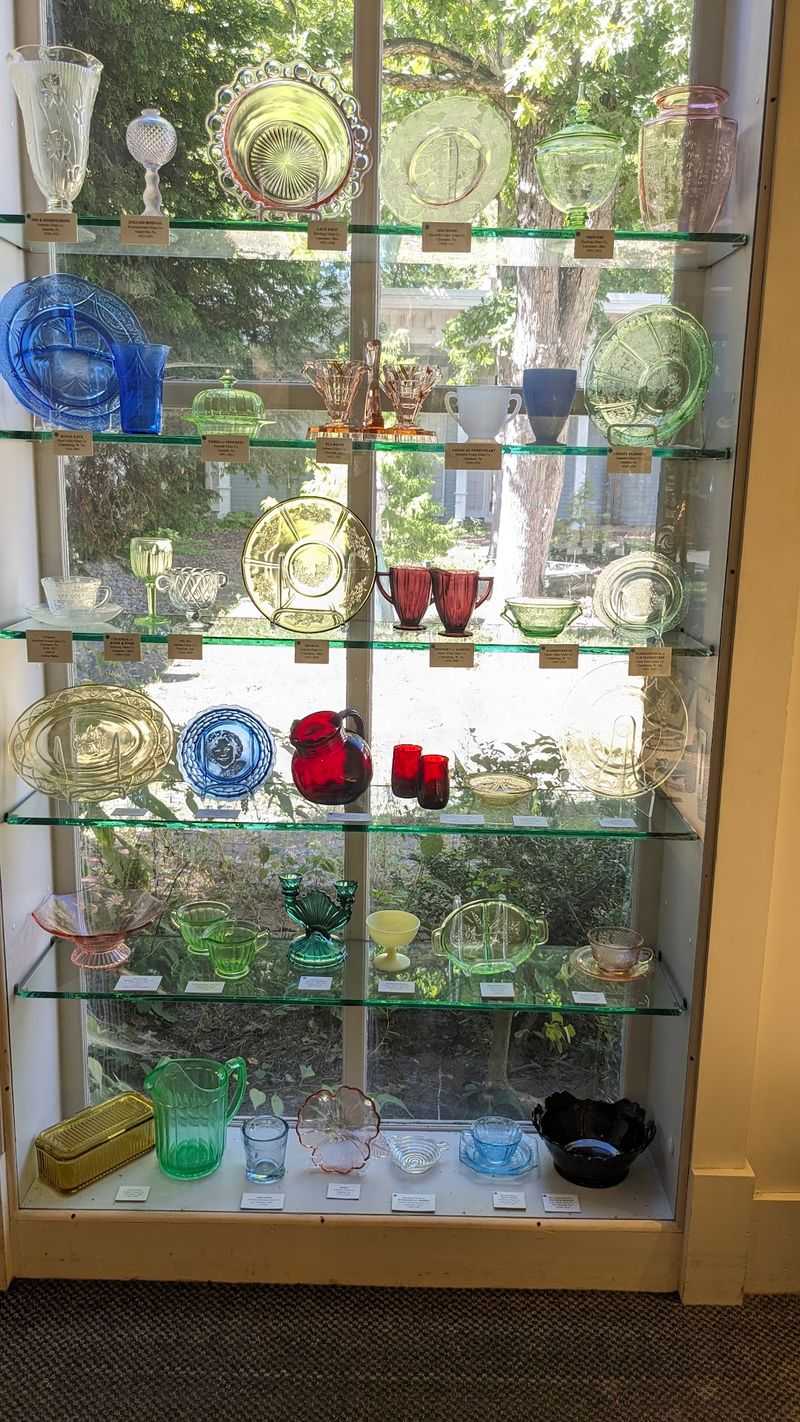
Museum time feels different when the building is tied to active studios just outside. At WheatonArts, the Museum of American Glass is often treated as a must-see part of the visit, especially for anyone curious about how one material can become so many kinds of objects.
The collection is known for American glass, and people who spend time there often come away surprised by how much there is to learn. It is not only about admiring finished pieces; it also helps explain the larger story of glassmaking, factories, techniques, and design.
Families with younger children may appreciate that many works can be viewed without needing long lectures or complicated background. Adults can slow down with the displays, while kids can connect the cases to the demonstrations happening elsewhere on the grounds.
The museum gives the village its backbone. Everything outside feels richer after seeing what glass has become across time.
Live glassblowing that holds a room
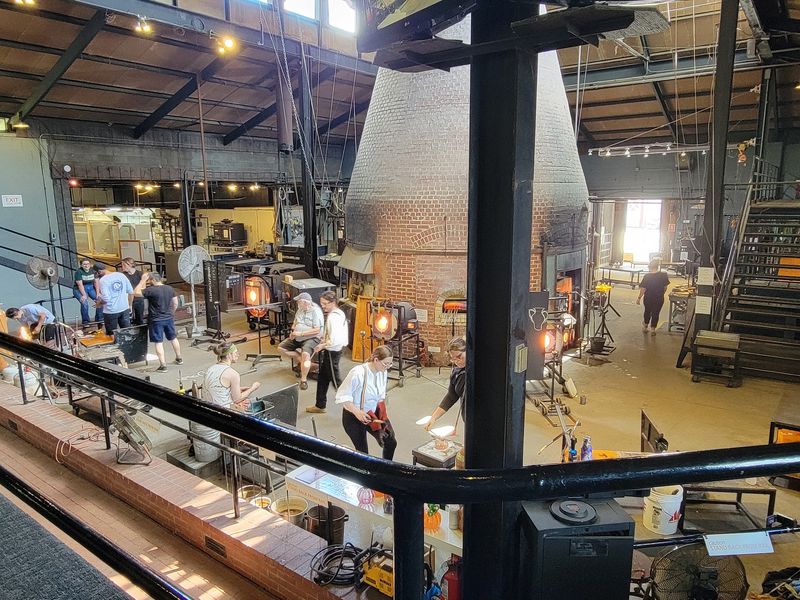
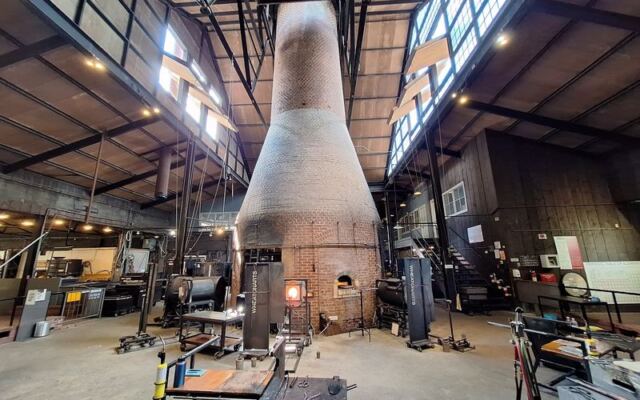
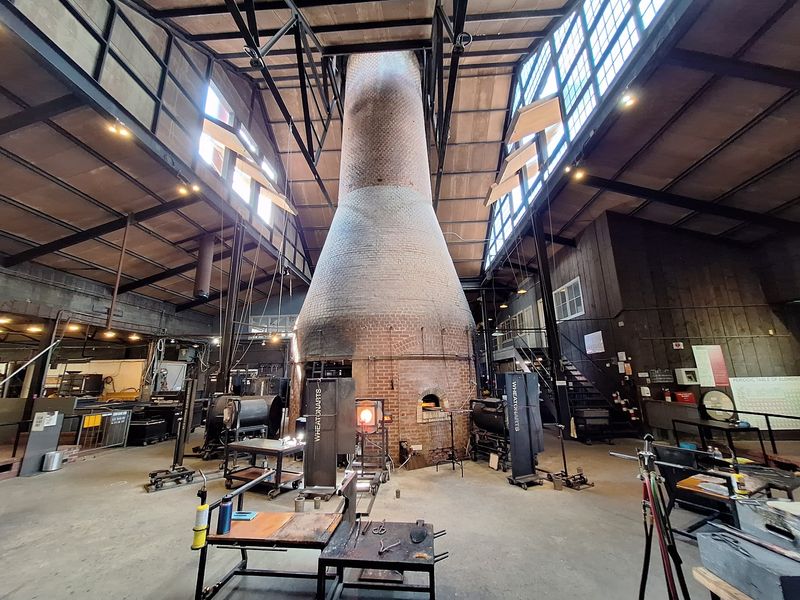
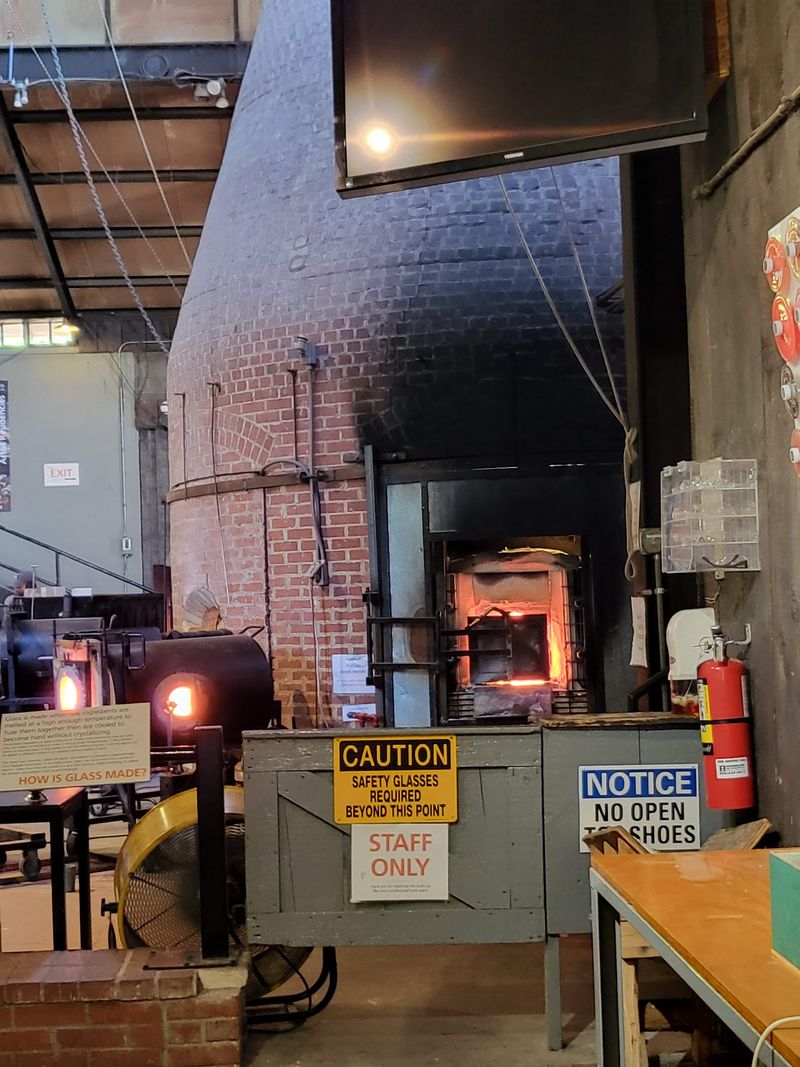
Few craft demonstrations can stop casual chatter as quickly as a glassblowing session. WheatonArts is strongly associated with glass blowing, and the working studio is one of the main reasons many people plan a visit.
During demonstrations, artists explain the steps, the tools, and the choices behind the process. Guests often describe staying longer than expected because the team approach, timing, and technical care make the work easy to follow.
The glassblowing furnace is part of the draw, but the best part is how approachable the presentation can be. Questions are welcomed during many studio moments, and the makers share enough detail to turn a complicated process into something understandable.
That balance matters. The demonstration does not flatten the skill involved, yet it also does not make newcomers feel left behind.
By the end, glass feels less like a display-case object and more like a living craft.
Hands-on glass experiences for brave beginners
A day at WheatonArts can turn from watching to doing, which is where the outing gets wonderfully bold. The center offers Make Your Own sessions, including glass ornament and paperweight experiences mentioned by participants who wanted to move from spectator to maker.
Guidance is a key part of the appeal. Instructors help people work safely, understand the steps, and still feel connected to the final piece they helped create.
Paperweight sessions have an extra bit of craft-world charm because antique molds may be part of the process. Finished pieces need time after creation, so pickup may happen later rather than immediately.
Beginners should not treat these sessions as instant mastery, and that is half the fun. The point is participation, not perfection.
For anyone who has ever watched a demo and thought, surely not me, WheatonArts quietly answers, actually, maybe yes.
Pottery studios with clay under the spotlight
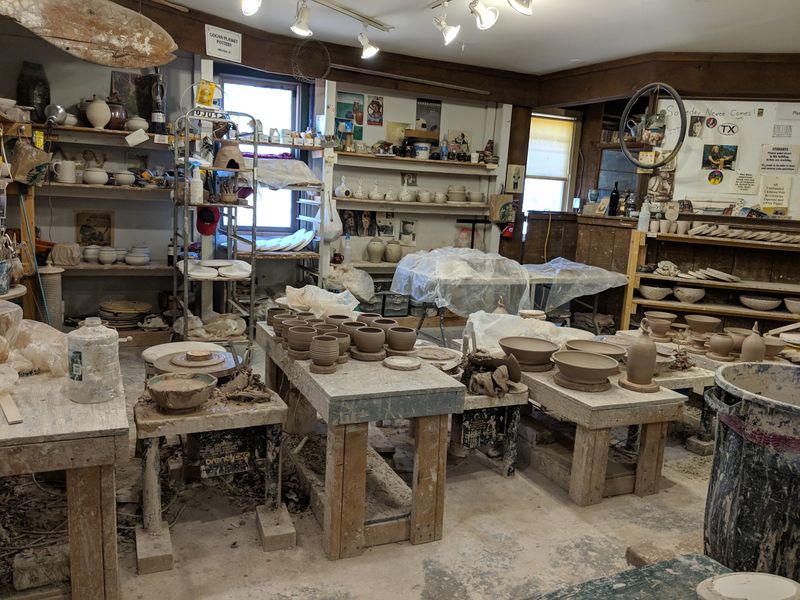
Glass gets the headline attention, but clay earns its own seat at the table. WheatonArts includes pottery and ceramics experiences, with studio presentations and classes that add another hands-on route through the village.
Clay classes have included projects such as flower pots that need firing after the class. That detail is useful for planning, because the object may not be ready to carry home the same day.
The pottery side also broadens the center beyond one signature material. Guests can compare the methods, tools, and pacing of glasswork and ceramics, then notice how different craft traditions solve different creative problems.
Instructors are often described as helpful and clear, which matters when people are trying something new. No one needs to arrive with a studio background.
For a group with mixed interests, pottery keeps the day from becoming a one-note outing.
Flamework, beads, and small-scale craft surprises
Small work can create big curiosity at WheatonArts, especially around flamework and bead making. These stations bring attention to techniques that may be less familiar than glassblowing but still connect directly to the center’s glass focus.
Demonstrators often explain what they are doing as they work, which helps guests understand the difference between larger furnace-based work and more compact torch-based methods. That contrast gives the village a fuller craft vocabulary.
Bead making also makes the art feel more personal in scale. Instead of only thinking about large vessels or sculptural pieces, guests can see how careful methods apply to smaller objects that still require timing and skill.
The best route through WheatonArts is not always the fastest one. A pause at these stations can reveal details that would be easy to miss while hurrying between bigger attractions.
Little studios have a way of stealing attention here.
Annual events with a many-crafts personality
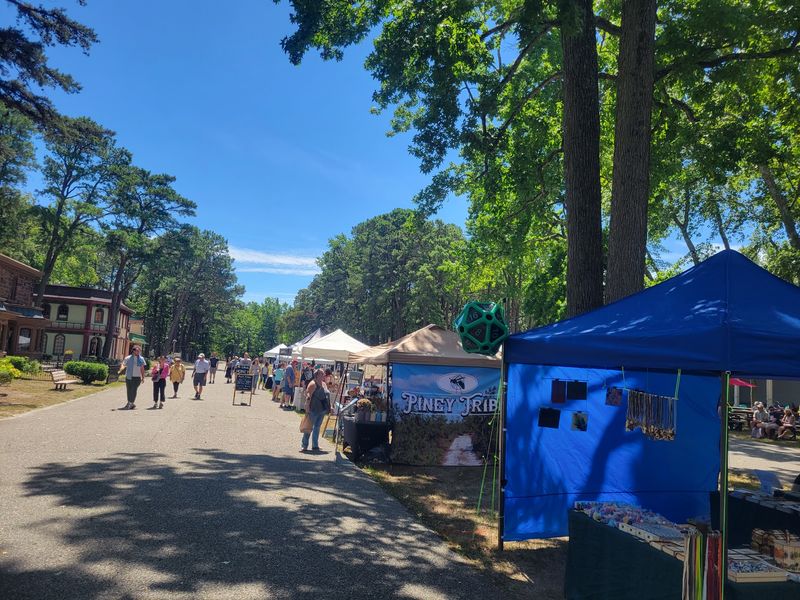
Calendar timing can change the whole personality of a visit. WheatonArts hosts events and exhibits, and special days can add demonstrations in glass, pottery, glass fusion, yarn work, broom making, basket making, wood carving, paper arts, and more.
WheatonArts Day, Eco Fair, a paperweight-focused event, and juried craft show experiences have all drawn attention from people looking for more than a standard museum stop. Event days may bring extra activity across the grounds, plus chances to learn about multiple creative mediums in one trip.
That variety is helpful for families and mixed-age groups. One person can head toward glass, another can linger near clay, and someone else can discover folk art or handmade goods.
Checking the official website before going is the practical move. The regular experience is worthwhile, but the event calendar can turn a simple visit into a full South Jersey outing.
Shops filled with work from the grounds
Shopping at WheatonArts is less about grabbing a token item and more about understanding what handmade work can involve. The grounds include shops such as a general store, a folk art store or gallery, and places connected with glass and paperweight pieces.
Items available for purchase may include work made on-site, which gives the store experience a closer link to the demonstrations. After watching makers explain tools and techniques, a finished object feels less anonymous.
Some people note that the shops can be on the higher side, which is useful context for planning. The tradeoff is that many pieces reflect skilled work rather than mass-produced sameness.
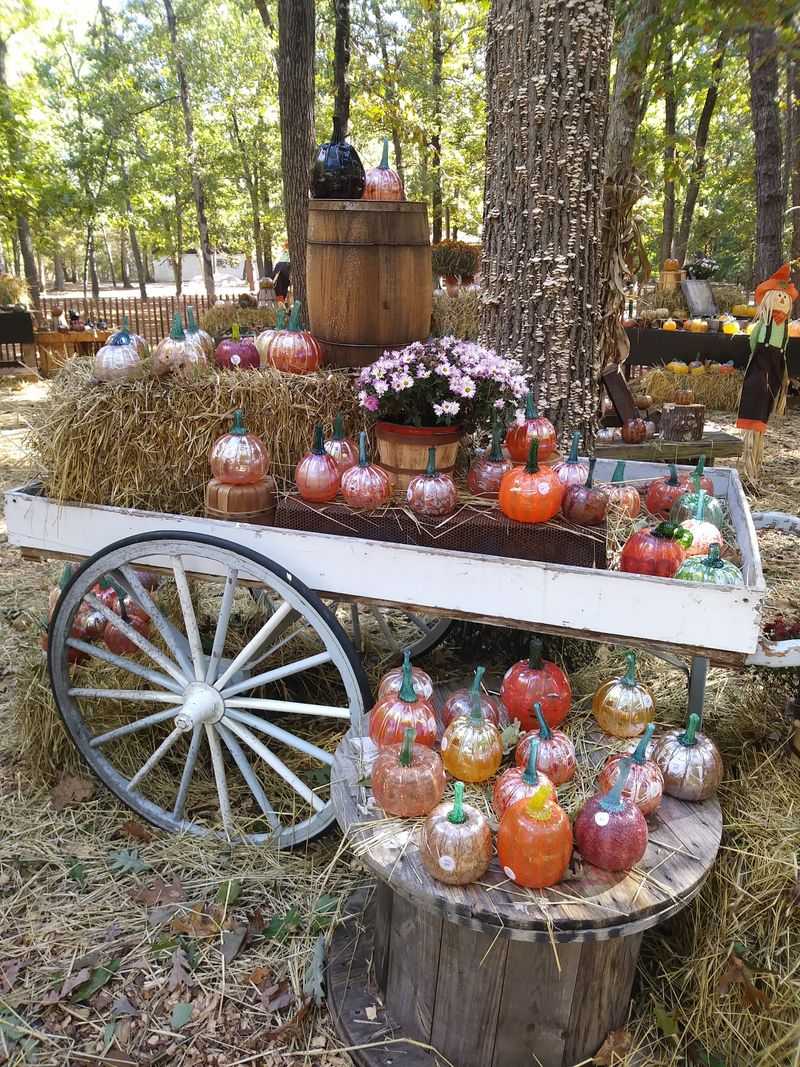
Gift hunters may find the selection especially tempting around seasonal glass objects, including ornaments and pumpkins mentioned by repeat guests. The best strategy is to browse slowly and treat the shelves as another kind of exhibit.
A wooded 65-acre setting built for wandering
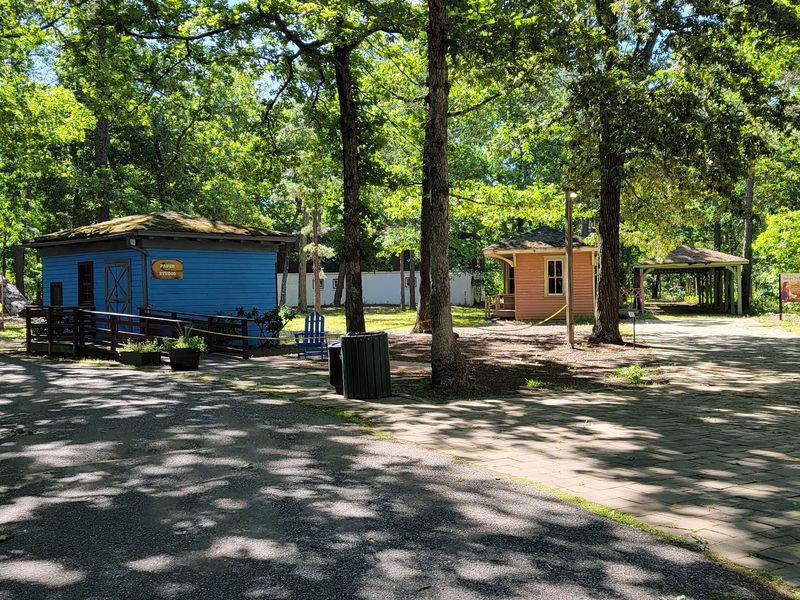
Room to roam gives WheatonArts a day-trip advantage that many indoor museums cannot match. The 65-acre wooded setting includes village-style grounds, a picnic grove, and areas that invite a slower pace between buildings.
People have also mentioned walking the grounds and using a nature trail, with free parking on-site adding to the ease of arrival. During some circumstances, simply walking the grounds or trail may not require the same fee as entering studios or museum spaces.
Season can shape the experience. Spring and summer are often preferred by those who want the outdoor setting to feel more active, while winter may make the trees less visually engaging.
The picnic grove is a practical bonus for families or anyone stretching the visit beyond a quick stop. Bringing food has been described as acceptable, and seating areas can make the outing feel less rushed.
A family outing with enough moving parts
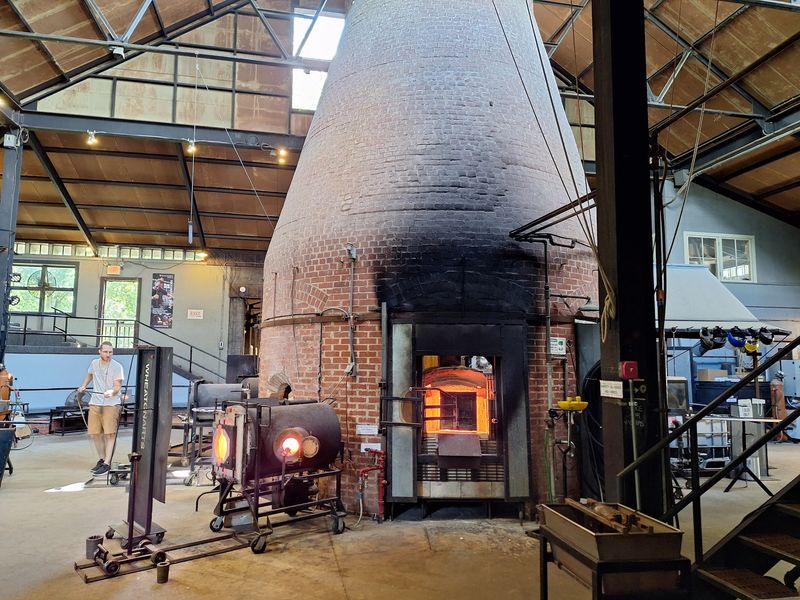
Family-friendly does not have to mean shallow, and WheatonArts proves it with a lot of useful variety. Children can watch studio demonstrations, explore the museum, move between buildings, and spend time on the grounds without the day depending on one single activity.
A young child has been able to enjoy the glass studio and museum because the art can be visible from a lower height. That kind of detail matters when adults want culture without turning the outing into a patience test.
Older kids and teens may get more from the history, the technical explanations, and the chance to see artists working in real time. Adults can follow the craft process at a deeper level while still keeping the schedule flexible.
The village layout also helps families take breaks. When one area has run its course, another studio, shop, or outdoor space is close enough to keep momentum going.
Classes that reward the hands-on crowd
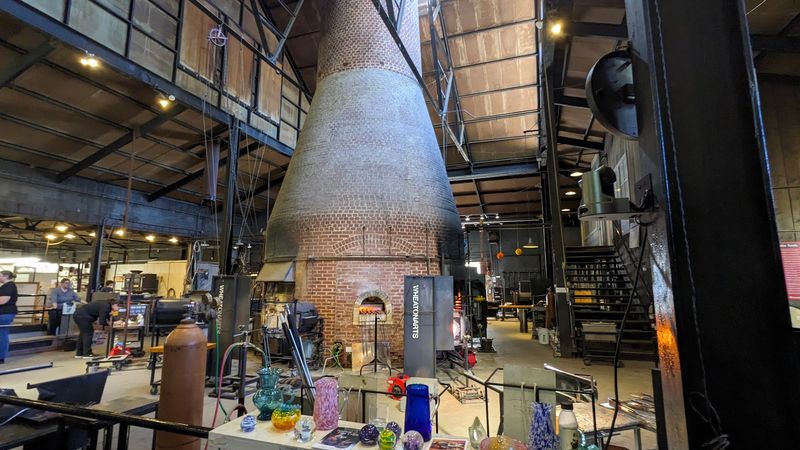
Creative people who dislike standing politely on the sidelines should look closely at WheatonArts classes. Glasswork, glassblowing, and clay pottery classes have all been part of the hands-on experiences that turn the center into more than a place to observe.
Instruction is a major factor here. Participants often come away noting that teachers give clear directions, keep the session organized, and help beginners understand unfamiliar steps without making the process feel out of reach.
Two-day glasswork sessions have been mentioned, so anyone interested should check schedules carefully before committing. Class length, availability, and project type can affect how the visit fits into a weekend.
There is also a nice psychological shift that happens in a class setting. A person who arrived as an admirer leaves with a connection to the work that is practical, personal, and much harder to forget.
Hours, admission, and planning basics
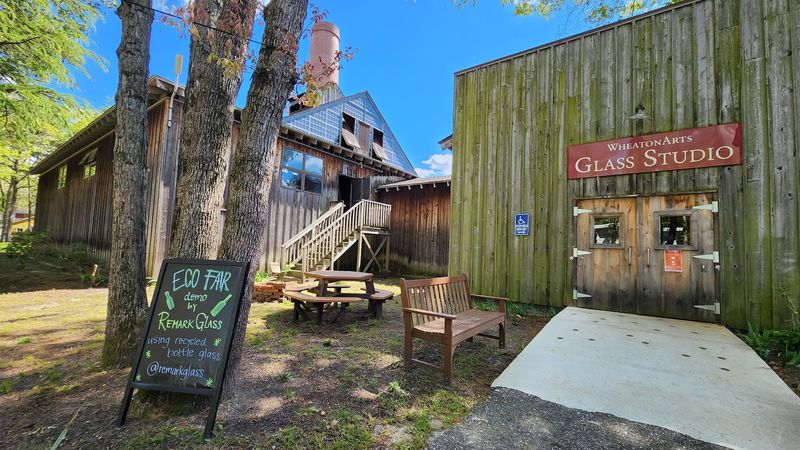
Planning ahead matters because WheatonArts does not operate every day of the week. The listed hours show it open Thursday through Sunday from 11 AM to 4 PM, and closed Monday, Tuesday, and Wednesday.
Admission details can vary by what someone plans to do. One past account described normal entrance as 12 dollars for adults and 7 dollars for children over 5, while another noted that walking the grounds or nature trail may be free when not entering paid areas such as the museum or studios.
Because programs, events, classes, and Make Your Own sessions can have separate requirements, the official website is the best planning tool before leaving home. Free parking on-site has been repeatedly noted, and the location is considered easy to find.
A smart visit starts with two checks: the calendar and the current admission details. That keeps the creative part of the day from becoming a logistics puzzle.
A soft verdict for New Jersey day-trippers
WheatonArts works best for people who like their day trips to teach them something without turning into homework. It has enough history for museum-minded guests, enough demonstrations for curious makers, and enough outdoor space to keep the pace comfortable.
The strongest reason to go is the combination. A glass museum by itself would be worthwhile, but pairing it with live studios, pottery, flamework, shops, classes, events, and a wooded village setting makes the destination feel fuller.
South Jersey residents may feel a little proud that a place like this sits in Millville rather than in a more predictable big-city arts district. Short-hop travelers from elsewhere in New Jersey or nearby areas get a clear, visitable reason to point the car toward Cumberland County.
For anyone curious about glassmaking, WheatonArts is more than a look-around stop. It is a place where craft becomes visible, practical, and surprisingly inviting.
Share this story