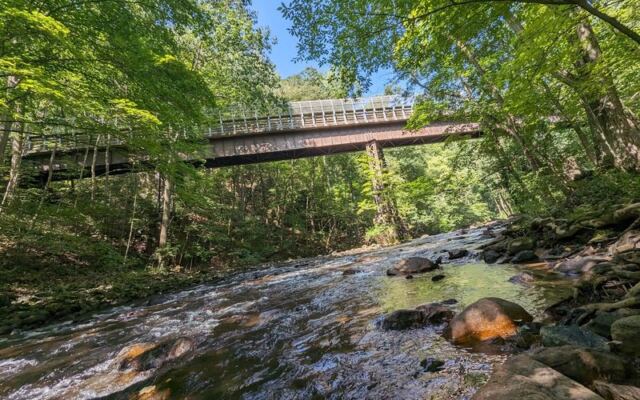
A road through New Jersey can lead to a place that feels much bigger than its name suggests. Here, a trail follows a trout river past boulders and wooded slopes.
It is the kind of outing that makes a short walk turn into a longer one, simply because the next bend is worth checking. Keep reading for the details that matter before you go, from the trail and fishing rules to hours and parking.
A Gorge Near Califon
The name gives away the destination, but not quite the experience. Ken Lockwood Gorge Wildlife Management Area is at Raritan River Rd, Califon, NJ 07830, United States.
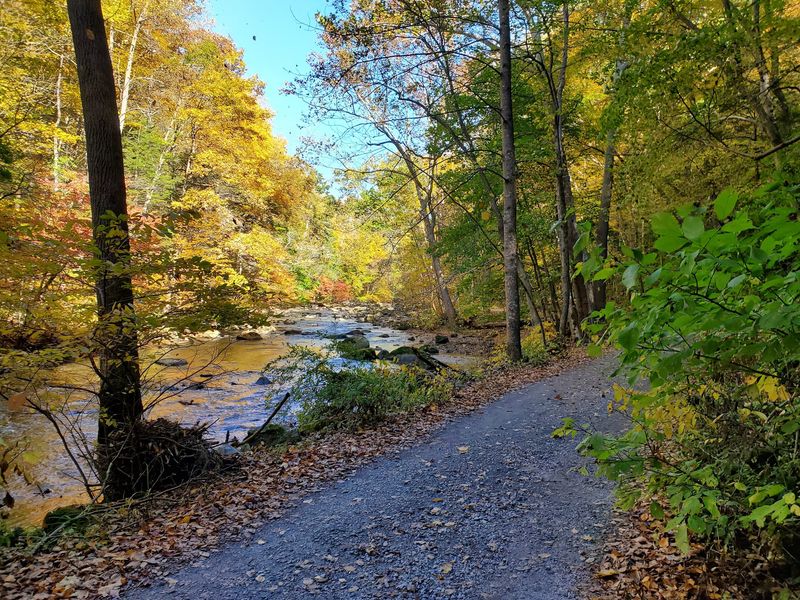
Its main draw is a route beside the river, with wooded slopes and a boulder-filled channel giving an ordinary walk plenty to follow.
People come here for several reasons. Some want to walk or run, some ride bikes, and others head toward the water to fish for trout.
The area is described as a wildlife refuge, yet it works well as a straightforward day trip rather than an outing that demands a packed schedule.
One useful distinction is that the gorge itself is the destination, not merely a stop along the way. There is enough variety between the path, river and surrounding woods to give a short outing a clear purpose.
New Jersey residents looking for a nearby change of pace can start with that simple plan.
Wooded Slopes and a River Corridor
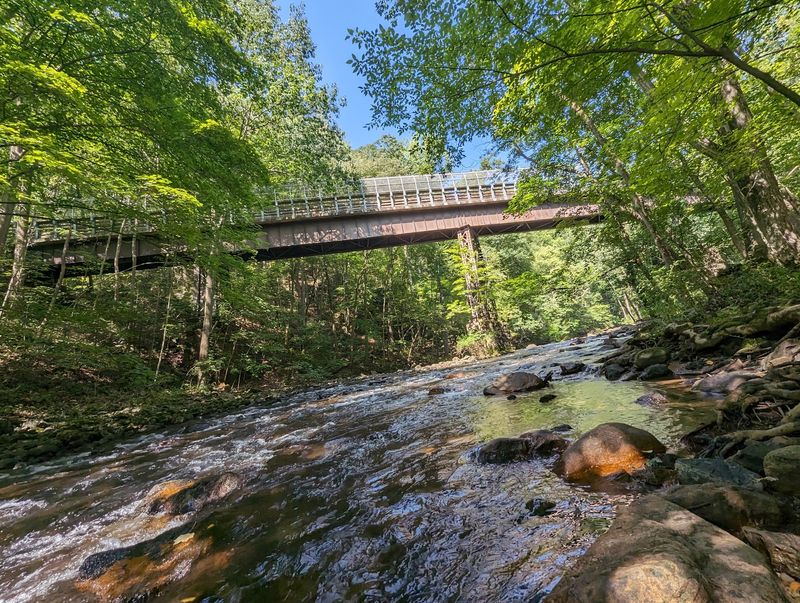
Not every riverside path earns the word gorge. Here, the route follows water bordered by steep, wooded hills, so the terrain stays central to the outing.
Trees, slopes and the river occupy the same narrow setting instead of appearing as separate stops on a map.
That arrangement helps explain why a fairly easy walk can feel more involved than its grade suggests. The trail gives people a way through the landscape without requiring them to climb the hillsides.
At points, the river lies below the path, leaving room to take in the channel and its rocky edges from above.
The setting also keeps the visit focused. There is no need to build an ambitious itinerary around it or rush toward a single landmark.
A person can walk for a while, turn around and still have spent the outing inside the gorge. The land does much of the work of making the route interesting.
The Boulder-Strewn Trout River
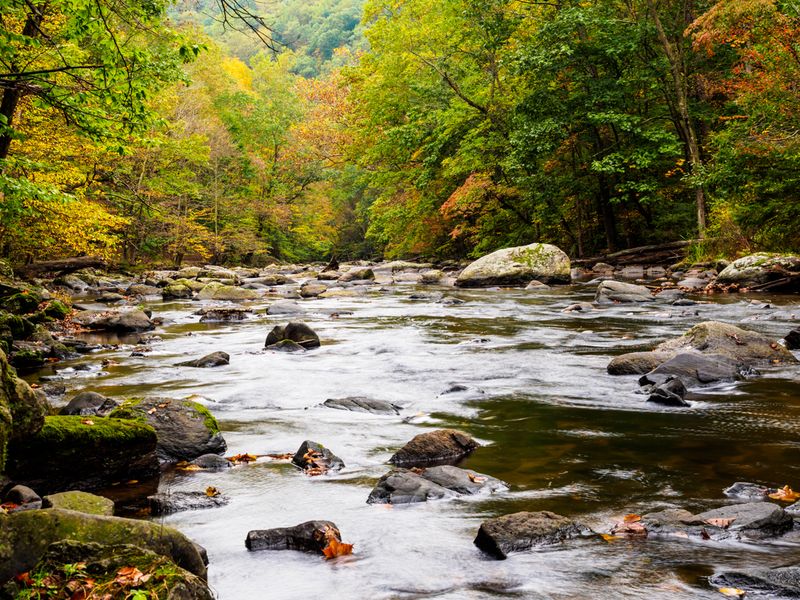
Boulders are part of the river’s character here, not a detail to overlook. They interrupt the channel and create varied stretches of water, including shallow areas and places with more depth.
From the path, that variation gives walkers something specific to follow as the trail stays beside the river.
For anglers, those same rocks require more thought. The uneven riverbed can make wading challenging, even though some parts of the water appear shallow.
Footing matters, and a riverside walk should not be mistaken for an invitation to enter anywhere along the bank.
The river also helps set this outing apart from a generic woodland route. Its course remains close to the trail for a substantial stretch, rather than turning up for one brief crossing.
Someone who came only for a walk can still appreciate why trout fishing is such a strong part of the gorge’s identity. The rocks have a role for everyone, though not the same role.
An Approachable Path with Rocky Patches
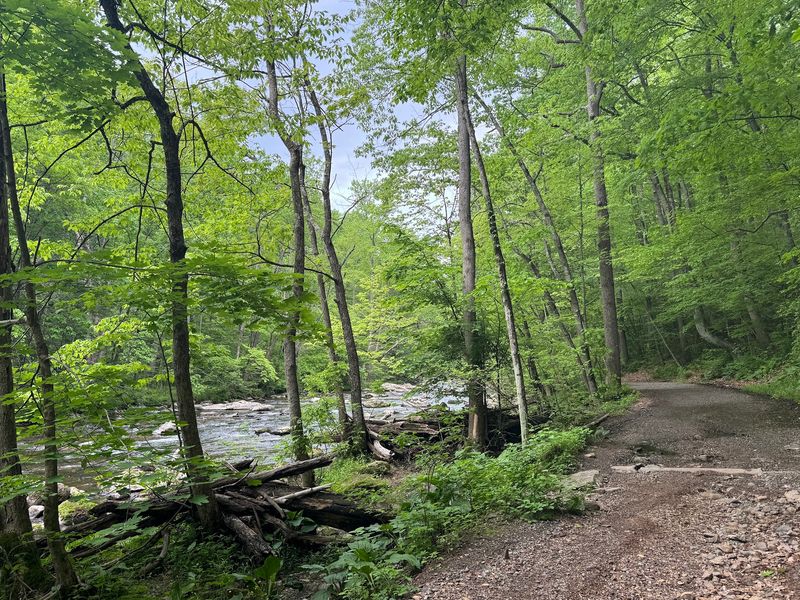
A gorge walk might sound like a steep undertaking, but the main route is often described as an easy, fairly flat walk. Its riverside alignment makes it approachable for people who would rather keep moving than tackle a climb.
That does not mean every step is equally smooth.
Stone covers portions of the path, and some stretches can be rocky or muddy. Sturdy, closed-toe footwear is a sensible choice, especially after rain.
It is worth deciding on a turnaround point based on the ground underfoot instead of assuming that a flat route requires no preparation.
Accounts of outings here include short walks, longer walks and a roughly two-and-a-half-mile car-free stretch beside the river. Those details are more useful as planning context than as a required distance.
There is no prize for reaching a particular point. The appeal lies in being able to set a comfortable pace and let the route suit the day, rather than the other way around.
Trout Fishing with Specific Rules
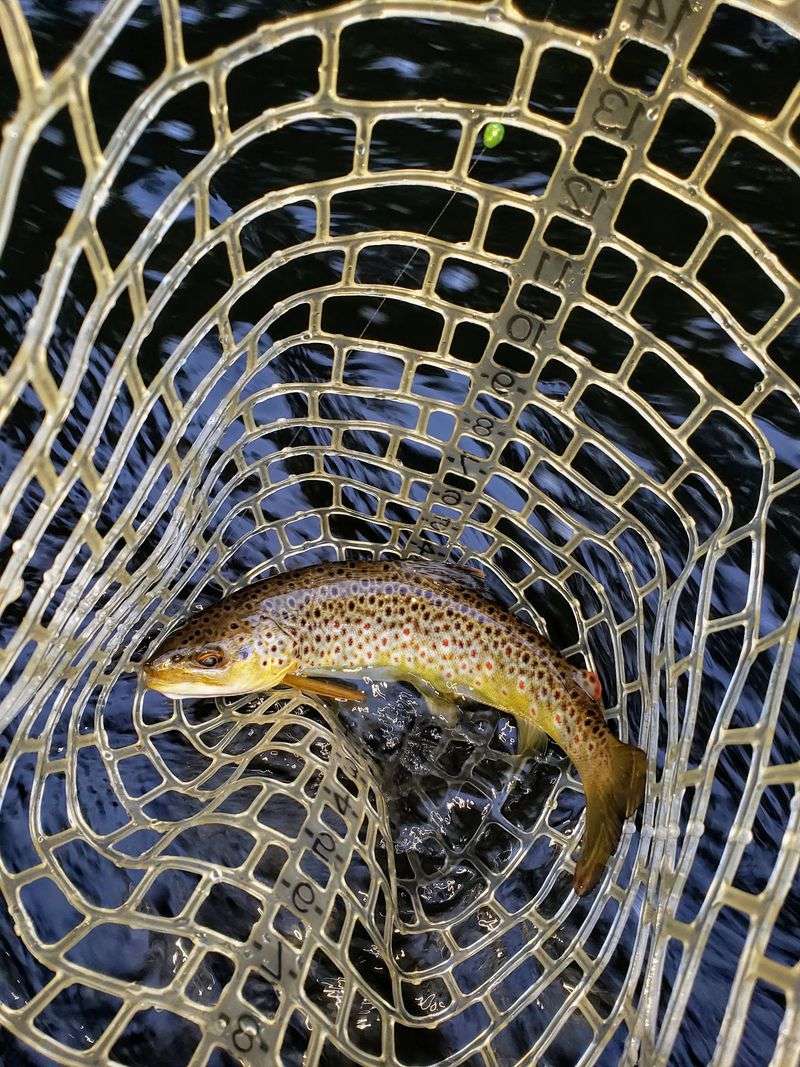
Fishing is not a side note at Ken Lockwood Gorge. Trout and fly fishing are closely associated with the river, and anglers share the corridor with people walking above it.
The mix is part of what makes this place feel used for a purpose rather than simply passed through.
Preparation matters more here than a casual glance at the water might suggest. Accounts of fishing trips describe catch-and-release fishing and restrictions against live or flavored bait, with artificial bait allowed.
Anglers should confirm the current regulations before casting, since the rules that apply on a given day are what count. A proper fishing license is also needed.
There is a practical challenge as well as a rulebook. Boulders can complicate wading, and the channel varies in depth.
Anyone planning to fish from the water should consider footing and suitable boots rather than treating the riverbed as predictable. For walkers, respecting an angler’s space is an easy way to let both kinds of outing work.
A Route That Also Welcomes Bikes
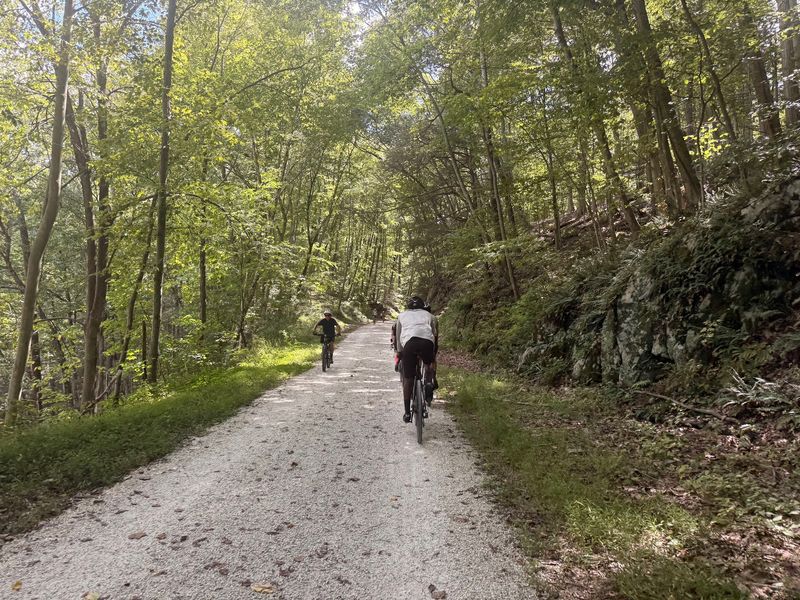
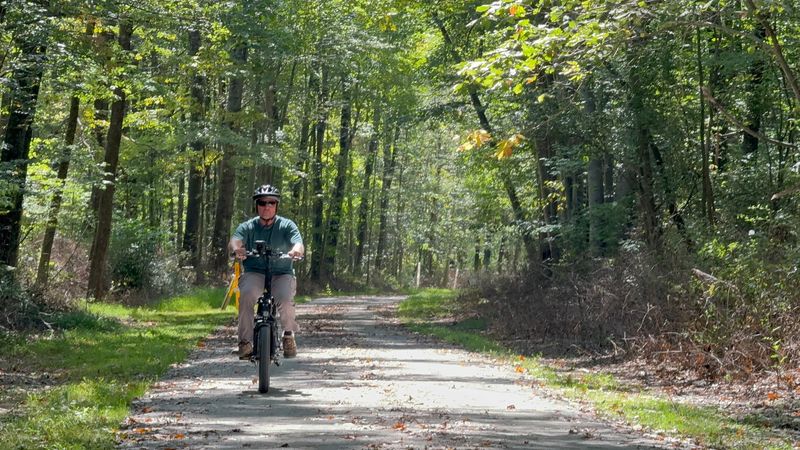
Walking is only one way to cover the gorge. Biking is another, and the riverside section connects naturally with the idea of a longer trail outing.
Riders have described it as a standout part of a Columbia Trail trip, particularly because the route keeps the river in view.
The surface deserves attention before anyone picks up speed. Flat does not mean uniformly smooth, and stone or muddy patches can change the ride.
Cyclists also share the route with walkers and people who may pause to look toward the river. A measured pace fits that mix better than treating the path as a course to finish quickly.
There is a nice flexibility to this arrangement. A rider can make the gorge one portion of a longer day, while someone on foot can remain focused on a shorter stretch.
Neither needs a separate attraction to justify the trip. The same corridor accommodates different plans, provided everyone leaves room for others along the way.
Birdlife Along the Trail
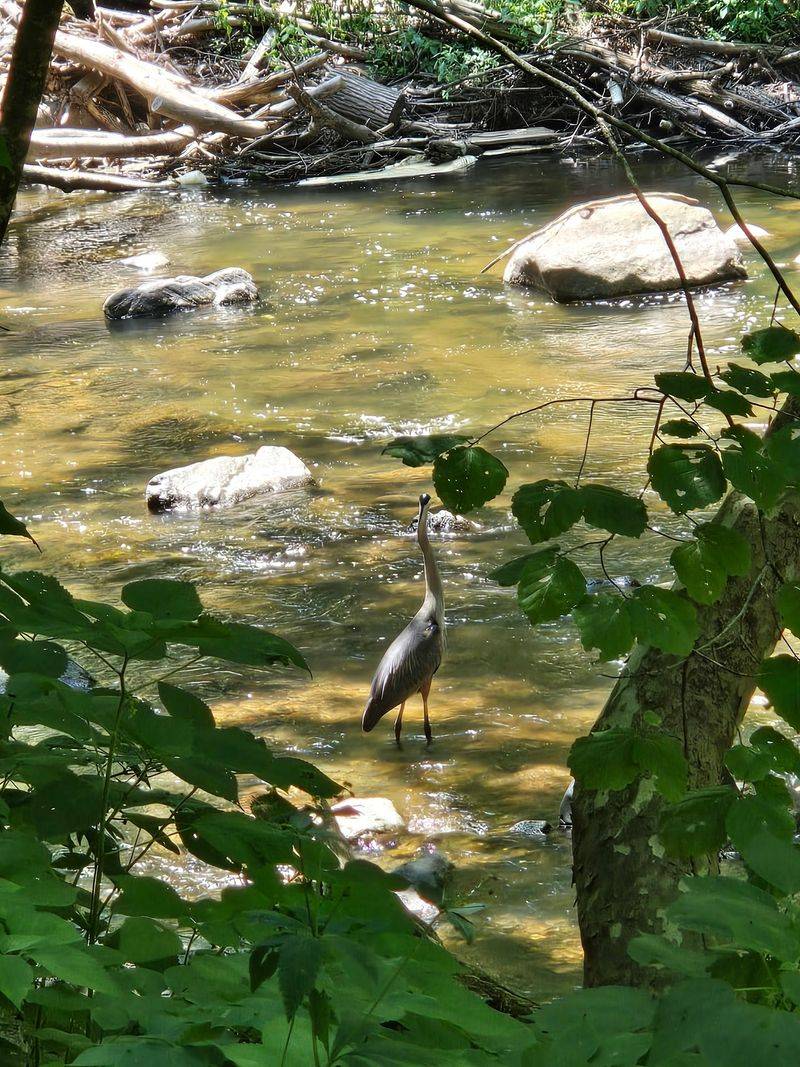
A walk here can turn into a wildlife outing without changing plans. Birds are among the animals people have noticed along the route, and one account describes encountering a great blue heron.
That is a possibility to keep in mind, not a promise that a bird will appear on command.
The trail’s arrangement makes patient observation easy to fit into a regular walk. Woods line the corridor, while the river adds another place to watch.
Someone interested in wildlife can pause where the path allows, then continue without needing a separate viewing area or a fixed schedule.
Keeping expectations realistic makes these moments better. A trip does not depend on spotting a particular species, and the gorge remains worth walking when wildlife stays out of view.
Still, it helps to give the surroundings some attention rather than concentrating only on distance covered. For a destination called a wildlife management area, the chance of an unscripted encounter belongs in the plan.
Room for an Unhurried Outing
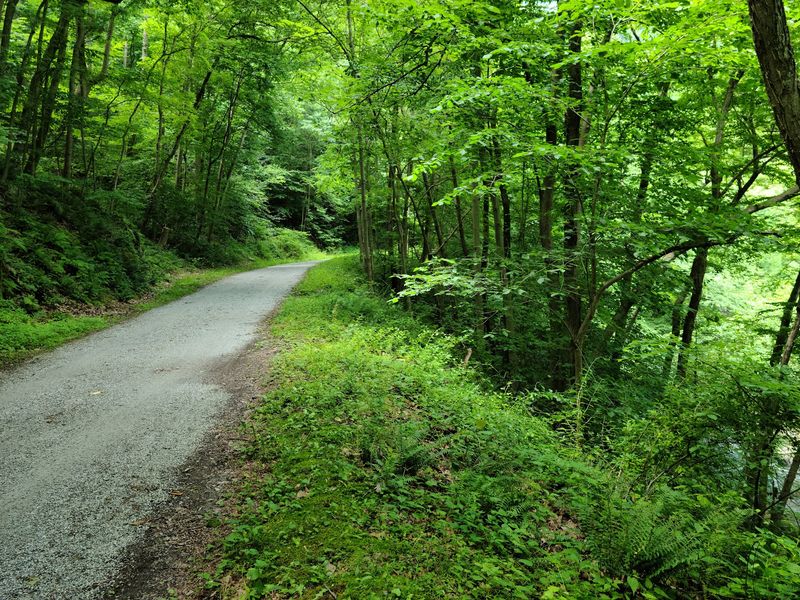
Not every outing needs a finish line. People use this trail for strolls, longer walks, runs and time outdoors with dogs.
Families have also described bringing young children, though the rocky ground makes footwear and pace worth considering before setting out.
The atmosphere suits a flexible plan more than a rigid one. Some people head here specifically to fish; others follow the path until they are ready to turn back.
That variety can make the route feel pleasantly ordinary in the best sense: it is a place to spend time, not a checklist to complete.
Dogs have been seen on the trail, and cleaning up after them is a considerate part of sharing it. The same courtesy applies to giving anglers and other trail users room.
People seeking a simple conversation walk may find the flat route appealing, while those hoping for a quiet pause can choose their own pace. The gorge asks for attention, but it does not demand a complicated day.
A Return Trip for Another Season
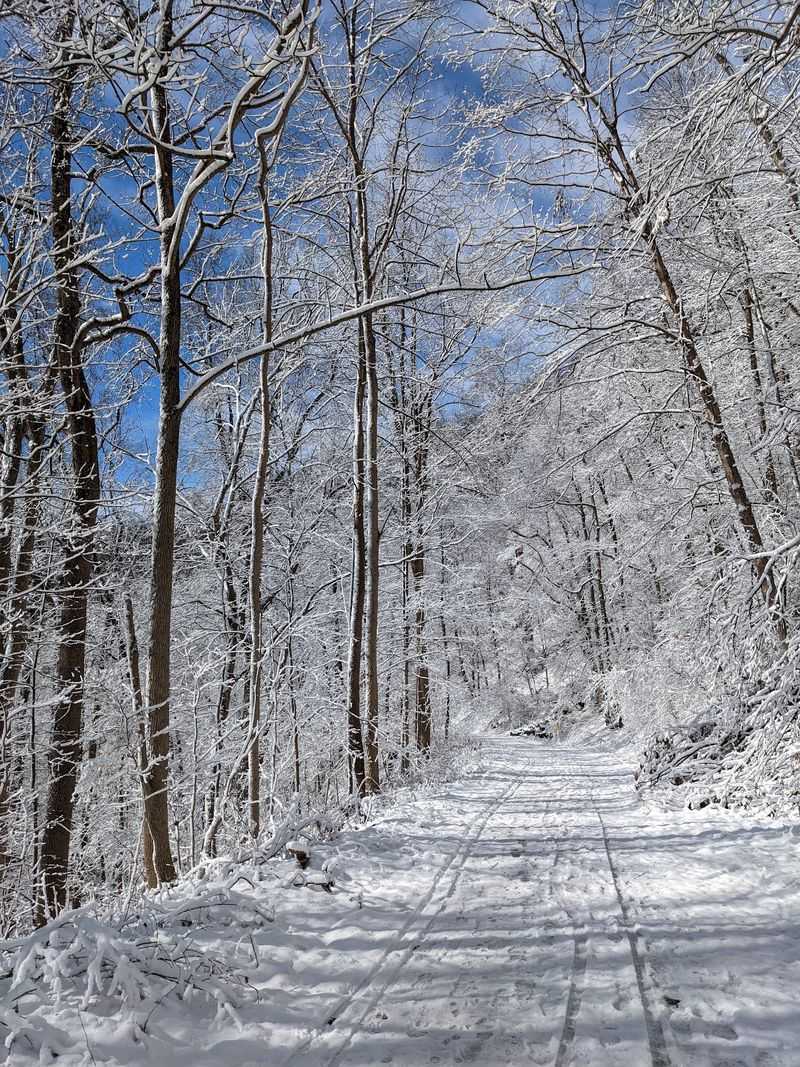
One visit may not settle the question of when this gorge is at its best. People describe returning in different seasons, and the basic route remains the same: a path beside the river, framed by woods and slopes.
What changes is how much preparation the conditions call for.
Rain can leave parts of the trail muddy, so footwear that works on stone and damp ground is a better bet than light shoes. The river’s boulders also remain relevant in every season for anyone considering fishing or wading.
Seasonal interest should not distract from those practical details.
A repeat trip offers another advantage: there is no need to cover every stretch the first time. A short walk can establish the route, leaving a longer outing for a day when conditions and schedules allow.
That makes the gorge useful to nearby residents who want a familiar outdoor option with enough variation to reward another visit.
Hours, Parking and Trail Preparation
A good gorge day begins with a little attention to the approach. The listed hours are 5 AM to 9 PM every day of the week.
A parking lot is noted on Raritan River Road, but navigation can require care: accounts describe confusing directions and a rough, pothole-filled approach to the south parking area.
Checking the official wildlife management area information before departure is sensible, particularly for access details and current fishing rules. Cell signal may be unreliable on part of the trail, so it helps to settle the route beforehand rather than counting on a phone for every decision.
Sturdy shoes or boots belong on the preparation list as well.
Do not build the outing around amenities that have not been confirmed. An account of the walk reports no benches, bathrooms, picnic area or trash bins along the route.
Carry what you need, plan to take your belongings back out, and allow enough time to return within the listed hours.
A Strong Case for a Simple Day Trip
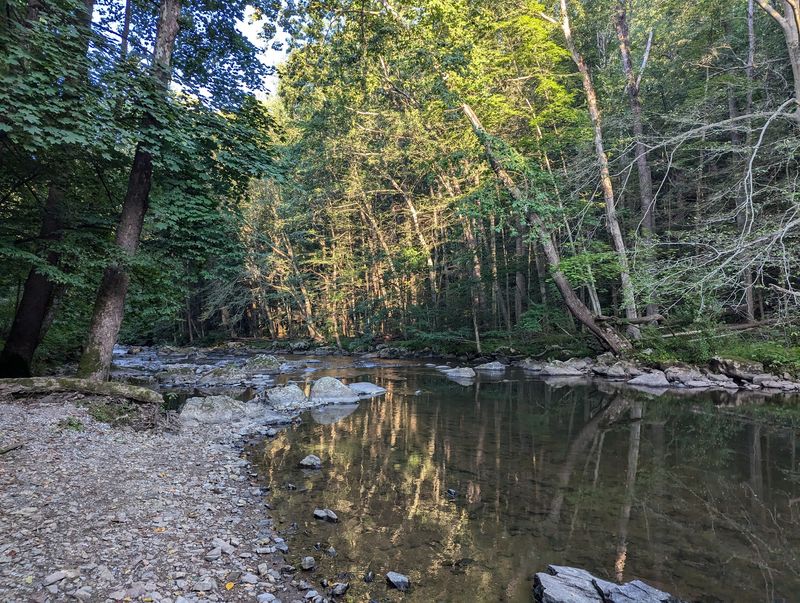
The best reason to come here is also the simplest: the route and river stay together. Walkers get an approachable path with enough rocky variation to keep their footing in mind.
Anglers get trout water that calls for preparation, while cyclists can make the riverside stretch part of a longer ride.
None of those plans requires pretending the gorge is something it is not. The path can be muddy, river wading can be difficult, and facilities along the route should not be assumed.
Those limits are useful to know before leaving home; they do not erase what makes the place worth the trip.
For New Jersey residents, Ken Lockwood Gorge offers a clear answer to an ordinary free-day question. Head to the trail, choose a comfortable distance, and give the wooded river corridor your attention.
A destination does not need a long list of extras when its main feature stays with you for the walk.
Share this story