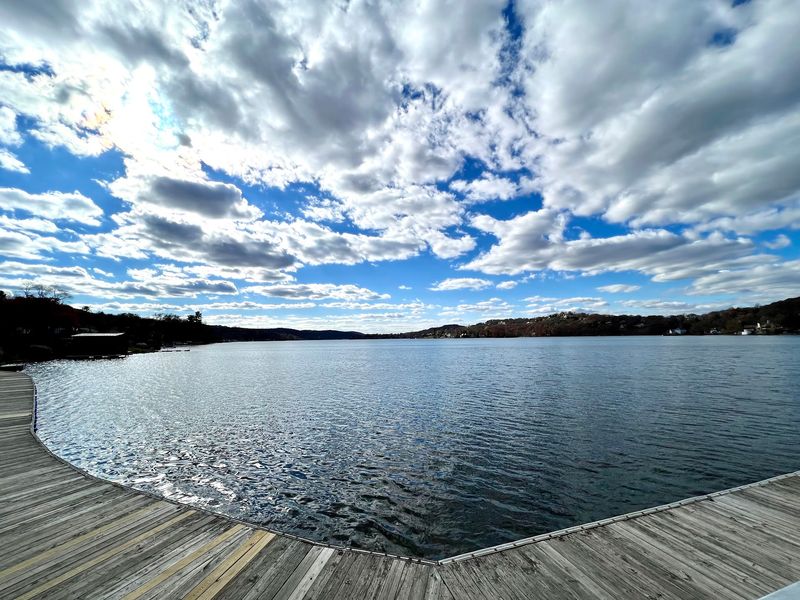
A lake town can change fast when the calendar flips toward summer weekends. In Sussex County, one North Jersey community has the kind of name that makes people pause, check the map, and wonder how much they really know about their own state.
The place is Lake Mohawk, and its story is not only about water, weekend traffic, or pretty postcards. It is also about how a residential community became one of those New Jersey names that carries a strong sense of place.
A Sussex County Lake Community With A Sparta Address
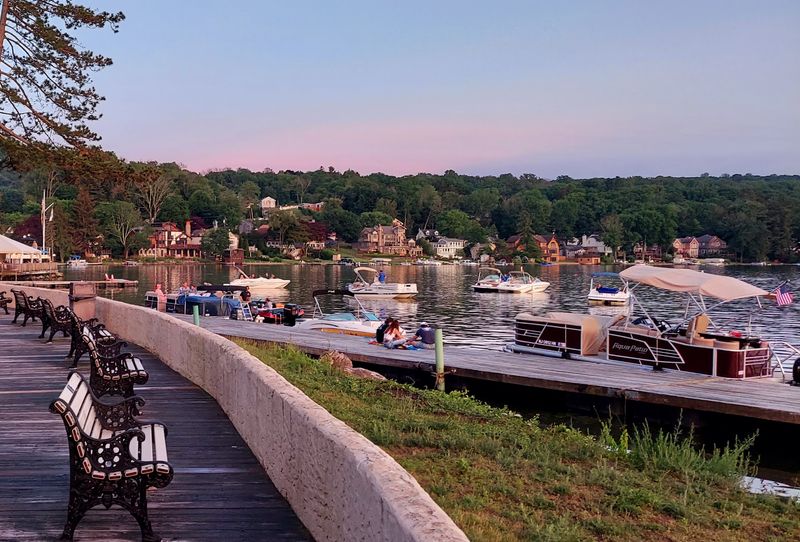
The first useful fact is simple: Lake Mohawk is in Sparta, NJ, with the address listed as Sparta, NJ. More precisely, Lake Mohawk is an unincorporated residential development and census-designated place in Sussex County, New Jersey, United States.
That wording matters because Lake Mohawk is not just a lake on a map. It is also a named community with census boundaries, homes, local identity, and a population counted by the federal census.
The place is split between Byram Township and Sparta Township, which gives it a slightly unusual footprint. A person may talk about Lake Mohawk as a Sparta destination, yet the census-designated place also reaches into Byram Township.
As of the 2020 census, Lake Mohawk had a population of 9,759. That figure helps explain why the area can feel like more than a quiet waterside stop, especially when summer weekends bring extra movement around New Jersey lake towns.
For readers trying to place it mentally, Lake Mohawk belongs in Sussex County rather than along the shore or near the state’s biggest city centers. That alone makes it part of a different New Jersey story, one shaped by residential lake living and small-town recognition.
A Place That Is More Than A Lake Name
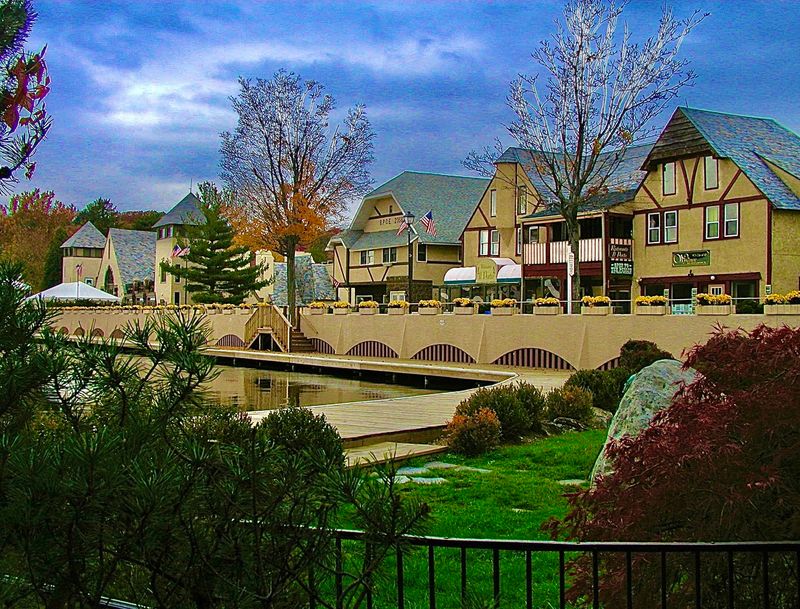
Names can be sneaky little things in New Jersey. Lake Mohawk sounds at first like a single natural feature, but the official description points to something broader: an unincorporated residential development and census-designated place.
That distinction gives the name more weight. A lake can be a landmark, but a census-designated place is also a community recognized for population counting and geographic identity.
Lake Mohawk’s population of 9,759 in the 2020 census makes it large enough to register as a real local presence. It is not a tiny label attached to a road sign, and it is not simply a weekend phrase people use when they are making plans.
Because the community is residential, the rhythm of the place is different from a park, downtown district, or public attraction with a single gate. People live here, identify with it, and help give the name its everyday meaning.
That is part of the curiosity behind the summer-weekend headline. A place with a residential base can seem easygoing during ordinary stretches, then feel much busier when warm-weather plans point people toward lake towns and North Jersey escapes.
Two Townships Under One Familiar Name
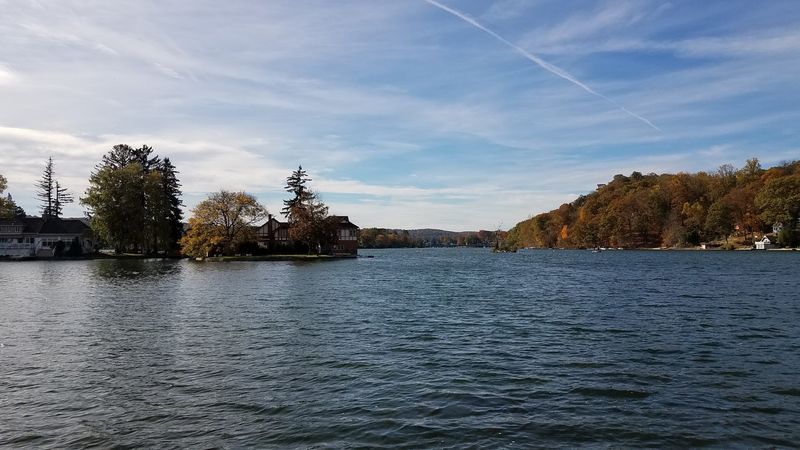
A small twist sits inside the geography here, and it is the kind of detail locals often care about. Lake Mohawk is split between Byram Township and Sparta Township, even though the address is commonly given as Sparta, NJ.
That split makes the place more interesting than a quick map glance suggests. It belongs to one recognizable lake-town identity while crossing township lines inside Sussex County.
For New Jersey readers, that is hardly shocking. The state is full of places where community names, postal addresses, township borders, and local habits do not line up in the neat way an outsider might expect.
Lake Mohawk fits that pattern well. The name does a lot of social and geographic work, gathering parts of two townships under a single community identity.
That layered identity also helps explain why the place can draw strong recognition. People may know it through Sparta, through Sussex County, through the lake name, or through the broader North Jersey map.
The result is a destination that feels specific without being isolated. It has the crisp label of a lake community, plus the practical complexity that makes New Jersey geography a full-time hobby for anyone with a road atlas and patience.
The Residential Backbone Behind The Weekend Buzz
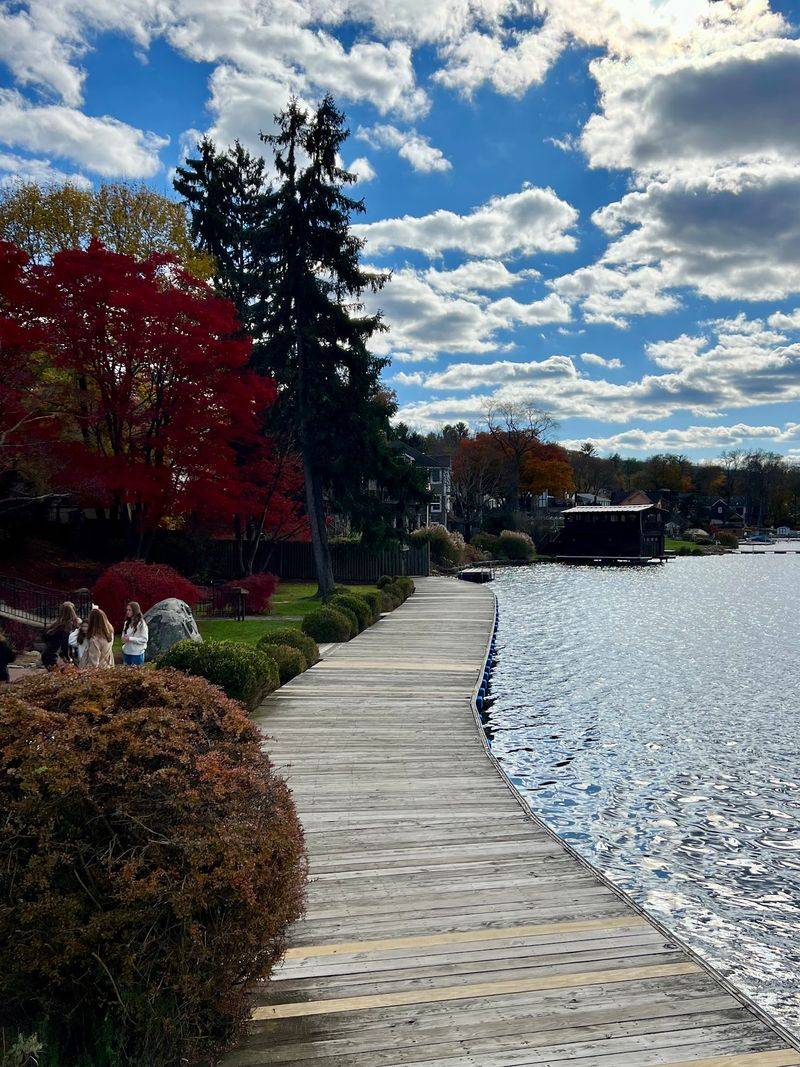
Behind the busy-weekend idea sits an important truth: Lake Mohawk is a residential development. That means its identity begins with people who live there, not with a ticket booth, a timed entry sign, or a single attraction schedule.
Residential lake communities often carry a different kind of public curiosity. They appear on maps, come up in day-trip talk, and spark interest, yet they are also everyday neighborhoods.
Lake Mohawk’s 2020 population of 9,759 gives that neighborhood character real scale. It is not a spare scattering of homes, and it is not merely a label attached to seasonal cabins.
That scale matters when thinking about summer weekends. A place with a steady residential population already has local movement, and seasonal attention can make roads, gathering points, and nearby areas feel more active.
Nothing in the available data lists public hours, entry fees, or attraction-style operations for Lake Mohawk as a whole. That is a useful signal for anyone planning around it, because the place should be understood first as a community.
The smart approach is to treat the name with respect and context. Lake Mohawk may sit in travel conversations, but it is also home ground for thousands of New Jersey residents.
A North Jersey Setting Away From Shore Cliches
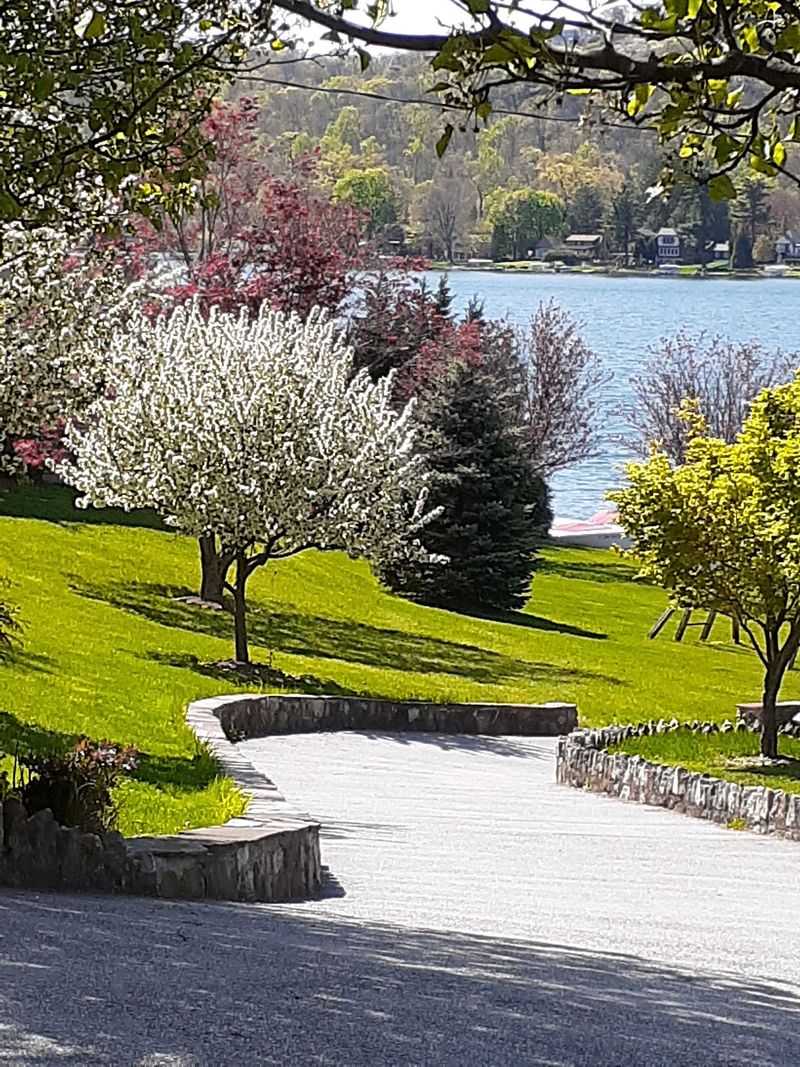
New Jersey gets flattened into lazy stereotypes far too often, and Lake Mohawk is a handy reminder that the state has more range. This is Sussex County, not a boardwalk town, mall corridor, or highway punchline.
The community sits in the northern part of the state’s identity map, where inland lake places carry their own kind of local recognition. That context gives Lake Mohawk a different appeal from better-known summer destinations along the coast.
Its official description as an unincorporated residential development and census-designated place says a lot without overselling anything. Lake Mohawk is not presented in the available data as a resort, public park, or commercial attraction.
Instead, the facts point to a settled community with a named lake identity and a population large enough to stand out. That combination can be surprisingly compelling for New Jersey residents who enjoy places that feel specific rather than mass-produced.
Summer weekends may bring extra attention to lake towns in general, but Lake Mohawk’s real interest is its rootedness. It is part of the lived-in geography of Sussex County, and that makes the name more durable than a seasonal talking point.
A Population Figure That Changes The Scale
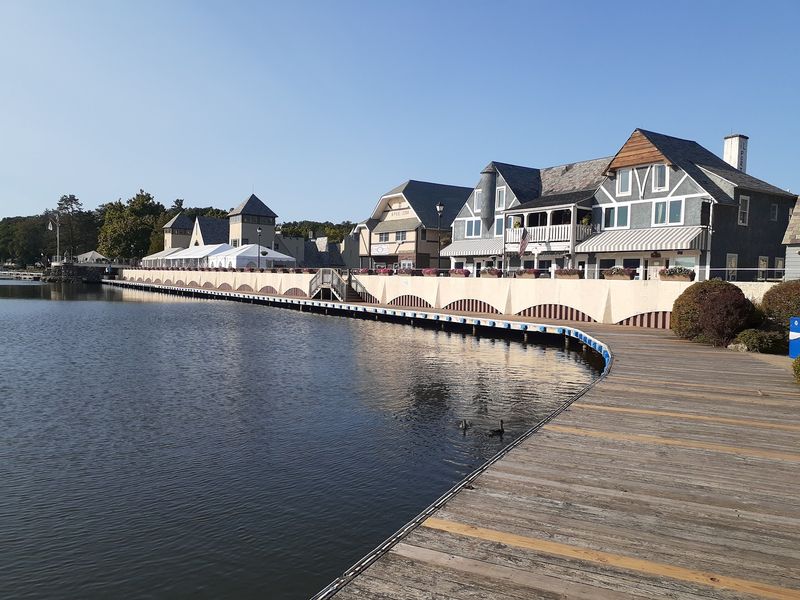
Numbers can drain the fun out of travel writing, but one number helps Lake Mohawk make sense. The 2020 census counted 9,759 people in Lake Mohawk.
That population figure puts the place in a category larger than a tucked-away lakeside pocket. It is a recognized community with enough residents to shape daily patterns, local identity, and the way outsiders understand the name.
The census-designated place label also matters here. It means Lake Mohawk is used as a defined geographic area for census purposes, even though it is unincorporated.
For readers, the takeaway is practical. A place with nearly ten thousand residents should not be approached like an empty scenic stop waiting for weekend plans.
That is especially relevant when thinking about summer weekends. More attention around a residential lake community can quickly make the area feel busier, because everyday life and seasonal curiosity are sharing the same geography.
The population also adds a little New Jersey pride to the story. Lake Mohawk is not merely a pretty-sounding name in Sussex County; it is a real community with measurable presence, local boundaries, and a place in the state’s census record.
Why Summer Weekends Change The Conversation
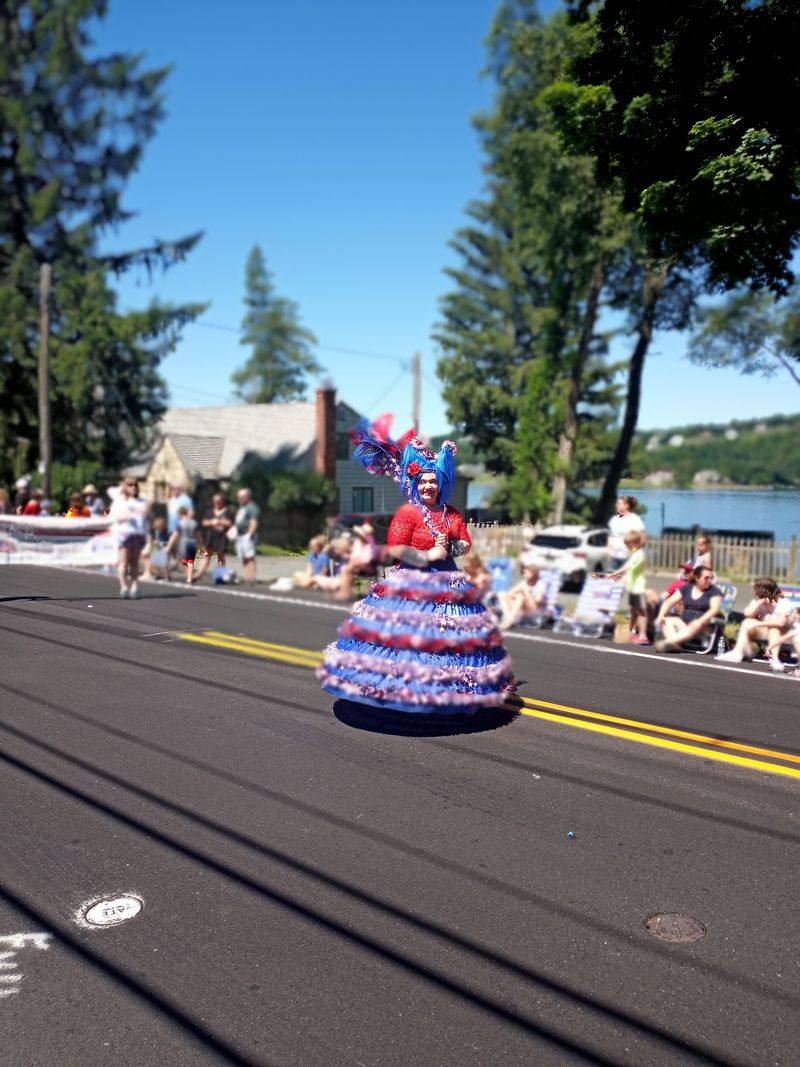
Weekend talk around lake towns has its own math, and Lake Mohawk fits the subject naturally because it is both residential and recognizable. The headline’s idea of a place turning from easygoing to packed should be read through that lens.
The available facts do not list traffic counts, seasonal crowd data, public event calendars, or attendance figures. So the honest way to frame the summer shift is as a practical caution rather than a hard statistic.
Lake Mohawk has a Sparta address, crosses into both Sparta Township and Byram Township, and had 9,759 residents in the 2020 census. Those facts alone show that it is not an empty backdrop.
When summer weekends put extra focus on lake communities, places with an established residential base can feel noticeably more active. Everyday local patterns do not disappear just because day-trip interest rises.
That makes timing a smart part of any plan connected to the area. A weekday or a non-peak period may feel different from a warm-weather weekend, though the data provided does not name exact crowd patterns.
The bigger lesson is simple and very New Jersey: small-sounding places can carry big weekend energy. Lake Mohawk proves that a lake-town name can sit quietly all week, then move quickly into everyone’s group chat.
Practical Notes Before Making The Trip
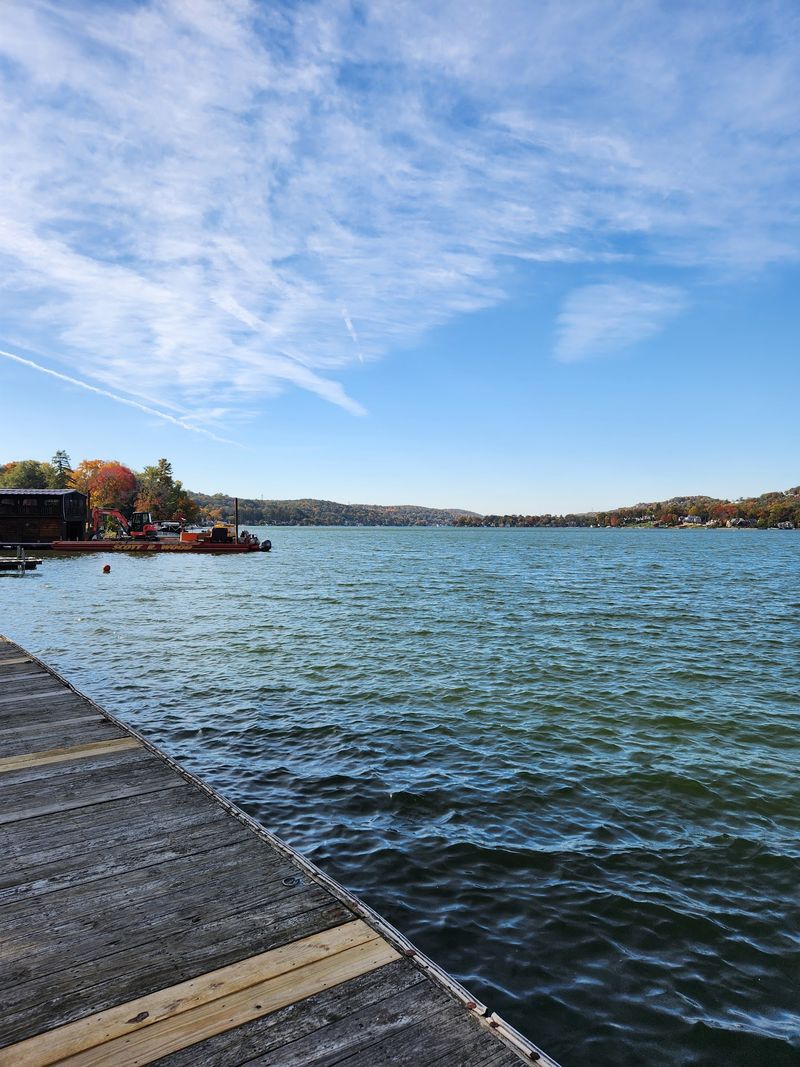
A good day-trip plan starts with what is actually known. Lake Mohawk’s address is Sparta, NJ, and the place is in Sussex County, New Jersey, United States.
The official information provided does not include public hours, admission prices, parking rules, or attraction-style access details for Lake Mohawk as a whole. That absence is important, because Lake Mohawk is described as an unincorporated residential development and census-designated place.
In plain language, do not treat the entire name as though it were a public facility with standard operating hours. It is a residential community, and that should guide expectations.
The location is also split between Byram Township and Sparta Township. Anyone using maps or planning around the area should be aware that the Lake Mohawk name may appear in relation to both township contexts.
Because the data does not provide specific public amenities, fees, or schedules, the safest planning advice is to check current local information before setting out. That is especially sensible during summer weekends, when lake-town attention can rise quickly.
Lake Mohawk is absolutely a real, mappable New Jersey place, but it is not presented here as a one-size-fits-all attraction. Treat the visit like a local-area plan, not a theme-park itinerary with a lake attached.
A Soft Verdict For Curious New Jersey Day-Trippers
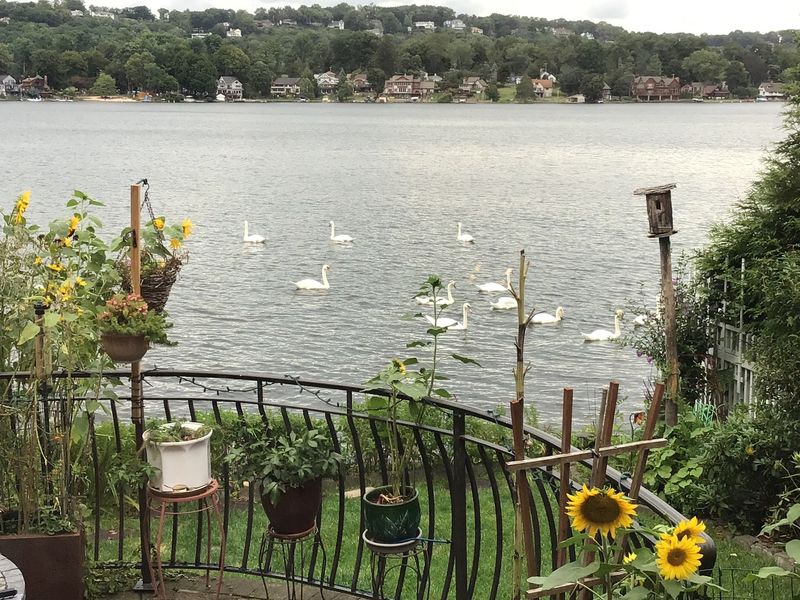
Lake Mohawk earns attention because it turns a simple phrase, New Jersey lake town, into something more specific. It is a residential development, a census-designated place, a Sussex County community, and a name tied to both Sparta Township and Byram Township.
That mix gives the place its staying power. It is not only a summer-weekend talking point, and it is not just a dot with water beside it on a map.
For New Jersey residents, the appeal is partly recognition. Lake Mohawk shows how the state’s inland communities can be just as identity-rich as its better-known seasonal destinations.
For short-hop day-trippers, the useful takeaway is to keep expectations grounded. The provided data does not list public hours, admission costs, or specific visitor facilities, so planning should be careful and respectful of the residential setting.
The summer-weekend crowd idea makes sense as a reason to think ahead, not as an invitation to treat the area casually. A community of 9,759 people, counted in the 2020 census, deserves more than a quick label.
The final verdict is gentle but clear: Lake Mohawk is worth knowing because it reveals a quieter, more layered side of New Jersey. Just bring curiosity, check current local details, and remember that some of the state’s most interesting places are also people’s neighborhoods.
Share this story