Some New Jersey places look simple at first, then quietly take over the whole afternoon. A farm lane, a few barns, a working field, and suddenly the day feels less rushed and a lot more interesting.
In Lambertville, there is a living-history farm where old methods are not locked behind glass, because they are still part of the daily work. Keep reading, because this is one of those local stops that proves New Jersey can surprise even people who think they already know every good day trip.
A Working Farm Museum In Lambertville
A map pin does not quite explain the appeal here. Howell Living History Farm is a museum and active farm at 70 Woodens Ln, Lambertville, NJ 08530, in New Jersey, United States.
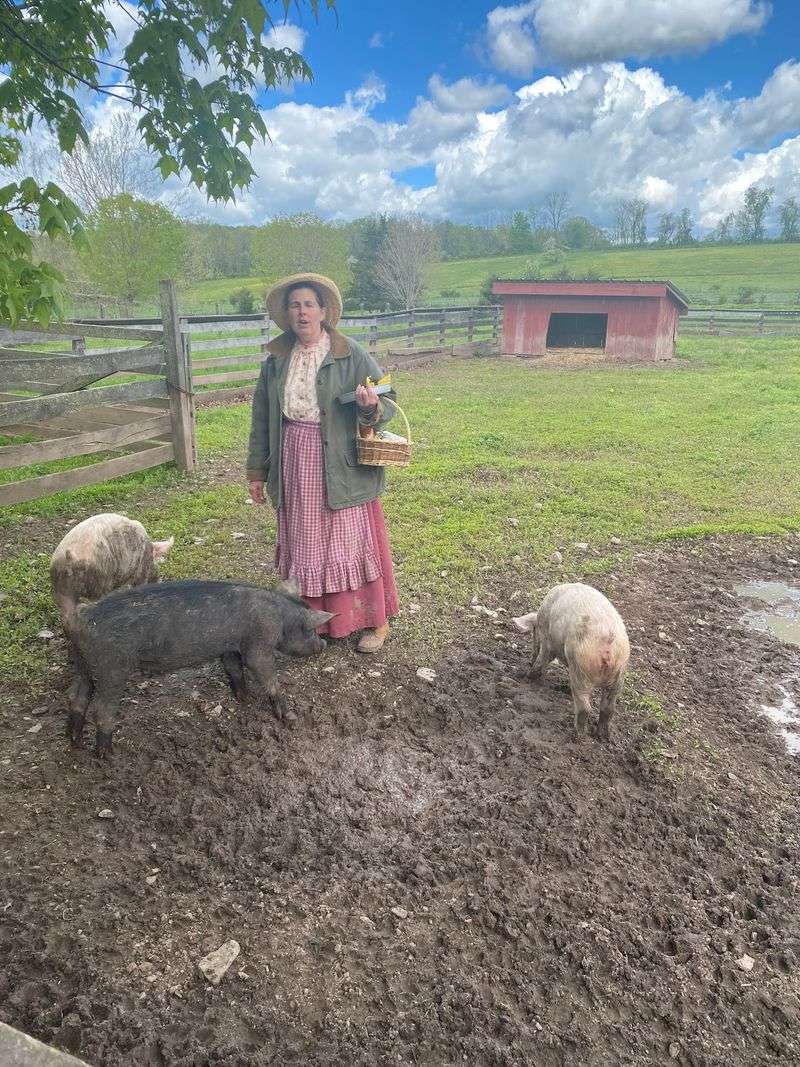
The farm is devoted to 250 years of area farm life, with costumed staff and ongoing agricultural work. Instead of treating history like a quiet room of labels, the place keeps its story moving through barns, fields, animals, demonstrations, and hands-on learning.
Its focus centers strongly on farm life around the late 1800s and early 1900s, especially methods used from about 1890 to 1910. That detail gives the visit a clear personality, because people are not just looking at tools, they are seeing how those tools fit into everyday work.
For New Jersey day-trippers, the location also matters. Lambertville already feels like a worthy outing, and the farm adds a rural chapter that is easy to build a day around.
Farm Life That Refuses To Stand Still
History gets a workout at this farm, and that is the whole point. Howell Living History Farm is not built around quiet displays alone, since its identity comes from active farming operations and staff who explain how older methods worked.
The farm grows produce using techniques tied mostly to the 1890 to 1910 period, and families often mention how much children learn from seeing chores and fieldwork in context. Produce grown there has also been noted as being donated to organizations in need, which gives the agricultural mission a present-day purpose.
Some days may be quieter and more self-guided, especially on weekdays. Even then, the barns, house interiors, animals, and farm layout help connect the dots.
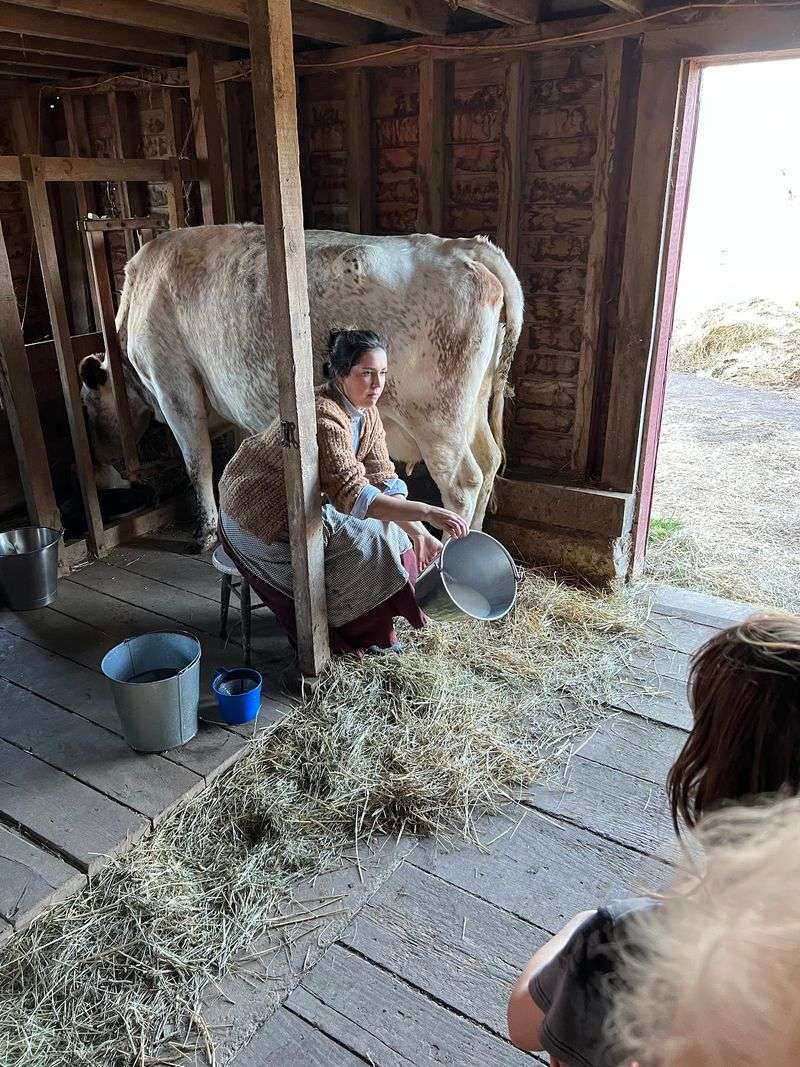
When demonstrations are running, the experience becomes especially strong. Plowing, gardening, cow milking, cooking demonstrations, and other seasonal work can turn an ordinary farm visit into a moving lesson with muddy boots and real questions.
Barns, House Rooms, And The Old Farm Layout
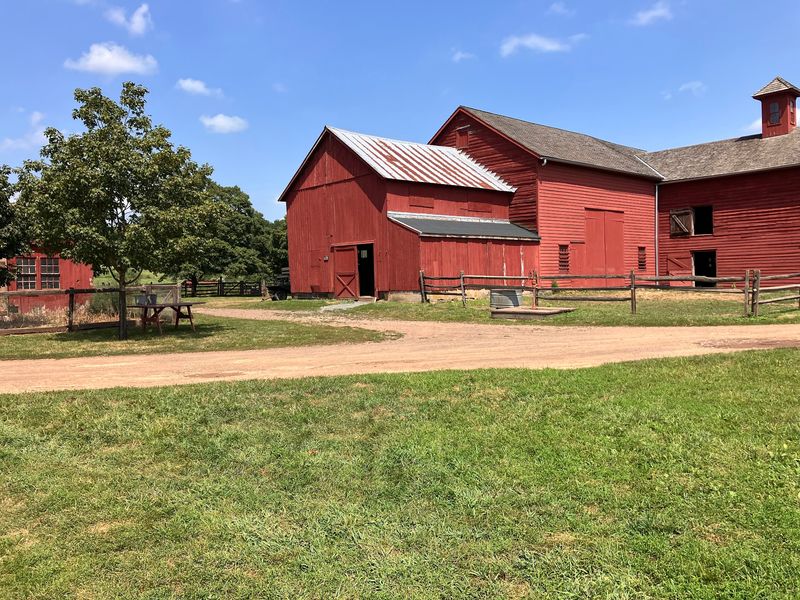
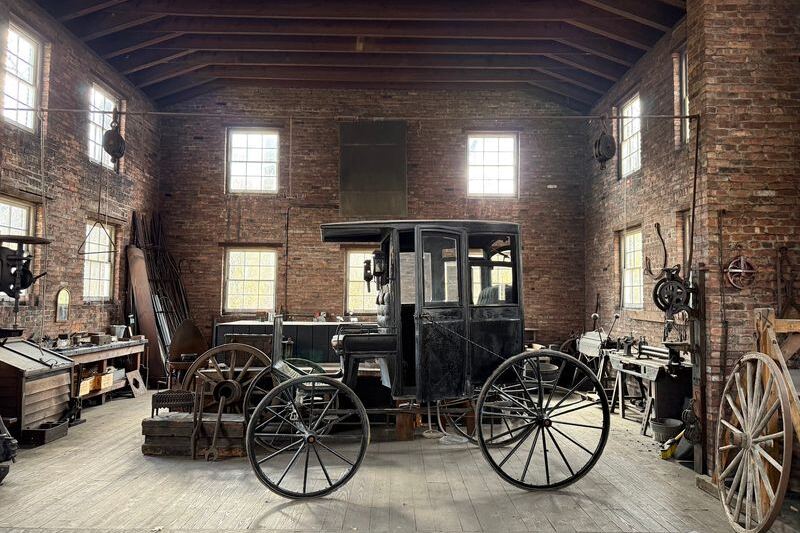
Old buildings do a lot of quiet teaching here. The barns are among the most talked-about features, not because they are fancy, but because they help explain how much planning farm life required.
Guests can explore the grounds and see interiors of the old farmer’s house when access is available. That shift from field to farmhouse makes the farm feel like a full household system rather than a collection of separate attractions.
The main barn has hosted seasonal displays, including a quilt show noted by past attendees. Details like that broaden the visit beyond crops and animals, showing how rural skill, home life, and community traditions overlapped.
Nothing about the layout feels like a staged shortcut. The farm asks people to move from place to place and piece together the rhythm of work, storage, shelter, and learning.
By the time the barns come into focus, the whole property starts to read like a practical New Jersey history book.
Animals With Actual Farm Jobs
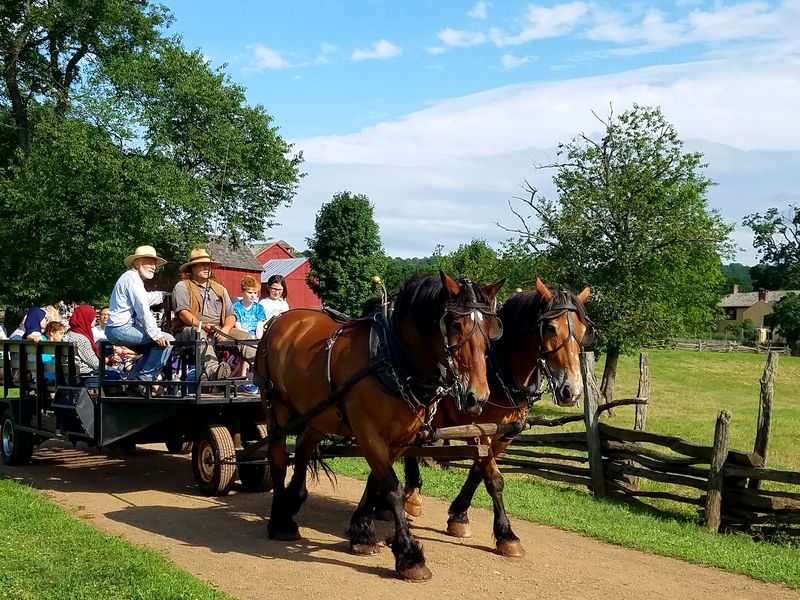
The animals are not just a cute bonus, although they do tend to steal attention. Cows, horses, pigs, sheep, chickens, roosters, lambs, and other farm animals have all been part of the experience described by families who return for different outings.
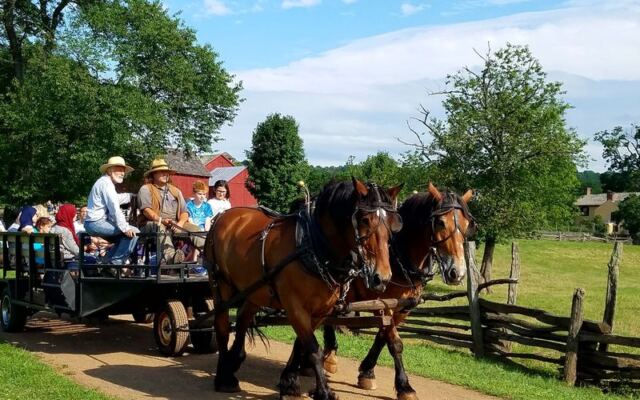
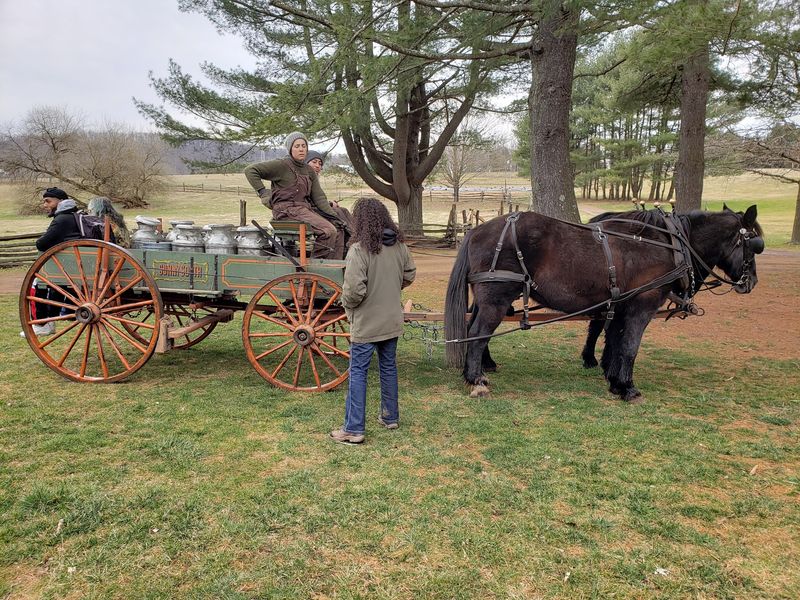
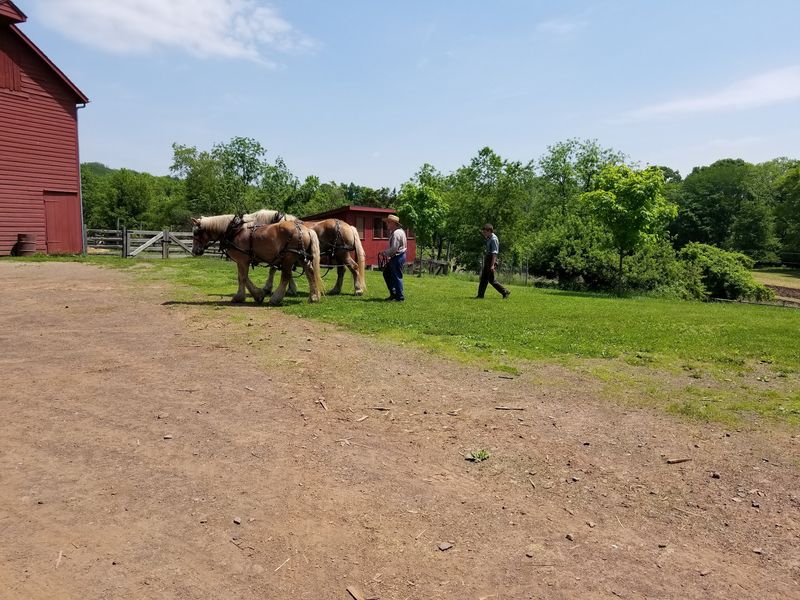
Work horses are especially connected to the farm’s living-history mission, since older agriculture relied on animal power in ways modern readers may only know from books. Seeing horses near barns or fields helps make that lesson less abstract.
Children often gravitate toward the chickens, sheep, pigs, and cows, while adults tend to appreciate how staff connect animal care to farm operations. Some accounts mention egg collecting, proper ways to interact with sheep, and staff taking time to answer questions.
The farm’s animal encounters can vary by day and program, so the best approach is to arrive curious rather than scripted. That makes each stop feel a little different without needing a flashy agenda.
Saturday Programs With Old-School Payoff
Saturday is the day many regulars circle first. The farm is known for seasonal activities that match the time of year and show how farm families once handled practical tasks.
Programs mentioned by attendees include apple cider making, corn harvesting, ice-cream making with local peaches and milk, sheep shearing, cow milking, gardening, wheat threshing, ice harvesting, and maple syrup tapping. The exact lineup depends on the season, so checking the farm’s website before going is the smart move.
That variety is why repeat visits make sense. A child who sees corn harvested one month may return later for maple syrup, animal care, or another farm skill.
Several activities are described as free seasonal Saturday offerings, while at least one maple syrup program has carried a per-person fee. The farm itself is widely noted as free to enter, with donations welcomed, so families can plan without treating the day like a major splurge.
A Learning Stop That Kids Actually Use
School-trip energy fits this place naturally. Howell Living History Farm gives children a chance to connect lessons about farming, food systems, animals, and New Jersey history without asking them to stare at a screen or sit still for too long.
Families and chaperones often note that children learn by doing or watching real tasks. Harvesting corn, seeing animals cared for, asking staff questions, and moving through the farm layout can make history easier to understand.
The destination also works for different ages, although younger children may need reminders about patience and farm manners. That is not a flaw in the concept, just part of visiting a working place where animals, staff, and equipment all deserve space.
Adults are not left out, either. Plenty of grown-ups leave with new information about 1900-era New Jersey farming, which is a neat reversal for anyone who thought they were only tagging along for the kids.
Trails, Fields, And A Longer Day Nearby
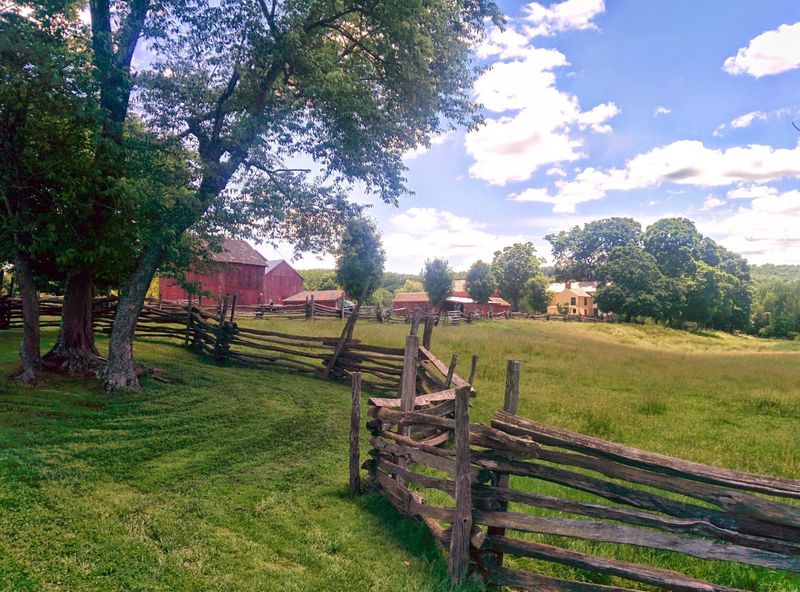
A farm visit can stretch farther than the barnyard. People often mention walking the loop trail around the farm, and the broader property gives guests room to explore at an easy pace.
Long walking paths, garden areas, fields, and places to sit have all been part of the experience shared by families and repeat guests. The visit can be short and simple, but it also works well as a slow couple of hours for anyone who likes an unhurried local stop.
Another useful detail is the farm’s nearness to Baldpate Mountain Preserve, which some guests pair with the outing for a later hike. That makes the location especially handy for day-trippers who want history first and a longer outdoor plan afterward.
The farm does not need a complicated itinerary to be worthwhile. A loop walk, a barn stop, an animal visit, and a demonstration can fill the day without making it feel overplanned.
Seasonal Events Beyond The Everyday Farm Visit
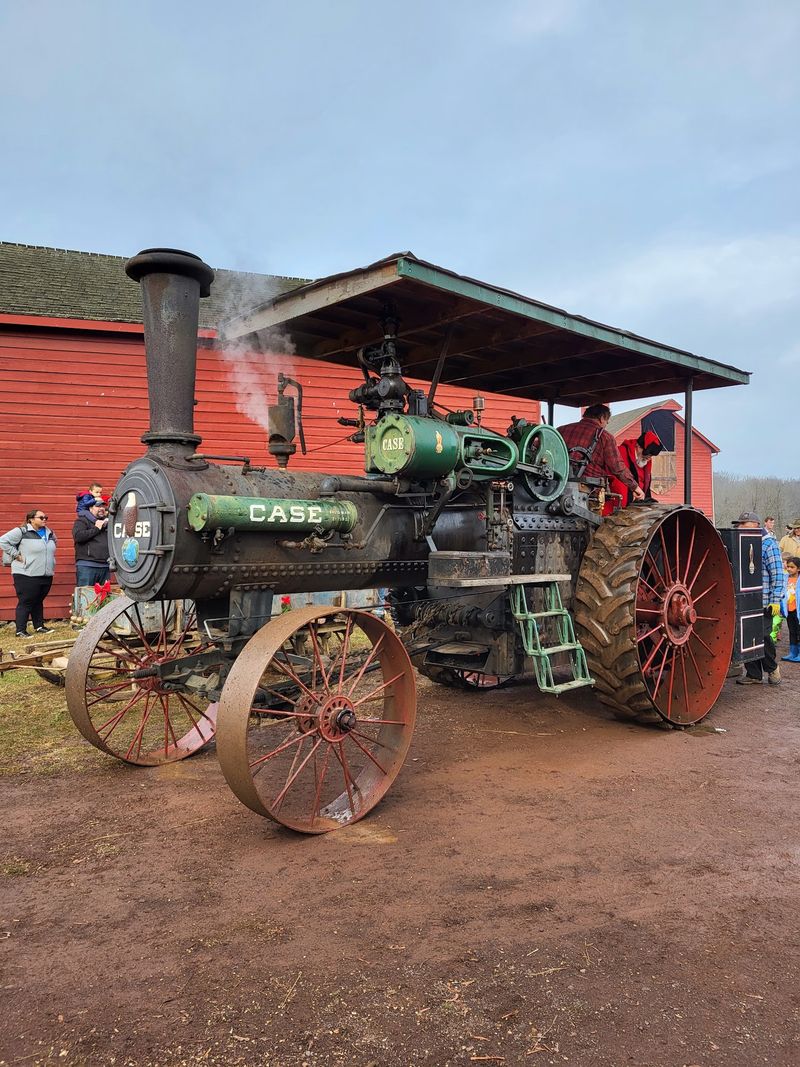
Special event days add another layer to the farm’s personality. Beyond regular demonstrations, Howell Living History Farm has been associated with bigger seasonal happenings such as the Mercer County 4-H Fair, a corn maze, and themed farm programs.
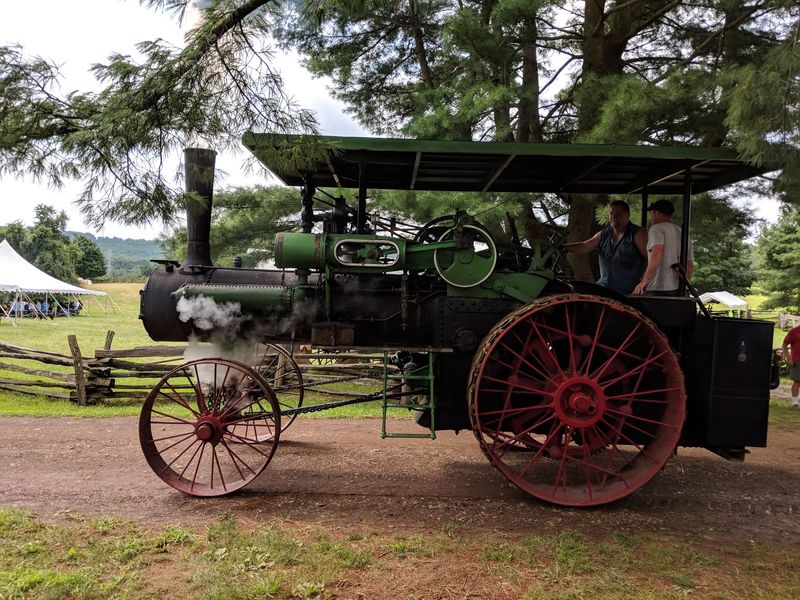
The 4-H Fair experience has included animals, tractors, hay rides, demonstrations, seating areas under tents, live music, and displays tied to engines or blacksmith work. Because event details can change, the farm calendar is the safest source before planning around a specific activity.
The corn maze is another popular topic, and it gives the property a fall-friendly reason to return. Seasonal farming already changes the visit throughout the year, but events make those changes more obvious.
There is a nice local logic to it all. Instead of turning the farm into a theme park, the events usually grow out of agriculture, skills, animals, and community learning, which keeps the historic mission close to the center.
Easy Costs, Hours, And Arrival Notes
Practical details are refreshingly friendly here. Howell Living History Farm is widely described as free to enter, with donations welcomed, and parking is often noted as easy.
The listed operating hours are 10 AM to 4 PM on Tuesday, Wednesday, Thursday, Friday, and Saturday. The farm is listed as closed on Sunday and Monday, so weekend planners should aim for Saturday rather than assuming both weekend days are available.
Weekdays may lean more self-guided, while Saturdays are often the better bet for seasonal activities. Since programs and fees can vary, the official website is the best place to confirm what is happening before the drive.
A small cafe and gift shop have been mentioned by past guests, and donations may be made without pressure. Dress for a farm setting and a walking visit, because the experience works best when people are ready to move between barns, animals, fields, and program areas.
A Quietly Proud New Jersey Day Trip
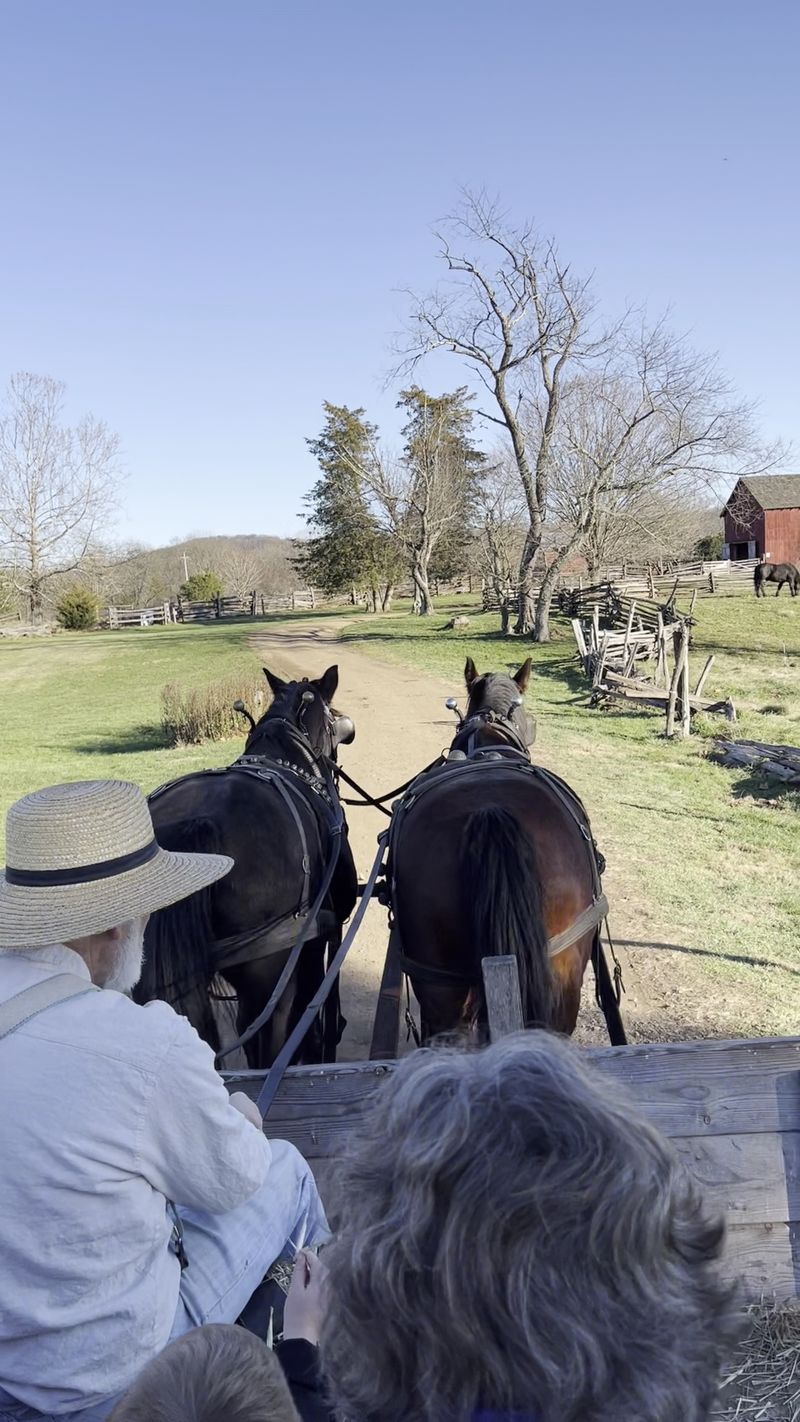
By the end, the charm is not hard to explain. Howell Living History Farm earns attention because it treats New Jersey farm history as something active, useful, and worth sharing across generations.
The place suits curious kids, grandparents, couples, school groups, and solo wanderers who like local history without a stiff museum mood. It is especially strong for people who enjoy watching practical skills unfold, then asking how those skills shaped ordinary life around 1900.
Some visits will be busier, especially with school groups or events, while quieter days may offer a simpler self-guided outing. Either version still gives guests a clear sense of the farm’s purpose.
The soft verdict is simple: this is an easy, meaningful New Jersey stop that feels more memorable than its modest setup suggests. Come for the animals or the barns, but stay for the reminder that local history can still roll up its sleeves.
Share this story