
A small sign for an art museum can be easy to pass, even when curiosity says to turn in. In New Jersey, one such stop leads to rooms of paintings, fairy-tale art, and sculpture, plus an outdoor garden that gives the visit a second chapter.
The surprise is how much there is to explore after that modest introduction. Here is what makes the museum distinctive and what to check before planning a trip.
A Museum Behind a Modest Sign
A modest sign along Route 15 does not give away the full plan for an afternoon. Skylands Museum of Art is at 15 NJ-15, Lafayette Township, NJ 07848, United States.
The art museum combines indoor galleries with an outdoor sculpture garden, so a visit involves more than a quick look at paintings.
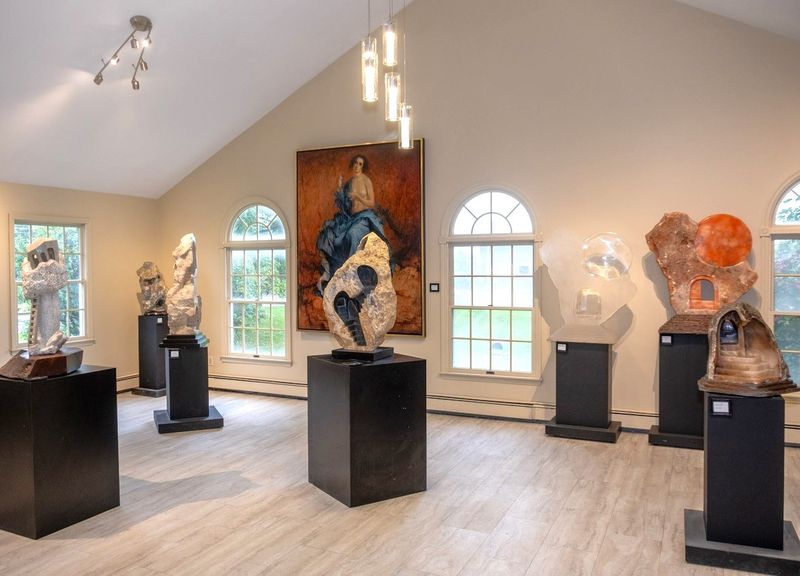
The contrast between the simple roadside introduction and the amount of art inside is part of its appeal. Accounts describe room after room of work, with sculpture appearing both indoors and outside.
That gives curious New Jersey residents a reason to make a dedicated stop rather than treating the museum as a brief detour.
Start indoors or save the garden for later, but allow time for both. A painting may lead to another themed room, while a sculpture outside may prompt a second look at work seen earlier.
The museum rewards a visit that leaves room for an unexpected turn.
The People Behind the Collection

Some museums keep the people behind the art at a distance. Here, accounts of visits describe conversations with artist and co-founder Ailene Fields, as well as tours led by her husband.
A meeting is not something to count on during every trip, but those encounters help explain the museum’s personal character.
Fields’s sculptures are part of the collection. Work attributed to her includes pieces in bronze, alabaster, and resin, giving visitors several ways to get acquainted with her art.
The museum also presents work by other artists, rather than limiting the experience to one creator or one style.
The organization describes itself as a nonprofit with a goal of encouraging imagination and creativity. That purpose connects the varied rooms and the grounds without requiring every artwork to tell the same story.
For people who like learning how a collection took shape, the individuals associated with this museum offer another reason to take a closer look.
Rooms That Keep the Visit Moving
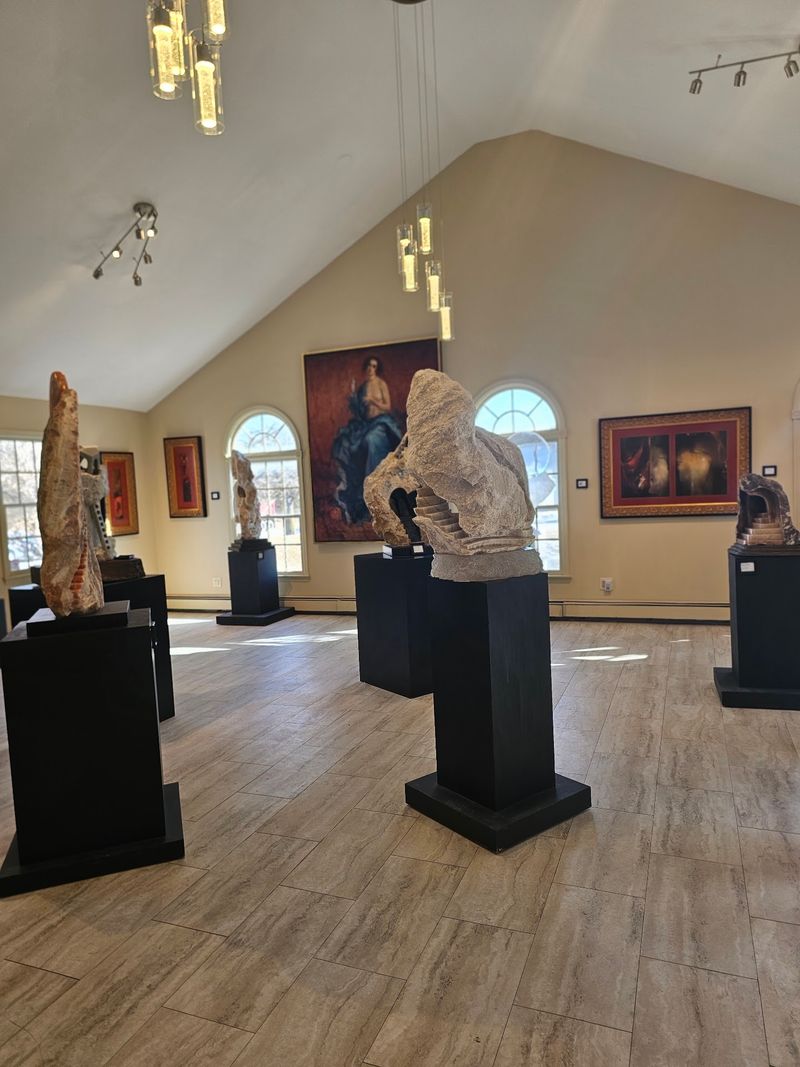
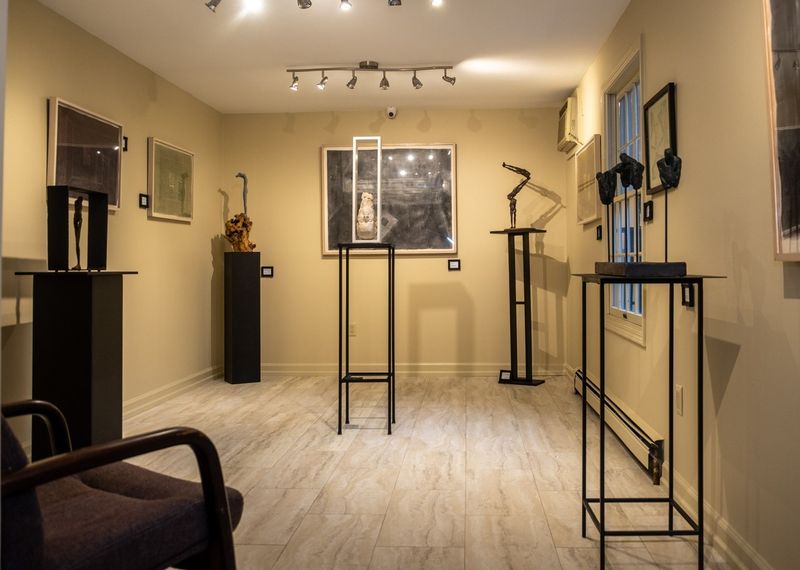
Just when one room seems to have established the museum’s direction, another changes the subject. Accounts describe nine themed rooms spread across three floors, with paintings and sculptures appearing throughout the building.
Even those expecting a small gallery have reported finding more space and more work than they anticipated.
That arrangement makes an unhurried route worthwhile. Rather than heading straight for a single famous name, take each room on its own terms and notice how the themes shift.
Small areas and corners also hold art, so moving too quickly can mean passing pieces that deserve attention.
The museum’s variety is useful for groups whose interests do not line up neatly. Someone drawn to sculpture can follow that thread, while another person may spend longer with paintings or story-based work.
There is no need to settle the whole trip’s favorite room at the entrance. The next doorway may change the answer.
Fairy Tales and Mythology Indoors

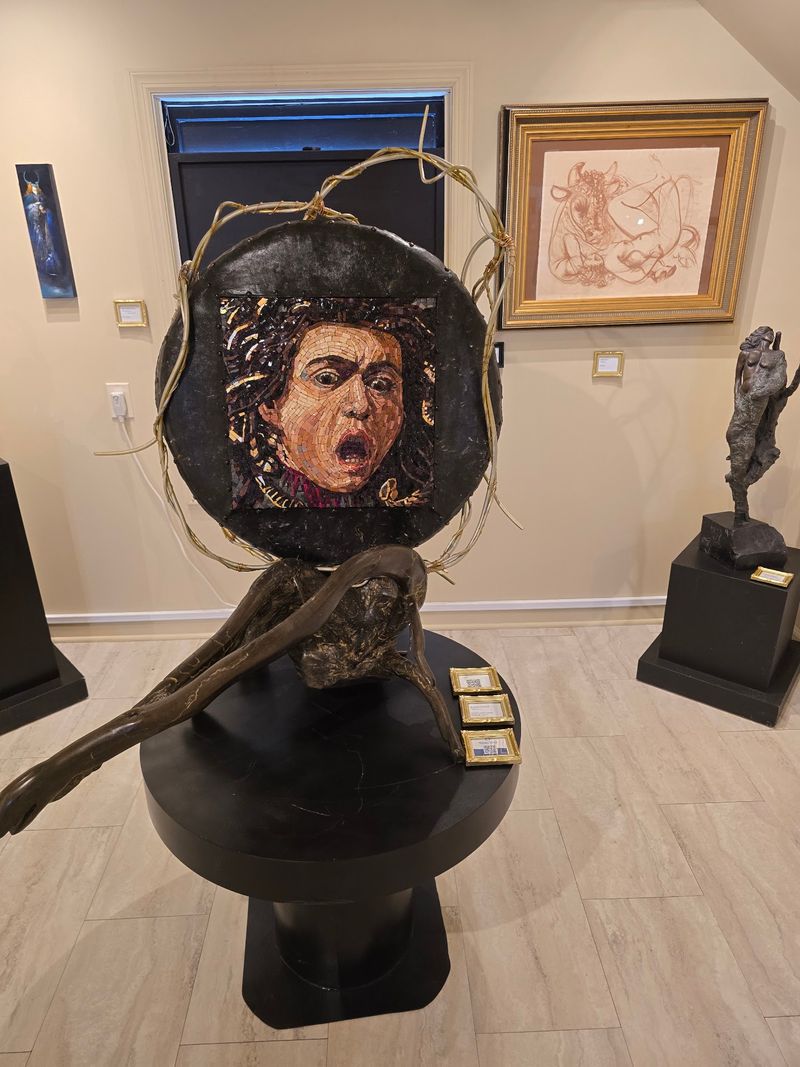
Dragons are not a standard museum expectation, which makes their appearance here an excellent reason to keep exploring. Accounts identify a dragon-themed room and describe mythology and fairy-tale subjects across the galleries.
A Baba Yaga section is another example of the stories that appear in the collection.
Story-based art offers a way into the museum for people who do not usually study paintings. A child can follow a familiar creature or character, while an adult may become interested in how different artists interpret the same kind of tale.
The result is a visit with plenty to discuss between rooms, without needing an art-history lesson first.
Not every gallery follows a fantasy theme, and that is part of the pleasure of the route. The storytelling works give the museum a distinctive identity, then leave space for other subjects and styles.
Anyone arriving for the dragons should still leave time for what comes next.
Familiar Names Among New Discoveries
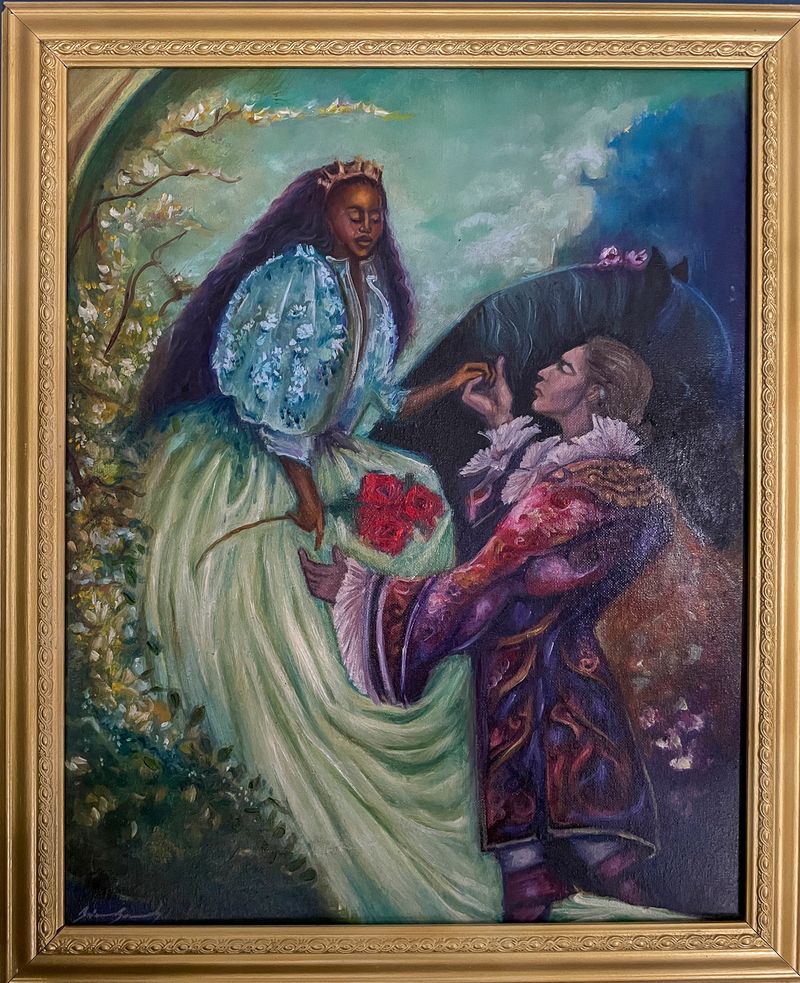
A recognizable artist’s name can get someone through the door; the unfamiliar work may keep them there. Accounts of the collection mention Salvador Dalí and Picasso alongside artists visitors had not previously encountered.
Dalí sketches have been noted, while Anne Bachelier’s work has also prompted interest.
Past exhibitions help explain why no single list of works should be treated as a promise for a future trip. One account describes an exhibition featuring Bachelier’s work connected with The Phantom of the Opera, but an exhibition seen on an earlier visit may not remain on display.
The safer plan is to approach the galleries as a changing opportunity for discovery.
Give the less familiar names the same time as the famous ones. The museum’s appeal lies in the range of art assembled under one roof, not in a race to find a particular signature.
A favorite may be the piece that was never on the day’s original checklist.
Sculpture Beyond the Gallery Walls
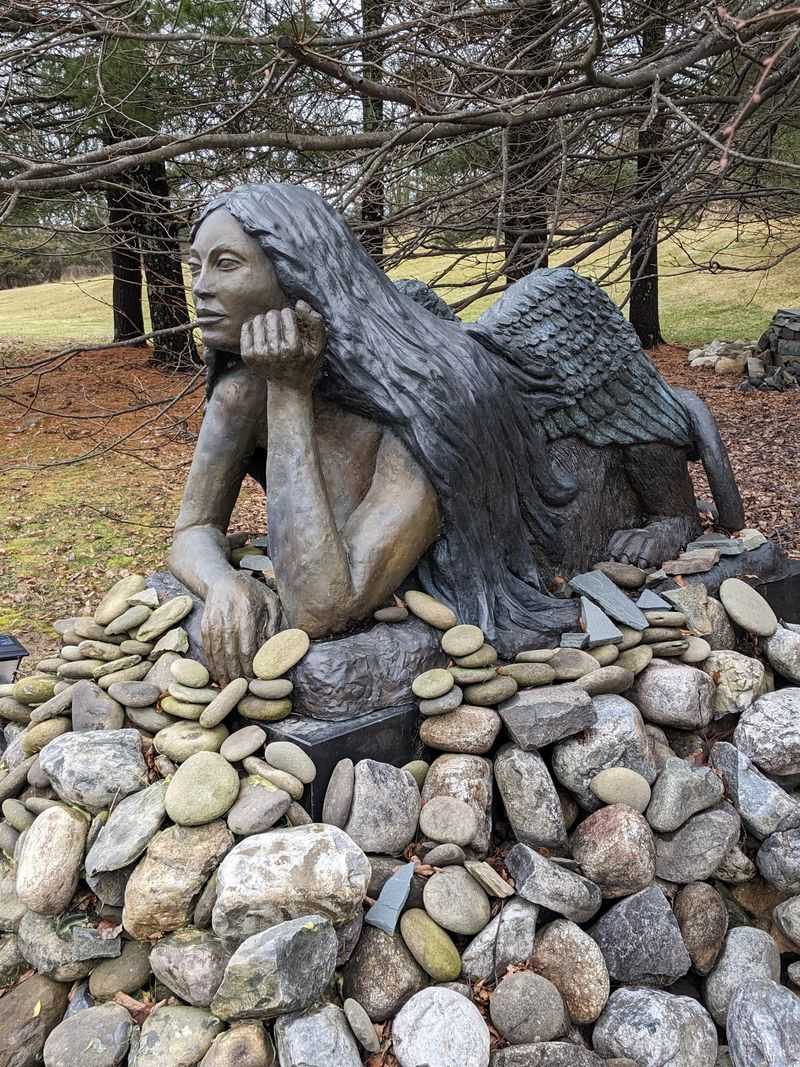
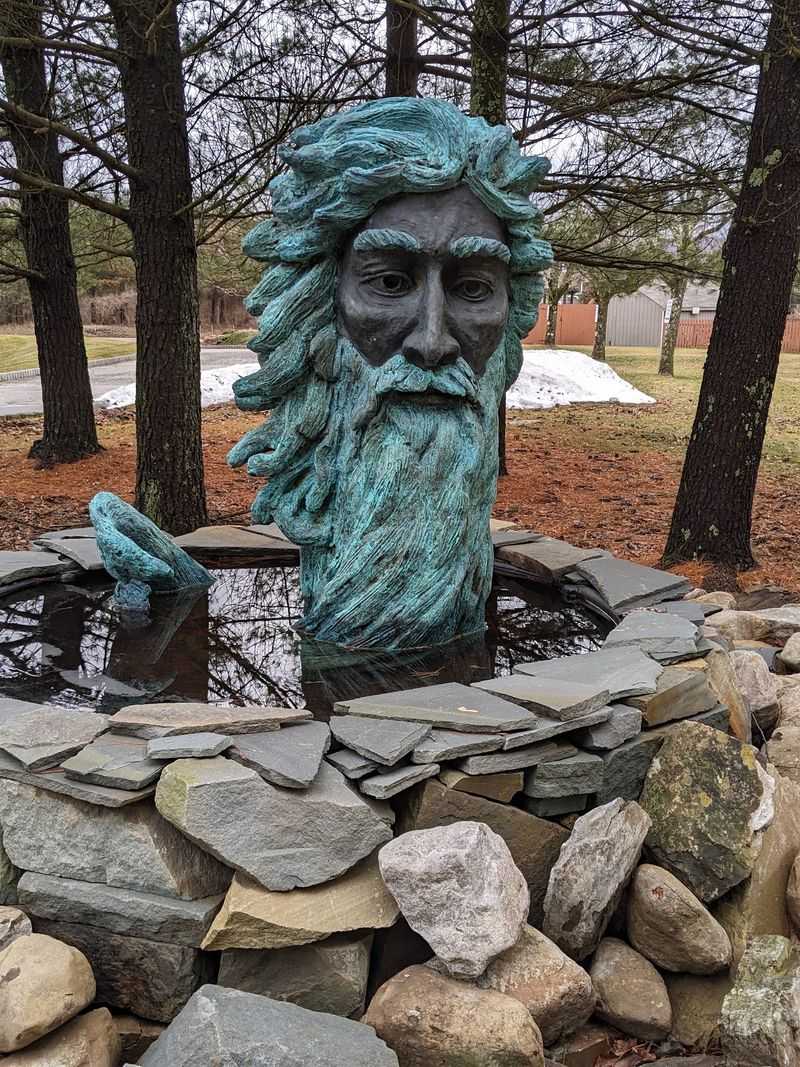
The galleries do not mark the end of the art. An outdoor sculpture garden extends the museum experience onto its grounds, where accounts describe works placed in different spots rather than gathered into a single display.
Flowers and a water feature have also been noted near the outdoor pieces.
One account identifies a steel-and-mosaic guardian sculpture called Ms. Spinx. Other reports emphasize the range of sculptures, making the grounds a worthwhile part of the visit even for someone who came mainly for paintings.
Taking time outside also changes the order in which the collection can be explored: the garden may serve as an introduction, a pause between indoor rooms, or the final stop.
Weather can affect how much of the grounds someone chooses to explore. An earlier account describes missing the outside works because of snow, a useful reminder that the full indoor-and-outdoor plan depends on conditions.
Leave some flexibility, and let the garden have its own share of the trip.
A Closer Look at Fields’s Sculptures
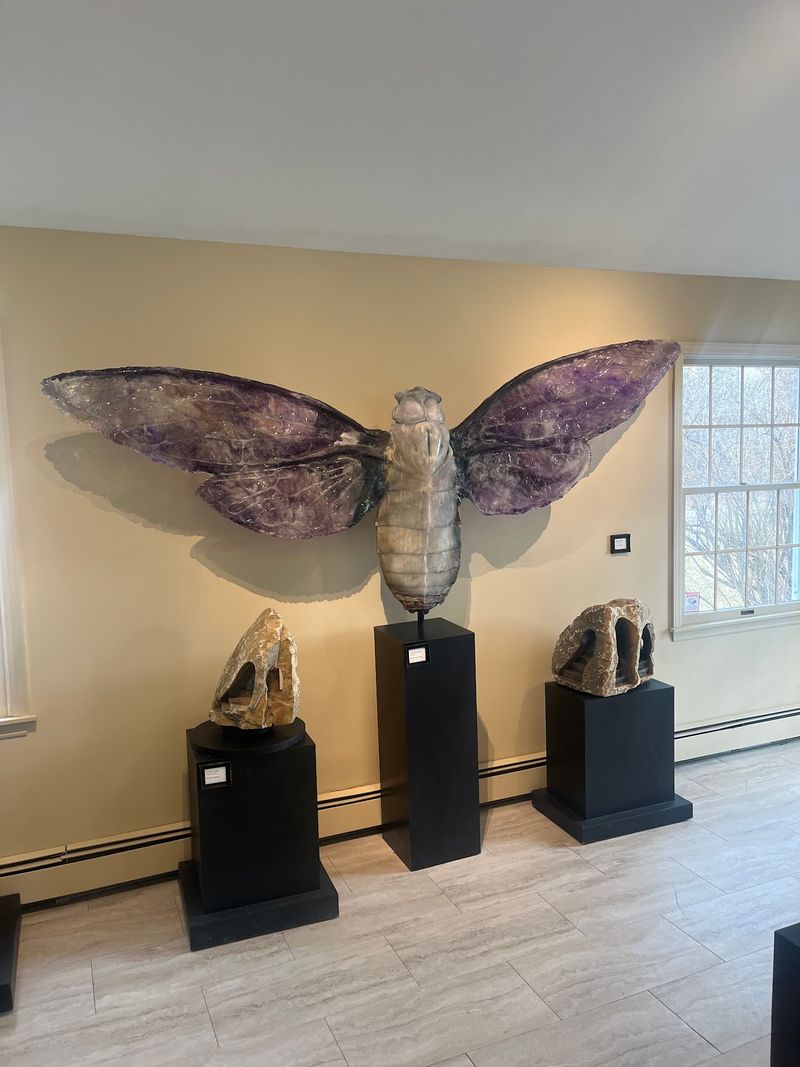
Paintings may lead the headline, yet sculpture is central to this museum’s identity. Ailene Fields’s work appears in several materials, including bronze, alabaster, and resin.
Paying attention to those materials gives the indoor displays a different focus before the route continues to the outdoor garden.
There is also a useful connection between the artist and the place itself. Fields is identified as a co-founder, and accounts describe occasions when guests spoke with her about the art.
That does not make a personal conversation part of the regular admission experience, but it does make her contribution especially relevant when considering how the collection fits together.
Try following the sculptures as a thread through the visit instead of treating each room as a separate assignment. The approach leaves room for paintings and other artists while highlighting a major part of Skylands’s character.
By the time the garden comes into the plan, sculpture already has a story indoors.
An Art Stop for Different Ages
A group does not need one shared favorite artist to enjoy this stop. The museum’s mix of paintings, fantasy subjects, and sculpture gives families, couples, and solo art fans different ways to spend their time.
Accounts include a homeschool group trip, a couple’s outing, and visits centered on particular exhibitions.
The atmosphere is described as welcoming and relaxed, with some guests noting helpful conversations about the work. Those reports suggest an approachable setting, though no visit can guarantee a tour or a chance to meet an artist.
Children interested in stories may gravitate toward mythology and dragons, while adults may prefer to compare the collection’s artists or study the sculptures.
Around two hours was enough for one reported visit, but it is an example, not a timetable. A group that wants to explore every room and the grounds may choose a different pace.
The useful question is not who knows the most about art, but who is curious enough to keep going.
The Weekend Visiting Window
Good plans begin with the calendar here, not with an assumption that the museum is open every day. The supplied operating schedule lists Friday, Saturday, and Sunday hours from noon to 6 p.m.
It lists the museum as closed Monday through Thursday. Checking the museum’s website before leaving is sensible in case hours change.
The Route 15 address gives drivers a clear destination, but the available information does not establish public transit options, parking arrangements, or an exact admission charge. One account describes a modest cost, and another mentions a donation, neither of which supplies a reliable current price.
Confirm admission details directly with the museum rather than building a budget around those remarks.
Weekend afternoons leave room to explore indoors and, when conditions allow, outside. If a class or exhibition is the main reason for going, look for current details before the trip.
A little planning protects the most enjoyable part of the day: time spent with the art.
A Collection Worth Giving Time
By the end, the modest sign on Route 15 has done a clever bit of underselling. Skylands Museum of Art brings together themed indoor rooms, paintings by a range of artists, Fields’s sculptures, and a garden with more work to explore.
Each part gives the next one more context.
That combination makes the museum a useful choice for a New Jersey afternoon built around curiosity rather than a strict checklist. Someone interested in fairy tales can follow that subject, while another guest can spend more time with sculpture or the broader collection.
The galleries and grounds also offer a natural reason to slow the pace instead of treating the stop as a single-room errand.
Its practical limit is the short weekly schedule, so verify the current hours and admission details before setting out. Once there, leave time for both sides of the experience.
The best takeaway is simple: the art does not stop at the gallery door.
Share this story