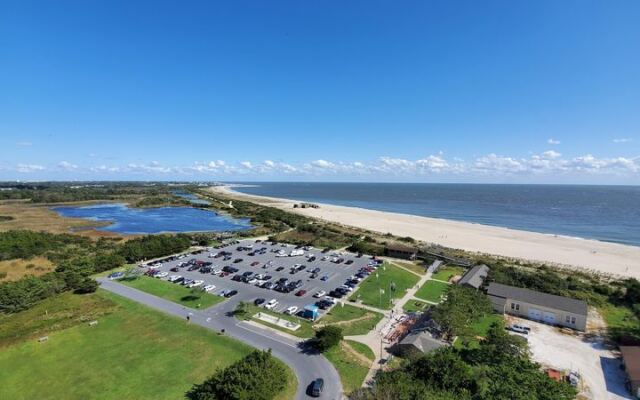
Some New Jersey day trips look almost too easy at first, just a short ride, a parking lot, and a few paths near the shore. Then the place starts adding layers: a lighthouse, a free nature museum, bird observation spots, trails, beach access, and the kind of fall hawk migration that makes people pause longer than planned.
It is the rare outing that can satisfy a serious nature watcher and a restless family member who only agreed to come along for a quick stop. By the end, the question is not why anyone would go, but how a state park can fit this much into one simple Shore visit.
A Shore Park With A Famous Address
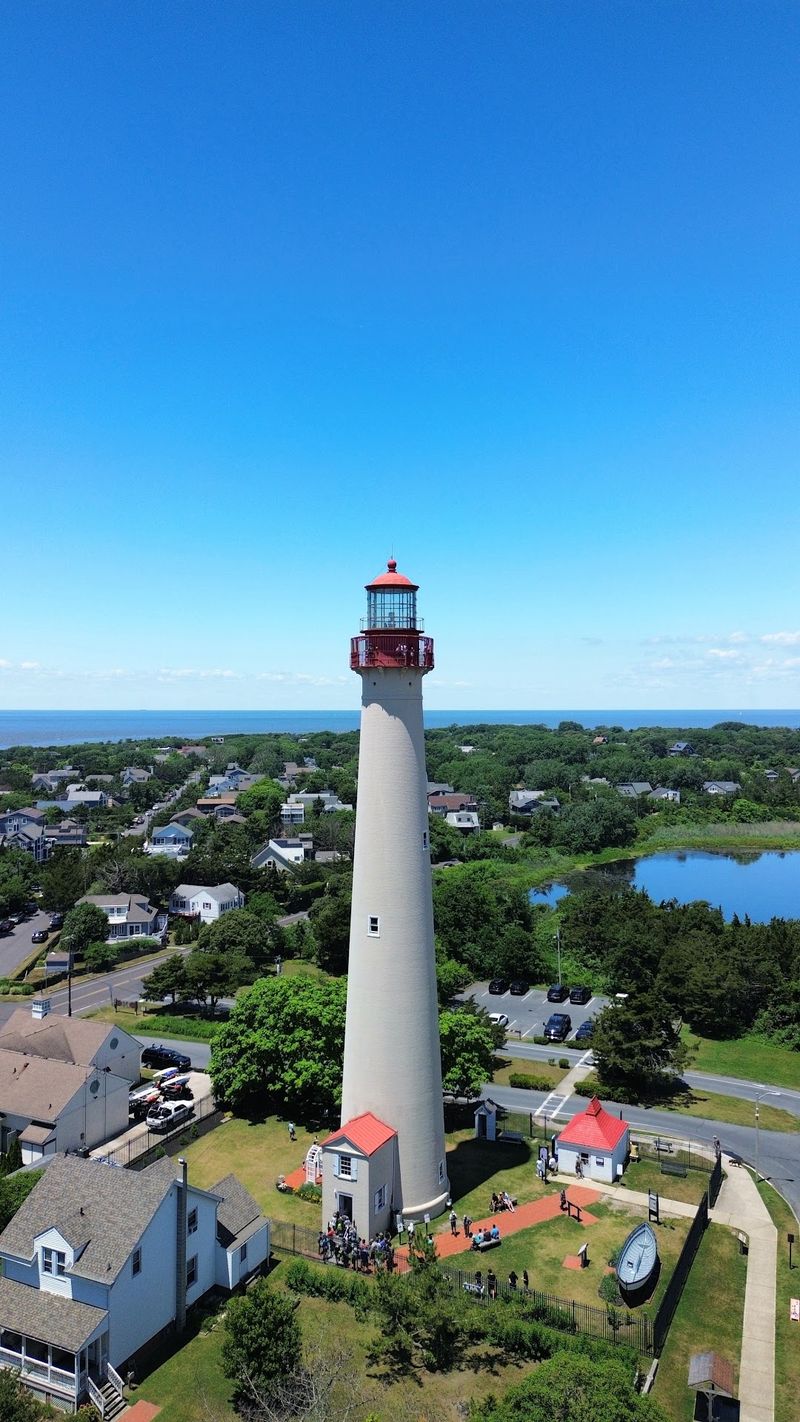
A map pin does not need fireworks when it lands on Lighthouse Ave, Cape May Point, NJ 08212. Cape May Point State Park sits in Cape May Point, New Jersey, United States, at the southern edge of the state where a compact park manages to offer a lighthouse, an environmental center, trails, birding areas, fishing, beach access, and a shoreline setting in one day-trip package.
The park is known first as a coastal state park with a historic lighthouse, but that label only covers part of the appeal. A person can arrive for the tower and end up spending time at the nature museum, observation areas, boardwalk sections, ponds, benches, picnic spots, or the beach access points without needing to turn the day into a complicated expedition.
New Jersey locals often like places that are practical as much as memorable, and this one understands the assignment. A large free parking lot helps set a low-stress tone, while the park layout keeps major features close enough that a casual outing can still feel full.
For fall hawk migration, the address matters because Cape May has long been associated with bird movement along the coast. At this park, that seasonal event becomes something an ordinary day-tripper can actually plan around.
A Lighthouse Story Anchoring The Visit
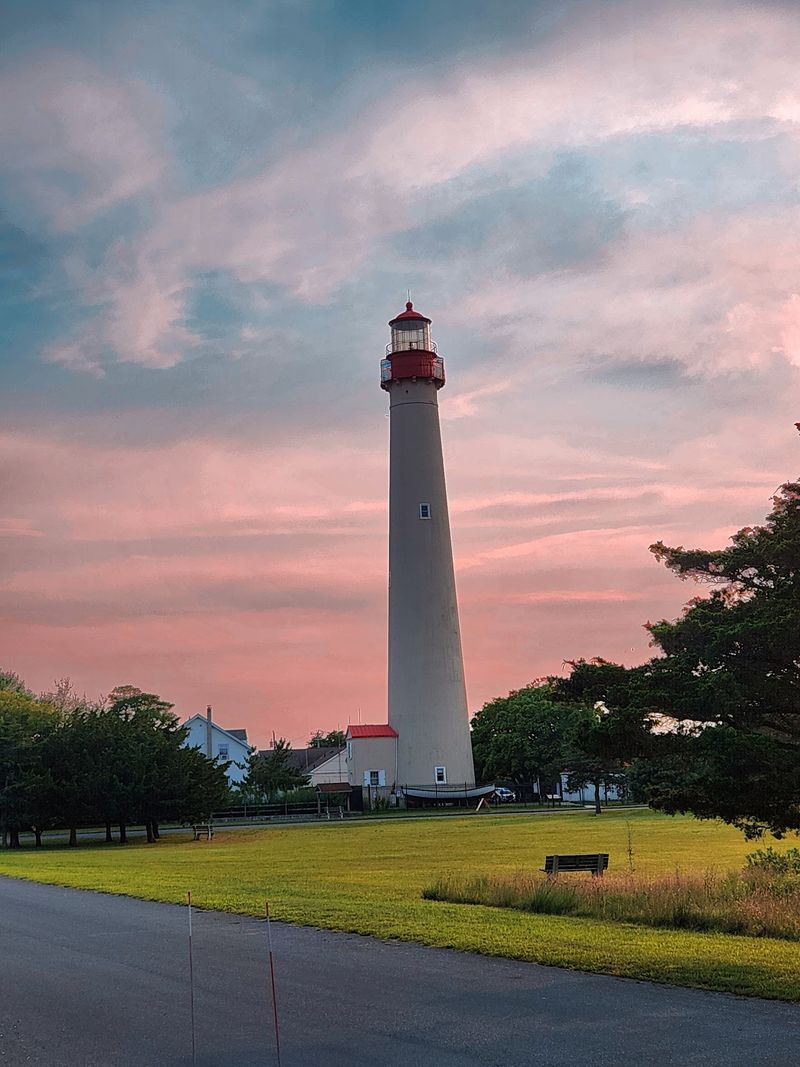
Few park features announce themselves as politely as a lighthouse and still manage to steal the itinerary. Cape May Lighthouse gives the state park its strongest landmark, rising above the grounds as the feature many people recognize before they know what else the park offers.
The lighthouse experience is more than a quick look from the parking area. The entrance includes a small museum, and the materials, tower history, lighting system, and stories connected with tower keepers create an educational stop that fits naturally before or after time outside.
A climb is available for a fee, with tickets bought at the lighthouse. The tower has 199 steps, so the trip upward is not just a sightseeing add-on, it is a small workout with pauses along the way near windows.
Public access does not include the top level because the lighthouse remains functional and is maintained by the Coast Guard. That detail gives the structure a different kind of status, not just preserved for photos, but still connected to its purpose.
The lighthouse also works well for mixed-interest groups. History-minded guests get a clear storyline, active travelers get the climb, and anyone pacing the day around migration can use it as a central marker before returning to the trails and observation areas.
Fall Hawk Migration Made Approachable

Autumn gives this park a reason to look up without needing a specialized field guide in hand. Cape May Point State Park is strongly associated with bird watching, and migration season can turn a regular Shore stop into a lesson in movement, timing, and patience.
The appeal is the ease. Observation points are already part of the park experience, so hawk watching does not require a remote trailhead or a long backcountry plan.
Birding shows up throughout the grounds, not as a side note but as one of the park’s defining activities. The data tied to the park repeatedly highlights bird watching, nature trails, observation areas, and migrating birds, which helps explain why fall feels especially well matched to a visit.
A guided birding tour is mentioned as a worthwhile option by people who have taken part, including a two-hour format. That can be helpful for anyone who likes structure, because a guide can turn passing shapes and flight patterns into something easier to understand.
Even without a formal tour, the park keeps birding approachable. A family can stop at a deck, a stroller can follow many trail sections, and a newcomer can enjoy the activity without pretending to know every wingbeat by heart.
Trails That Keep The Day Moving
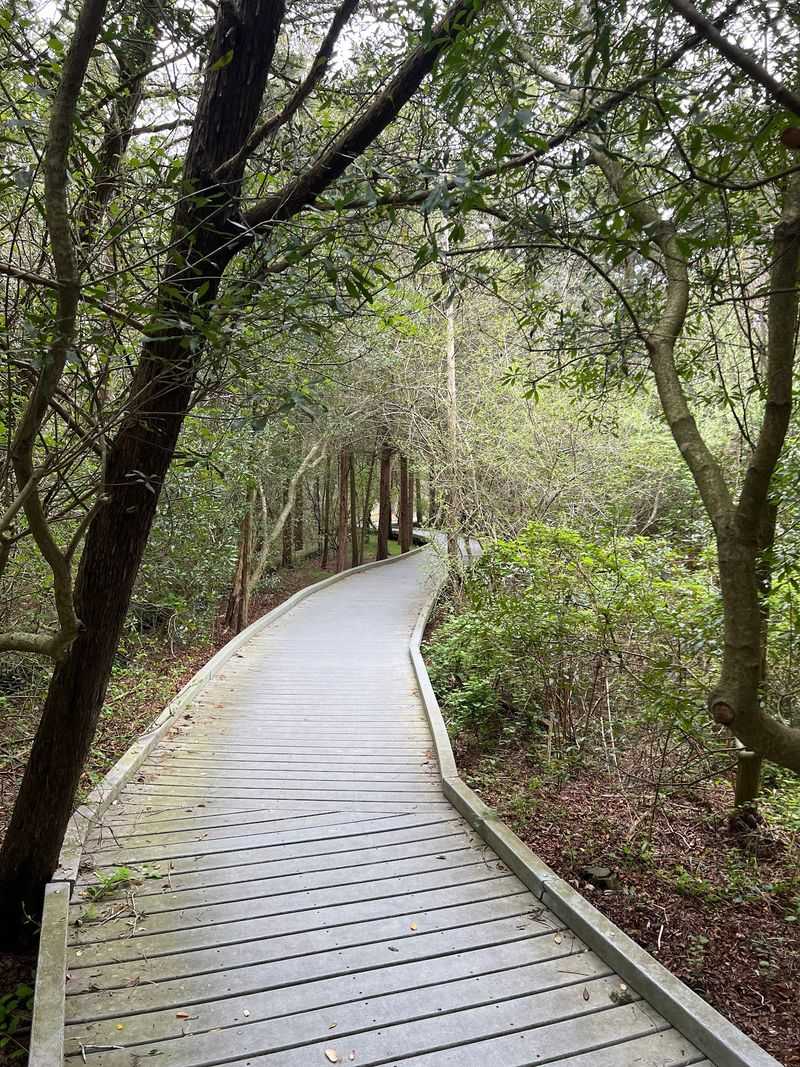
A good trail system does not always need to be dramatic to be useful. At Cape May Point State Park, the paths are repeatedly described as flat, manageable, and tied closely to ponds, birding areas, benches, and views of the lighthouse.
That combination makes the park friendly for people who want activity without turning the outing into a major hike. Several sections include wooden surfaces, and many bird-watching trails are noted as accessible for wheelchairs and strollers.
The trails also solve a common day-trip problem: different people want different amounts of effort. Some can take a short route near the parking lot, while others can keep going into connected nature areas toward the South Cape May Nature Conservancy.
Observation decks and resting spots create natural pauses along the way. Those stops are especially useful during migration season, when the goal is not speed but attention.
Photography-minded guests also tend to appreciate the trail layout because there are points where the lighthouse can be seen from within the landscape. The park does not ask anyone to choose between an easy walk and a worthwhile setting, which is exactly why it works so well as a casual fall outing.
A Free Nature Museum Near The Entrance
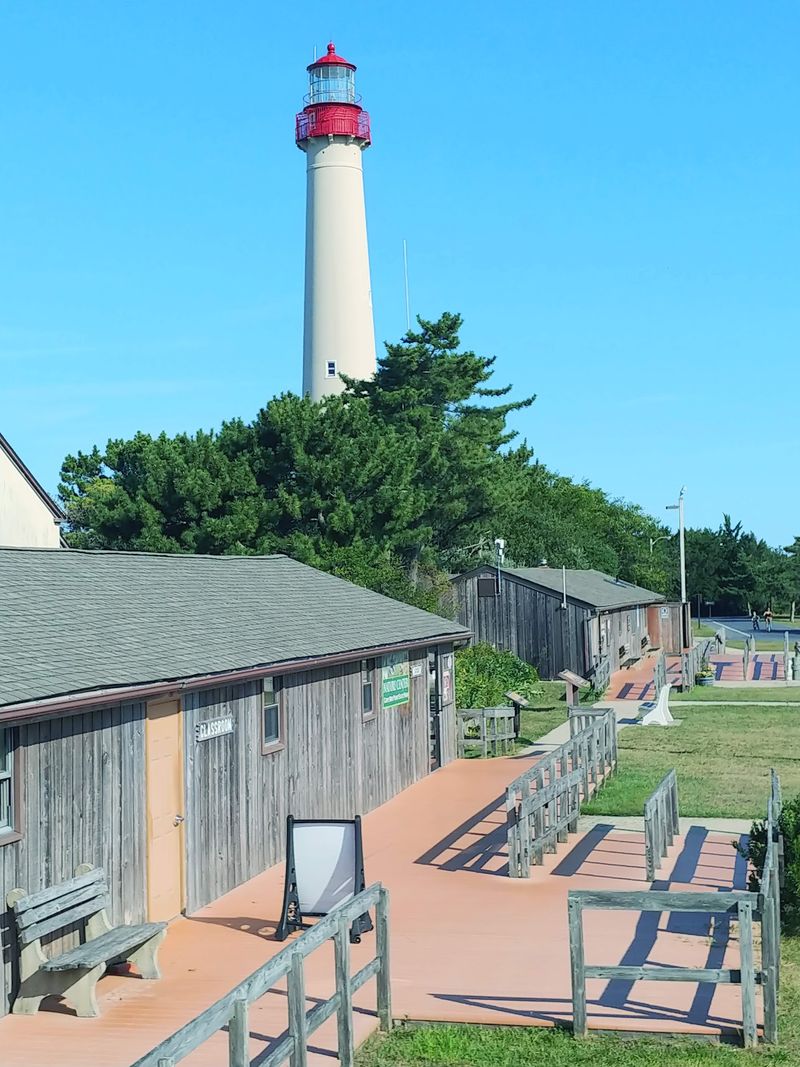
Not every Shore day needs an indoor backup plan, but it is handy when one sits right near the entrance. Cape May Point State Park includes a visitor center and nature museum that can be explored for free, giving the outing an educational layer before the trails even begin.
The museum is small, which actually suits the park well. It gives context without swallowing the whole schedule, especially for families or casual day-trippers who want to learn something and then get back outside.
People often mention the museum together with the lighthouse because the two create a strong first stop. One explains the natural side of the park, while the other connects the visit to coastal history and the working purpose of the tower.
Availability can vary, as noted by people who found it closed during a visit, so it should be treated as a welcome bonus rather than the only reason to go. The broader park still offers trails, observation areas, beach access, restrooms, and the lighthouse grounds.
For fall migration, the nature museum helps turn bird movement into a more understandable event. A quick stop there can make the rest of the park feel less random and more like a connected outdoor classroom.
Beach Access With Clear Limits
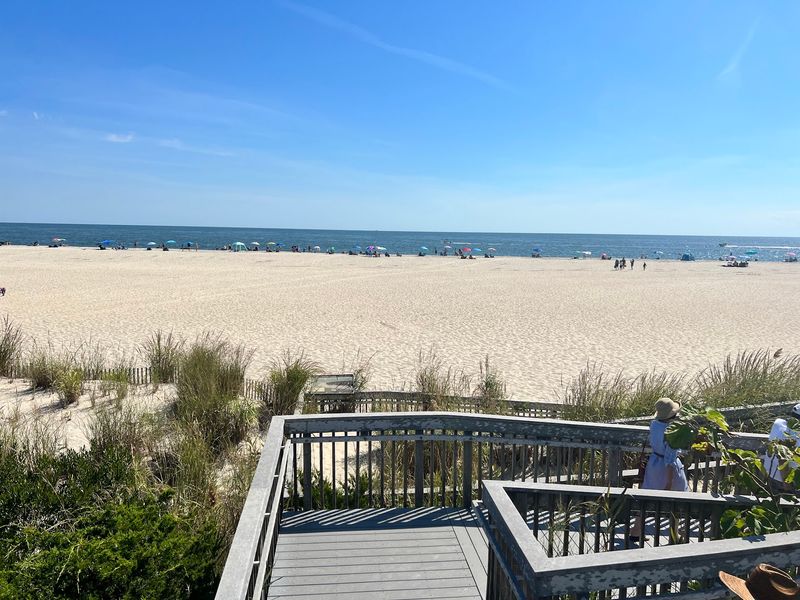
The beach here comes with a helpful little footnote, and it is better to know it before packing the wrong expectations. Cape May Point State Park provides free access to the beach, but swimming is not allowed, and lifeguards are not part of the beach setup.
That rule shifts the beach into a different role. It becomes a place for shoreline time, views across the water, sitting, walking, and connecting the park’s coastal setting to the lighthouse and trails nearby.
Access is part of what makes the park notable in New Jersey, where free beach access can feel uncommon along busy Shore routes. Elevated platforms with steps and ramps are mentioned as available for reaching the beach area, which adds practical value.
The park also protects breeding areas for birds such as oystercatchers and terns while still allowing access to the water and beach. That balance is central to the park’s identity, since recreation and conservation share the same compact space.
Anyone planning a fall hawk migration day should think of the beach as one piece of a larger route. It is not the whole reason to visit, but it helps make the state park feel distinctly coastal without turning the day into a standard beach trip.
The Bunker That Adds A History Detour
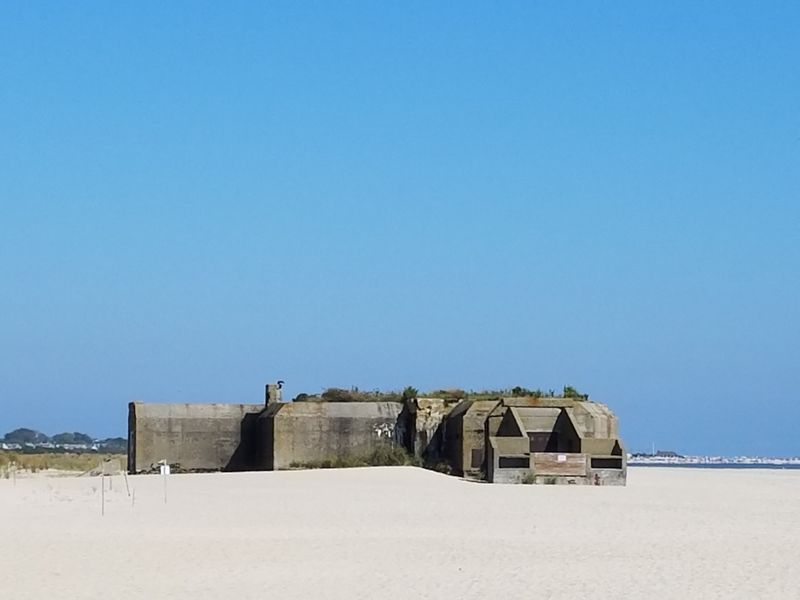
A strange old structure near the shoreline has a way of interrupting the usual park rhythm. Cape May Point State Park includes a historic World War II military battery, often referred to as the bunker, which can be explored from the outside because it is closed off.
The bunker gives the beach area a second storyline beyond coastal access. Instead of only thinking about trails, birds, and the lighthouse, guests encounter a reminder that the Cape May shoreline has had practical roles across different eras.
Its value is not in a long tour or elaborate exhibit. The appeal comes from noticing how history sits inside the park’s current layout, close to the beach and within reach of a casual walk.
That small detour can be especially useful for groups with different interests. Someone focused on hawk migration may prefer the observation areas, while a history-curious companion may appreciate having another landmark to look at before looping back.
The bunker also keeps the outing from becoming one-note. Cape May Point State Park works because it layers natural features, historic structures, and easy public access into a visit that can change direction without requiring a new destination.
Ponds, Swans, And Observation Decks
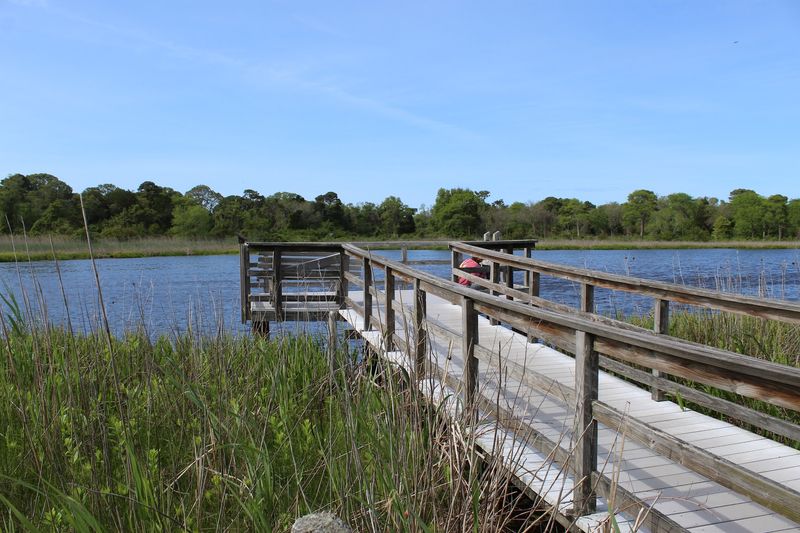
Birding at the park is not limited to scanning the sky. Ponds, observation decks, and wetland-style viewing areas give Cape May Point State Park plenty of lower, closer activity to notice between hawk watches.
Swans are one of the commonly mentioned sights, and ducks, herons, and egrets are also tied to the trail experience. Bird houses near the parking lot add a small, charming detail before the wider nature areas unfold.
The observation spots make the park feel organized without making it feel overly formal. A person can pause at a platform, move along a flat path, sit on a bench, or head back toward the lighthouse without needing a strict route.
That flexibility matters for families, older guests, and anyone visiting with a stroller or wheelchair. Many trail sections connected to bird watching are noted as accessible, which broadens who can participate in the park’s wildlife-focused side.
Fall hawk migration may headline the season, but the ponds help fill the gaps between big moments. They give the day a steady rhythm, especially for newcomers who may not want their entire outing to depend on spotting one specific kind of bird overhead.
A Compact Park With Day-Trip Range
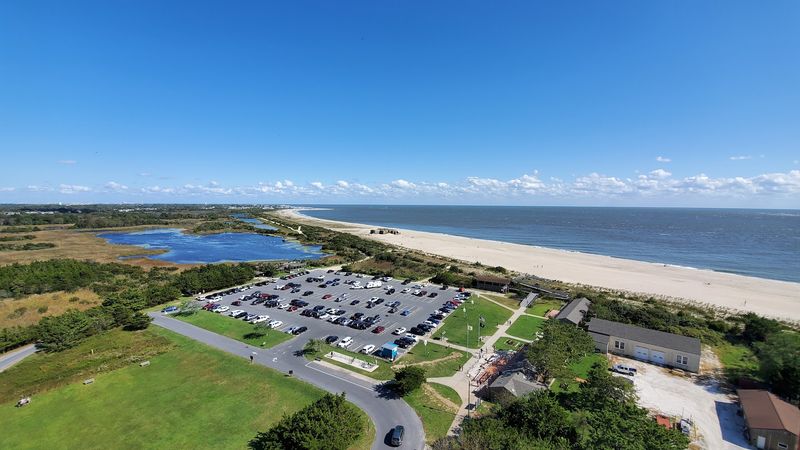
Here is the pleasant trick: the park feels full without feeling difficult to manage. Cape May Point State Park is compact in its main public sector, yet it connects to a larger nature conservancy area that stretches toward the Cape May City border.
That layout gives day-trippers two possible speeds. A short visit can focus on the lighthouse, museum, and a nearby trail, while a longer visit can add observation decks, beach access, picnic time, and connected walking routes.
The park’s menu of activities is broad for a single stop. Birding, fishing, hiking, beach access, lighthouse climbing, nature learning, and history all appear in the official description or park-related data.
Covered picnic tables, uncovered picnic tables, benches, and cooking grills are also part of the practical picture. Those details help families or groups build a visit that lasts more than an hour without needing to leave for every break.
New Jersey residents know how quickly a simple Shore outing can become complicated by parking, fees, or distance between stops. Here, much of what matters sits close together, which is why fall migration becomes an easy day trip instead of a planning puzzle with feathers.
A Practical Stop For Families And Curious First-Timers
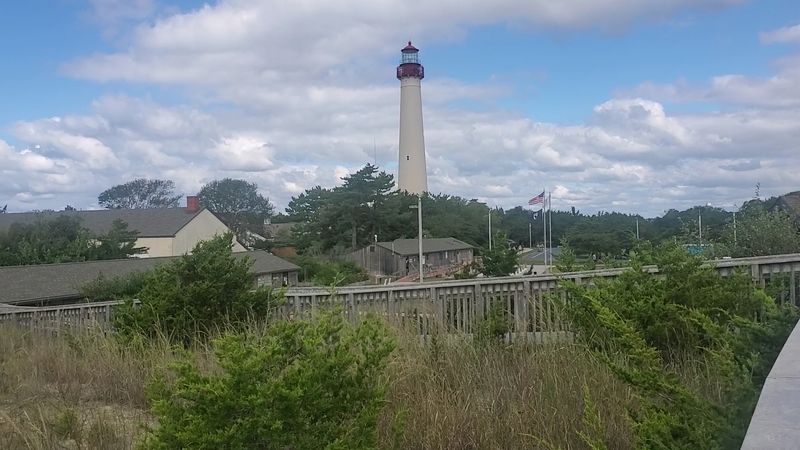
A park that can educate kids without making adults feel trapped has already cleared a high bar. Cape May Point State Park offers enough structure to keep a family visit moving, including trails, a visitor center, a nature museum, restrooms, observation points, and the lighthouse.
The educational side does not feel limited to one building. The tower tells a story about coastal navigation, the museum adds nature context, the ponds support bird watching, and the bunker brings in a historic layer near the beach.
Kids who like movement can handle the flat trail sections, while older members of a group can use benches and viewing areas to rest along the way. The lighthouse climb is available for those who want the stair challenge, though it may not suit everyone.
Restrooms are available, and the parking setup is repeatedly described as large or ample. That matters more than it sounds, because family outings can unravel quickly when the simple logistics are missing.
The park also works for first-time birders because no one has to commit to a full birding expedition. A person can start with a few observation stops, learn a little, and still leave feeling the trip made good use of a New Jersey day.
Hours, Costs, And Small Planning Notes
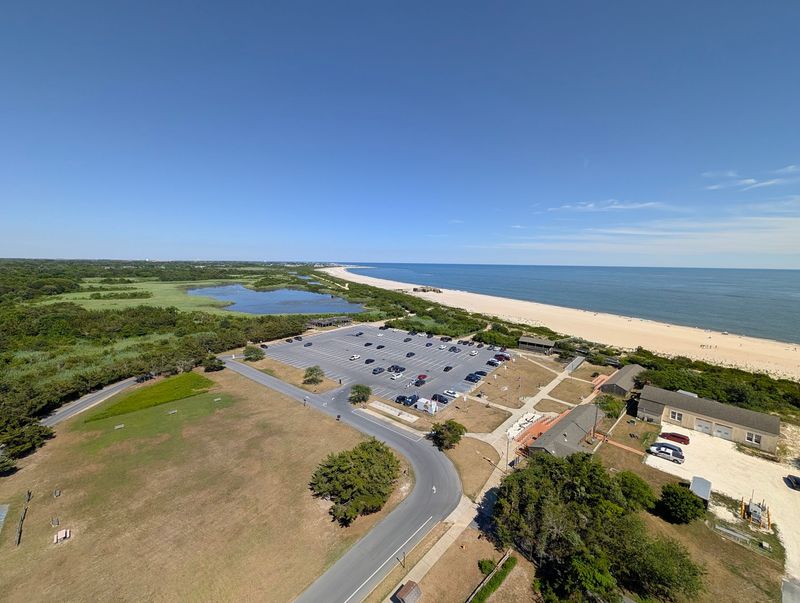
Good day trips usually have one unglamorous secret: the basics are easy to understand. Cape May Point State Park is open daily from 8 AM to 8 PM, according to the provided operating hours, which gives fall travelers a wide window for birding, walking, and lighthouse-area exploring.
Parking is free, and the lot is described as large, which helps make the park approachable for short-hop New Jersey trips. The visitor center and nature museum are free, while climbing the lighthouse requires a paid ticket bought at the lighthouse.
The lighthouse climb has been described as costing $12 per person, and it includes 199 steps. Anyone with concerns about heights or stair-heavy activities may prefer enjoying the tower from the ground and using the trails instead.
Beach access is free, but swimming is not allowed. Pets are also not permitted on the beach, and there are no lifeguards mentioned for that area.
The park is a short drive from the end of the Garden State Parkway, which makes it easier to frame as a South Jersey day trip. Add restrooms, picnic areas, grills, benches, and viewing platforms, and the practical side becomes one of the park’s strongest arguments.
A Soft Verdict For Hawk-Watching Day-Trippers

Some New Jersey places do not need to shout to make their case. Cape May Point State Park succeeds because it turns several small decisions, where to park, where to walk, what to see next, into one simple outing with real variety.
For fall hawk migration, that matters. The park gives bird watchers observation areas and seasonal purpose, while also giving everyone else enough to do between skyward pauses.
The lighthouse adds height and history, the museum offers context, the trails stay manageable, and the beach access keeps the setting unmistakably coastal. The bunker and ponds round out the day with extra reasons to linger without overcomplicating the plan.
There are limits to understand before arriving. Swimming is not allowed, the lighthouse climb has a fee, the stairs require effort, and some indoor features may not always be open.
Still, the overall equation is unusually friendly for a Shore state park. Free parking, free museum access, flat trail options, restrooms, picnic areas, and a famous birding setting make it a practical win.
For New Jersey residents who want a fall outing with more substance than a quick beach stop, Cape May Point State Park is an easy yes. It makes migration feel close, understandable, and absolutely worth the ride.
Share this story