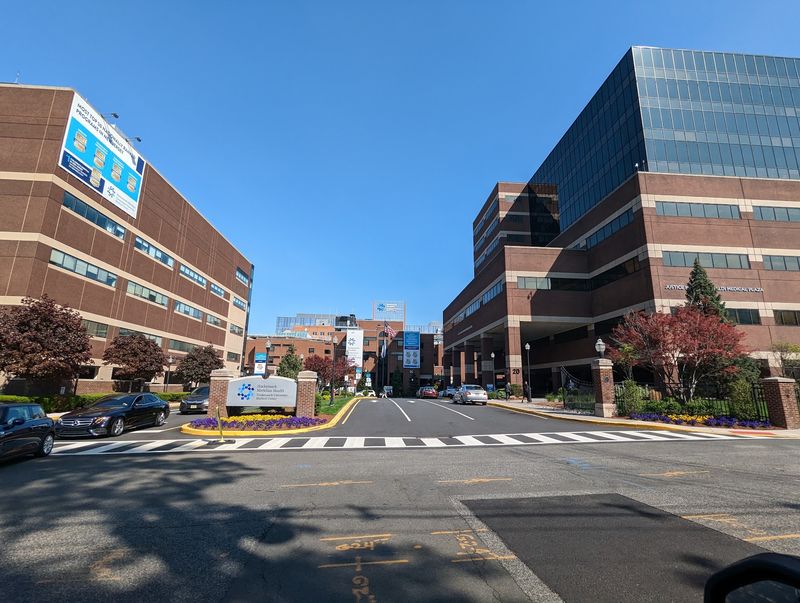
Bergen County has a way of keeping big things close, and healthcare is one of them. In Hackensack, a major medical center sits right in the middle of everyday New Jersey life, close enough for local families to know its name before they ever need it.
Hospitals are not weekend attractions, of course, but they matter deeply to a town’s identity, because they shape where people go during some of the most important moments of their lives. Keep reading and the story gets more specific: where it is, what people use it for, what stands out, and what practical details matter most.
A Major Medical Center In The Heart Of Hackensack
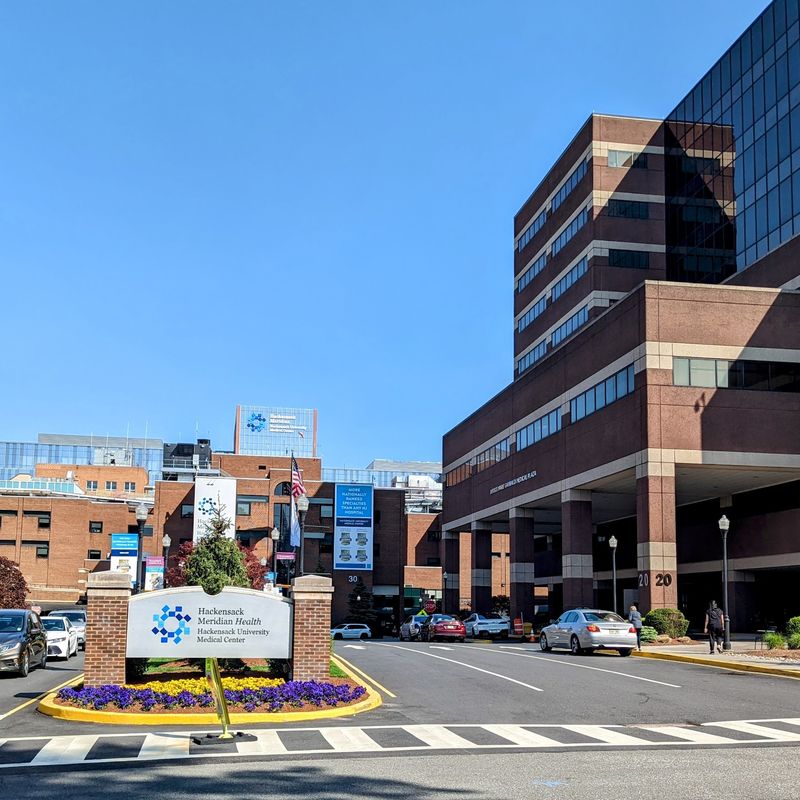
Right in the county-seat rhythm of Hackensack, HMH Hackensack University Medical Center operates as a large hospital at 30 Prospect Ave, Hackensack, NJ 07601. The address places it in Bergen County, New Jersey, United States, close to the civic and residential fabric of a town many North Jersey residents already know well.
The facility is listed as a hospital and is open 24 hours every day of the week. That around-the-clock schedule is one of the most practical facts about the place, because medical needs rarely care about calendars, errands, or whether the laundry has been folded.
Public information for the medical center points to a wide range of healthcare activity, with emergency room care, vaccination, CT scan services, pediatric care, ultrasound, pain management, anesthesiology, and physical therapy appearing among commonly discussed topics. That mix helps explain why the hospital is not just a building on Prospect Avenue, but a daily reference point for many local families.
For a New Jersey town that often gets defined by proximity to bigger cities, Hackensack has a healthcare landmark with its own gravity.
A Bergen County Anchor With Daily Importance
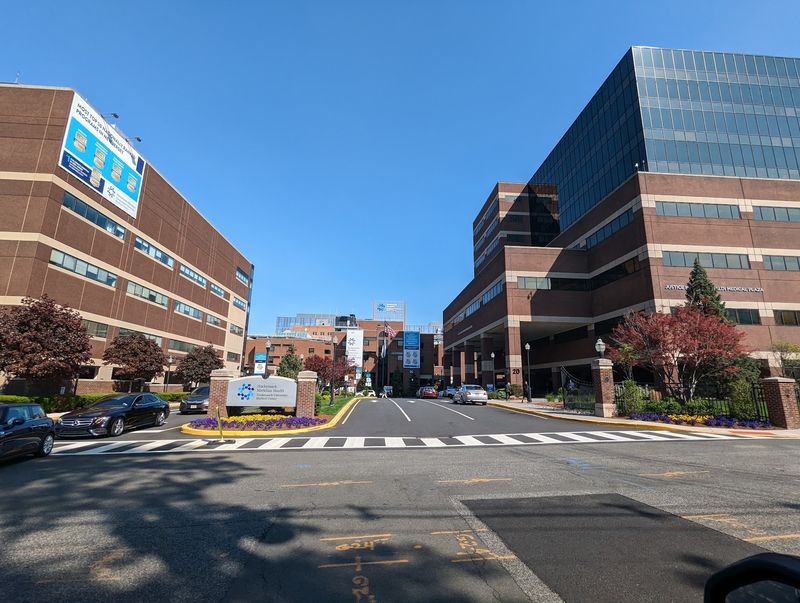
Every town has places that become part of the local mental map, and in Hackensack this medical center belongs in that category. It is not framed like a leisure stop, but its presence affects the way residents think about care, access, and staying close to home during complicated moments.
Public feedback shows families arriving for many different reasons, including emergency room visits, surgery-related care, neurological concerns, endoscopy, transplant care, and pediatric stays. Those details point to a facility that handles both sudden needs and planned medical visits, which gives it a broader role than a single-purpose clinic.
Hackensack itself matters in the story. The town sits in North Jersey’s heavily connected Bergen County landscape, where people often move between home, work, school, and appointments across short but busy routes.
A major hospital within that setting gives the community a central healthcare option without requiring every serious visit to become a far-off trip.
That is the practical New Jersey pride angle here: not flashy, not wrapped in slogans, just the kind of local infrastructure people are grateful to have nearby when the day changes fast.
An Emergency Room That Draws The Most Attention
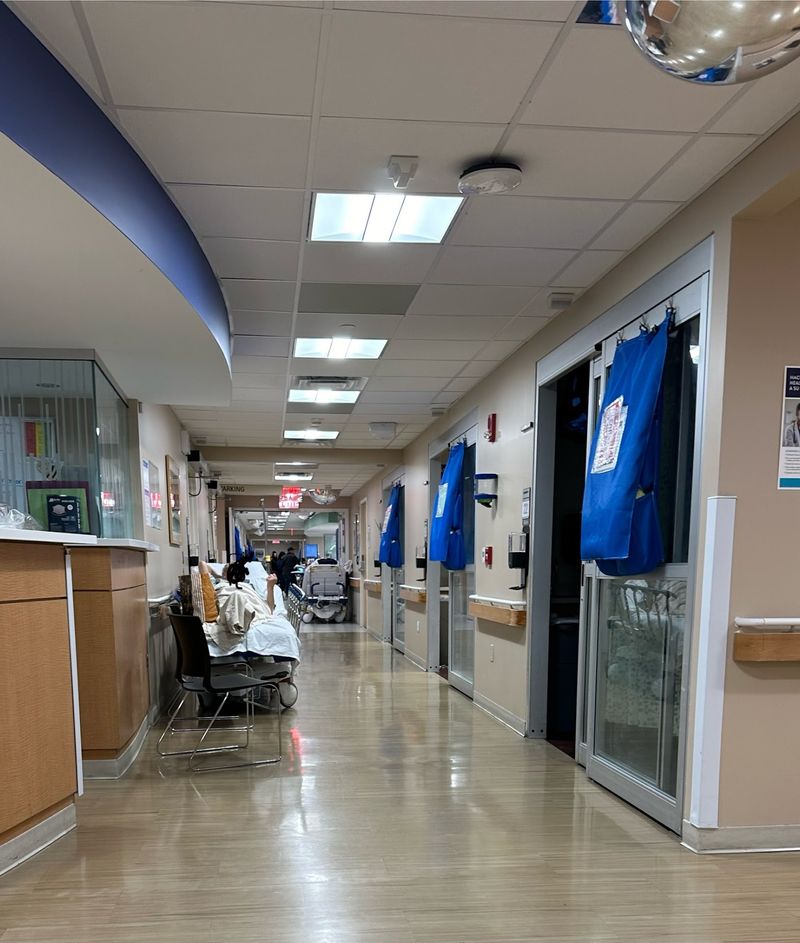
Emergency care tends to become the loudest part of any hospital’s public story, and that is true here as well. The emergency room appears as one of the most frequently discussed aspects of HMH Hackensack University Medical Center, with patients and families describing everything from urgent exams to specialist consultation.
Several accounts point to doctors, nurses, and emergency department team members who explained next steps clearly and treated concerns with urgency. Neurology consults, CT scans, ultrasound, and pain-related care all appear in public accounts of ER experiences, giving a glimpse of the department’s range.
The picture is not one-note, though, and a useful article should not pretend otherwise. Wait time is also a commonly mentioned topic, and some families have described communication gaps, transport delays, hallway waits, and frustration while waiting for updates.
That tension is common in large emergency departments, but it still matters. The practical takeaway is simple: the ER is open 24 hours, it handles serious and varied needs, and people using it should be prepared for the possibility of waits depending on urgency and department flow.
In real life, emergency care is never a tidy travel brochure, and that honesty makes the place easier to understand.
Specialty Care Beyond The Front Door
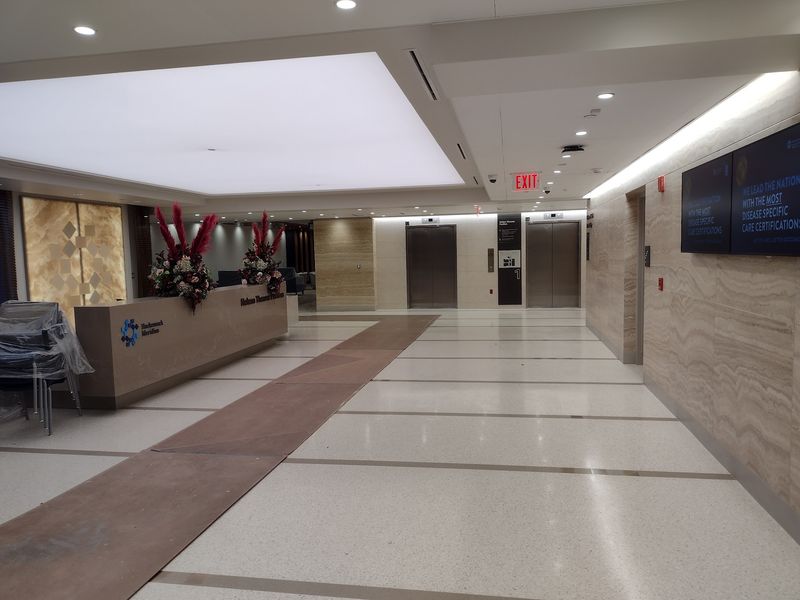
A hospital earns local trust partly by what happens after the first check-in, and the available information points to several layers of care beyond the entry desk. CT scan and ultrasound services are among the commonly mentioned topics, while neurological care, endoscopy, anesthesiology, and surgery-related experiences also appear in public feedback.
Some families describe fast imaging during emergency visits, including CT scan timing that felt efficient once the test was underway. Others mention thorough consultations, especially when symptoms had already led them through other medical stops before arriving in Hackensack.
Specialty care can be difficult to summarize from the outside because every patient’s situation is different. Still, the repeated references to imaging, neurology, procedures, anesthesiology, and inpatient follow-up suggest a medical center built for more than basic triage.
There are also reminders that coordination matters just as much as equipment. A few public accounts describe frustration with communication between team members, which is a serious point for anyone navigating a complex visit with a family member.
The strength of a large medical center is its range, but the best experience often depends on clear handoffs, careful updates, and families knowing whom to ask next.
Pediatric Spaces Built For Families
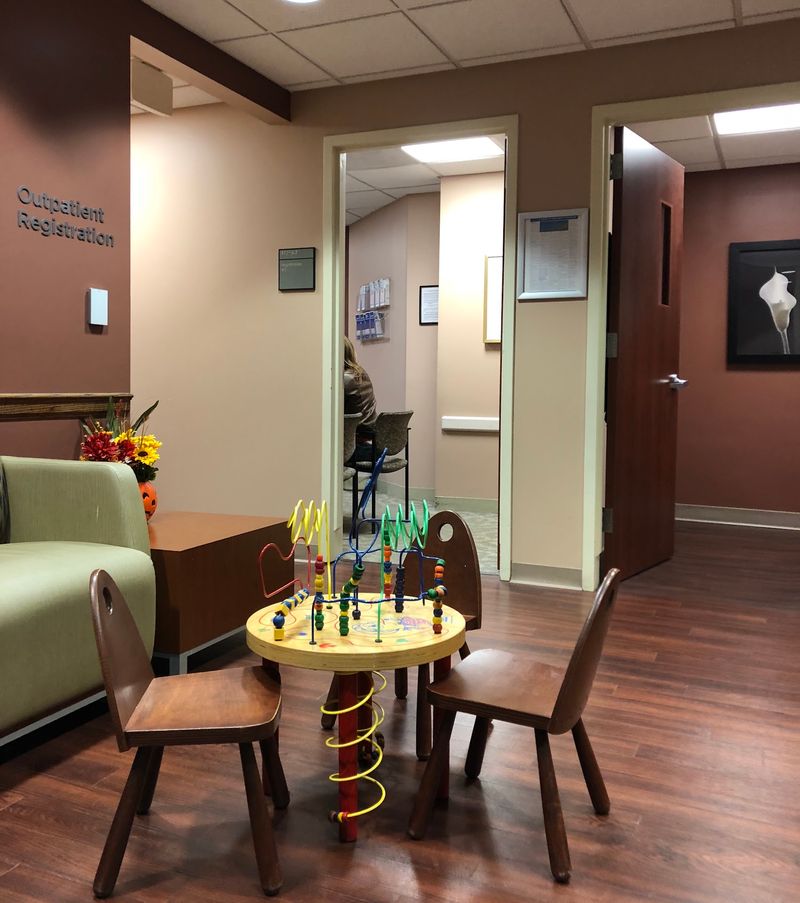
Children’s care changes the entire pace of a hospital stay, and HMH Hackensack University Medical Center’s pediatric unit gets special attention in family accounts. Parents have described care teams that were patient with both children and adults, which matters when one parent is trying to manage questions, forms, updates, and a child’s comfort all at once.
Specific pediatric features mentioned in public feedback include a playroom and a children’s library. Those details may sound small on paper, but in a hospital setting they help explain how the unit considers more than the medical chart.
Families also mention nurses and doctors who communicated in a way children could understand. That kind of bedside skill is hard to measure neatly, yet parents notice it immediately because it can shape how a child moves through a difficult appointment or stay.
The pediatric topic is especially relevant for Bergen County households that want serious care without automatically leaving the area. Having child-focused spaces attached to a major hospital gives the town a resource that reaches beyond Hackensack’s borders.
For families, the most reassuring detail may be the combination of medical care and kid-aware design, a pairing that feels practical rather than decorative.
Nurses And Doctors At The Center Of The Story
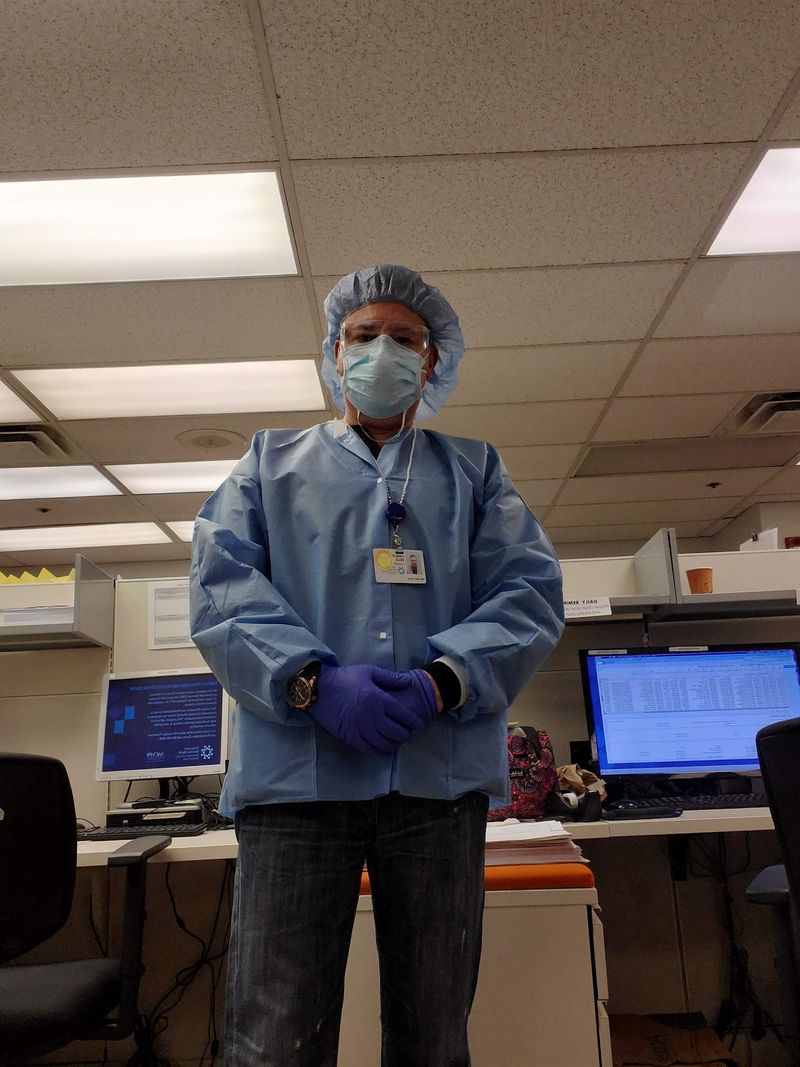
Names come up often in public feedback for this hospital, which tells its own story without needing a grand speech. People remember the individual nurse, doctor, technician, aide, social worker, or staff member who helped them understand what was happening next.
Many accounts describe doctors and nurses as kind, professional, patient, thorough, and caring. Emergency room teams, inpatient nurses, pediatric staff, neurology team members, and support staff all appear in the public conversation, which shows how many roles shape a hospital stay.
That said, not every account is glowing, and some families describe moments where communication or bedside manner fell short. The medical center’s public responses to concerns often invite people to contact consumer services so an advocate can assist, which is useful information for anyone who needs to follow up after a difficult experience.
The broader point is that healthcare is intensely human, even inside a large institution. A smooth scan, a clear explanation, a timely update, or a respectful conversation can change how families understand the entire visit.
At a place this busy, the people doing the work are not background details; they are the main plot.
Transplant Care In The Public Conversation
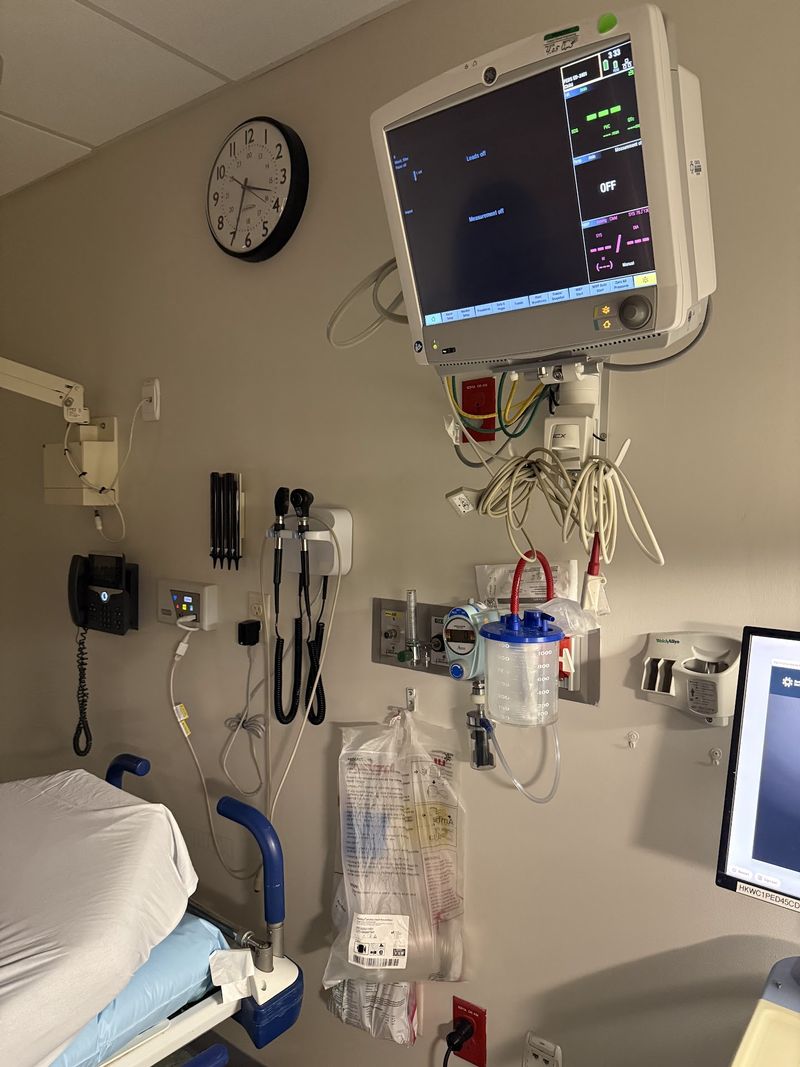
One of the more specific themes in public feedback involves transplant care. A family account describes a double transplant involving kidney and pancreas care, and the gratitude attached to that experience is one reason the hospital’s role can feel larger than a standard local facility.
It is important to stay careful here, because individual medical stories are not the same as a universal promise. What can be said from the available information is that transplant-related care appears in the hospital’s public footprint and has left a strong impression on at least some families who went through it there.
That matters for a town like Hackensack because specialized medical care often feels associated with faraway academic centers or major-city hospital districts. Here, the conversation sits in Bergen County, tied to a hospital local residents can point to by street name.
Specialized care also brings many moving parts: physicians, nurses, procedure teams, inpatient units, follow-up planning, and family communication. The public accounts that praise coordinated teamwork give readers a sense of how broad the patient journey can become.
For New Jersey readers, the takeaway is not hype. It is the notable fact that high-level healthcare stories are happening close to home.
Imaging And Testing As Everyday Workhorses
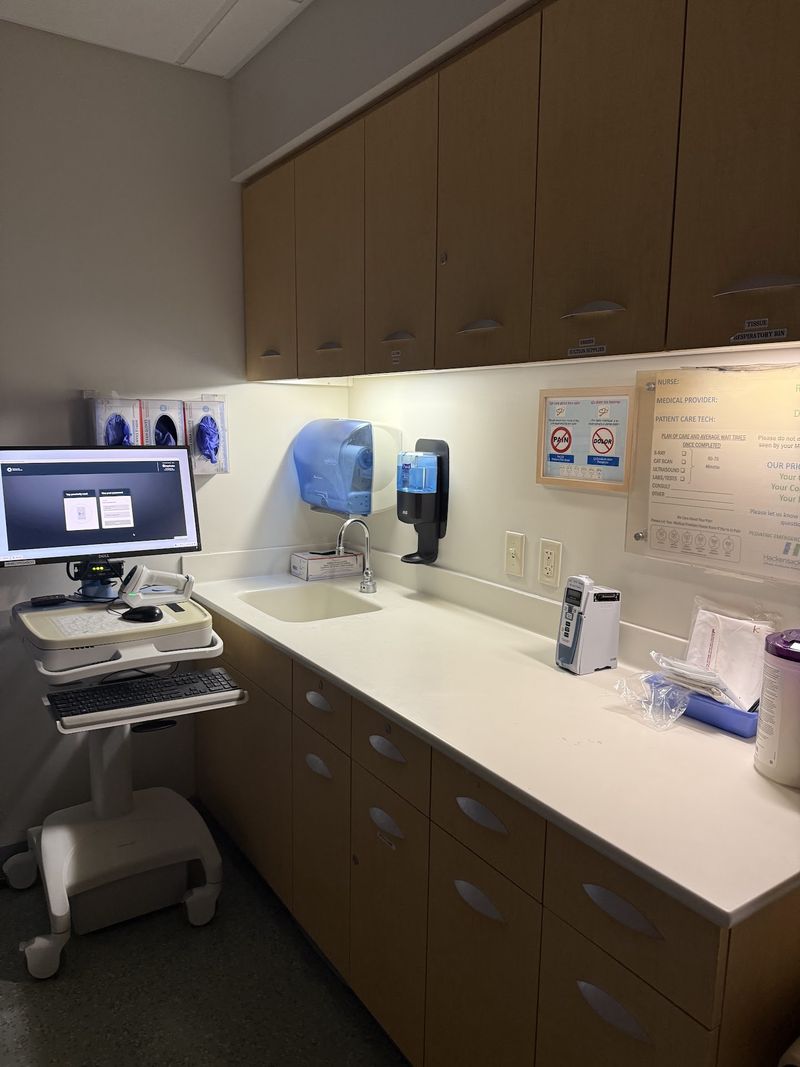
Big medical decisions often begin with tests that sound routine until a family is waiting for results. CT scan and ultrasound are both frequently mentioned topics connected with HMH Hackensack University Medical Center, especially in emergency room and procedure-related accounts.
Some patients describe imaging steps that happened quickly once ordered, while others describe delays around transport or follow-up communication after results appeared in a patient portal. Those two realities can exist in the same hospital because testing, transport, interpretation, and provider updates are separate pieces of one complicated process.
For readers trying to understand the place, imaging is not just a technical service. It is part of the hospital’s practical identity, since CT scans and ultrasounds often guide the next decision during emergency, surgical, neurological, or abdominal concerns.
Public feedback also shows how much families depend on clear explanations after testing. A scan may be fast, but the next useful moment is when someone explains what the findings mean and what happens next.
That is where a hospital earns confidence one conversation at a time, because machines may gather information, but people still need guidance.
Wait Times And Communication Realities
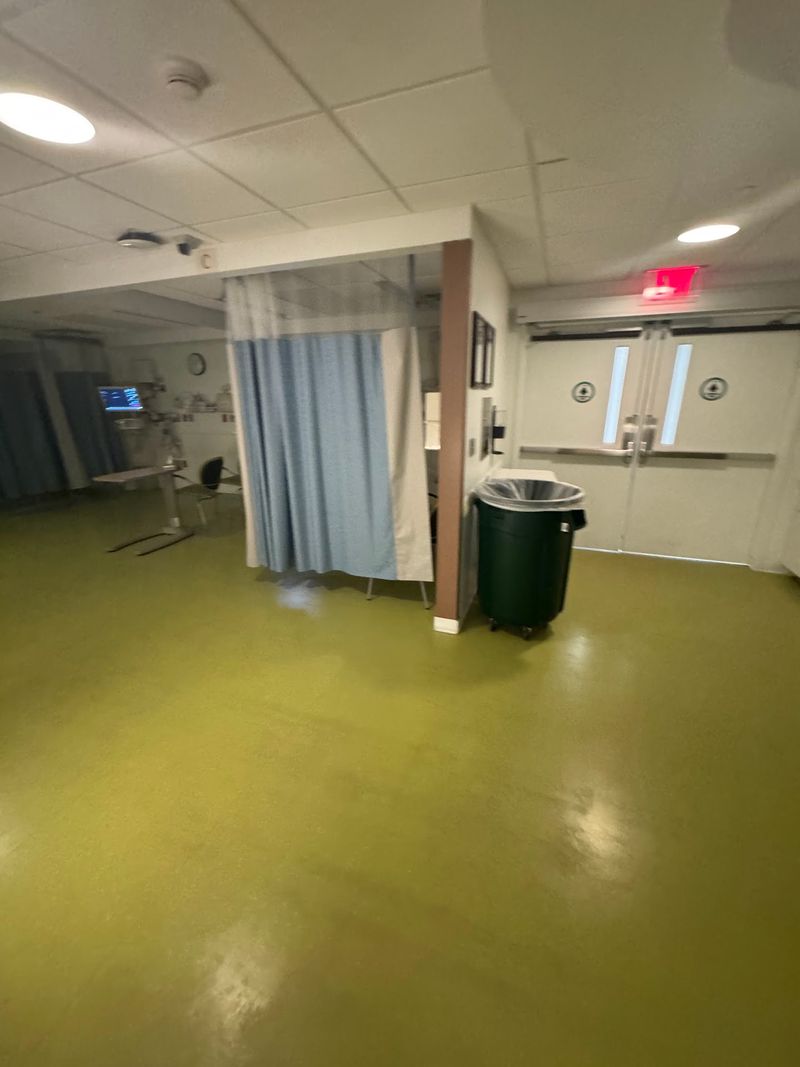
No honest look at a major hospital can skip the waiting room question. Wait time is one of the most commonly mentioned topics tied to HMH Hackensack University Medical Center, especially around the emergency room and busy care transitions.
Some people describe urgent attention, timely consults, and efficient movement through parts of their visit. Others describe extended waits, unanswered call buttons, delayed transport, and difficulty getting updates about results or next steps.
That mixed picture is useful for anyone heading there with a loved one. It suggests that patients and families should bring patience, keep questions organized, and ask staff which team member is handling the next stage of care when the situation allows.
Large hospitals rely on prioritization, especially in emergency settings where the most serious cases often move first. Still, communication can make waiting easier to manage, and several concerns in public feedback center less on the wait itself and more on uncertainty during the wait.
A practical approach is not glamorous, but it helps: keep essential information handy, use the patient portal when available, and ask for clarification if the plan becomes unclear.
In a hospital, even a short update can do heavy lifting.
A 24-Hour Schedule With No Off Switch
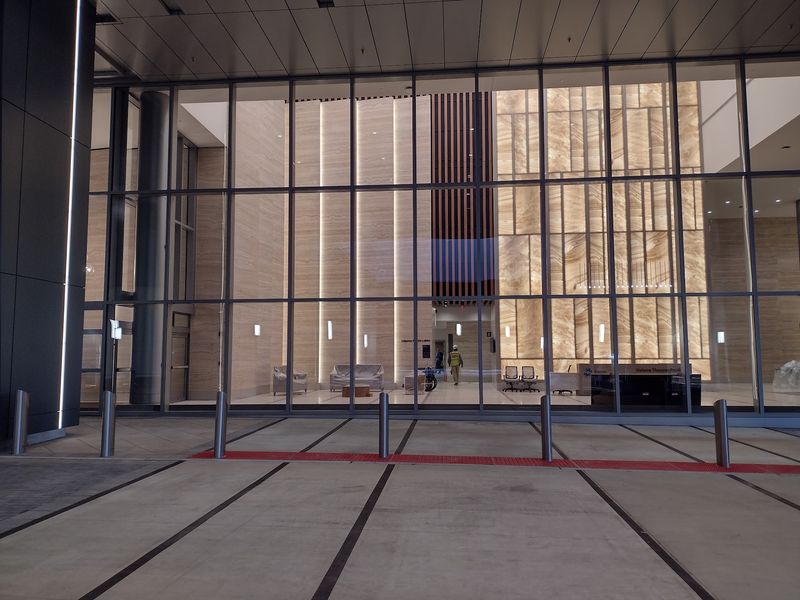
Plenty of places in New Jersey close just when someone finally finds their keys, but this one does not. HMH Hackensack University Medical Center is listed as open 24 hours on Thursday, Friday, Saturday, Sunday, Monday, Tuesday, and Wednesday.
That schedule is straightforward, yet it is one of the most important details in the whole article. A hospital with 24-hour access gives local residents a constant point of reference when urgent needs happen outside normal business hours.
The round-the-clock status especially matters for emergency room care, one of the facility’s most discussed services. It also affects families who may be dealing with inpatient stays, procedures, or late updates, although specific access rules can vary by department and situation.
No admission cost or standard visit price is listed in the provided public data, so the safest practical note is to leave that unstated and focus on confirmed information. Healthcare costs depend on insurance, services, medical decisions, and billing rules, none of which can be responsibly simplified here without official details.
For planning purposes, the key confirmed fact is simple and powerful: the hospital operates every hour of every day.
Getting There By Prospect Avenue
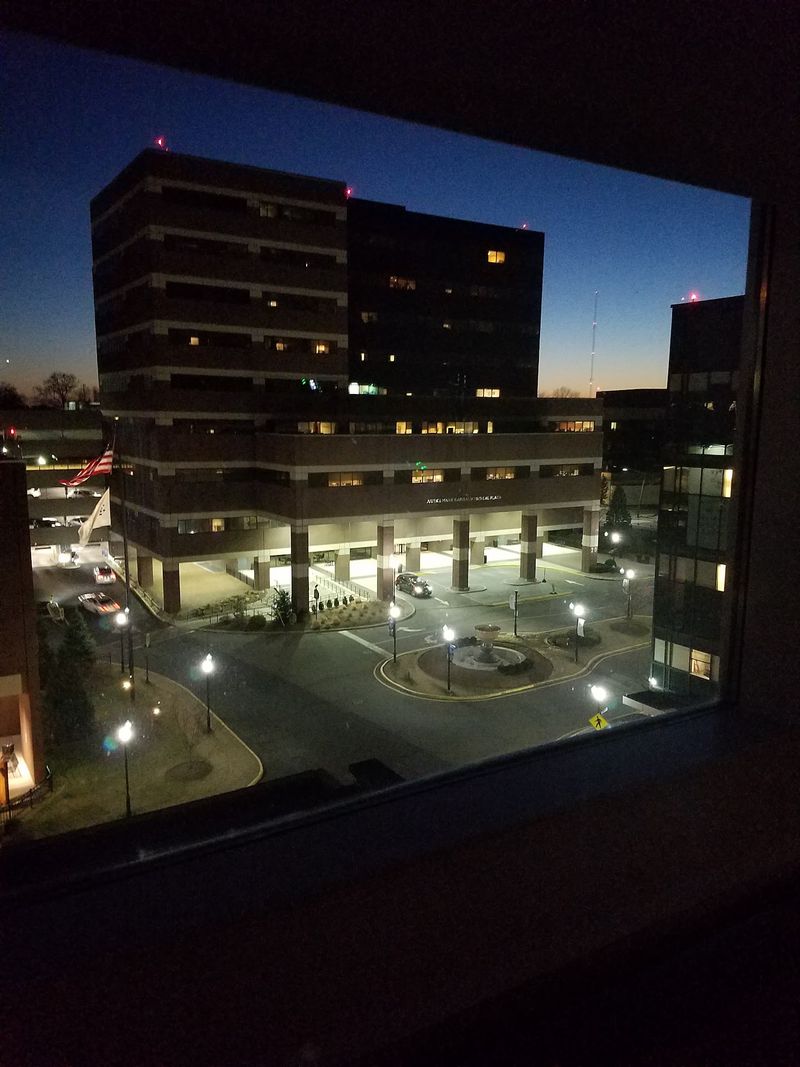
Prospect Avenue gives the medical center a clear Hackensack address rather than a vague North Jersey label. The full address, already worth saving before it is needed, is 30 Prospect Ave, Hackensack, NJ 07601.
The available data does not provide parking fees, transit directions, or entry-specific instructions, so a responsible visitor note has to stay within what is confirmed. People planning a trip should use the official website or a current mapping app before leaving, especially because hospital entrances and department destinations can differ.
That may sound like ordinary advice, but it can prevent extra stress. A person going for an emergency visit, vaccination, imaging appointment, pediatric stay, or planned procedure may need different arrival details depending on the department.
Hackensack’s location in Bergen County also means travel timing can change with weekday traffic and local road conditions. Even short trips in North Jersey deserve a little buffer, because a ten-minute drive can grow opinions when everyone else had the same idea.
The best practical move is to confirm the department, check the route, and know the address before the day becomes busy.
The Online Trail Before A Visit
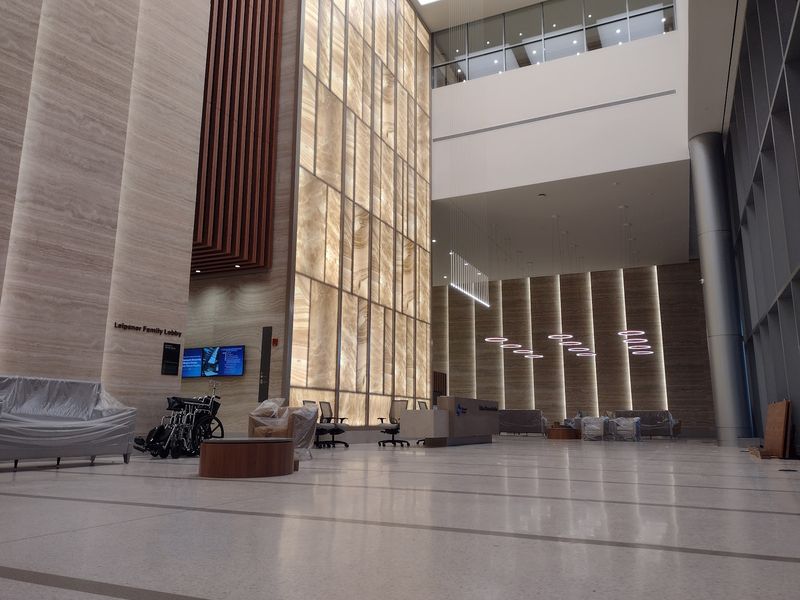
A useful hospital plan often starts before anyone reaches the front door. HMH Hackensack University Medical Center has an official website listed at hackensackmeridianhealth.org, which is the best starting point for current location details, department information, and official updates.
Public accounts also mention patient portal results, especially around imaging and emergency visits. That detail is worth noting because many families now track parts of the care process digitally, including test results and follow-up information.
Still, a portal is not the same as a full explanation. If results appear online before a provider has discussed them, it can be reasonable to ask when a doctor or appropriate team member will review the findings and explain the plan.
The online trail can help with preparation too. Before a scheduled visit, patients can look up the facility’s official page, confirm department names, and gather basic documents requested by their care team.
Because the provided data includes no prices, appointment rules, or department-specific hours beyond the hospital’s 24-hour listing, readers should avoid relying on guesses or old screenshots. Official channels are the cleanest route when medical logistics get specific.
For once, checking the website is not procrastination. It is part of the assignment.
A Local Verdict With Real-World Edges
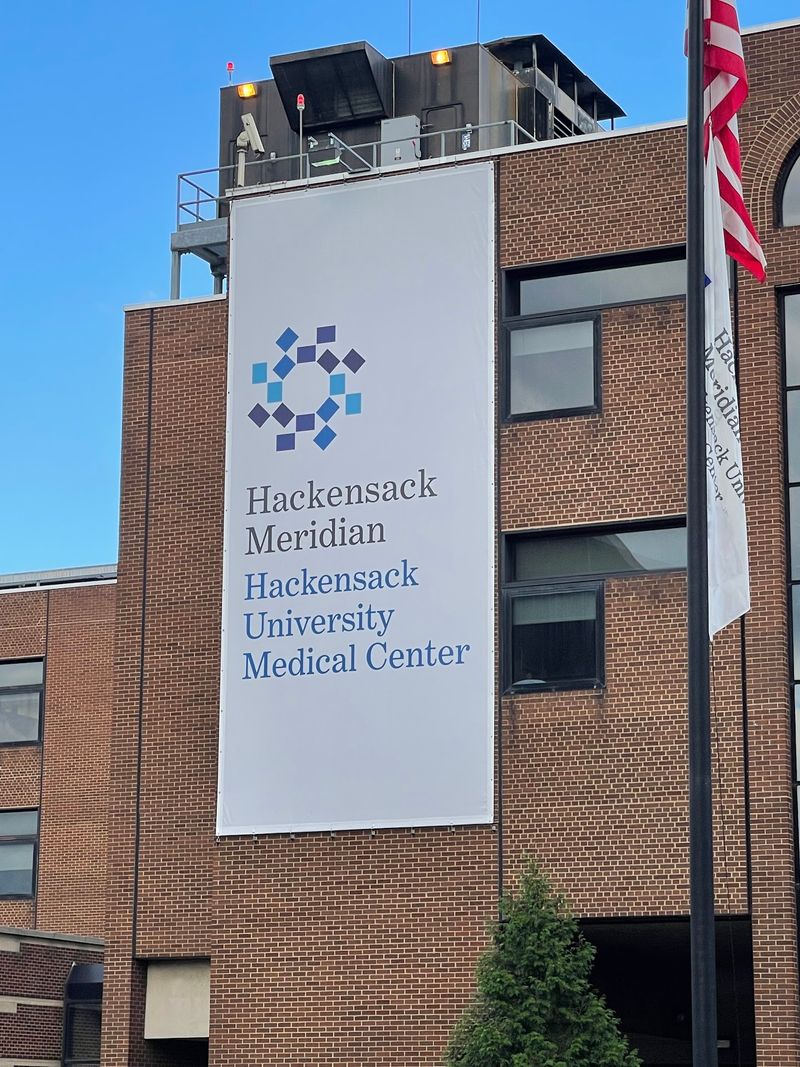
Hackensack’s major medical center is not a casual destination, and that is exactly why it deserves careful attention. HMH Hackensack University Medical Center sits close to home for Bergen County residents while handling a range of care that public feedback connects to emergency medicine, pediatrics, imaging, procedures, neurology, transplant-related care, and inpatient support.
The strongest public themes are clear. Many patients and families describe caring staff, thorough doctors, helpful nurses, and teams that made stressful medical situations easier to manage.
The pediatric playroom and children’s library also stand out as specific family-centered details.
The concerns are just as important to name responsibly. Wait time, communication, responsiveness, and coordination appear in some difficult accounts, especially in busy emergency and inpatient settings.
The medical center’s public responses often direct people with concerns to consumer services for follow-up.
So the soft verdict is balanced rather than breathless. HMH Hackensack University Medical Center is a significant local healthcare anchor with 24-hour operation and a broad care footprint, but large-hospital experiences can vary by department, timing, and communication.
For New Jersey readers, that may be the most honest kind of local pride: a major resource nearby, understood with both appreciation and clear eyes.
Share this story