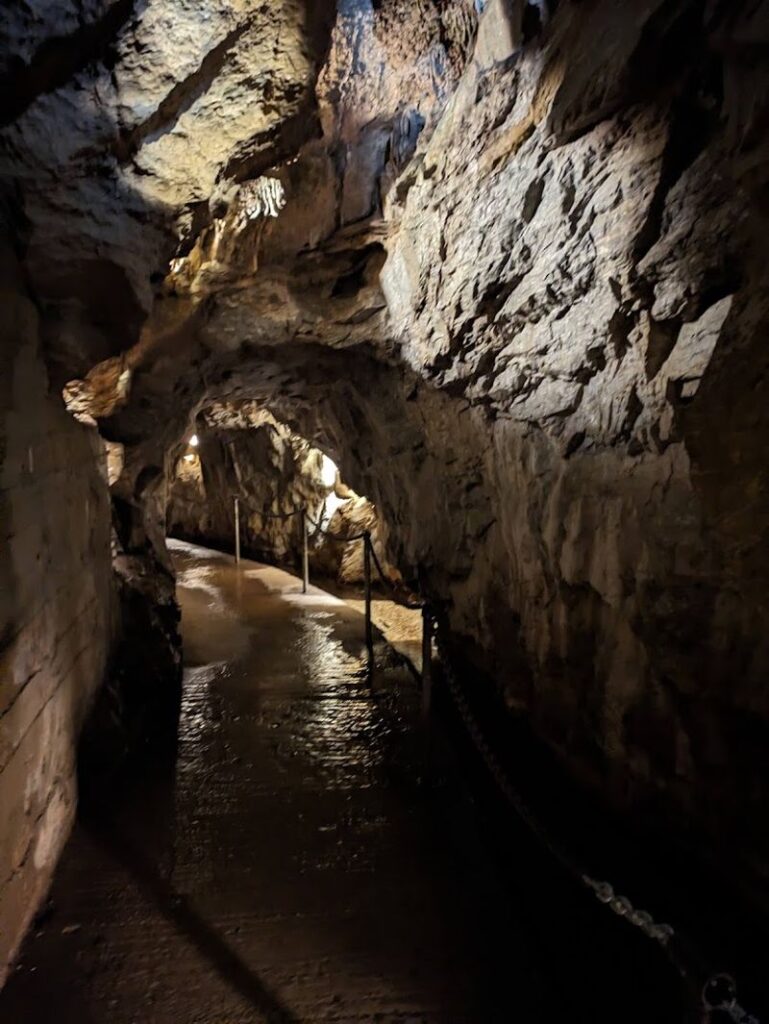
Tucked into the side of a mountain near Marion, North Carolina, there’s a cave that plunges about 140 feet down into solid rock, and you can walk right into the entrance without paying a dime. Linville Caverns has been drawing curious explorers since it was discovered back in the early 1800s, and it stays a cool 52 degrees inside no matter how hot the summer gets. Guided tours lead you past dripping stone formations, an underground stream, and a moment of total darkness you will never forget. It’s the kind of overlooked mountain treasure that makes you feel like you found the real North Carolina before the tour buses did.
A Hidden Doorway in the Blue Ridge Mountains
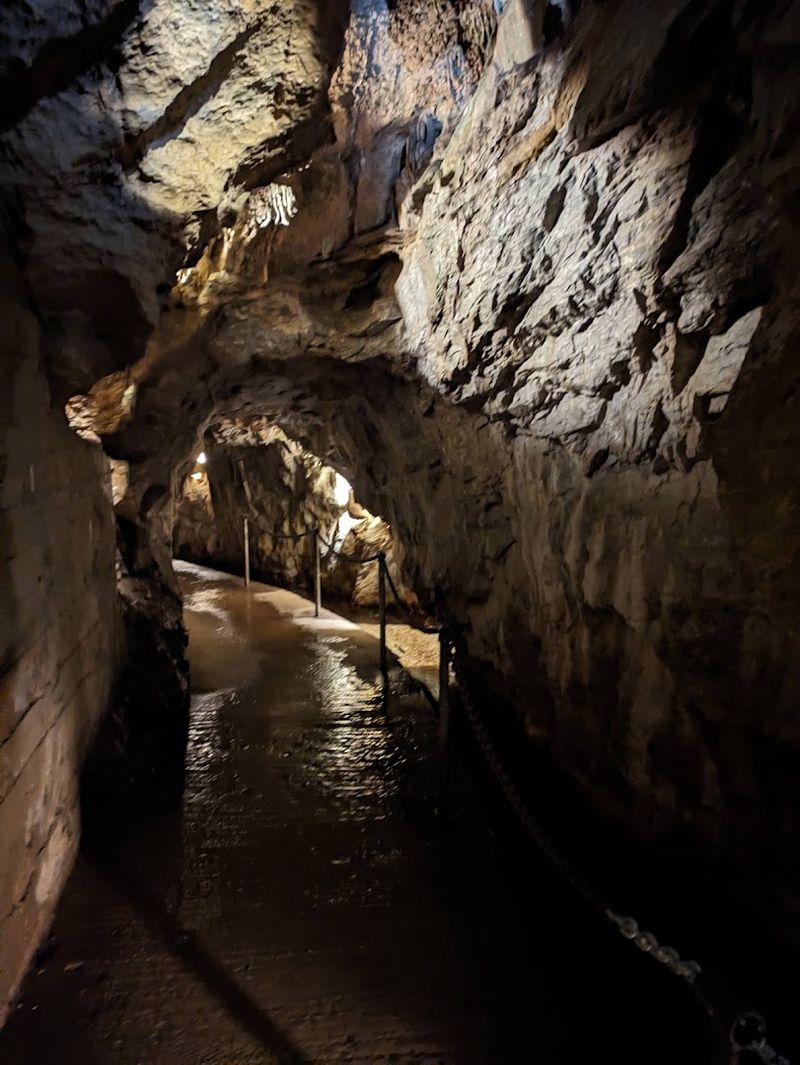
Drive along US-221 near Marion and you might roll right past the entrance without realizing a whole underground world sits just inside the mountainside. Linville Caverns hides at 19929 US-221, tucked into the Blue Ridge foothills between Marion and the famous Grandfather Mountain area.
What sets this spot apart is that it’s the only commercial cavern in North Carolina open to the public. The entrance itself opens right into the base of Humpback Mountain, so you walk straight into the rock rather than climbing down a ladder or squeezing through a hole.
Visitors often mention how the drive up is part of the fun, with mountain views that feel like the opening scene of an adventure. Many folks pair it with a Grandfather Mountain hike, calling it a great addition to a day already packed with scenery. For anyone hunting down the quieter corners of the state, this little portal into the earth delivers that in-the-know feeling before you even step inside.
Discovered by Following the Fish
Long before ticket booths and gift shops, the story goes that this cave was found in the early 19th century when people noticed trout swimming in and out of an opening in the mountain. Curiosity led them inside, and one of North Carolina’s oldest natural attractions was born.
Linville Caverns has carried that heritage for roughly two centuries, making it a genuine piece of mountain history rather than a modern tourist stop. The description on record calls it a historic cave network discovered generations ago, and that age shows in how the tours lean into local stories and lore.
Guides walk you through the history of the place as you go, and reviewers frequently praise how much they learn along the way. One longtime visitor mentioned coming back over the past 40 years and still finding it a fun spot every single time. That kind of staying power says something about a place that has quietly welcomed generations of North Carolinians into the dark.
Formations Built One Drop at a Time
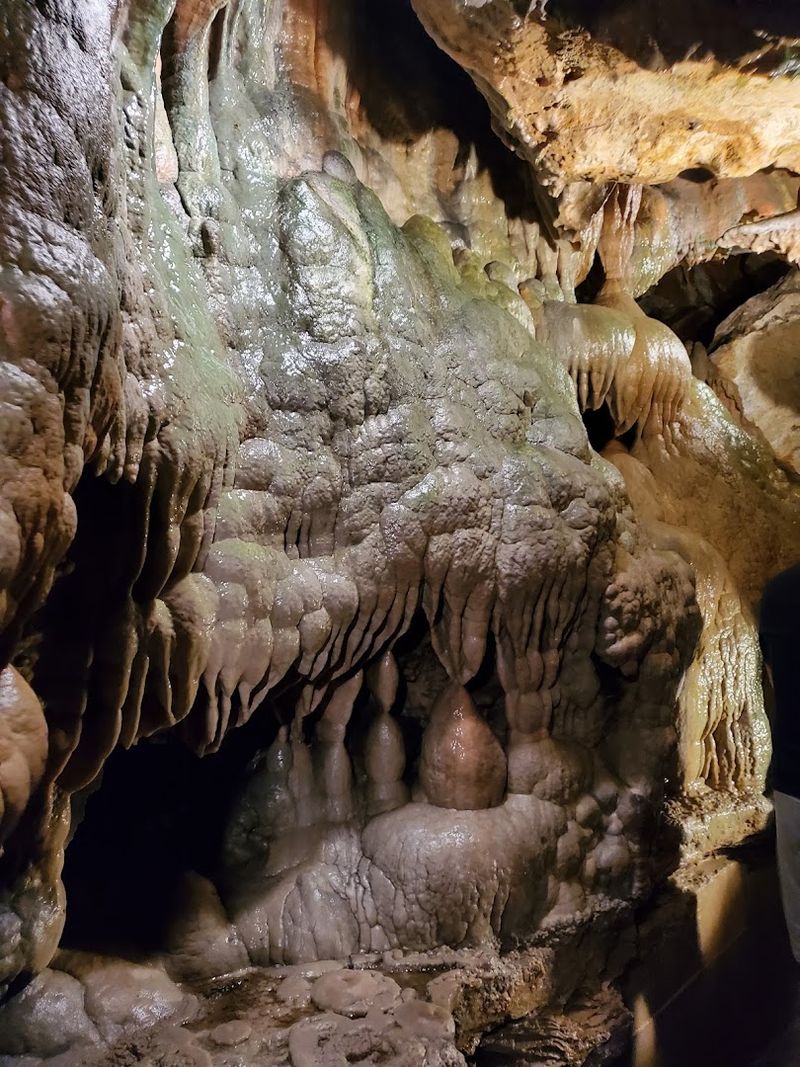
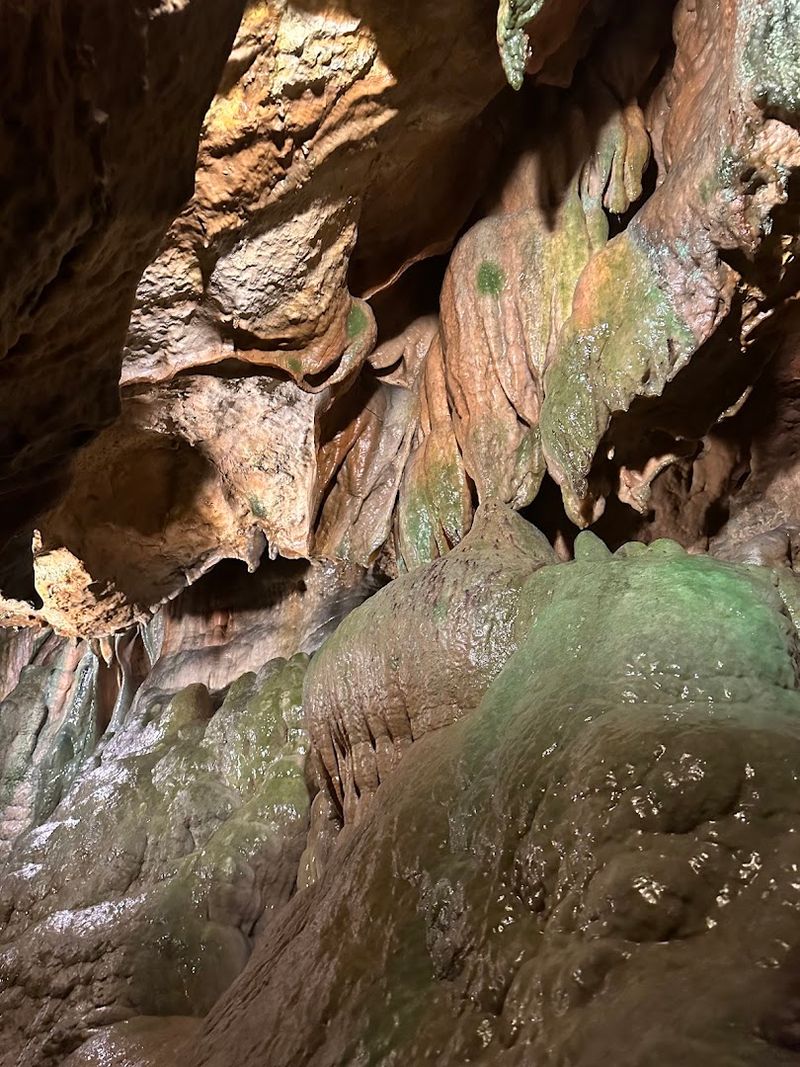
Reach up and you’ll want to touch the stone, but hold off, because these formations are still growing. Stalactites hang from the ceiling and stalagmites push up from the floor, each one shaped over thousands of years by water dripping drop by drop through the limestone.
People who visit come away genuinely impressed by the shapes and colors. One reviewer described the formations as making the whole place feel almost alive, and others point out how hard it is to picture the slow, patient work that carved them. Because the cavern is active and still forming, guides remind everyone to look but not touch, which helps protect the delicate stone for future visitors.
There’s even a rock formation shaped like an alligator that guides love to point out. Between the dripping ceilings, the low-hanging rock, and the sculpted walls, this stretch of the tour tends to be the part guests photograph the most.
The Underground Stream and Its Resilient Residents
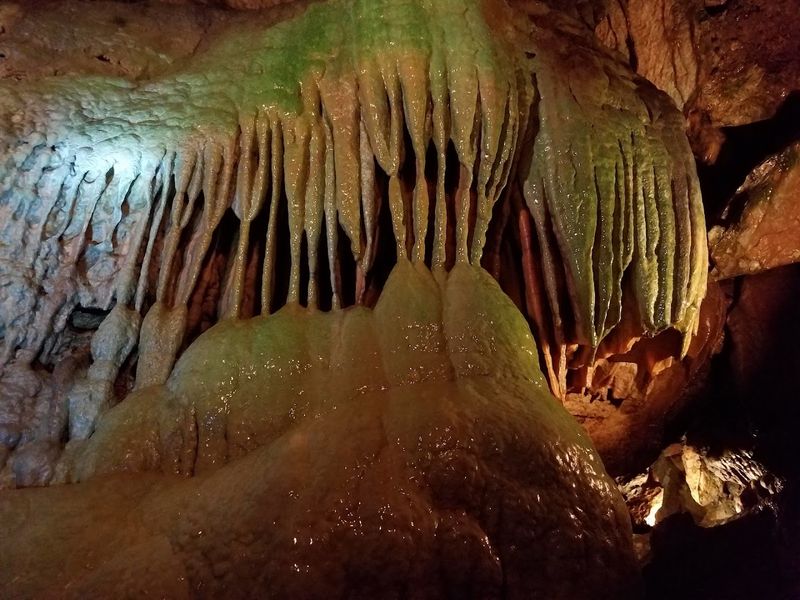
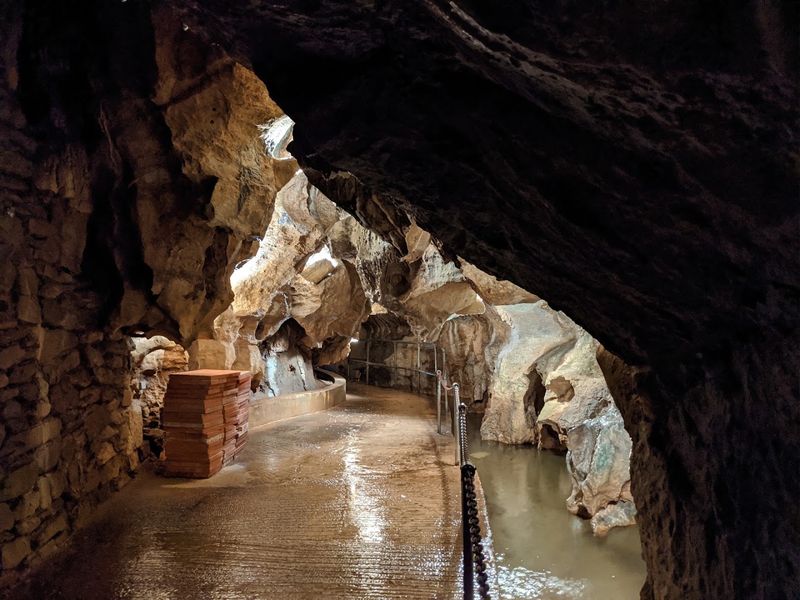
A gentle stream winds right through the heart of the cavern, and it’s one of the quiet highlights people mention most. The sound of babbling water over the rocks carries through the passages, and reviewers call the little stream neat to see and beautiful both inside and just outside the cave.
For years the stream was home to blind trout, but Hurricane Helene changed that. High waters rushed through the underground channel and washed nearly all the fish out, save for a couple of very elusive survivors. Visitors who came afterward described the news as a real shock, and the shop even displays photos from the flooding.
Life hasn’t left the cave, though. Salamanders, cave crickets, and the occasional crawfish still call it home, and the stream itself remains as pretty as ever. There’s something moving about seeing a place take a hit from nature and keep flowing right along.
When the Lights Go Out
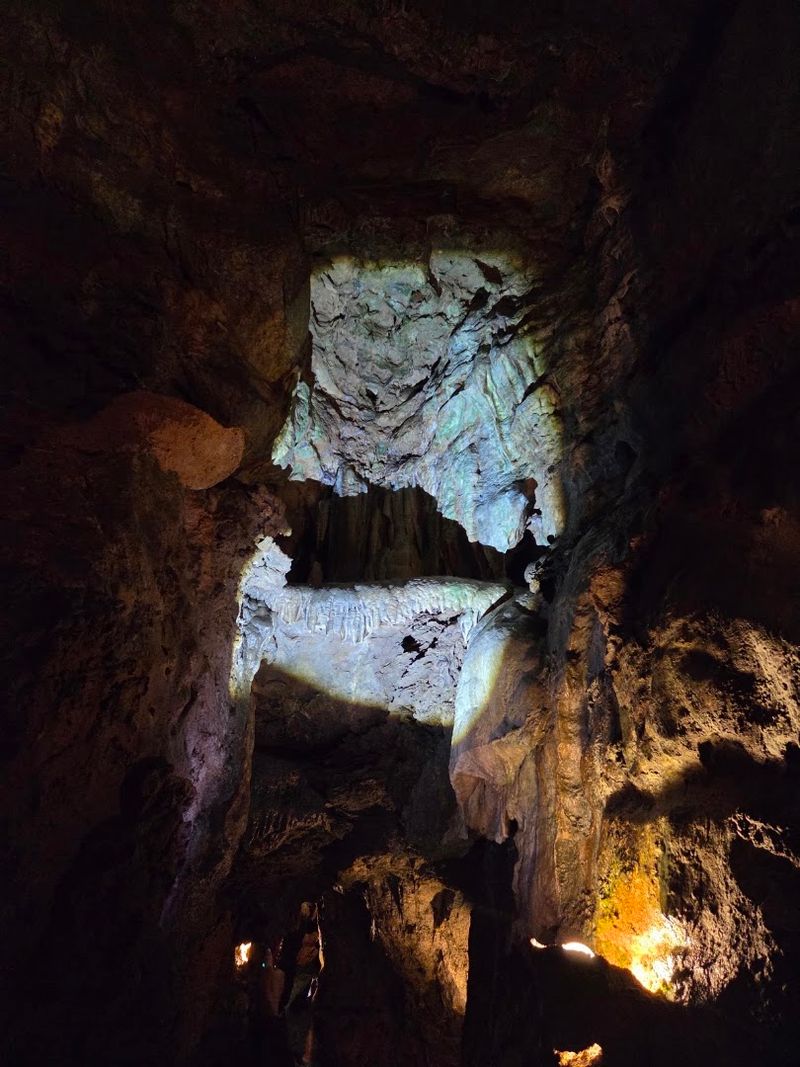
Halfway through the tour, the guide flips a switch and the whole cavern drops into total darkness, the kind you simply cannot experience above ground. No glow from a phone, no faint outline of your own hand, just pure black.
Guests rave about this moment more than almost anything else. One repeat visitor said the total darkness part is always their favorite, and another described the lights-out experience as surreal and amazing. It’s the sort of thing kids talk about for days and adults find genuinely humbling.
Standing in that absolute dark, you get a real sense of what these formations have sat in for thousands of years. Guides handle it with care, giving everyone a heads-up before the switch flips, so it feels thrilling rather than scary. For a lot of families, this single minute becomes the memory that sticks long after the tour ends.
Guides Who Bring the Cave to Life
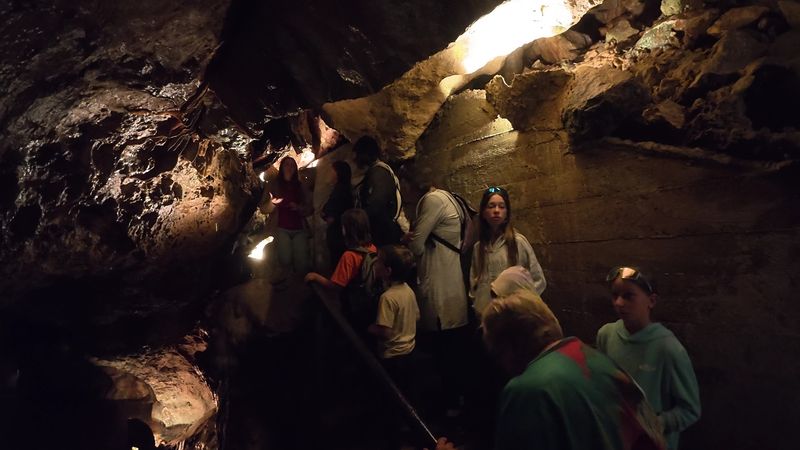
Ask anyone who has toured Linville Caverns and the conversation quickly turns to the guides. Names like Aiden, Autumn, and others pop up again and again in reviews, praised for being patient, enthusiastic, and clearly passionate about the caves and the surrounding area.
Because the cavern is an active limestone system with a single entrance and exit, tours are always guided rather than self-led. That structure protects the fragile formations and keeps the flow of groups moving smoothly through the narrow passages. Guides pause at key spots to explain the history and point out the standout features.
Most visitors find this hands-on approach adds a lot to the trip, with several noting how their guide made the whole group feel comfortable and answered every question thrown their way. A few guests wished they could wander on their own, but the majority walk away feeling like the storytelling was half the magic. Groups tend to stay small, too, even on busy days.
Tight Squeezes and Optional Detours
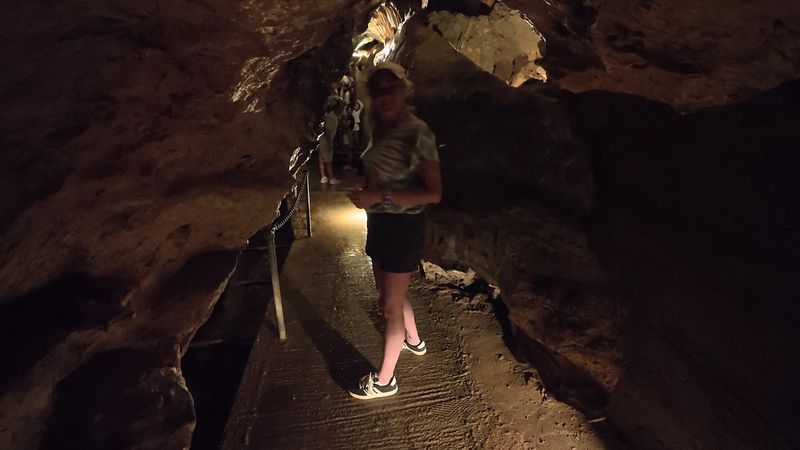
Parts of this cave get genuinely snug, and that’s part of the adventure for some and a heads-up for others. A few passages narrow down, and one dead-end section is especially tight, but here’s the reassuring bit: that squeeze is completely optional.
Guides let you know ahead of time which spots to skip if tight spaces make you uneasy. Visitors who deal with claustrophobia appreciate the warning and the choice, with several noting they simply opted out of the narrowest stretch and still had a great time. The darkness and close walls can feel intense, but many say that only added to the sense of exploring somewhere real.
Tall folks get their own gentle warning to watch their heads on the low-hanging rock. Even so, plenty of room remains to stand and move through most of the route. If you or your kids are comfortable with a little snugness, this is where the cave feels most like a true underground expedition.
A Steady 52 Degrees, Rain or Shine
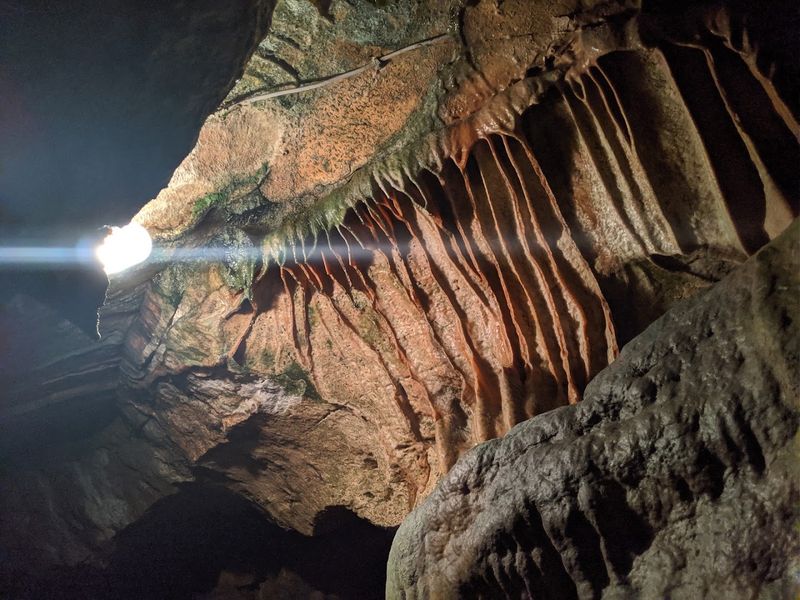
Step inside on a scorching July afternoon and you’ll feel the temperature drop almost instantly. The cave holds steady at about 52 degrees year-round, which makes it a beloved escape from North Carolina’s sticky summer heat.
Regulars swear by it as a go-to spot on a hot day, saying you get to cool off underground while soaking up the scenery. That same steadiness makes it a perfect rainy-day or foggy-day plan, since the weather outside never touches the world inside. More than one family has called it a great side quest that works whether the sun is blazing or the clouds have rolled in.
The one catch is that 52 degrees feels chilly if you show up in shorts and a tank top. Seasoned visitors strongly recommend bringing a sweater for everyone, and even a light rain jacket, since water drips from the ceiling throughout the tour. Dress for a cool spring morning and you’ll be comfortable the whole way.
An Easy Win for Families and Kids
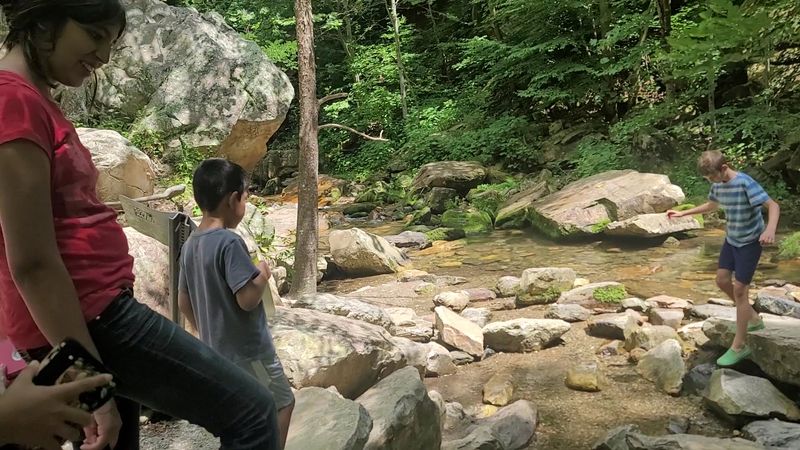
Bring the little explorers, because this cave tends to delight the younger crowd. Parents report that kids as young as three and six years old loved walking through, thrilled by the dripping water, the low rock formations, and that unforgettable lights-out moment.
Tours run short and sweet, usually around 35 to 40 minutes, which fits nicely with shorter attention spans and keeps things fun instead of tiring. Groups stay small, so families don’t feel lost in a crowd, and guides are known for being patient with curious questions from young visitors. One parent called it a unique and intriguing portal into a world of nature’s wonders that their kids adored.
A few reviewers do suggest thinking twice for very small children who might struggle with the dark, tight spots, or slight drop-offs. But the majority say it works well even with little ones in tow. Clean bathrooms on site and a quick turnaround from ticket to tour make the whole outing smooth for parents juggling a family day.
Hours, Tickets, and Planning Your Visit
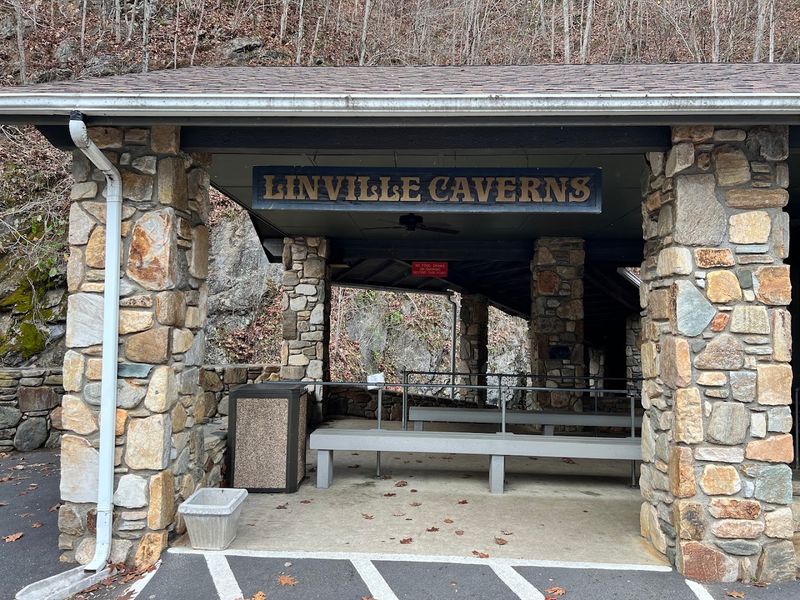
Timing matters here, since Linville Caverns keeps a specific schedule. The cave is open Thursday through Monday from 9 AM to 6 PM, with Sunday running a shorter 1 to 6 PM, and it stays closed Tuesday and Wednesday, so plan your trip around those days.
Pricing lands in friendly, thrift-approved territory. One couple mentioned paying about $14 each on a Monday and felt it was well worth the money for the experience. Several reviewers echo that the tickets are reasonable and the value is fair for what you see underground.
Getting a spot is refreshingly painless. Guests describe starting their tour within about five to ten minutes of buying tickets, even on a busy day, and the whole visit including the walk runs under an hour. You can reach the caverns at 828-756-4171 or check linvillecaverns.com before you head out. There’s also a well-liked gift shop and clean restrooms on site to round out the stop.
Why This Underground Treasure Earns Its Reputation
Holding a 4.5-star rating across more than 4,500 reviews, Linville Caverns has clearly won over the people who make the trip. Guests call it a North Carolina treasure and a natural wonder, and plenty return again and again with different groups over the years.
Honest voices in the mix keep it real. A handful mention the tour feels a bit shorter than expected or wish they could roam on their own, and one visitor politely noted the guided-only format wasn’t their preference. Still, even the more critical reviewers agree the cavern itself is beautiful, powerful, and worth seeing.
What lingers is the sense of a genuine, unhurried mountain gem that survived a hurricane and kept its doors open. Between the ancient formations, the resilient little stream, the guides who love this place, and that jaw-dropping darkness, it delivers a real adventure for a modest price. If you’re chasing the overlooked, authentic side of North Carolina, this walk into the earth belongs on your list.
Share this story