Somewhere along the stretch of Oklahoma highway between Oklahoma City and Tulsa, a small roadside sign has been catching drivers’ eyes for decades. Most people pass it without stopping, but the ones who finally pull off find something far more moving than they expected.
Tucked into a quiet Oklahoma town, this Catholic shrine draws visitors from across the country who come seeking peace, beauty, and a little spiritual renewal. Once you walk the grounds, it is easy to understand why so many people keep coming back.
Where the Shrine Sits and What It Is
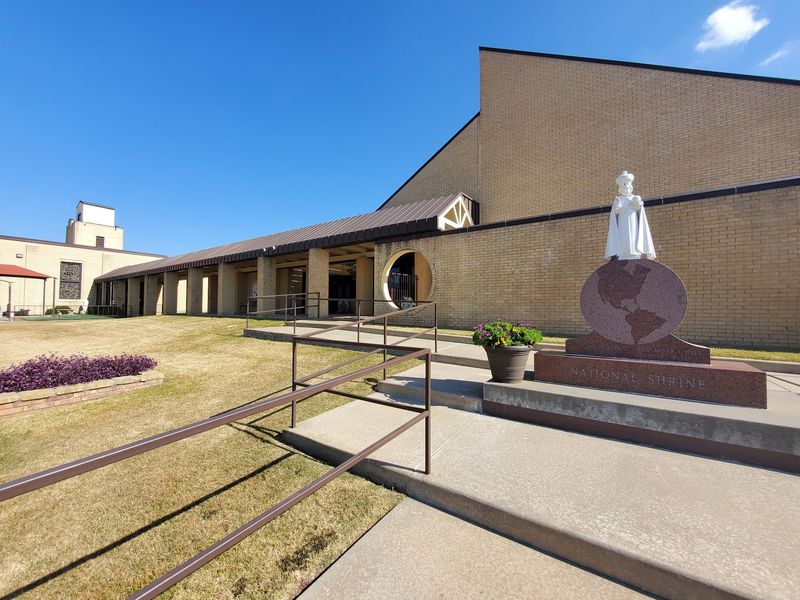
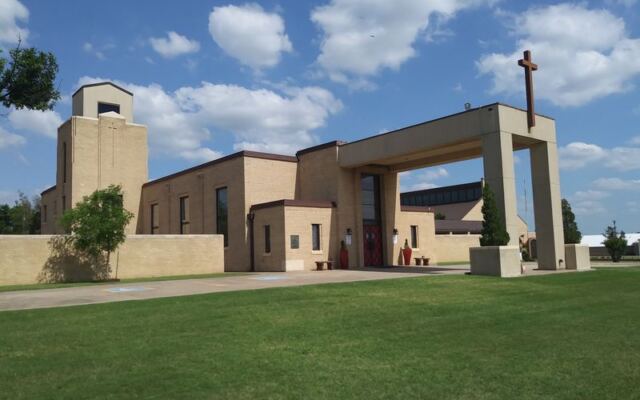
Planted along Jim Thorpe Boulevard in the small town of Prague, Oklahoma, the National Shrine of the Infant Jesus of Prague is one of the state’s most quietly remarkable spiritual destinations. Prague sits roughly midway between Oklahoma City and Tulsa, making it an accessible detour off Interstate 40 for road-trippers who finally decide to follow that sign they have been ignoring for years.
The shrine is centered around a Catholic church that serves both as an active parish and a nationally recognized place of pilgrimage. Visitors arrive from neighboring states, sometimes traveling hours just to spend a quiet afternoon on the grounds.
The combination of a working faith community and an open-door welcome to curious travelers gives the place a warmth that feels genuine rather than curated.
For those unfamiliar with the devotion, the Infant Jesus of Prague refers to a famous wax statue of the child Jesus that originated in the Czech city of Prague centuries ago. The Oklahoma shrine carries that same spirit of reverence into the American heartland, offering a surprising and deeply meaningful stop in the middle of the plains.
A Designation Rooted in 1949
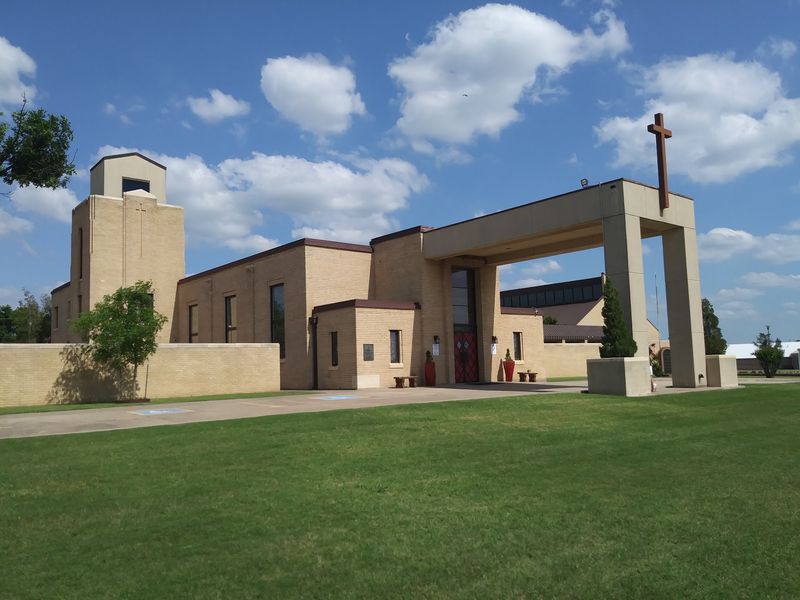
Not every small-town Oklahoma church earns the title of national shrine, but this one did back in 1949. That official designation set the stage for decades of pilgrimage traffic and gave the community a sense of sacred purpose that still shapes how the place feels today.
Earning that recognition required both the devotion of the local faithful and a connection to a broader Catholic tradition that stretches across continents.
The story behind the shrine ties directly to the Czech heritage that early settlers brought to central Oklahoma. Prague, Oklahoma, was named after the Czech capital, and the devotion to the Infant Jesus carried over with the immigrant community that built roots here.
Visitors who take time to read the historical displays on the grounds come away with a much richer appreciation for what the shrine represents beyond its physical beauty.
Travelers who have passed the highway sign for years and finally stopped describe the experience as surprisingly educational. Reading through the history and seeing the resulting architecture gives the visit a layered meaning that purely scenic stops often lack.
The 1949 designation feels less like a footnote and more like the anchor point of the entire experience.
Statues, Fountains, and the Outdoor Grounds
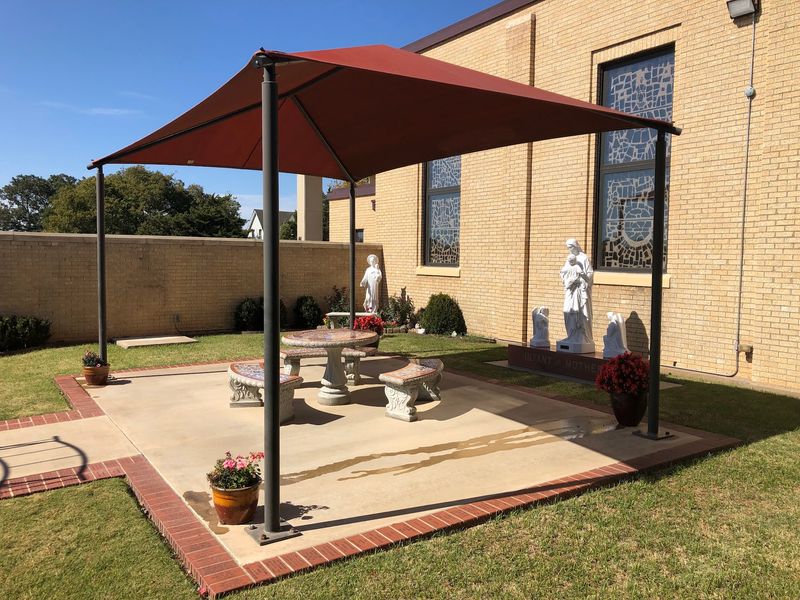
Stepping onto the grounds here feels like entering a different pace of life entirely. The outdoor spaces are carefully maintained, filled with statues and fountains that invite slow, wandering exploration rather than a quick glance and a selfie.
Visitors consistently describe the experience of walking the property as genuinely calming, the kind of calm that is hard to manufacture and easy to appreciate.
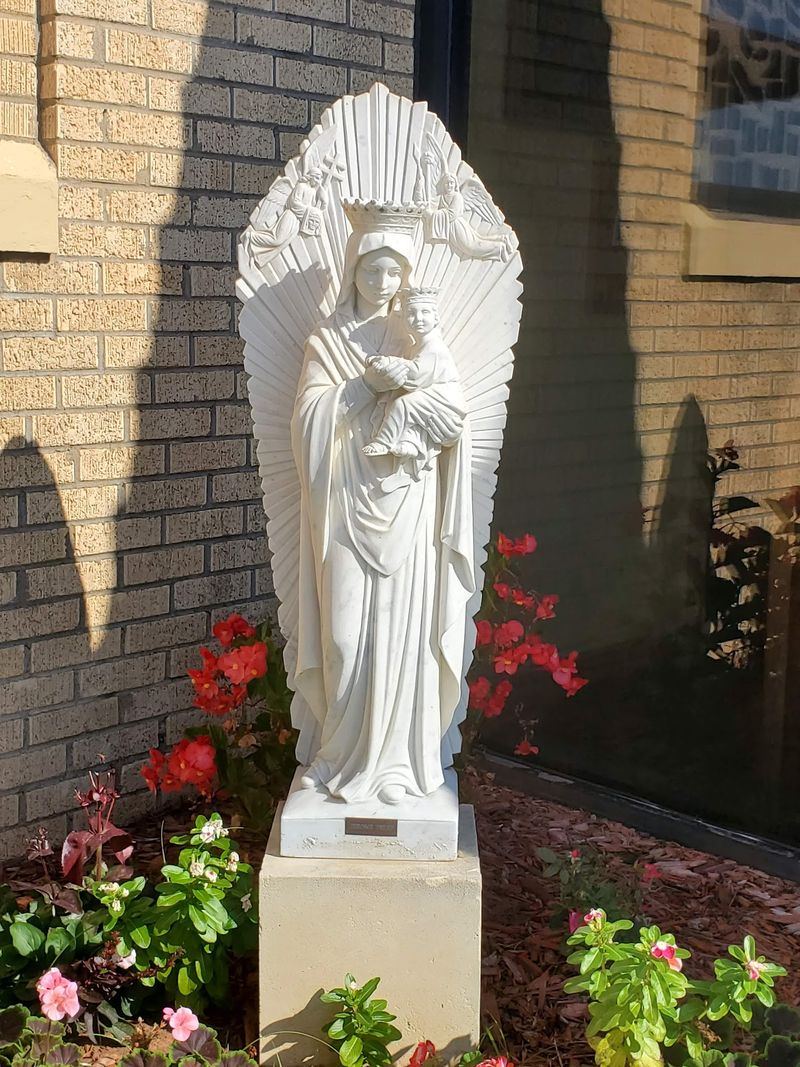
Scattered across the grounds, small statues of the Infant Jesus appear in unexpected spots, creating a playful sense of discovery as you move from one corner of the property to another. The fountains add a gentle, rhythmic soundtrack to the whole experience, softening the Oklahoma heat and making the space feel almost meditative.
Well-kept lawns and thoughtful landscaping tie everything together into a cohesive outdoor sanctuary.
Even on days when the interior spaces are closed, the outdoor grounds remain a worthwhile destination on their own. Visitors who have arrived to find the gift shop shuttered report leaving perfectly satisfied after spending time outside.
The property manages to feel both sacred and accessible, welcoming everyone from devout pilgrims to curious road-trippers who simply needed a beautiful place to stretch their legs and breathe.
Stations of the Cross and the Marian Garden
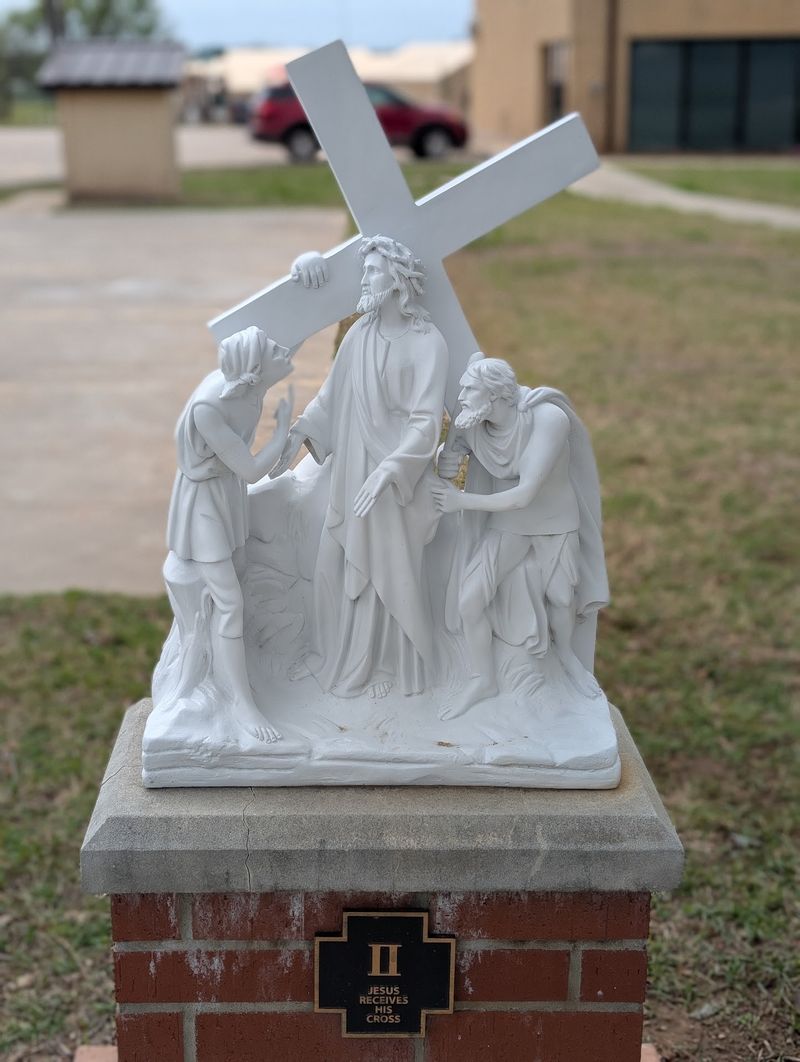
Two distinct garden areas give the outdoor experience real depth and variety. On one side of the property, the Stations of the Cross guide visitors along a reflective path marked by the traditional fourteen stations, each one accompanied by imagery that connects the walker to the broader story of Christian faith.
For those who pray the stations, the setting makes the practice feel unhurried and sincere.
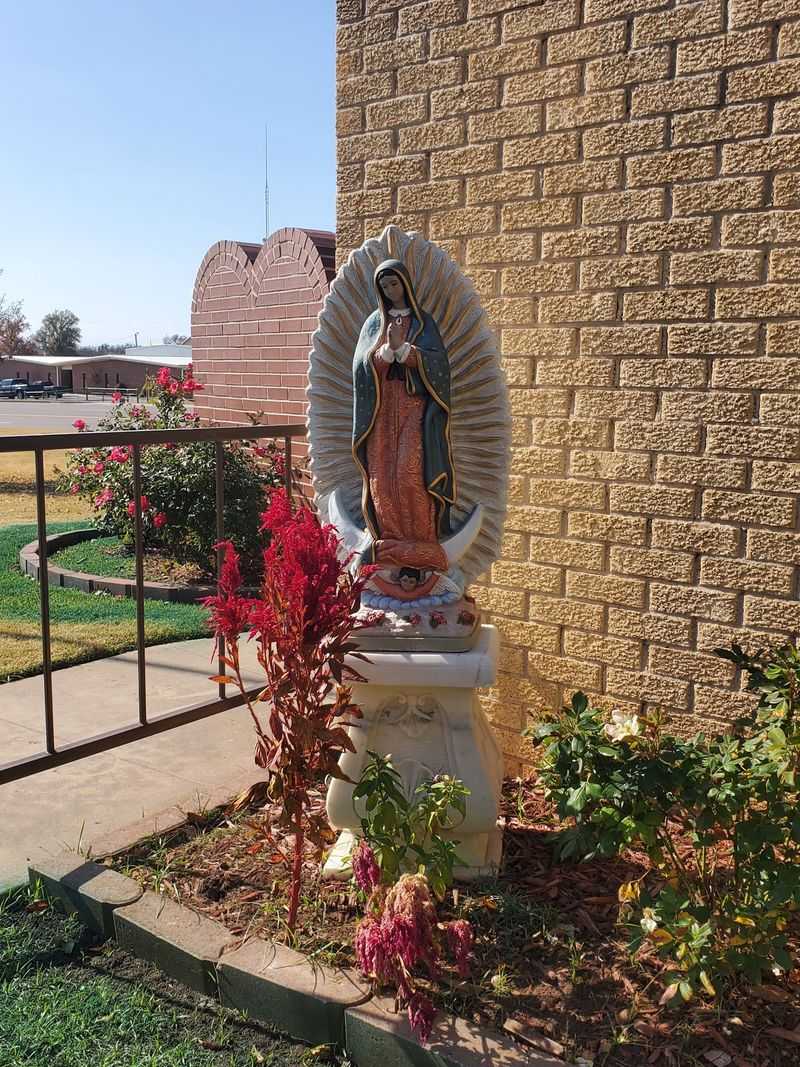
On the opposite side, a Marian Garden offers a softer, more contemplative atmosphere centered on devotion to Mary. Among the figures represented there is Our Lady of La Vang, a detail that surprised and moved at least one visitor who noted the inclusion specifically.
That kind of thoughtful representation speaks to the shrine’s awareness of the diverse traditions within Catholic faith, making the space feel inclusive rather than narrow.
Together, the two garden areas mean that a single visit can take on very different characters depending on which path you choose to walk first. Some visitors spend the bulk of their time in quiet prayer along the Stations of the Cross, while others gravitate toward the Marian Garden for its gentler energy.
Having both options within the same grounds makes every visit feel layered and worth repeating.
Inside the Church – Sacred Art and Spiritual Atmosphere
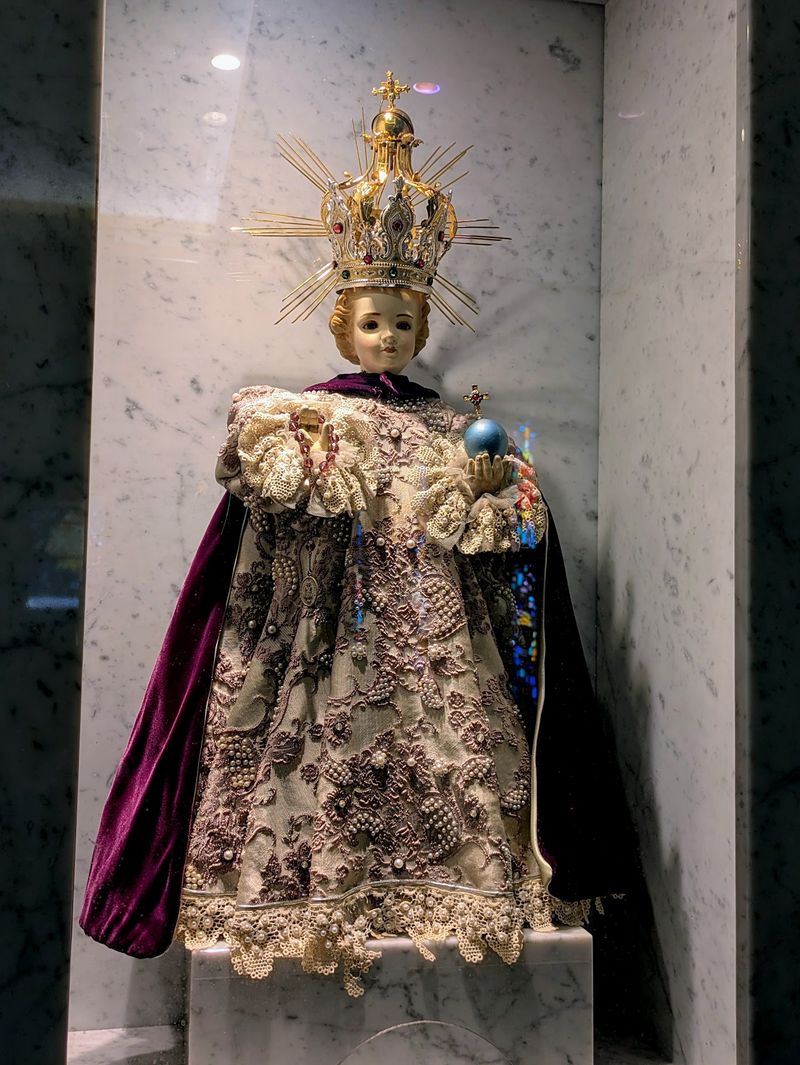
Walking through the doors of the church itself shifts the experience from outdoor serenity to something more concentrated and still. The interior is described by visitors as beautiful, filled with artwork and sacred imagery that rewards careful attention.
A sense of calm settles over the space almost immediately, the kind that makes conversation feel unnecessary and silence feel natural.
One of the most striking features inside is the display of different outfits made for the sacred image of the Child Jesus. Each color carries liturgical meaning: red for the Passion, purple for repentance during Lent and Advent, white for pure devotion, and rose for the joy of God’s mercy.
For visitors unfamiliar with this tradition, discovering the symbolism behind each garment turns a simple display into a genuinely moving lesson in faith and seasonal rhythm.
Whether or not a visitor comes from a Catholic background, the interior offers something worth experiencing. The artwork, the quietude, and the evident care that has gone into maintaining the space over decades all combine to create an atmosphere that feels set apart from ordinary life.
Visitors who attend Mass or the Rosary while there often describe the experience as one of the highlights of the entire trip.
The Gift Shop and the People Who Run It
Friendly staff and a well-stocked gift shop round out the on-site experience in a way that feels genuine rather than commercial. Visitors mention the helpfulness of the people working there with real warmth, noting that the community atmosphere extends well beyond the church walls.
One particularly memorable encounter involved the parish priest offering a blessing over a purchased Rosary and statue of St. Michael, a spontaneous moment of grace that left a lasting impression.
The gift shop carries a solid selection of religious items, from statues and rosaries to books and devotional objects connected to the Infant Jesus tradition. For pilgrims looking to bring something meaningful home, or for curious visitors who simply want a keepsake, the shop provides plenty of options without feeling overwhelming.
Staff members have been described as friendly and knowledgeable, happy to answer questions about the shrine’s history and the devotion itself.
Hours for the gift shop do not always align with the outdoor grounds, so some visitors arrive to find it closed. Even so, the outdoor experience is strong enough to make the stop worthwhile regardless.
On days when everything lines up and the shop is open, the full visit feels complete, offering both spiritual nourishment and a tangible reminder of the experience to carry home.
Who Makes the Trip and Why They Return
Pilgrims and curious travelers alike find their way to this shrine, and the mix of visitors gives the place a layered, human quality that purely tourist destinations rarely achieve. Some come specifically to pray, fulfilling a personal vow or seeking a quiet space for reflection during a difficult season of life.
Others simply followed the highway sign on a whim after years of passing it by, and ended up staying longer than planned.
Among the most touching visitor stories are those of families who return regularly as a kind of personal pilgrimage, expressing gratitude for answered prayers and personal miracles. That thread of ongoing devotion, repeated visits spaced years apart, speaks to the shrine’s ability to hold meaning across time rather than delivering a single memorable moment and fading from memory.
For these visitors, the shrine becomes a landmark in their spiritual lives as much as on any map.
Non-Catholics and people of no particular faith background have also found the grounds worth exploring, drawn by the beauty of the outdoor spaces and the genuine curiosity that an unusual roadside destination inspires. The shrine manages to be welcoming without being pushy, spiritual without being exclusive.
That openness is a big part of why so many different kinds of people end up recommending it to friends and family.
Hours, Access, and Planning Your Visit
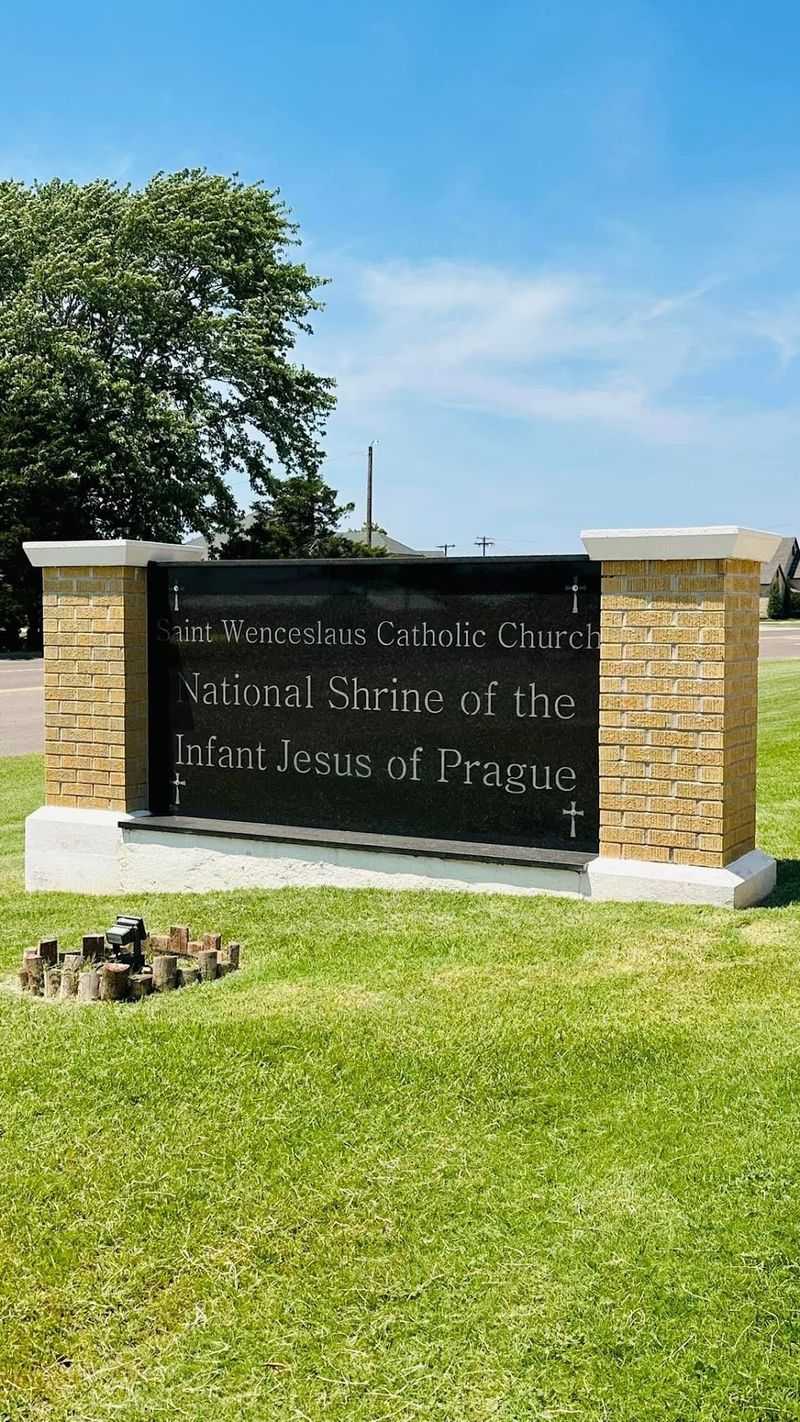
Planning ahead makes a real difference at this shrine, since the hours are more limited than a typical tourist attraction. The shrine is open Tuesday through Friday from 10 AM to 3 PM, and on Sundays from 11 AM to 1 PM.
Saturdays and Mondays are closed, so checking the schedule before making the drive is genuinely worth the thirty seconds it takes.
Located at 304 Jim Thorpe Boulevard in Prague, Oklahoma, the shrine sits just a short detour off Interstate 40, which makes it an easy addition to any Oklahoma City-to-Tulsa road trip. The drive from OKC runs a little over an hour, and from Tulsa the timing is similar.
For visitors coming from neighboring states, the central Oklahoma location means the shrine can anchor an entire day trip without requiring an overnight stay.
Admission to the grounds and the church appears to be free, making the stop accessible to anyone passing through regardless of budget. The phone number on file is 405-567-3080 for anyone who wants to confirm hours or ask about upcoming services before visiting.
The shrine’s website at shrineofinfantjesus.com also carries current information. Arriving during open hours means access to both the interior spaces and the gift shop, completing the full experience the grounds have to offer.
Share this story