Somewhere in Oklahoma, a fair exists that makes you forget what century you are living in. Costumed knights, roaming artisans, camel rides, and the smell of smoked turkey legs all collide in one beautifully chaotic weekend.
Most people stumble onto it expecting a modest craft market and leave with a full belly, a henna tattoo, and a story they will be telling for years. If you have never experienced the Medieval Fair of Norman, you are genuinely missing one of the state’s most surprising and entertaining annual traditions.
Norman, Oklahoma and the Fair That Calls It Home
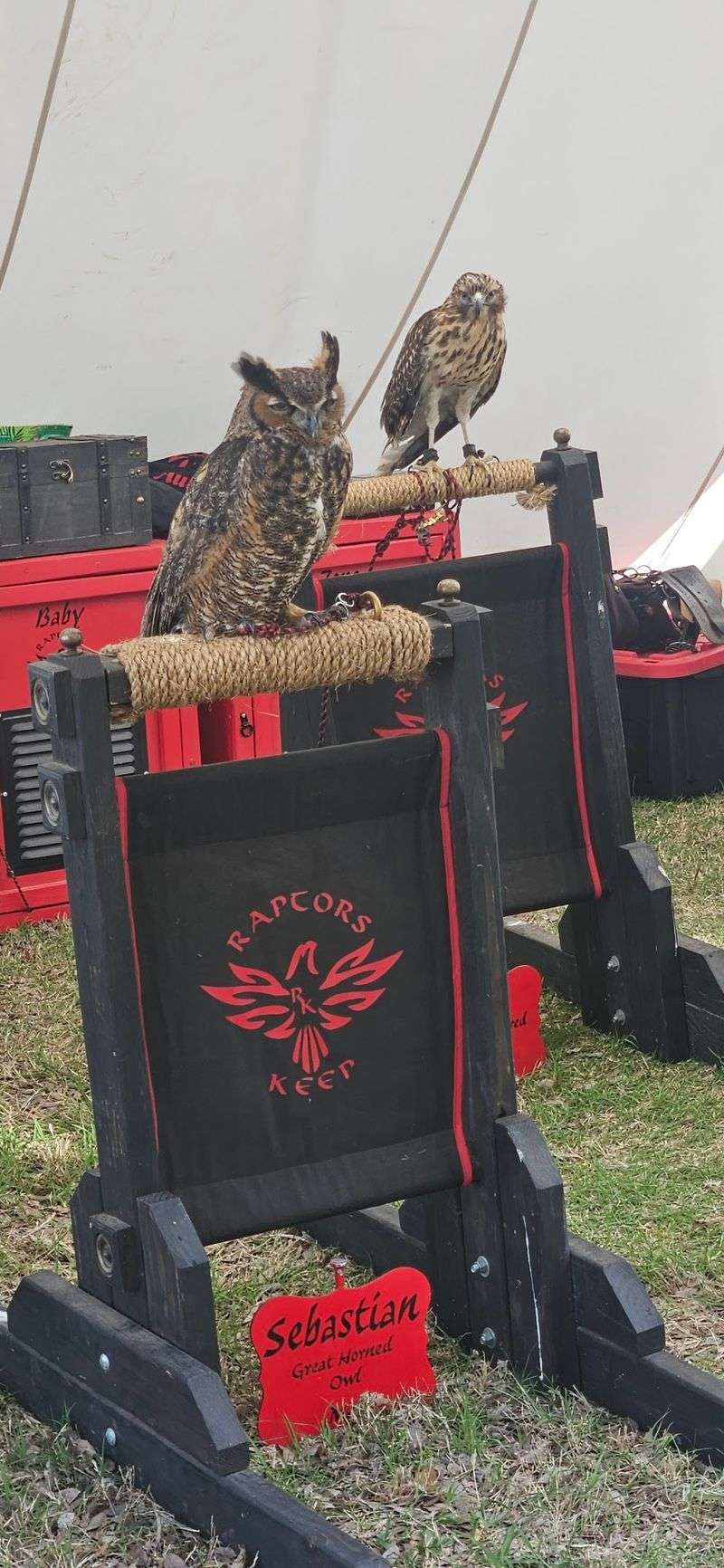
Norman, Oklahoma is best known as a college town, home to the University of Oklahoma and a lively arts scene. But every spring, a stretch of beautifully maintained public parkland transforms into something that feels ripped straight from a history book.
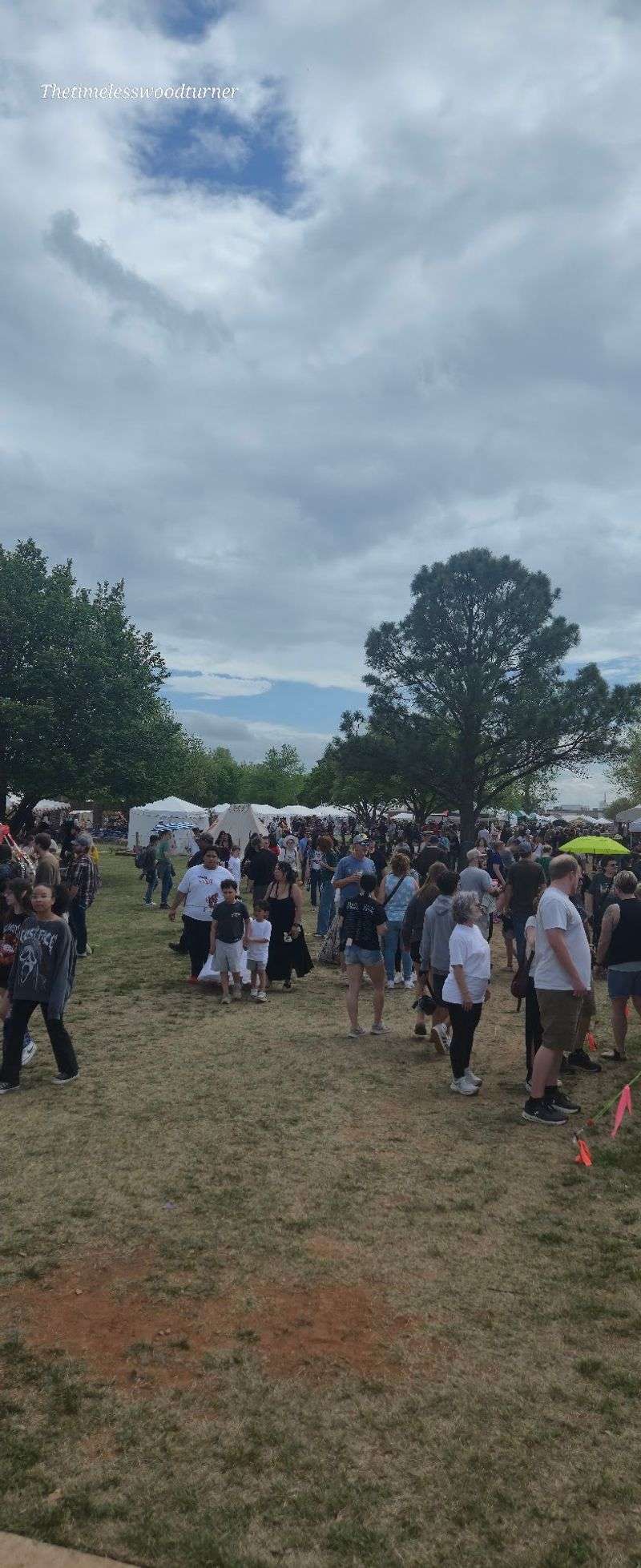
The Medieval Fair of Norman takes over Andrews Park and turns it into a sprawling open-air celebration of all things medieval.
The fair has grown considerably over the years, drawing visitors from across Oklahoma and well beyond state lines. What began as a modest community event has expanded into one of the most well-attended outdoor festivals in the region.
Visitors mention that the growth has been impressive, with each new year bringing more vendors, more entertainment, and more reasons to return.
Andrews Park provides the perfect backdrop, with mature trees offering shade and wide open lawns giving the event room to breathe. The grounds feel genuinely cultivated rather than thrown together.
For a weekend, this corner of Norman stops being a city park and becomes a living, breathing portal to another era entirely.
A Thousand Years of History Compressed Into One Weekend
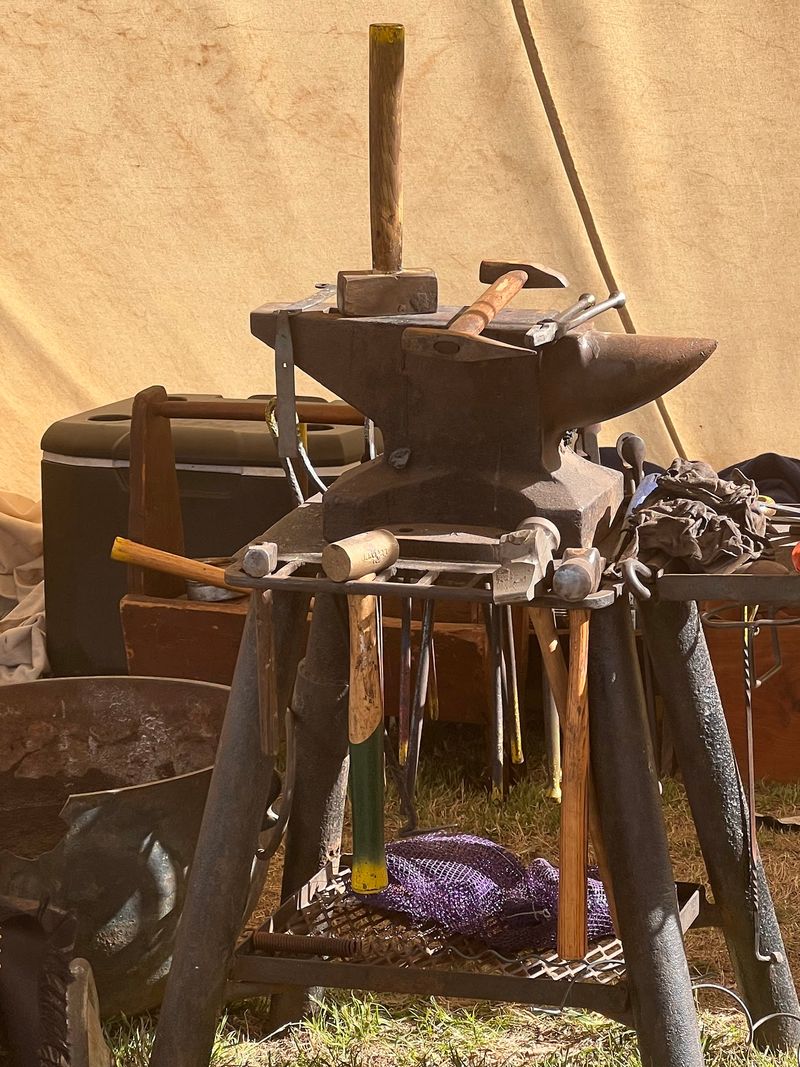
Few events in Oklahoma pack this much history, theater, and hands-on education into a single weekend. The Medieval Fair of Norman is built around the spirit of the Middle Ages, bringing together performers, artisans, and enthusiasts who take the era seriously.
Decades of festival experience have shaped it into something surprisingly well-rounded and thoughtfully organized.
One longtime participant noted that the entertainment program is robust and genuinely balanced, with young amateur performers sharing the stage alongside seasoned professionals. That mix gives the fair an energy you rarely find at polished, corporate-style events.
There is something refreshing about watching a teenager nervously perform a juggling act right before a professional fire spinner takes the same stage.
The medieval theme runs deep. Visitors are not just spectators here.
Many arrive in full costume, adding to the immersive atmosphere in a way that blurs the line between performer and audience. Whether you know your Norman Conquest from your Byzantine Empire or you simply like dressing up, the fair makes room for everyone who wants to step back in time for a couple of days.
The Jousting Ring Where Chivalry Still Lives
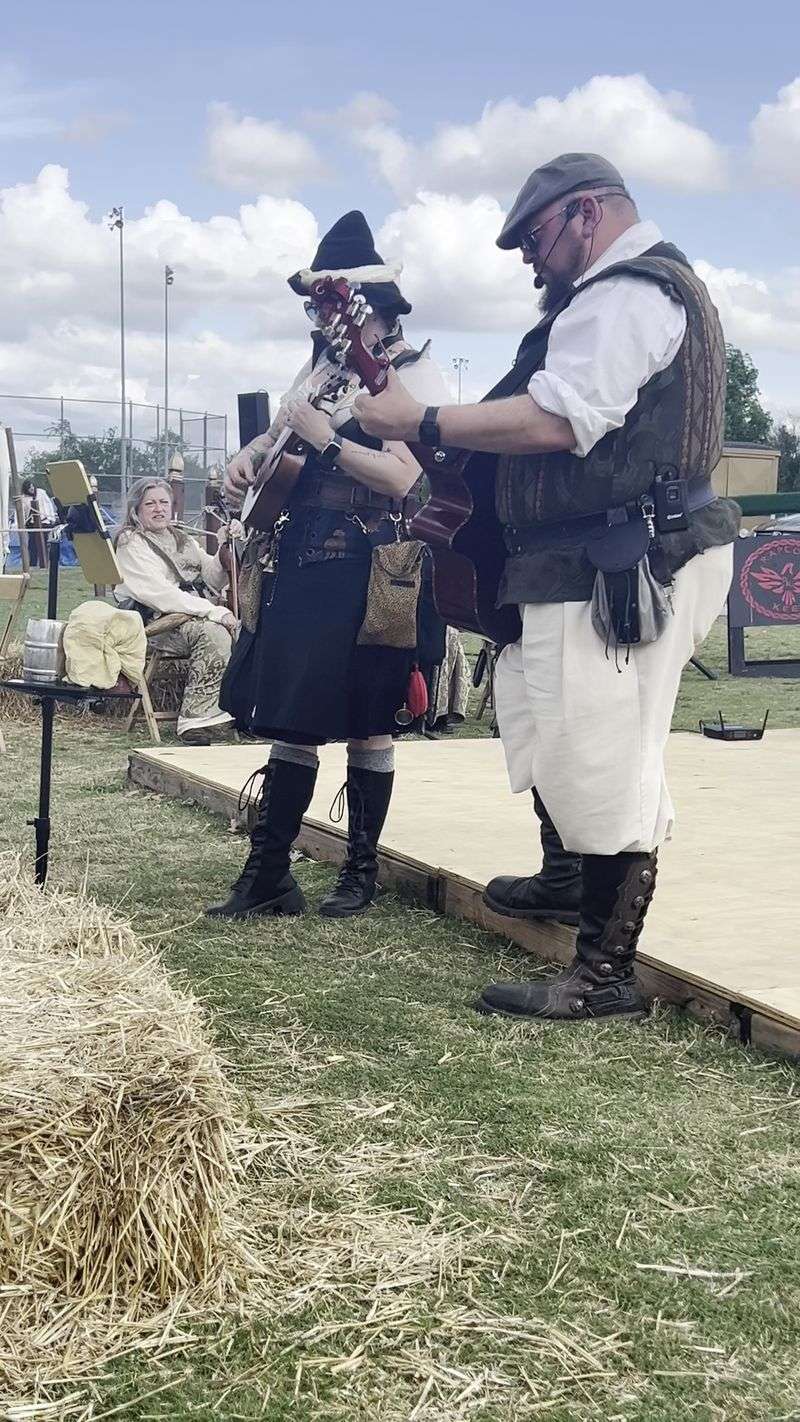
Nothing signals that you have arrived somewhere truly special quite like watching two armored riders charge at each other on horseback. The jousting show at the Medieval Fair of Norman is one of the event’s most crowd-pleasing highlights, drawing spectators of all ages to the arena for a display of horsemanship and theatrical flair.
Visitors consistently single it out as a must-watch moment of the weekend.
The performance blends athleticism with storytelling, giving the audience a reason to cheer for one side over the other. Kids especially get swept up in the drama, and parents find themselves just as invested.
The combination of real horses, real armor, and skillful riders creates a spectacle that photographs and video simply cannot fully capture.
Seating fills quickly around the jousting arena, so arriving a few minutes early pays off. The energy in the crowd builds steadily as the riders make their entrance, and by the time the first pass is made, the noise level is genuinely impressive.
For many families, the jousting show becomes the defining memory of their entire visit, the moment the fair stops feeling like an event and starts feeling like an adventure.
Camel Rides and Creatures That Steal the Show
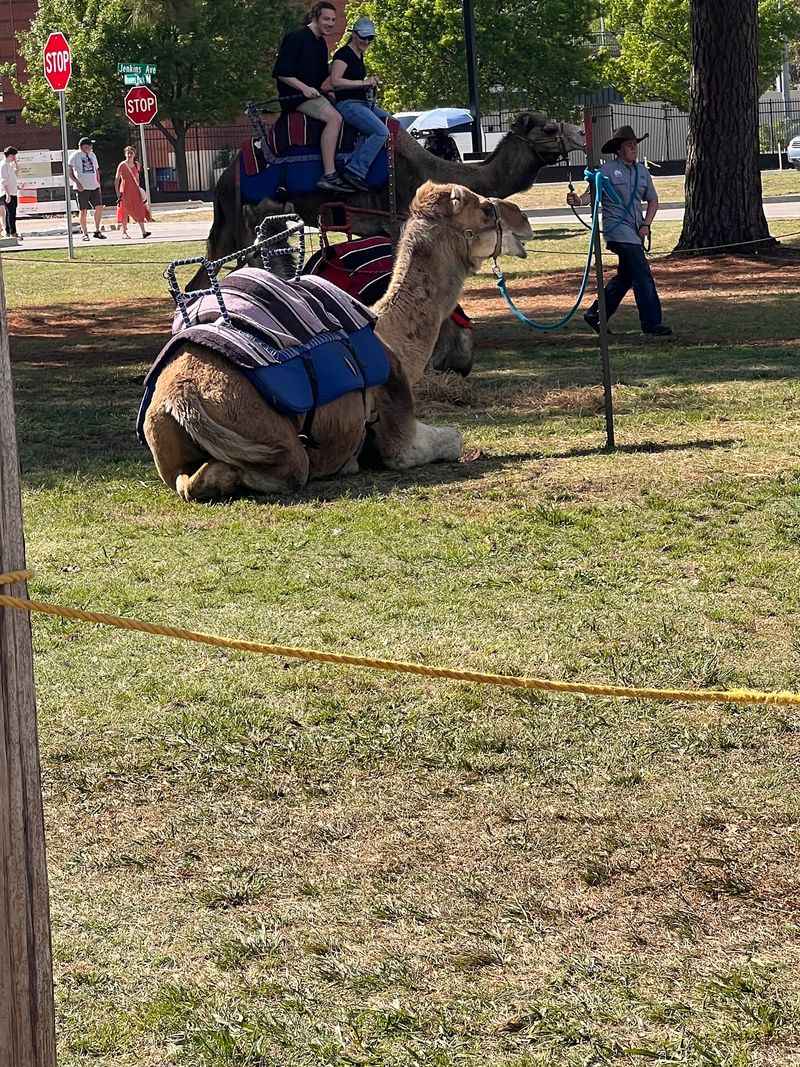
Camel rides at a medieval fair might sound like an odd addition, but once you see the line of excited kids waiting for their turn, the logic clicks immediately. The Medieval Fair of Norman offers camel rides as part of its lineup of interactive experiences, and they tend to be one of the most talked-about moments for families.
Camels did travel the medieval trade routes, after all, so the historical angle holds up surprisingly well.
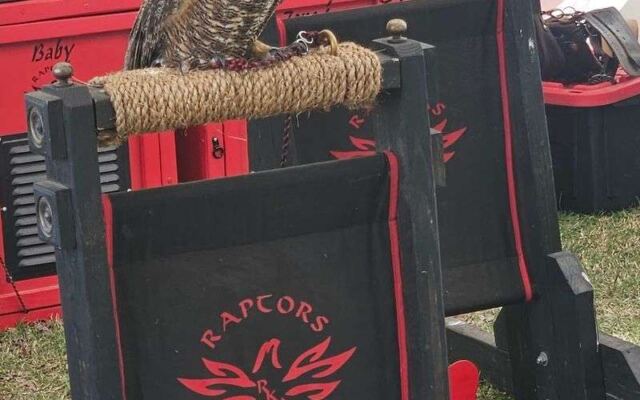
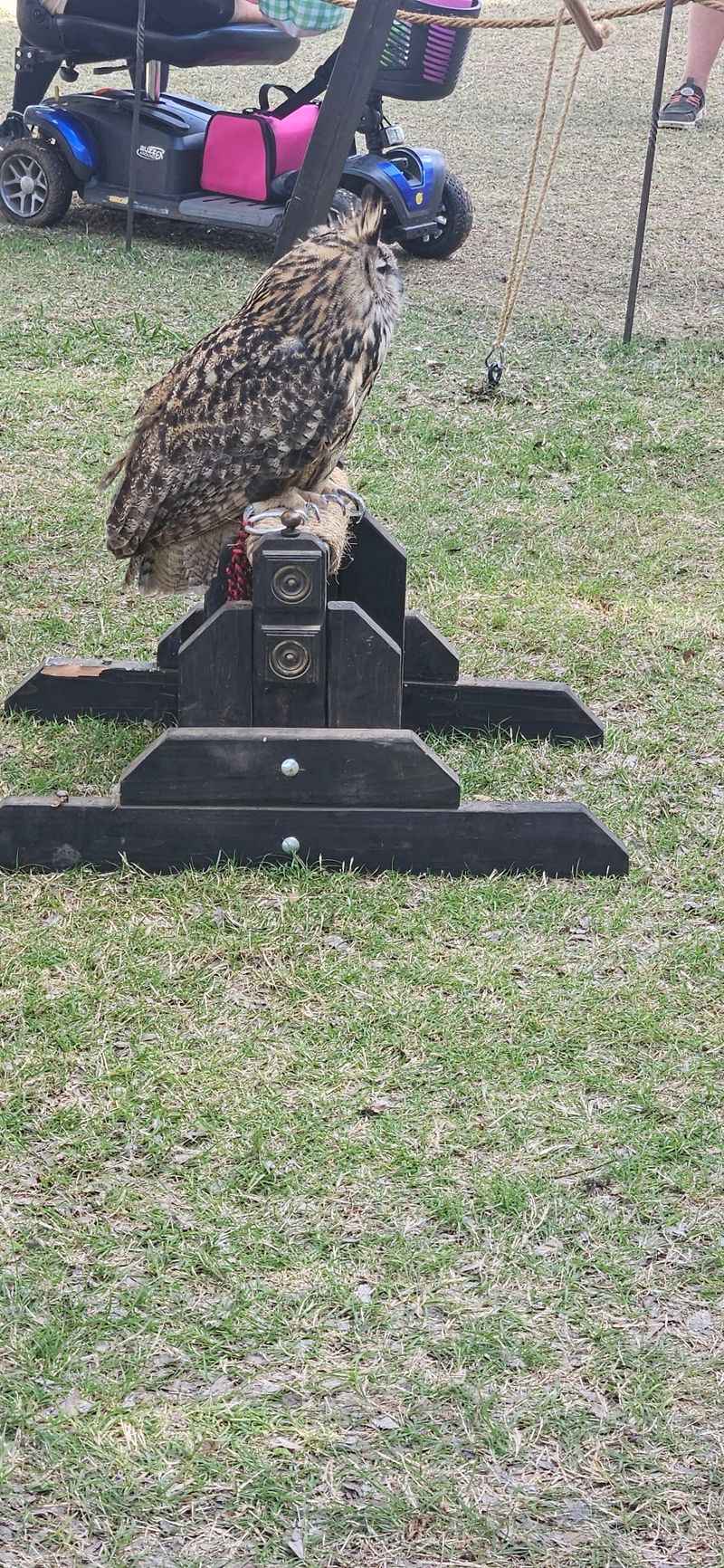
Beyond the camels, the fair has a reputation for unexpected animal encounters. Visitors have noted that some attendees bring large pet snakes, which adds an unpredictable and occasionally startling element to the crowd experience.
If reptiles are not your thing, it is worth knowing that this is a possibility, though the vast majority of animal interactions at the fair are of the planned and family-friendly variety.
For younger visitors especially, the chance to get close to animals they have never seen up close before makes a lasting impression. Parents appreciate that the fair offers hands-on, memorable experiences rather than just things to look at from a distance.
The camel ride alone tends to generate more enthusiasm than most conventional theme park attractions, and at a fraction of the cost.
Blacksmith Demonstrations Straight from the Forge
Watching a blacksmith work is one of those experiences that pulls you in even if you had no intention of stopping. The rhythmic clang of hammer on hot metal, the glow of the forge, and the way raw iron slowly takes shape under skilled hands create a kind of hypnotic spectacle that feels ancient and impressive all at once.
Blacksmithing demonstrations are a well-represented fixture at the Medieval Fair of Norman.
Smithing has deep roots in medieval culture, and the craftspeople who demonstrate at this fair bring genuine skill to the anvil. Visitors mention the demonstrations as a standout feature, noting that the artisans are approachable and willing to explain their craft as they work.
Watching a finished piece emerge from raw stock in real time gives you a new appreciation for how much labor went into everyday medieval objects.
The fair reportedly does an excellent job of representing true artisans rather than filling vendor spaces with mass-produced goods. Smithing is one area where that commitment really shows.
Whether you walk away with a handmade piece as a souvenir or simply watch the process unfold, the forge is one corner of the fair that rewards a long, unhurried visit more than almost anywhere else on the grounds.
Food That Belongs in a Feast Hall
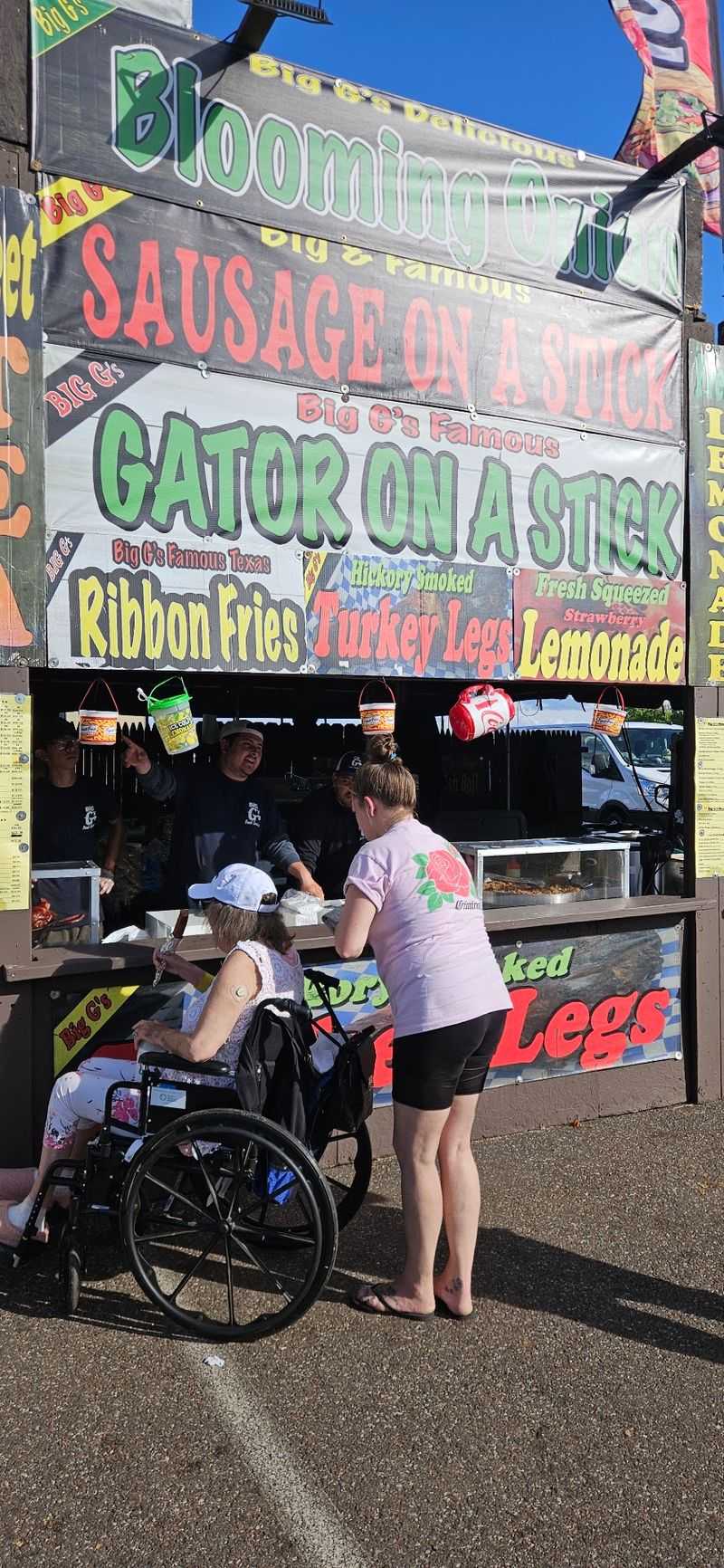
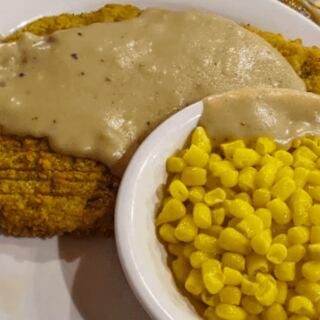
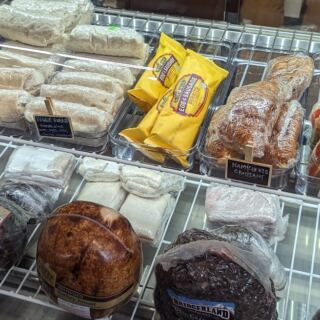
Turkey legs the size of a small club, deep-fried alligator on a stick, and old-fashioned root beer made by hand on-site. The food offerings at the Medieval Fair of Norman go well beyond standard festival fare, leaning into the spirit of the event in ways that feel genuinely fun rather than gimmicky.
Visitors frequently mention the turkey legs as a crowd favorite, and the novelty bites like the alligator skewer tend to generate a lot of first-timer enthusiasm.
The homemade root beer deserves special attention. Crafted in the old-fashioned style, it is the kind of drink that makes you slow down and actually taste what you are consuming.
Paired with a smoked turkey leg eaten while wandering past costumed performers, it becomes less of a snack and more of a full sensory experience.
One experienced festival participant noted that the food and beverage offerings here are genuinely superior compared to typical outdoor events of this type. The balance between novelty items and satisfying staples means there is something for picky eaters and adventurous ones alike.
Whether you come hungry or just find yourself worked up an appetite after a few hours of exploring, the fair’s food scene is more than capable of delivering a memorable meal.
Vendors, Wares, and the Art of Handmade Shopping
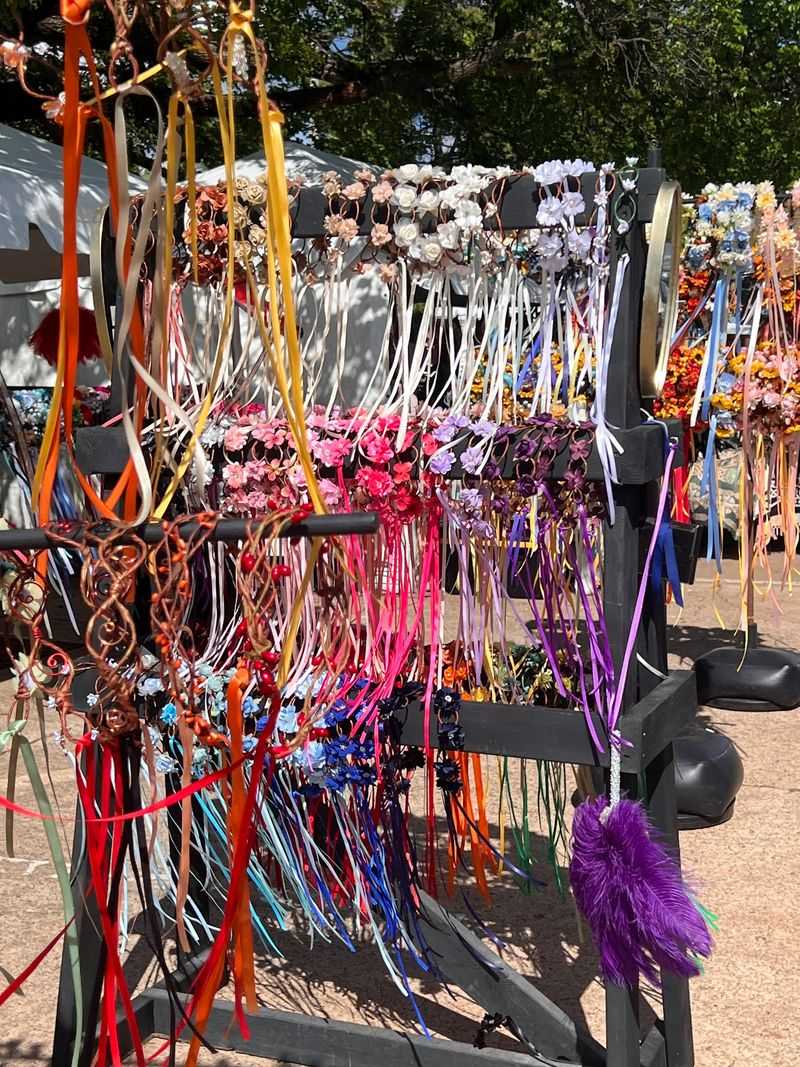
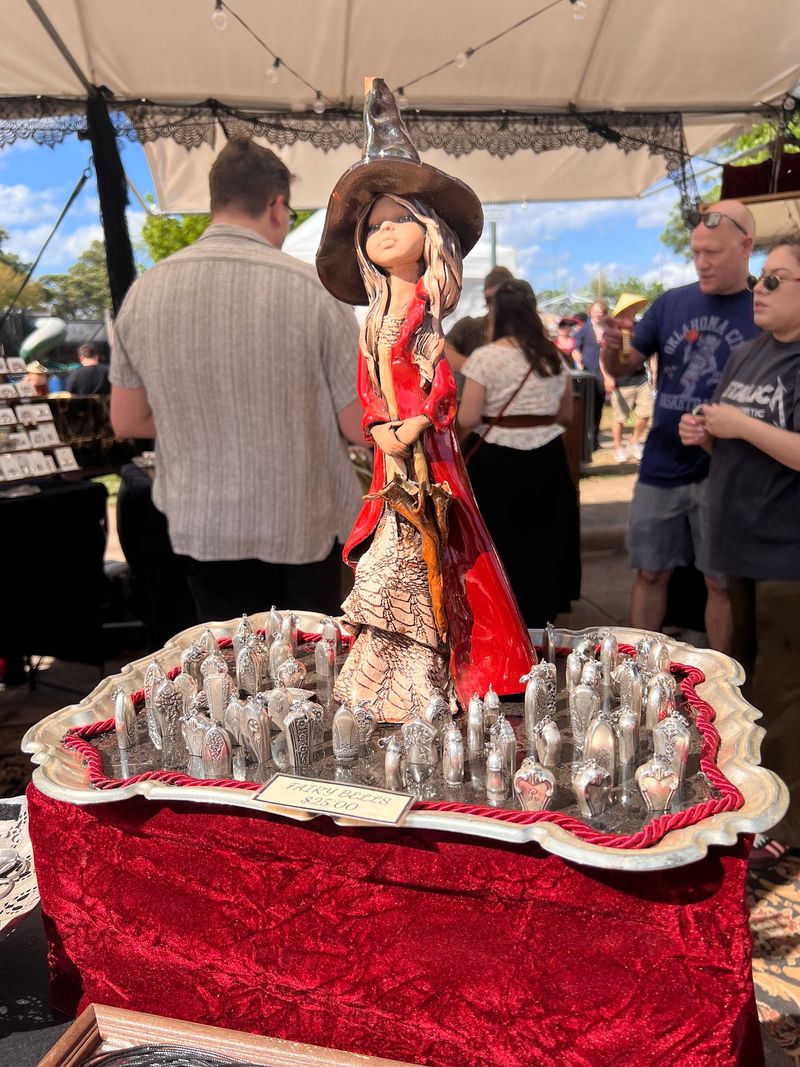
Shopping at the Medieval Fair of Norman is a genuinely different experience from wandering through a standard craft market. The vendor mix skews heavily toward handmade and themed merchandise, with a healthy number of true artisans mixed in among the more commercial stalls.
Leather goods, handcrafted jewelry, period-style clothing, and decorative prop pieces line the pathways in a way that makes browsing feel like exploring rather than shopping.
Visitors often comment on the range of price points available. Affordable souvenir items sit alongside higher-end handcrafted pieces, which means the fair is accessible whether you are working with a tight budget or looking to invest in something truly special.
The mix of low-priced themed merchandise and quality artisan goods is one of the things that makes the event feel genuinely curated rather than thrown together.
The prop and costume booths deserve a mention of their own. Medieval-style clothing, accessories, and decorative pieces are available for purchase throughout the grounds, and plenty of visitors use them as an excuse to suit up mid-fair.
Watching someone try on a flowing cape or a leather bracer and then simply decide to wear it for the rest of the day is one of the small, joyful moments that captures exactly what makes this fair so hard to leave.
Costumes, Characters, and the Living Atmosphere
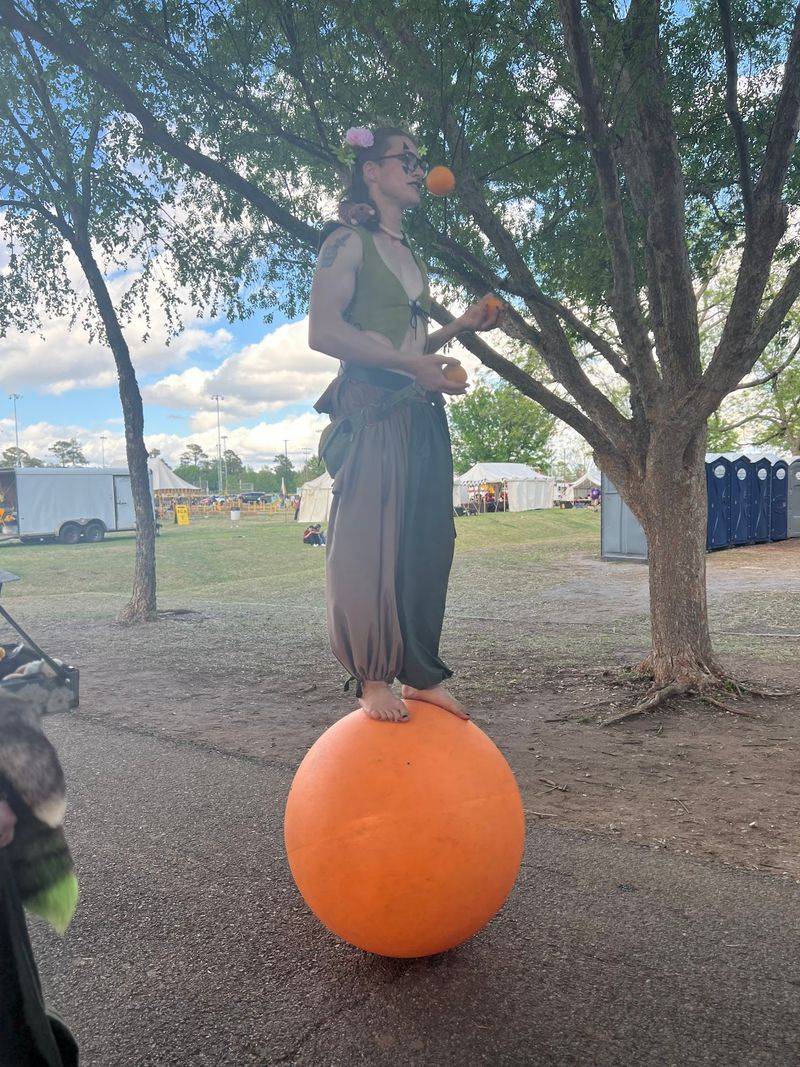
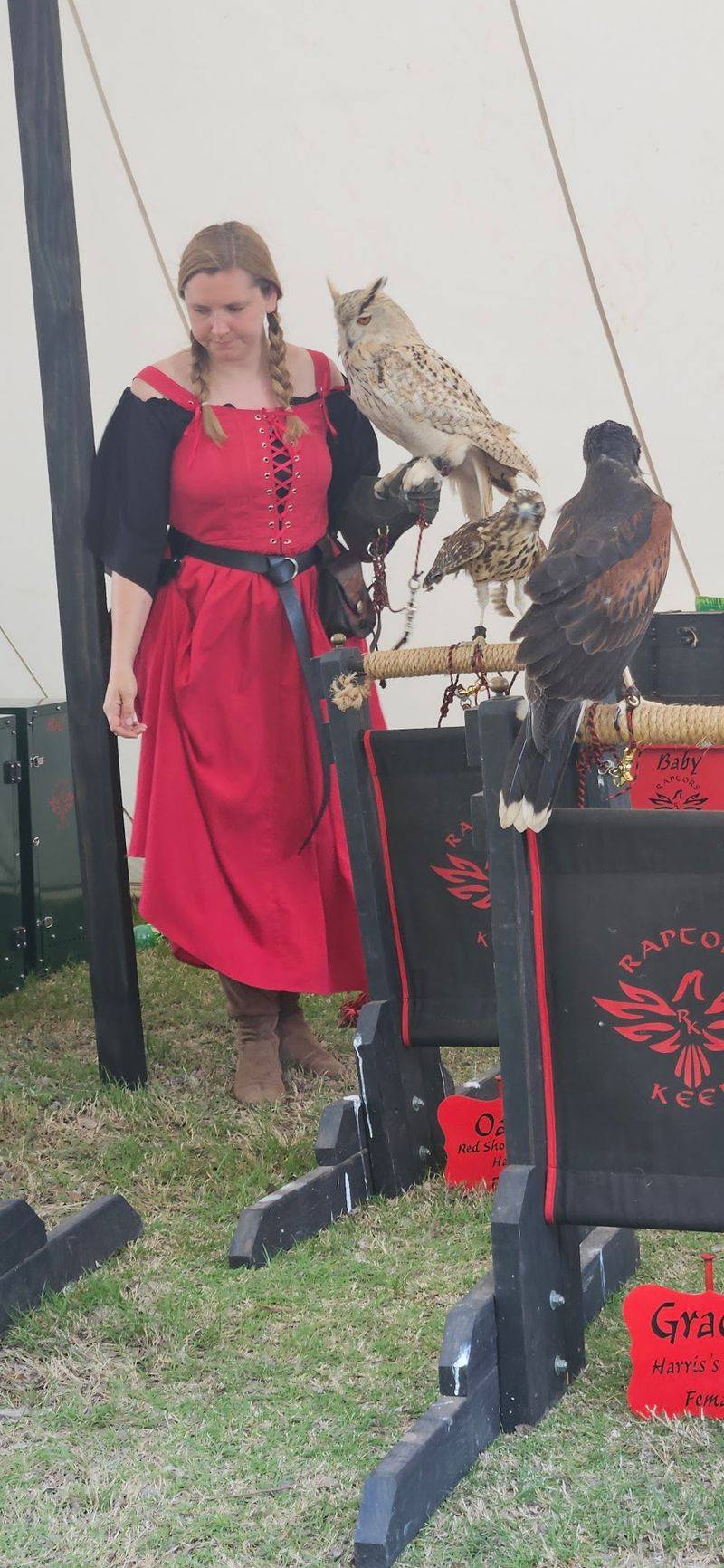
Half the entertainment at the Medieval Fair of Norman is simply watching the crowd. Costumed attendees are a cornerstone of the experience, with people arriving in everything from carefully researched historical recreations to full fantasy character builds.
The result is a visual feast that shifts and changes throughout the day as new arrivals add their own flavor to the mix.
Visitors consistently describe the atmosphere as one of the fair’s greatest strengths. The energy is warm, inclusive, and enthusiastic in a way that feels organic rather than manufactured.
People are approachable and happy to talk about their costumes, their characters, or simply their love for the event. Regulars mention that the sense of community here is part of what brings them back year after year.
The costumed performers and attendees together create a living tableau that makes photography almost unavoidable. Around every corner there is a knight in conversation with a fairy, or a wizard haggling over a leather pouch, or a group of children wide-eyed at a performer in elaborate armor.
That layered, spontaneous quality is what separates this fair from a simple outdoor market and makes it feel, genuinely and repeatedly, like stepping through a time portal.
Entertainment Program Built for Every Kind of Visitor
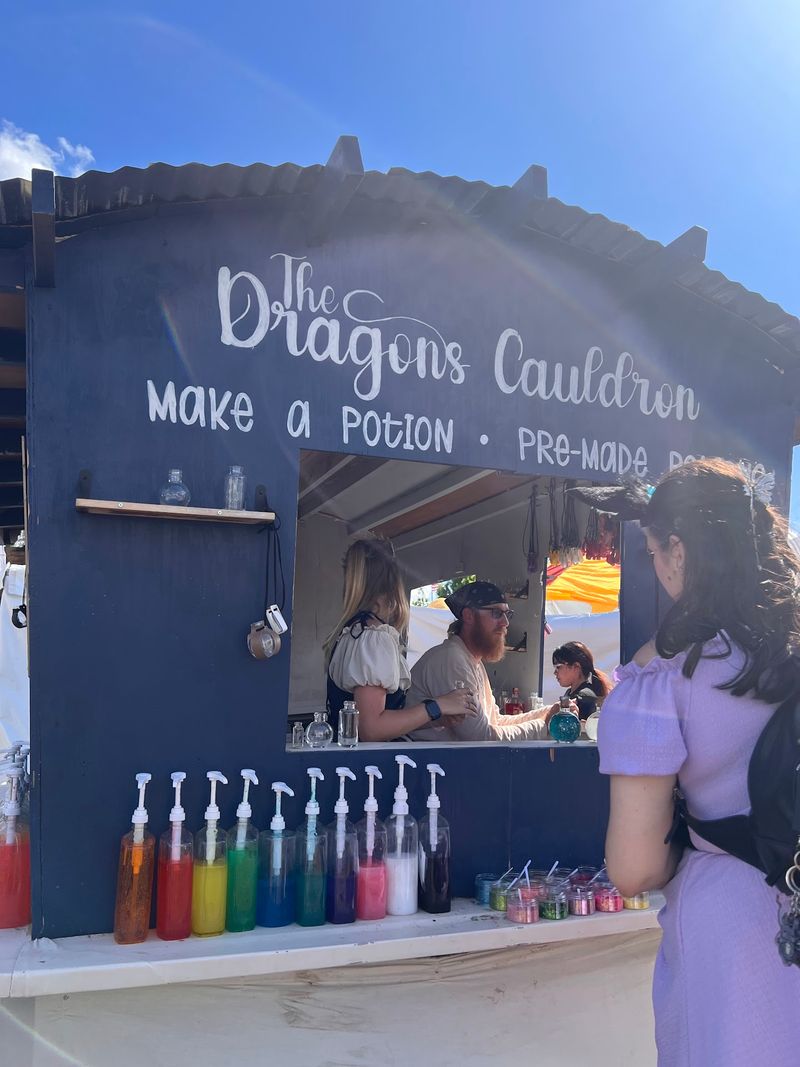
Beyond jousting and blacksmithing, the entertainment program at the Medieval Fair of Norman covers a surprisingly broad range of acts and activities. Young performers share stages with seasoned professionals, creating a lineup that feels layered and alive rather than predictable.
One participant with decades of festival experience described the program as robust and well-rounded, which is high praise from someone who has seen a lot of outdoor events.
Activities for children are woven throughout the fair rather than cordoned off in a single corner, which means families can enjoy the full experience without splitting up. From watching demonstrations to participating in hands-on crafts, younger visitors have plenty to keep them engaged between the bigger ticketed moments.
Parents appreciate that the fair never feels like it is catering to one age group at the expense of another.
Henna art is another popular offering that pops up at multiple vendor spots across the grounds. Watching the intricate designs take shape on skin is mesmerizing in its own right, and the results make for a wearable souvenir that lasts well past the weekend.
Whether you come for the big performances or the quieter, smaller moments scattered across the grounds, the entertainment program has enough variety to fill a full day without any sense of repetition.
A Family Tradition Passed Down Through Generations
Some events are one-time experiences. The Medieval Fair of Norman is the other kind.
Visitors frequently mention that they attended as children and are now bringing their own kids, creating a generational loop that speaks to how consistently the fair delivers a good time. That kind of multi-decade loyalty is rare and says something meaningful about what the organizers have built here.
Families with children of all ages find things to enjoy, from the spectacle of the jousting arena to the quieter pleasure of browsing handmade goods together. The fair has grown significantly in recent years, with each edition bringing expanded offerings and a larger footprint.
Long-time attendees note that the growth feels positive rather than overwhelming, with the essential spirit of the event staying intact even as the scale increases.
For parents looking for an outing that is genuinely memorable rather than merely convenient, this fair hits a rare sweet spot. It is educational without feeling like homework, entertaining without being overstimulating, and affordable enough to make returning next year an easy decision.
The fact that so many families treat it as an annual ritual rather than a one-off adventure is perhaps the most honest review the event could receive.
Practical Notes for Planning Your Visit
Planning a trip to the Medieval Fair of Norman is straightforward, but a few practical details are worth knowing before you go. The fair takes place annually in the spring at Andrews Park in Norman, Oklahoma, typically running over a full weekend.
Parking is described by visitors as cheap and plentiful, which is a genuinely welcome detail for an event that draws large crowds.
The fair is a tent festival set on beautifully cultivated public park grounds, so comfortable footwear is a smart choice. The grounds are open and walkable, but you will be on your feet for most of the day.
Bringing a small bag for purchases is also useful, especially if you plan to browse the vendor stalls seriously.
Hand-washing stations are available on-site, which visitors have specifically called out as a thoughtful and appreciated amenity. The event draws large crowds, particularly on Saturday afternoons, so arriving earlier in the day tends to mean shorter lines and more elbow room at popular demonstrations.
Admission details and exact dates are best confirmed through official event channels before you make the trip, as specifics can shift from year to year. Overall, the logistics are well-managed and the experience is considered well worth the drive by those who have made the journey from across the state.
Why This Fair Earns Its Place on the Oklahoma Must-Visit List
Oklahoma has no shortage of festivals and outdoor events, but the Medieval Fair of Norman occupies a category mostly by itself. The combination of genuine artisans, skilled performers, immersive costuming, and family-friendly activities creates an experience that is harder to replicate than it might look.
Year after year, visitors leave talking about it in a way that suggests the fair consistently exceeds expectations rather than simply meeting them.
The event is accessible across a wide range of budgets, with affordable entry-level merchandise sitting alongside higher-end handcrafted pieces and ticketed rides. Whether you spend twenty dollars or two hundred, the experience itself is the same for everyone: a couple of days where modern life recedes and something older and more theatrical takes its place.
That democratic quality is part of what makes it so broadly beloved.
For anyone who has written off medieval fairs as a niche interest or a novelty with limited appeal, Norman’s version tends to be the event that changes that assumption. Visitors who came skeptical leave converted, and those who came as believers leave with their faith reinforced.
Showing up once is usually all it takes to understand why so many Oklahomans have circled this weekend on their calendar every spring for as long as they can remember.
Share this story