Oklahoma has a way of hiding its most remarkable stories behind quiet roads and overgrown fields. Somewhere in Okfuskee County, a town that once pulsed with community life now sits nearly forgotten, its population barely a handful of souls and its old bones scattered across the landscape.
Few people passing through realize they are standing inside a piece of history that shaped an entire era of Black American resilience. Once you learn what happened here, you will never look at an empty Oklahoma field the same way again.
Where Clearview Sits on the Oklahoma Map
Tucked into the rolling plains of Okfuskee County, Clearview occupies a quiet stretch of central Oklahoma that most GPS systems barely acknowledge. The coordinates place it at roughly 35.39 degrees north latitude, a spot that feels genuinely off the beaten path even by Oklahoma standards.
Getting there requires patience, a decent map, and a willingness to follow roads that thin out quickly.
The town sits along the Oklahoma 74859 corridor, surrounded by the kind of landscape that makes you feel like time has slowed considerably. Wide skies press down on low land, and the horizon stretches in every direction without interruption.
There are no big highway signs announcing its presence, no billboards, and no roadside diners waving you in.
What you find instead is a settlement so small it registered only 41 residents in the 2020 Census. That number alone tells a story of dramatic decline from what was once a thriving, self-sufficient community.
Clearview is the kind of place that rewards curious travelers who seek it out deliberately, rather than stumble across it accidentally on a road trip.
The Freedmen’s Town Origin Story
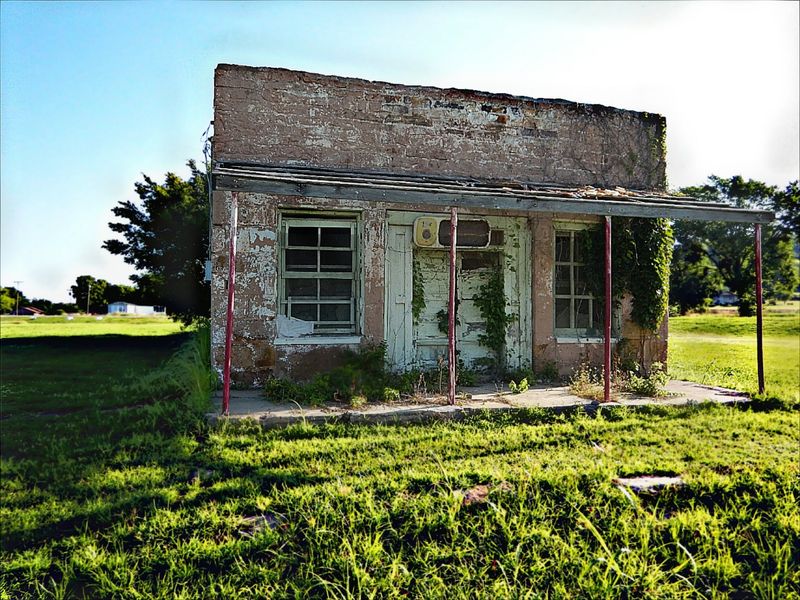
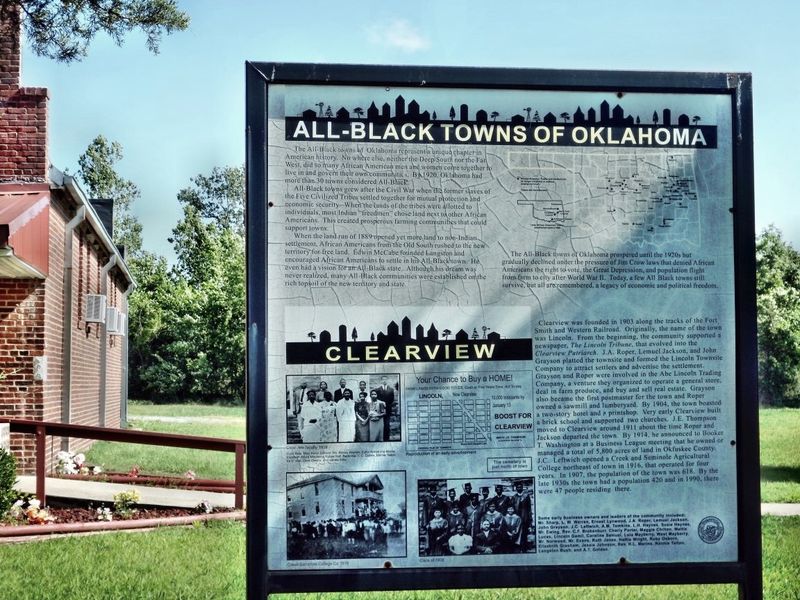
Few founding stories in Oklahoma carry as much weight as the one behind Clearview. Originally platted by the Lincoln Townsite Company, the settlement was first designated as Lincoln before the name Clearview took hold.
From the very beginning, it was established as an all-Black freedmen’s town, a deliberate and courageous act of community-building during one of the most turbulent periods in American history.
Freedmen’s towns like Clearview emerged across Oklahoma Territory following the Civil War, when formerly enslaved people and their descendants sought to build autonomous lives outside the reach of systemic exclusion. These communities were not accidents of geography.
They were intentional blueprints for self-determination, built by people who understood that owning land and governing themselves was the foundation of lasting freedom.
Clearview stood proudly among Oklahoma’s constellation of all-Black towns, a network of communities that once made the state home to more such settlements than anywhere else in the country. Residents built churches, schools, and businesses.
They created something real and lasting out of raw prairie. Understanding that founding ambition makes the town’s current near-silence feel all the more striking to anyone who visits today.
The Lincoln Townsite Company and the Naming of a Dream
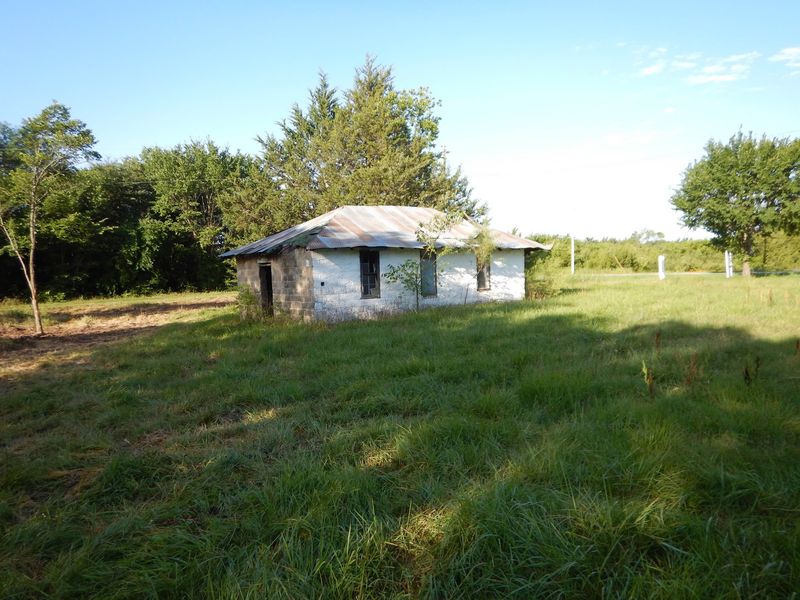
Behind every town is a founding document, and behind Clearview was the Lincoln Townsite Company. The company platted the land with intention, choosing the name Lincoln as a nod toward the broader promise of emancipation and opportunity that shaped the era.
The name carried enormous symbolic weight for the community being built there, connecting everyday settlers to a national narrative of progress.
Eventually the town became known as Clearview, a name that suggests openness and forward vision, qualities the founders clearly hoped to cultivate. Naming a town is an act of hope, and whoever chose Clearview was signaling something about what they believed the community could become.
Clear sight, clear purpose, clear future.
The mechanics of platting a town in Oklahoma Territory required legal filings, surveyed lots, and organized street plans. The Lincoln Townsite Company handled those details, laying out a grid that would give residents a framework for growth.
Businesses, homes, and civic buildings followed those lines. Studying the founding process reveals how seriously the organizers took their work and how much they believed in the permanence of what they were creating.
That belief makes the town’s eventual fading feel especially poignant to those who know the backstory.
Oklahoma’s Network of All-Black Towns
Clearview did not exist in isolation. At its peak, Oklahoma was home to dozens of all-Black towns, making it unique in the entire country.
Communities like Boley, Langston, Rentiesville, and Taft rose alongside Clearview, each one a separate experiment in self-governance and collective ambition. Together they formed a remarkable web of Black civic life across the Oklahoma plains.
Langston even became home to a historically Black university that still operates today. Boley grew large enough to attract national attention, with visitors and journalists marveling at what its residents had built.
Clearview contributed to this broader story, adding another node to the network of communities proving that freedom and prosperity were achievable on their own terms.
That statewide context matters when you visit Clearview now. Standing in a near-empty town, it helps to remember that this was never an isolated anomaly.
It was part of something much larger, a coordinated and community-driven effort that represented one of the most extraordinary chapters in Oklahoma history. The ruins and remnants left behind are not just local curiosities.
They are physical evidence of a statewide movement that deserves far more recognition than it typically receives from passing travelers.
How a Thriving Community Faded Almost Overnight
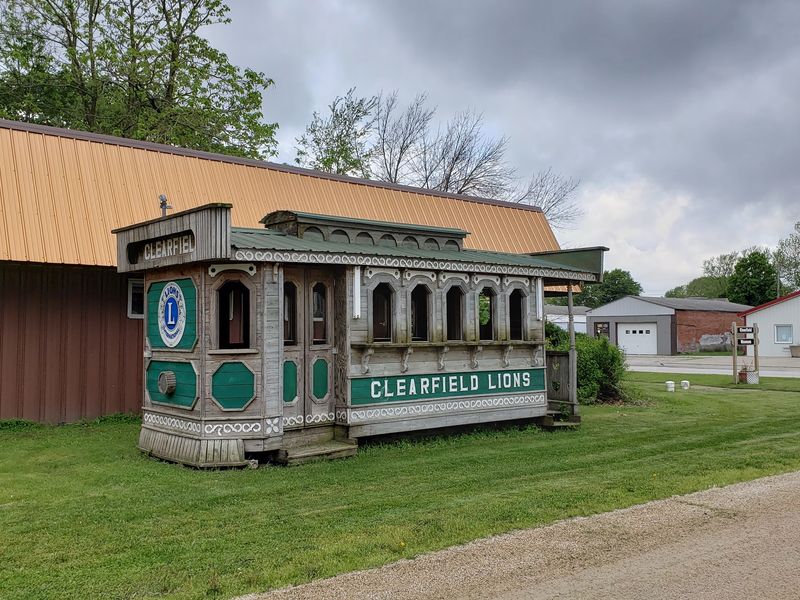
Population numbers tell a story that words sometimes struggle to capture. Clearview once supported a full commercial district, churches, schools, and hundreds of residents who built their lives there across generations.
The 2020 Census counted just 41 people. That collapse did not happen randomly or without cause, and understanding the forces behind it reveals much about the broader pressures that dismantled Black towns across Oklahoma.
Economic isolation played a significant role. As larger towns absorbed regional commerce and highways bypassed smaller communities, the economic logic that had sustained Clearview began to erode.
Younger residents left for cities offering better employment, education, and infrastructure. Businesses that once lined the main street closed one by one as the customer base thinned.
Historians also point to systemic factors that made it harder for Black towns to access the resources and investment that comparable white communities received. Roads, utilities, and government services were not always extended equitably.
Over decades, these compounding disadvantages created conditions that even the most determined community could not fully overcome. What happened to Clearview was not inevitable.
It was the outcome of specific decisions and policies, which is exactly why its ruins carry such a heavy and instructive silence for anyone willing to listen.
What the Ruins Actually Look Like Today
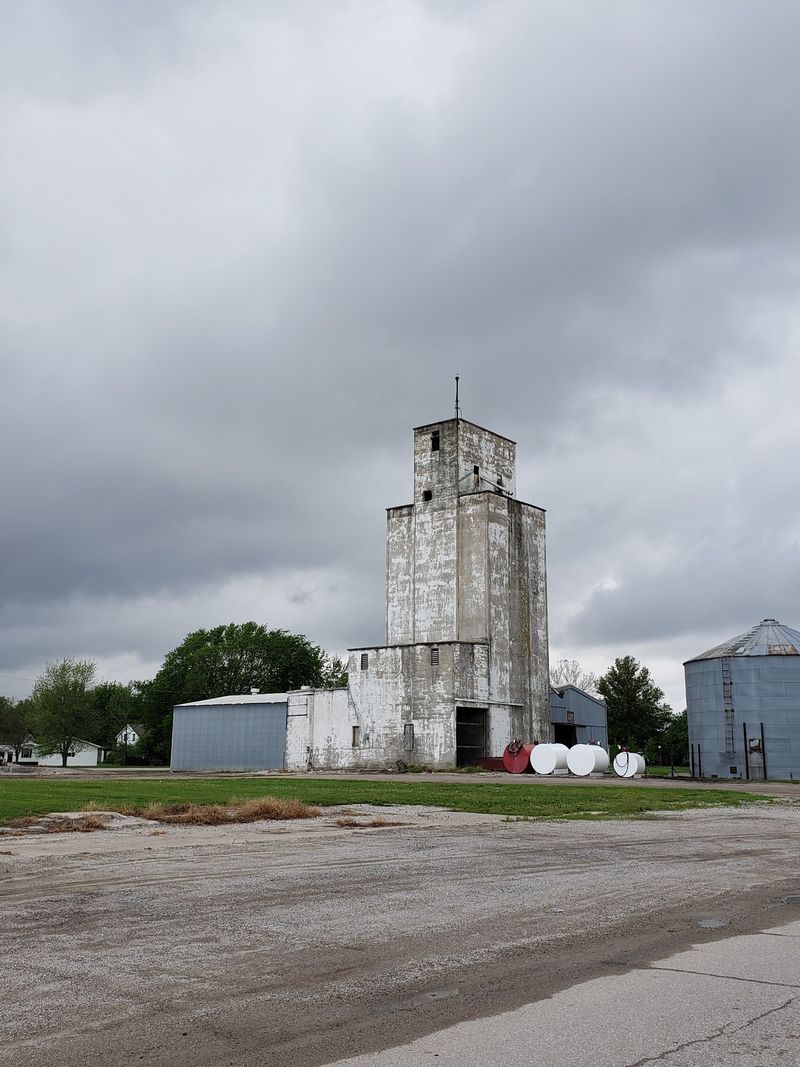
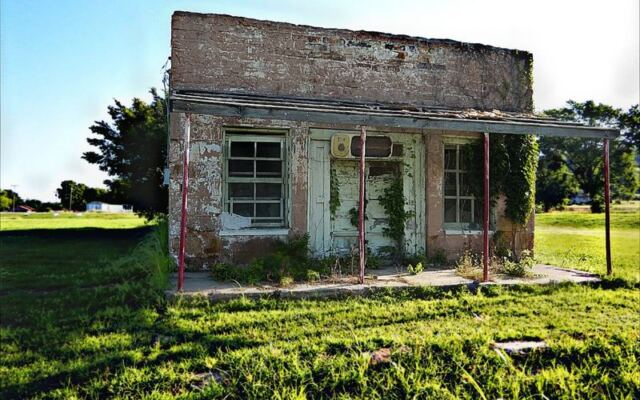
Arriving in Clearview today, the landscape greets you with quiet rather than drama. There are no towering ruins or cinematic crumbling facades waiting for a photograph.
Instead, the remnants reveal themselves gradually, the way most honest things do. Old foundations peek through grass that has reclaimed the ground.
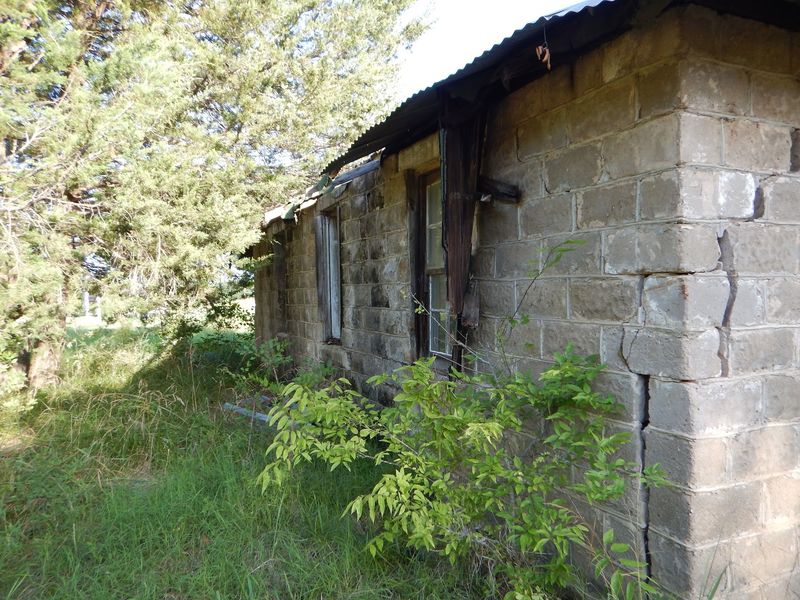
Building husks stand at odd angles, their original purposes now mostly guesswork.
Weathered wood and aged brick mark spots where businesses and homes once operated. The geometry of old lots is still readable if you look carefully, the spacing between structures hinting at streets and sidewalks that once carried daily foot traffic.
A church or two may still stand in varying states of preservation, their presence a reminder of how central faith was to the community’s social fabric.
Walking through the area requires a certain kind of attention. Nothing announces itself loudly.
The ruins are modest, human-scaled, and deeply personal in a way that grand historical sites sometimes are not. You are not looking at monuments built for posterity.
You are looking at the leftover evidence of ordinary people living extraordinary lives under difficult circumstances. That intimacy is what makes Clearview’s remains feel different from a typical ghost town, and why visitors who find it often describe the experience as quietly moving.
The Quiet Landscape Surrounding the Town
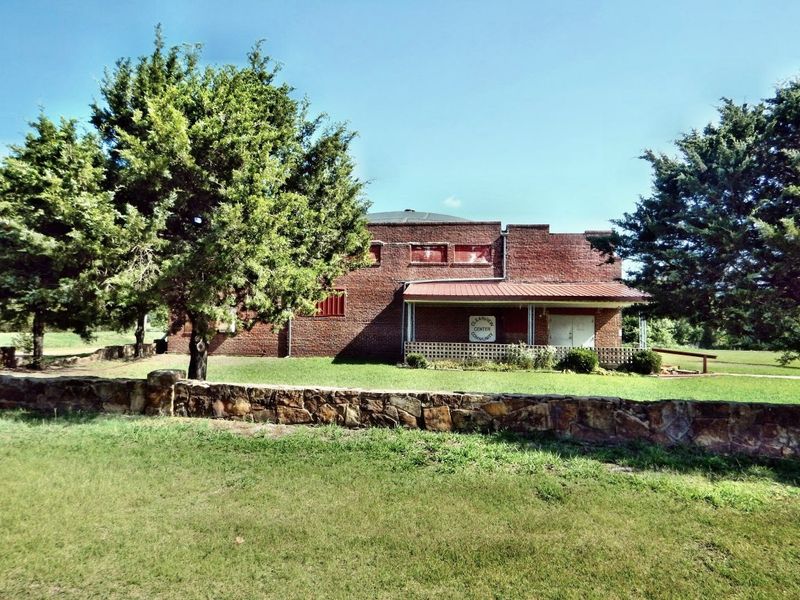
Central Oklahoma’s terrain has its own understated beauty, and the land around Clearview is a good example of what makes this part of the state worth exploring. Flat to gently rolling fields spread outward in every direction, punctuated by scattered tree lines that mark old creek beds and property boundaries.
The sky above is enormous, the kind that makes you feel both small and strangely at ease.
Seasonal changes shape the experience significantly. Spring brings green grass and wildflowers that soften the abandoned landscape considerably.
Summer turns everything golden and dry, giving the ruins a sun-bleached quality that feels almost cinematic. Fall is arguably the best time to visit, when cooler air and changing foliage create an atmosphere that pairs naturally with the town’s reflective history.
Winter strips the vegetation back, revealing structural details that warmer months hide beneath overgrowth.
The surrounding countryside also offers the kind of stillness that is increasingly rare. No highway noise intrudes, no commercial development crowds the view.
Birds move through the brush, and the wind works steadily across open ground. For visitors accustomed to louder, busier destinations, the sensory simplicity of the Clearview landscape can feel genuinely restorative, even as the historical weight of the place settles in around them.
Stories the Local Lore Carries Forward
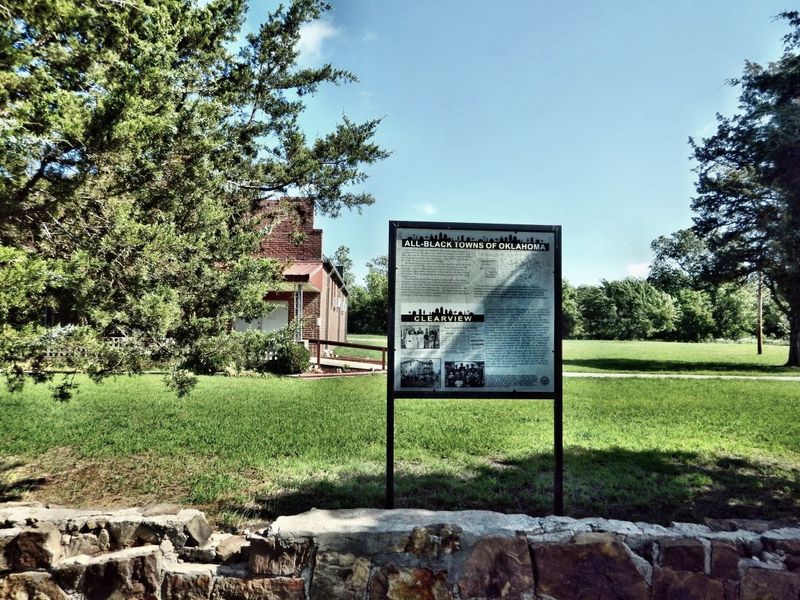
Every place that has lived through significant history carries informal stories alongside its documented record. Clearview is no exception, and the accounts passed down through families with roots there paint a picture of community life that official records only partially capture.
Older residents and descendants describe a town that was genuinely alive, with social gatherings, local celebrations, and a shared sense of purpose that bound neighbors together.
Local lore around Oklahoma’s freedmen’s towns sometimes includes accounts of the resourcefulness required to sustain community life when outside support was scarce or nonexistent. Residents reportedly organized their own supply chains, trained their own professionals, and built institutions from the ground up without external assistance.
Whether every detail of every story holds up to strict historical scrutiny matters less than what the stories collectively convey about the community’s character.
There are also quieter pieces of folklore, the kind that attach to old buildings and empty lots in any long-inhabited place. Some who visit after dark report an unusual stillness that feels charged rather than merely empty, though locals tend to frame such impressions as a natural response to the weight of history rather than anything supernatural.
Clearview’s stories, documented or otherwise, belong to the people who built it and their descendants who still carry it forward.
Who This Place Calls Out To
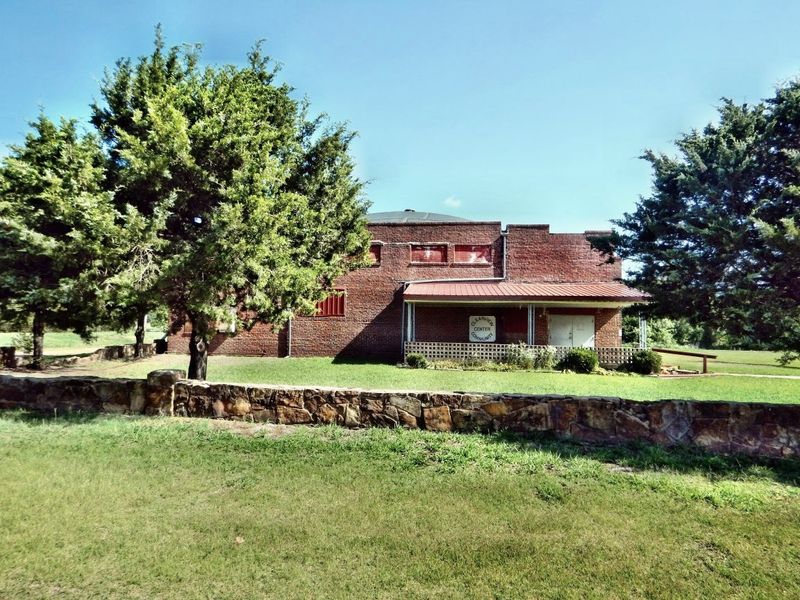
Not every traveler is going to find Clearview rewarding, and that honesty is worth stating plainly. People who need polished visitor amenities, interpretive signage, or a clear narrative arc handed to them on arrival will likely feel lost here.
The town does not hold your hand. It asks you to bring your own knowledge, curiosity, and willingness to sit with ambiguity.
History enthusiasts, particularly those focused on African American heritage and Oklahoma’s unique role in Black history, will find this one of the most meaningful stops in the state. The connection to the freedmen’s town movement gives Clearview a significance that extends well beyond its current size.
Photographers drawn to decay and texture will also find compelling material in the weathered structures and open landscape.
Road-trippers who enjoy building their own itineraries around overlooked places tend to respond strongly to Clearview as well. Pairing it with visits to Boley or other nearby historic Black towns creates a richer, more layered experience than any single stop could offer.
For the right kind of traveler, the kind who values meaning over convenience, Clearview delivers something genuinely hard to find: an authentic encounter with a chapter of American history that is still being reckoned with.
Practical Notes for Planning a Visit
Planning a trip to Clearview requires accepting that visitor infrastructure is essentially nonexistent. There are no formal hours because there is no managed attraction to open or close.
The town is a living community with a tiny resident population, so visitors should approach with the same respect they would give any small rural neighborhood rather than treating it as a theme park or set piece.
The address anchor is Oklahoma 74859, placing the town in Okfuskee County in central Oklahoma. From larger nearby cities, the drive requires patience on roads that become increasingly rural as you approach.
A reliable vehicle is more important than a fast one here, and having downloaded offline maps before you leave cell coverage is a practical step worth taking seriously.
There are no admission fees, no parking structures, and no on-site food vendors. Bring water, especially in warmer months, and wear shoes suited to walking on uneven ground.
If you plan to photograph the area, morning light tends to be flattering on the landscape and structures. Visiting during daylight hours is straightforward and sensible.
Combining the trip with a stop in a nearby larger town for supplies before heading out makes the logistics considerably smoother for anyone coming from a distance.
Why Clearview Still Deserves a Place on Your Oklahoma List
Some places earn their place on a travel list through spectacle. Clearview earns it through substance.
With a founding rooted in one of the most significant social movements in Oklahoma history, and a landscape that still holds the physical evidence of that ambition, this tiny Okfuskee County settlement offers something that polished tourist destinations rarely manage: genuine connection to a story that matters.
The population of 41 is not a footnote. It is a reminder that real people still call this place home, that the community’s story has not fully concluded even as its peak years recede further into the past.
Visiting Clearview is not about gawking at ruins. It is about acknowledging a community’s courage and reckoning with the forces that worked against it.
Oklahoma has no shortage of road trip destinations that deliver easy fun and obvious rewards. Clearview asks for more from its visitors, a little research before you arrive, a little humility when you get there, and a willingness to leave with questions rather than tidy conclusions.
For travelers who accept that invitation, the experience tends to stay with them long after the drive home. That kind of lasting impression is rarer than most people realize, and well worth the detour through the central Oklahoma plains.
Share this story