Oklahoma has a way of surprising you when you least expect it. Somewhere in this state sits a museum so thoughtfully built, so quietly powerful, that visitors who plan a quick two-hour stop often find themselves still wandering the galleries nearly four hours later.
It is the kind of place that rewrites what you thought you knew, not through lectures or dusty displays, but through voices that have waited a long time to be heard clearly. If you have not been yet, consider this your nudge to go.
A Museum Rooted in Oklahoma City
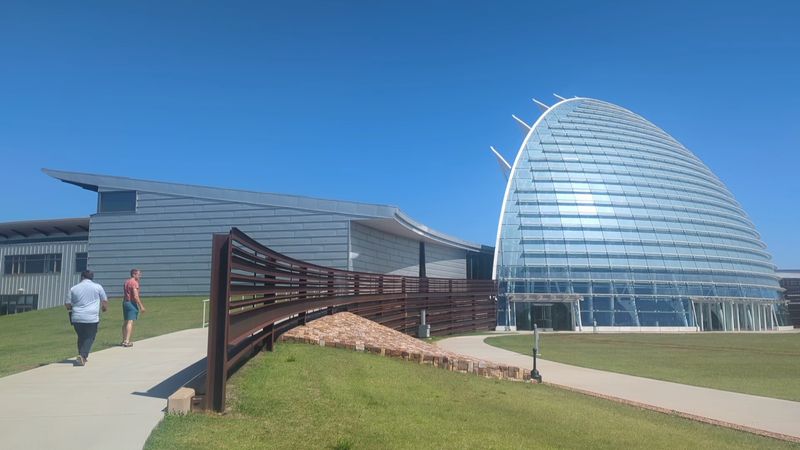
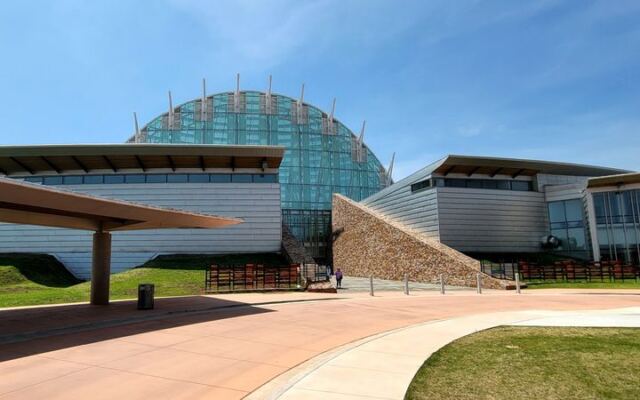
Perched along the Oklahoma River near downtown Oklahoma City, the First Americans Museum sits at 659 First Americans Blvd, a location that feels intentional rather than accidental. The building announces itself long before you reach the entrance, its bold curves and natural light catching your eye from the road.
Getting there is straightforward: the museum is easily accessible from Interstate 40, and free parking is available on site.
The setting alone tells you something important is happening here. Positioned near the water with a view of the OKC skyline from the mound on the grounds, the museum occupies a space that feels both grounded and expansive.
Visitors frequently mention how easy it is to find, and the ticket office even validates parking passes, so logistics stay simple.
Founded to honor all 39 tribal nations that call Oklahoma home, this institution was designed from the ground up to be more than a collection of objects. It is a living record, a place where indigenous communities shape their own narratives rather than having those stories filtered through outside voices.
That mission starts the moment you pull into the parking lot and look up at the building for the first time.
The Architecture That Sets the Tone
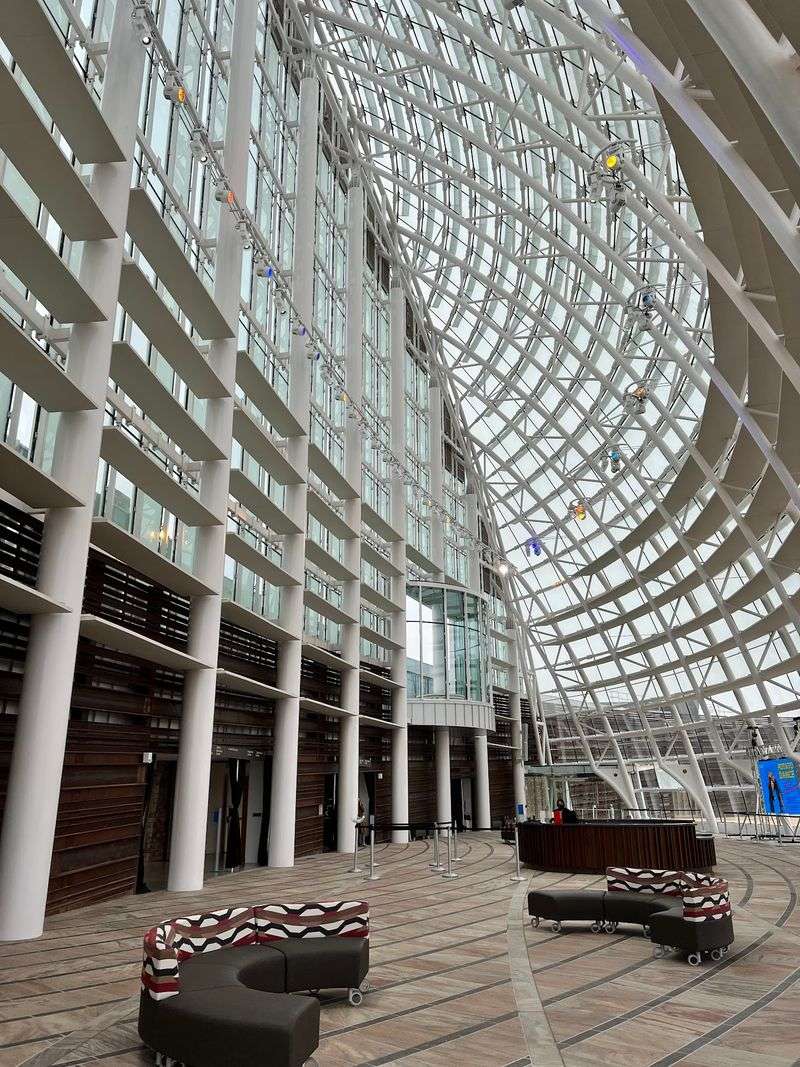
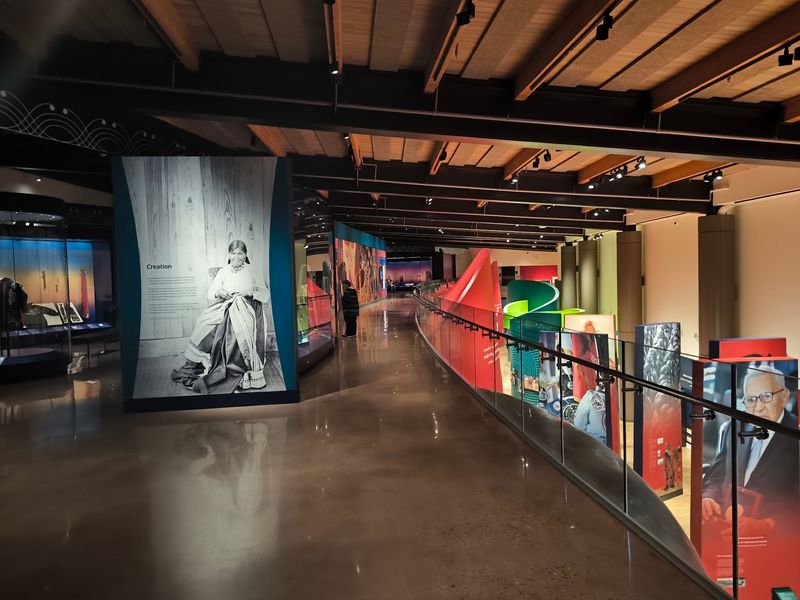
Before a single exhibit grabs your attention, the building itself makes a statement. The architecture of the First Americans Museum features sweeping curves and carefully positioned natural light that creates a sense of movement and openness throughout every gallery.
Visitors consistently describe the structure as stunning, and it is easy to understand why the design earns so much praise.
The curves are not just decorative. They reference natural forms and reflect a design philosophy that honors the relationship between people and the land.
Light filters through in ways that change the mood of each space, making the museum feel alive rather than static. Walking through the main hall, you get the sense that the architecture is part of the storytelling, not just a shell around it.
Construction of this building was genuinely unique, according to many who have visited. The facility is modern, pristine, and thoughtfully laid out, with accessibility built in rather than added as an afterthought.
Whether you are an architecture enthusiast or someone who simply appreciates a well-designed space, the building rewards attention. Many visitors say they found themselves stopping just to look up, or to notice how the light shifted from one room to the next as the day moved forward.
Thirty-Nine Nations, Thirty-Nine Voices
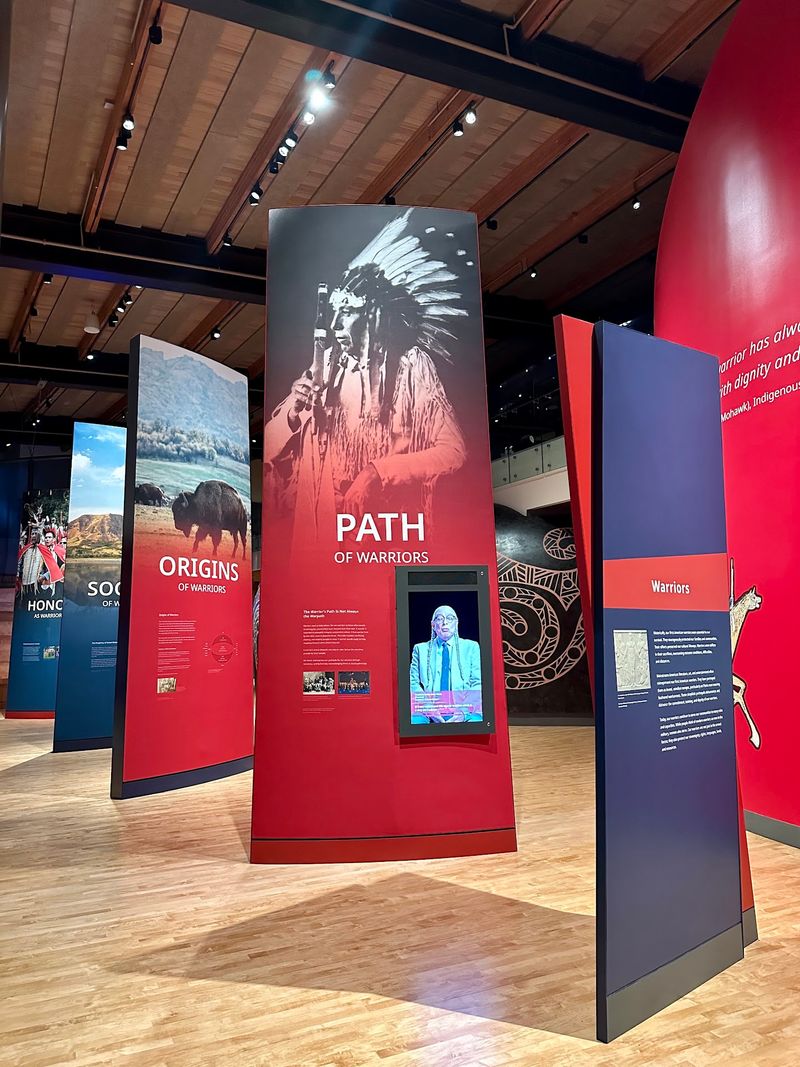
What separates this museum from similar institutions is a foundational commitment that shapes every exhibit: all 39 tribal nations of Oklahoma were given the opportunity to tell their own stories, in their own words. That is not a marketing phrase.
It is the organizing principle behind every panel, every artifact display, and every audio element in the building. The result feels remarkably different from museums where indigenous history is interpreted by outside scholars.
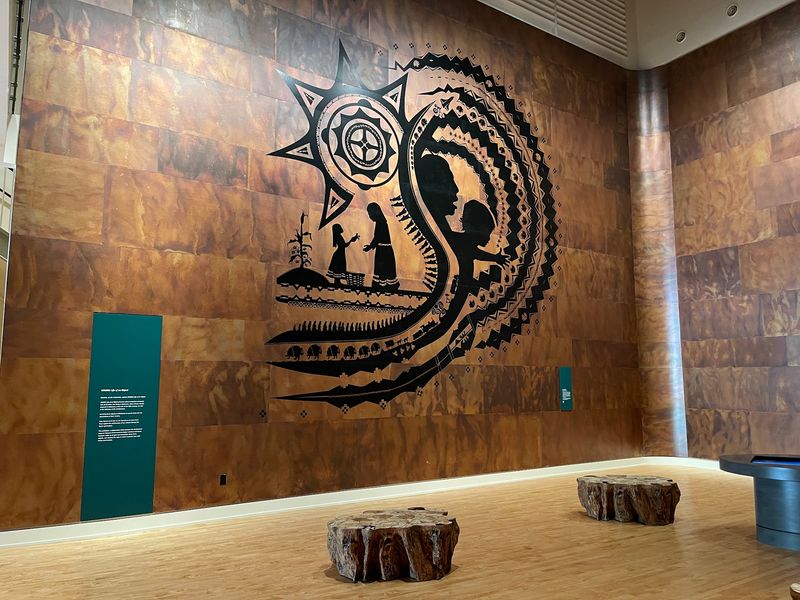
Each nation brought its own perspective, its own oral traditions, and its own priorities to the exhibits. Some nations chose to highlight their origin stories.
Others focused on resilience, cultural practices, or the specific geography tied to their identity. The variety keeps the experience from feeling repetitive, because no two sections feel like they came from the same hand.
Visitors who grew up learning a simplified version of Native American history in school often leave describing the experience as eye-opening. The information shared here fills gaps that textbooks left behind, and it does so with a tone that is respectful and grounded in lived experience rather than outside interpretation.
Spending time with these thirty-nine distinct voices is the core of what makes a visit to this museum genuinely worth your afternoon, or your whole day.
Artifacts That Anchor the Stories
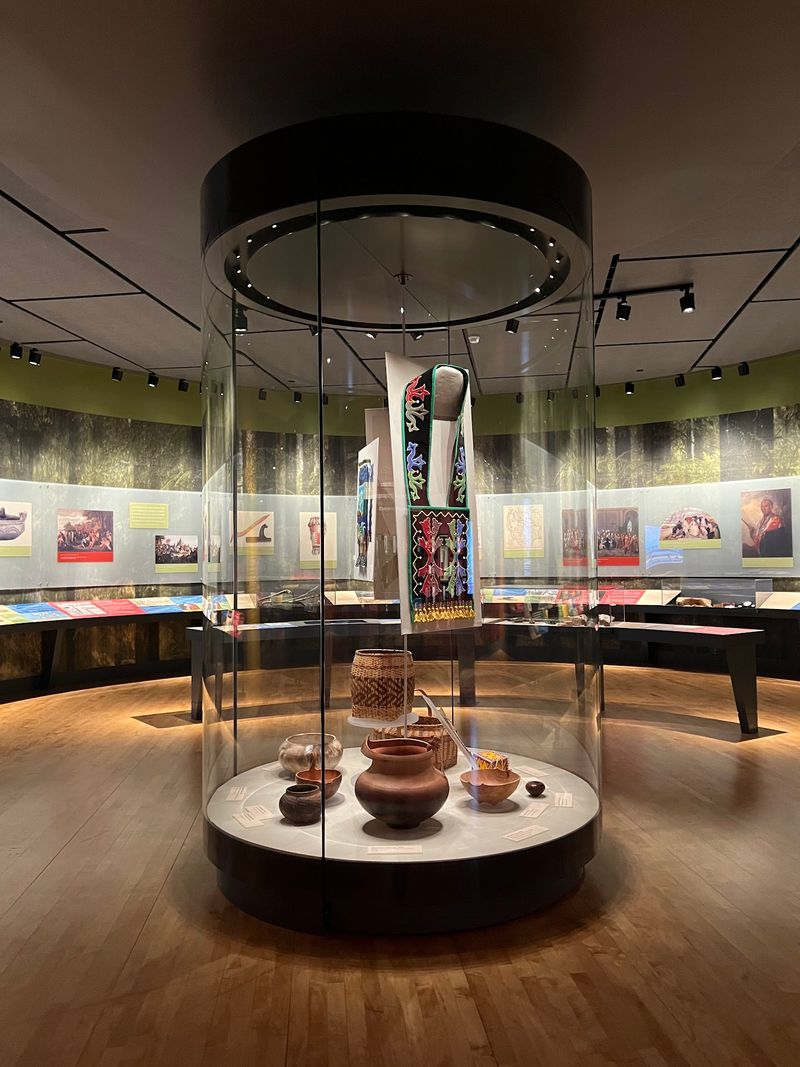
Artifacts appear throughout the museum in ways that feel purposeful rather than purely decorative. With 89 mentions in visitor feedback, the artifact collection is clearly one of the most talked-about elements of the experience.
Beadwork, pottery, everyday objects, and ceremonial items are presented alongside the context that gives them meaning, so you understand not just what you are looking at but why it matters.
The displays balance older historical pieces with examples of how material culture evolved over time. Visitors who hoped to see more worn, ancient pieces occasionally mention wishing the collection leaned even further into those earlier eras, but the breadth of what is on display still impresses most people who spend time with it.
The craftsmanship visible in even everyday objects is remarkable, a reminder that artistry was woven into daily life rather than reserved for special occasions.
Presentation matters here. Cases are well lit, labels are clear, and the surrounding design keeps the focus on the objects themselves rather than overwhelming them with visual noise.
For anyone who finds meaning in physical objects, in the texture and weight of history made tangible, the artifact galleries offer some of the most rewarding moments in the entire museum. Plan to slow down and look closely, because the details reward patience.
The Trail of Tears and Honest History
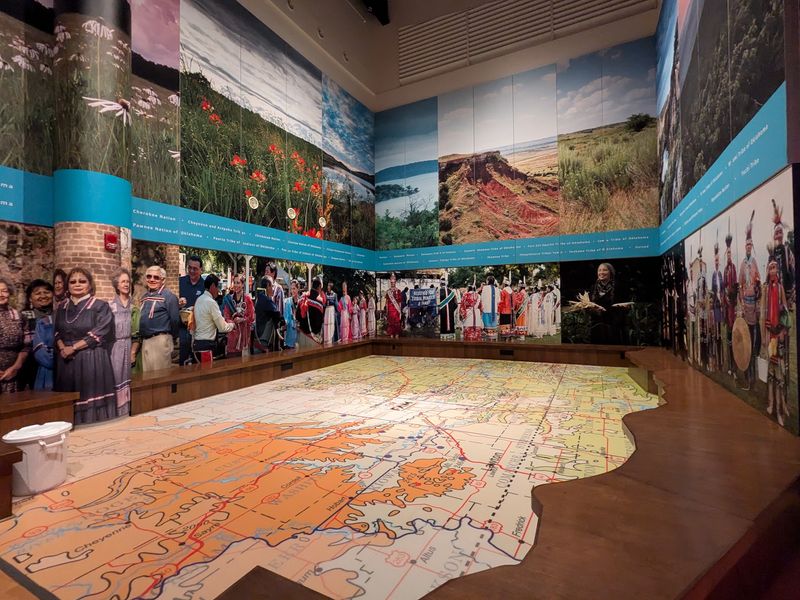
Honest history is not always comfortable, and the First Americans Museum does not shy away from that reality. The Trail of Tears receives dedicated coverage, and the exhibit handles the subject with care rather than avoidance.
Nine separate visitor mentions specifically reference this section, reflecting how much it resonates with people who walk through it.
The coverage of forced removal and its aftermath is presented with accuracy and emotional weight, but it is framed within a broader story of survival and resilience rather than stopping at suffering. Visitors leave with a clearer picture of what these events meant for specific communities, not just as abstract historical facts but as experiences that shaped living cultures in ways still felt today.
Some visitors have noted that portions of the museum focus heavily on hardship, and that is a fair observation. But the museum’s approach reflects what the tribal nations themselves chose to share, which means the weight you feel walking through certain galleries is intentional.
Understanding what happened is part of understanding who the first Americans are today. Visitors who engage with this section fully, rather than moving quickly through it, tend to describe the experience as one of the most meaningful parts of their visit to Oklahoma City.
Interactive Exhibits and Immersive Design
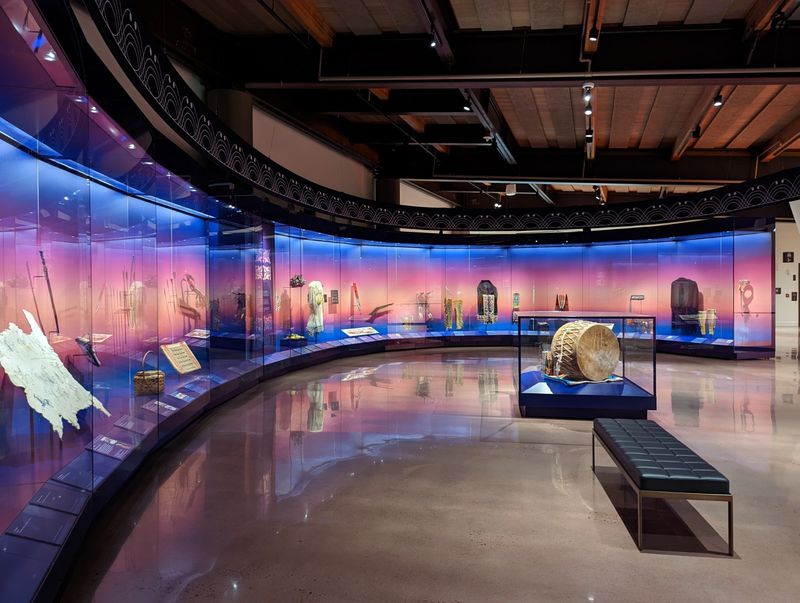
Sitting still and reading panels is only one way to move through this museum. Interactive exhibits appear throughout the building, offering visitors a chance to engage with stories rather than simply observe them.
With 18 mentions specifically calling out the interactive elements, it is clear that the hands-on design choices leave a strong impression on people of all ages.
Audio and visual components add another layer to the experience. Videos about storytelling traditions, immersive soundscapes, and special effects built into specific gallery spaces create moments that feel more like experiences than exhibits.
Visitors describe the overall design as genuinely immersive, the kind of environment where you forget you are in a museum because the stories have pulled you in completely.
Children respond especially well to the interactive sections. The Family Discovery Room, mentioned by several visitors as a standout feature, kept kids engaged for well over an hour in some cases.
The museum manages the challenge of appealing to adults seeking depth while also giving younger visitors entry points that feel fun and accessible. Getting the balance right between educational rigor and genuine engagement is not easy, and the fact that so many families leave satisfied says a lot about how thoughtfully the design team approached that challenge.
Claudia the Coyote and the Family Discovery Room
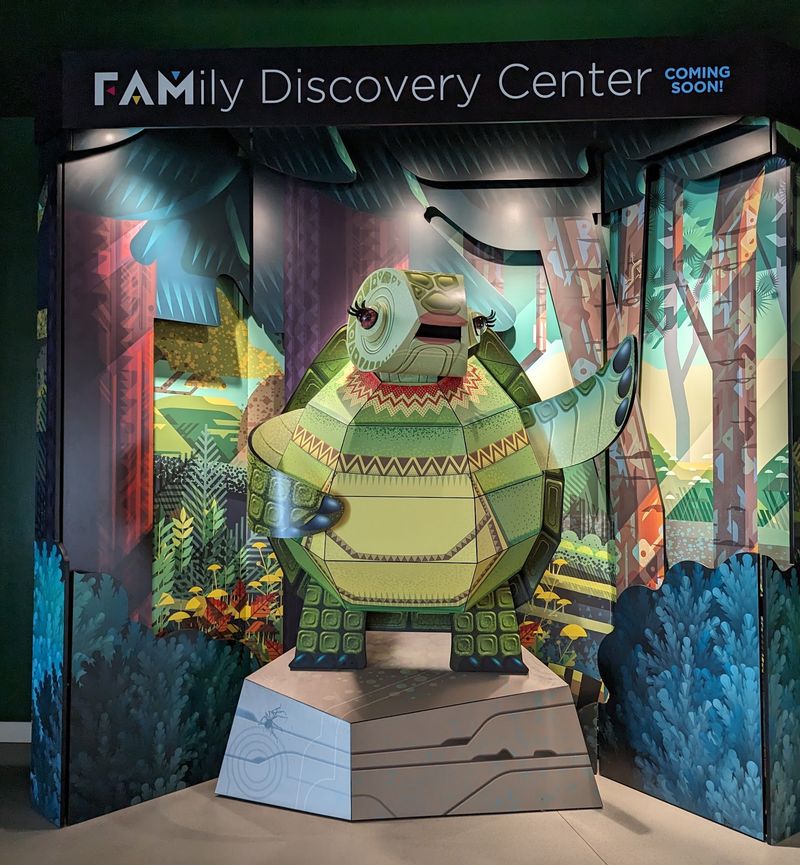
One of the more charming details that visitors with young children keep mentioning is a character named Claudia the Coyote. Tucked inside the Family Discovery Room, Claudia has her own den that kids are invited to explore, and the space is designed to spark curiosity about native animal life and storytelling traditions at a level that makes sense for small visitors.
At least one five-year-old became convinced Claudia was a fox, which honestly sounds like a perfect museum moment.
The treetop tunnels in the same area give kids a chance to move through the space physically, crawling and climbing in ways that make the visit feel like an adventure rather than a field trip. Parents appreciate that the room offers a genuine destination for children rather than a token corner with a few coloring sheets.
The design treats kids as real learners with their own sense of wonder.
For families visiting Oklahoma City with younger children, the Family Discovery Room alone makes the museum worth the trip. Pair it with the main galleries for older kids and adults, and you have a full afternoon that keeps everyone engaged.
The museum’s ability to serve multiple generations at once, without dumbing anything down, is one of its most impressive qualities as a public cultural institution.
The Mound and the View It Offers
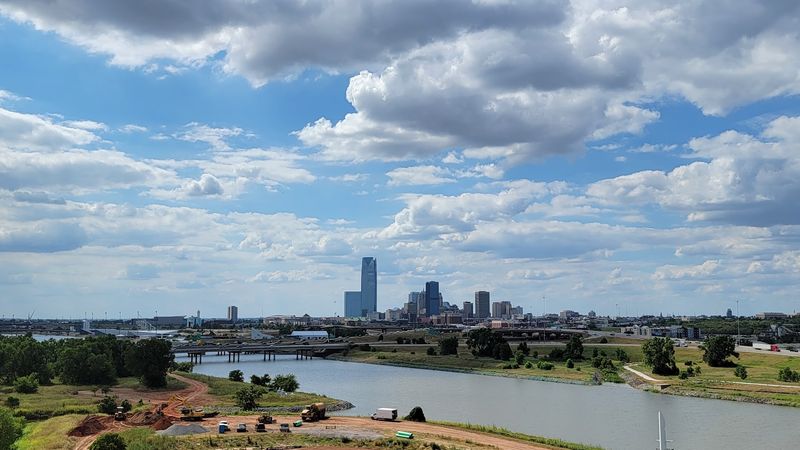
Step outside and you will find one of the more unexpected features of the museum grounds: a mound that visitors can walk up, offering a panoramic view of the Oklahoma City skyline. Several visitors specifically call out the mound walk as a highlight, describing the view from the top as breathtaking.
It adds an outdoor dimension to what might otherwise be an entirely indoor experience.
Mounds carry deep cultural significance for many indigenous peoples across North America, and the presence of one on the museum grounds reinforces the connection between the building and the land it occupies. Some visitors have noted that the mound appears to be a replica rather than an ancient earthwork, and on hot Oklahoma days it can be a warm climb.
But the payoff at the top, that open view of the city with the river below, tends to make the effort feel worthwhile.
The outdoor space also provides a natural breathing point between gallery sections. Museums with dense, emotionally rich content benefit from moments where visitors can pause and process what they have absorbed.
The mound walk serves that function beautifully, offering fresh air and perspective in both a literal and figurative sense. Comfortable shoes are a reasonable idea if you plan to make the climb, especially in summer.
The Guided Tour Experience
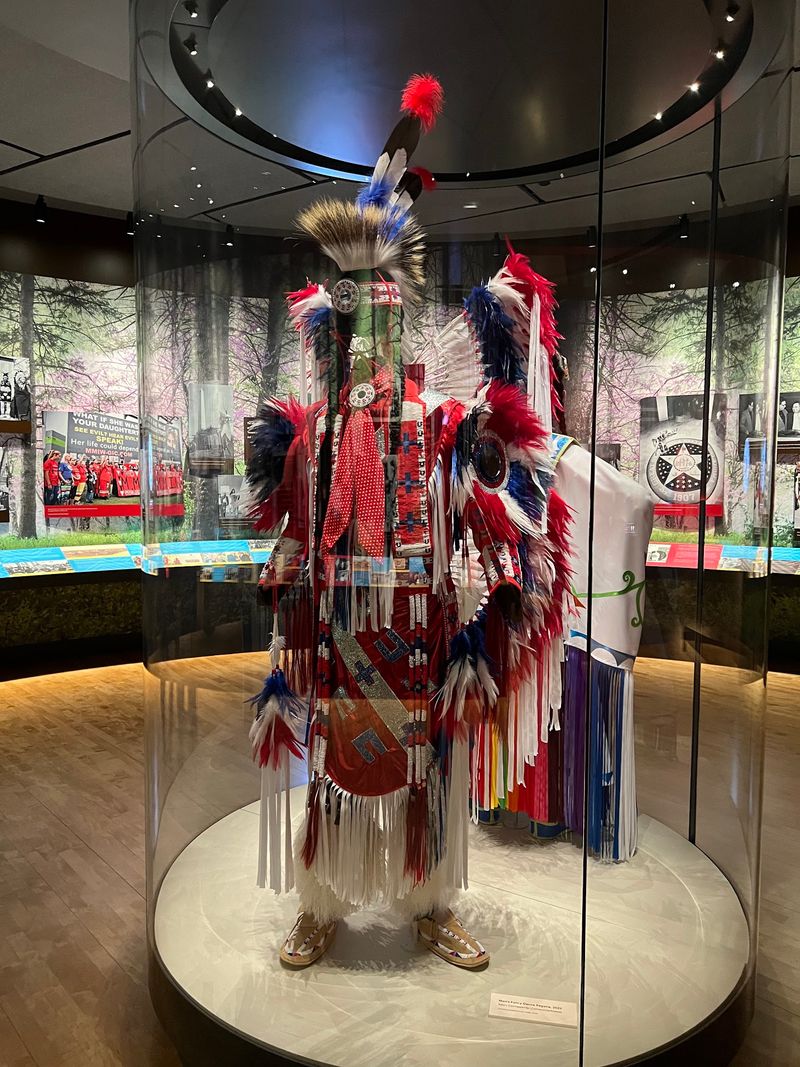
Walking through the museum independently gives you flexibility, but the guided tour adds a layer that self-paced visits can miss. Visitors who chose a guided experience consistently describe it as excellent, noting that knowledgeable guides brought the exhibits to life in ways that panels and labels alone cannot fully achieve.
The staff’s familiarity with the galleries is apparent, and their ability to answer questions adds depth to the visit.
One area where some visitors have noted room for improvement is in how proactively staff share information about available features. A few people discovered the free Hall of Fame only after it had already closed for the day, simply because no one mentioned it at the ticket counter.
Arriving with a plan, or asking staff directly what not to miss, helps ensure you catch everything the museum has to offer during your visit.
For first-time visitors especially, starting with a guided tour and then revisiting favorite sections independently afterward is a strategy that seems to work well. The tour provides a framework, and the museum’s layout is clear enough that returning to specific galleries on your own feels natural.
Staff members are consistently described as polite and genuinely kind, even when visitors wish they had been a bit more forthcoming about the full range of what the museum offers.
Origin Stories and Storytelling Traditions
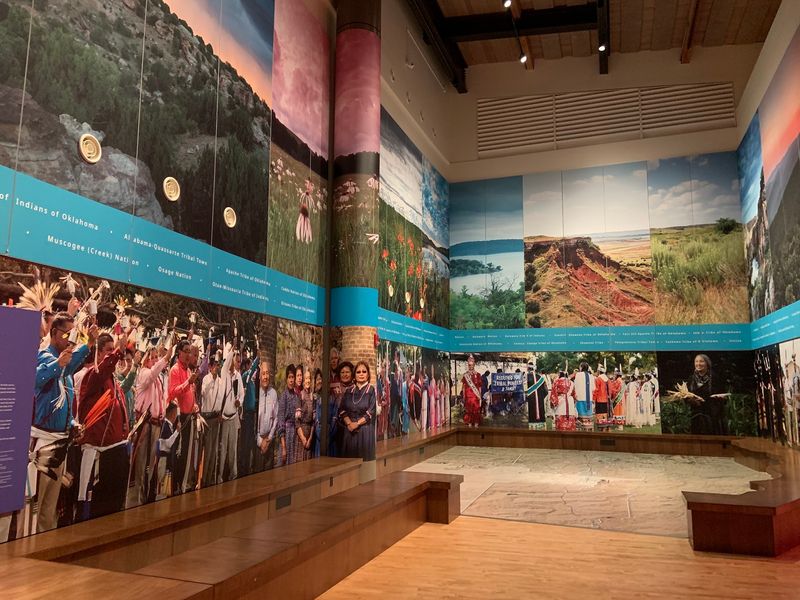
Storytelling sits at the heart of indigenous culture, and the museum treats it as such. Dedicated sections explore how different nations have preserved and passed down their origin stories across generations, using a combination of video, audio, and written accounts that together create something closer to an experience than a display.
Visitors frequently describe these sections as fascinating, and the word immersive comes up repeatedly in how people try to explain what the storytelling exhibits feel like.
The videos in particular stand out. Several visitors specifically mention the storytelling videos as a highlight, noting that they added emotional resonance and a sense of direct connection that static displays alone cannot provide.
Hearing a story told in the way it was meant to be told, even through a screen, carries a different kind of weight than reading the same story off a wall panel.
Origin stories also provide a counterbalance to the historical trauma covered elsewhere in the museum. They remind visitors that these are living cultures with deep roots, complex cosmologies, and rich creative traditions that existed long before contact with European settlers.
Spending time with these sections helps shift the frame from loss to continuity, which is ultimately a more complete and honest picture of who the first Americans are and have always been.
The Cafe and On-Site Amenities
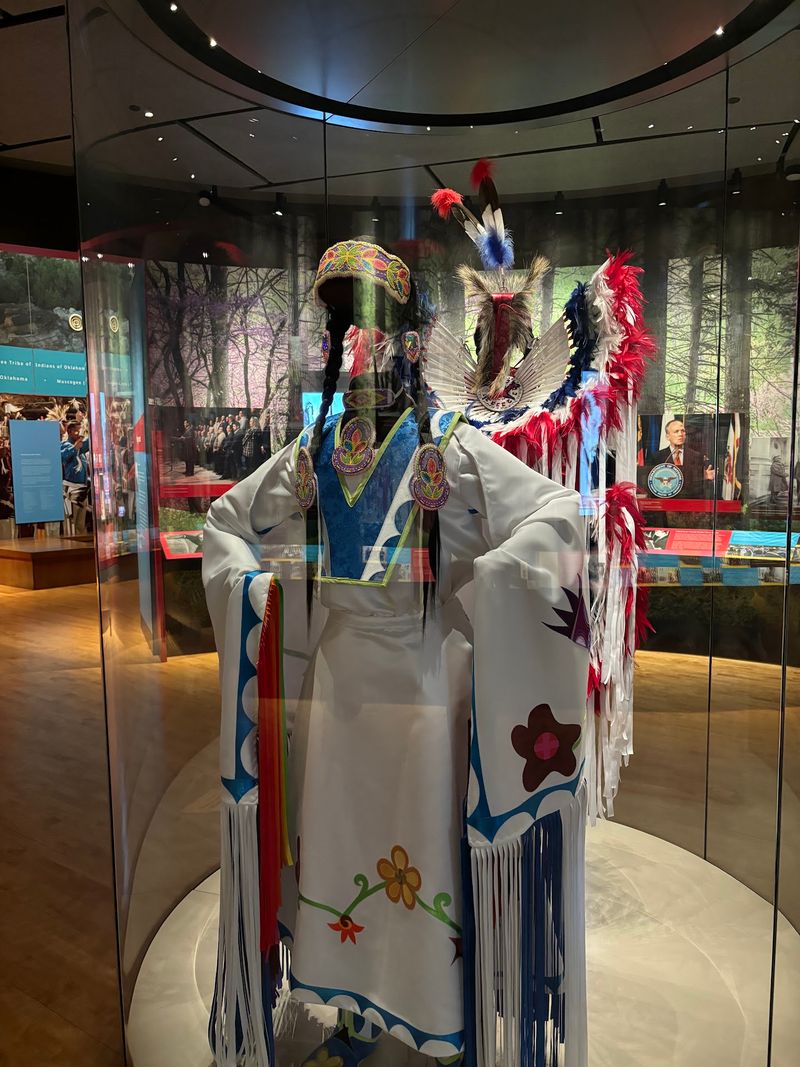
A museum that asks you to spend three or four hours inside had better take care of you while you are there, and the First Americans Museum does. A cafe on site gives visitors a place to recharge between gallery sections without having to leave the building and break the mood of the visit.
Reviewers mention the cafe as part of what makes the overall experience feel complete and well-considered.
Beyond food, the facility earns consistent praise for cleanliness. Visitors specifically call out the bathrooms as setting a new standard for local museums, which sounds like faint praise until you have been to enough museums to know how rare genuinely clean, well-maintained restrooms actually are.
The attention to facility quality throughout the building reflects the same care visible in the exhibits themselves.
Accessibility is another area where the museum performs well. The layout is designed to accommodate visitors with mobility needs, and the overall flow of the building makes navigation intuitive rather than confusing.
A gift shop on site carries a range of items, though some visitors have noted that the selection skews toward higher-end pieces. For families or casual visitors looking for affordable souvenirs, it is worth browsing with realistic expectations about the price range you will encounter there.
Hours, Admission, and Practical Planning
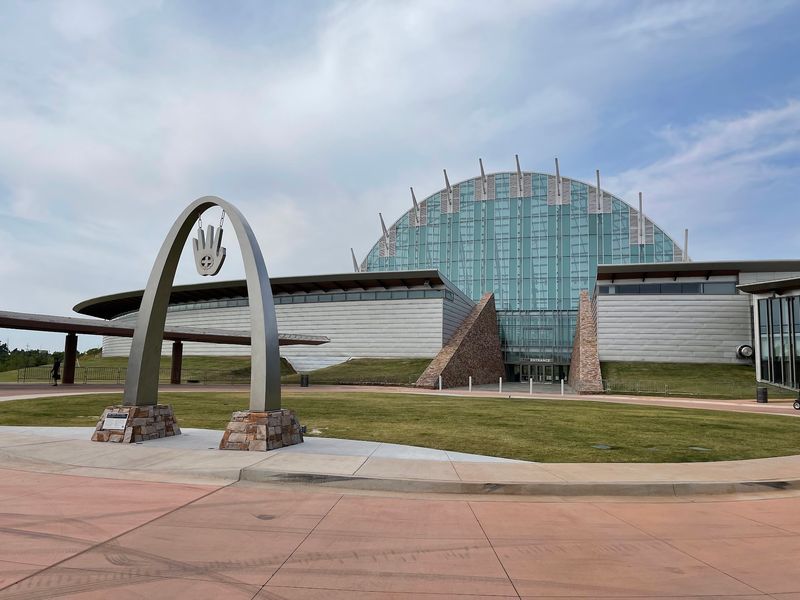
Planning your visit starts with knowing when the museum is open. The First Americans Museum is open Monday, Wednesday, Thursday, and Friday from 10 am to 5 pm.
On Saturday and Sunday, hours shift slightly, opening at 11 am and closing at 5 pm. Tuesday is the one day the museum is closed, so keep that in mind when scheduling a trip to Oklahoma City.
Admission is $20 per person, a price point that draws mixed reactions. Most visitors feel the experience justifies the cost, especially given how long a thorough visit tends to run.
Others, particularly those with larger families or tighter budgets, find it steep. One practical workaround worth knowing: Pioneer Library cardholders can access the museum through the library’s Experience Pass program, which makes the visit significantly more affordable for qualifying families.
Parking is free, and the ticket office validates parking passes, so you will not need to factor parking costs into your budget. The museum is easy to reach from I-40, making it convenient whether you are a local or passing through on a road trip.
Arriving early on weekdays tends to mean smaller crowds, while weekend mornings can get busier as the day goes on. The phone number for the museum is 405-594-2100, and the website at famok.org has current event listings and any updates to hours.
Who Will Get the Most Out of a Visit
Not every museum suits every visitor, and being honest about that actually helps people have better experiences. The First Americans Museum rewards visitors who come ready to read, listen, and sit with complex emotions.
If you arrive expecting a fast walk-through with lots of dramatic dioramas and showy displays, you may find the experience more text-heavy than anticipated. But if you come open to being taught something real, the museum delivers at a level that few institutions in Oklahoma can match.
History enthusiasts, educators, and anyone with personal connections to indigenous culture will find the depth here genuinely satisfying. Families with curious kids, particularly those who will use the Family Discovery Room, get strong value from the visit.
Road-trippers passing through Oklahoma City who want one stop that leaves a lasting impression consistently rank this museum as one of the best choices in the city.
People who have spent time at similar institutions elsewhere sometimes note that the coverage of difficult historical periods is substantial. That is not a flaw so much as a reflection of the museum’s commitment to accuracy and the priorities of the nations whose stories it tells.
Visitors who engage with that honestly tend to leave feeling moved in a way that lingers well after they have driven away. That kind of staying power is rare, and it is worth seeking out.
A Final Thought on Why This Place Matters
Museums that genuinely change how you see the world are rarer than they should be. Most institutions present history as a settled thing, a collection of facts arranged in chronological order for you to absorb and move past.
What makes the First Americans Museum different is that it treats history as something still alive, still being shaped by the people who lived it and the descendants who carry it forward today.
Giving all 39 tribal nations the space to speak for themselves, without filtering their stories through a single curatorial voice, produces an experience that feels honest in a way that is both refreshing and humbling. Visitors consistently leave describing the museum as one of the most meaningful stops they have made in Oklahoma, and many say they plan to return because one visit was not enough to take it all in.
Oklahoma has a lot to offer travelers willing to look past the obvious. This museum is one of those places that rewards that willingness completely.
Whether you are a lifelong Oklahoman who has somehow never made it through the doors, or a visitor passing through the state for the first time, the First Americans Museum belongs on your list. Go with time to spare, a willingness to learn, and an openness to being genuinely surprised by what you find inside.
Share this story