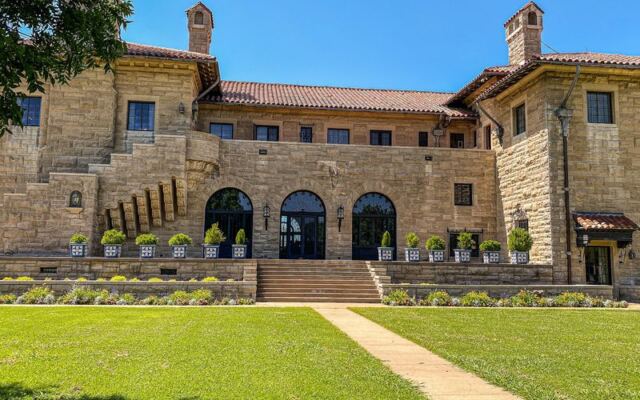
Somewhere in northern Oklahoma, a massive estate rises from the flat prairie like something transplanted straight from Renaissance Europe. Most people drive right past Ponca City without realizing what is waiting just off the main road.
Once you step inside this storied mansion, the scale, the craftsmanship, and the layered history of one extraordinary family will stop you in your tracks. Few places in Oklahoma pack this much beauty, mystery, and old-world grandeur into a single address.
The Palace on the Prairie and Its Oil Boom Origins
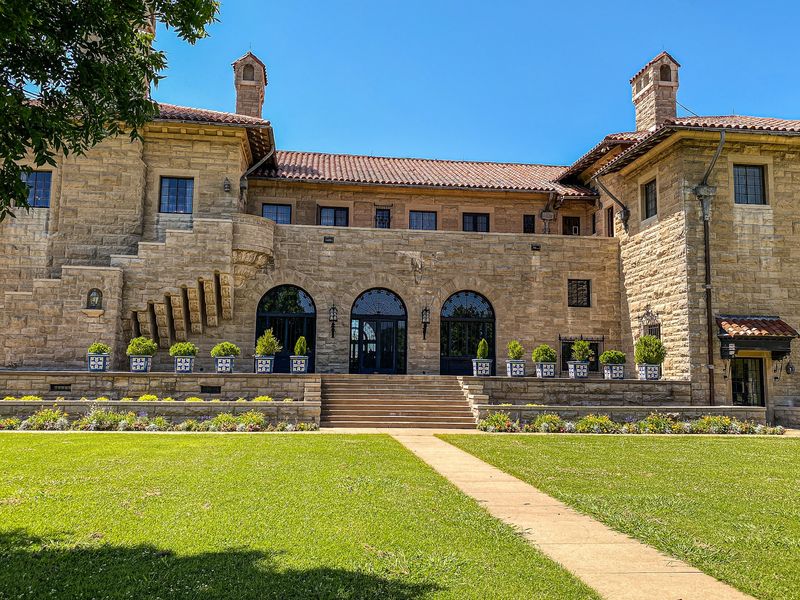
Back in the roaring 1920s, Oklahoma was swimming in black gold, and nobody struck it richer or dreamed bigger than E. W.
Marland. A self-made oil magnate who would later serve as Oklahoma’s governor, Marland poured his fortune into a 43,561-square-foot estate in Ponca City that looked less like a Midwestern home and more like a transplanted Italian palazzo.
The mansion was constructed during the peak of the oil boom, when ambition in Oklahoma had no ceiling. Marland brought in craftsmen from Italy to handle stonework and fine detailing, ensuring that every inch of the property reflected international craftsmanship rather than regional simplicity.
The result was something locals quickly nicknamed the “Palace on the Prairie,” and the name has stuck ever since.
Visitors often say the exterior does not fully prepare them for what is inside. From certain angles on the grounds, the mansion reads almost modestly against the wide Oklahoma sky.
Step through the front door, though, and the scale shifts completely. The mansion’s story is one of ambition, fortune, and a family whose life unfolded in ways that were equal parts fascinating and heartbreaking.
Architectural Grandeur Room by Room
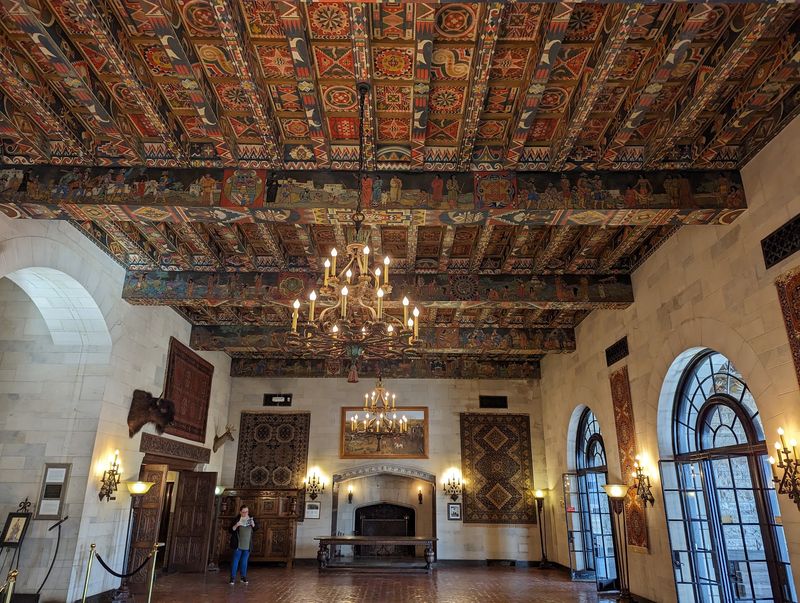
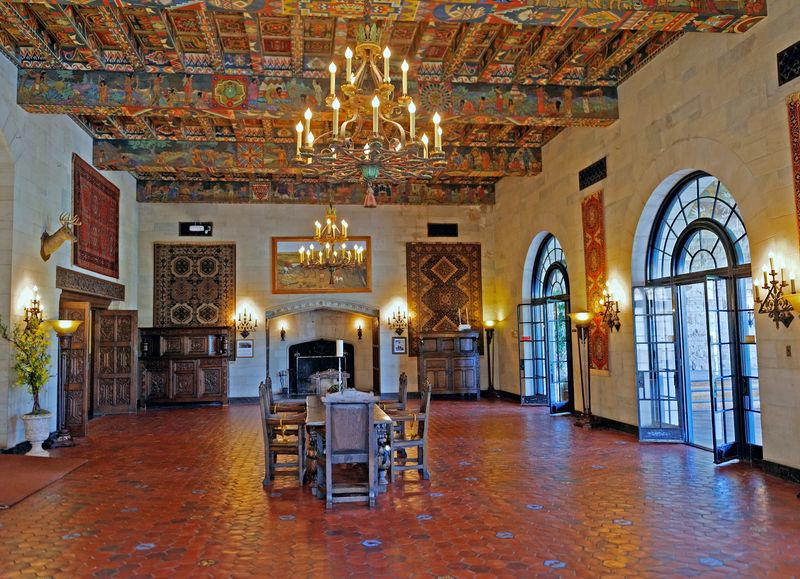
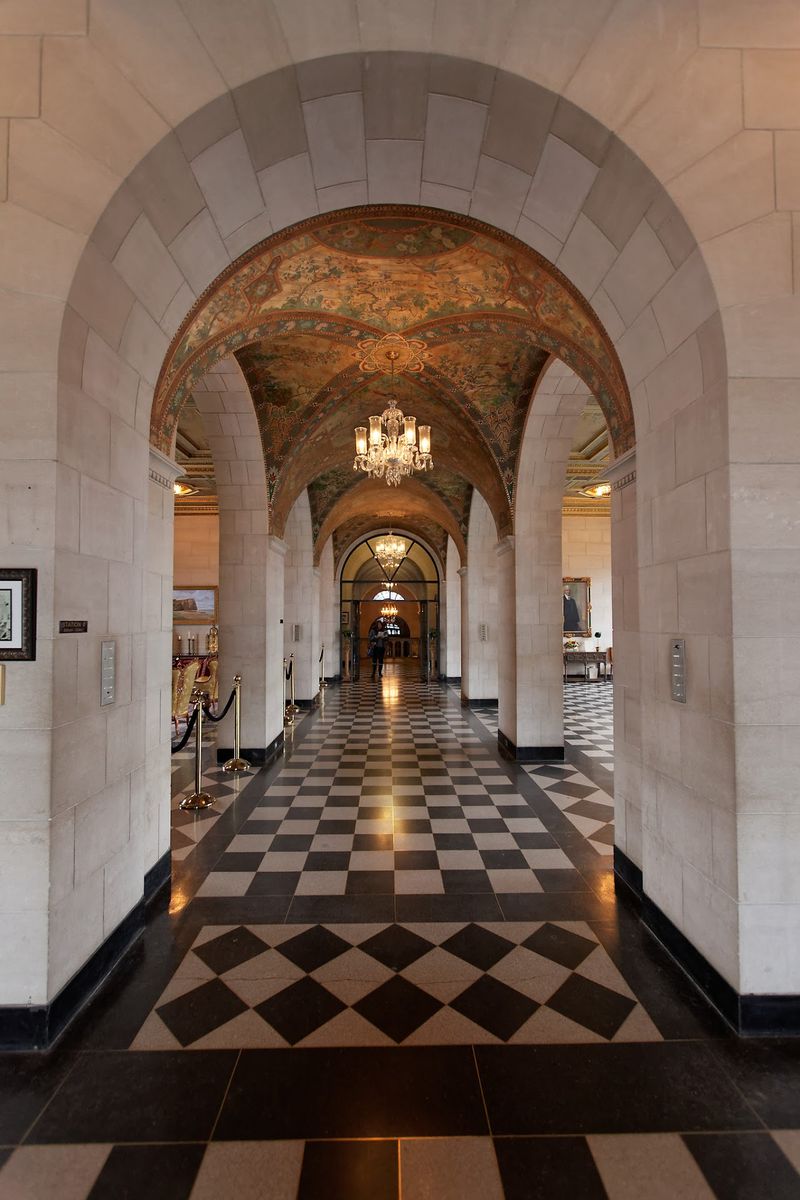
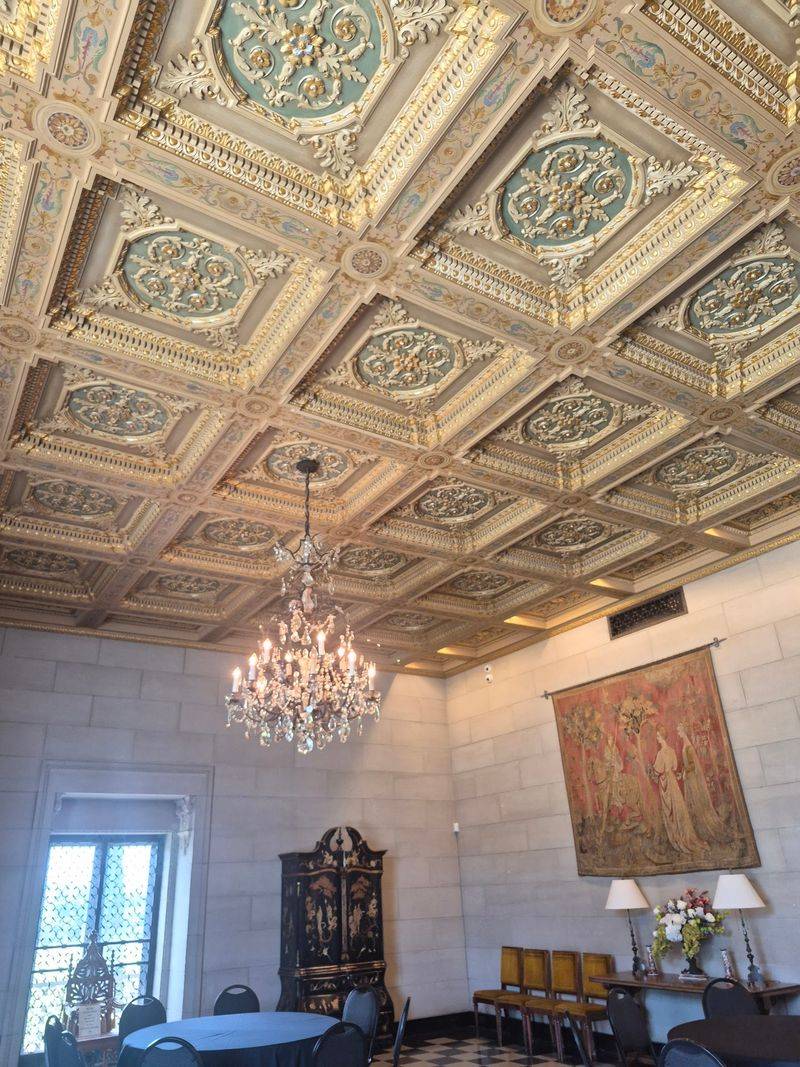
Walking through the Marland Mansion is genuinely disorienting in the best possible way. Rooms that look like they belong in a Florentine villa unfold one after another, each packed with hand-carved woodwork, dramatic staircases, and ornate ceilings covered in painted artwork.
Visitors consistently describe the ceiling details as among the most striking features in any Oklahoma landmark.
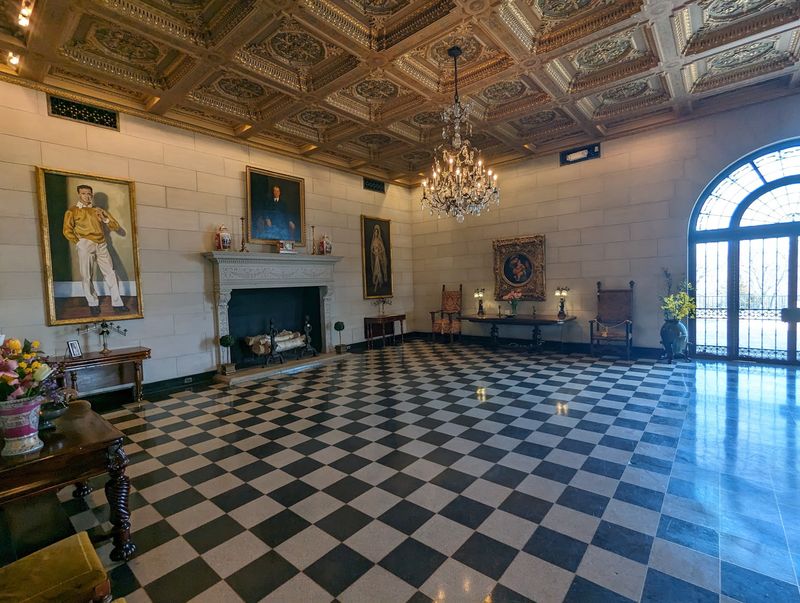
Grand ballrooms, formal dining rooms, and sprawling entertaining spaces fill the floor plan, all furnished with period pieces that reinforce the sense of early 20th-century opulence. The chandeliers alone are worth a slow, deliberate look upward.
Marland did not simply build a large house; he built a statement about what Oklahoma wealth could achieve on the world stage.
Interestingly, the mansion was ahead of its era in practical ways too. Visitors learn that the estate featured air conditioning, heating systems, and even an elevator at a time when most American homes had none of these conveniences.
Italian craftsmen contributed stonework and fine surface details that gave the interiors an authenticity most period reproductions never achieve. Almost anywhere you look, there is something intricate and intentional waiting to be noticed.
The Marland Family Story – Fortune, Ambition, and Complexity
Few family histories in Oklahoma are as layered and compelling as the Marlands’. E.
W. Marland built an empire from scratch, employed thousands of people across the region, and funded hospitals and civic projects that shaped Ponca City for generations.
His generosity was genuine and well-documented, making him a beloved figure in the community even as his personal life grew complicated.
The family narrative takes turns that feel more like fiction than history. Marland eventually lost control of his oil company, watched his fortune shrink dramatically, and navigated personal relationships that raised eyebrows even in his own era.
Visitors who read up on the full story before arriving, as many regulars recommend, find that the mansion tour takes on an entirely different emotional weight.
One reviewer noted that the history available on-site is the polished version, and the full story is considerably more layered and surprising. Guides do share compelling anecdotes and little-known facts throughout the tour, and the life of Lydie, the woman central to Marland’s personal story, surfaces repeatedly.
Her large portrait hanging in the mansion even carries a hidden detail painted by an artist who apparently had complicated feelings about his subject.
Guided Tours vs. Self-Guided Exploration
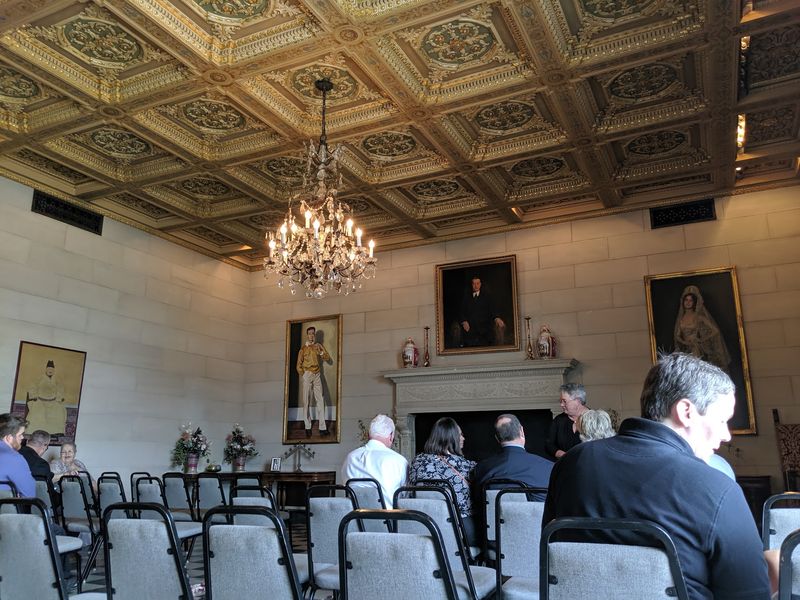
Choosing how to experience the Marland Mansion is one of the first decisions visitors face, and most people who have done both options will tell you the guided tour wins by a wide margin. Both options are available at the same price, but the guided experience unlocks rooms that remain roped off during self-guided visits, including the chapel and other spaces that add significant depth to the overall picture.
Guided tours run roughly 90 minutes, though visitors who ask questions and linger in rooms can stretch that to two hours or more. The docents are frequently praised for their knowledge and storytelling ability, turning architectural details and family anecdotes into a genuinely engaging narrative.
Staff members have been described as kind, enthusiastic, and happy to field follow-up questions long after the formal tour ends.
Self-guided visitors receive a booklet that walks them through the main areas at their own pace, which suits those who prefer to spend extra time studying specific details without feeling rushed. The mansion is large enough that even a quick walk-through leaves an impression, but the consensus among repeat visitors is clear: plan for at least two hours, take the guided option if it is available, and do not try to rush this one.
The Art Collection and the Petroleum Hall of Fame
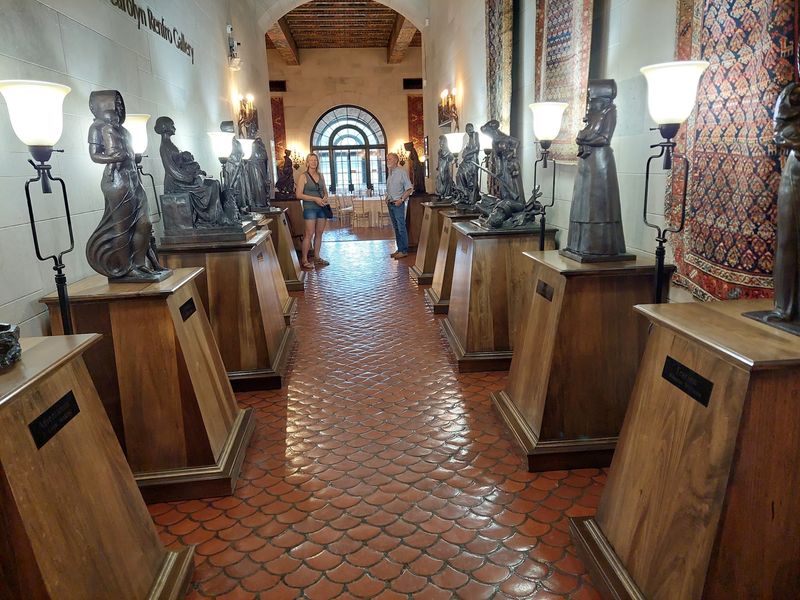
Art was not an afterthought at the Marland estate; it was a defining obsession. The mansion’s rooms are packed with pieces ranging from sweeping ceiling murals to smaller decorative details tucked into corners and moldings.
Visitors who enjoy hunting for subtle craftsmanship will find the mansion endlessly rewarding, since almost every surface carries some intentional artistic element worth pausing over.
On the lower floor, the Petroleum Hall of Fame occupies its own dedicated space, honoring the oil industry figures who shaped Oklahoma’s economy and identity. For anyone with family ties to the oil business, this section carries a personal resonance that goes beyond historical curiosity.
Several reviewers have mentioned recognizing names connected to their own family histories, which adds an unexpected emotional layer to an already rich visit.
The large portrait of Lydie Marland is one of the most talked-about individual pieces in the collection. Art enthusiasts who study it closely may notice that the artist worked in a subtle serpentine detail near her feet, widely interpreted as a commentary on the artist’s personal feelings about his subject.
Whether intentional commentary or artistic quirk, it gives the portrait an edge that makes it far more interesting than a straightforward commission.
Grounds, Gardens, and the Outdoor Experience
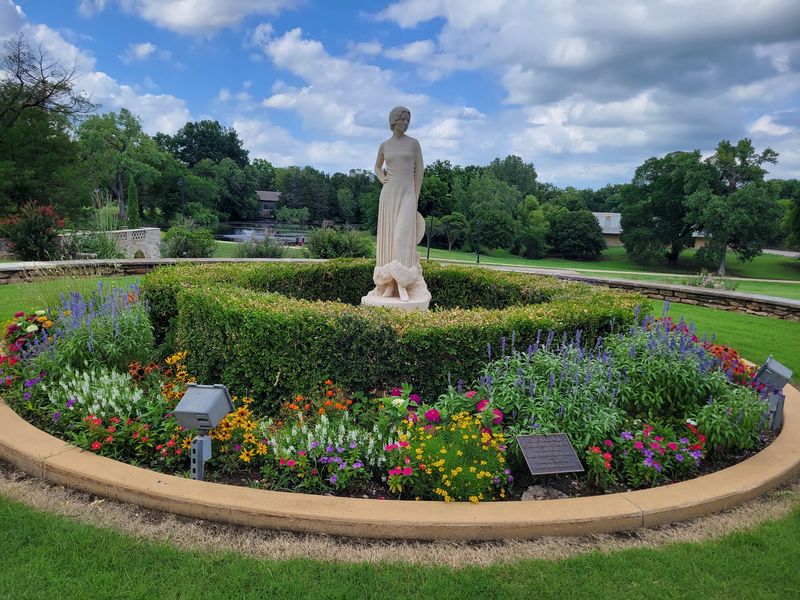
Beyond the mansion walls, the estate grounds offer a completely different kind of reward. Open to the public and free to wander, the surrounding landscape features ornamental statues, flower plantings, and wide-open sightlines that let visitors take in the mansion’s exterior from every angle.
On a clear Oklahoma morning, the view of the building rising above the manicured property is genuinely striking.
Ducks have apparently made themselves at home on the property, adding an unexpectedly charming detail to an otherwise formal setting. Families with kids tend to appreciate the outdoor space as much as the interior, and graduation season brings a steady stream of portrait sessions to the grounds, a tradition that speaks to how deeply the mansion is woven into local community life.
One feature that visitors sometimes mention with a mix of admiration and wistfulness is the old swimming pool, which has not been fully restored to its original condition. Reviewers have noted that a restored pool would make an already special outdoor space even more spectacular, particularly for events and photography.
Even without it, the grounds alone justify a leisurely visit, and walking the full perimeter of the estate gives a sense of the property’s true scale that no interior room can replicate.
Weddings, Special Events, and the Mansion as a Living Venue
Not every historic mansion manages to feel alive, but the Marland estate pulls it off with remarkable ease. Beyond its role as a museum, the property operates as an active event venue, hosting weddings, private gatherings, and special occasions that give the grand rooms a purpose they were originally built for.
Couples who want something far beyond a standard venue consistently describe the experience as cinematic and unforgettable.
The combination of grand ballrooms, ornate interiors, dramatic staircases, and sweeping outdoor grounds creates a setting that photographers and wedding planners describe as a dream location. The mansion’s staff, including event coordinator Kelsey, have earned strong praise for their attentiveness and willingness to go above and beyond for clients planning major occasions.
Several reviewers who held events here have called it their dream venue realized.
From a photography standpoint, the variety of settings is exceptional. Couples and portrait photographers can move from formal interior rooms to sculpture-dotted garden paths without ever leaving the property.
The mansion’s preserved historic furnishings and architectural details provide a backdrop that feels genuinely luxurious rather than staged. For anyone planning a significant event in northern Oklahoma, the Marland Mansion belongs at the top of any serious shortlist.
Accessibility, Hours, and Planning Your Visit
Planning a trip to the Marland Mansion is straightforward, and the logistics are visitor-friendly across the board. The estate is open Tuesday through Saturday from 10 a.m. to 5 p.m., with Monday also listed as an open day.
Sunday is the one day the mansion stays closed, so weekend visitors planning a Sunday stop should adjust their itinerary accordingly.
Admission runs around ten dollars for adults, with slightly reduced pricing available for children and seniors over 65. For what is included, that price point is genuinely hard to argue with.
Visitors who have toured comparable historic estates elsewhere in the country frequently note that the Marland Mansion delivers far more than its ticket price suggests.
Accessibility inside the mansion is better than many historic properties of this age. An elevator is available for guests who cannot manage stairs, which is a meaningful consideration given the mansion’s multiple floors.
Visitors who have mobility concerns are advised to bring a walker with a seat, since the tour involves extended standing time as guides move through the rooms. The phone number for the mansion is 580-767-0420, and the official website at marlandmansion.com carries updated event and tour information.
Parking is available on-site at 901 Monument Rd, Ponca City.
Why the Marland Mansion Earns a Spot on Every Oklahoma Road Trip
Some landmarks overpromise and underdeliver. The Marland Mansion does the opposite.
Visitors who arrive with modest expectations tend to leave genuinely astonished, and repeat visitors, of which there are many, keep coming back because a single tour rarely feels like enough to absorb everything the property holds.
For Oklahoma road-trippers, history enthusiasts, architecture fans, and anyone who simply appreciates a place that rewards close attention, the mansion checks every box. The combination of personal family drama, extraordinary craftsmanship, fine art, and a setting that feels more European palace than American prairie creates something genuinely rare.
Very few destinations in the state offer this kind of layered experience in a single stop.
The strongest advice from seasoned visitors is consistent: read up on the Marland family history before you arrive, budget at least two hours, and take the guided tour. Doing all three transforms a good visit into a great one.
Whether you are based in Oklahoma or passing through on a longer road trip, the Marland Mansion is the kind of place that earns a permanent spot in your memory long after you have driven back out onto the flat prairie highway and left Ponca City behind.
Share this story