Most people blow right past the red dirt roads of western Oklahoma without a second glance, assuming there is nothing worth stopping for between the wheat fields and the horizon. But tucked into the rolling canyon country of the Oklahoma plains, one state park has been quietly stunning visitors for generations.
The canyons run deeper than you would expect, the natural springs bubble up from limestone like a secret the land kept to itself, and the whole place feels like it belongs somewhere far more famous. Roman Nose State Park is the kind of discovery that makes you wonder how you ever missed it.
Where Roman Nose State Park Actually Sits
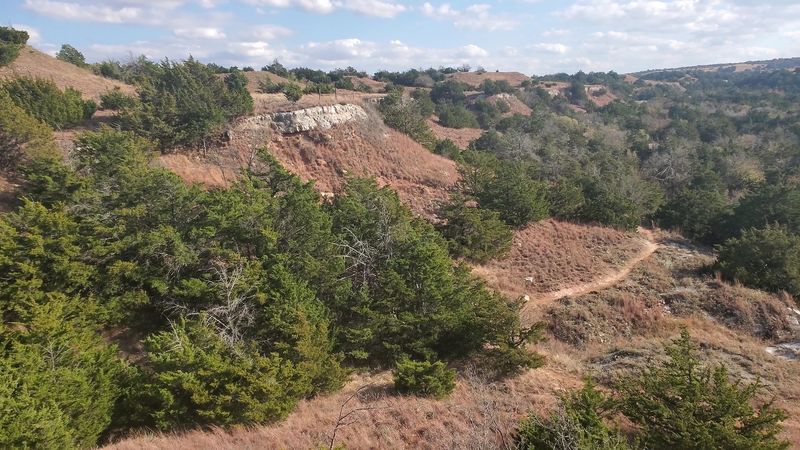
About six miles from the small town of Watonga in western Oklahoma, Roman Nose State Park occupies a stretch of rugged canyon terrain that most highway drivers never realize is there. The address puts it along OK-8A, a quiet two-lane road that winds through grassland and cedar breaks before dropping you into one of the more surprising landscapes in the state.
The park sits at roughly 35.93 degrees north latitude, which places it firmly in the heart of Oklahoma’s red plains country. That geography shapes everything about the experience, from the exposed sandstone canyon walls to the cedar-draped ridgelines that frame nearly every view.
What makes the location unusual is the contrast. Western Oklahoma is often imagined as flat and featureless, yet this park tucks genuine canyon country into a modest footprint that catches first-time visitors completely off guard.
The nearest airport is the Watonga Regional Airport, just six miles away, and the T.B. Ferguson Museum in town sits about seven miles out for anyone wanting to round out the day.
The Story Behind the Name
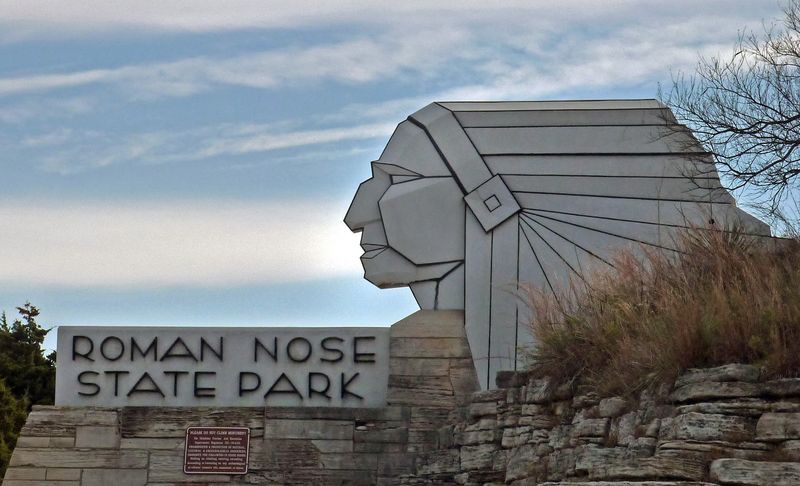
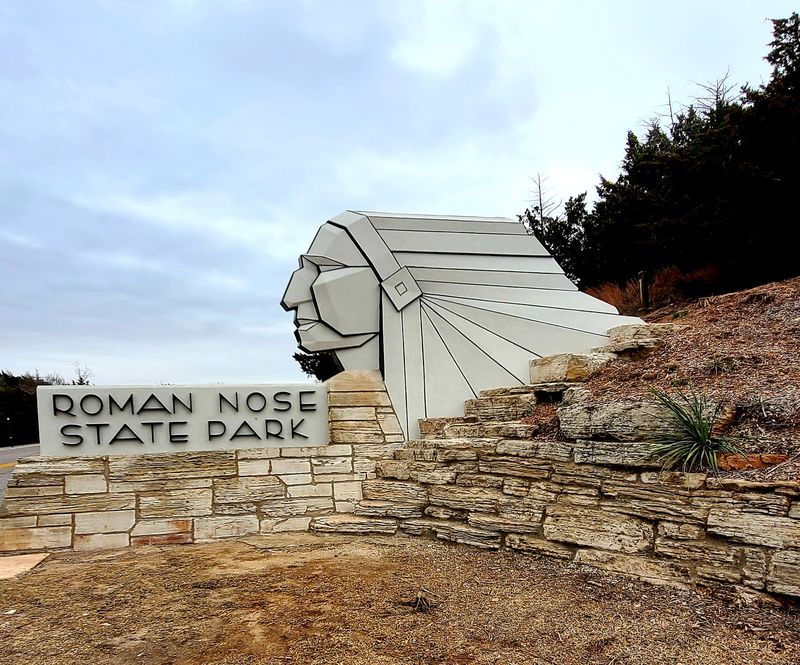
Few state parks carry a name as striking as this one, and the history behind it is just as compelling as the scenery. The park takes its name from Henry Roman Nose, a Southern Cheyenne leader whose family had deep ties to the canyon country of western Oklahoma.
His connection to the land here was personal and lasting, and the park stands as a quiet acknowledgment of that Indigenous heritage.
The lodge itself carries a local flair celebrating the Cheyenne and Arapaho tribes, something visitors who spend time inside consistently notice and appreciate. That cultural thread runs through the park in a way that gives the natural setting a richer sense of meaning.
Oklahoma’s western plains were long home to the Southern Cheyenne and Arapaho peoples, and the canyon springs that draw visitors today were known and valued long before the park ever existed. Spending time here with that history in mind shifts the experience from a simple outdoor outing into something more layered.
The land has a story, and the park, at its best, helps visitors feel connected to it rather than just passing through.
Canyon Geology That Catches You Off Guard
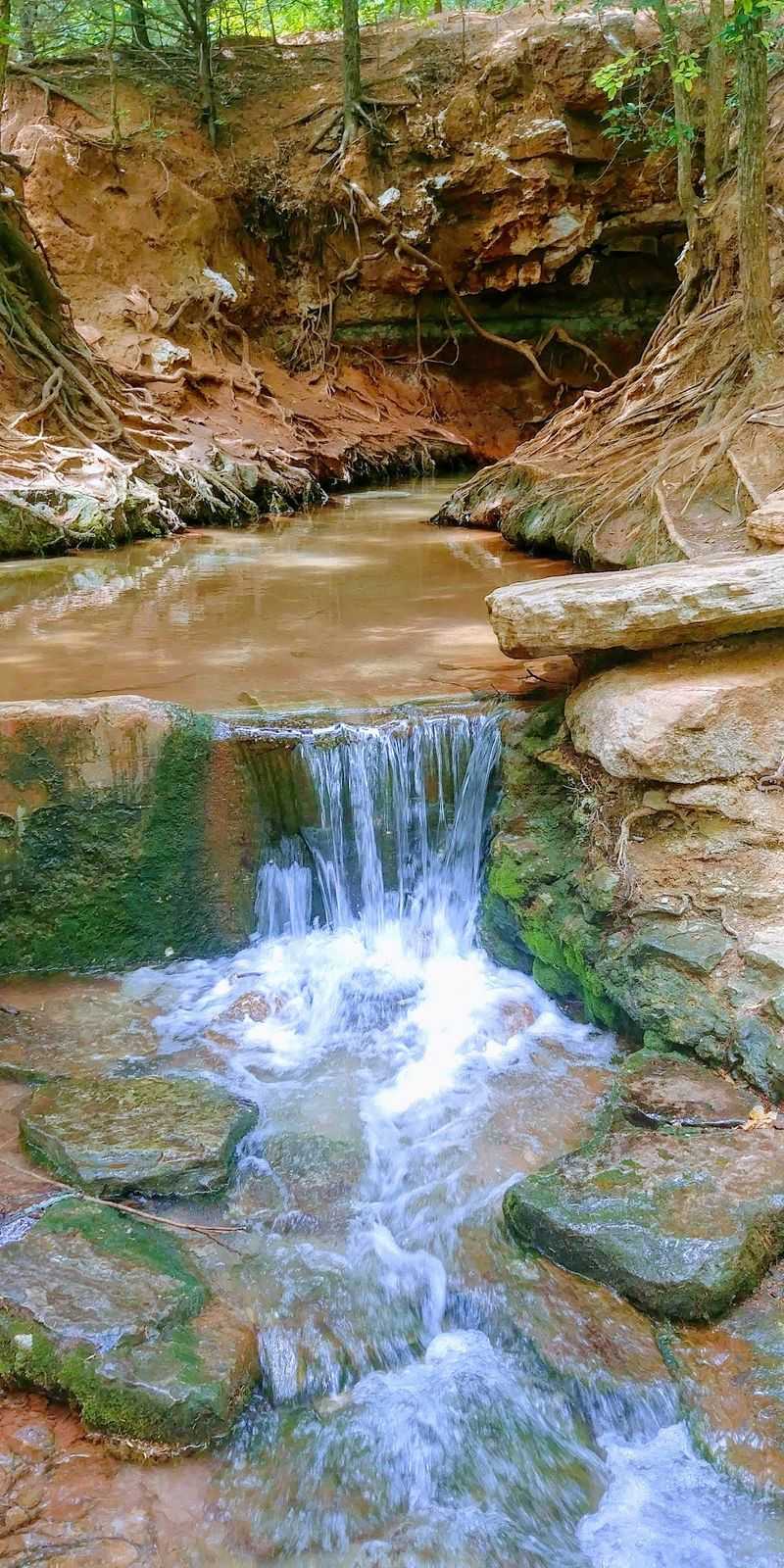
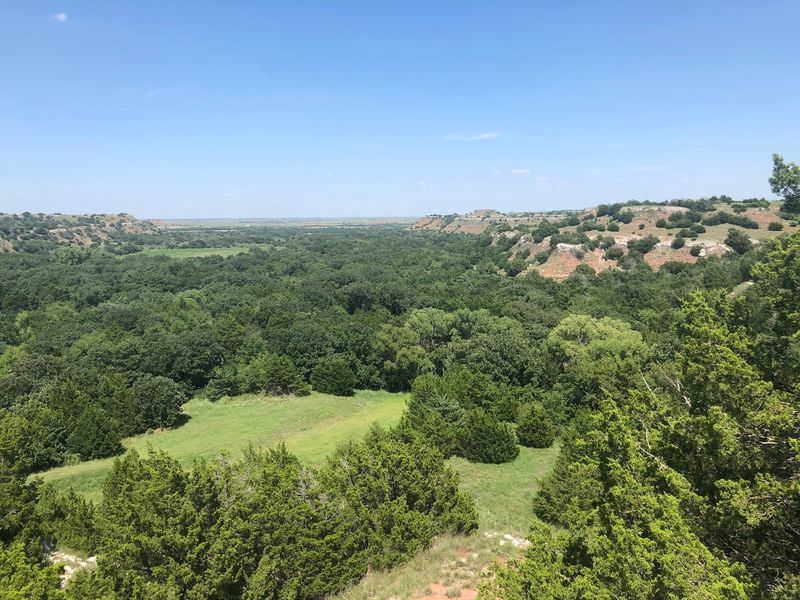
Red rock canyon walls rising out of the Oklahoma plains are not something most visitors see coming. The geology at Roman Nose State Park is shaped by the same forces that carved much of western Oklahoma’s rougher terrain, with exposed sandstone and gypsum formations creating dramatic vertical relief in a region that otherwise reads as horizontal in every direction.
The canyons here are not Grand Canyon scale, but they carry a genuine sense of depth and drama that rewards anyone willing to explore beyond the parking lot. Cliff faces catch the late afternoon light in shades of amber and rust, and the shadows that pool in the lower canyon sections give the landscape a moody, almost cinematic quality.
One of the more unusual details that visitors with some geological curiosity tend to appreciate is the golf course, which actually plays over and beside canyon edges. Errant shots disappear into the rough below, a feature that is equal parts frustrating and spectacular.
The canyon geography shapes recreation here in ways that feel genuinely unique among Oklahoma state parks, giving even a simple walk through the grounds a sense of topographic surprise that flat-state visitors rarely expect to find.
Natural Springs That Feed the Place
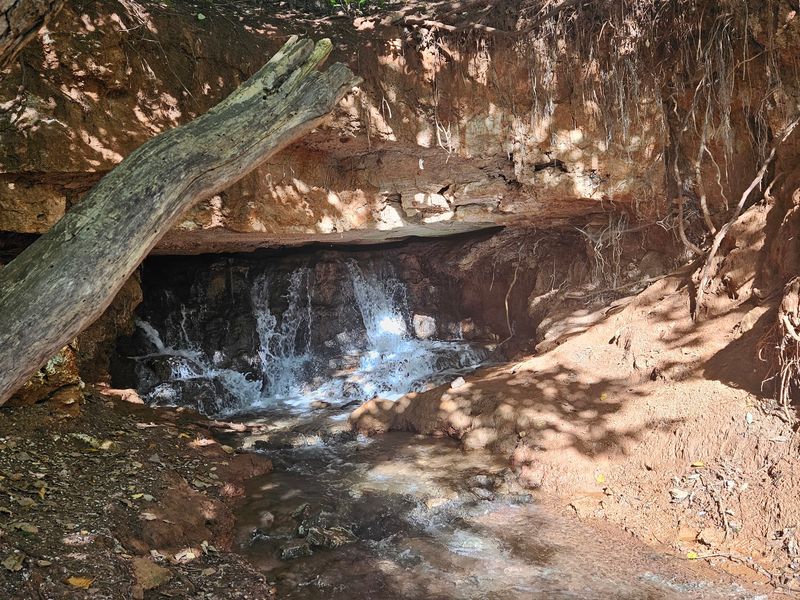
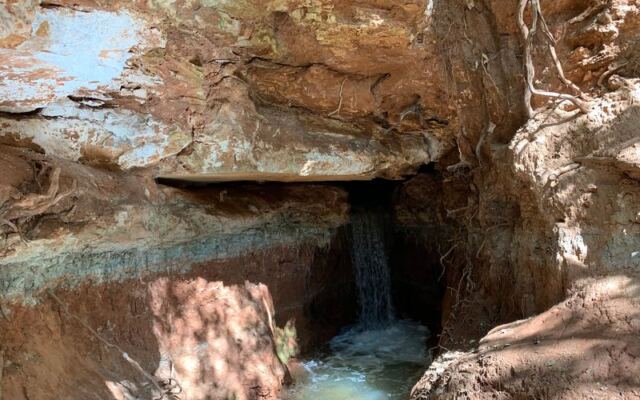
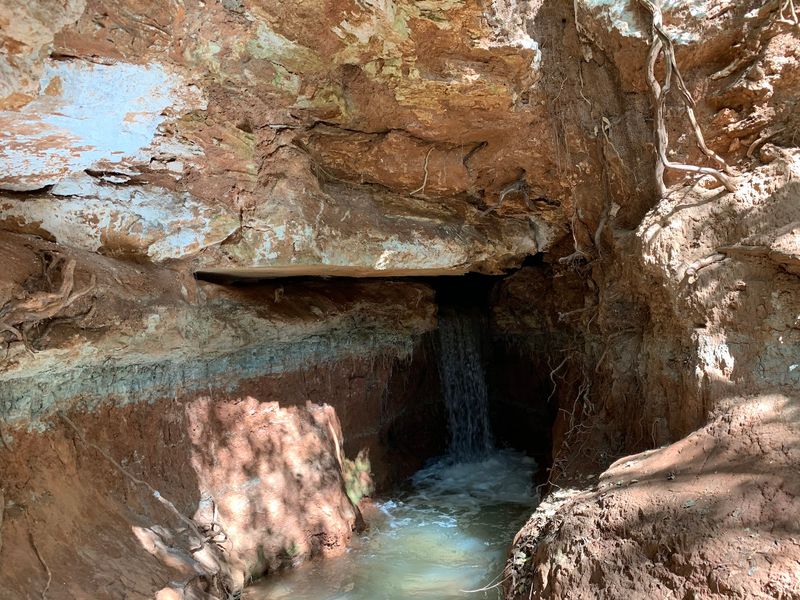
Among the forty-plus mentions in visitor conversations, natural springs come up again and again as one of the park’s most distinctive and beloved features. Water bubbling up from the earth in the middle of dry western Oklahoma feels almost improbable, and that sense of surprise is exactly what draws people back.
The springs feed one of the nearest pools in the state, a body of water sustained not by rainfall alone but by the underground hydrology of the canyon system. That connection to the land’s own water supply gives the springs a character that man-made amenities simply cannot replicate.
Visitors who find them tend to linger, drawn by the quiet sound of moving water and the lush vegetation that clusters wherever the spring water reaches.
Locating the springs has historically required some effort, with a few visitors noting that signage could be clearer. Asking staff at the lodge tends to be the most reliable approach, and the friendly, knowledgeable team there is consistently praised for helping guests find the park’s less obvious highlights.
The springs reward the search, offering a genuinely wild and calming pocket of the park that feels removed from the campgrounds and the golf course entirely.
Trails Through the Canyon Country
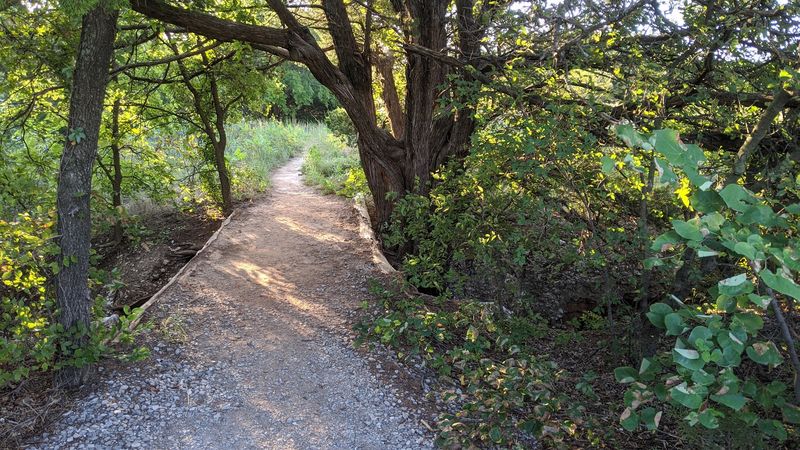
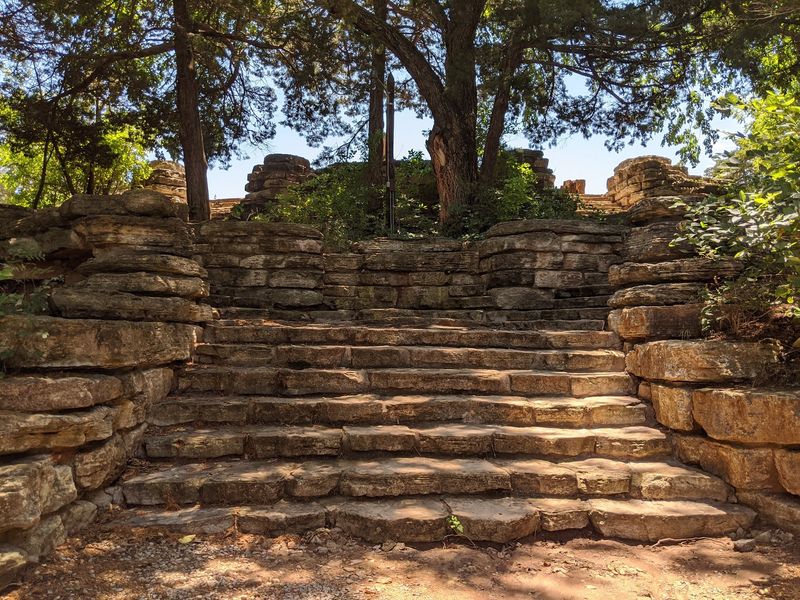
Hiking at Roman Nose State Park is the kind of activity that reveals the park’s real personality. The trail system winds through cedar-covered ridges, drops into canyon sections, and climbs to elevated points that open up surprisingly wide views across the Oklahoma plains.
Inspiration Point is the trail destination that earns the most enthusiasm from visitors. Reaching it from the lodge involves a stretch of trail with steep ups and downs, enough elevation change to earn the view at the top.
Some visitors turn back partway, but those who push through describe the payoff as worth every step. The ADA-accessible trail that connects the campground area to the lodge offers a gentler option for those who prefer a flatter route with still-scenic surroundings.
Trail marking has been a point of feedback from some visitors, with a few noting that routes beyond the main path can be unclear. Carrying a simple park map from the front desk helps considerably, and staff members are reliably helpful when asked for directions.
The best hiking experience here comes from going in with some flexibility, treating the occasional unmarked fork as part of the adventure rather than a frustration. The terrain itself more than compensates for any navigational ambiguity.
The Lodge and Cabins Overlooking the Canyons
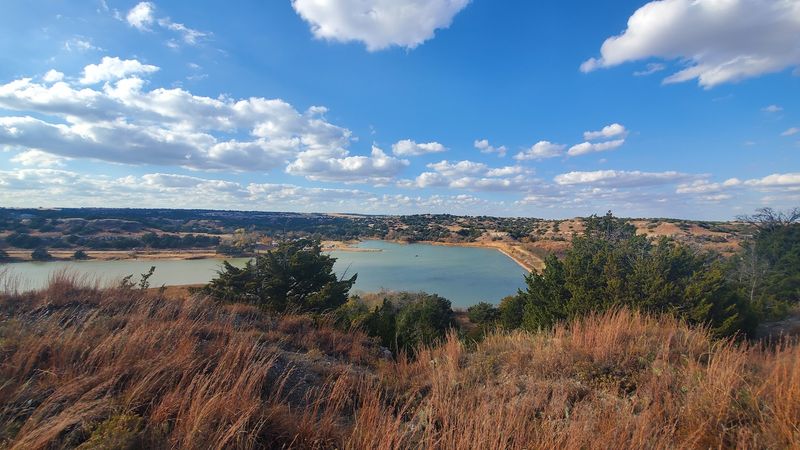
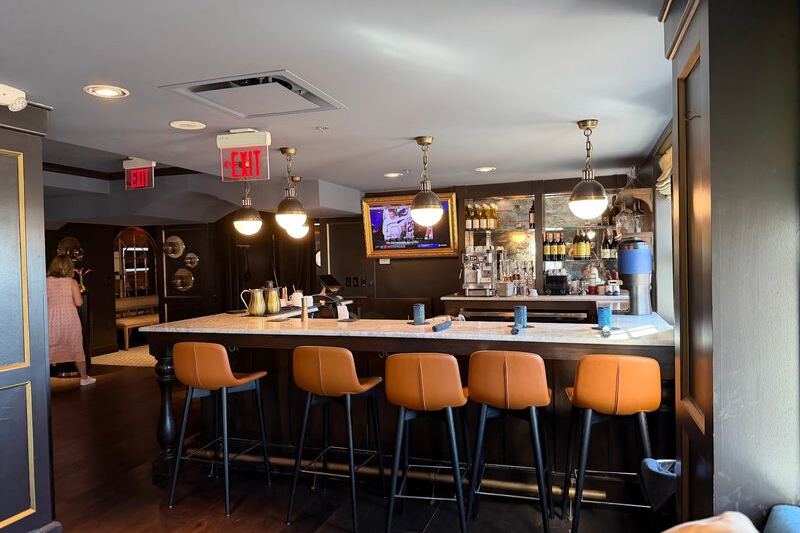
Sitting at the edge of canyon country with views that stretch across the surrounding landscape, the Roman Nose State Park lodge is one of those places that earns its reputation through atmosphere as much as amenities. The building has been updated over the decades while keeping a local character that newer resort properties rarely manage to achieve.
Guest rooms come equipped with satellite TV, minifridges, and tea and coffeemakers. Upgraded rooms add sitting areas, and the cabins step things up further with living and dining areas plus kitchenettes.
All accommodations include free Wi-Fi and offer park, lake, or river views depending on placement. Free parking is available throughout.
The cabin layout works especially well for families. Concrete picnic tables, fire pits, and grills sit in the cabin backyards, making outdoor evenings easy and comfortable.
Visitors consistently describe the cabins as clean and well-maintained, noting that while the beds lean toward firm, they are a significant step up from tent camping. Bringing your own pillows and extra bedding is a practical tip that regulars pass along.
The overall setup suits an inexpensive family weekend far better than the modest price tag might suggest at first glance.
The 18-Hole Golf Course Carved Into Canyon Edges
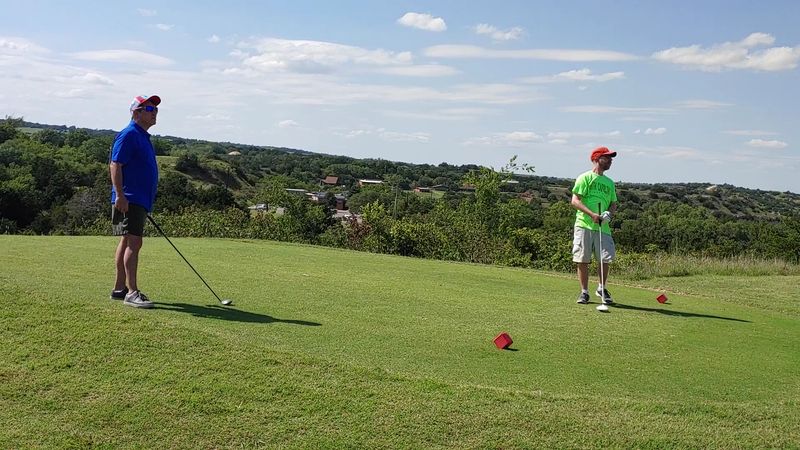
Playing golf beside canyon walls is not an experience most golfers expect to find at an Oklahoma state park, but Roman Nose delivers exactly that. The 18-hole course sits right at the park entrance, and its layout takes full advantage of the canyon terrain in a way that makes it genuinely unlike anything else in the region.
Fairways run over and beside canyon drops, meaning a wayward shot can disappear into some very dramatic rough. Locals with experience on the course offer practical advice: if the ball goes deep into the canyon edge, leave it and drop another.
The snakes that find the rough appealing are reason enough to respect the hazard from a safe distance.
The course itself has drawn praise for being in excellent shape, with conditions that hold up well even when other park amenities face challenges. For golfers who want something more memorable than a standard municipal layout, this course delivers a combination of technical challenge and raw scenery that sticks in the memory long after the round ends.
Some visitors who came primarily for the hiking admit the golf course surprised them as a highlight, which says something about how effectively the canyon setting elevates even a familiar recreational activity.
Camping Options From Tent Sites to RV Hookups
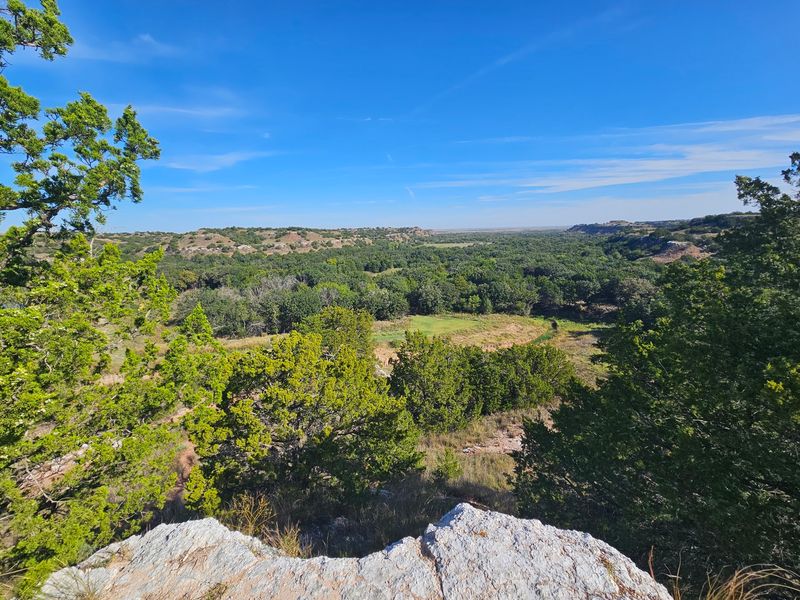
Camping at Roman Nose State Park covers a solid range of options, from basic tent sites to RV spots with hookups. The Beaver Dam Campground draws consistent praise for clean bathrooms and showers, picnic tables, fire rings, and grills, a setup that makes an overnight stay comfortable without stripping away the feeling of actually being outdoors.
Tent sites sit in settings that feel genuinely removed from everyday life, with cedar trees providing shade and the canyon landscape providing the kind of backdrop that makes morning coffee taste better. Visitors who camp here frequently mention the dark skies as an unexpected bonus, with minimal light pollution making Roman Nose an appealing spot for astrophotography.
On a clear night, the stars over western Oklahoma are legitimately impressive.
RV campers should come prepared with enough hose length for water hookups, as shared connections can be spaced further from some sites than expected. Checking with park staff before arrival about current site conditions is a smart move, since the park’s website has not always reflected real-time details about closures or available amenities.
The camping experience here rewards guests who arrive flexible and ready to engage with the natural setting rather than expecting resort-level infrastructure at every turn.
The Current State of the Lakes
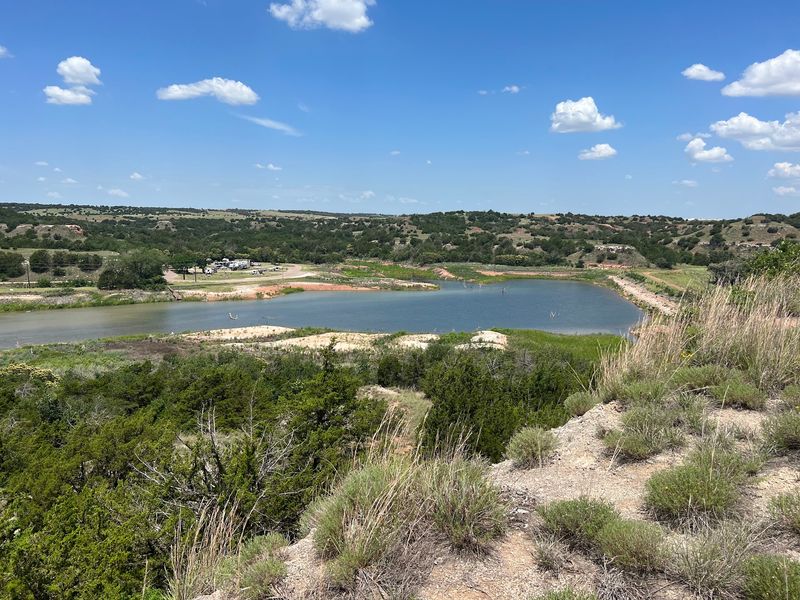
Honesty matters when planning a trip, and the situation with the lakes at Roman Nose deserves a straightforward look. Both Boecher Lake and Watonga Lake have been without water for an extended period.
Dam repairs on the larger lake and a sinkhole affecting the smaller one have left both lakebeds dry, a reality that has surprised visitors who arrived expecting water-based recreation.
The paddle boats still sit along the former shoreline, now resting on ground that has grown over with grass and brush. It is an unusual sight, and visitors react to it in different ways.
Some find it quietly striking, almost cinematic in the way an emptied landscape can be. Others feel genuinely disappointed, particularly those who planned kayaking or fishing trips based on older photos and descriptions.
The park’s staff are upfront about the situation when asked, and the natural springs continue to feed the pool area independently of the lake system. Water activities like kayaking are listed as available, so checking current conditions directly with the park by phone before visiting is strongly recommended.
The number to reach the park is 405-295-2770. The lake closures are a real limitation, but they do not erase the canyon scenery, the trails, or the spring-fed pool that remain fully part of the experience.
Dark Skies and Stargazing Potential
Western Oklahoma does not get nearly enough credit for its night skies, and Roman Nose State Park sits in a pocket of the state where light pollution is genuinely low. Visitors who camp here and stay up past dark consistently mention the stars as one of the most memorable parts of the experience, sometimes unexpectedly so.
The park’s distance from major urban centers, combined with its canyon-country setting, creates conditions that astrophotography enthusiasts find worth the drive. Cell service can be spotty depending on your carrier, which some visitors find frustrating during the day but which contributes to the overall sense of disconnection that makes a night under a proper dark sky feel so restorative.
Bringing a blanket, a reclining camp chair, and a simple star map app downloaded ahead of time turns an ordinary camping night into something that genuinely impresses even skeptical companions. The canyon rim provides a natural dark horizon in multiple directions, and the absence of nearby commercial development means the sky holds its depth well past midnight.
For families with kids who have never seen the Milky Way clearly, or for photographers chasing long-exposure shots without driving to a designated dark sky park, Roman Nose offers a quietly excellent option.
Who the Park Suits Best
Roman Nose State Park is not trying to be everything to everyone, and understanding who it genuinely suits helps set realistic expectations. Families with kids who enjoy outdoor exploration, light hiking, and campfire evenings will find the park hits a sweet spot between accessible and adventurous.
The combination of canyon scenery, clean campgrounds, and the ADA trail means the park accommodates a fairly wide range of mobility and fitness levels.
Golfers looking for a layout with genuine character rather than a cookie-cutter course will find the canyon-side holes memorable. Photographers, whether hobbyists shooting landscape or serious astrophotography enthusiasts, will appreciate both the daytime terrain and the nighttime skies.
History-minded visitors who enjoy understanding a place’s cultural roots will find the lodge’s Cheyenne and Arapaho heritage elements add meaningful context to the visit.
The park suits travelers who arrive with some flexibility and a willingness to engage with a landscape that rewards curiosity over comfort. Visitors expecting a polished resort experience or full water recreation may find the current state of the lakes a significant drawback.
But for those drawn to canyon country, natural springs, and the particular quiet of western Oklahoma, Roman Nose delivers an experience that feels personal and unhurried in a way that busier parks rarely manage.
Practical Details for Planning Your Visit
Getting to Roman Nose State Park means heading to 3236 OK-8A in Watonga, Oklahoma, about an hour from Yukon and roughly an hour and a half from Edmond and Oklahoma City. The drive takes you through classic western Oklahoma countryside, which is part of the experience for road-trippers who enjoy watching the landscape shift as they move west.
Parking at the park is free. The outdoor pool is available but operates on a seasonal and weekend schedule, so confirming current hours before planning a swim is worth the call.
The pool carries a separate fee for use. Shower facilities at the campground require tokens, with each token providing a set amount of time, so bringing enough tokens for your stay is practical planning rather than a surprise.
The general store and on-site restaurant have had periods of closure, and conditions have shifted over recent seasons. Calling the park directly at 405-295-2770 before arrival is the most reliable way to get current information on what is open.
The park’s official site at travelok.com/state-parks/roman-nose-state-park provides baseline information, but phone confirmation covers the gaps. Arriving with food and supplies for your stay removes any uncertainty about on-site dining availability and lets you focus on the scenery.
A Soft Verdict on Roman Nose State Park
Roman Nose State Park is a place that rewards the visitor who comes prepared and arrives curious. The canyon scenery is genuine, the natural springs are a legitimate wonder in this part of the state, and the dark skies over the campground deliver something that a lot of people have simply never experienced before.
Those qualities do not disappear because the lakes are currently dry or because some amenities are in flux.
The staff here get praised consistently and enthusiastically, which matters more than it might seem. A park where the people working it genuinely care about the visitor experience creates a different kind of stay than one where facilities are polished but the human element is absent.
Roman Nose leans hard into that human warmth, and it shows.
The honest assessment is that this is a park in a transitional moment, dealing with real infrastructure challenges while still holding onto the natural assets that made it worth visiting in the first place. Call ahead, pack your own food, bring extra bedding if you are staying in the cabins, and give yourself enough time to find the springs and reach Inspiration Point.
Do those things, and Roman Nose State Park will likely surprise you in exactly the way that the best Oklahoma discoveries always do.
Share this story