There is a stretch of Oregon coastline where the past literally shows up at your feet when the tide pulls back. Carved into the base of a rocky headland, you can still see the ruts left by stagecoaches that once rolled along the beach because the cliffs made road-building impossible.
This is not some reconstructed tourist attraction or a history museum with velvet ropes. The evidence is just there, raw and real, waiting for anyone curious enough to time their visit right and take a closer look.
Where the Beach and History Meet: Hug Point State Recreation Site
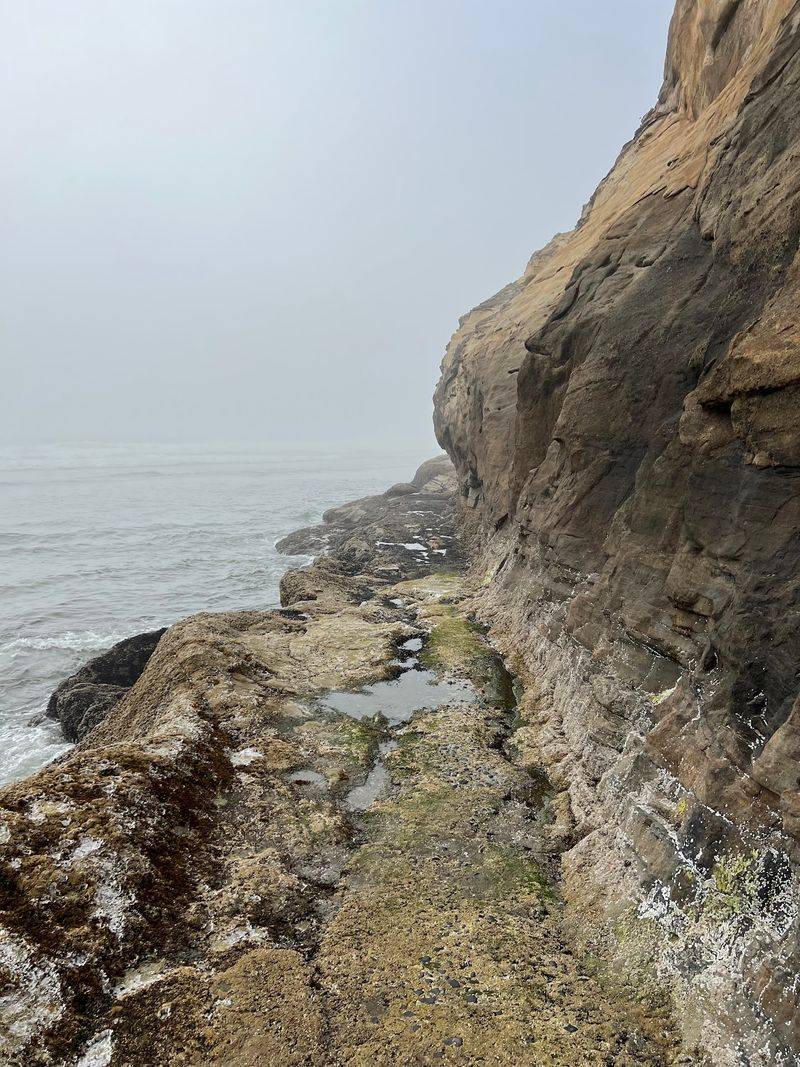
Few beaches in Oregon carry as much quiet history as this one. Hug Point State Recreation Site sits along the northern Oregon coast, just south of Cannon Beach, at Oregon 97102, near the coordinates 45.8314 N, 123.9629 W.
The park is tucked between forested bluffs and the Pacific Ocean, and the drive in already feels like a reward.
The name comes from the way early travelers had to “hug” the rocky point to pass at low tide, pressing close to the cliff face to avoid the surf. Stagecoaches using this route between Seaside and Tillamook had no other option before Highway 101 existed.
The beach itself served as the road.
Today, the park is free to enter, which is a genuinely rare thing on the Oregon coast. A small parking lot greets visitors, and a short but steep path leads down to the sand.
The sense of arrival, standing at the base of those basalt cliffs with the ocean stretching west, never gets old.
The Stagecoach Road Carved Into the Cliff
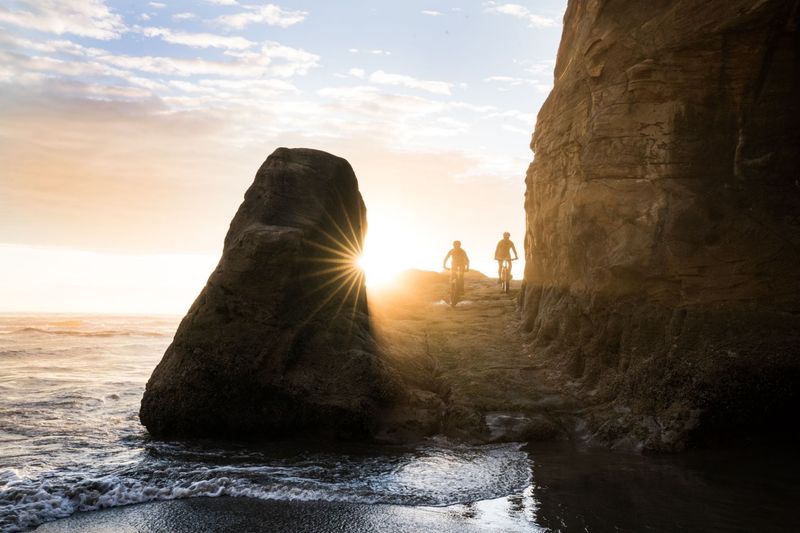
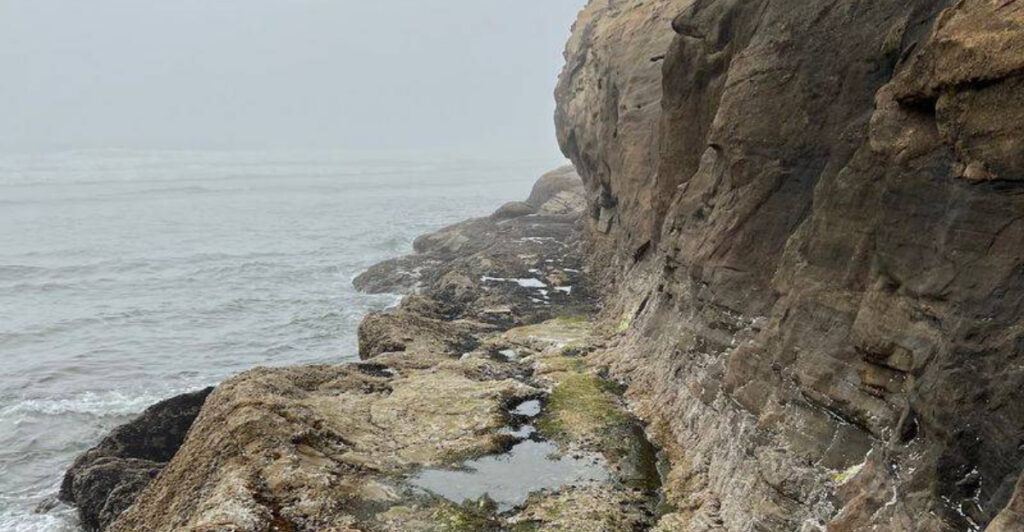
The most jaw-dropping detail at this beach is something most visitors almost walk right past. At low tide, a narrow ledge emerges along the base of the headland, and cut into the basalt rock are the actual grooves left by stagecoach wheels from the late 1800s.
These ruts were not painted on or reconstructed. They are original, worn into the stone by years of heavy wooden wheels rolling through.
Before the coast highway was built in the 1930s, horse-drawn stagecoaches had to time their runs with the tides, using the hard-packed beach and this rocky shelf as their road. The ledge is only wide enough for one vehicle, and the drop to the surf below is not forgiving.
Drivers had to move fast and trust their timing.
Running your hand along those grooves today connects you to something surprisingly tangible. There are no signs telling you how to feel about it, and no fences keeping you back.
The history just sits there in the rock, weathered and honest, doing its job without any fanfare.
The Waterfall That Drops Straight Onto the Beach
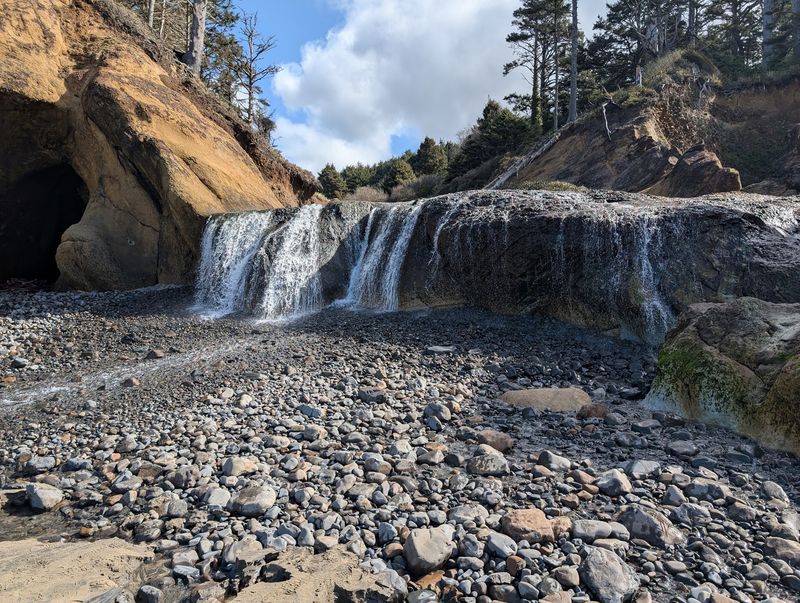
A waterfall that lands on a beach instead of a riverbed is not something you stumble across every day. At Hug Point, a small but striking waterfall spills off the cliff face and drops directly onto the sand, especially visible during and after rainy periods.
The effect is almost theatrical, with the fresh water hitting the beach just a few yards from the salt water of the Pacific.
Timing matters here. The waterfall is most accessible and most impressive at low tide, when the beach widens and you can actually stand close to it without getting soaked by incoming waves.
The surrounding rock is dark and mossy, which makes the white cascade pop visually. Photographers tend to linger here for a while.
The sound alone is worth the walk. The combination of crashing surf behind you and the steady rush of the falls in front creates a kind of natural stereo that is hard to replicate anywhere else.
Bring a light jacket because the spray and the coastal breeze team up quickly, and the area around the waterfall stays noticeably cooler than the open beach.
Tide Pools Full of Life Worth Slowing Down For
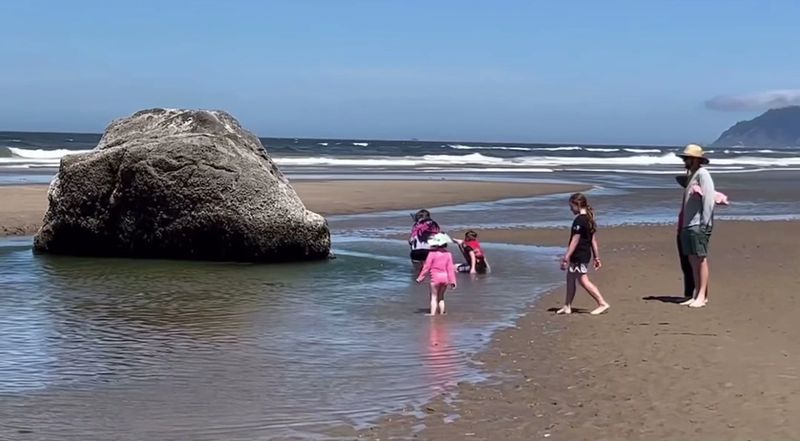
The tide pools at Hug Point are genuinely excellent, and that is not a phrase to throw around lightly on a coastline full of competition. The rocky shelves around the headland collect all sorts of marine life in their shallow basins when the tide retreats.
Anemones, hermit crabs, sea stars, and tiny fish all become visible, and the variety is dense enough to keep curious eyes busy for a long time.
Getting there about two hours before low tide gives you the best window. The pools fill with critters that are easiest to spot when the water is calm and shallow.
Expect to get your feet wet if you want to see the best sections. Bringing a dry pair of shoes or sandals you do not mind soaking is a smart move.
Oregon has strict rules about tide pool life, and for good reason. These ecosystems have taken a hit from overcrowding and careless visitors over the years.
The rule is simple: look with your eyes, not your hands. Every creature left undisturbed is one that will still be there for the next visitor, and the one after that.
Sea Caves Along the Basalt Headland
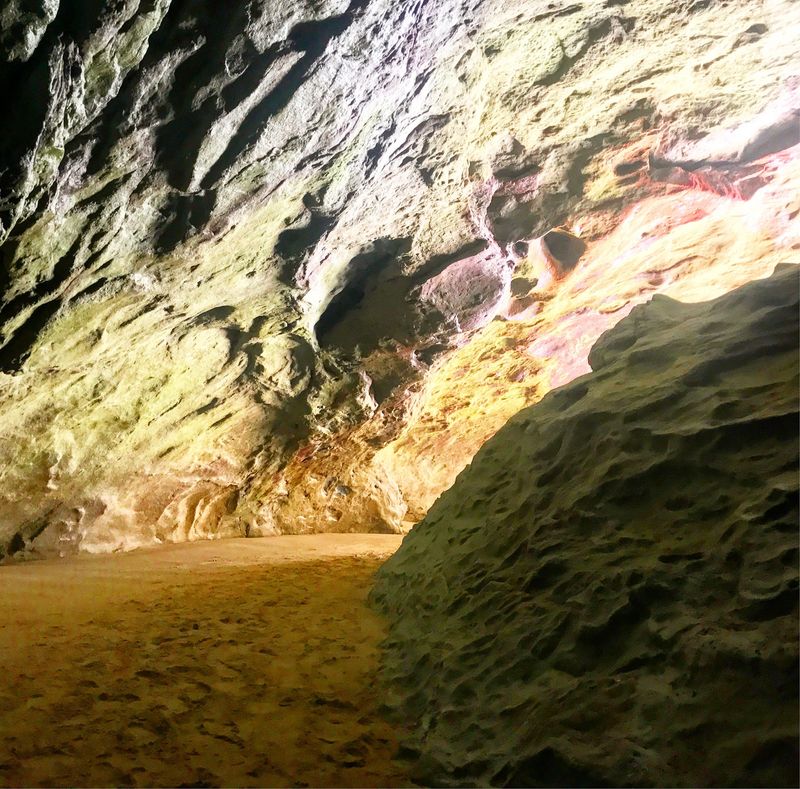
The caves at Hug Point have a way of making adults feel like kids again. Carved into the basalt headland by centuries of wave action, these shallow sea caves are accessible at low tide and offer a completely different sensory experience from the open beach.
The ceiling is low in places, the walls are slick with algae, and the sound inside is a deep, echoing rumble of the ocean.
None of the caves are deep enough to get lost in, which makes them feel adventurous without being genuinely risky. They are more like alcoves than tunnels, with enough room to duck inside, look around, and appreciate the geology up close.
The rock formations inside are varied and interesting, layered with color from minerals and sea life.
A few of the cave openings face the sunset, which turns the interior walls golden during the right hour on a clear evening. Visiting the caves at sunset during low tide is one of those specific combinations that rewards a little planning.
The light does things in there that no photo ever quite captures correctly, no matter how good the camera.
The Beach at Low Tide: Wide, Wild, and Worth the Wait
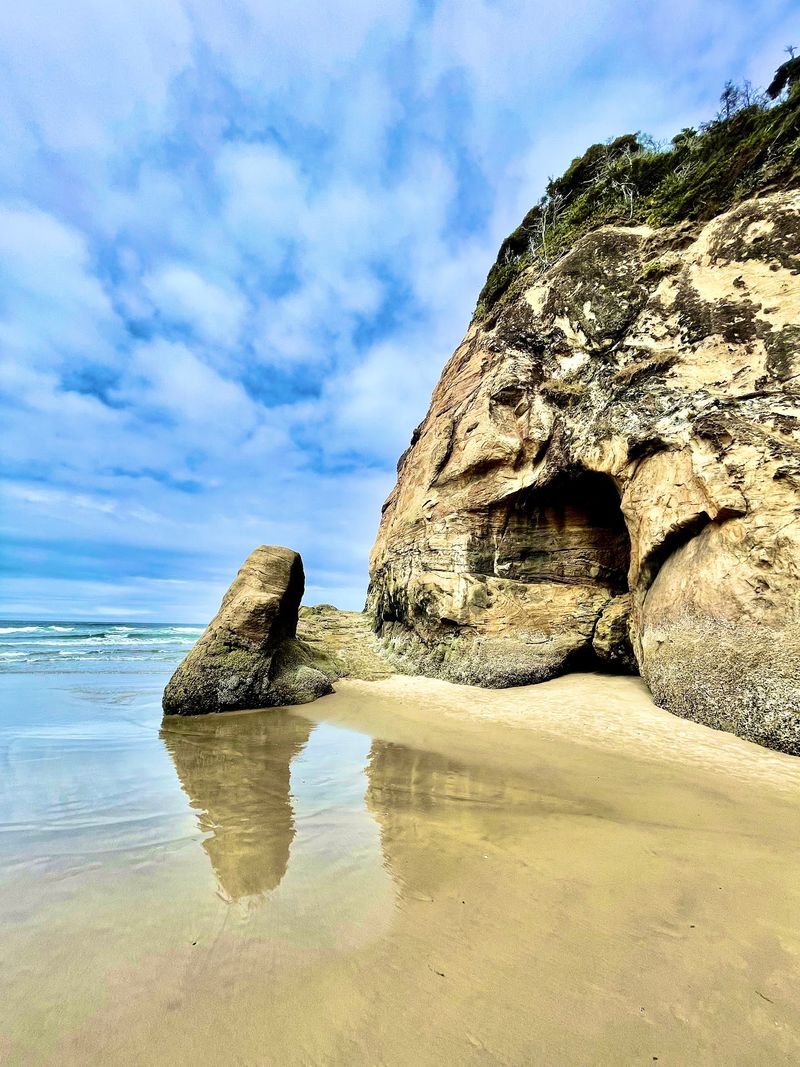
At high tide, the beach at Hug Point is narrow and the cliffs feel close. At low tide, the whole scene transforms.
The sand stretches out wider than a football field, hard-packed and easy to walk on, with the full drama of the headland behind you and the open Pacific ahead. The difference between the two states of this beach is genuinely remarkable.
To the south, the beach continues for miles, flat and open, making it a solid option for long walks with no particular destination in mind. To the north, the point itself emerges and a path forms around it, connecting to another stretch of beach beyond.
That northern path is only passable during low tide, and the cliffs on either side are too steep to climb, so watching the tide schedule is not optional.
Checking a tide chart before visiting is the single most useful piece of advice anyone can offer here. The Oregon Department of Fish and Wildlife and several free apps publish accurate predictions.
Arriving at the right moment turns a nice beach visit into something that feels genuinely special, like the ocean is putting on a show specifically for you.
Picnicking in the Shadow of the Cliffs
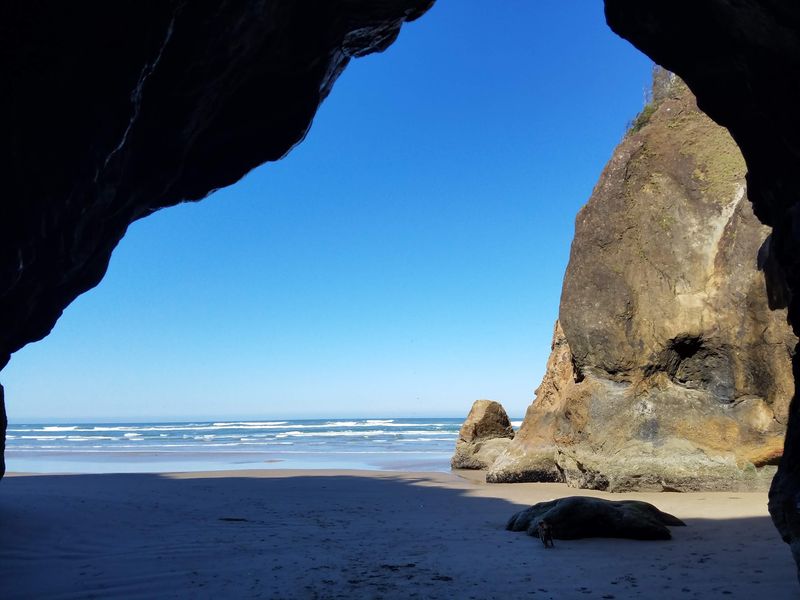
The shallow caves along the cliff face at Hug Point do double duty as natural shelters for a beach picnic. On a breezy Oregon coast day, which is most days, having a solid rock wall at your back and a low ceiling overhead cuts the wind significantly.
Locals have been using these natural alcoves as shady lunch spots for years, and the setup is genuinely practical.
There are no picnic tables on the beach itself, so a blanket and a bag with snacks is the standard approach. The sand near the cave openings tends to be firmer and less likely to blow into your food, which is a small but meaningful upgrade from sitting in the open.
A cooler with lunch and something warm to drink fits the vibe perfectly on a grey coast morning.
The backdrop for a meal here is hard to beat. Seabirds pass overhead, the surf provides a constant soundtrack, and the cliffs rise dramatically on one side while the ocean stretches endlessly on the other.
The combination of good food, good views, and a little geological shelter makes for a genuinely satisfying afternoon without spending a single dollar on admission.
Getting Down to the Beach: What to Expect on the Trail
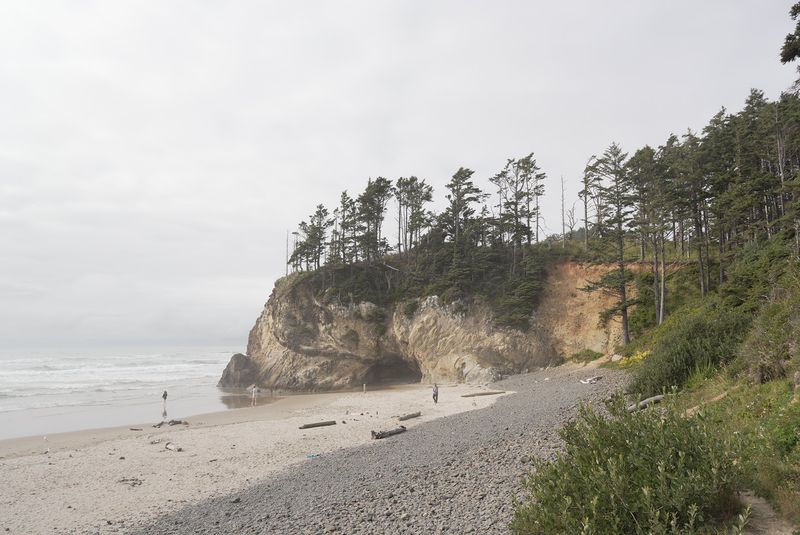
The trail from the parking lot to the beach is short but it earns its reputation for being a workout. The path descends steeply through coastal vegetation, and the final section involves a set of stairs that end roughly two and a half feet above a rocky landing.
That last step requires some confidence, and anyone with mobility challenges should know about it before making the trip.
The stairs are not wheelchair accessible, and strollers will have a tough time. The rocks at the base of the stairs are large and uneven before you reach the smoother sand.
Sturdy shoes with grip are a much better choice than sandals, and parents with young children should plan to assist at the bottom of the stairs.
The parking lot itself is small, with around 40 spaces on a good day. It fills up fast on weekends and during summer.
Getting there early, ideally before 9 in the morning on a busy day, is the most reliable strategy. There is a pit toilet and flush toilets available on site, which is a practical detail that matters more than it sounds after a long morning of beach exploration.
The Coastal Setting: What Makes This Stretch of Oregon Special
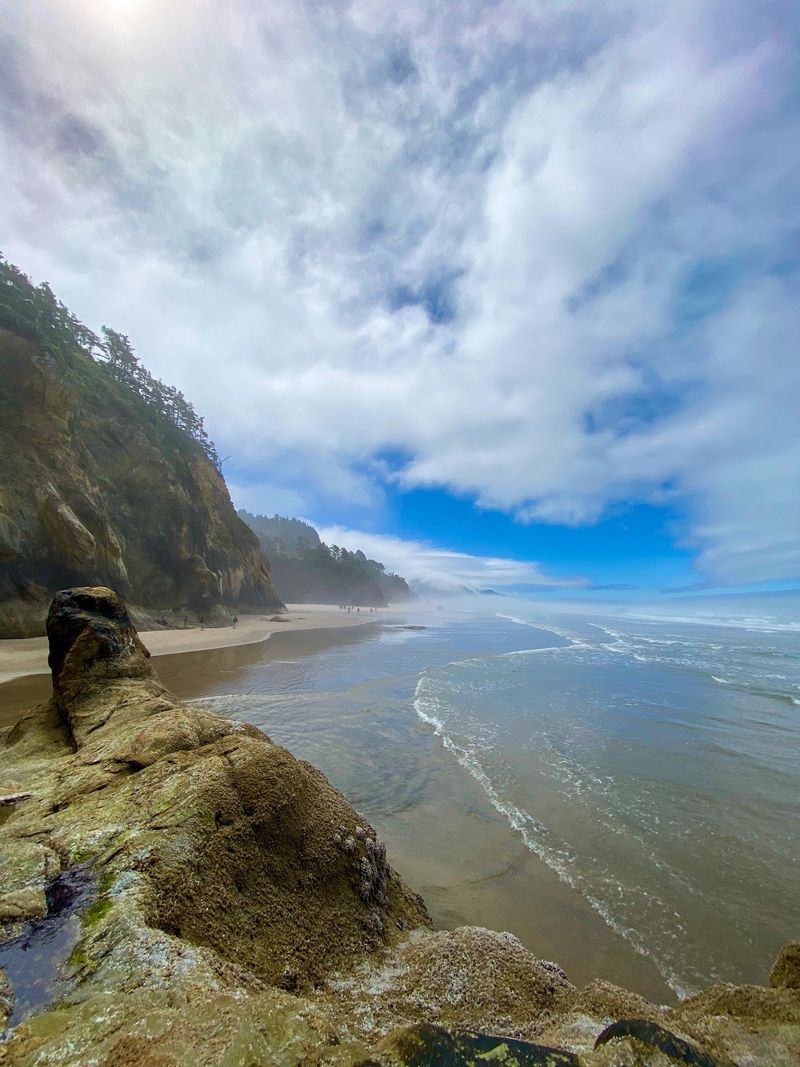
The northern Oregon coast has a particular personality, and Hug Point captures it well. The cliffs here are dark basalt, volcanic in origin, and they stand in sharp contrast to the pale sand and the grey-green of the Pacific.
The forest comes right to the edge of the bluffs, with spruce and fir pressing up against the rocky outcrops. The result is a landscape that feels layered and textured rather than flat and predictable.
On clear days, Haystack Rock near Cannon Beach is visible to the north, that massive sea stack rising out of the water like a monument. It provides a useful landmark and a reminder of just how dramatic this entire stretch of coastline is.
The light on the Oregon coast changes constantly, and the same beach can look completely different from morning to afternoon to evening.
The area sits within a few miles of Cannon Beach, which means access to food, gear, and lodging without being overwhelmed by crowds at the beach itself. That balance between convenience and relative quiet is one of the things that makes Hug Point worth seeking out rather than just stopping at whatever beach is closest to the highway exit.
Photography at Hug Point: A Coastline That Works Hard for the Camera
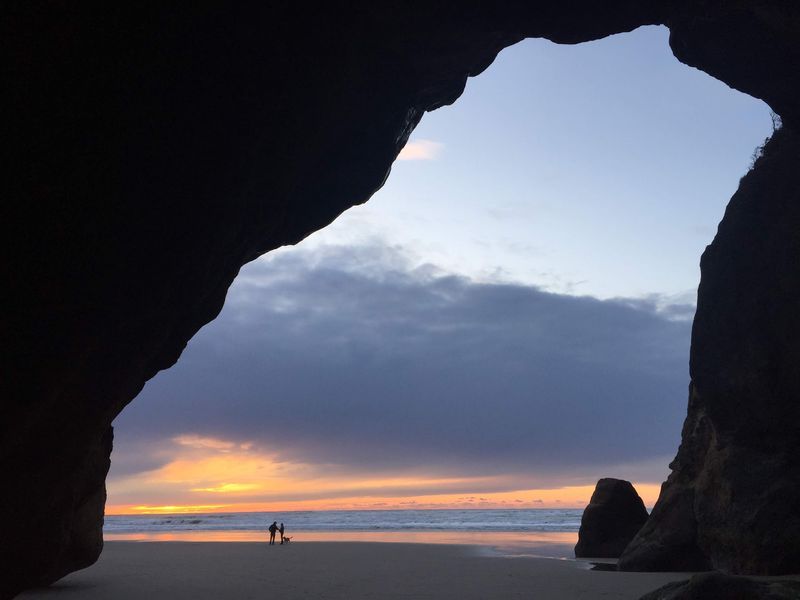
The combination of elements at Hug Point makes it one of the more photogenic spots on the entire Oregon coast. You have a waterfall, sea caves, tide pools, dramatic cliffs, wide open beach, and a historic stagecoach ledge, all within a short walk of each other.
For anyone who enjoys photography, that density of subjects in a compact area is genuinely exciting.
The best light tends to arrive in the late afternoon when the sun drops toward the ocean and catches the wet rock faces at an angle. The basalt turns from dull grey to rich amber, and the tide pools reflect the sky in ways that look almost surreal.
Sunset visits during low tide, when the caves and ledge are accessible, represent the peak opportunity for dramatic coastal shots.
Couples and portrait photographers have discovered this spot as well, and it is easy to see why. The variety of backdrops, from the waterfall to the cave openings to the open beach, means multiple setups are possible without moving more than a few hundred feet.
Arriving on a weekday reduces the chance of crowded backgrounds, and the soft overcast light that the Oregon coast delivers regularly is actually ideal for portraits.
Wildlife and Nature Watching Along the Headland
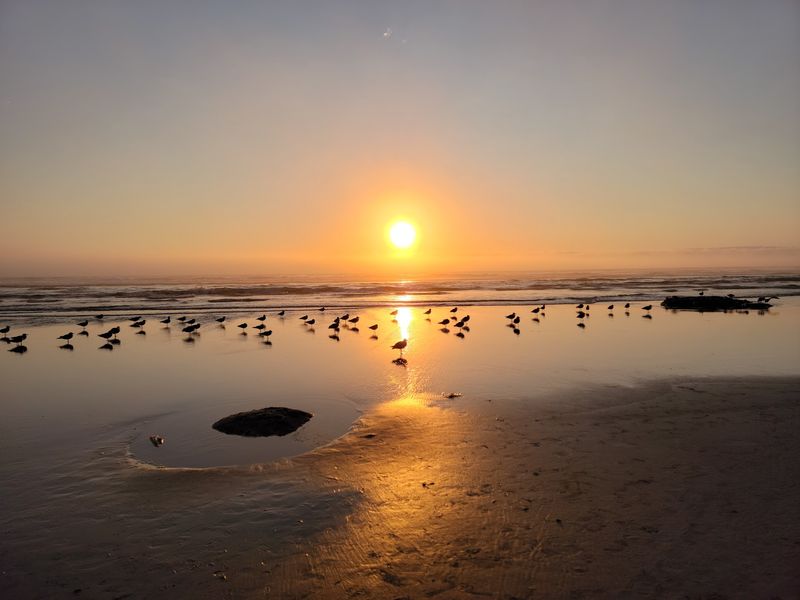
The rocky headland at Hug Point attracts more than just human visitors. Brown pelicans glide in formation just above the wave crests, and Brandt’s cormorants perch on the exposed rocks, wings spread to dry in the coastal wind.
Gulls work the tide line methodically, and on lucky days, harbor seals bob in the water just offshore, watching the beach with what can only be described as mild curiosity.
The intertidal zone around the point is a productive feeding area, which is why bird activity tends to concentrate near the rocks rather than the open sand. Binoculars make a real difference here.
The birds are not shy, but the distance between the shore and the offshore rocks means that a closer look rewards anyone who comes prepared.
Shorebirds like sanderlings and dunlins work the wet sand at the tide line during migration season, which runs roughly from late summer through early fall. Watching a flock of sanderlings sprint back and forth with the waves is one of those small pleasures that coastal Oregon delivers for free.
The natural activity here is constant and varied enough to hold attention even on days when the tide is not cooperating.
Planning Your Visit: Practical Tips for Getting the Most Out of Hug Point
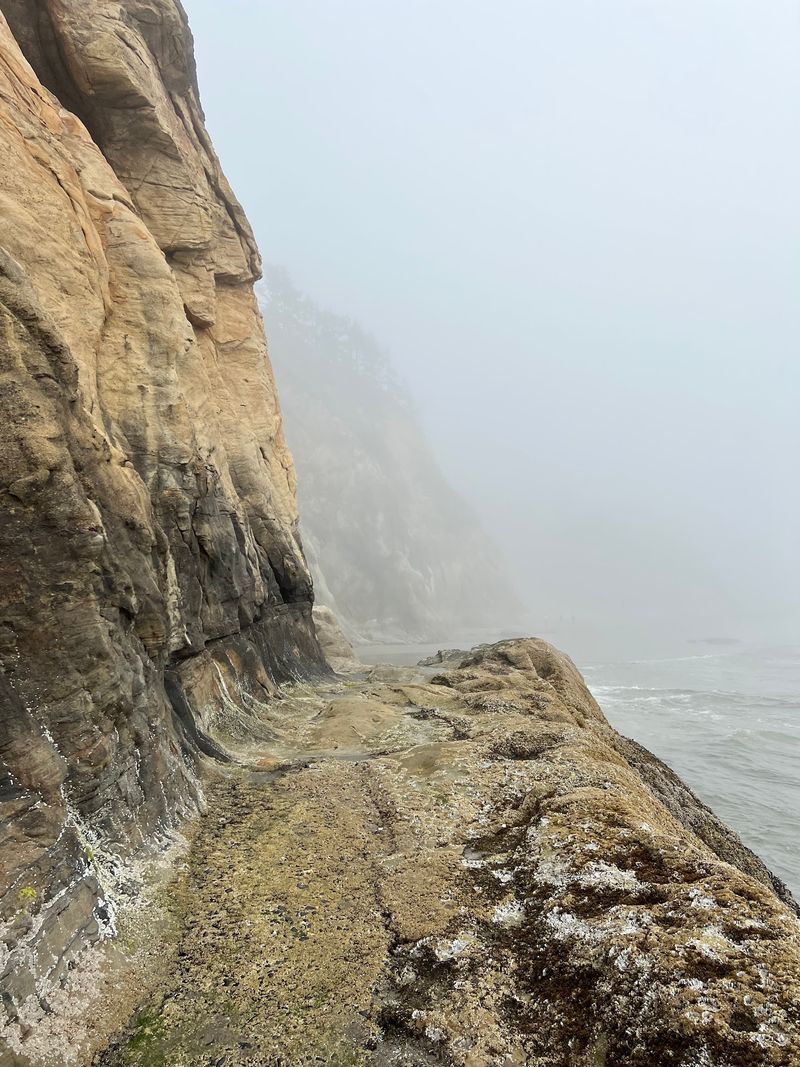
A little preparation makes a big difference at Hug Point. The single most important step is checking a tide chart before you go.
The stagecoach ledge, the caves, the waterfall access, and the wide beach are all dependent on low tide. Arriving two hours before the predicted low gives you the best window to explore everything the beach has to offer.
Parking is free but limited to roughly 40 spaces, and the lot fills quickly on summer weekends and holidays. Arriving before 9 in the morning on busy days is the safest strategy.
There is a small cul-de-sac for turning around, and overflow parking is available at a nearby lot with access to the beach from the north end, which actually puts you near the tide pools first.
The beach is free to visit, which keeps the experience accessible. Restrooms on site include flush toilets in the women’s facility and a pit toilet option, though conditions vary.
Wearing water-resistant shoes, bringing dry clothes if tide pooling is on the agenda, and packing a light layer for the coastal breeze are the three practical details that consistently separate a comfortable visit from a chilly, damp one.
Share this story