There is a stretch of the Oregon Coast where the landscape does something completely unexpected. Instead of cliffs or rocky shores, you get towering walls of sand, some rising well over 500 feet, rolling right up to the edge of the Pacific Ocean.
The contrast is almost hard to believe until you are standing in the middle of it, with sand between your toes and ocean waves within earshot. This place draws hikers, off-road riders, campers, and curious travelers from all over the country, and once you read what it has to offer, you will understand exactly why the crowds keep coming back.
Your Starting Point: The Visitor Center in Reedsport
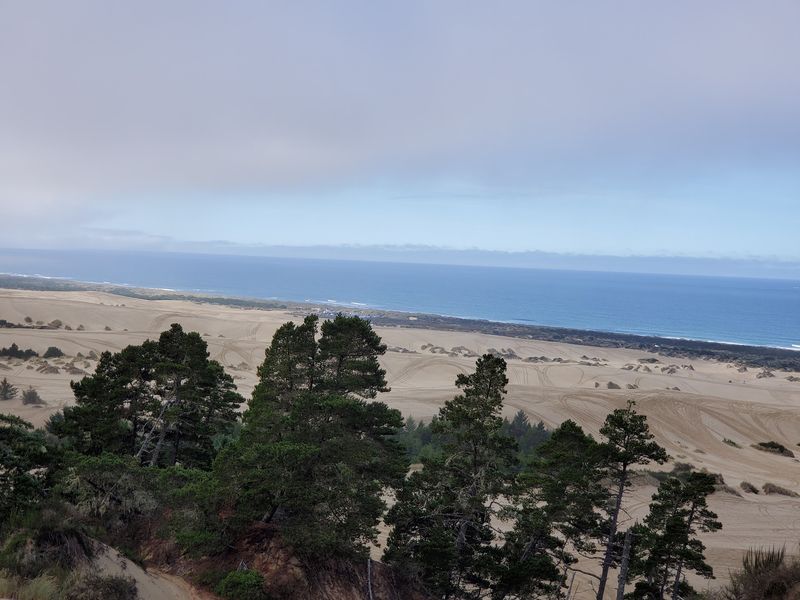
Before you head out to the dunes, there is one stop that will make your entire trip smoother, and that is the Oregon Dunes National Recreation Area Visitor Center, managed by the Siuslaw National Forest.
You will find it at 855 Highway Ave, Reedsport, OR 97467, right in town and easy to reach whether you are coming from Florence to the north or Coos Bay to the south.
The center is open Monday through Friday from 8 AM to 4 PM, and it is closed on weekends, so plan accordingly. The staff here genuinely know their stuff, and they can point you toward the best trails, OHV staging areas, and seasonal wildlife zones based on exactly what you want to do.
You can grab maps, check current trail conditions, and get safety tips before heading out. The phone number is +1 541-271-6000 if you want to call ahead, and the official website is https://www.fs.usda.gov/siuslaw for more details.
Think of this visitor center as your mission briefing before the real adventure begins. Skipping it means missing out on local knowledge that no GPS app can replace.
40 Miles of Wind-Sculpted Sand
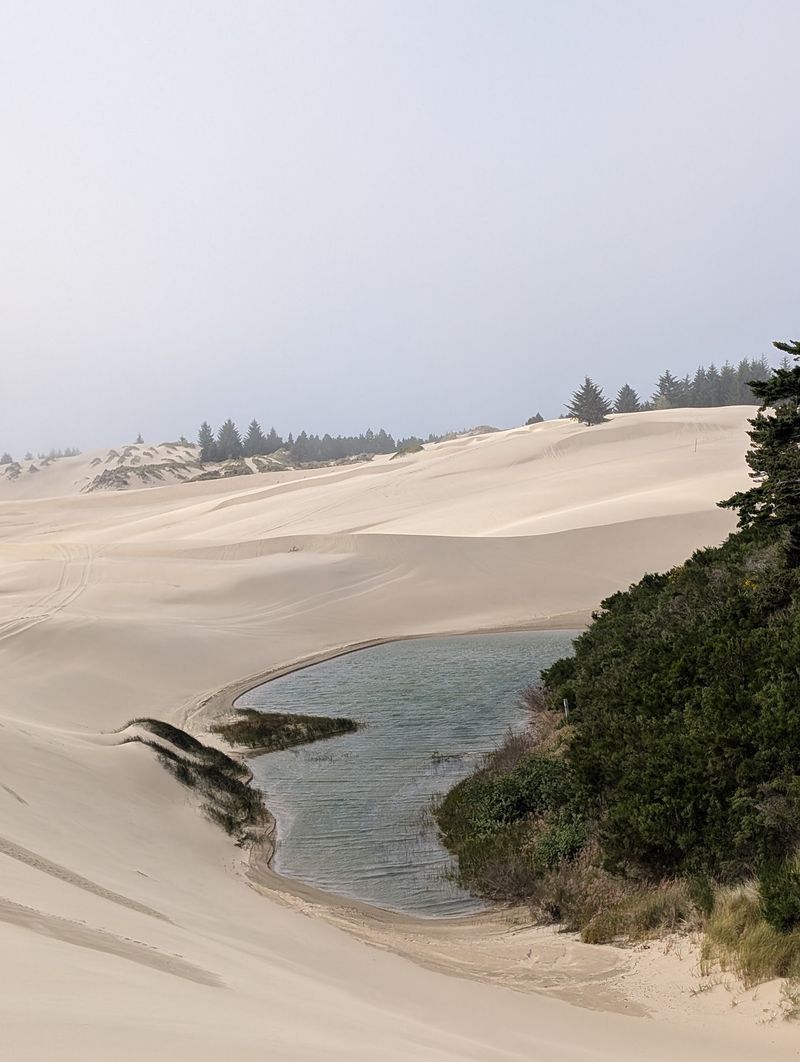
The sheer scale of the Oregon Dunes is the first thing that hits you. Stretching 40 miles along the Oregon Coast from Florence down to Coos Bay, this is the largest expanse of coastal sand dunes in North America.
The wind has been shaping these dunes for thousands of years, and the results are nothing short of dramatic. Ridgelines rise and fall across the landscape like frozen ocean waves, and from certain high points, you can see the actual Pacific stretching out to the horizon.
What makes the dunes especially interesting is that they are not static. The sand shifts constantly, which means the landscape you see today will look at least a little different on your next visit.
Some dunes reach heights of around 500 feet, which is taller than many skyscrapers.
The terrain also changes depending on where you are within the 40-mile corridor. Some sections are wide open and perfect for off-road vehicles, while others transition into forested areas and freshwater lakes tucked between the sand ridges.
Every direction you look, there is something worth stopping for, and no two corners of this place feel quite the same.
Off-Road Riding That Earns Its Reputation
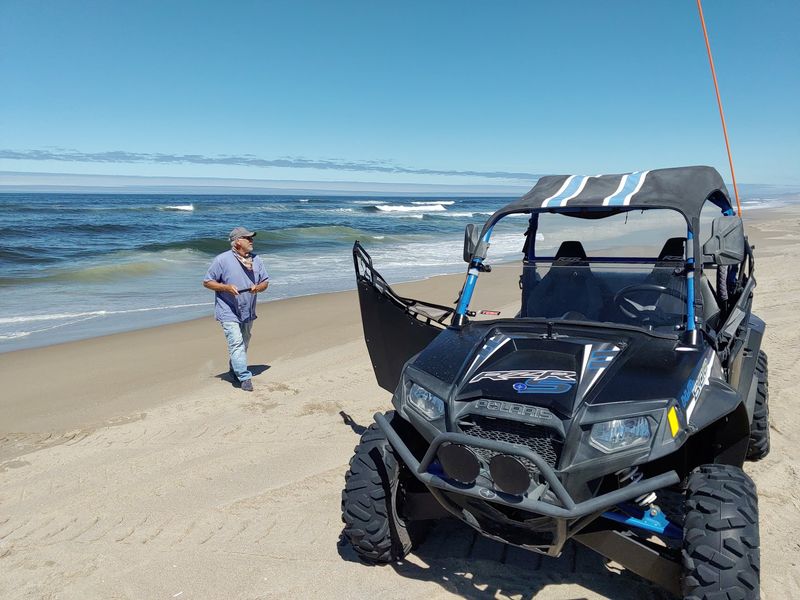
Sand and speed go together in a way that is hard to describe until you have actually experienced it. The Oregon Dunes are one of the top off-highway vehicle destinations in the entire United States, and the riding community here takes that reputation seriously.
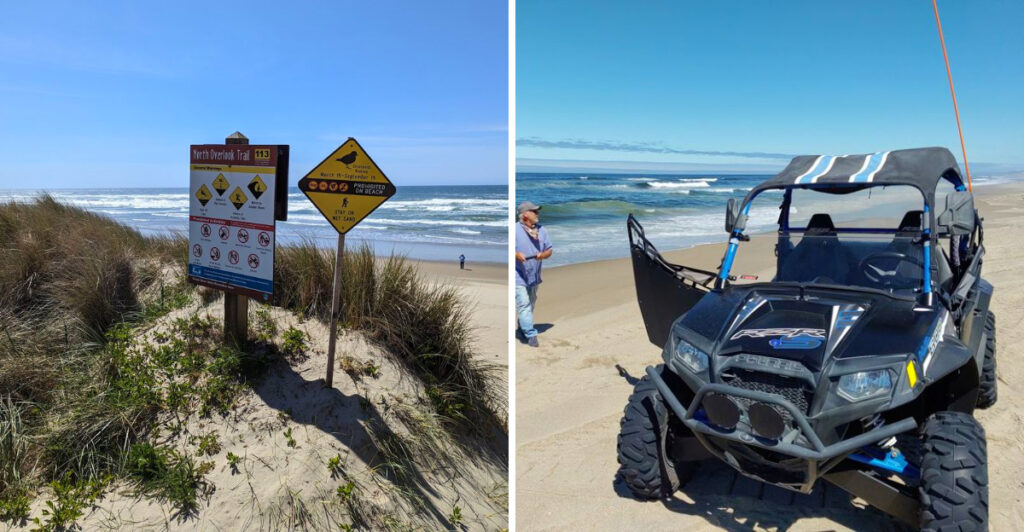
Quads, dune buggies, RZRs, and jeeps all have room to roam across designated OHV areas, and the terrain offers everything from wide-open sandy flats to steep ridges that will test your skills. Rentals are available nearby, so you do not need to bring your own machine to join in.
The trail network is extensive enough that even riders who spend four consecutive days here report never seeing the same path twice. There are woodsy connector trails through forest breaks, open beach stretches where you can ride for miles, and massive dune faces that require real technique to climb safely.
State police do patrol the area on four-wheelers and in buggies, so riding responsibly is not optional. Speed limits and designated zones exist for good reason, especially to protect nesting areas for protected bird species.
The best advice from experienced riders is to air down your tires before heading out, and to use an offline mapping app to keep track of staging areas.
Hiking Through a Landscape That Feels Like Another Planet
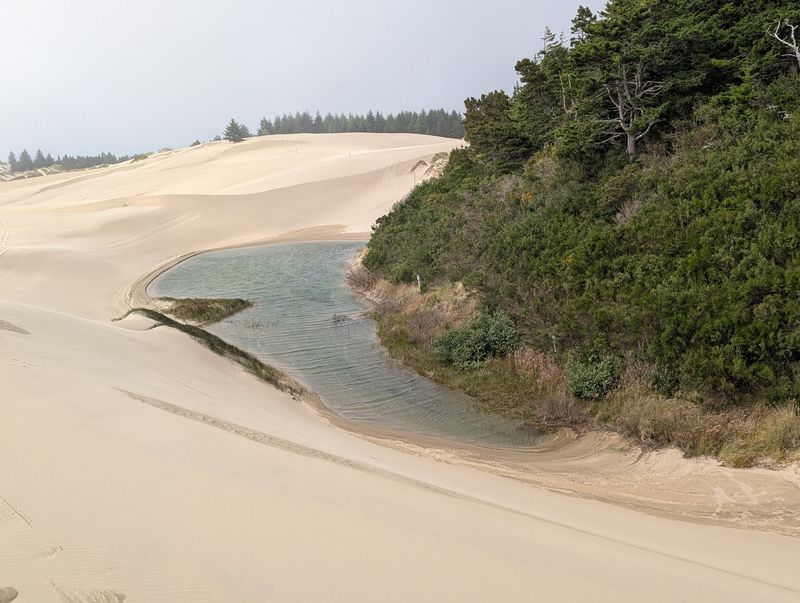
Not every adventure here involves an engine. The hiking at Oregon Dunes is genuinely unlike anything you will find on a typical forest trail, and that is exactly the point.
The Eel Creek Campground area to the south of Reedsport is one of the most popular trailheads, with paths that lead directly into the dune field and eventually open up to sweeping views of sand, sea, and sky. The walk feels surreal in the best possible way, like the Oregon Coast decided to borrow a little bit of the Sahara.
Trails vary in difficulty. Some are short and manageable for families with kids, while others require navigating unmarked sand where the only landmarks are the dunes themselves.
Bring a compass or a reliable offline map, because it is genuinely easy to get turned around out there.
One practical tip worth remembering: take your shoes off before climbing the steepest dunes. Sand gets inside everything, and bare feet actually give you better grip on loose slopes.
Starting early in the morning also helps you avoid the strongest midday winds, which can make hiking uncomfortable and sandblast any exposed skin.
The wildlife sightings along these trails are a real bonus, with dozens of bird species visible throughout the year.
Sandboarding: The Slope-Side Thrill Without the Snow
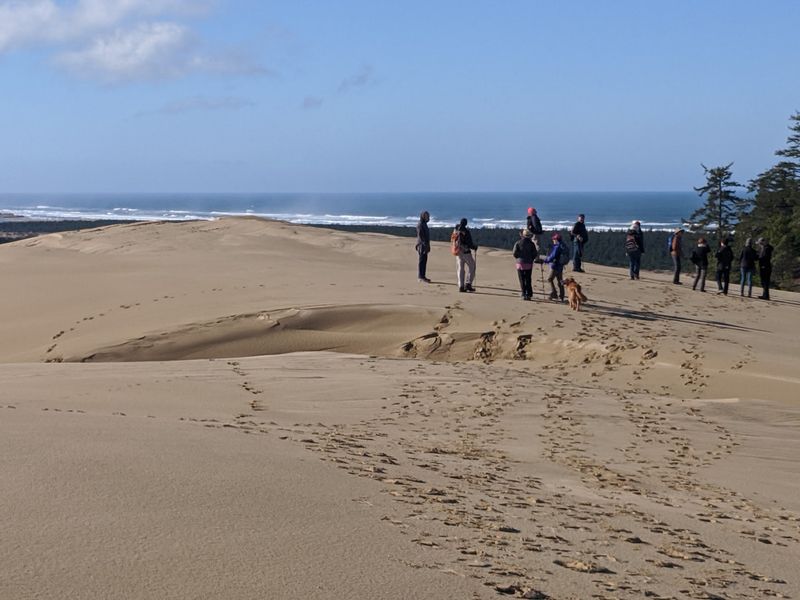
Here is a fun reality check for anyone who thinks sandboarding sounds easy: what goes down must be walked back up. The dunes do not come equipped with chairlifts, so every run you take means a leg-burning climb back to the top.
That said, sandboarding at Oregon Dunes is an absolute blast, and it is one of the more affordable ways to spend a day here. Boards can be rented from shops near the recreation area, and the learning curve is gentler than snowboarding, mostly because the sand is more forgiving when you fall.
The best slopes for sandboarding tend to be the steeper dune faces that face away from the ocean, where the wind packs the sand into a firmer surface. Wet sand near the base of dunes moves faster under the board, while dry upper sections are fluffier and slower.
Groups of friends and families tend to turn sandboarding sessions into natural competitions, timing each other down the slope and seeing who can travel the farthest without wiping out. It is one of those activities that feels a little silly at first and completely addictive within ten minutes.
Bring sunscreen, because the sand reflects sunlight from every angle and a burn sneaks up fast.
Where the Dunes Meet the Pacific Ocean
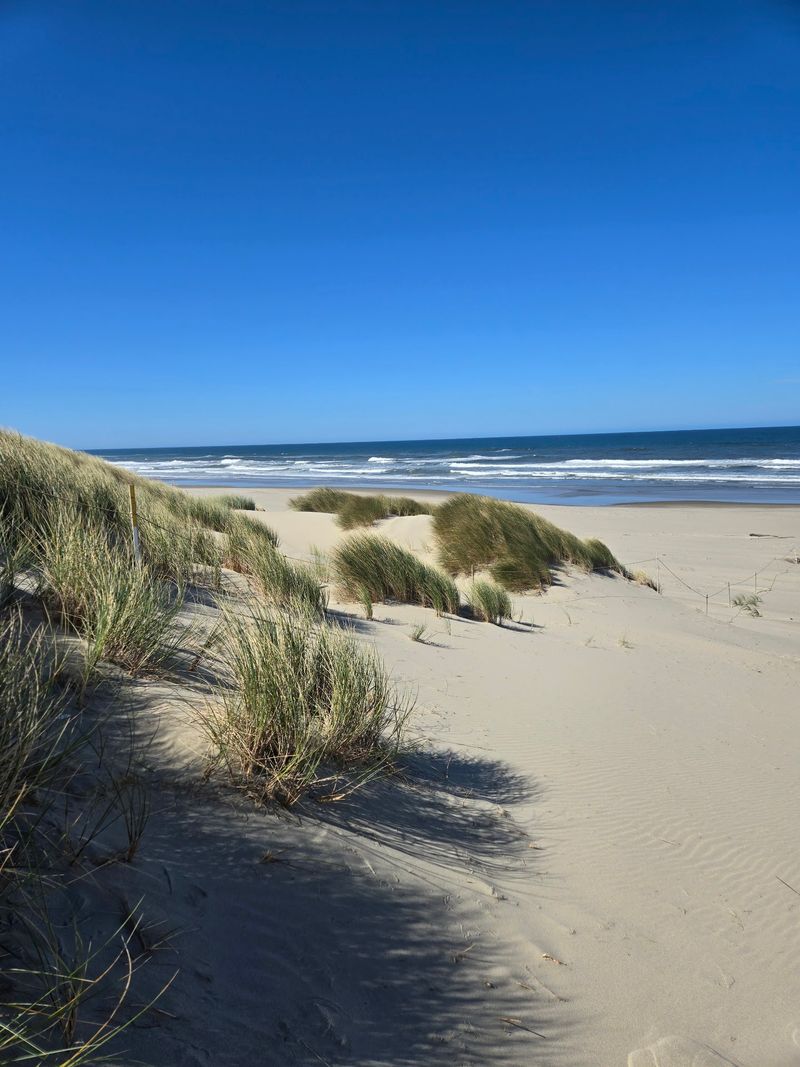
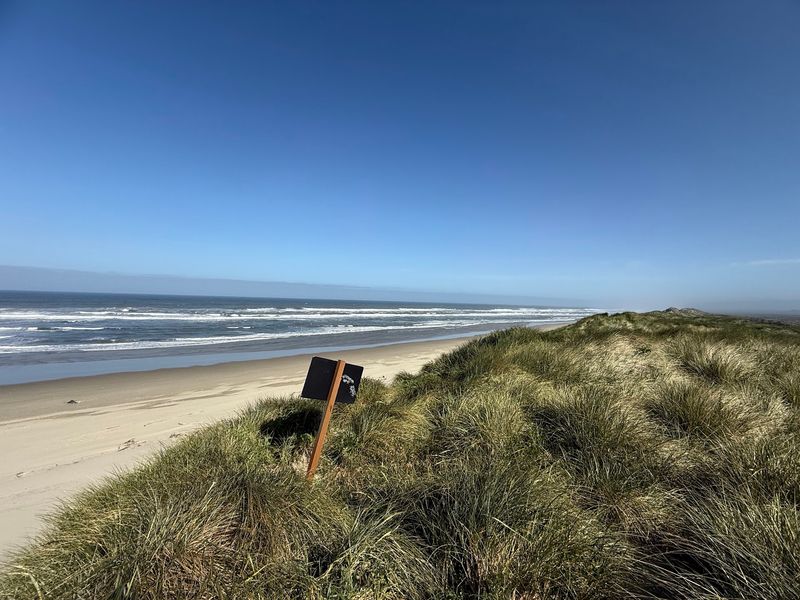
The moment the sand ends and the ocean begins is one of the more striking transitions in American geography. At several access points within the recreation area, the dunes slope right down to the beach, and you can walk from deep sand to wet shoreline in just a few minutes.
The beach itself is undeveloped and largely uncrowded compared to more famous West Coast spots. Long stretches of shoreline have no buildings, no boardwalks, and no concession stands, just open sand, breaking waves, and the occasional sea bird doing its thing.
OHV riders can access certain beach sections directly from the dune trails, making for one of the more unusual riding experiences you will find anywhere. Cruising along a wide, flat beach with the Pacific on one side and towering sand walls on the other is the kind of thing that stays with you.
For those on foot, the beach is a great place to cool down after a long hike through the dunes. The water is cold year-round, as is typical for the northern Pacific, but the shoreline itself is beautiful for walking, tidepooling, and watching the waves roll in.
Nearby beach access points also have spots to clean your catch or shuck oysters if fishing is part of your visit.
Camping Under a Sky Full of Stars
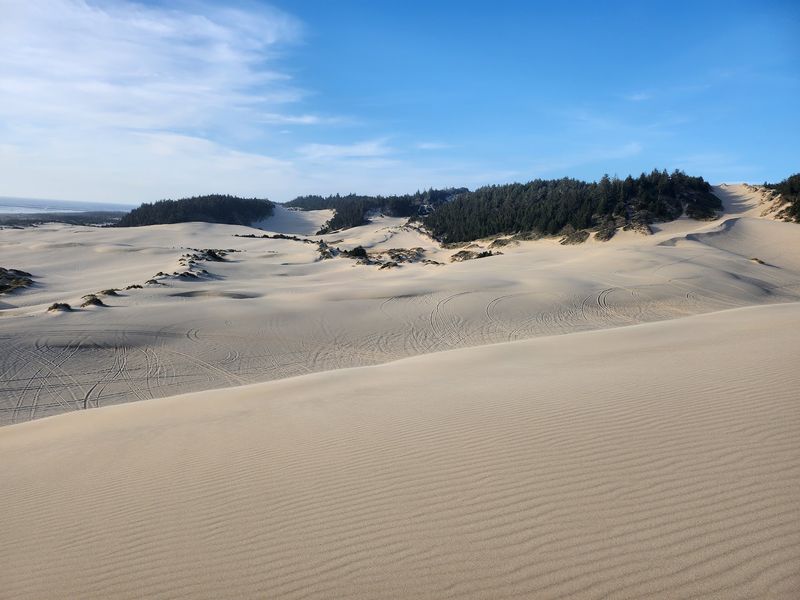
Spending a night at Oregon Dunes is a completely different experience from a day trip, and the campgrounds here are well-maintained and genuinely comfortable. Eel Creek Campground is one of the most popular options, tucked between the dune field and a forested area that provides natural wind protection.
Waking up at a dune campground means you can be out on the sand before most day visitors even leave their hotels. Early mornings in the dunes are especially quiet and beautiful, with soft light hitting the sand ridgelines and the only sound being wind and distant waves.
Bathrooms throughout the recreation area are kept clean, which is always a welcome detail when you are spending multiple days outdoors. The campgrounds also tend to attract a friendly mix of OHV riders, hikers, families, and nature lovers, so the social atmosphere is relaxed and easygoing.
Availability can fill up quickly during summer weekends, so booking in advance through the recreation area reservation system is a smart move. Autumn visits offer a quieter experience, with cooler temperatures and fewer crowds, though the coastal weather can shift quickly and layers are always a good idea.
A few nights here turns a good trip into an unforgettable one.
Fishing, Foraging, and Freshwater Lakes
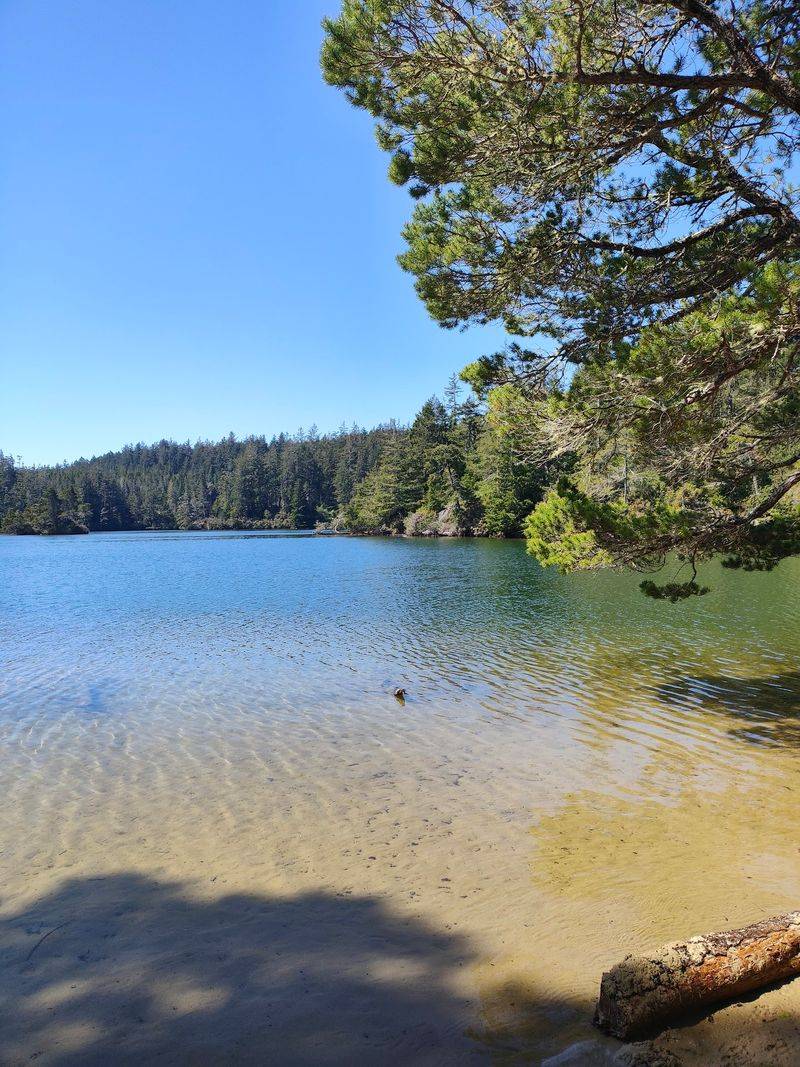
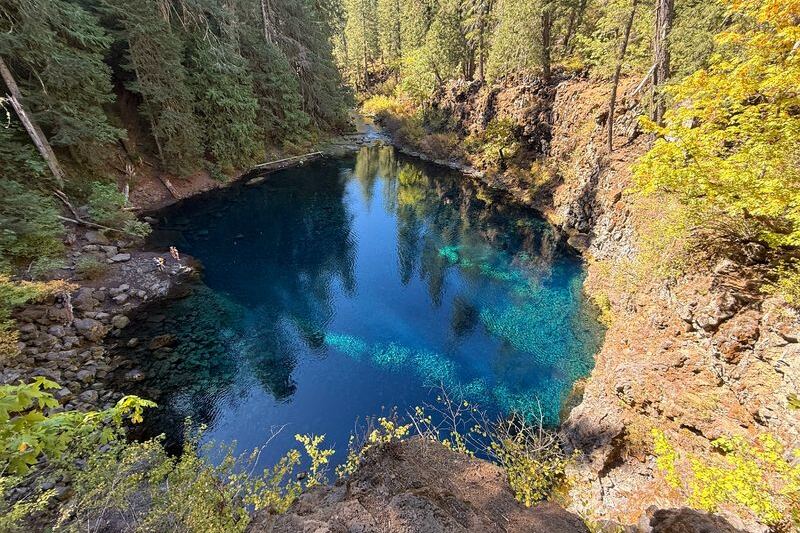
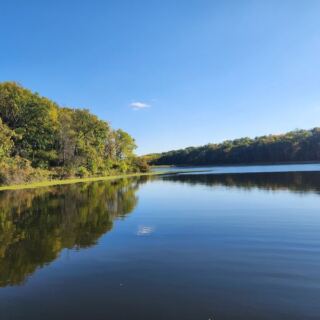
The recreation area holds a few surprises beyond the sand. Tucked between the dune ridges are several freshwater lakes, and they attract a steady crowd of anglers looking for trout, bass, and other species in a setting that feels completely removed from the coast just a short walk away.
Fishing permits are required and available through standard Oregon state licensing, and the visitor center staff can point you toward the best lake access points depending on the season. The lakes near the dunes tend to be calm and scenic, with forested shorelines that contrast nicely with the open sand nearby.
Foraging is another activity that surprises first-time visitors. The Siuslaw National Forest issues permits for mushroom picking and gathering edible greens in specific areas within the recreation zone.
The staff at the visitor center can provide maps and guidance on where to look and what is currently in season.
This kind of foraging experience is genuinely rare on the Oregon Coast, and it attracts a dedicated group of enthusiasts who return each autumn when conditions are best. The variety of mushroom species in the coastal forest areas is impressive, and the visitor center team is happy to share their knowledge with anyone who asks.
It is a quieter side of Oregon Dunes that many visitors never discover.
Wildlife Worth Watching For
The Oregon Dunes are not just a playground for humans. The landscape supports a surprising range of wildlife, and keeping your eyes open while you hike or ride can lead to some genuinely memorable encounters.
Dozens of bird species pass through or nest in the area throughout the year. Shorebirds, raptors, and migratory waterfowl all use the coastal dune habitat, and patient observers can rack up an impressive species count in a single afternoon.
Bring binoculars if birdwatching is your thing.
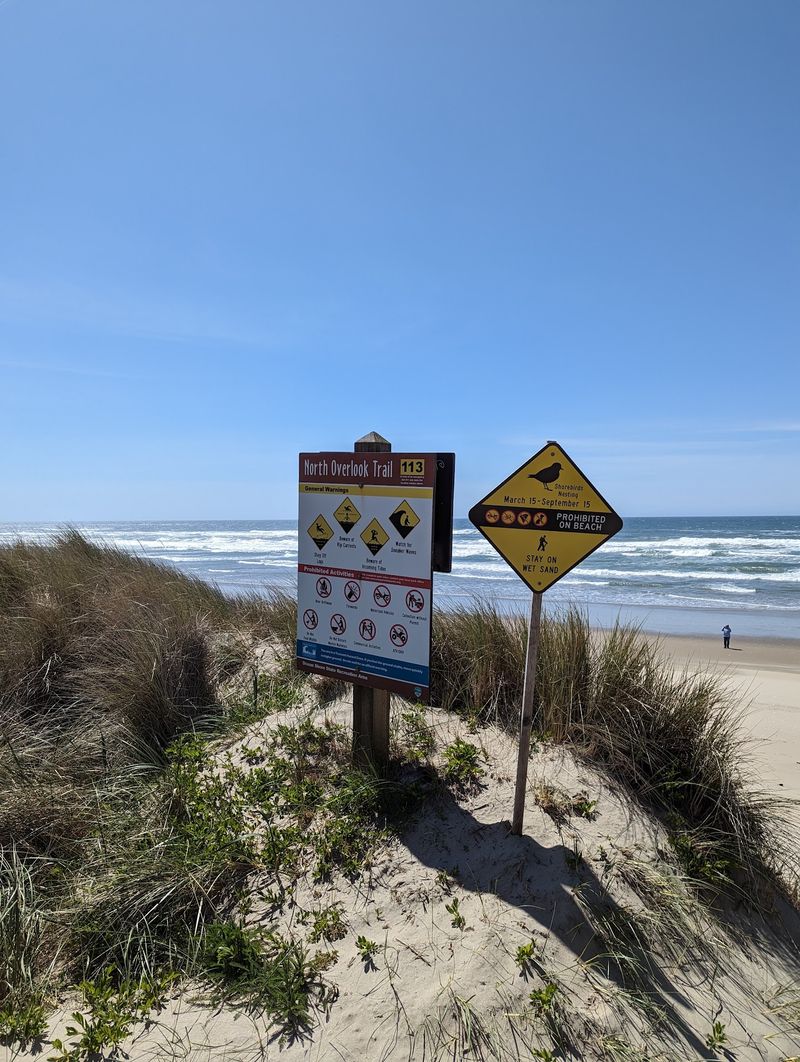
The western snowy plover deserves special attention. This small shorebird is federally protected, and certain sections of the dunes are designated as nesting habitat during breeding season.
OHV riders and hikers are both asked to stay alert and give these birds a wide berth when they are spotted.
Deer are also common in the forested corridors between the dune fields, and the occasional black bear has been documented in the area, though sightings are rare. Marine mammals sometimes appear on the beach sections, with harbor seals hauling out on the lower shoreline during calmer periods.
The biodiversity here is a reminder that the Oregon Dunes function as a serious natural ecosystem, not just a recreational backdrop, and treating it with care helps keep that balance intact.
Tips for Making the Most of Your Visit
A little preparation goes a long way at Oregon Dunes, and the difference between a great day and a frustrating one often comes down to a few simple decisions made before you leave the parking lot.
Layers are non-negotiable on the Oregon Coast. The weather can be warm and sunny one hour and cold, windy, and foggy the next, sometimes within the same afternoon.
Pack a windproof outer layer regardless of what the forecast says, and bring sun protection because the sand reflects ultraviolet rays from every direction.
Start your day early. The winds typically pick up as the afternoon progresses, which makes hiking harder and sandboarding less predictable.
Early mornings also mean quieter trails and better light for photography.
The visitor center at 855 Highway Ave in Reedsport is open Monday through Friday from 8 AM to 4 PM, and stopping there first will save you time and guesswork. The staff can tell you which areas are open, which are closed for wildlife protection, and where the best conditions are on any given day.
Finally, remember that the dunes pin on most mapping apps does not lead you to the sand itself. You will need to choose a specific access point north or south of Reedsport, and the visitor center staff can help you pick the right one for your plans.
Share this story