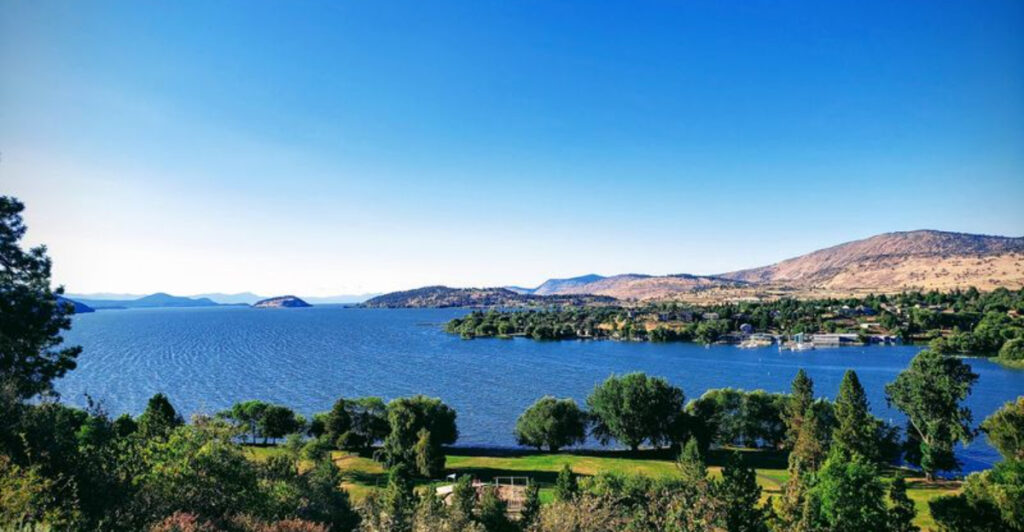
There is a city in southern Oregon where your money actually goes further than you expect, and no, it is not a tiny ghost town with one gas station. Klamath Falls sits near the California border, surrounded by lakes, wildlife refuges, and mountain views that most people only see on postcards.
The cost of living here is genuinely low, and the quality of life is genuinely high. I spent time exploring this city and came back with a clear picture of what it costs to live here, what you get for that money, and why more people are quietly packing up and heading north to call this place home.
Where Klamath Falls Actually Is
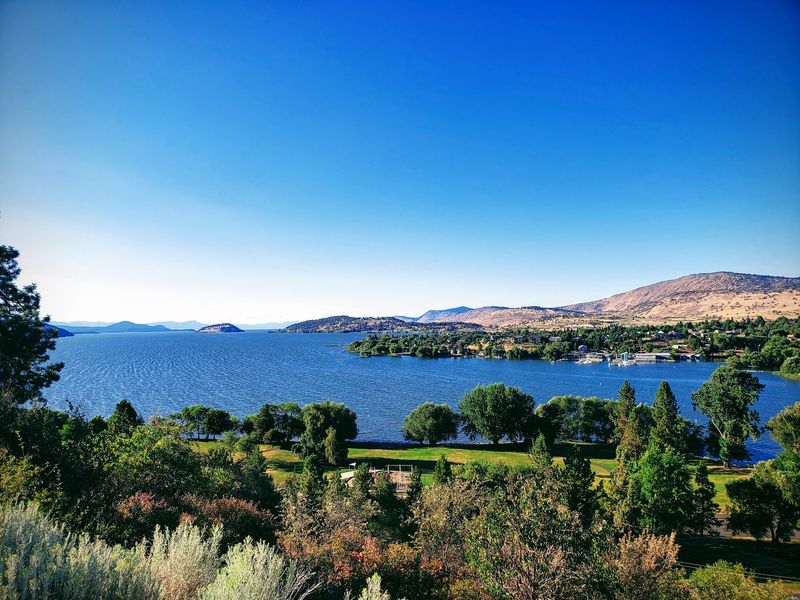
Klamath Falls sits at 4,100 feet above sea level in south-central Oregon, right along the northern edge of the Great Basin. The city is the county seat of Klamath County, and it rests near the shores of Upper Klamath Lake, one of the largest freshwater lakes in the western United States.
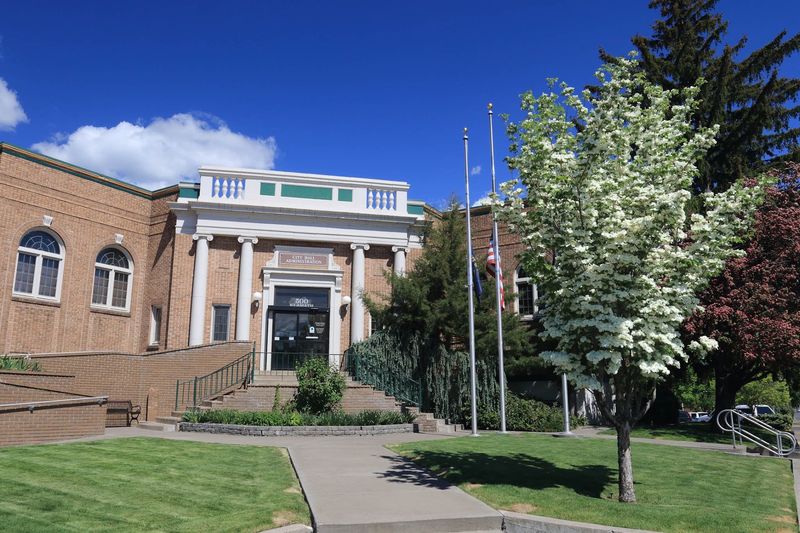
The official city address puts you at Klamath Falls, Oregon 97601, with city hall located at 500 Klamath Avenue. The nearest major city is Medford, about 80 miles to the west over the Cascades, and the California border is less than 25 miles to the south.
George Nurse founded the town in 1867, originally calling it Linkville after the Link River that runs through it. The name changed to Klamath Falls in 1893, and the city has been growing steadily ever since.
Today, around 22,000 people call it home, and the surrounding county adds another 45,000 to that number. The setting alone, with mountains, lakes, and wide open sky, makes it feel like you are getting something extra with every rent payment.
What $1,300 a Month Actually Covers Here
The number that keeps coming up when people talk about living in Klamath Falls is around $1,300 per month for a single person living comfortably. That figure is not a fantasy budget built on ramen and cold showers.
It reflects real costs in this city, and the math holds up surprisingly well.
A one-bedroom apartment in Klamath Falls typically rents for between $650 and $850 per month, which is roughly half of what you would pay in Portland or Eugene. Utilities for a small apartment usually run between $100 and $150 monthly, depending on the season.
Groceries at local stores like Grocery Outlet or Walmart Supercenter run lean, and the Saturday farmers market on the south side of town helps keep fresh food costs low during the warmer months. Transportation costs stay modest because the city is compact enough to bike or drive short distances without burning through a tank of gas every week.
With careful planning, $1,300 covers rent, food, utilities, and even a few small luxuries without stress.
Housing Costs That Might Surprise You
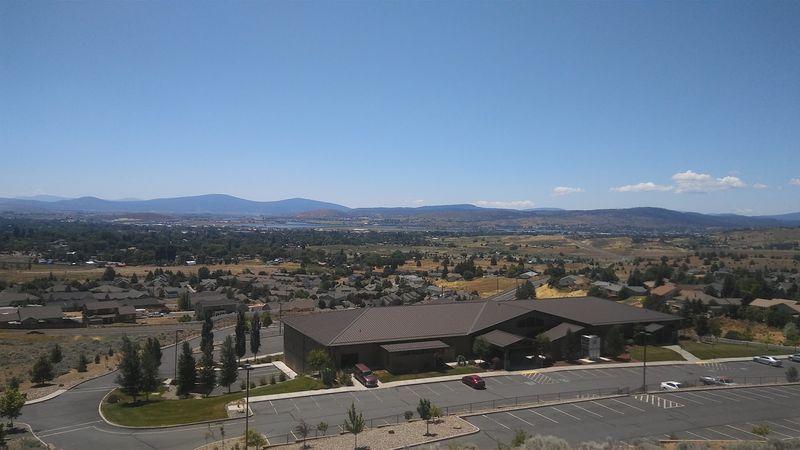
Home prices in Klamath Falls are the kind of numbers that make people in bigger Oregon cities do a double take. The median home price in the city hovers around $220,000 to $250,000, which puts homeownership within reach for people who have completely given up on that idea in places like Portland, where the median sits closer to $500,000.
Renters have it good here too. Two-bedroom apartments regularly list for under $1,000 per month, and some older rental homes with yards come in at similar prices.
The housing stock includes a mix of craftsman bungalows, mid-century ranch homes, and newer construction near the south end of town.
The neighborhoods around Altamont and the areas near Oregon Institute of Technology tend to have well-kept streets and a steady community feel. Property taxes in Klamath County are also lower than the Oregon state average, which helps both homeowners and landlords keep costs reasonable.
For anyone thinking about buying rather than renting, a modest mortgage payment here can come in well under $1,000 per month with a reasonable down payment in place.
Food Costs and Local Eating
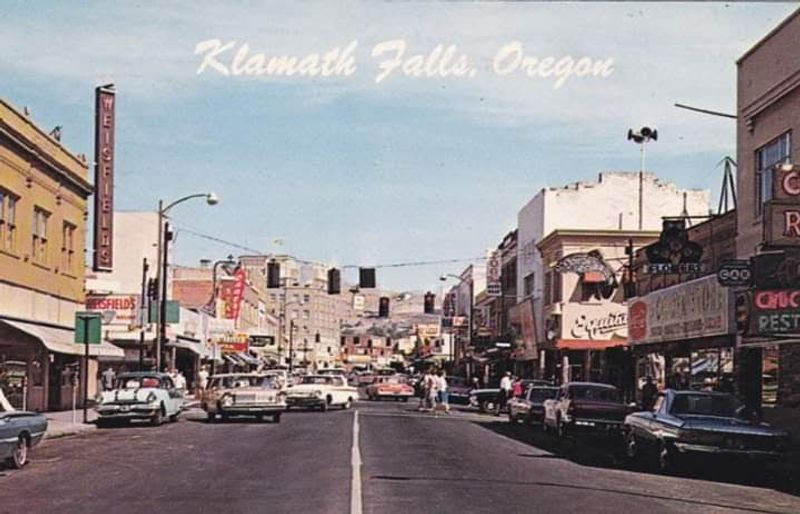
Eating well in Klamath Falls does not require a food budget that rivals a car payment. Grocery prices at local stores run noticeably lower than Oregon’s urban centers, and the city has enough restaurant variety to keep meals interesting without spending a lot per outing.
A sit-down meal at a local diner or casual restaurant typically costs between $10 and $16 per person, including a non-alcoholic drink. Fast casual spots and food trucks around downtown and near the college campus push that number even lower on busy lunch days.
The Klamath Basin is also serious farming country, producing potatoes, grain, and beef in large quantities. That regional agriculture keeps certain grocery staples priced well below national averages at local markets.
Restaurants in town often source from nearby farms, which means fresher ingredients without the premium markup you see at farm-to-table spots in bigger cities. A realistic monthly grocery budget for one person who cooks most meals at home lands comfortably between $200 and $280, leaving plenty of room in that $1,300 target.
Getting Around Without Breaking the Bank
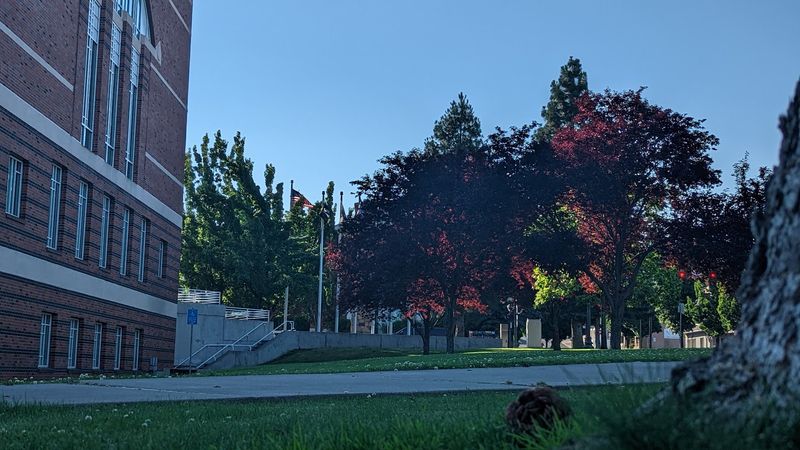
One of the quiet advantages of living in Klamath Falls is how easy and cheap it is to get around. The city covers a manageable footprint, and most daily errands, grocery runs, and work commutes stay within a 10-minute drive or a 20-minute bike ride.
Gas prices in southern Oregon tend to run a few cents lower than in the northern part of the state, and the shorter distances mean a tank of gas stretches further here than it would in a sprawling metro area. The Basin Transit Service operates local bus routes throughout the city, with fares that make public transit a genuinely useful option rather than a last resort.
For people who work remotely or at Oregon Institute of Technology, the daily commute can be as short as a few minutes. The city also has a bike-friendly corridor along some of its main streets, and the relatively flat terrain in the central part of town makes cycling practical for a good portion of the year.
Lower transportation costs free up a meaningful chunk of that monthly budget for other priorities.
The Outdoor Life That Comes Free
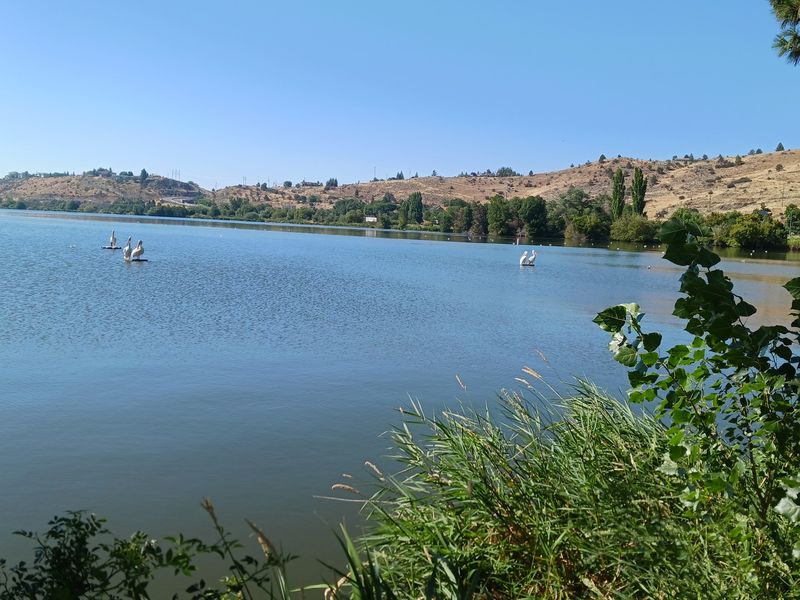
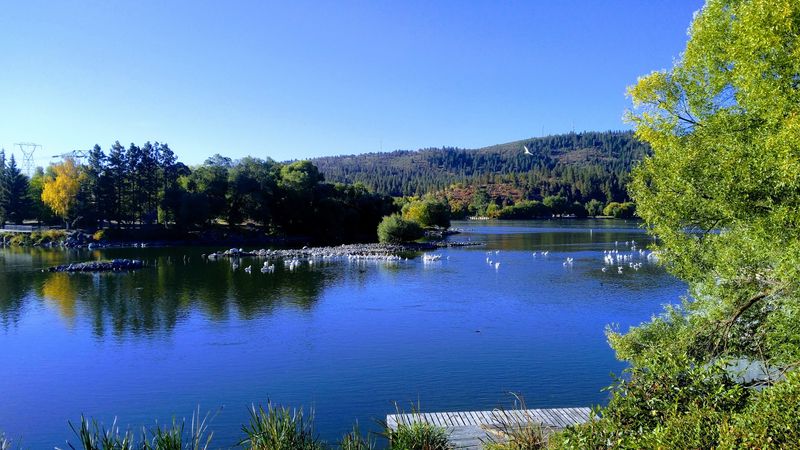
Upper Klamath Lake is practically in the city’s backyard, and at roughly 140 square miles, it offers more free recreation than most people could use in a weekend. Kayaking, fishing, birdwatching, and hiking along the lake’s edge cost nothing beyond the price of basic gear.
The Klamath Basin is one of the most important migratory bird corridors in North America. During fall and winter, hundreds of thousands of waterfowl pass through, and the area hosts one of the largest concentrations of bald eagles in the lower 48 states.
Watching that kind of wildlife spectacle costs exactly zero dollars.
Crater Lake National Park sits about 55 miles north of the city, and the drive there is part of the reward. Nearby Klamath Marsh and Lower Klamath National Wildlife Refuge offer more trails and wildlife viewing spots that are free and rarely crowded.
The outdoor access here is not a bonus feature of living in Klamath Falls. For many residents, it is the main reason they stay, and the fact that it costs almost nothing to enjoy makes the budget case even stronger.
Healthcare and Services at Lower Prices
Access to healthcare is one of the practical concerns people weigh when considering a move to a smaller city, and Klamath Falls handles this better than many places its size. Sky Lakes Medical Center is the city’s main hospital, a full-service facility with emergency care, surgical services, specialty clinics, and a reputation for quality regional care.
Several urgent care clinics operate around the city, and the cost of a basic doctor’s visit or urgent care appointment tends to run lower here than in major Oregon cities. Dental and vision care are also more affordable, with local providers offering straightforward pricing that does not feel like it was designed to punish uninsured patients.
Oregon Institute of Technology’s health programs bring student clinics to the area, which can offer reduced-cost services for certain types of care. Pharmacies are well-distributed across the city, and the major chains here price medications competitively.
For a single person on a $1,300 monthly budget, allocating around $100 to $150 for health-related costs, including any insurance copays, is a realistic and workable number in Klamath Falls.
Oregon Institute of Technology and the City’s Energy
A city with a university in it tends to feel younger, more energetic, and more interesting than one without, and Klamath Falls benefits from the presence of Oregon Institute of Technology right in the middle of it. OIT, as locals call it, sits on the south side of the city and brings around 4,000 students into the local economy each year.
The campus drives demand for affordable housing, local restaurants, coffee shops, and entertainment, which helps keep prices competitive and options varied. Events at OIT, including athletic games, public lectures, and cultural programs, are often free or very low cost for community members.
The university also makes Klamath Falls a destination for young professionals and skilled workers in technology, engineering, and healthcare fields. That mix of students and working adults gives the city a population that skews younger than you might expect for a place this size.
The energy around the OIT campus spills into the surrounding neighborhoods, keeping a stretch of the city active and commercially interesting without driving up costs the way university neighborhoods often do in larger cities.
The Downtown Scene Worth Exploring
Downtown Klamath Falls has the kind of compact, walkable character that takes decades to build and cannot be faked. The historic core along Klamath Avenue and Main Street features brick storefronts from the early 20th century, many of which have been repurposed into local shops, coffee houses, and small restaurants.
The Klamath County Museum sits downtown and offers a solid look at the region’s Indigenous history, early settlement, and agricultural development, usually for a very modest admission fee. The Ross Ragland Theater, a beautifully restored venue on Main Street, hosts live music, comedy, theater, and community events throughout the year at ticket prices that do not require advance financial planning.
First Friday events bring local artists, musicians, and vendors into the downtown area on a monthly basis, and the atmosphere on those evenings has a genuinely community-driven feel rather than a manufactured tourism vibe. Coffee shops like Huckleberry’s have become gathering spots for remote workers and locals alike.
The downtown is not trying to be something it is not, and that honesty is part of what makes it pleasant to spend an afternoon wandering through.
Weather and What to Expect Year Round
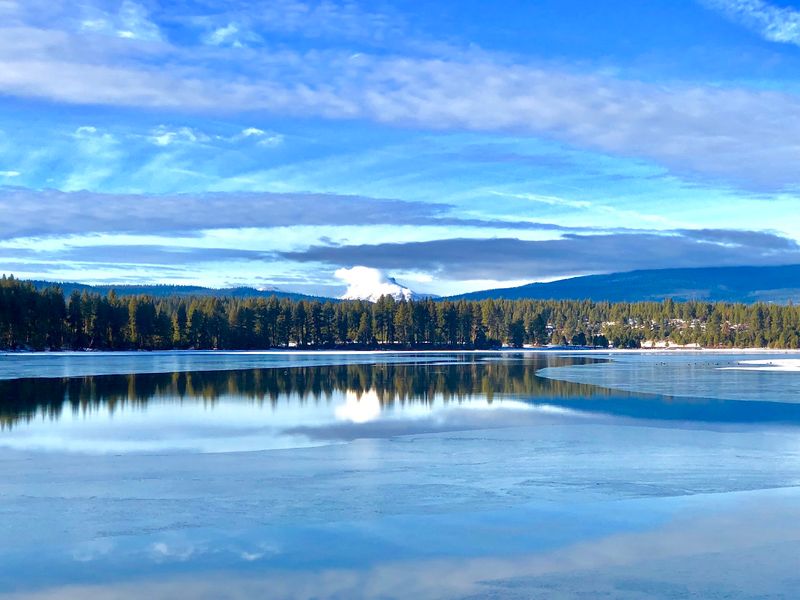
Klamath Falls sits at high elevation in a high desert climate, which means four distinct seasons and more sunny days than most of Oregon. The city averages around 300 sunny days per year, which puts it closer to Denver on the sunshine scale than to the famously gray skies of Portland.
Summers are warm and dry, with temperatures typically reaching the mid-80s Fahrenheit. The low humidity makes even the hotter days feel manageable, and evenings cool down quickly at this elevation, making sleeping comfortable without air conditioning for most of the summer.
Winters bring cold temperatures and occasional snow, with January averages dipping into the low 20s at night. The snowfall is generally moderate and manageable, though the surrounding mountains get significant accumulation that makes nearby skiing possible.
Spring and fall are short but scenic, with wildflowers around the lake in May and golden light across the basin in October. Heating costs in winter are the one utility category that can push monthly expenses upward, but well-insulated housing and natural gas service keep most residents within a manageable range.
Community Character and Local Culture
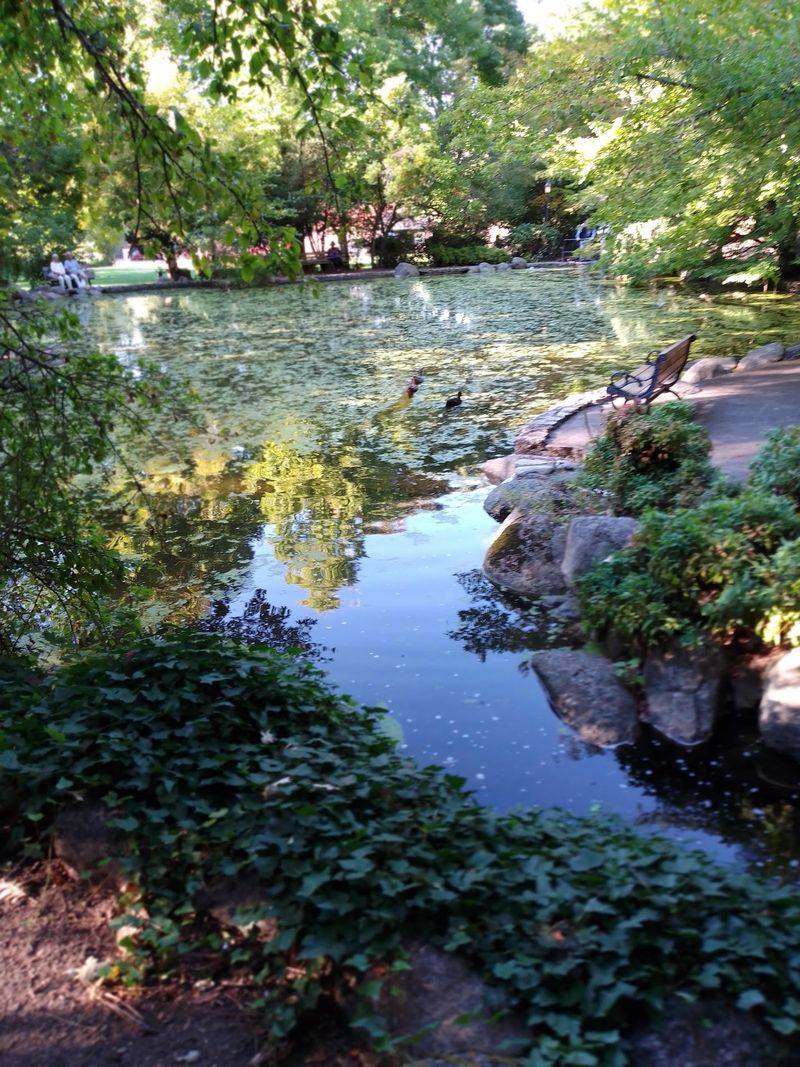
There is a straightforward quality to life in Klamath Falls that people either immediately appreciate or need a little time to grow into. The city has a working-class backbone built on agriculture, timber, and natural resource industries, and that history shapes the way people interact with each other here.
Neighbors actually know each other. Community events at Moore Park draw families throughout the summer, and the Klamath County Fair in August is a genuine local institution that feels nothing like a manufactured tourism event.
The Linkville Players theater group has been running community productions for decades, and local sports leagues for adults and youth fill recreation centers and parks on evenings and weekends.
The Indigenous heritage of the Klamath Tribes is woven into the region’s identity in a way that is present and acknowledged rather than reduced to roadside signage. Cultural events connected to the Klamath Tribes occur throughout the year and are open to community participation.
For people moving from larger cities, the pace of social life here can feel refreshingly unhurried, and the cost of participating in local culture is almost always low enough to fit easily into a tight monthly budget.
Is Klamath Falls the Right Move for You
After spending real time in Klamath Falls and running the numbers honestly, the $1,300 monthly living figure is not a stretch. It is a realistic target for a single person who rents a modest apartment, cooks most meals at home, uses the outdoors for recreation, and keeps transportation costs low.
The city is not without its challenges. Job opportunities in certain professional fields are more limited than in larger Oregon cities, which is why remote workers and retirees tend to make up a growing share of the people choosing to move here.
Healthcare access, while solid for a city this size, does not match the specialist options available in Portland or Bend.
What Klamath Falls offers in return is space, quiet, natural beauty, and a cost of living that lets you breathe financially. The lake is real.
The sunshine is real. The low rent is real.
For the right person, this city does not just make financial sense. It makes life feel a little more manageable, a little more intentional, and a lot less expensive than almost anywhere else in Oregon worth living.
Share this story