Most people scroll past Klamath Falls, Oregon without a second thought, but that might be the biggest financial mistake they make all year. Tucked into the southern Oregon high desert, this city of about 22,000 people offers a cost of living that genuinely makes your paycheck feel bigger.
Rent is low, groceries are reasonable, and the outdoor recreation is essentially free. If you have been searching for a place where $1,300 a month does not just cover the basics but actually leaves room to breathe, Klamath Falls deserves a serious look.
Where Klamath Falls Actually Is
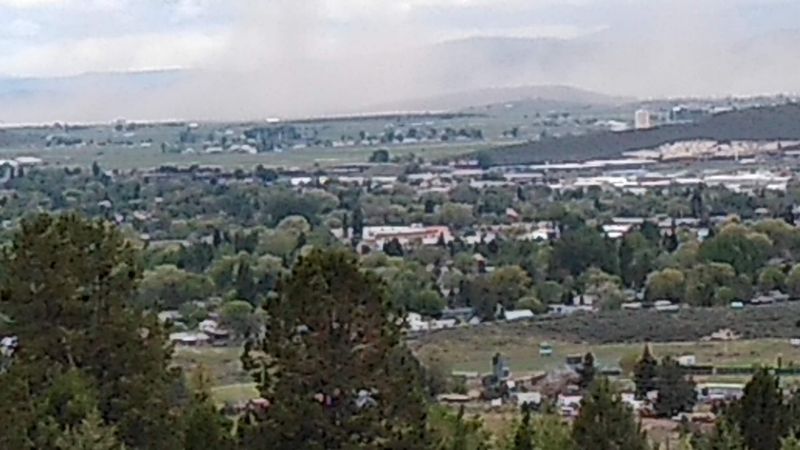
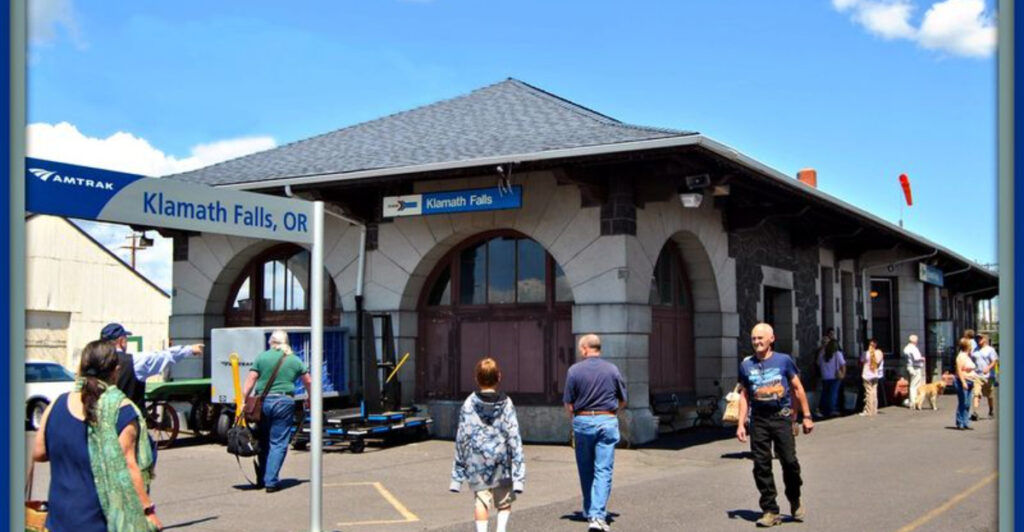
Klamath Falls sits at 4,099 feet above sea level in Klamath County, Oregon, roughly 60 miles north of the California border. The official mailing address for the city center is Klamath Falls, OR 97601, and the city serves as the county seat of Klamath County.
The city was originally called Linkville when George Nurse founded it in 1867, named after the Link River and its falls. The name changed to Klamath Falls in 1893, and the city has been quietly growing ever since.
Its location in the Oregon Outback means wide-open skies, clean air, and a landscape that feels genuinely different from western Oregon’s rain-soaked valleys. The high desert climate brings over 300 sunny days per year, which is a fact that surprises most visitors who assume all of Oregon is perpetually cloudy.
Highway 97 runs straight through town, connecting Klamath Falls to Bend to the north and Redding, California to the south. That central position makes it a practical base for exploring a large swath of the Pacific Northwest without paying big-city prices for the privilege.
What Rent Actually Looks Like Here
Housing is the single biggest reason $1,300 a month works in Klamath Falls. The median rent for a one-bedroom apartment hovers around $700 to $800, which means a solo renter can cover housing and still have several hundred dollars left for everything else.
Two-bedroom units regularly appear on the market for $900 to $1,050, which is a number that feels almost fictional compared to Portland or Eugene. Even modest single-family homes for rent come in well under $1,200 in many neighborhoods.
The neighborhoods around Washburn Way and along the south end of town tend to offer the most competitive prices, with easy access to grocery stores and basic services. Older craftsman-style homes near downtown can be found for similar prices, often with more character than you would expect at that rent level.
Home purchase prices are equally encouraging, with median home values sitting significantly below the Oregon state average. For anyone seriously considering planting roots somewhere affordable without sacrificing a real community around them, the Klamath Falls housing market is one of the most compelling in the entire Pacific Northwest region right now.
Groceries and Daily Costs That Do Not Drain You
Day-to-day spending in Klamath Falls runs noticeably lower than in most Oregon cities, and that difference adds up quickly over a month. A full week of groceries for one person can realistically come in under $60 if you shop at Fred Meyer or Grocery Outlet, both of which have locations in town.
The local Farmers Market, held seasonally at Veteran’s Memorial Park on Thursdays, brings in fresh produce from nearby farms at prices that undercut most supermarket shelves. Buying seasonal vegetables and eggs directly from local vendors can shave another $15 to $20 off a monthly food budget without much effort.
Eating out is also surprisingly wallet-friendly. A solid sit-down meal at a local diner or family restaurant typically runs between $10 and $15, and the food quality at spots like Mia and Pia’s Pizzeria holds up well against anything you would find in a larger city.
Utility costs, including electricity and gas, run moderate for the region, partly because many homes in Klamath Falls benefit from geothermal heating, a genuine local quirk that keeps winter heating bills lower than you might expect in a high-desert mountain climate.
The Geothermal Advantage Most People Have Never Heard Of
Klamath Falls sits on top of one of the most accessible geothermal resources in the United States, and that geological quirk has a direct impact on what residents pay to heat their homes every winter. The city operates one of the oldest direct-use geothermal district heating systems in the country, dating back to 1900 when the first geothermal well was drilled.
Today, hundreds of homes, businesses, and public buildings tap into this underground heat source, reducing dependence on conventional fuel. For renters and homeowners connected to the system, winter heating costs can drop dramatically compared to what people pay in other cold-climate cities of similar size.
The Oregon Institute of Technology, located right in Klamath Falls, is actually the first university in the United States to be entirely heated and cooled by geothermal energy. That fact alone says something about how seriously this city takes its underground advantage.
Beyond the financial benefit, the geothermal system is a genuine conversation starter and a point of local pride. Most residents know about it, appreciate it, and consider it one of the more interesting things that sets Klamath Falls apart from every other mid-size city in the Pacific Northwest.
Outdoor Recreation That Costs Almost Nothing
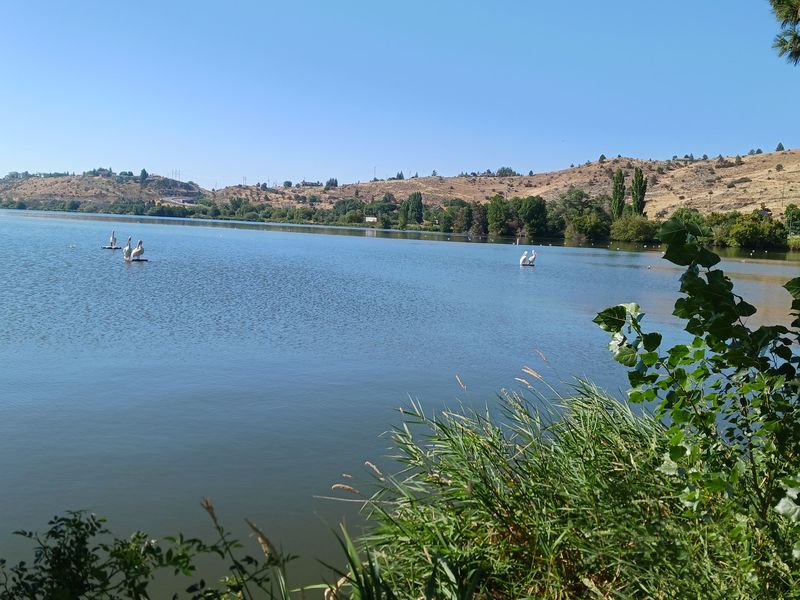
Upper Klamath Lake is the largest freshwater lake in Oregon, and it sits right on the edge of town. Kayaking, fishing, birdwatching, and hiking along its shores are all activities that require little more than a day pass or a modest gear investment, making them genuinely accessible on a tight budget.
The Klamath Basin is one of the most important migratory bird corridors in the western United States. Each fall and winter, hundreds of thousands of waterfowl and birds of prey pass through, and the bald eagle concentration in the region during winter months is among the highest in the lower 48 states.
Crater Lake National Park is only about 60 miles north of Klamath Falls, meaning one of the most photographed natural landmarks in the country is essentially a day trip. The annual park pass costs $35 and covers unlimited visits throughout the year.
Winter brings snowshoeing and cross-country skiing opportunities in the Winema National Forest, and summer opens up miles of hiking trails without the crowds you would encounter near Bend or Portland. The outdoors here rewards curiosity without charging much for the experience.
The Local Job Market and Income Picture
Klamath Falls is not a booming tech hub, and it does not pretend to be one. The local economy runs on healthcare, education, retail, and some manufacturing, which means steady, reliable employment rather than high-flying salaries.
Sky Lakes Medical Center is the largest employer in the region and consistently hires across a range of roles.
The Oregon Institute of Technology brings academic and research jobs to the area, along with a student population that supports local businesses. State and county government positions also provide stable employment with benefits, and those jobs turn over regularly enough to be worth watching.
Remote work has changed the calculus significantly for Klamath Falls. A growing number of residents earn salaries calibrated to larger city markets while paying small-city rent, and that combination is genuinely powerful.
Someone earning $3,500 a month remotely while paying $800 in rent is in a very different financial position than the same person paying $2,200 for a Portland apartment.
The median household income in Klamath Falls runs below the Oregon state average, but when adjusted for local cost of living, the real purchasing power of a dollar earned here is considerably stronger than the raw numbers suggest.
Community Life and What the City Actually Feels Like
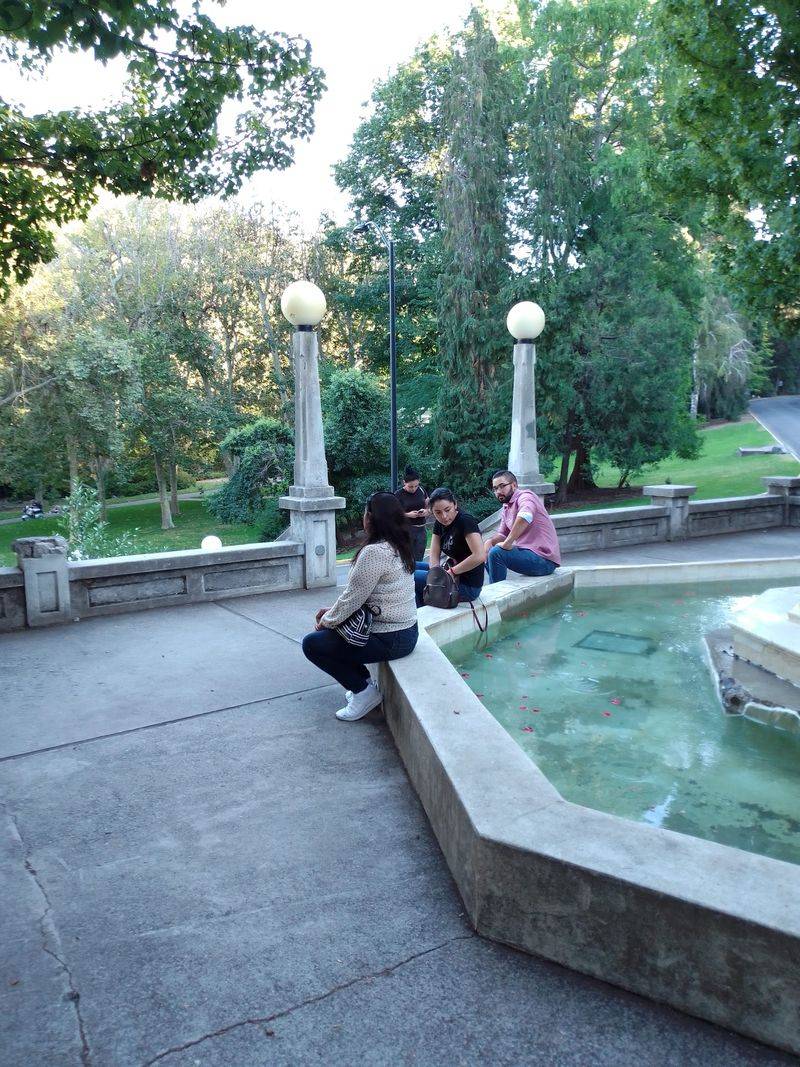
Downtown Klamath Falls has the kind of scale that makes it easy to actually know your neighbors. The city is large enough to have real amenities but small enough that the same faces show up at the farmers market, the coffee shop, and the community events throughout the year.
The Favell Museum of Western Art and Indian Artifacts is a genuinely impressive local institution, housing one of the largest collections of miniature firearms and Native American artifacts in the West. It draws visitors from across the country and gives residents a cultural anchor that many small cities simply do not have.
Ross Ragland Theater hosts live performances, concerts, and community events year-round, and ticket prices are a fraction of what you would pay for comparable entertainment in a major metro area. The theater has been a centerpiece of Klamath Falls cultural life for decades.
The community here trends toward practical, outdoorsy, and unpretentious. People tend to wave at strangers, hold doors open, and genuinely engage with newcomers rather than sizing them up.
That social texture is harder to put a price on than rent or groceries, but it matters just as much to daily quality of life.
Making $1,300 a Month Work: A Realistic Budget Breakdown
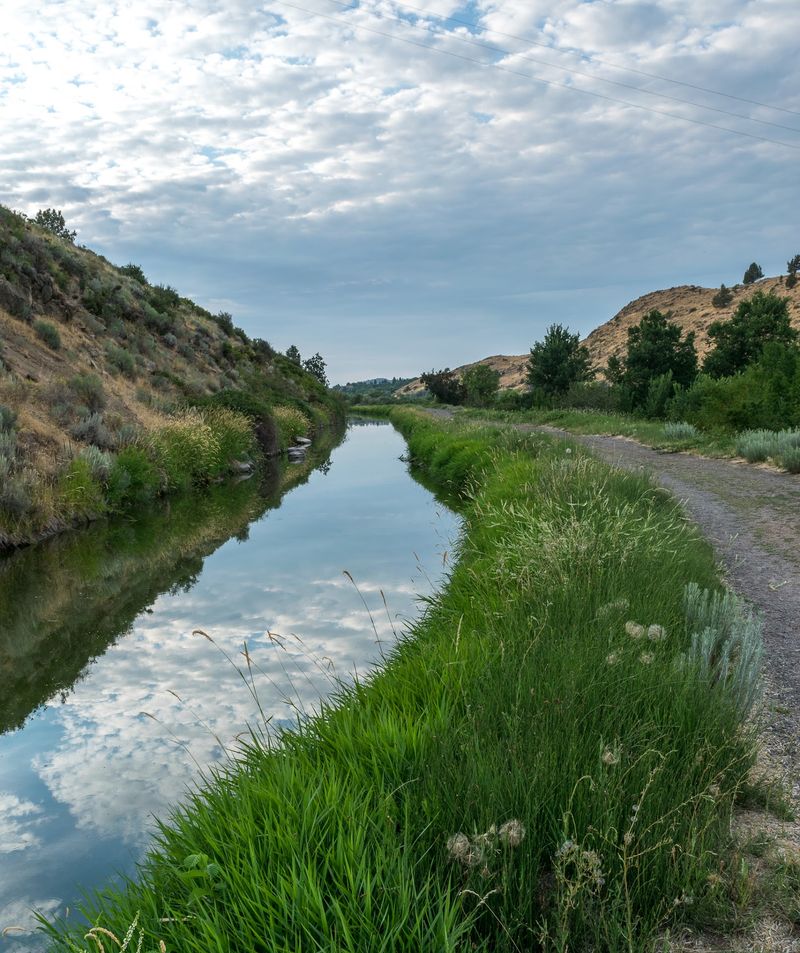
A realistic monthly budget in Klamath Falls on $1,300 is tight but workable, especially for a single adult willing to be intentional about spending. Rent for a one-bedroom apartment comes in around $750, leaving $550 for everything else.
Utilities, including electricity, water, and internet, typically run $120 to $150 per month for a modest apartment. Groceries for one person, managed carefully with store sales and the farmers market, can stay around $200.
That leaves roughly $200 to $230 for transportation, personal care, and small discretionary spending.
Transportation costs are lower than in larger cities because distances are short and parking is free almost everywhere. A reliable used car is the primary way most residents get around, and fuel costs stay manageable given the compact geography of the city.
The outdoor recreation available for free or near-free is genuinely important to this budget picture. Hiking, birdwatching, and fishing do not cost much, which means entertainment does not have to eat into the margin.
Living on $1,300 a month here is not glamorous, but it is far more sustainable than the same income would be in almost any other Oregon city.
Share this story