There is a stretch of the Oregon coast where the only way to reach the beach is by walking through a tunnel carved right into the base of a cliff. No boat, no special gear, no secret handshake required.
The reward on the other side is a secluded shoreline packed with tide pools, agates, sea stacks, and ocean views that feel almost too good to be real. This is the kind of place that makes you wonder how you went this long without knowing it existed.
Where Exactly You Will Find This Place
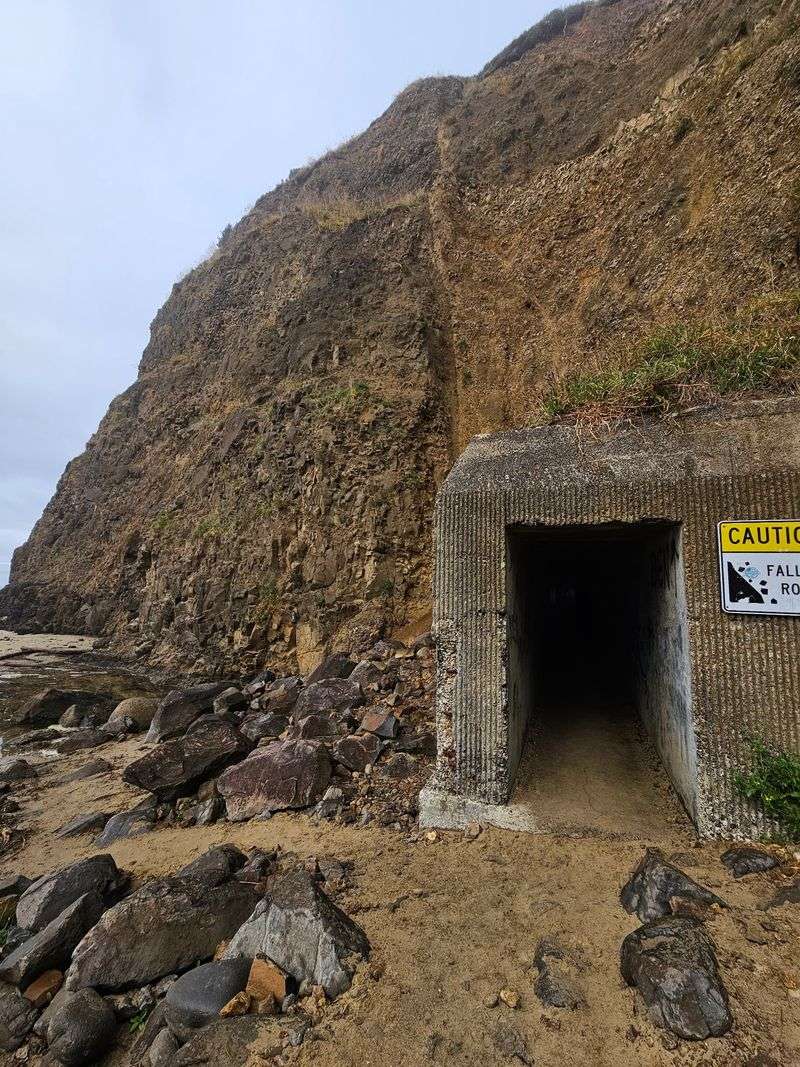
Tunnel Beach sits along the northern Oregon coast in the small town of Oceanside, Oregon 97141, tucked against the base of a dramatic basalt headland that juts out into the Pacific Ocean.
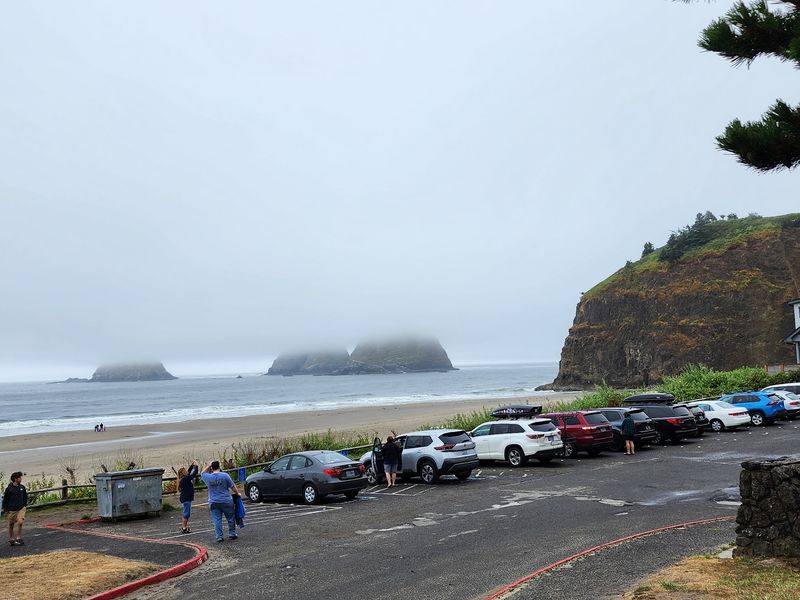
To get there, you park in the public lot in Oceanside, which also has restroom facilities nearby. From the parking area, you walk down to the main beach and then head to your right, toward the far end where the cliff meets the sand.
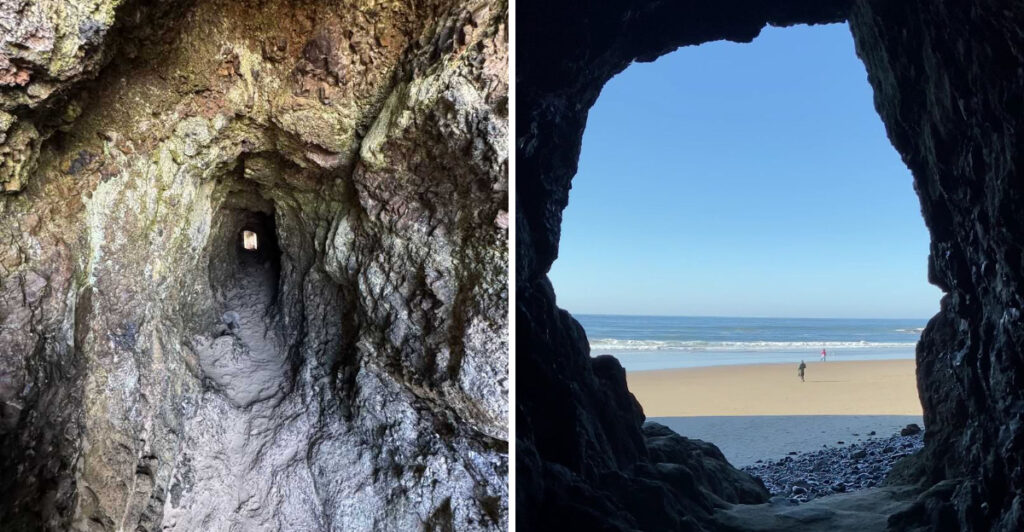
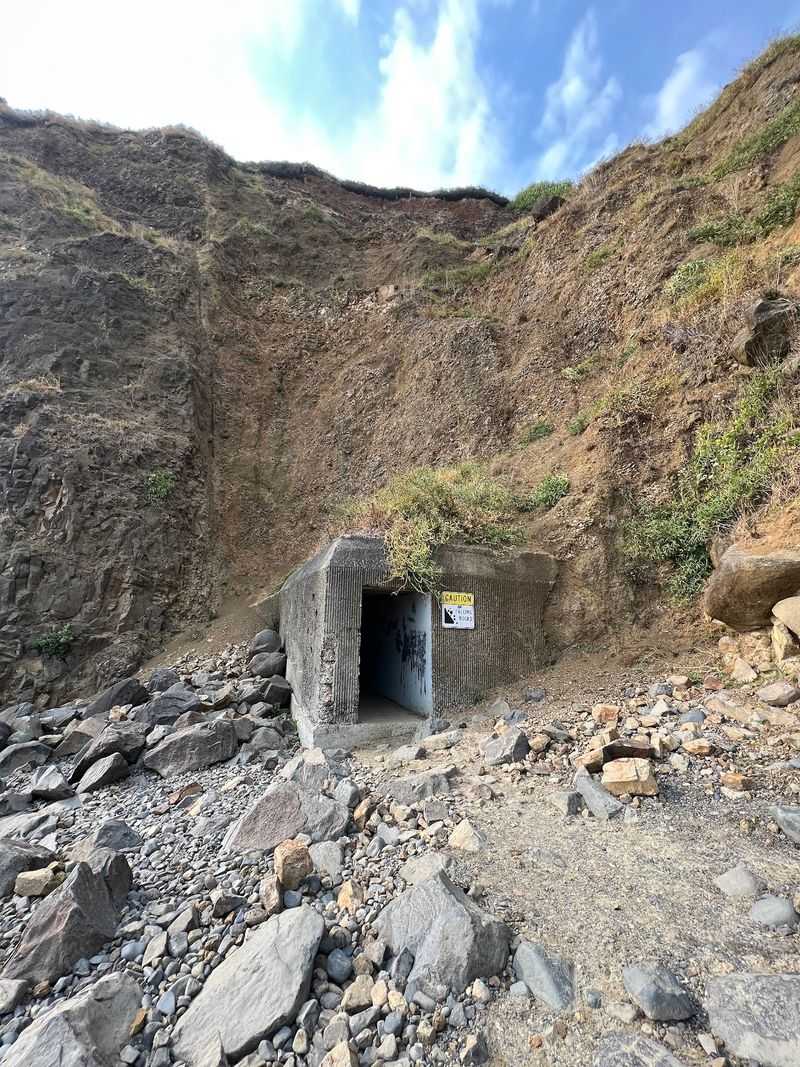
The tunnel entrance is set into the base of the cliff and is man-made, constructed from concrete. One important detail: there is a natural rock opening further to the left that looks like it could be the tunnel, but it is not the correct one.
The real entrance is clearly the concrete-lined passage on the right side of the cliff face.
The coordinates place it at roughly 45.46 degrees north latitude on the Pacific coast, about 10 miles west of Tillamook. Getting there from Portland takes around two hours, making it a very doable day trip for anyone based in the Willamette Valley.
The Tunnel Itself: What to Expect Before You Step Inside
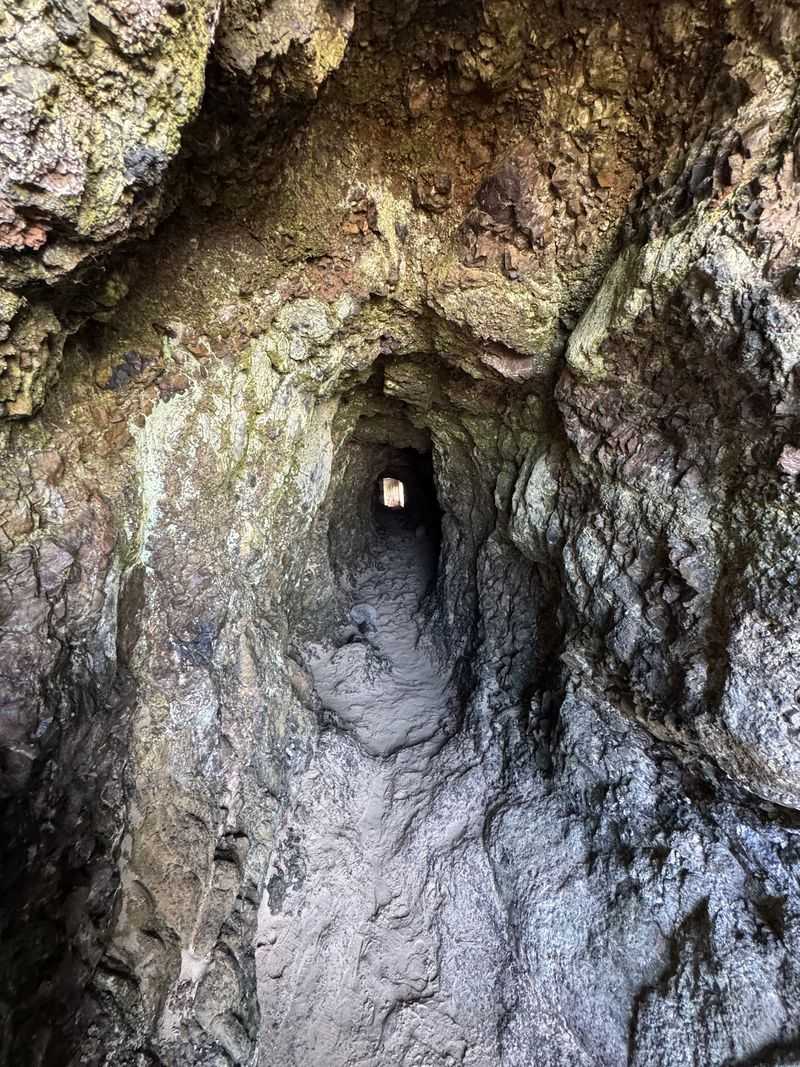
The tunnel runs about 100 yards through solid rock, and calling it cozy would be generous. The ceiling is low in spots, the floor is wet and uneven, and once you are a few steps in, the light from both ends is the only thing guiding you forward.
A flashlight or the torch on your phone is a smart thing to bring. The rock walls feel close, and the footing can be slippery, so wearing shoes with grip is genuinely useful rather than just good advice.
The tunnel is dark, a little damp, and has an earthy, briny smell that gets stronger at low tide. Some visitors find the whole thing thrilling in a slightly nerve-wracking way, while others treat it as a short and mildly dramatic hallway to something spectacular.
Kids tend to love it. The darkness, the echo of footsteps, and the sense of not quite knowing what comes next on the other side gives the whole walk a playful, adventure-story quality that no theme park tunnel could replicate.
What waits at the far end makes every cautious step worth the effort.
Tide Timing: Why It Changes Everything About Your Visit
The tide is not just a background detail at this beach. It is the main character of the whole experience, and getting the timing wrong means the tunnel entrance can be partially or fully blocked by water.
At high tide, the ocean pushes right up to the cliff base, and the tunnel can become inaccessible or at the very least very wet and risky to enter. At low tide, the full passage opens up, the rocky beach on the other side becomes explorable, and the tide pools are at their richest and most active.
Checking a tide chart before your visit is one of the most practical things you can do. Apps like Tide Alert or a quick search for Oceanside, Oregon tide times will give you the window you need to plan around.
Aim for the two to three hours around low tide for the best access.
The smell at low tide is noticeably stronger, as exposed marine life and seaweed release their natural scent into the salt air. It is part of the experience, and once you are focused on what you are seeing, it fades into the background surprisingly fast.
The Hidden Beach on the Other Side
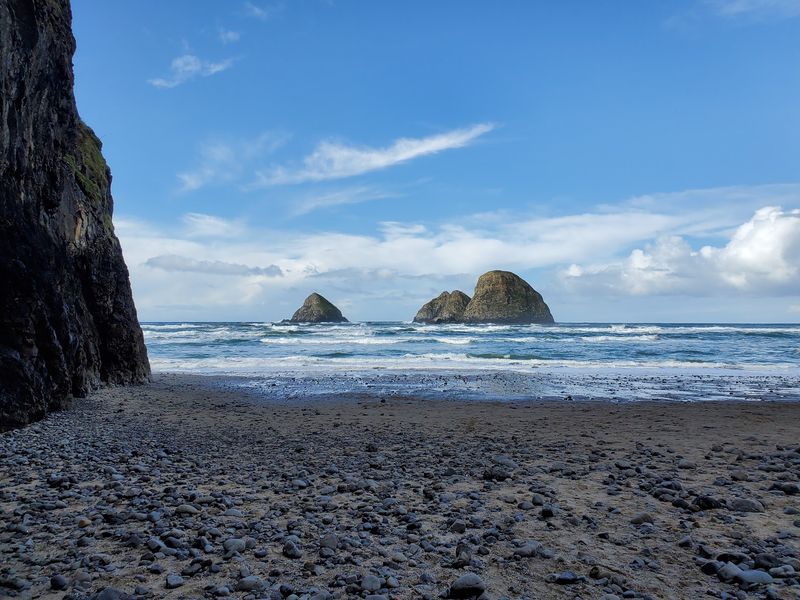
Coming out of the tunnel and seeing the beach on the other side for the first time is one of those moments that genuinely stops you in your tracks. The scale of it catches you off guard after the narrow passage you just walked through.
The beach is rocky rather than sandy near the tunnel exit, with large boulders and pebbles covering much of the shoreline. Further along, the terrain shifts toward a mix of coarse sand and smaller stones, which makes walking easier and more comfortable.
Towering sea stacks rise from the water offshore, and the cliffs that frame the beach on both sides give the whole place a dramatic, enclosed feeling. The Pacific rolls in with real force here, sending spray up against the rocks in a way that looks as good in person as it does in any photo.
The beach stays relatively quiet compared to more accessible coastal spots, which adds a lot to the atmosphere. On weekdays especially, you may find yourself with only a handful of other visitors sharing the whole stretch of shoreline, which feels like a rare luxury on the Oregon coast.
Agate Hunting: The Treasure Hunt You Did Not Know You Needed
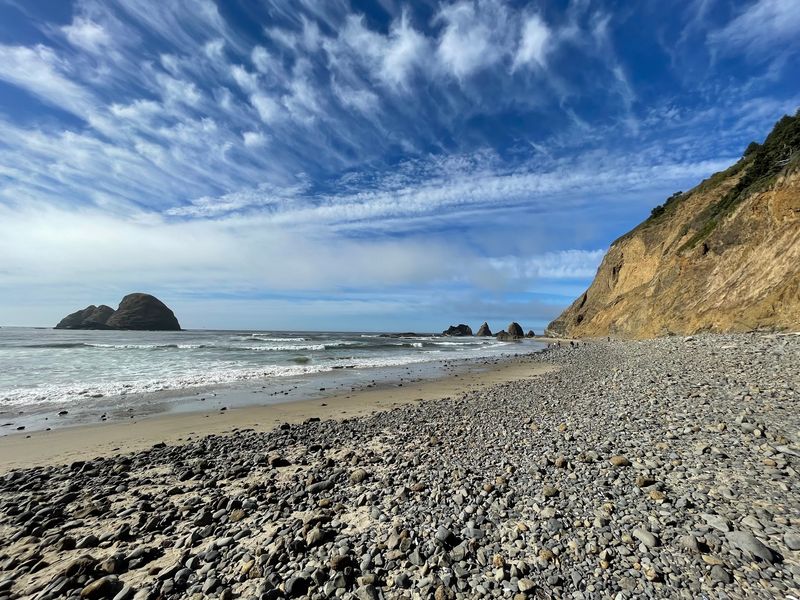
The rocky beach on the far side of the tunnel is one of the better spots on the Oregon coast for finding agates, and people who have spent time here say it is among the most productive beaches they have searched.
Agates are translucent stones, often orange, yellow, red, or milky white, and they catch the light in a way that makes them easy to spot when the rocks around them are wet. The best time to look is right after waves wash over the beach and before the surface dries out again.
You do not need any special tools or experience. Most people just crouch down, scan slowly, and let their eyes adjust to the subtle glow that sets agates apart from ordinary pebbles.
Children pick it up quickly and tend to be very good at it, partly because their eyes are closer to the ground.
Beyond agates, the beach also turns up interesting shells, smooth pieces of driftwood, and the occasional unusual rock formation. People bring small bags or containers to carry their finds home, and the whole activity has a satisfying, unhurried quality that fits perfectly with the pace of a coastal day.
Tide Pools Full of Life Worth Slowing Down For
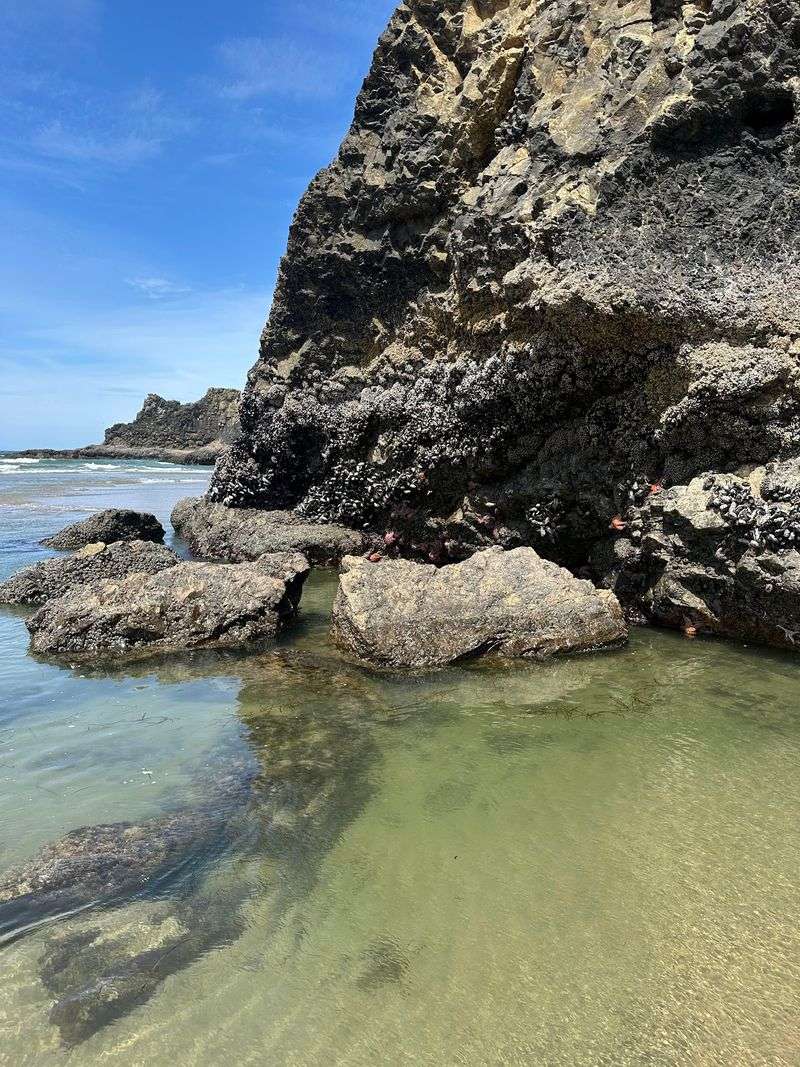
The tide pools at this beach are genuinely impressive. They are packed with marine life in a way that rewards slow, careful observation rather than a quick glance and a photo.
Starfish cling to the sides of rocky basins in shades of orange and purple. Sea anemones open and close in the shallow water.
Mussels cluster in dark mats across the exposed rock surfaces, and small hermit crabs move through the pools with a businesslike energy that is oddly entertaining to watch.
The rule that applies at all Oregon tide pools applies here too: look but do not touch. The animals living in these pools are sensitive to handling, and even well-meaning contact can cause harm.
Watching without disturbing is both the ethical choice and, honestly, the more rewarding one.
Families with kids find the tide pools to be a highlight of the visit, and it is easy to see why. There is something about crouching down beside a small pool of seawater and watching a miniature world go about its business that holds attention in a way that no screen can quite match.
Plan to spend more time here than you think you will.
Wildlife Beyond the Shore: Sea Lions and Whale Sightings
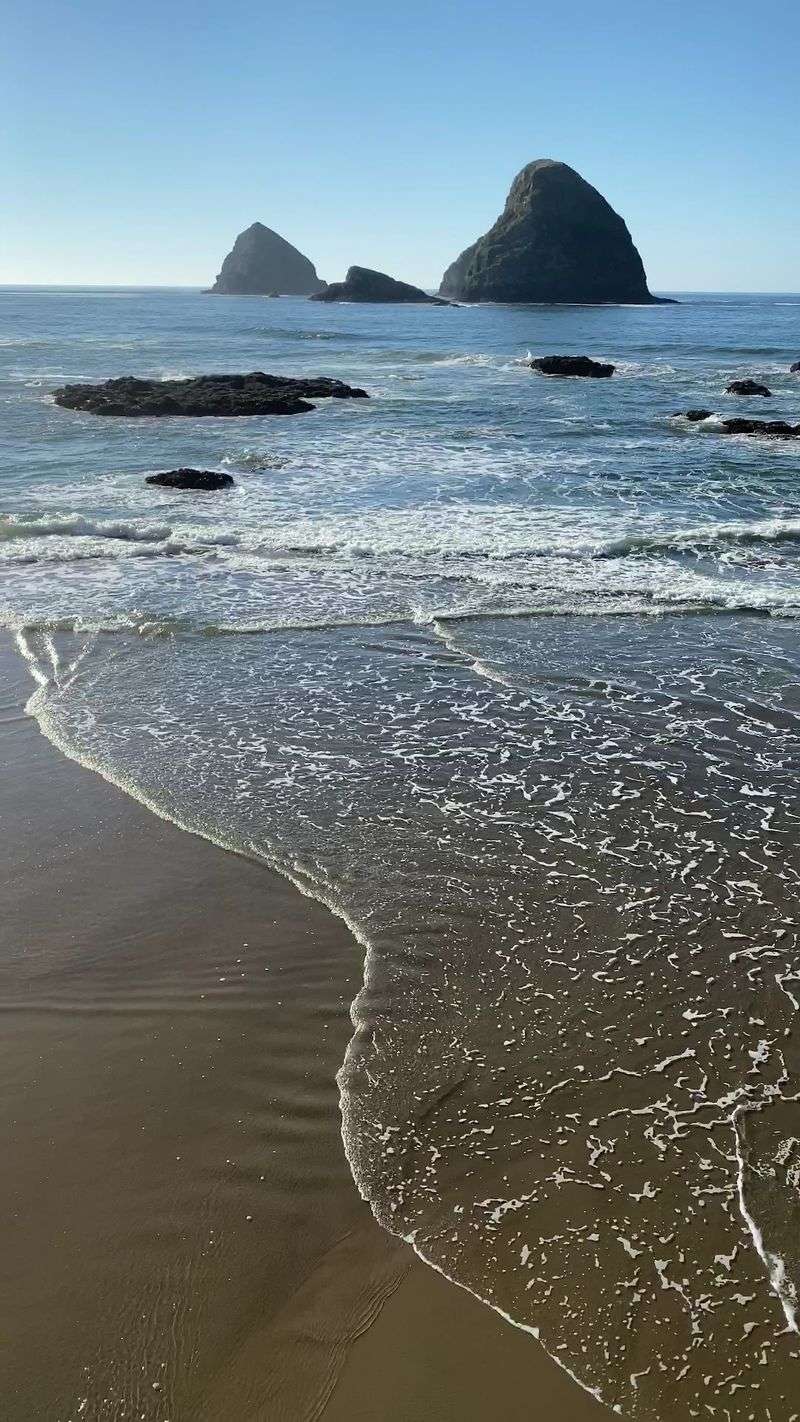
The wildlife at this beach goes well beyond what lives in the tide pools. Out on the offshore rocks, sea lions haul themselves up and lounge in groups, visible from the beach with the naked eye and even more impressive through binoculars.
Their barking carries across the water, mixing with the sound of the waves, and watching them shift and jostle for position on the rocks is the kind of entertainment that does not get old. They are completely indifferent to the people watching from shore, which makes the whole observation feel natural rather than staged.
The stretch of coast near Oceanside also sits along a migration corridor for gray whales, and sightings from the beach are not uncommon, particularly in spring and late fall. A spout of mist above the water or a dark shape rolling at the surface is enough to send everyone on the beach scrambling for a better look.
Bringing a pair of compact binoculars takes up almost no space in a bag and makes a real difference for both the sea lions and any whale activity offshore. The view from the far side of the tunnel is especially open, giving a wide angle on the ocean horizon.
Photography at Tunnel Beach: A Naturally Dramatic Setting
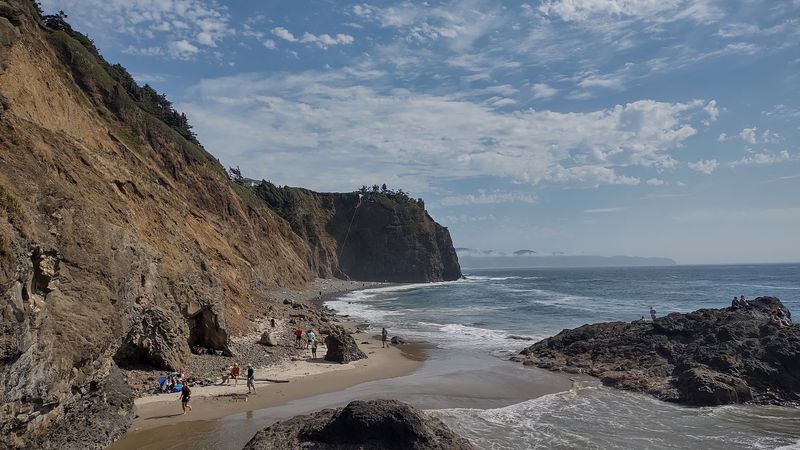
Few beaches on the Oregon coast hand you this many visually compelling subjects in one place. The cliffs, the tunnel entrance, the sea stacks, the tide pools, and the open Pacific all compete for attention, and any direction you point a camera tends to produce something worth keeping.
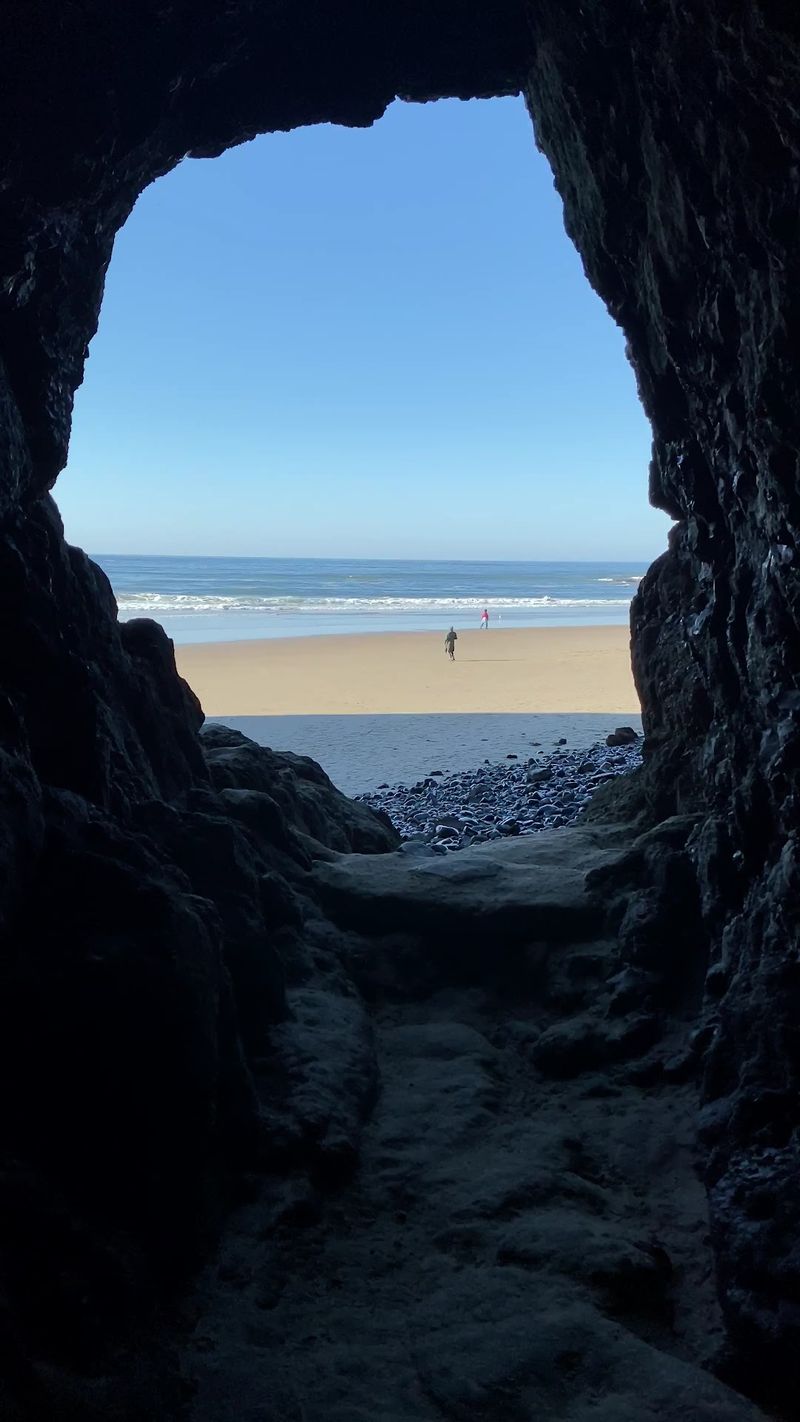
The tunnel itself is a great subject at the right moment. Standing inside and shooting toward the bright circle of daylight at either end creates a natural framing effect that works well even with a phone camera.
The contrast between the dark interior and the bright exterior light does most of the compositional work for you.
Overcast days, which are common on the Oregon coast, actually produce some of the best photography conditions. The soft, diffused light eliminates harsh shadows and brings out the texture in the rocks, the color in the tide pools, and the moodiness of the ocean without blowing out the highlights.
Sunrise and the period just before the light fades in the late afternoon both offer warm tones that make the sea stacks look especially striking. The beach faces roughly west, so late afternoon light hits the cliffs and formations at a low angle that adds depth and dimension to any shot.
Practical Tips for a Smooth Visit
A few small preparations make a noticeable difference between a comfortable visit and one where you spend half the time wishing you had planned better. Footwear is the first thing to get right.
The rocks inside the tunnel are wet and uneven, and the beach on the far side is almost entirely rocky, so sturdy shoes with grip are far more useful than sandals or flat sneakers.
Parking in Oceanside can get tight, especially on weekends and during summer months. The public lot fills up, and street parking nearby is limited.
Arriving early in the morning sidesteps most of the frustration and has the added benefit of giving you the beach with fewer other visitors around.
Bringing a light source for the tunnel is genuinely helpful rather than optional. The passage is short, but the middle section is dark enough that having a flashlight or phone torch makes the walk more confident and less stumbling.
Dogs on leashes are welcome at the beach, which makes it a good option for people traveling with pets. The restrooms in the Oceanside parking area are a convenience worth noting before you head down to the sand, since there are no facilities on the far side of the tunnel.
Why This Beach Stays With You Long After You Leave
Most beaches offer sand, water, and a view. This one adds a layer of experience that is harder to replicate: the physical act of passing through a tunnel to reach something that feels genuinely earned.
The combination of the dramatic tunnel entrance, the secluded beach on the other side, the wildlife, the tide pools, and the agate hunting creates a visit that covers more ground emotionally and physically than a typical coastal stop. It does not feel like one thing.
It feels like several things stacked into a single afternoon.
The relative quiet compared to more famous Oregon coast destinations like Cannon Beach or Newport adds to the sense that you have found something slightly off the main path. That feeling of discovery is surprisingly satisfying, even when you know others have been there before you.
People who visit once tend to come back, often bringing someone new so they can watch that person’s reaction when they step out of the tunnel for the first time. That reaction, every single time, is worth the drive.
The Oregon coast has no shortage of beautiful places, but very few of them ask you to earn the view the way Tunnel Beach does.
Share this story