There is a stretch of the Oregon Coast where the land cannot make up its mind between forest, wetland, and open beach, and honestly, that indecision is what makes it so worth visiting. A quiet trail winds through mudflats, ancient dunes draped in trees, and coastal meadows before spilling out onto a secluded sandy beach where the crowds simply never show up.
The whole loop covers roughly three miles, costs nothing to enter, and rewards you with a kind of peaceful variety that most coastal parks cannot pull off. Read on, because this place is far more layered and surprising than it looks from the road.
Where the Trail Begins: Address, Access, and First Impressions
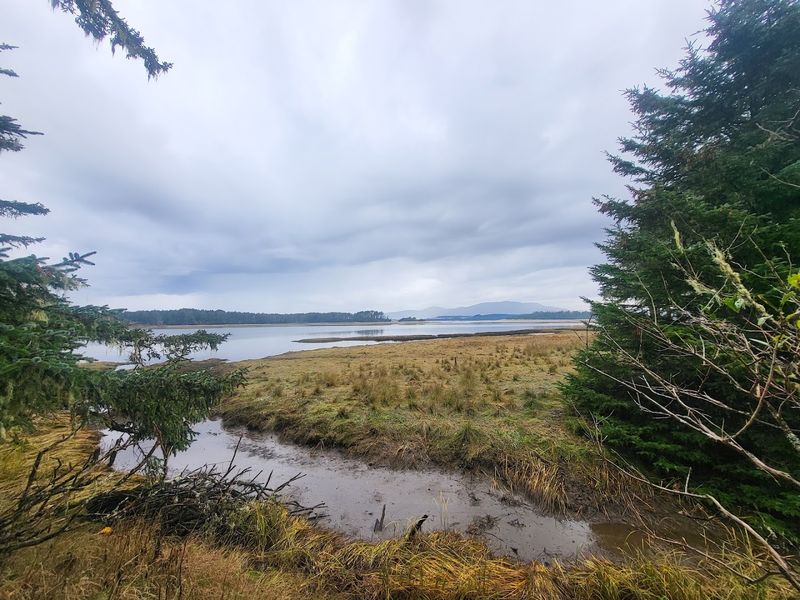
The address is Sandlake Road, Cloverdale, OR 97112, and from the road, Sitka Sedge State Natural Area looks like little more than a modest pullout with a few picnic tables. That first impression is wonderfully misleading.
The parking lot is small, fitting maybe twenty standard-sized vehicles, so arriving early on weekends makes a real difference. RVs and oversized rigs will want to find another plan, as the lot simply cannot accommodate them.
Near the trailhead, you will find a detailed map board with a “You Are Here” marker, which is genuinely useful since trail signs inside the park are minimal. Snapping a photo of that map before heading out is one of the smartest moves you can make here.
Vault toilets are clean and well-maintained, and there is a water spout available at the start of the trail. The park is free to enter and operates daily from 8 AM to 8 PM, with gates closing at dusk.
Phone number for park information is +1 503-842-3182.
A Cattle Farm Turned Coastal Sanctuary: The History Behind the Land
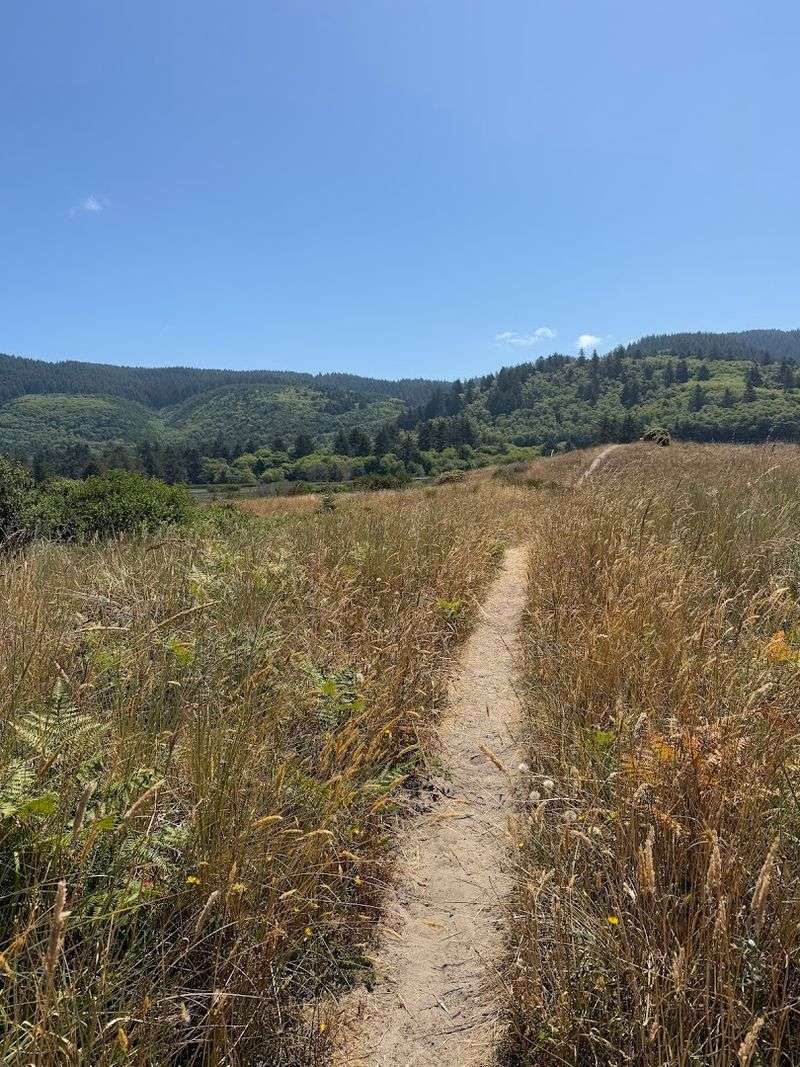
Before it became one of the Oregon Coast’s quietest treasures, this land was a working cattle farm sitting on an estuary near Sand Lake. Known historically as Beltz Farm, it was later owned by a California family called the Bastich family, who maintained it with care before the State of Oregon eventually acquired it.
Multiple proposals over the years tried to convert the property into a golf course or a resort, which would have permanently altered this fragile coastal ecosystem. Oregon’s decision to preserve it as a state natural area instead turned out to be one of the better land-use calls in the region’s recent history.
A rusted tide gate still stands as a quiet relic of that agricultural era, helping prevent the nearby community of Tierra Del Mar from flooding. The old dike that once served the farm now functions as a walking path, giving visitors a unique vantage point over both freshwater and saltwater environments side by side.
That layered history, farm to sanctuary, gives the park a depth that goes well beyond its trail markers and scenic overlooks.
Crossing the Dike: Freshwater on One Side, Salt Marsh on the Other
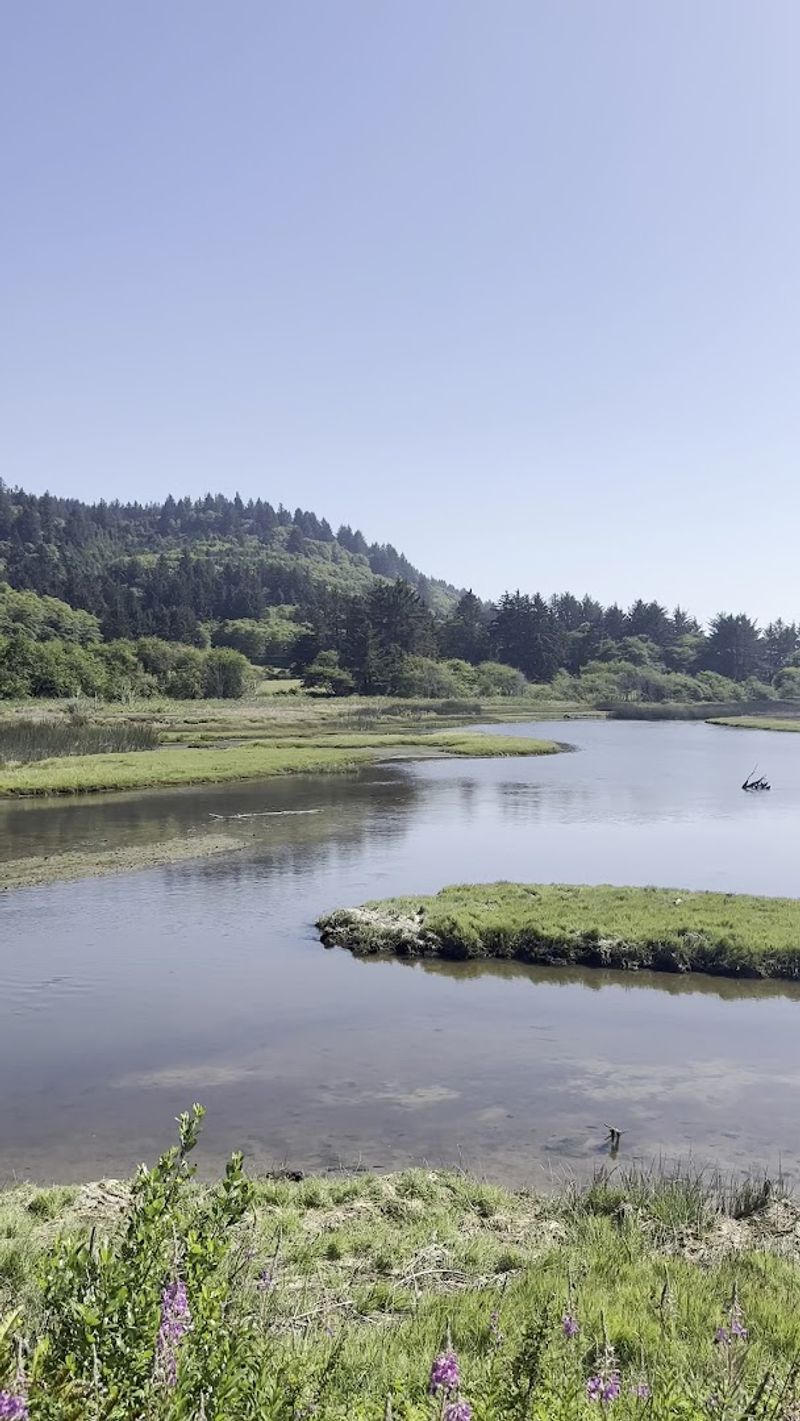
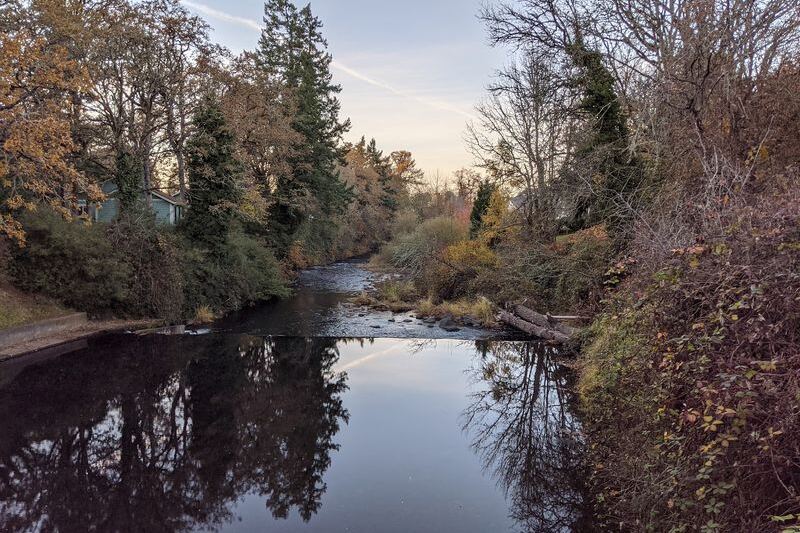
One of the most genuinely unusual moments on this trail happens when you walk across the old farm dike and realize the two bodies of water on either side of you are completely different. Fresh stream water flows on the left; a saltwater marsh spreads out on the right.
That contrast is not just visually striking. It also explains why the bird diversity here is so remarkable.
Eagles, kingfishers, snowy plovers, vultures, gulls, terns, and many other species use these overlapping habitats throughout the year.
The dike path itself is flat, wide, and easy to walk. It feels less like a trail and more like a raised walkway through an open-air nature exhibit, where the scenery shifts with every few steps you take.
Snowy Plover nesting season runs from March 15 through September 15 each year, and during that period, certain sections of the park restrict access for humans, dogs, and horses. The informational board at the parking lot clearly maps out which zones are affected, so reading it before heading out is genuinely helpful rather than optional.
The Estuary Up Close: Mudflats, Ghost Shrimp, and Tidal Life
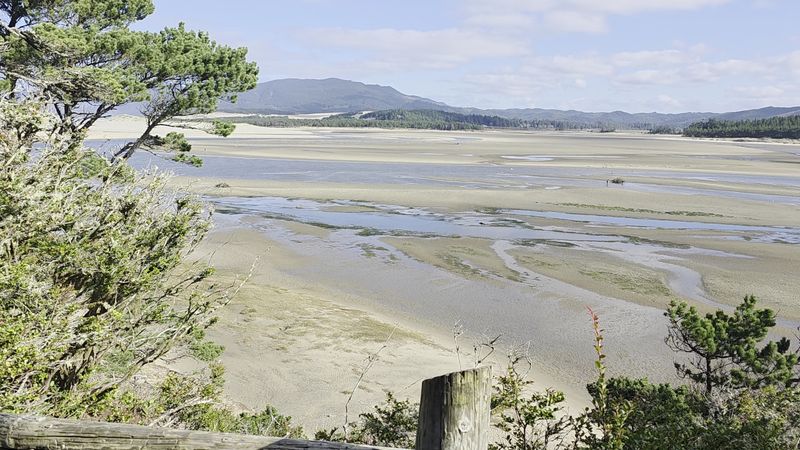
At low tide, the mudflats at Sitka Sedge come alive in ways that most visitors do not expect from a simple hiking trail. The exposed tidal flats stretch wide and flat, filled with the kind of coastal activity that feels like a nature documentary unfolding right at your feet.
On one visit, kids were out on the mudflats using clamming guns to catch ghost shrimp, also called sand shrimp, which are popular bait for coastal fishing. Watching that kind of hands-on local tradition play out adds a layer of authentic Oregon Coast culture to what might otherwise feel like a quiet nature walk.
The estuary also attracts black bears occasionally, with fresh scat near the trail being the most reliable sign of recent visits. Elk are spotted here regularly as well, particularly in the early morning hours when the park first opens.
This is a fragile environment, and staying on the designated trails protects the ecosystem that makes all of this wildlife activity possible. The reward for that small discipline is an estuary that genuinely thrives.
Forested Dunes: Where the Trees Took Over the Sand
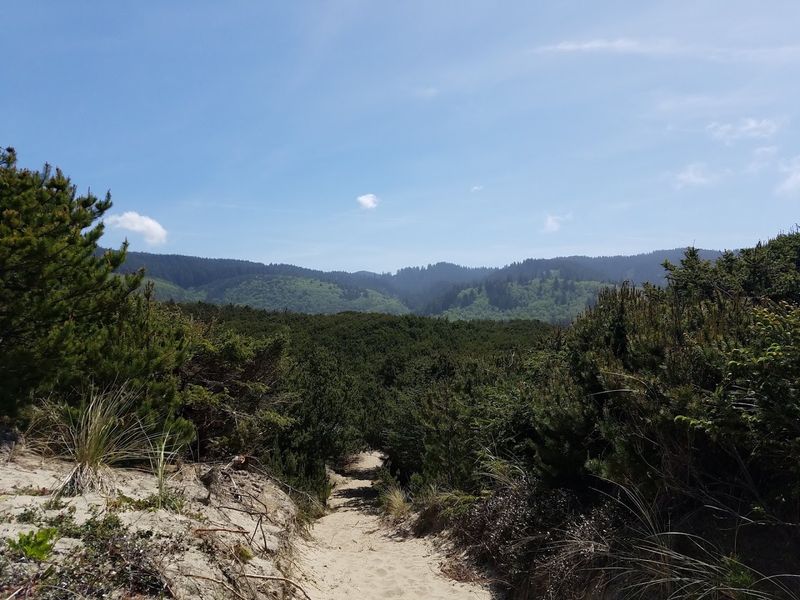
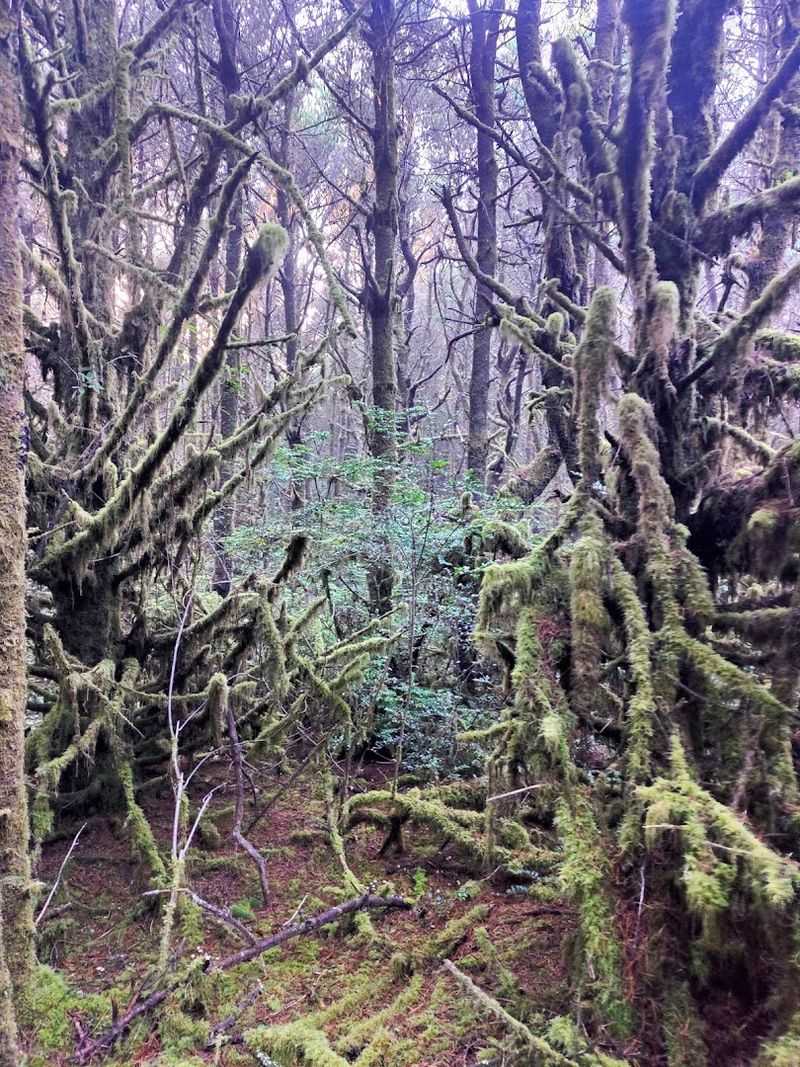
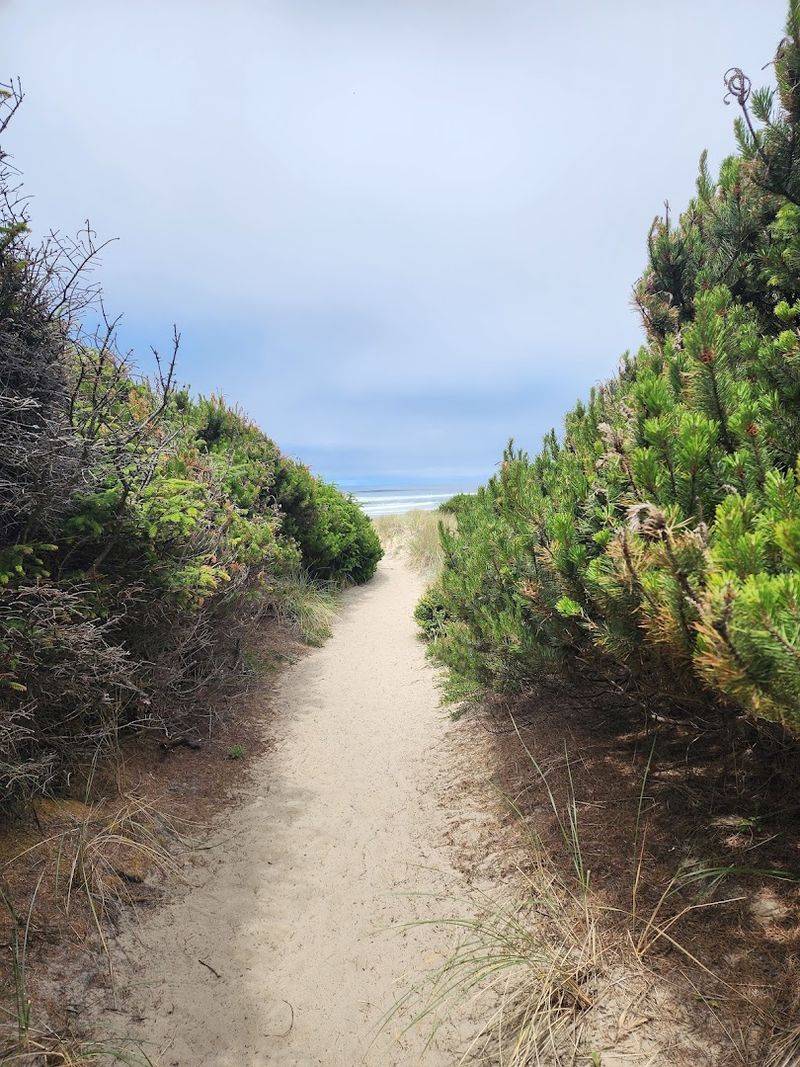
Most people think of dunes as open, windswept landscapes, but the dunes at Sitka Sedge have been colonized by forest over time, creating a habitat that feels genuinely unlike anything else on the Oregon Coast. Trees root directly into the sand, and the trail underfoot shifts from packed earth to soft, deep sand as you move through this section.
Walking barefoot through the sandy dune trail is something multiple visitors mention as a highlight, not just for comfort but because the soft sand provides a surprisingly solid workout for your legs. It also keeps your shoes clean, which is a practical bonus on a trail that covers this much terrain variety.
The forested dune section offers welcome shade on warm days, and the canopy filters the coastal light into something soft and almost theatrical. Mushroom foragers have noted this area as particularly rewarding in the right season, with species appearing along the shaded sandy floor.
This part of the trail also tends to be quieter and more sheltered from coastal wind, making it a natural resting point between the open marsh sections and the exposed beach at the western end of the loop.
Reaching the Beach: A Quiet Stretch of Sand Most Tourists Miss
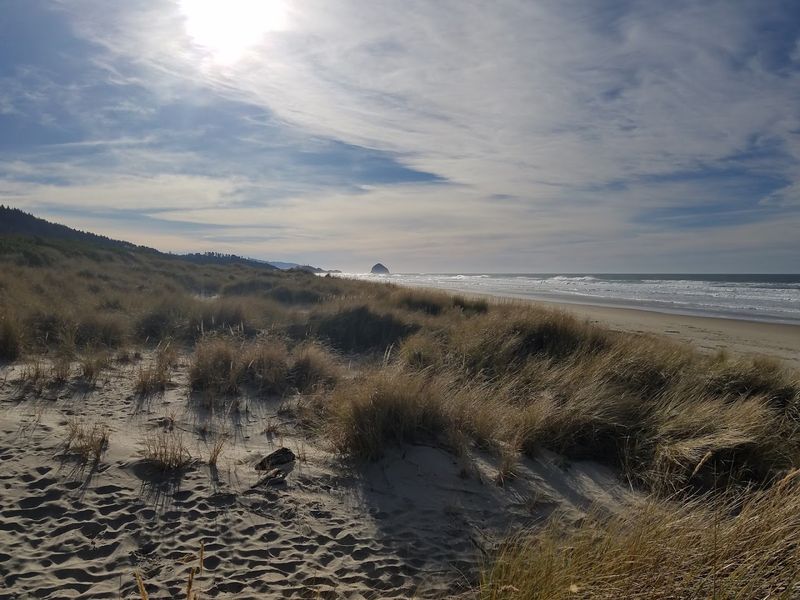
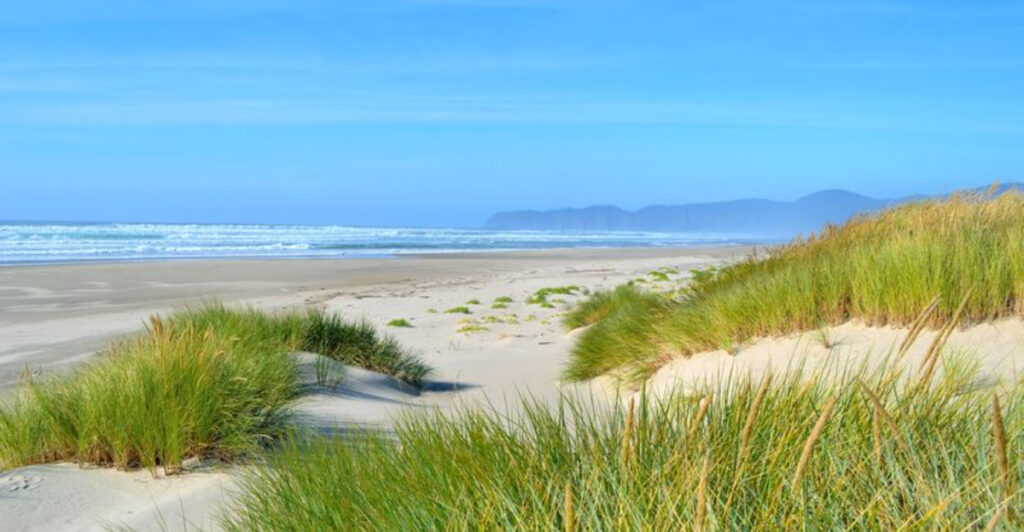
After about 1.5 miles of trail, the forested dunes open up and drop you onto a beach that feels like it belongs to a different era entirely. There are no vendors, no beach chairs for rent, and no crowds jostling for a patch of sand.
The descent to the beach involves a short steep section with deep sand that takes a bit of effort, but the payoff is immediate. From the shore, you get clear views of Whalen Island and the Sand Lake river channel, and on a clear day, a distant glimpse of Haystack Rock adds a familiar Oregon Coast landmark to the horizon.
The beach here is an off-leash area for dogs, which makes it a popular stop for pet owners who want to let their dogs run free near the water. Snowy Plover seasonal restrictions do affect certain beach zones during nesting season, so checking the posted signs before letting dogs roam is worth the thirty seconds it takes.
Bringing a blanket and some food and spending an hour or two just sitting here is, without question, one of the more underrated ways to spend an afternoon on the Oregon Coast.
Two Loops, One Park: How to Plan Your Route
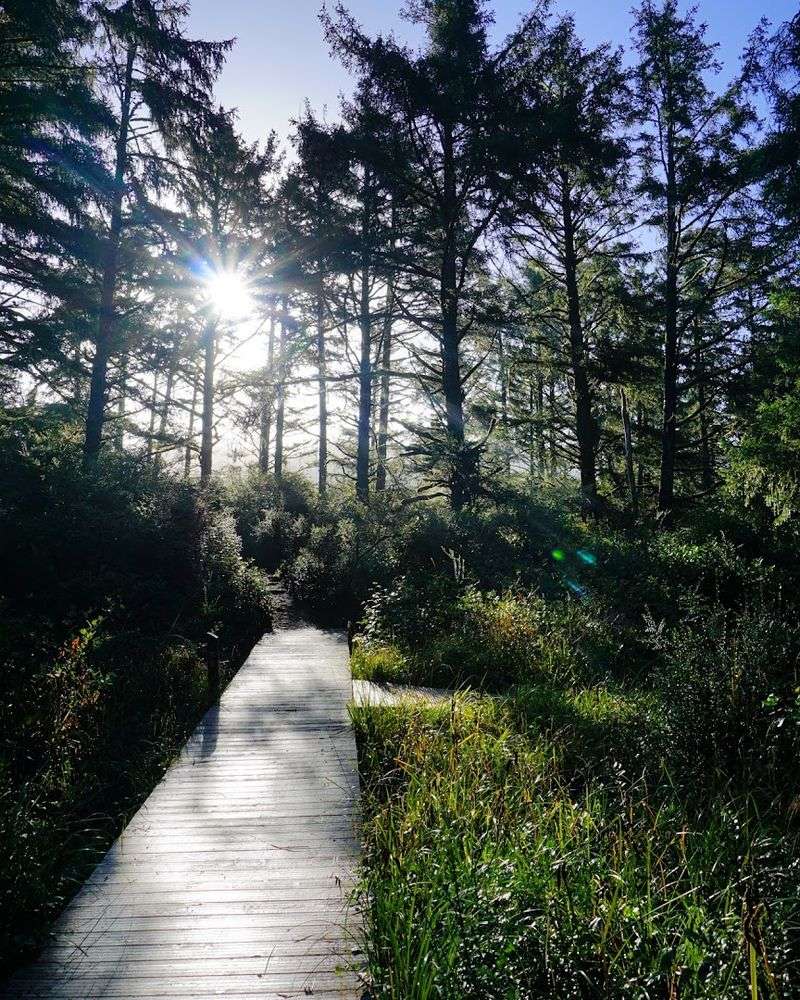
The trail system at Sitka Sedge is built around two loops, each roughly a mile long, that can be walked independently or combined for a full circuit of about three miles total. Doing both gives you the most complete picture of what this park offers, moving through wetlands, forest, dunes, and beach all in one outing.
The eastern loop follows the marsh and mudflats south before curving northwest toward the beach, while the western loop heads more directly toward the coast. Shortcut trails connect the two, so you can trim the route if time or energy is limited.
The flattest and most groomed portion of the entire circuit is the western stretch heading toward the beach, which makes it the most accessible section for visitors with mobility considerations. Small tree roots do poke above the ground in some forested sections, but most can be stepped around without difficulty.
Trail intersections are marked with posts that include a small map and a “You Are Here” indicator, which is genuinely reassuring once you are deep in the forested dune section and the ocean breeze is the only compass you have left.
Wildlife Watching: Birds, Bears, and Elk Along the Way
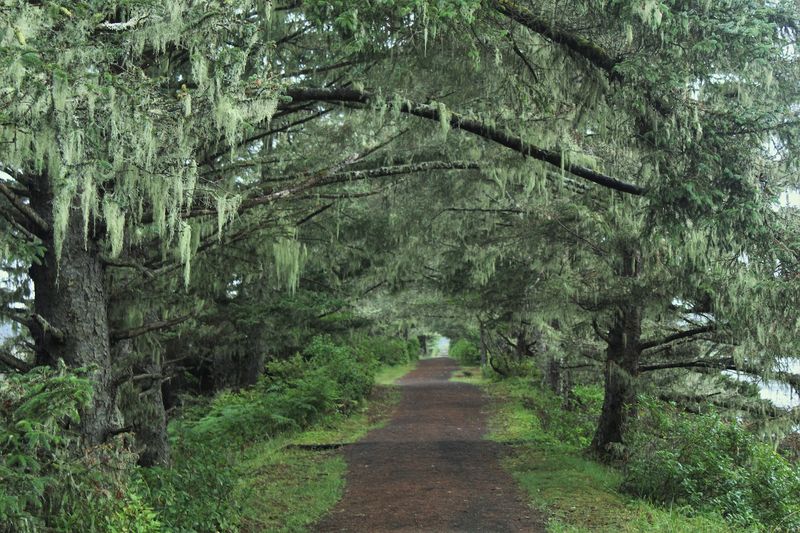
Few trails of this length and ease offer the kind of wildlife variety that shows up regularly at Sitka Sedge. The overlapping habitats, freshwater, saltwater, forest, dune, and open beach, create conditions where a remarkable number of species converge in a relatively small area.
Bald eagles are among the most frequently spotted birds here, along with kingfishers, terns, snowy plovers, gulls, and turkey vultures. The estuary’s tidal activity keeps shorebirds active and visible throughout the day, making this a legitimate destination for birding enthusiasts who want variety without driving to multiple locations.
Black bears are not just a rumor here. Fresh scat near the trail is a real possibility, particularly in the forested dune sections where berry-producing plants grow.
Elk sightings are common enough that early morning visitors often plan their arrival specifically to catch them in the open meadow areas near the marsh.
Keeping dogs on a leash in the non-beach sections is not just a rule but a genuine act of conservation, since the wildlife here has clearly responded well to visitors who treat the space with that kind of basic respect.
Family-Friendly Trail Features: Why Kids Love This Walk
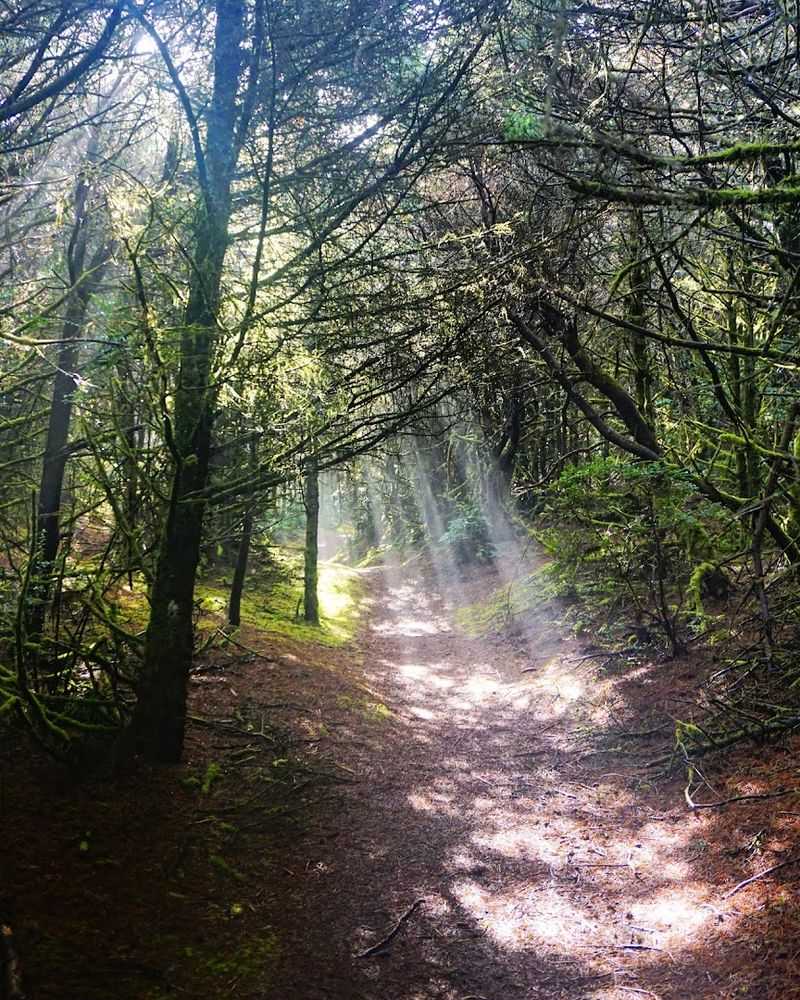
The trail at Sitka Sedge earns its reputation as one of the more family-friendly hikes on the Oregon Coast not by being boring but by being genuinely engaging for younger visitors. The variety of terrain, from packed earth to sandy dunes to beach, keeps kids curious about what comes next.
The near-total absence of steep inclines for most of the route means that younger children and older family members can keep pace comfortably without the hike turning into a negotiation. The one exception is the short descent to the beach, which is steep and sandy, but most kids treat that section as a feature rather than a challenge.
Ghost shrimp clamming on the mudflats, tide-watching from the dike, and the off-leash beach section for family dogs all add layers of interactive entertainment that go beyond simply walking a trail. These are the kinds of moments that tend to stick with kids long after the drive home.
Bug spray is genuinely recommended for families, particularly near the wetter sections of the trail, where mosquitoes and other insects are active during warmer months. A small tube in your daypack makes the whole experience considerably more pleasant.
Plant Life Along the Path: What Sitka Sedge Actually Means
The park’s name is not just a quirky label. Sitka sedge is an actual plant, a grass-like species that thrives in coastal wetland environments and plays a genuine ecological role in stabilizing the marsh edges and providing habitat for invertebrates and birds alike.
Along the trail, the plant diversity is striking enough that multiple visitors have mentioned stopping repeatedly just to photograph the vegetation. Coastal meadow grasses, wetland sedges, dune-adapted shrubs, and full canopy forest trees all appear within a single three-mile loop, which is a fairly rare concentration of coastal plant communities in one accessible location.
The forested sections feature species typical of Oregon’s coastal range, with moisture-loving understory plants filling the gaps between the trees. In mushroom season, the shaded sandy floor of the dune forest becomes particularly productive for foragers who know what they are looking for.
Conservation-minded visitors will notice that the plant communities here look healthy and well-preserved, a direct result of the pack-in, pack-out policy and the general culture of respect that seems to attract a certain kind of thoughtful visitor to this park.
Practical Tips for Your Visit: Timing, Gear, and Trail Etiquette
The park opens at 8 AM every day of the week and closes at 8 PM, with gates locked at dusk. Arriving right at opening is the single most reliable way to secure a parking spot on busy summer weekends, when the small lot fills faster than most visitors expect.
Bug spray belongs in every daypack for this trail, especially from late spring through early fall. The combination of shade, moisture, and standing water near the marsh creates ideal conditions for mosquitoes, and a few bites can turn an otherwise perfect outing into an itchy memory.
Footwear is worth thinking about before you arrive. Sturdy sneakers or light hiking shoes handle the packed trail sections well, but the deep sand on the dune and beach portions makes anything with a tight toe box uncomfortable quickly.
Some visitors choose to go barefoot through the sandy sections, which works well as long as you pack your shoes rather than leave them behind.
Dogs are welcome throughout most of the park on a leash, with off-leash access available on the beach outside of Snowy Plover nesting season. All visitors follow a strict pack-in, pack-out rule, since there are no trash bins on site.
Why This Place Stays With You Long After You Leave
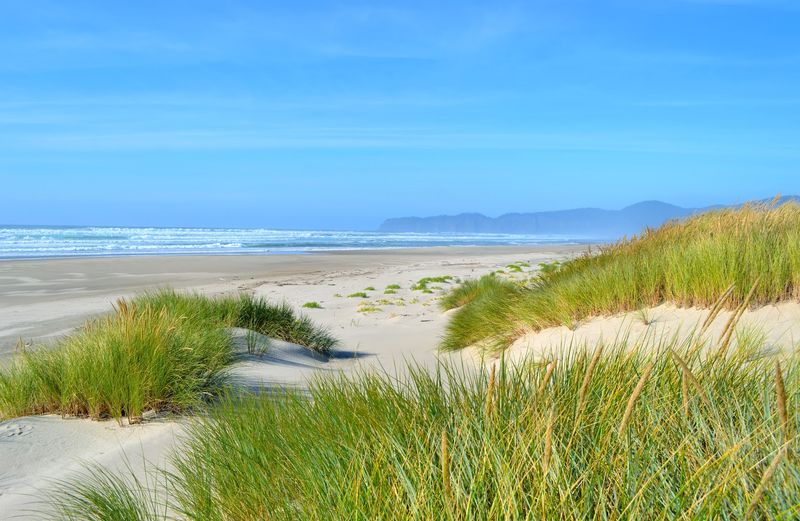
There is a particular kind of quiet that settles over you somewhere between the dike and the beach at Sitka Sedge, the kind that does not come from an absence of sound but from a presence of something genuinely unhurried. The wind moves through the sedge grass.
A kingfisher darts low over the marsh. The ocean sits just beyond the dunes, patient and indifferent.
This park does not try to impress you with dramatic cliffs or famous viewpoints. It earns its place in your memory through accumulation, the mudflats giving way to forest, the forest softening into sand, the sand opening onto a beach that almost nobody seems to know about.
The fact that it was nearly converted into a golf course at least once makes the experience feel a little more precious. Oregon made a good call here, and the park’s 4.7-star rating across 153 reviews reflects something real: people leave this place feeling genuinely glad they stopped.
Whether you do the full three-mile circuit or just walk to the beach and back, Sitka Sedge has a way of resetting something in you that most days on the Oregon Coast charge a much higher price to fix.
Share this story