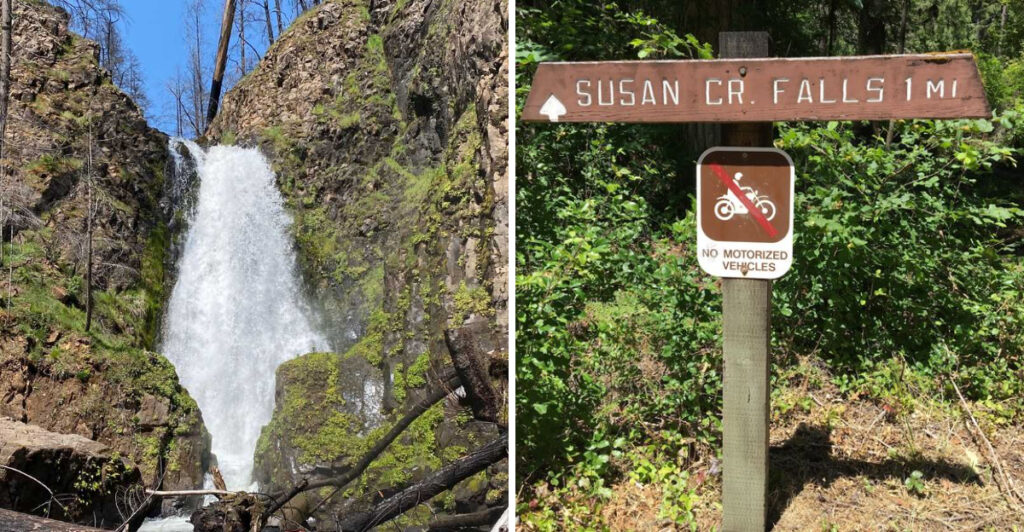
There is a trail in southern Oregon that takes less than a mile to walk and ends at a 50-foot waterfall crashing into a rocky pool. The path follows the North Umpqua River corridor, cuts through a forest that has seen both fire and regrowth, and delivers one of the most satisfying payoffs per step of any hike in the state.
You do not need to be an experienced hiker, own special gear, or clear your whole weekend to experience it. A short morning, a decent pair of shoes, and a healthy respect for poison oak are really all you need to make this trip worth every bit of the drive.
Where the Trail Begins: Address and Access
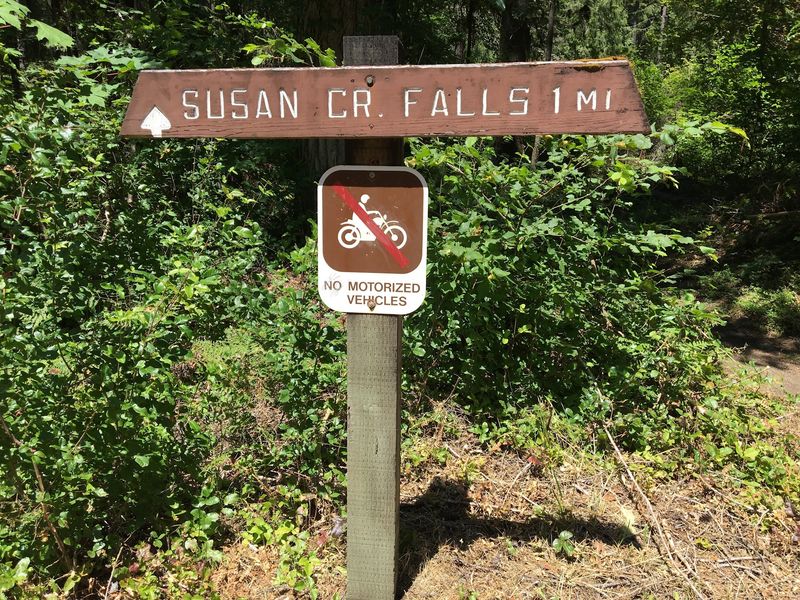
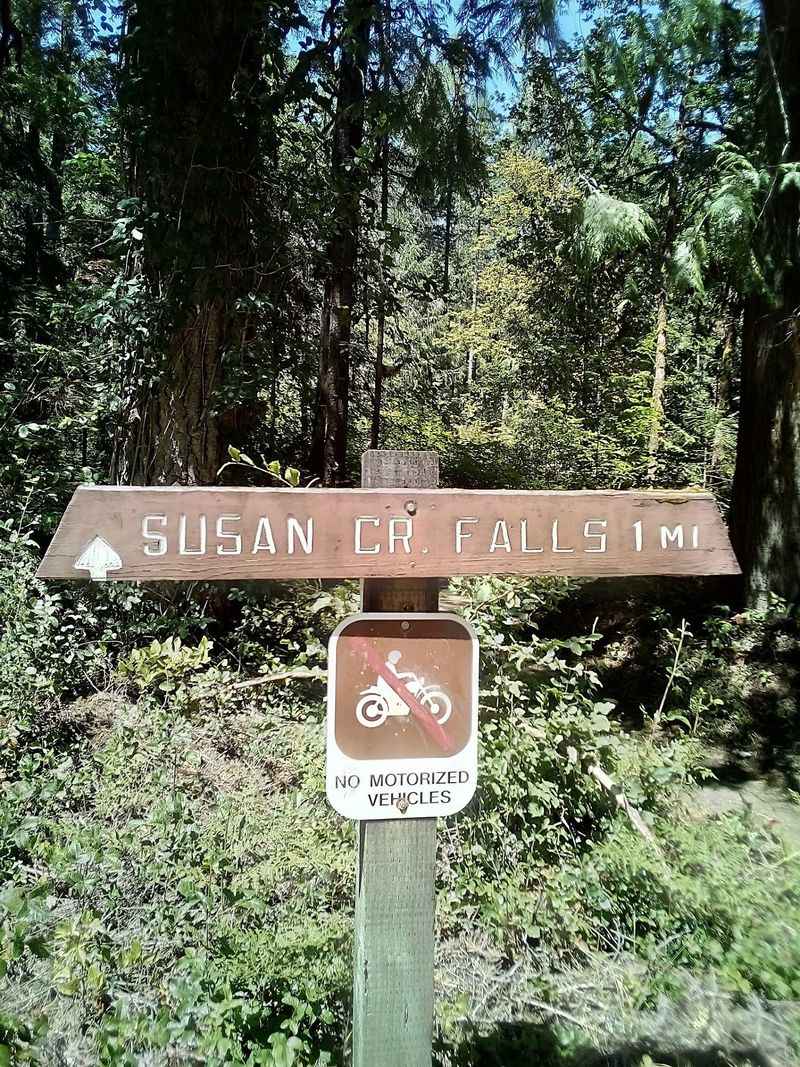
The trailhead for Susan Creek Falls sits right along Oregon Highway 138 near Idleyld Park, Oregon 97447, tucked against the North Umpqua River corridor in the Umpqua National Forest. Getting there is straightforward as long as you follow the highway signs and do not rely entirely on GPS navigation, since some mapping apps have been known to route drivers onto rough, unpaved forest roads that lead nowhere useful.
The correct trailhead parking area is directly off Highway 138, and it is clearly marked with a sign. Parking spaces are limited, with room for only about three cars at the waterfall trailhead itself.
The Susan Creek Day Use Area, which has a restroom and a picnic area along the river, sits just across the highway and offers additional parking.
Highway 138 runs through a stretch of southern Oregon that is genuinely loaded with waterfall stops, so Susan Creek Falls works beautifully as one piece of a longer scenic drive. Arriving early on weekends helps you snag a parking spot before the small lot fills up.
The Trail Itself: Short, Steady, and Surprisingly Rewarding
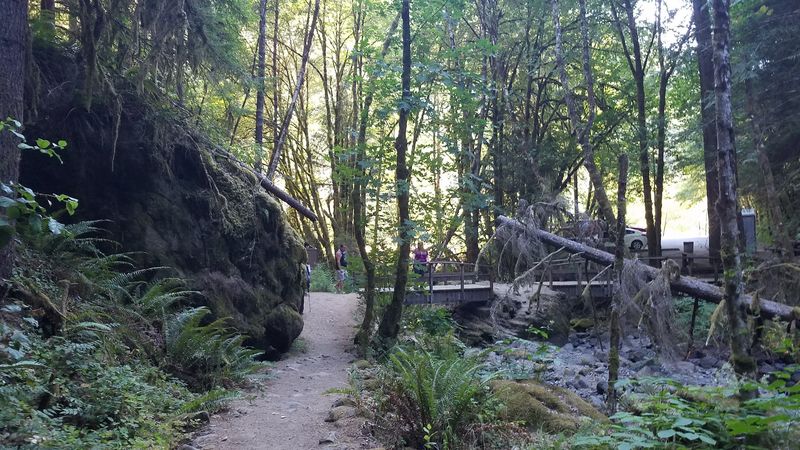
At roughly 0.8 miles each way, the Susan Creek Falls trail is one of those rare hikes where the distance feels almost too short to believe. The path gains a modest amount of elevation as it moves inland from the highway, with a few gentle uphill stretches that never feel punishing.
Most healthy adults complete the round trip in well under an hour.
The trail is well-maintained and wide enough to walk comfortably, and it has historically included interpretive placards along the way that explain the local plant life. A couple of benches dot the route, offering spots to pause and take in the surroundings.
There is also a picnic table near the trailhead and another near the falls, making it easy to turn the outing into a relaxed half-day trip.
The surface underfoot is firm and relatively even, which is part of why the trail has welcomed visitors using mobility scooters and strollers. The reward waiting at the end of that short walk is a 50-foot waterfall that genuinely earns the trip, no matter how easy the path leading to it turns out to be.
The Waterfall: A Powerful Finish to a Gentle Walk
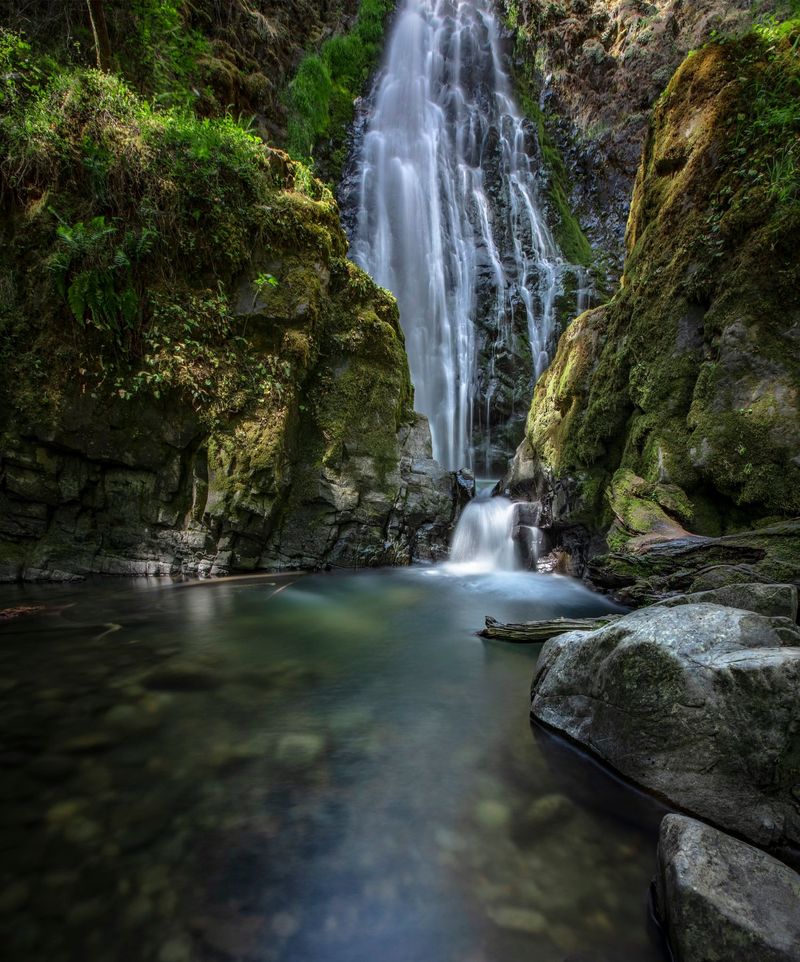
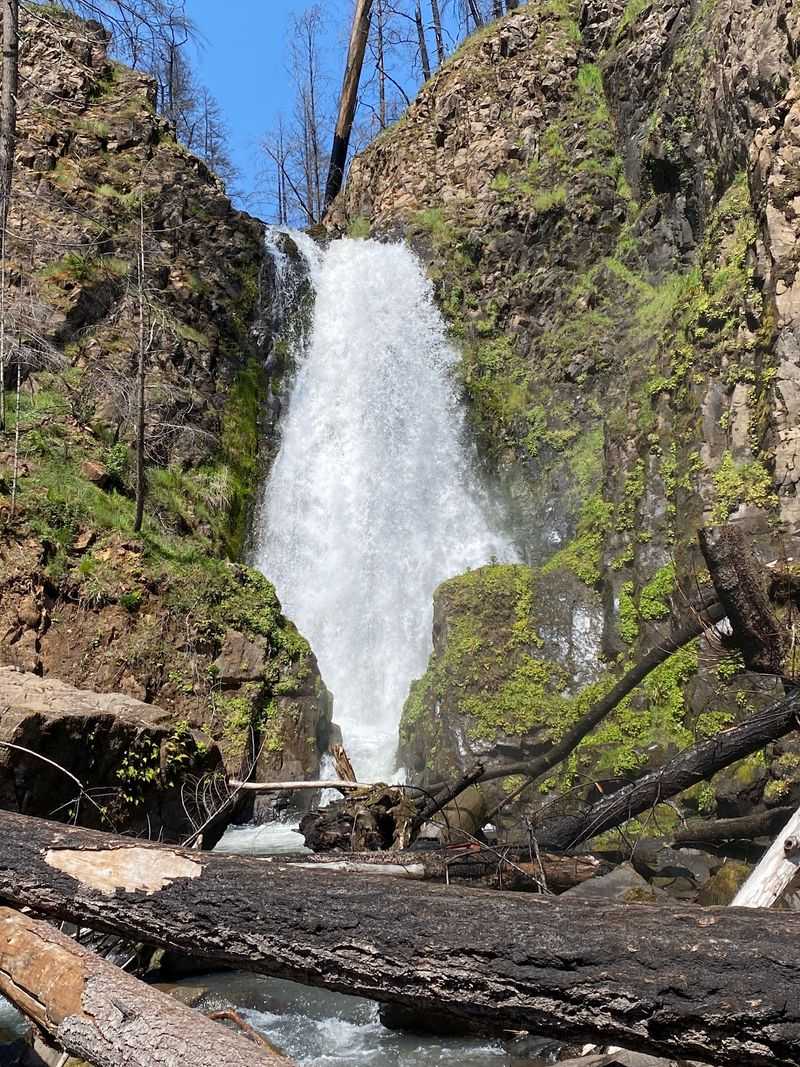
Susan Creek Falls drops about 50 feet over a dark basalt cliff face, sending up a cool, refreshing mist that reaches anyone standing close to the base. The falls land in a rocky pool area that visitors can approach on foot, which makes the whole experience feel immediate and personal rather than something you admire from a railed overlook.
The waterfall runs with real power during the wetter months of the year, typically from late fall through early summer. Even at the end of the dry season in late August or September, there is usually enough flow to make the falls worth seeing.
The sound alone, that low, steady roar bouncing off the rock walls, sets the mood long before the falls come into view.
Both sides of the falls are accessible, giving photographers a few different angles to work with. The rocky beach area at the base is a natural resting spot, and the mist keeps the air noticeably cooler than the surrounding trail, which is a genuine relief on a warm Oregon afternoon.
Few payoffs in the region are this easy to reach.
Fire History: What the Forest Tells You Now
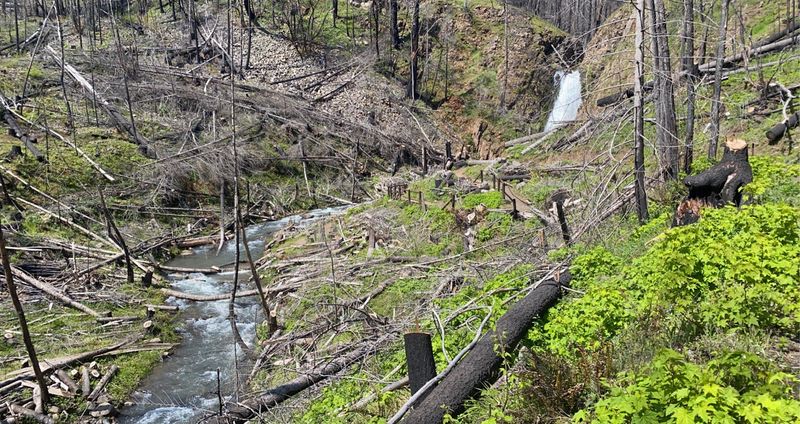
A wildfire tore through the Susan Creek area in 2020, and the landscape still carries visible marks of that event. Most of the mature trees along the trail are dead, their bark charred black, their canopy gone.
It is a stark contrast to the thick, mossy forest that older visitors remember from before the fire.
What has taken over in the absence of the tree canopy is a dense growth of underbrush, including native blackberries, young saplings, and unfortunately, a very enthusiastic spread of poison oak. The open sky where the treetops used to be means the trail now gets full sun for much of the day, which changes the feel of the hike considerably.
Still, there is something genuinely interesting about walking through a recovering landscape. New growth is visible in places, and the contrast between the blackened trunks and the bright green ground cover creates a visual texture that is hard to find on a typical forest trail.
The waterfall at the end remains completely unaffected by the fire, still crashing down with the same energy it always has. The forest around it is simply in a different chapter of its story now.
Poison Oak Alert: The One Thing You Must Know Before You Go
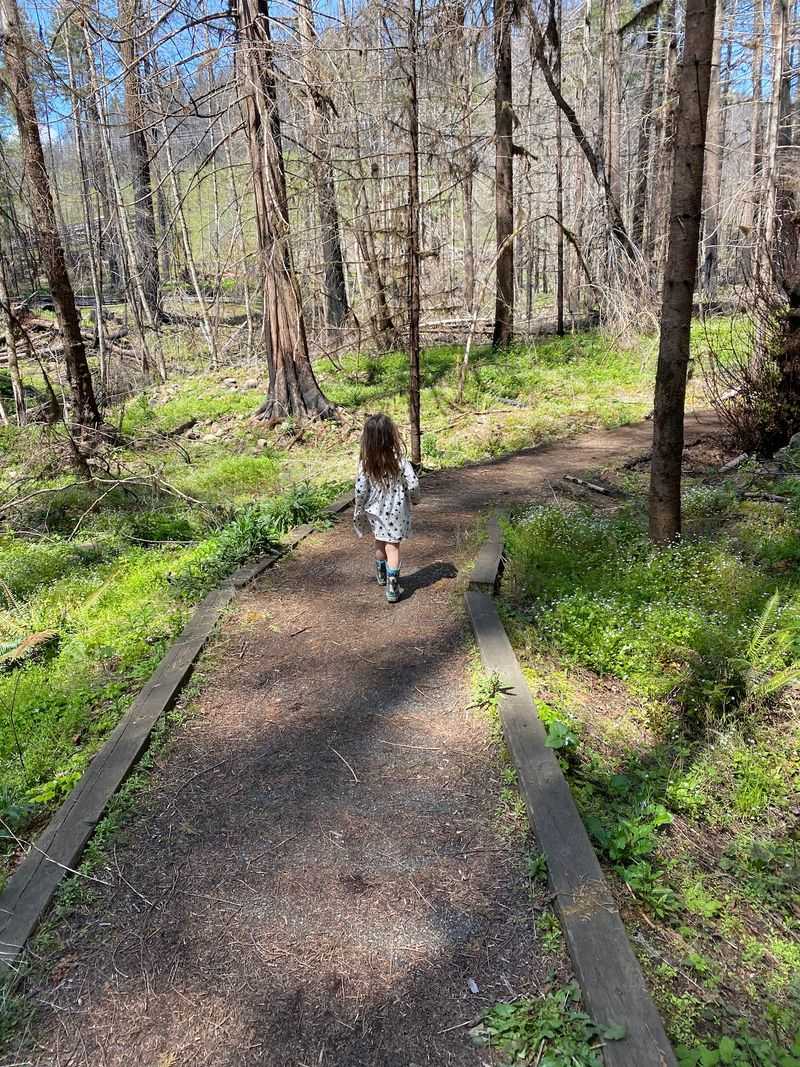
Poison oak is the single most important thing to know about before hiking to Susan Creek Falls. The plant has spread aggressively along the trail since the fire cleared out the forest understory, and it now encroaches directly onto the path in several spots.
Clusters of three shiny leaves hang over the edges of the trail and sometimes dangle at arm height.
The classic reminder, leaves of three, leave them be, is genuinely worth teaching to anyone in your group before the hike starts. Adults can usually stay aware and avoid contact, but children who like to grab sticks, hop around, or explore off-trail are at real risk of brushing against it.
Wearing long sleeves and long pants is a practical move, especially if you are sensitive to the plant.
Some hikers choose to wear disposable gloves and wash their clothes immediately after returning to the car. Others apply a barrier cream before the hike as a precaution.
None of this should scare you away from the trail entirely, but going in without any awareness of the poison oak situation would be a mistake you would feel for the next two weeks.
Kid-Friendly or Not? An Honest Assessment
Susan Creek Falls has a long history as a family-friendly destination, and the trail distance and terrain are genuinely manageable for children of most ages. The path is short, the elevation gain is mild, and the waterfall at the end gives kids a clear and exciting goal to walk toward.
Benches along the way mean little legs can rest without anyone needing to turn back early.
The honest complication is the poison oak. With the plant now heavily present along the trail, keeping curious kids from touching the vegetation requires real, constant attention.
Children who like to wander off the path, pick up sticks, or touch plants as they walk are at higher risk than adults who can simply stay centered on the trail.
If you do bring children, keep the group moving steadily, dress them in long sleeves and pants despite the warm weather, and do a full clothing check before anyone gets back in the car. The hike is also fully stroller-accessible and has welcomed visitors on mobility scooters, which speaks to just how gentle the terrain actually is.
With the right preparation, families can absolutely enjoy this trail.
Best Times to Visit: Season, Light, and Flow
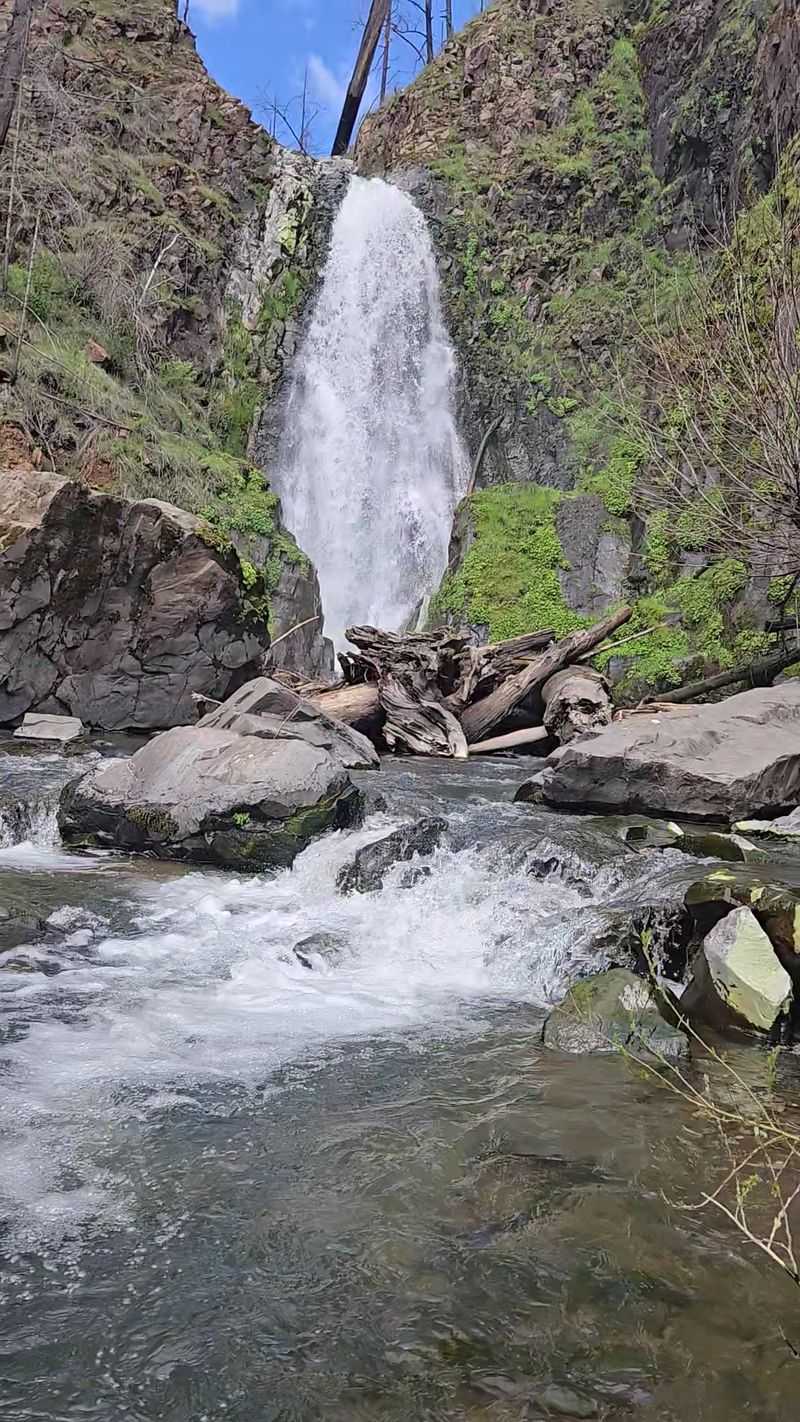
The falls are at their most powerful from November through June, when Oregon’s rainy season keeps the creek running full. Visiting in late spring gives you strong water flow along with the best chance of seeing green undergrowth filling in around the burned trees.
Early morning visits in any season mean softer light and fewer people competing for the limited parking spots.
Summer visits are still worthwhile, though the falls run smaller by August and September. With no tree canopy left after the fire, the trail gets direct sun during midday hours, which can make the walk noticeably warm.
An overcast day or an early start solves this problem completely.
December visits are genuinely underrated here. The crowds thin out, the light is soft and cool, and the waterfall runs with real volume after the fall rains.
One visit in mid-December turned out to be a highlight, with the burned forest looking surprisingly atmospheric under a gray sky. Oregon’s off-season hikers tend to have some of the best experiences, partly because they have trails like this almost entirely to themselves.
The North Umpqua Highway: A Waterfall Road Worth Exploring
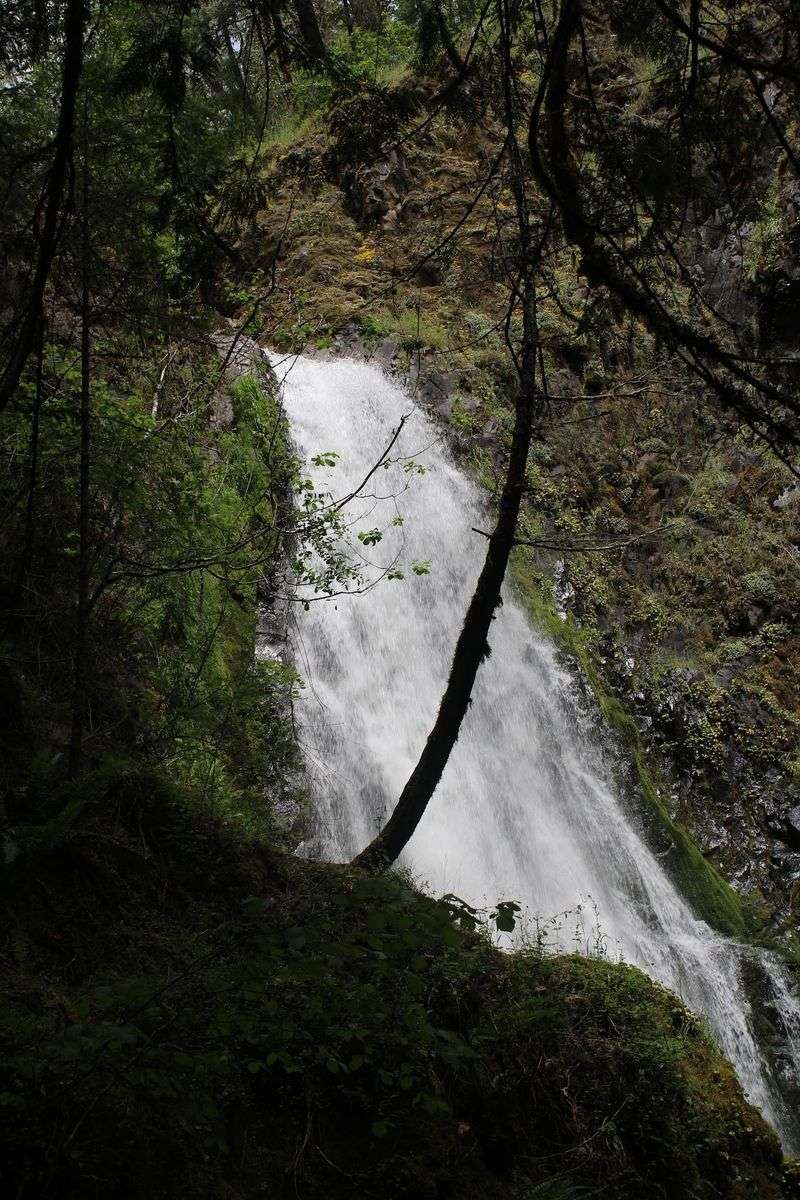
Highway 138, also called the North Umpqua Highway, runs through one of the most waterfall-dense corridors in all of Oregon. Susan Creek Falls is one of the easiest stops along this route, but it is far from the only one.
Watson Falls, Toketee Falls, and Fall Creek Falls are all within a reasonable drive, making the highway itself a destination rather than just a way to get somewhere.
The North Umpqua River runs alongside much of the highway, and the scenery shifts between river canyon views, forest stretches, and open sky where fire has changed the landscape. Pulling off at multiple trailheads along Highway 138 in a single day is a completely reasonable plan and one that many Oregon road-trippers already follow.
Susan Creek Falls works well as either the first or last stop on a Highway 138 waterfall day, depending on which direction you are traveling. The short trail means you can be back on the road within an hour, refreshed and ready for the next stop.
The whole highway corridor rewards a slow, unhurried approach, and this particular waterfall is one of the best arguments for taking the scenic route instead of the freeway.
Final Thoughts: Why This Short Trail Sticks With You
Some hikes earn their reputation through sheer distance or dramatic elevation gain. Susan Creek Falls takes a different approach entirely, packing a genuinely memorable experience into less than two miles of round-trip walking.
The trail does not ask much of you, but it gives back something that feels out of proportion to the effort involved.
The fire damage adds an unexpected layer to the experience. Walking through a landscape mid-recovery, with blackened trunks framing patches of new green growth and an open sky overhead, makes the waterfall feel like even more of a reward when it finally comes into view.
There is a quiet kind of resilience to this place that is hard to put into words but easy to feel while standing at the base of the falls with cool mist landing on your face.
Susan Creek Falls sits along Oregon Highway 138 near Idleyld Park, and it deserves a spot on any southern Oregon itinerary. Whether you are passing through on a road trip or making a specific detour for it, the trail delivers the kind of straightforward, uncomplicated joy that reminds you why short hikes are sometimes the best hikes of all.
Share this story