There is a spot in central Oregon where the high desert meets a glittering 3,000-acre lake, and where the nights turn so dark you can see the Milky Way with your bare eyes. Most people drive right past Prineville on their way somewhere else, which means this place stays refreshingly uncrowded compared to the flashier parks further west.
The reservoir stretches across 43 miles of rugged shoreline, offering boating, fishing, hiking, and some of the most jaw-dropping sunsets you will find east of the Cascades. The real magic, though, kicks in after the sun goes down, and that is exactly what keeps people coming back year after year.
Where Exactly You Are Going and How to Get There
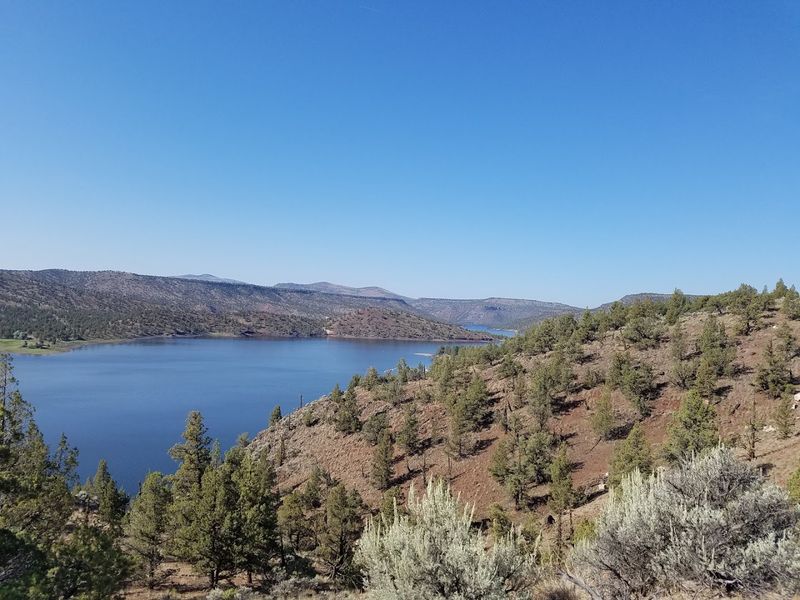
Prineville Reservoir State Park sits about 17 miles southeast of Prineville, Oregon, at the address Prineville Reservoir State Park, Prineville, OR 97754. The drive out there follows a paved road the whole way, and the park signs make it easy to navigate even if you have never been to Crook County before.
Central Oregon’s high desert landscape starts making itself known pretty quickly once you leave town. The terrain shifts from scrubby farmland to rocky ridges dotted with juniper trees, and the reservoir suddenly appears below you like a blue mirror dropped into the canyon.
The park is open daily from 6 AM to 10 PM, and you can reach the Oregon State Parks reservations line at 1-800-551-6949 if you want to book a site or cabin ahead of time. Booking early is genuinely smart advice here, especially for summer weekends when the cabins and waterfront sites fill up fast.
Spring and early fall tend to offer the best balance of mild weather, lower crowds, and higher water levels in the reservoir.
The Reservoir Itself: 3,000 Acres of High Desert Water
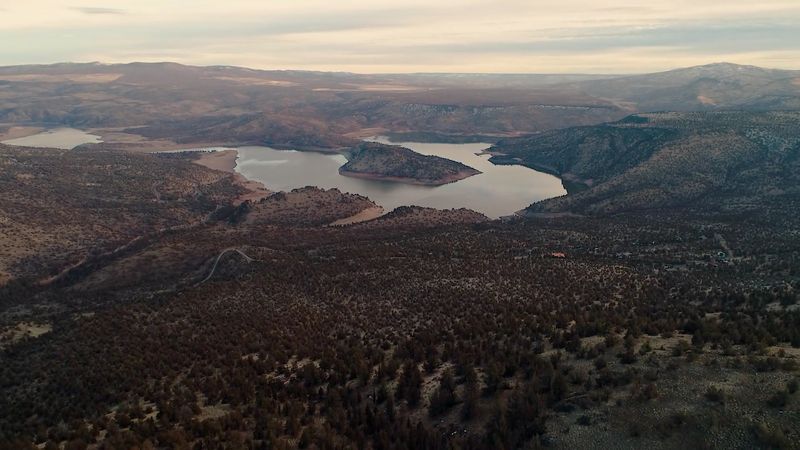
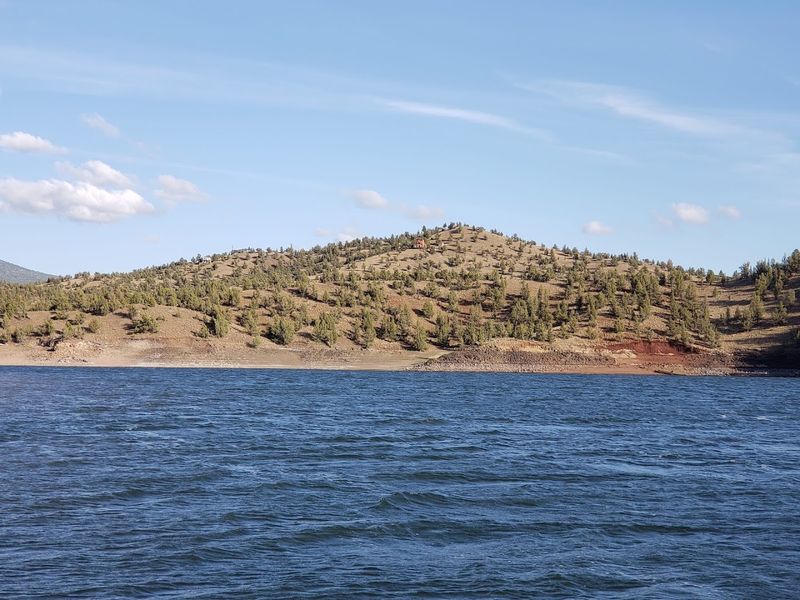
Bowman Dam holds back the Crooked River to create this impressive body of water, and the result is a 3,000-acre reservoir that feels almost surreal in the middle of Oregon’s dry high desert. The 43 miles of shoreline wind through rocky canyons and open flats, giving the lake a constantly changing character depending on which direction you look.
Water levels do vary significantly by season. Spring and early summer tend to bring the highest water, which makes the swimming area more accessible and the boat launch easier to use.
By late summer and fall, the waterline can drop noticeably, exposing more of the rocky shore, though the views stay just as striking.
The reservoir’s setting inside a high desert canyon means the colors around it are warm and earthy, all rust-red rock and sage-green brush. On calm mornings, the water surface reflects the canyon walls so clearly it looks like a painting.
The dock extends out over the water and makes a fine spot to sit and watch the light change throughout the day, whether you are fishing or just taking it all in.
The International Dark Sky Park Certification That Changes Everything at Night
Prineville Reservoir State Park holds an official International Dark Sky Park certification, which is not something every state park can claim. This designation means the area around the reservoir is actively managed to minimize light pollution, and the results after sunset are genuinely spectacular.
On a clear night near the new moon, the Milky Way stretches across the sky in a wide, unmistakable band. The park’s high desert location, far from the glow of any large city, means the darkness here is the real kind, not the kind where you can still see an orange haze on the horizon.
Rangers occasionally organize telescope viewing events during summer months, bringing out equipment so visitors can get a closer look at planets, star clusters, and other features. If you are planning your own stargazing session, bring a red-lens flashlight or headlamp to preserve your night vision.
White flashlight beams wash out your eyes’ adjustment to the dark faster than you might expect, and it takes about 20 to 30 minutes to fully recover that sensitivity once it is gone. The park’s quiet atmosphere after dark makes the whole experience feel genuinely peaceful.
Fishing the Crooked River Arm and Open Water
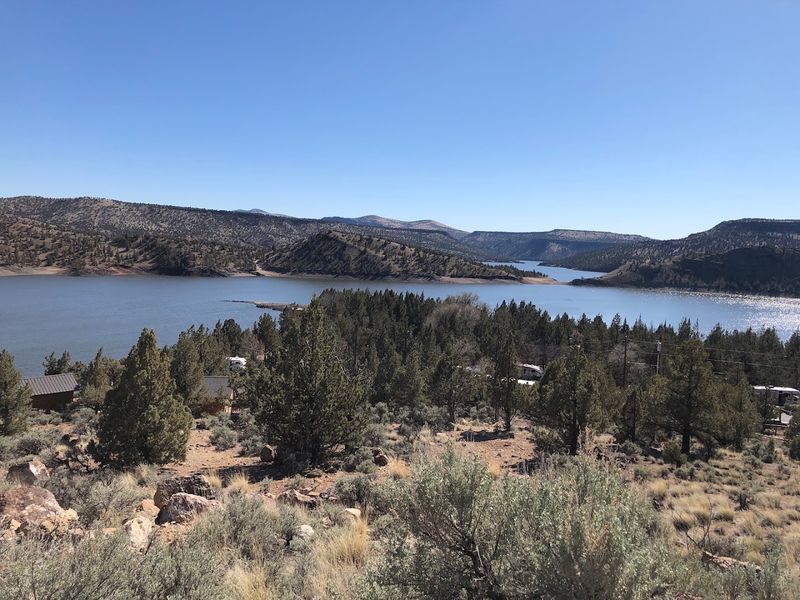
The reservoir has built a solid reputation among anglers in central Oregon, and it earns that reputation consistently. Visitors regularly report catching fish on trips out here, with bass, crappie, and rainbow trout among the most common catches depending on the time of year.
The park has a fishing platform that provides accessible shoreline access for people who prefer not to wade or launch a boat. It is a practical feature that makes the reservoir enjoyable for a wider range of visitors, including families with younger kids who are just learning to cast a line.
For those with a boat, the open water and the Crooked River arm of the reservoir offer a lot of territory to explore. The boat launch is well-maintained with a long ramp and plenty of parking for trucks and trailers.
Early mornings tend to be the most productive time to fish here, when the water is calm and the high desert light turns everything a warm amber color. The combination of good fishing and genuinely beautiful scenery makes a morning on the water here feel like a pretty fair way to spend a few hours.
Boating, Swimming, and Water Recreation Options
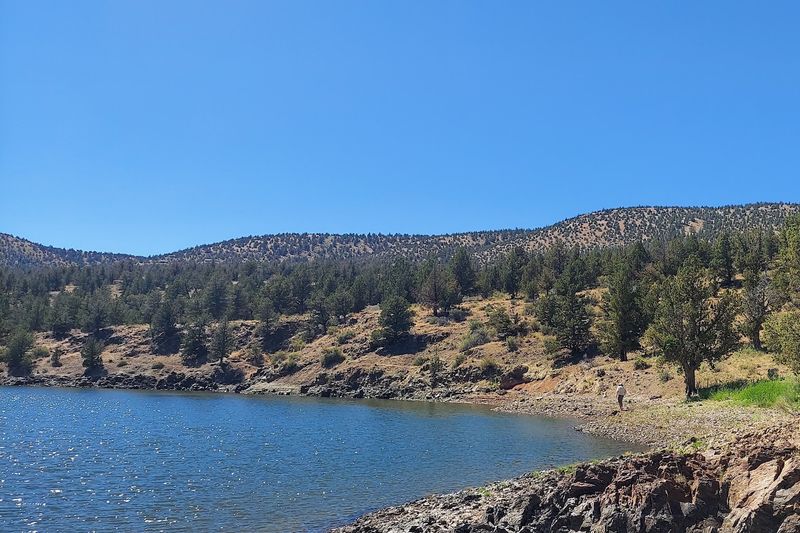
The reservoir is large enough to accommodate everything from motorboats and water skiers to kayakers and paddleboarders without feeling crowded, at least outside of peak summer weekends. The open water gives boaters plenty of room to move around, and the canyon walls on either side create a dramatic backdrop that makes even a slow cruise feel like an adventure.
There is a designated swimming area near the main park facilities, and it sees heavy use on warm summer days. The water temperature in the reservoir warms up enough by July and August to make swimming genuinely comfortable, which is not always a given in Oregon’s mountain lakes.
Kayaking along the rocky shoreline is a particularly good way to explore the reservoir at a slower pace. You can get close to the canyon walls and spot birds, lizards, and the occasional mule deer coming down to drink.
The park does not rent watercraft on-site, so you will need to bring your own or arrange a rental elsewhere before arriving. The boat launch handles everything from small personal watercraft to larger fishing boats with no issues, and the parking area is spacious enough to manage trailer rigs comfortably.
Hiking Trails and the Jasper Point Challenge
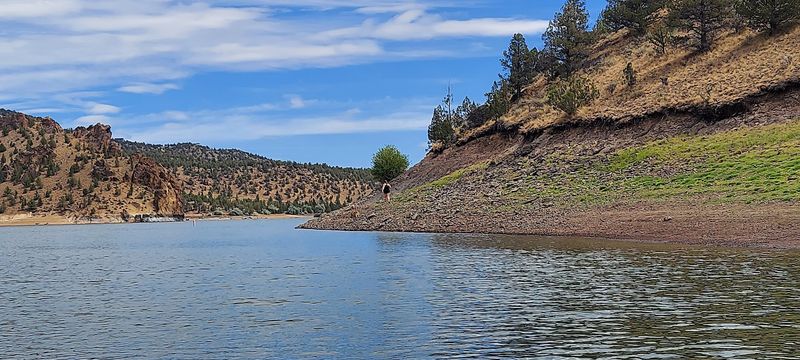
The trail to Jasper Point is the most talked-about hike in the park, and it earns that attention for good reasons. The out-and-back route covers about two miles each way and rewards hikers with sweeping views over the reservoir and surrounding canyon country.
It is not a beginner trail, though, and sections along steep, narrow sidehill terrain require careful footing.
Near the main campground and cabin area, shorter and easier paths wind through the juniper-covered landscape. These work well for a morning walk before the heat of the day sets in, and they pass through terrain that is noticeably different from western Oregon’s forested parks.
The high desert plant and animal life here has its own distinct character.
Wildlife sightings along the trails are common enough to keep things interesting. Deer move through the area regularly, and the rocky slopes support a variety of bird species that are fun to spot even if you are not a dedicated birder.
The smell of juniper on a warm morning is one of those sensory details that tends to stick in your memory long after you leave. Wear sturdy shoes and carry water, because the sun and dry air here are more intense than the coast.
Camping Options: Tent Sites, RV Hookups, and Waterfront Views
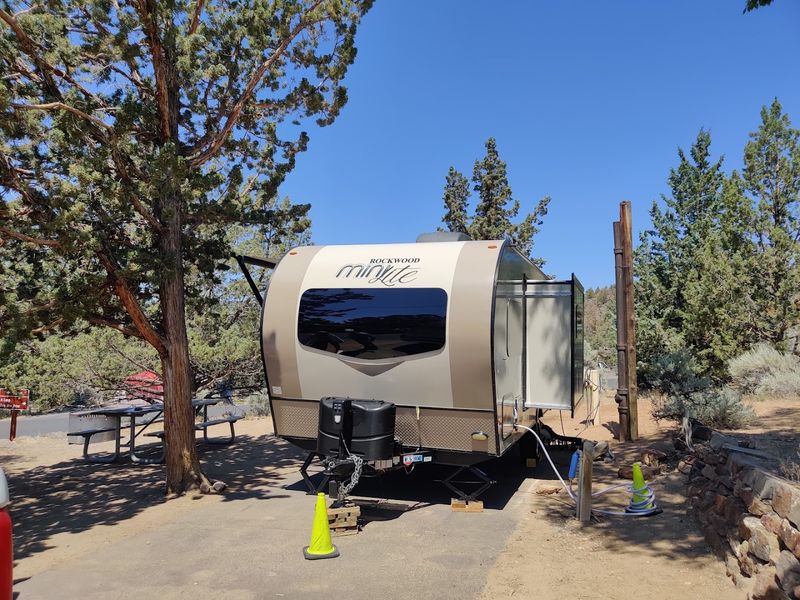
The campground at Prineville Reservoir State Park offers a solid range of options for different types of campers. Tent sites, standard RV sites, and full hookup sites are all available, with many of the best spots positioned along the east and southeast side of the reservoir where sunrise views are genuinely hard to beat.
Each site comes with a picnic table and fire pit, and the overall layout gives most campers a reasonable sense of space. The sites are large and generally level, which makes setting up camp straightforward.
Firewood and ice are available for purchase through the campground, which saves a stop in town.
Cell service is minimal to nonexistent in most areas of the park, which turns out to be one of the more popular features rather than a drawback. The enforced unplugging feels like a relief once you settle in.
Restrooms are cleaned daily, hot showers are included with camping reservations, and the facilities are consistently well-maintained. A two-week maximum stay policy applies, after which campers must leave for 17 days before returning.
Rangers patrol the campground regularly and are known for being friendly and genuinely helpful when something comes up.
The Deluxe Cabins with Reservoir Views
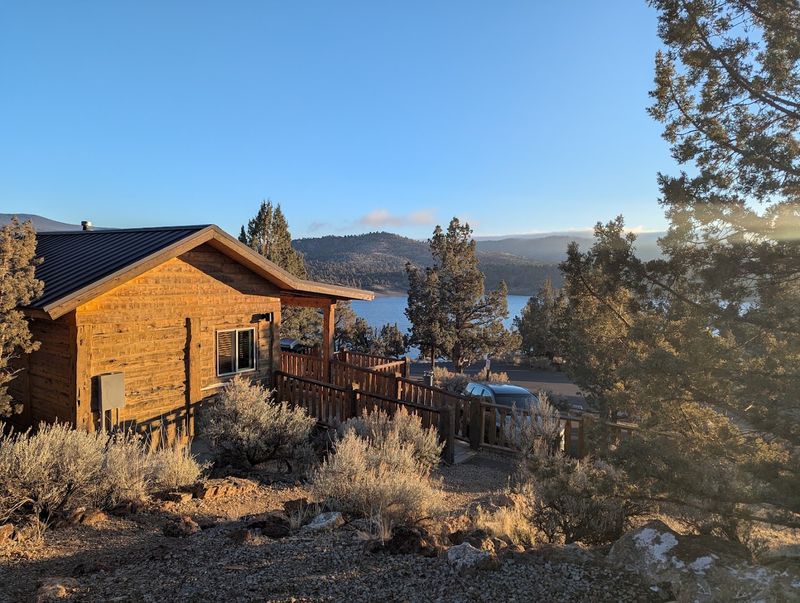
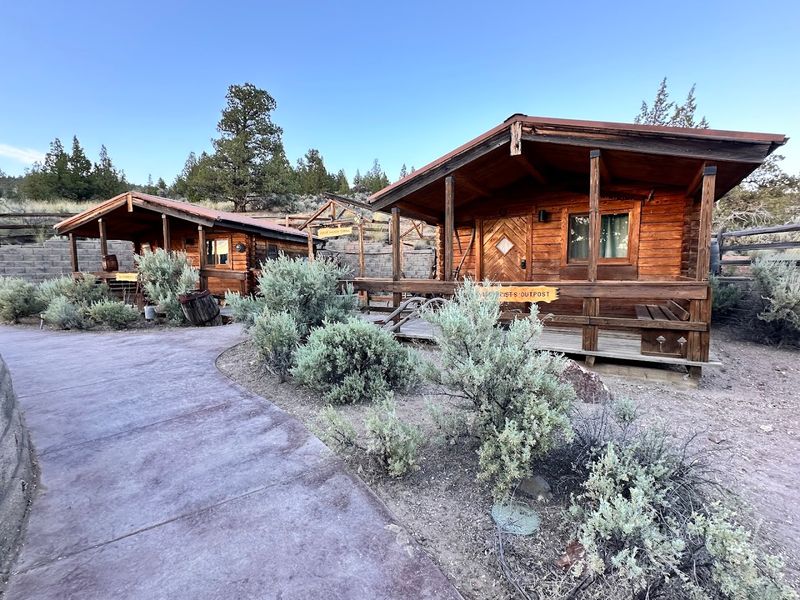
The park’s deluxe cabins are a genuine highlight and the most in-demand accommodation option in the entire park. Each cabin sits in a position that takes advantage of the reservoir views, and several of them have front porches where you can sit and watch the water shift color through the day.
Inside, the cabins are more comfortable than the word cabin might suggest. They include four beds, a full bathroom with shower, a microwave, a mini-fridge, and heating and cooling units.
A propane grill sits outside on the patio, and each cabin has a fire pit nearby for evening use. Dog stations and trash cans are placed at every cabin, reflecting the park’s genuinely dog-friendly approach.
Cabin 2 in particular gets mentioned frequently for its exceptional view, though most of the cabins offer something worth waking up for. Booking these spots well in advance is essentially mandatory for summer visits, as they tend to disappear quickly once the reservation window opens.
Off-season stays in the cabins come with a quieter atmosphere and often more dramatic skies, since fewer campers means fewer light sources competing with the stars overhead.
The High Desert Setting and What Makes It Visually Unique
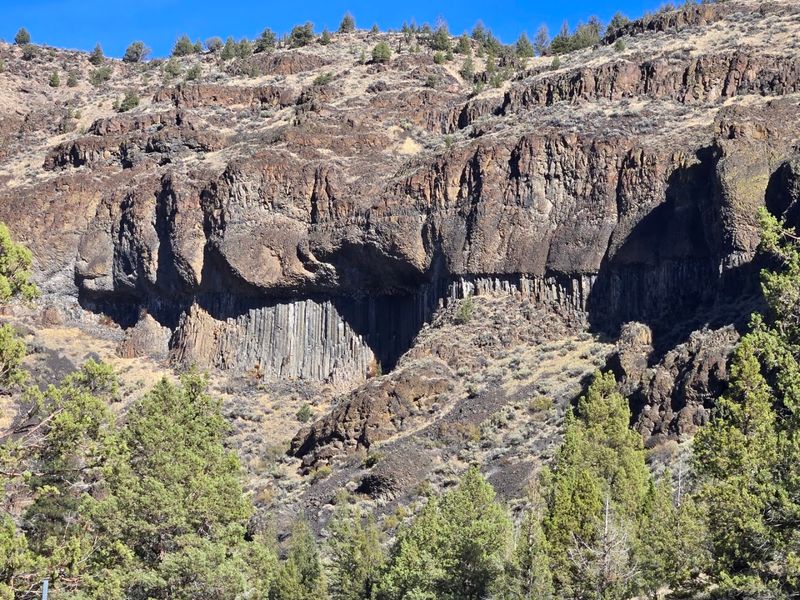
Central Oregon’s high desert has a completely different personality from the rainy, moss-covered forests most people picture when they think of Oregon. Out here, the land is dry and open, the light is sharp and clear, and the colors run toward rust, gold, and sage green rather than the fifty shades of green you find west of the Cascades.
The reservoir sits inside a canyon carved by the Crooked River, and the exposed rock walls show layers of volcanic geology that tell the story of this region’s fiery past. Rimrock formations rise above the waterline on several sides, giving the whole scene a dramatic, almost cinematic quality that photographs exceptionally well.
The flora and fauna here are genuinely distinct. Western juniper dominates the hillsides, filling the air with that sharp, clean scent that tends to become one of the defining memories of a visit.
Mule deer, jackrabbits, lizards, and a wide variety of raptors are regular sights. The bugs and wildflowers are also noticeably different from what you find in the wetter parts of the state, and the park staff are a good resource for getting oriented to the local ecology before heading out to explore.
Sunsets Over the Reservoir and the Golden Hour Experience
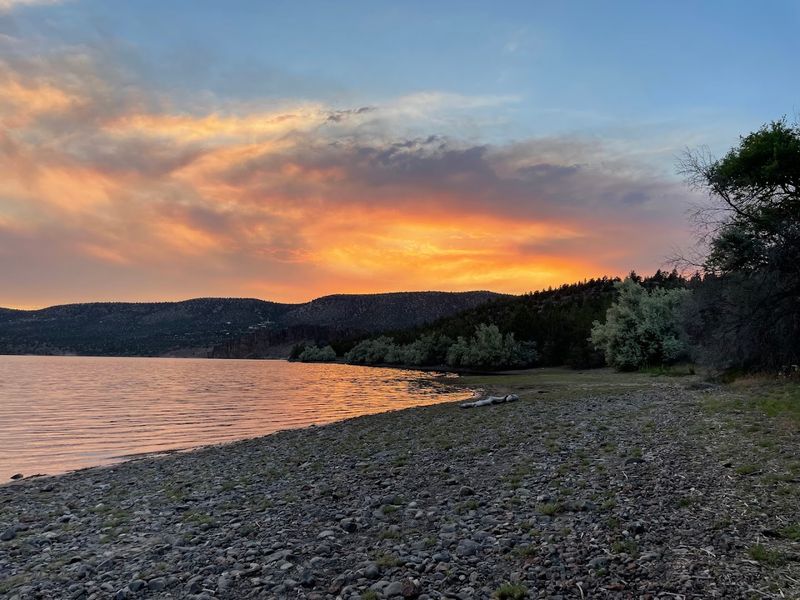
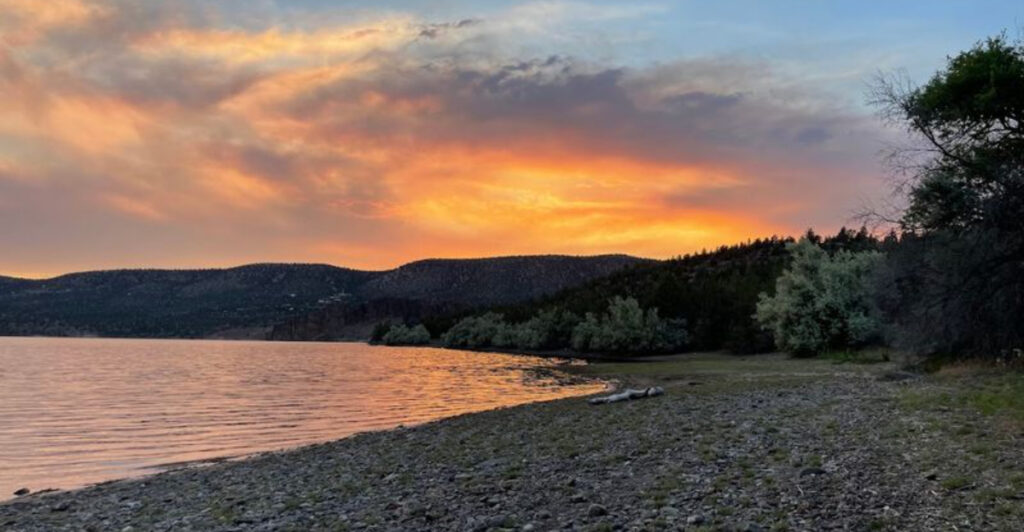
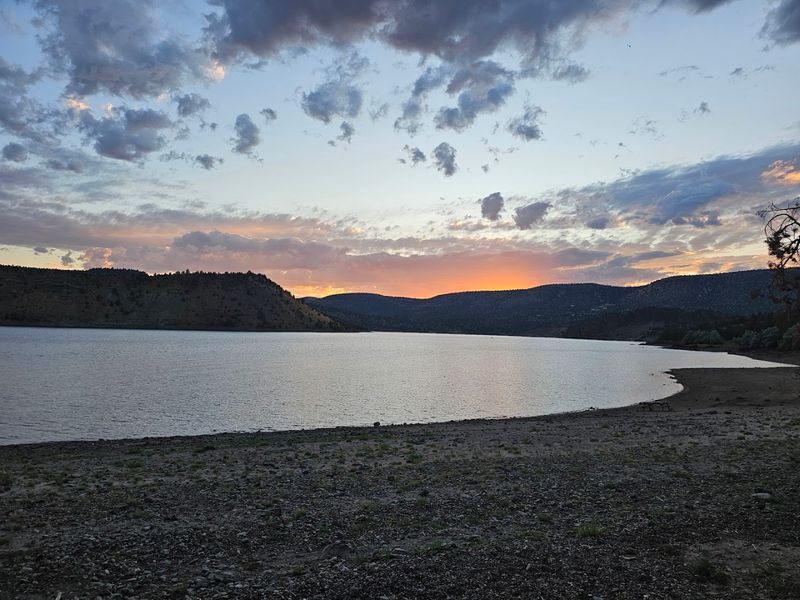
The sunsets at Prineville Reservoir are the kind that make you stop whatever you are doing and just watch. The open sky above the high desert allows the full color show to play out without trees or buildings blocking the view, and the reservoir’s surface doubles every shade of orange, pink, and purple right back at you.
Sites on the east and southeast side of the campground are particularly well-positioned for watching the sun drop behind the western ridgeline. The timing shifts through the season, but the quality of the light in the hour before sunset tends to be consistently warm and saturated in a way that makes even a mediocre photo look good.
Deer often move into the open during this time of day, and it is common to spot them picking their way along the shoreline or through the juniper stands near camp. The smell of juniper and the cooling air that rolls in as the sun drops create a sensory combination that is hard to replicate anywhere else.
Several visitors have described watching the sunset from a site overlooking the reservoir as the single best moment of their entire camping trip, and it is easy to understand why after you experience it once.
Practical Tips for Planning Your Visit
A few practical details can make the difference between a smooth trip and a frustrating one at Prineville Reservoir State Park. Cell service is very limited throughout the park, so downloading offline maps and making all reservations before you leave home is the right move.
The Oregon State Parks website handles all bookings, and the phone number 1-800-551-6949 connects you directly to reservations.
The park operates from 6 AM to 10 PM daily. Summer months get busy fast, and waterfront campsites and cabins in particular book up weeks or even months ahead.
Arriving in early spring or late fall means smaller crowds, cooler temperatures, and a more relaxed atmosphere overall, though water levels in the reservoir tend to be lower by autumn.
Pack sunscreen and plenty of water regardless of the season, because the high desert sun is more intense than most visitors expect. Red-lens flashlights are strongly recommended for nighttime use to protect your night vision during stargazing.
Firewood and ice are sold at the campground, so you do not need to haul those in. The park is dog-friendly throughout, with dog stations at every cabin and a designated dog area with genuinely impressive reservoir views.
Why This Park Keeps Drawing People Back Season After Season
There is something about Prineville Reservoir State Park that turns first-time visitors into repeat regulars. The combination of a beautiful water setting, genuinely dark skies, well-maintained facilities, and friendly staff creates an experience that is hard to find in a single package anywhere else in Oregon.
Families come back for the swimming and boating in summer. Anglers return for the reliable fishing and the quiet early mornings on the water.
Stargazers plan their trips around the new moon calendar to maximize the darkness. Couples book the cabins for a weekend away from city noise.
Each group finds something specific to hold onto, and the park delivers on those expectations consistently enough to earn a 4.6-star rating across nearly 800 reviews.
The park’s certified dark sky status is still a relatively new designation in the grand scheme of Oregon’s park system, and the ranger-led telescope events during summer are growing in popularity. The mix of daytime outdoor activity and nighttime sky watching gives the park a two-part identity that few destinations can match.
Once you have spent a night here watching the Milky Way from a quiet campsite above the reservoir, the drive back feels a little longer than it did on the way in.
Share this story