There is a restaurant in Portland, Oregon, where the smell of wood smoke drifts through the air and every plate on the table tells a story rooted in Haitian culture. Chef Gregory Gourdet built this place as a tribute to his heritage, his mother’s cooking, and the bold, layered flavors that define Haitian cuisine.
The menu changes with the seasons, the fire never goes out, and the reservations fill up weeks in advance. Earning a spot on the list of the top 50 restaurants in North America was no accident.
This is a place where tradition and creativity share the same plate, and once you read what is waiting inside, you will understand exactly why people drive hours just to get a seat.
The Address, Atmosphere, and First Impressions
Some restaurants announce themselves quietly, and Kann is one of them. Tucked at 548 SE Ash Street in Portland, Oregon 97214, the building gives little away from the outside.
First-timers often find themselves waiting in a narrow hallway alongside other excited guests, which turns out to be part of the experience rather than an inconvenience.
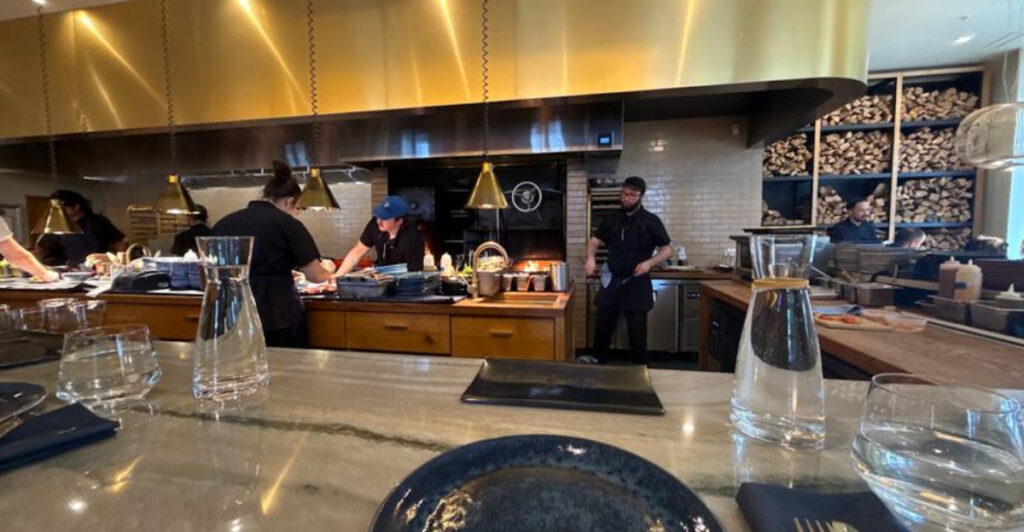
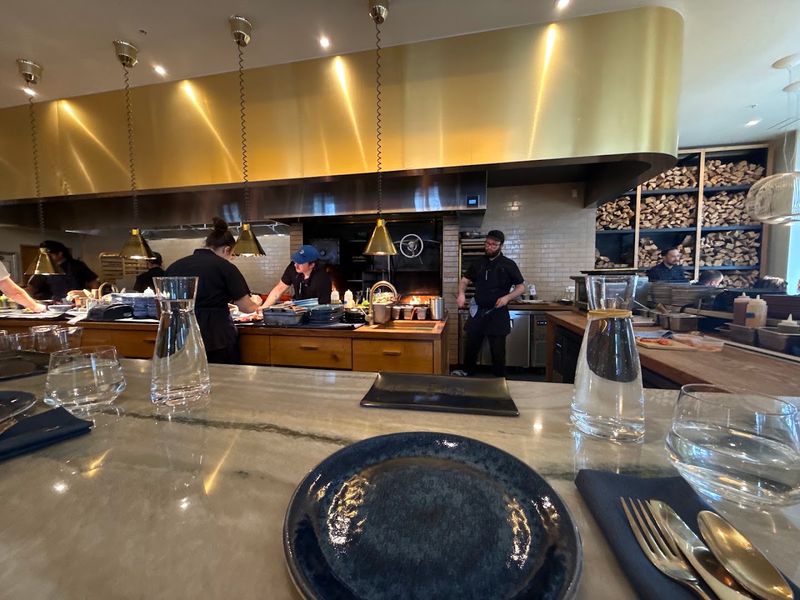
When you finally turn the corner, the room opens up into something bright, energetic, and full of movement. Big windows let in natural light, and the open wood-fired hearth sits at the center of it all, visible from the bar.
The warmth from the fire is not just physical. It sets a tone that feels intentional and welcoming from the first moment.
The dining room buzzes with conversation, laughter, and the kind of ambient energy that tells you everyone around you is having a good time. The noise level runs high, so this is not the spot for a quiet, whispered dinner.
It rewards those who come ready to share food, swap bites, and talk loudly about how good everything tastes. The staff greet you with genuine enthusiasm, and the guided menu introduction they offer makes even first-timers feel like regulars from the start.
The Story Behind the Chef and the Vision
Chef Gregory Gourdet did not build Kann to chase trends. He built it to honor something deeply personal.
His Haitian roots, his mother’s recipes, and the history of a cuisine that survived centuries of hardship all live inside this restaurant’s DNA. The food here is his way of translating that heritage into something that speaks to anyone willing to sit down and listen with their taste buds.
Gourdet earned a James Beard Award, which is one of the most respected honors in American cooking. That recognition did not change the soul of what he is doing at Kann.
The menu still centers on the bold spices, tropical ingredients, and slow-cooked techniques that define Haitian home cooking, just refined and reimagined through the lens of a world-class kitchen.
One reviewer described the experience as feeling like the chef speaks Creole through his dishes, telling stories that go far beyond the plate. That description is hard to improve on.
The journey from traditional Haitian comfort food to a nationally celebrated restaurant is not just a career story. It is a cultural statement, and every dish on the menu is a sentence in that larger conversation.
The Wood-Fired Cooking Philosophy
Fire is not a gimmick at Kann. It is the foundation of how nearly everything on the menu gets made.
The wood-fired hearth drives the flavor profiles across multiple dishes, adding smokiness, char, and a depth that a standard gas burner simply cannot replicate. Every ingredient that passes through that fire comes out transformed in a way that feels both ancient and completely alive.
The roasted cabbage is a perfect example. What sounds like a humble side dish becomes something smoky, tender, and layered with flavor after spending time over the flame.
The half chicken gets crispy skin with a palm butter sauce underneath that carries a noticeable kick of spice. The fire does not overpower these dishes.
It amplifies what is already there.
Even the desserts carry traces of that warmth, from caramelized fruit glazes to toasted meringue finishes that speak to the same wood-fired sensibility. The kitchen at Kann treats fire as a collaborator rather than a tool, and the results show up on every plate.
That commitment to open-flame cooking is one of the clearest reasons why this restaurant stands apart from nearly everything else in Portland’s dining landscape.
The Signature Dishes You Cannot Skip
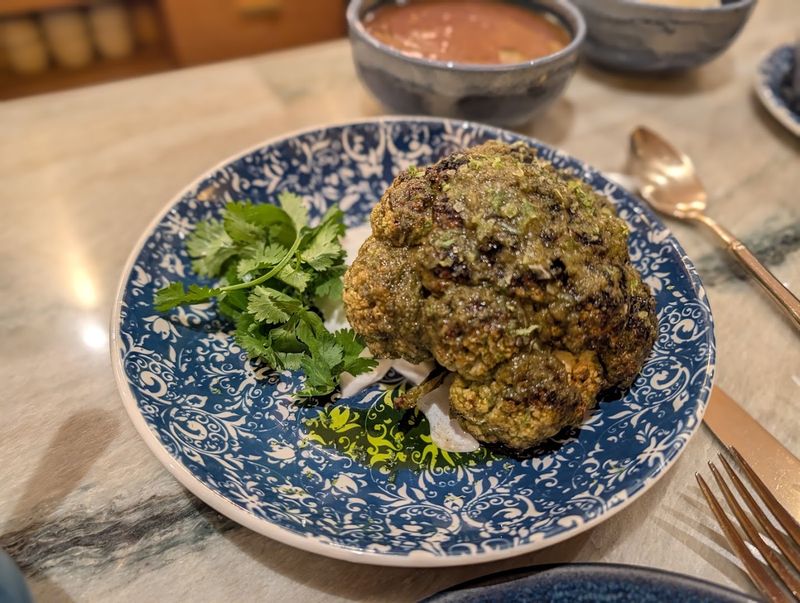
The cauliflower has become something of a legend at Kann, and the reputation is fully earned. Roasted over the wood fire and served with a coconut cream sauce, it builds heat gradually rather than hitting you all at once.
The spice lingers in the best possible way, and the creamy sauce keeps everything balanced. For a dish built around a vegetable, it manages to feel like the main event.
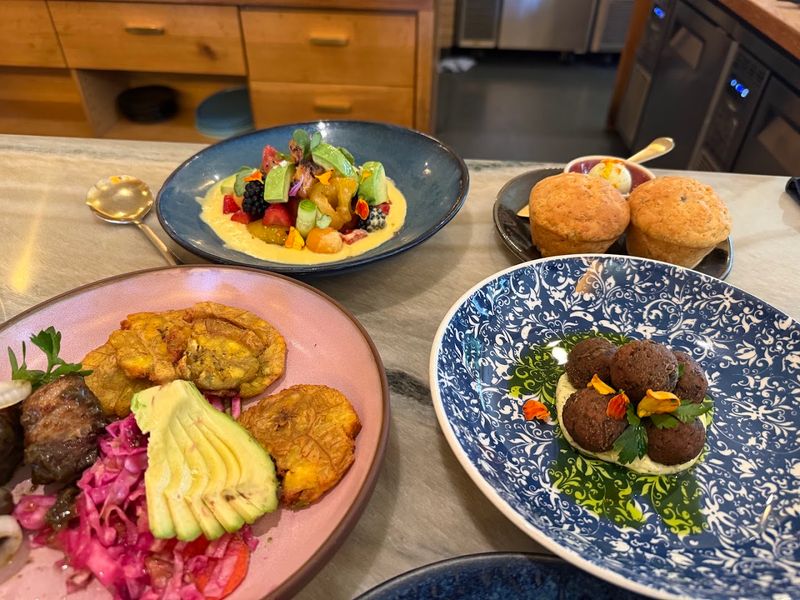
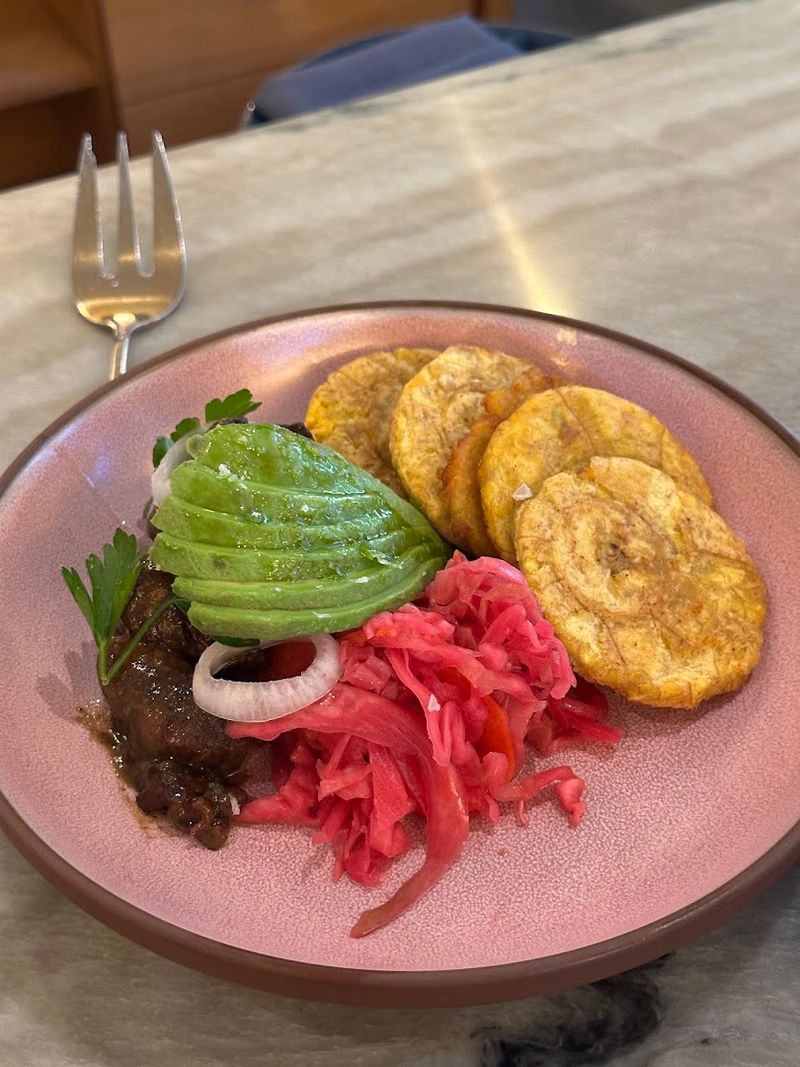
The griyo, or twice-cooked pork, is another dish that draws gasps at first bite. Tender, deeply flavored, and served with crispy fried plantains, pickled vegetables, and avocado, it combines textures and tastes in a way that feels both rustic and refined.
The akra, which are fried malanga fritters, disappear from the table faster than almost anything else.
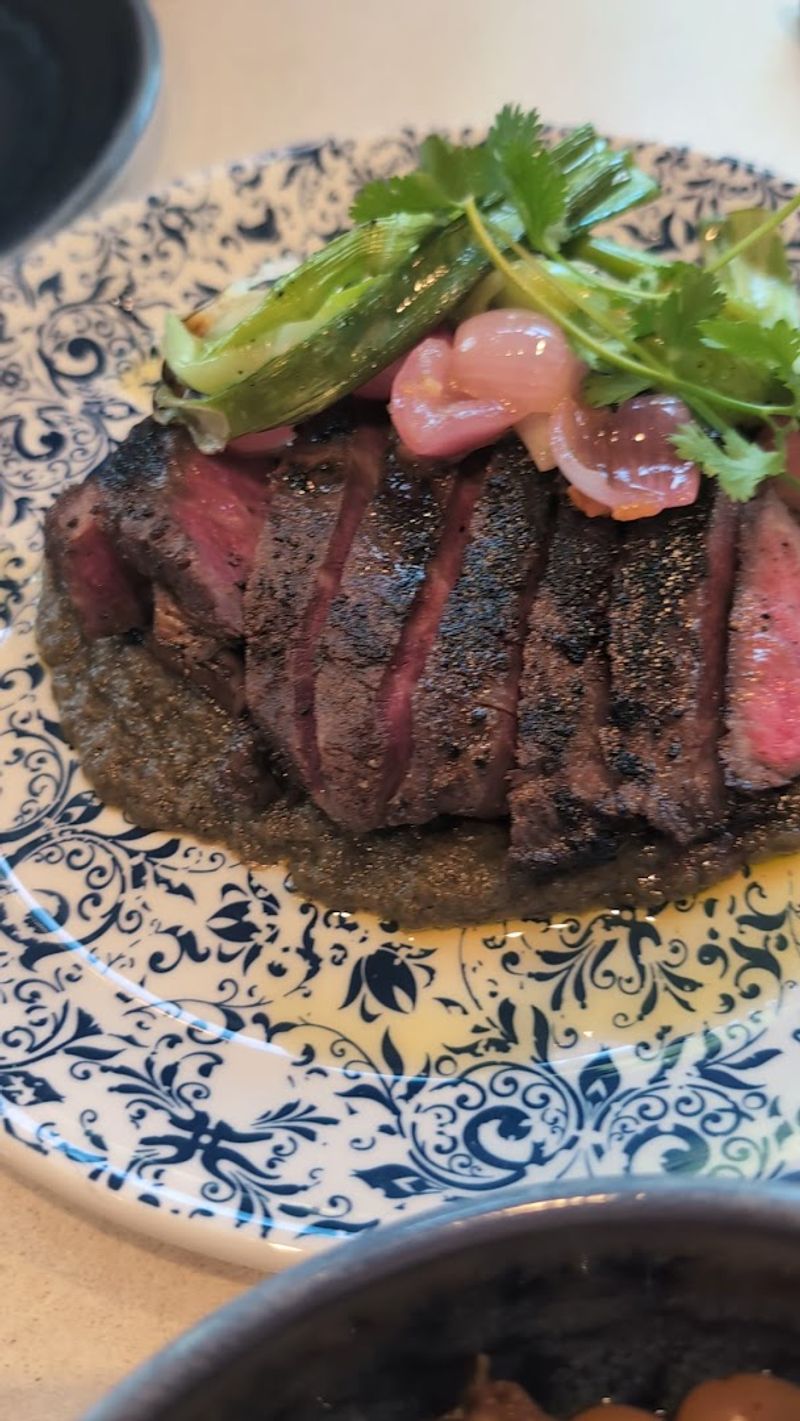
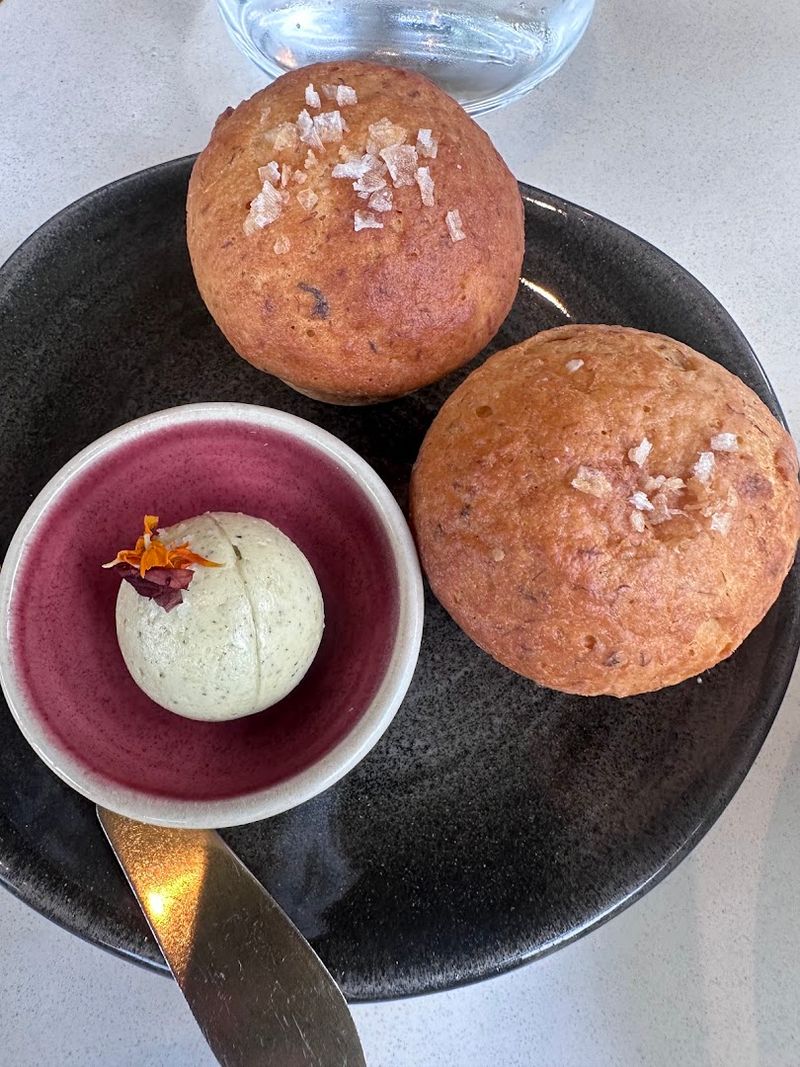
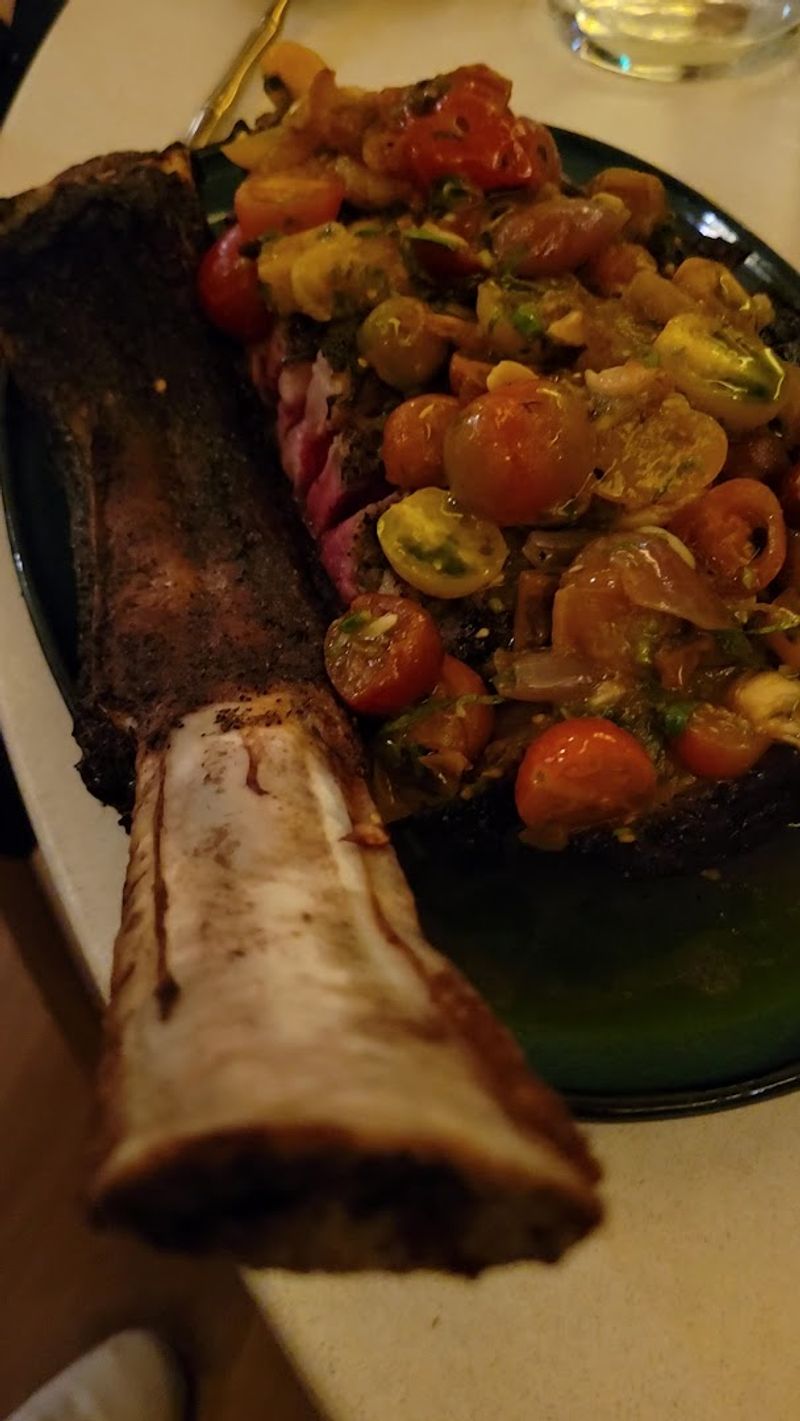
Then there is the plantain brioche, a dish so good that the standard advice from regulars is to order two portions before you even look at the rest of the menu. The smoked beef rib, slow-cooked for twelve hours, is the most dramatic option on the menu and pairs beautifully with the grilled mushrooms and pickled onions that come alongside it.
Every one of these dishes rewards the people who ordered them.
Vegetarian and Plant-Based Options Worth Celebrating
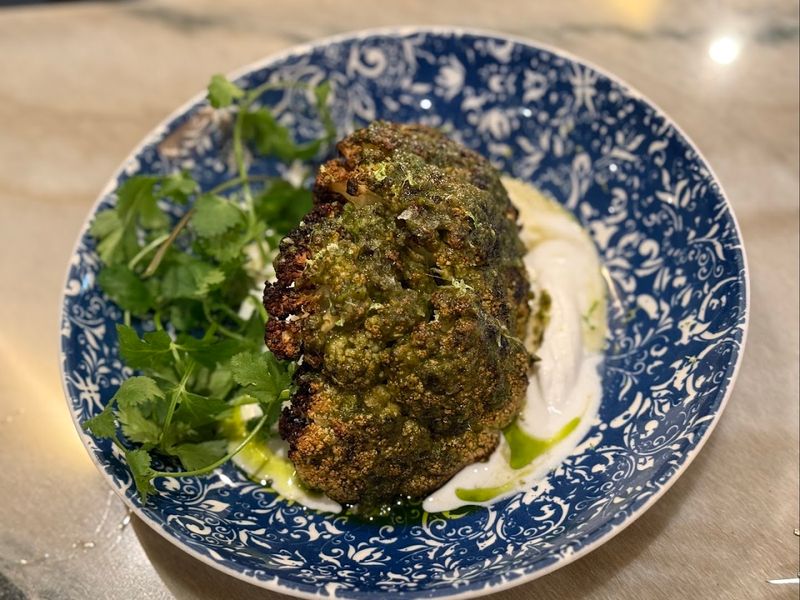
Not every great Haitian restaurant gives vegetarians a reason to celebrate, but Kann is a genuine exception. The plant-based options here are not afterthoughts tucked at the bottom of the menu.
They are fully realized dishes that stand confidently next to everything else on the table.
The peanut creamed greens are rich, nutty, and deeply satisfying. The legim, a traditional Haitian eggplant and vegetable stew, carries a spice level around a seven out of ten and delivers layers of flavor that keep you going back for more.
Coffee-rubbed carrots arrive three ways, pureed, shaved, and roasted, making a single vegetable feel like an entire experience.
The kale salad coated in cashew sauce offers a creamy texture that surprises people who expect something light and forgettable. Even the rice and beans, inspired by the chef’s childhood memories, carry a quiet comfort that earns its place on the table.
Vegetarians dining at Kann often find themselves ordering more food than they planned, simply because each dish makes the next one sound just as necessary. The kitchen treats vegetables with the same seriousness it gives to every other ingredient, and that respect shows up clearly on the plate.
The Dessert Course That Earns Its Own Spotlight
By the time dessert arrives at Kann, most tables are already full and happy. But skipping the final course here would be a genuine mistake.
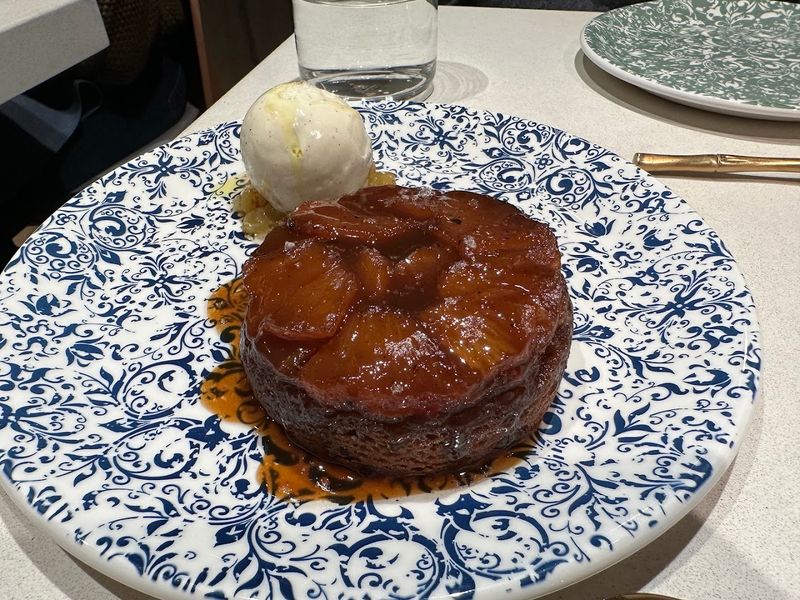
The pastry program matches the savory kitchen in creativity and care, and the banana upside-down cake with rum raisin ice cream and warm coconut caramel is the kind of dessert that stops conversation mid-sentence.
The flavors pull from the same Haitian pantry that defines the rest of the menu. Coconut, tropical fruit, and warm spices show up in ways that feel familiar and surprising at the same time.
The toasted meringue with fruit glaze is lighter but no less memorable, offering a bright finish after a meal full of bold, layered flavors.
The baked Haiti, another dessert on the rotation, leans sweeter and heavier with coconut cream, which means it suits certain palates more than others. The portions are thoughtfully sized, generous enough to feel satisfying without pushing anyone over the edge after an already substantial meal.
Dessert at Kann does not feel like an obligation. It feels like the last chapter of a story you have been reading all evening, and a good story always deserves a proper ending.
How to Navigate the Menu Like a Regular
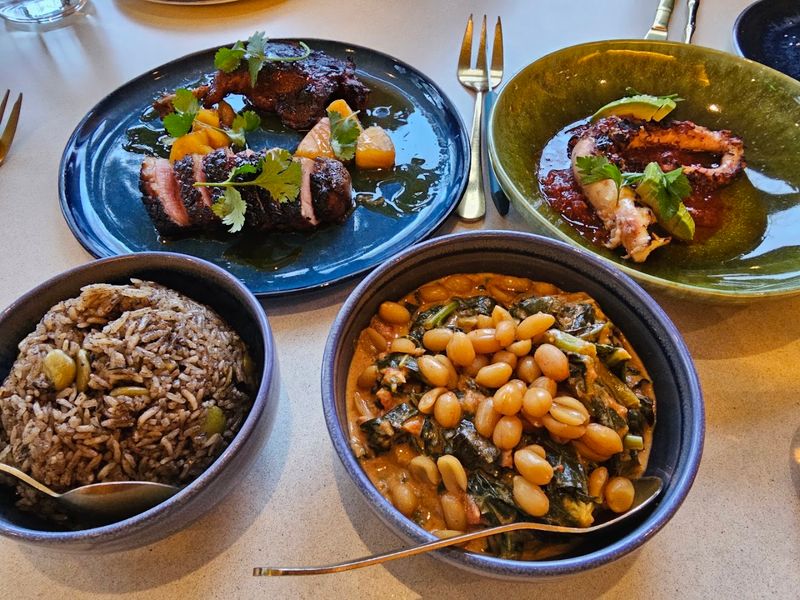
The menu at Kann is built for sharing, and the staff will tell you that right away. The guided introduction at the start of your meal is not just a formality.
It is a practical tool designed to help you understand spice levels, portion sizes, and which combinations work best together. First-timers who skip this part often wish they had paid closer attention.
The general advice from servers is to order five or six savory dishes for two people, working through appetizers, sides, and entrees in a loose progression. The akra and plantain brioche are natural starting points.
From there, the cauliflower and one protein dish cover the middle of the meal, and the sides like peanut creamed greens or rice and beans fill in the gaps.
Spice tolerance is worth thinking about before you arrive. The kitchen uses Haitian epis seasoning and habanero touches throughout, and some dishes build heat gradually while others arrive with more immediate warmth.
The servers are genuinely knowledgeable and will steer you toward dishes that match your preferences without making you feel like you are being managed. Trusting their recommendations tends to produce the best meals, especially on a first visit when everything on the menu looks equally worth trying.
The Service That Sets the Tone All Night
Good food is easier to find than truly great service, which is part of what makes Kann stand out in a city full of strong restaurants. The staff here operate with a level of attentiveness that feels personal rather than rehearsed.
They remember details, catch small moments, and bring a warmth to the dining room that matches the energy coming out of the kitchen.
Servers introduce each dish with genuine enthusiasm and real knowledge. They explain the history behind a preparation, flag the spice level accurately, and check in at the right moments without hovering.
The coursing feels deliberate, giving each round of dishes time to breathe before the next one arrives. That pacing is one of the quiet luxuries of eating at Kann.
For larger parties of five or more, an automatic gratuity is added to the bill, which is worth knowing in advance. The noise level in the dining room runs high on busy nights, so if intimate conversation is the priority, a smaller table earlier in the evening tends to work better.
The service team consistently earns praise across nearly every review, and that kind of reliability across a full dining room is harder to pull off than most people realize.
Reservations, Hours, and What to Expect Before You Go
Getting a table at Kann requires planning. Reservations often fill up days or even weeks in advance, especially on Thursday, Friday, and Saturday nights when the kitchen runs at full capacity.
The restaurant opens at 4 PM on the days it operates, and the hours break down as follows: Wednesday and Sunday from 4 to 7 PM, and Thursday through Saturday from 4 to 9:30 PM. Monday and Tuesday are closed.
Booking early is not optional advice here. It is the single most important logistical step between wanting to eat at Kann and actually doing it.
The phone number is 971-489-2202, and the website at kannrestaurant.com handles reservations directly. Checking the site for availability a week or two out is the safest approach.
Budget expectations are worth setting in advance as well. A full meal with multiple shared dishes lands around one hundred to one hundred twenty-five dollars per person, sometimes more depending on what you order.
The smoked beef rib alone runs close to one hundred twenty dollars. The price point reflects the quality of the ingredients, the skill of the kitchen, and the overall experience.
Most people who go in with realistic expectations leave feeling the meal was worth every dollar spent.
Why Kann Earned Its National Recognition
Landing on a list of the top fifty restaurants in North America is not something that happens by accident or good timing. Kann earned that recognition through consistency, creativity, and a clear point of view that runs through every element of the dining experience.
The food, the service, the space, and the story all point in the same direction.
What makes Kann genuinely remarkable is that it takes a cuisine with deep roots in survival, community, and cultural resilience and presents it in a way that feels both celebratory and honest. Haitian cooking has a rich and complex history, and the kitchen here treats that history as something worth studying and honoring rather than simply referencing for atmosphere.
The restaurant holds a 4.5-star rating across over 1,200 reviews, which reflects a dining room full of people who left feeling something beyond satisfied. Not every review is glowing, and the honest ones note the noise level, the price, and the occasional reservation hiccup.
But the overwhelming majority of guests describe a meal that stayed with them long after the last bite. That kind of lasting impression is what separates a great restaurant from a truly memorable one, and Kann has figured out how to deliver it most nights.
Share this story