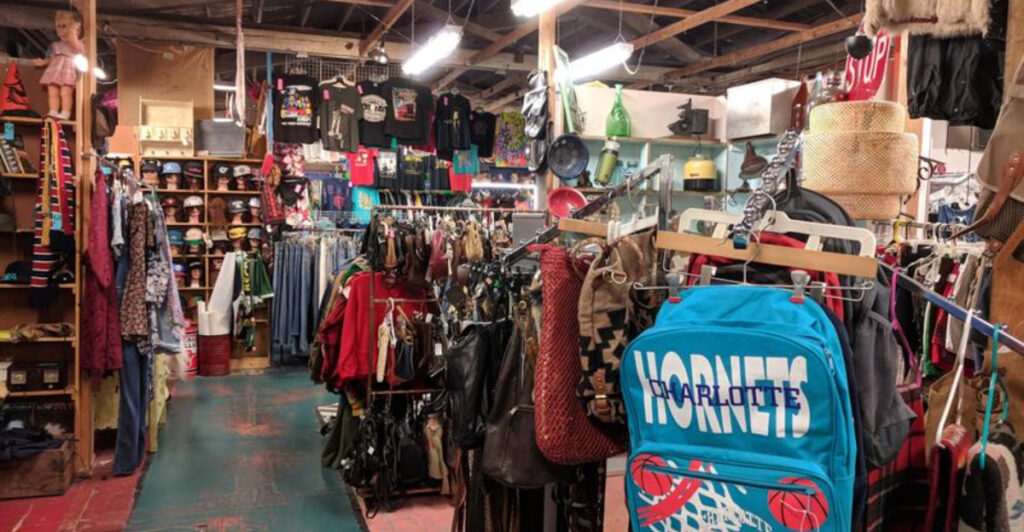
There is a vintage superstore on one of Portland’s most beloved streets where dozens of vendors pack every corner with clothing, jewelry, housewares, and retro finds that could genuinely make your jaw drop. The sheer scale of this place means you could spend a solid two hours browsing and still feel like you missed something.
Prices vary widely depending on which vendor’s section you land in, so savvy shoppers who know where to look can walk away with some seriously cool pieces without breaking the bank. Whether you are a seasoned thrifter or just curious about Portland’s quirky shopping culture, this spot on SE Hawthorne Boulevard is worth knowing about before you visit.
What House of Vintage Actually Is
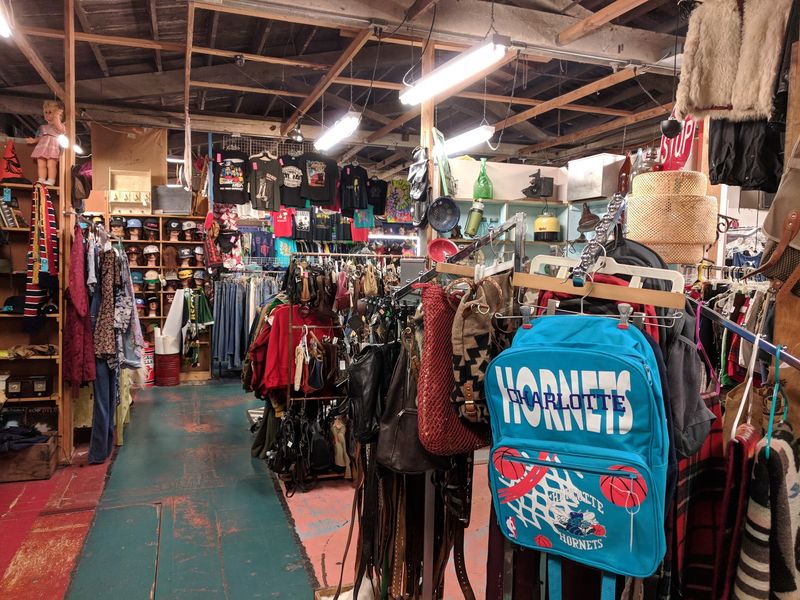
Most people expect a thrift store to feel like a single, curated shop. House of Vintage, at 3315 SE Hawthorne Blvd, Portland, OR 97214, is something else entirely.
It operates as a multi-vendor marketplace, meaning dozens of independent sellers each rent their own booth space and set their own prices.
That structure explains a lot about what you will encounter here. One vendor might specialize in 1970s denim, another in vintage band tees, and a third in costume jewelry from the 1960s.
Each booth has its own personality, its own pricing logic, and its own level of curation.
The store is genuinely massive, split across two distinct halves that even play different radio stations to give each side its own vibe. Shoppers regularly report needing at least one to two hours to cover the floor properly.
Understanding that this is a vendor collective rather than a traditional thrift store sets realistic expectations from the start. You are paying for someone’s time and eye for detail, not just for a secondhand shirt.
That context makes the experience feel much more satisfying once you embrace what it actually is.
The SE Hawthorne Location and What Surrounds It
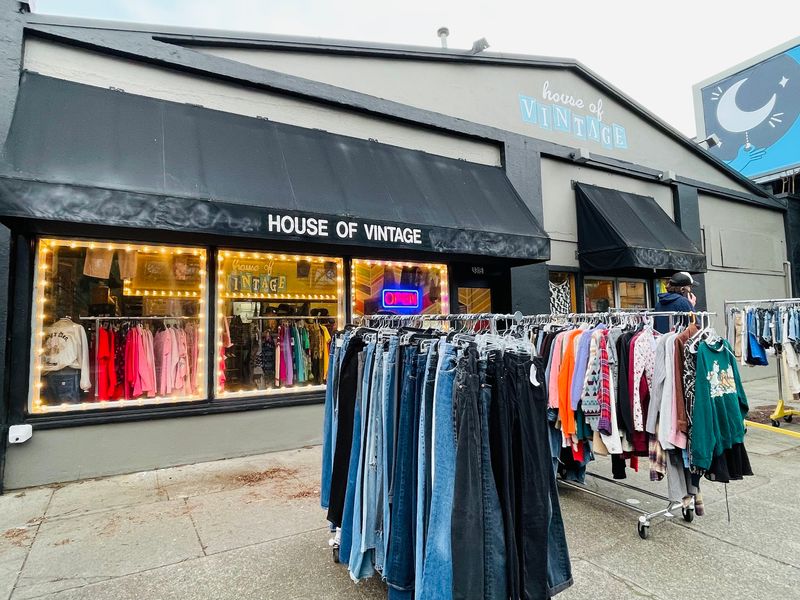
SE Hawthorne Boulevard is one of those streets that feels like it was designed specifically for people who love independently owned shops, creative culture, and neighborhoods with real character. House of Vintage sits right in the heart of it, surrounded by bookstores, cafes, and boutiques that make the whole block worth exploring.
Getting there by bike or public transit is genuinely easy, which is a good thing because parking can be tricky. A few reviewers have mentioned finding a spot right out front during slower periods, but on a busy weekend afternoon you may need to park a block or two away and walk.
The neighborhood itself rewards wandering. After a long session of browsing inside, the street outside gives you plenty of places to decompress, grab a snack, or compare your finds with whoever came along for the trip.
The store is open every day of the week from 11 AM to 7 PM, which makes it easy to slot into almost any Portland itinerary. You can reach them directly at 503-236-1991, and their website at houseofvintagepdx.com has additional details about vendors and events.
The Scale of the Store and Why It Matters
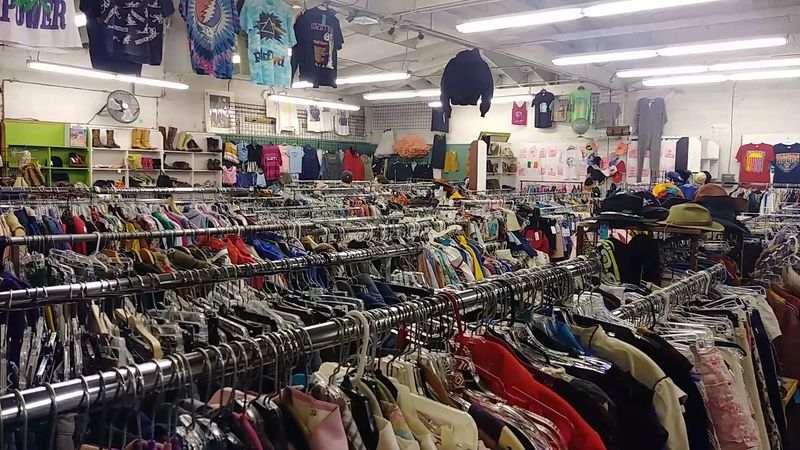
The size of this place is one of the first things you notice, and it genuinely changes how you shop. A small vintage boutique lets you scan the whole room in five minutes.
House of Vintage requires a real commitment of time and energy, and that is actually part of the appeal.
The two-section layout means the store has natural zones, each with its own atmosphere and vendor mix. Shoppers who have been there multiple times often develop a mental map of which corners tend to carry what they are looking for, whether that is retro sportswear, vintage housewares, or statement jewelry.
Because so many vendors operate under one roof, the variety is remarkable. On a single visit you might pass through a booth heavy on 1980s power suits, then turn a corner into a space dedicated entirely to vintage sneakers and accessories.
The transitions keep the browsing experience fresh.
That said, the scale can feel overwhelming on a first visit. Going in without a specific goal and just letting yourself wander tends to produce the best results, because the unexpected finds are often the most rewarding ones you will stumble across.
Pricing: What to Expect Before You Walk In
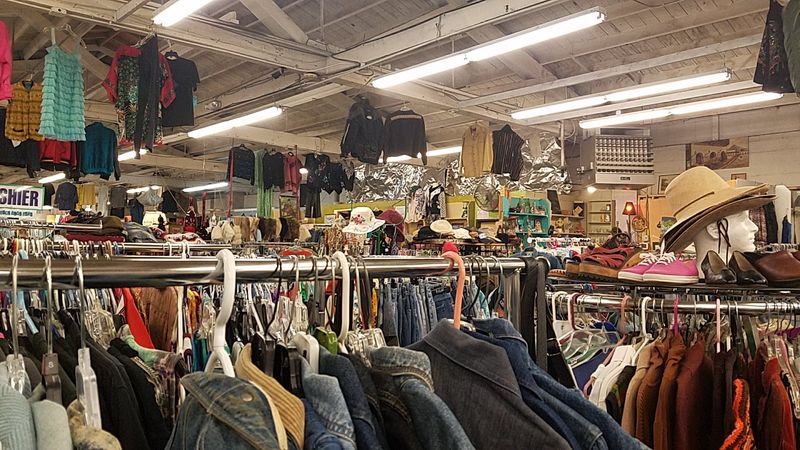
Pricing at House of Vintage is one of the most talked-about aspects of the store, and the conversation runs in every direction. Because each vendor sets their own prices independently, the range is enormous.
A band tee might cost eight dollars in one booth and fifty dollars three aisles over.
Reviewers have noted finding genuinely great deals on specific items alongside prices that feel steep for secondhand goods. A vintage Garth Brooks tee snagged for a bargain, a leather jacket priced at $150, a necklace that rang up unexpectedly high.
The experience varies dramatically depending on which vendor’s territory you end up in.
The store itself is upfront about this model. The pricing reflects individual vendors’ curation efforts and market knowledge, not a store-wide policy.
That means a savvy shopper who takes their time and covers the whole floor has a real chance of finding something special at a price that feels fair.
Going in with a flexible budget and a patient mindset works better than arriving with a firm spending cap. The best finds tend to reward the shoppers who are willing to dig, compare, and take their time rather than grabbing the first thing that catches their eye.
The Vendor Model and How It Shapes Your Visit
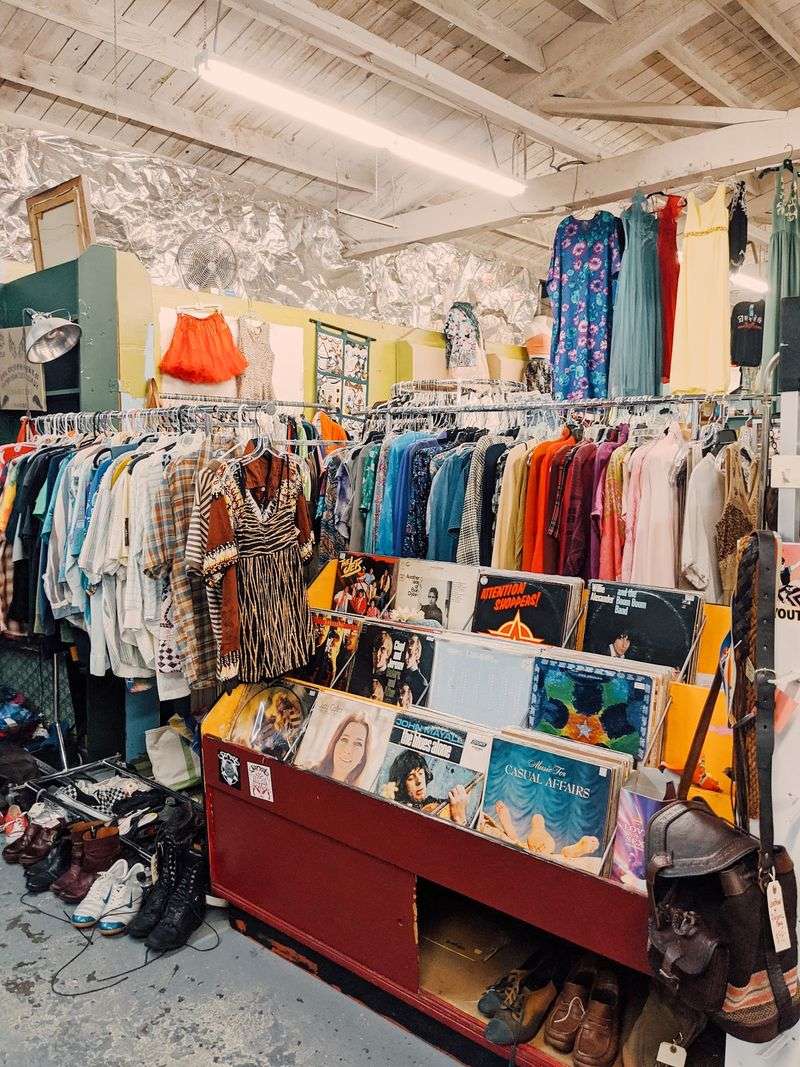
Shopping at a vendor-collective store is a fundamentally different experience from shopping at a standard thrift shop, and that difference is worth understanding before you arrive. Each booth you walk through belongs to a separate seller who has personally sourced, priced, and arranged their inventory.
That personal curation is exactly what some shoppers love about the place. When a vendor clearly has a specialty, whether that is 1990s streetwear or mid-century housewares, the booth feels intentional and exciting.
You can tell someone with a genuine passion for that category put it together.
The downside of the model is inconsistency. Not every vendor maintains the same quality standards, and some booths contain items that feel overpriced or poorly condition-checked.
The store has acknowledged in responses to reviews that it does not control individual vendor pricing or item selection directly.
The most rewarding approach is to treat each booth as its own micro-shop. Some will click with your taste and budget, others will not, and that is completely normal.
The vendors who do resonate make the whole trip feel worthwhile, and finding one of those booths is part of the genuine thrill of the hunt here.
What You Can Actually Find There
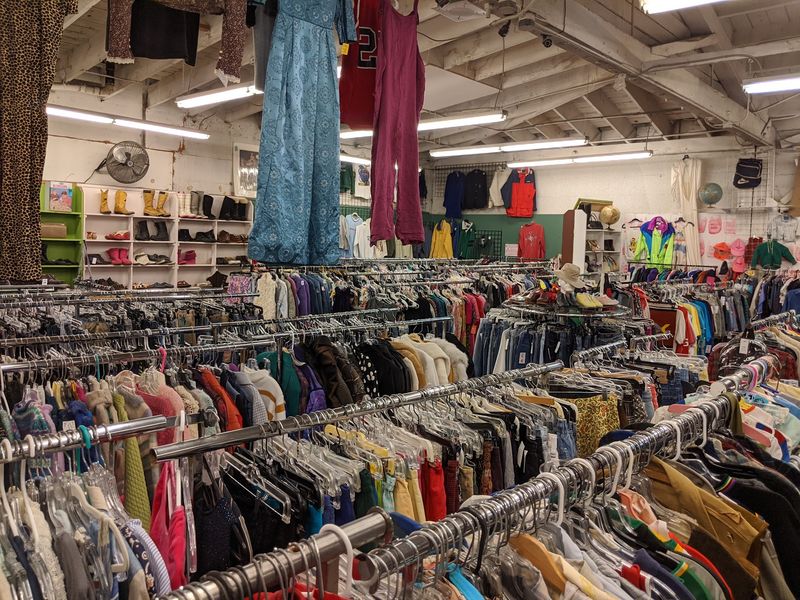
The inventory at House of Vintage covers a genuinely wide range of categories. Clothing is the obvious centerpiece, with racks of jackets, denim, band tees, dresses, skirts, and outerwear spread across dozens of vendor spaces.
But the store also carries jewelry, accessories, housewares, and decorative objects that make it interesting even if clothing is not your primary interest.
Shoppers have reported finding retro ski gear, 1960s costume jewelry, vintage sunglasses, and rare concert tees from tours decades past. Those kinds of finds are real and they do happen, though they require patience and a willingness to cover a lot of ground before landing on them.
The housewares section adds a dimension that purely clothing-focused vintage stores often miss. Small decorative items, vintage kitchenware, and quirky collectibles turn up regularly, making the store a reasonable destination for anyone hunting for a unique gift or a conversation piece for their home.
Condition varies significantly across vendors, so checking seams, fabric integrity, and overall wear before committing to a purchase is genuinely smart advice. A quick inspection at the rack can save you the frustration of getting home and discovering an issue you wish you had caught earlier.
Tips for First-Time Shoppers
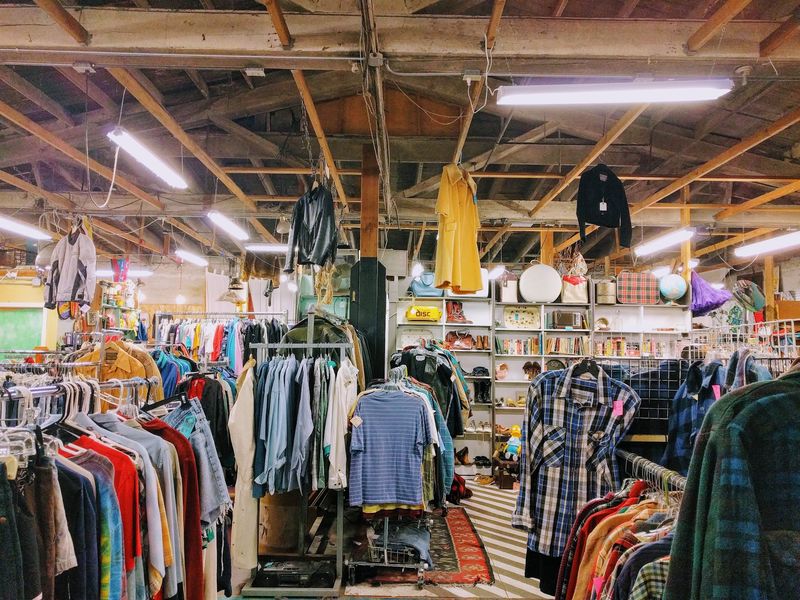
A first visit to House of Vintage goes much better with a little preparation. The store is large enough that walking in without a plan can feel disorienting, so having a loose sense of what you are hoping to find helps you navigate more efficiently without missing the sections most relevant to your taste.
Budget flexibility matters here more than at a standard thrift store. Because vendors price independently, you will encounter a wider range than you might expect.
Setting a rough ceiling for what you are comfortable spending on any single item keeps the experience fun rather than stressful.
Always inspect items carefully before heading to the register. Fabric condition, seam integrity, and any signs of wear are worth checking thoroughly, especially on older or more delicate pieces.
A few shoppers have had the frustrating experience of getting home to discover damage they missed in the moment.
Plan to spend at least an hour, and ideally closer to two. The store rewards slow, deliberate browsing far more than a quick scan.
Shoppers who rush tend to miss the smaller vendor corners where some of the most interesting and fairly priced finds are quietly waiting to be discovered.
The Atmosphere and Vibe Inside
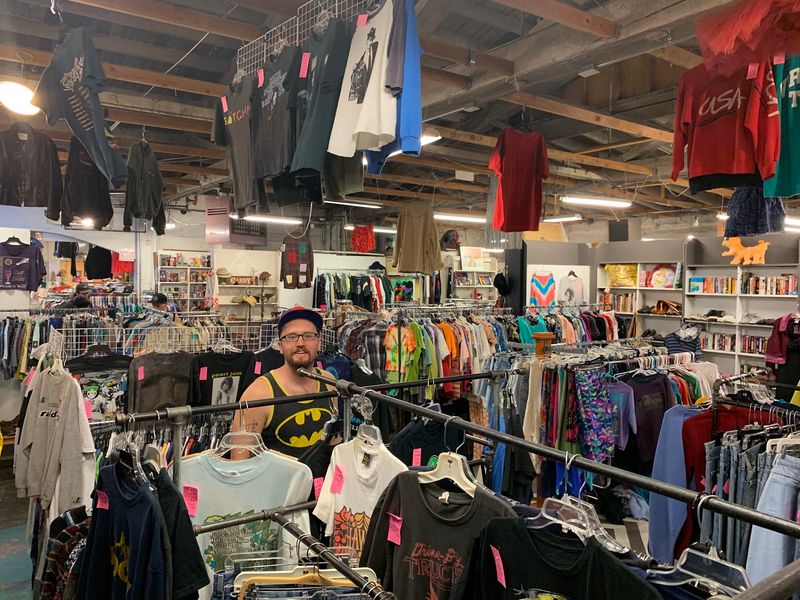
The atmosphere inside House of Vintage is one of the things that keeps people coming back even when a particular visit does not produce a great find. The store has a distinctive energy that feels genuinely Portland: eclectic, creative, a little chaotic, and full of personality in every direction.
The two-section layout plays a bigger role in the experience than it might sound. Each half of the store has its own radio station playing, which creates a subtle but real shift in mood as you cross from one side to the other.
It is a small detail that makes the space feel more dynamic than a single unbroken floor would.
The vendor booths themselves vary in presentation from tightly curated and visually striking to more loosely arranged and dense with inventory. That variation keeps the browsing experience from feeling repetitive, since each new corner you turn into has its own character.
One practical note from regular visitors: the store does not have a lot of mirrors on the floor, so trying things on requires a trip to the fitting rooms. During busy periods there can be a short wait, so factoring that into your timing is worth doing if you plan to try on multiple items.
How It Compares to Other Portland Vintage Spots
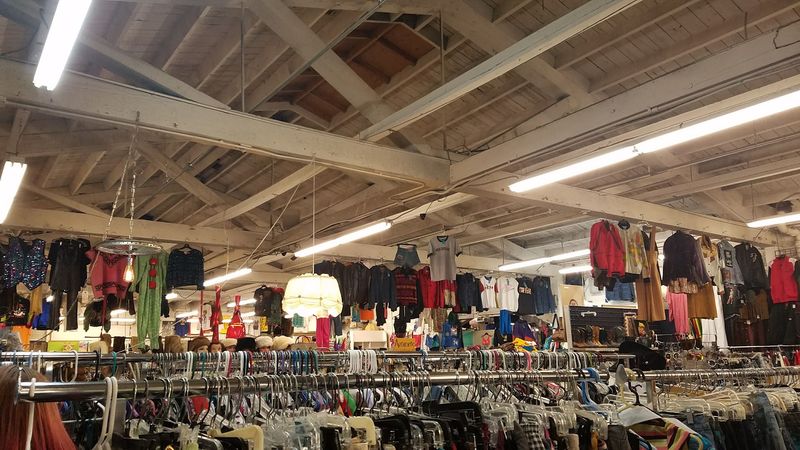
Portland has no shortage of options for vintage and secondhand shopping, which makes House of Vintage’s specific identity worth understanding in context. Stores like Red Light, Crossroads, and Buffalo Exchange operate on a buy-sell-trade model with more consistent pricing policies, since they control their own inventory directly.
House of Vintage sits in a different category. The vendor collective model means higher potential highs and lower potential lows in the same visit.
You might find a perfectly priced gem next to something that seems wildly overvalued, all within the same building.
For tourists or out-of-town visitors wanting to experience Portland’s vintage culture in one concentrated stop, the store makes a lot of sense. The scale and variety give a broad sample of what the city’s independent sellers are curating, which no single boutique can replicate.
For locals who shop vintage regularly, it works best as part of a broader rotation rather than a sole destination. Combining a visit here with a stop at one of the nearby alternatives on Hawthorne gives a fuller picture of what the neighborhood’s secondhand scene has to offer across different price points and styles.
The Bigger Picture: Why This Store Matters to Portland’s Culture
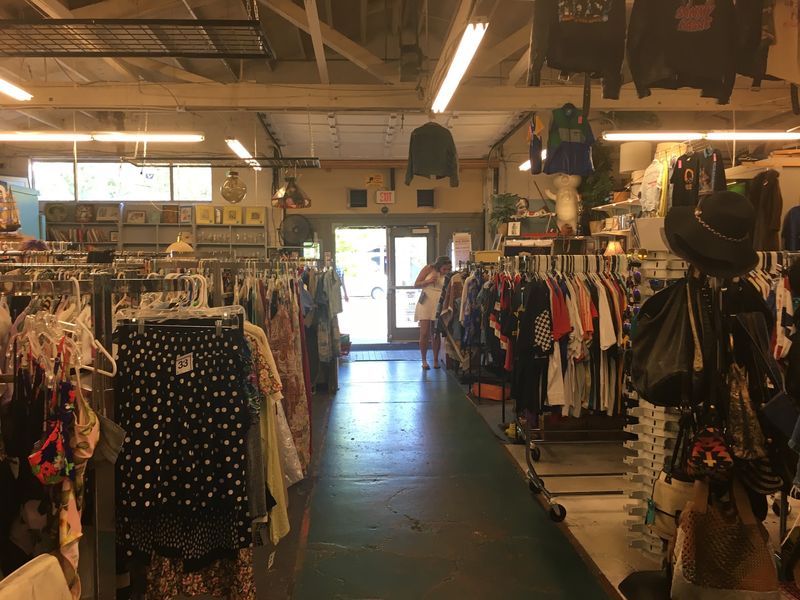
A store like House of Vintage is about more than just secondhand clothing. It functions as a creative hub where independent sellers build small businesses around their knowledge of fashion history, material culture, and the specific tastes of Portland’s style-conscious community.
The vendor model supports a layer of the local economy that often goes unnoticed. Each booth represents someone who sources, cleans, repairs, and presents clothing and objects that would otherwise end up discarded.
That work has real value, even when the price tags occasionally cause sticker shock.
The store also keeps clothing in circulation longer, which has a meaningful environmental dimension. Extending the useful life of a garment, even one that started as fast fashion, is genuinely better than sending it to a landfill.
That context is worth holding onto when the prices feel frustrating.
House of Vintage is not a perfect shopping experience, and it does not try to be. It is a large, lively, occasionally messy marketplace that reflects the city it lives in: independent, opinionated, creatively driven, and full of surprises for anyone patient enough to look past the surface and find what is actually worth taking home.
Share this story