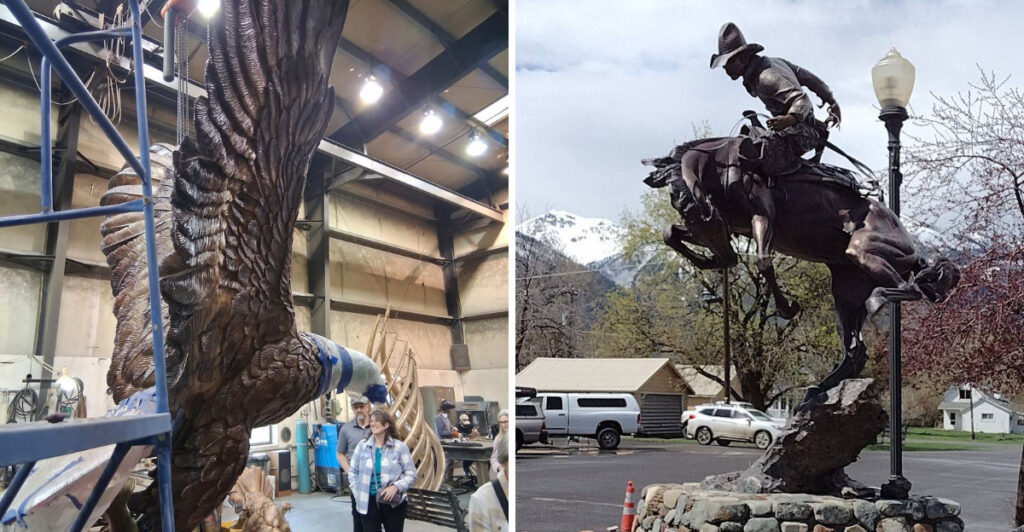
There is a small town tucked into the Wallowa Mountains of northeastern Oregon where bronze sculptures outnumber the residents, and a lake so blue it almost looks painted. The streets feel more like an outdoor art gallery than a typical rural town, and the creative energy behind it all traces back to one remarkable foundry.
Valley Bronze of Oregon, at 307 W Alder St in Joseph, OR 97846, is the heartbeat of this artistic community. I visited on a weekday morning, and what I found was a working foundry that doubles as one of the most fascinating behind-the-scenes experiences in the Pacific Northwest.
If you love art, craftsmanship, or just genuinely cool things, this place will not disappoint.
Where It All Begins: The Foundry on Alder Street
The address is 307 W Alder St, Joseph, Oregon 97846, and the moment you pull up, you realize this is not your average roadside attraction. The building looks modest from the outside, but what happens inside has shaped public art collections across the country and around the world.
Valley Bronze of Oregon has been operating since 1982, and in that time it has become one of the most respected fine art bronze foundries in the United States. The foundry works with professional sculptors to transform original artwork into finished bronze pieces using a centuries-old process called lost wax casting.
The town of Joseph itself has a population of just over 1,000 people, yet it hosts more bronze sculptures per capita than almost any other town in the country. Valley Bronze is the primary reason for that distinction.
You can reach them at +1 541-432-7551 or visit valleybronze.com for tour details and hours.
The Lost Wax Process: Ancient Craft, Modern Mastery
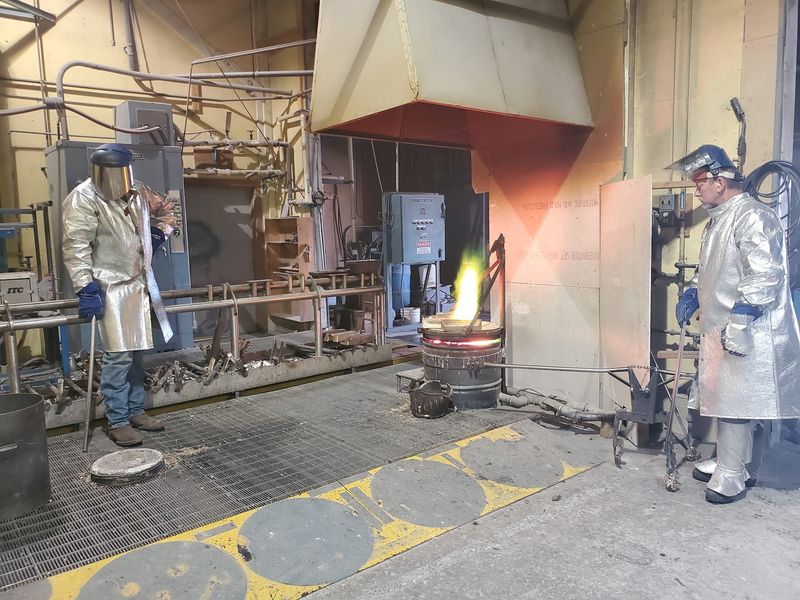
Few manufacturing processes in the art world are as jaw-dropping to witness as lost wax casting, and Valley Bronze does it at a level that leaves most visitors speechless. The method dates back thousands of years, yet the foundry has refined it into something that feels both timeless and cutting-edge.
Here is a simplified breakdown of how it works. A sculptor creates an original piece, usually in clay or wax.
A mold is made from that original, then filled with wax to create an exact replica. That wax version gets coated in layers of ceramic material to form a shell, then heated so the wax melts out, leaving a hollow ceramic cavity.
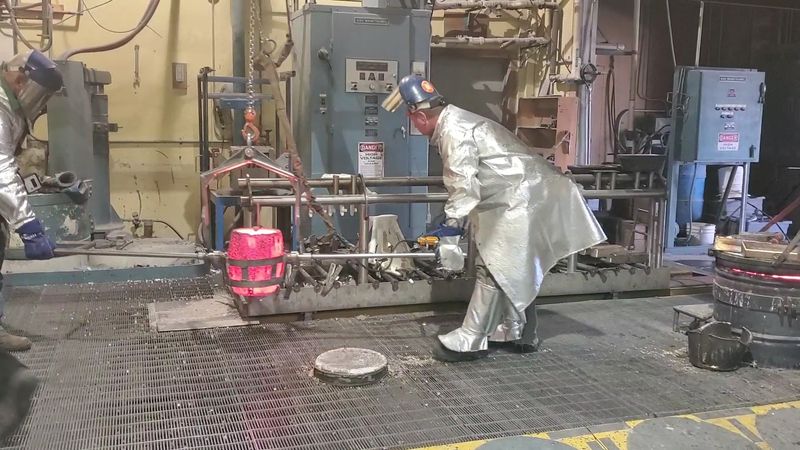
Molten bronze gets poured in, the ceramic shell is broken away, and what remains is a near-perfect bronze reproduction.
The skill involved at every stage is extraordinary. Welders, wax chasers, casters, and patina artists all contribute to the final piece.
Every person in that building is, in their own right, an artist. Watching it happen in real time is the kind of experience that genuinely changes how you look at bronze sculptures forever.
The Foundry Tour: Worth Every Minute
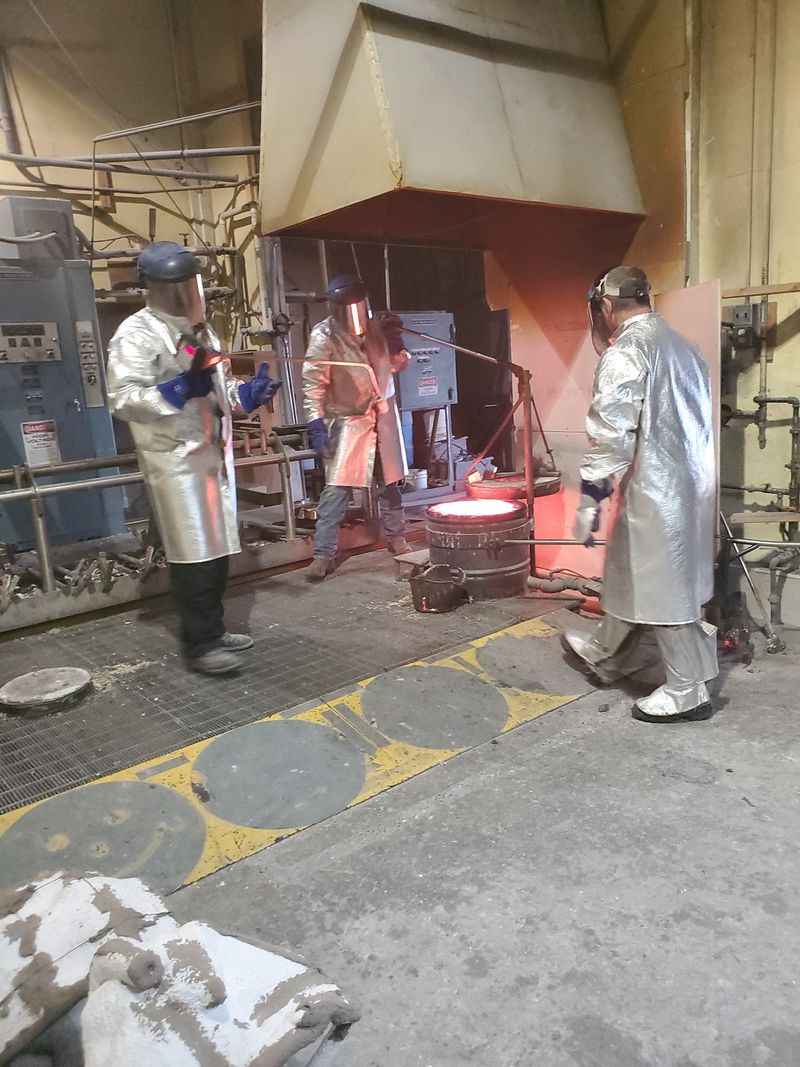
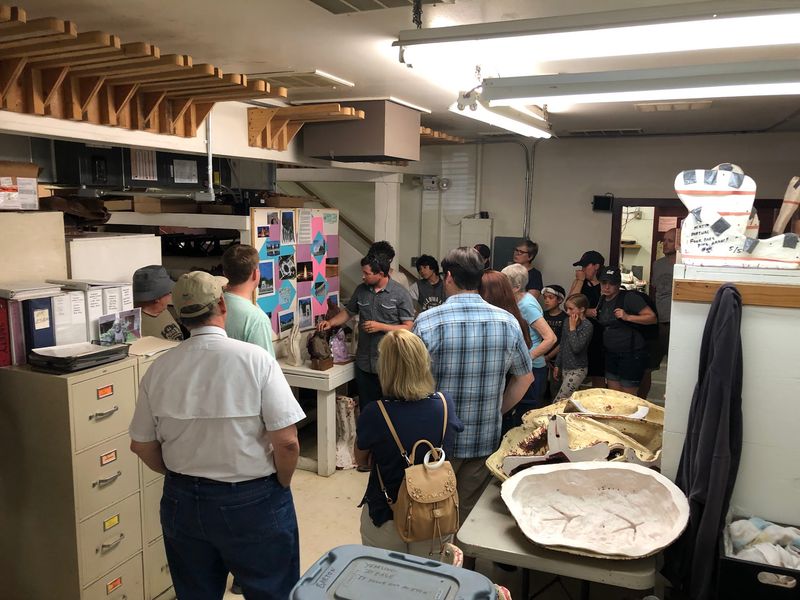
Tours at Valley Bronze run Monday through Thursday at 11 AM and cost $15 per person. That price buys you roughly 90 minutes of access to a fully operational foundry where real artwork is being made while you watch.
The tour guide is typically a foundry employee, which means the knowledge on offer is firsthand and deeply practical.
The guide walks you through every stage of production, from the initial wax work all the way to the final patina application that gives each sculpture its distinctive color and finish. Questions are welcomed, and the guides are known for making the process understandable to people with no art background whatsoever.
One thing worth knowing: the tour is best suited for adults and older teenagers. The environment is industrial, and some of the process explanations can get technical.
That said, the visual drama of watching molten bronze get poured into a mold is something that captures pretty much everyone’s attention instantly. Arrive a few minutes early, since group sizes tend to stay small and the experience feels surprisingly personal for a working commercial operation.
Joseph, Oregon: A Town That Wears Its Art Outdoors
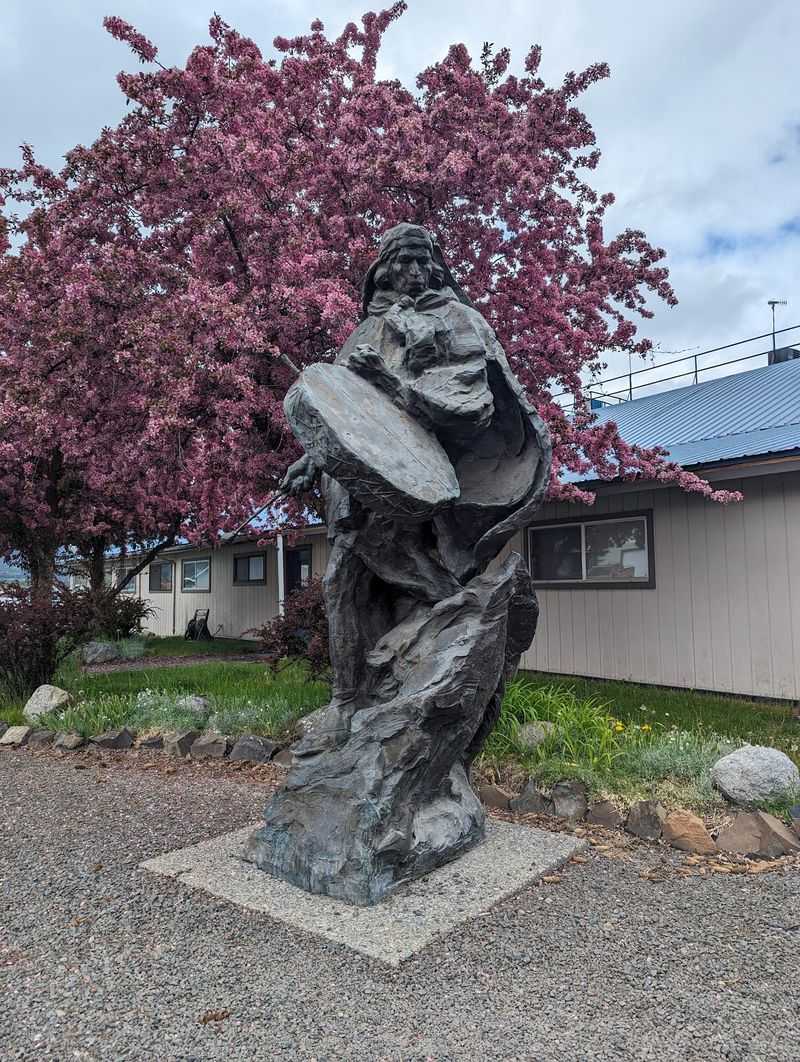
Most small towns in rural Oregon are known for timber, ranching, or fishing. Joseph is known for bronze.
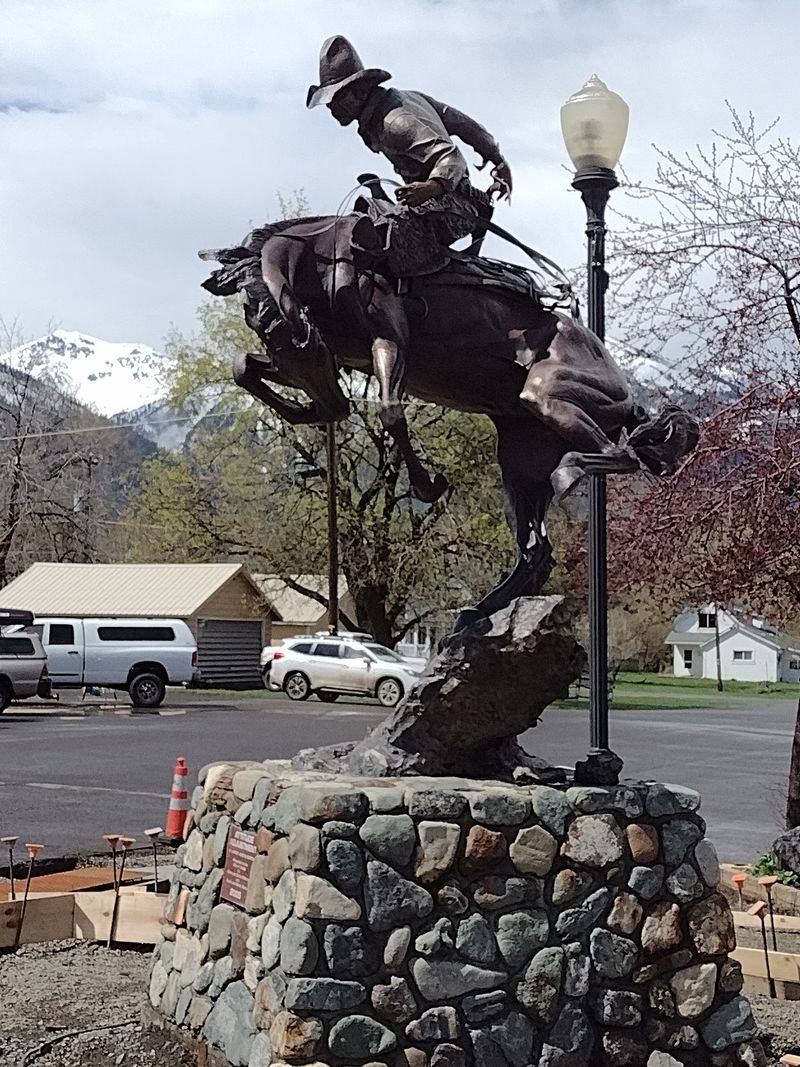
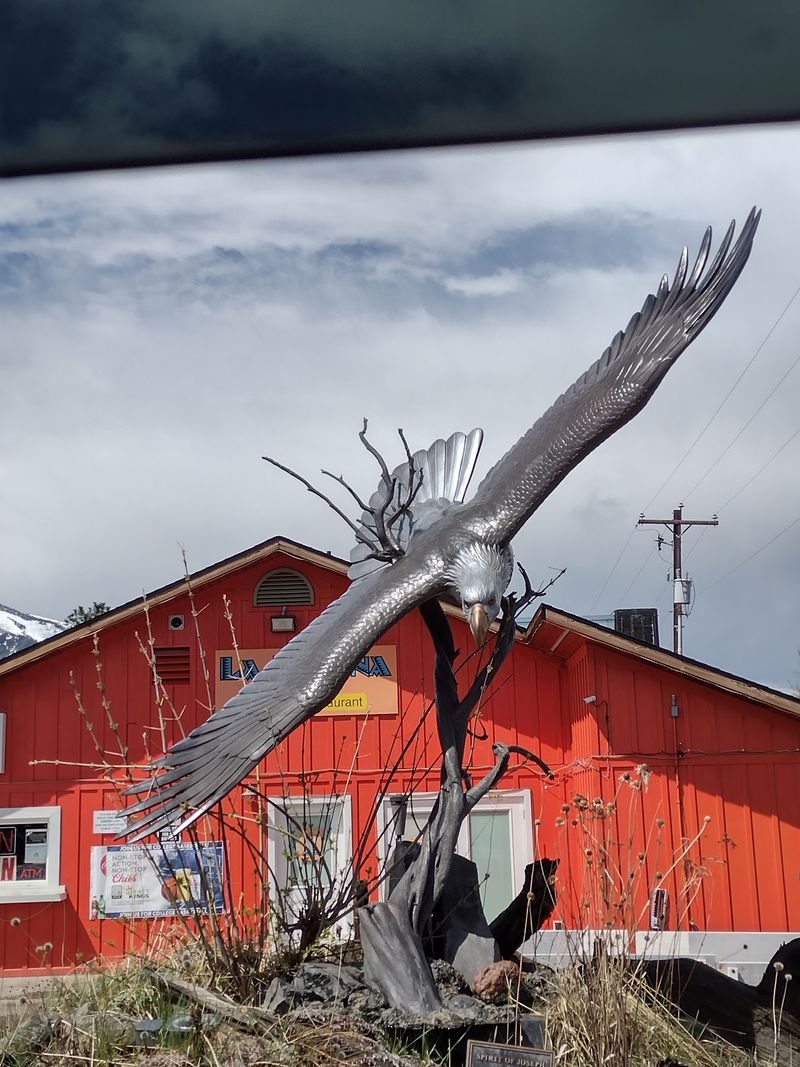
The streets of this Wallowa County town function as a permanent outdoor sculpture gallery, with large-scale bronze works installed along the sidewalks, in parks, and outside local businesses.
The sculptures range from wildlife scenes to historical figures to abstract forms, and many of them were cast right there at Valley Bronze. Chief Joseph of the Nez Perce tribe is among the most recognized figures depicted, and the statue captures both his dignity and his cultural significance with remarkable detail.
Wandering through town after a foundry tour takes on a completely different meaning once you understand how each piece was made. You start noticing the seam lines, the patina variations, and the texture details that you would have walked right past before.
The town essentially becomes an extension of the foundry experience, turning a casual stroll into something much more engaging and educational than it looks from the outside.
Wallowa Lake: The Brilliant Blue That Earns Its Reputation
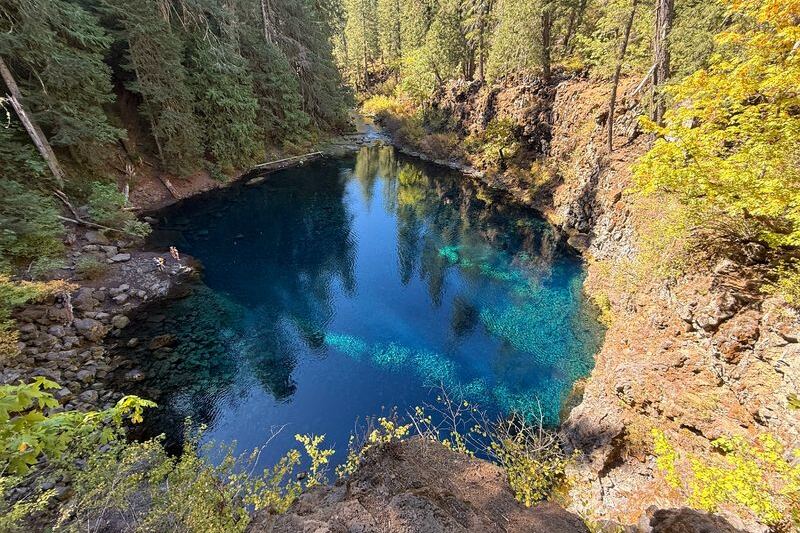
About five miles south of Joseph, Wallowa Lake sits at the base of the Wallowa Mountains like something out of a landscape painting. The water is glacially fed and genuinely, startlingly blue on a clear day.
The kind of blue that makes you stop mid-sentence and just stare.
The lake stretches roughly four miles long and reaches depths of over 280 feet in some areas. It was formed by glacial activity thousands of years ago, and the surrounding moraine ridges are still visible, giving the whole area a dramatic, sculpted quality that feels intentional even though nature did all the work.
Wallowa Lake State Park borders the southern end and offers camping, fishing, and hiking access. The lake is open year-round, though summer brings the most visitors and the warmest temperatures for outdoor activities.
Even on a busy summer weekend, the sheer scale of the mountains and water keeps the atmosphere from feeling crowded. The combination of the lake and the sculpture-filled town nearby makes this corner of Oregon genuinely one of the more memorable places I have visited in the entire Pacific Northwest.
The Sculptors Behind the Bronze
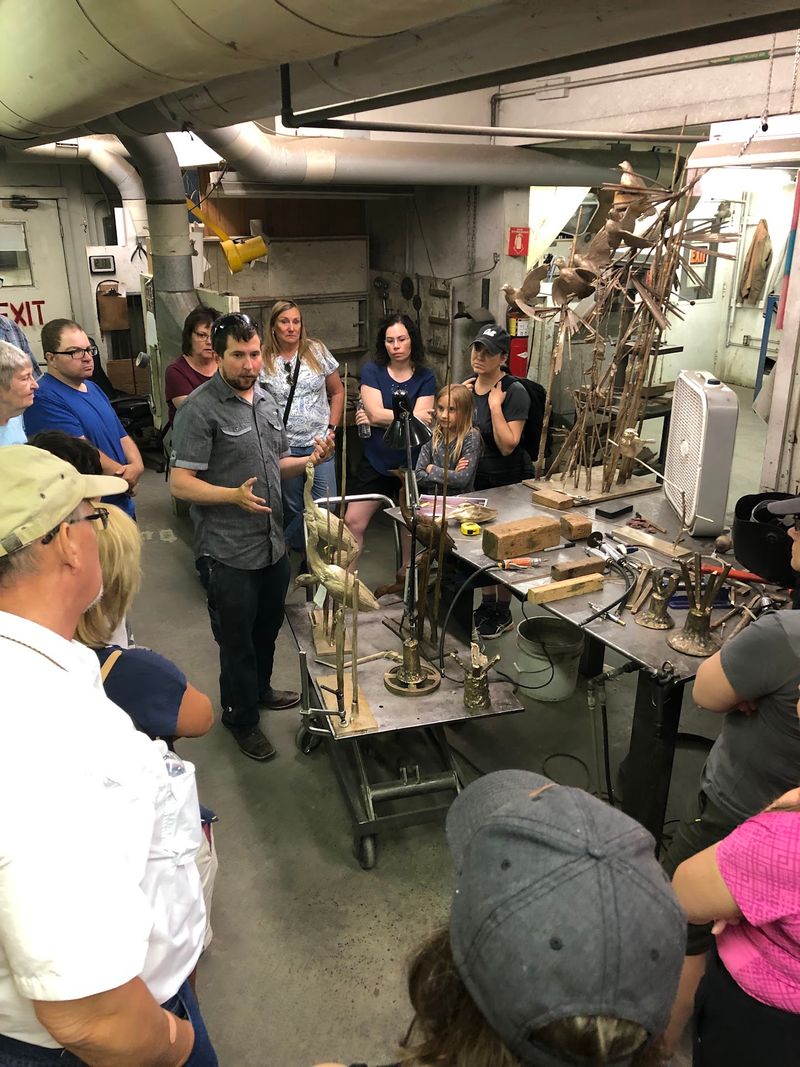
Valley Bronze does not create art on its own. The foundry works as a partner to professional sculptors, bringing their visions to life in metal.
The relationship between sculptor and foundry is deeply collaborative, and the level of trust involved is significant since the foundry must faithfully reproduce the artist’s original work at the highest possible standard.
Sculptors who have worked with Valley Bronze come from across the country and beyond. Their original pieces arrive in various stages of completion, and the foundry team takes over from there, handling every technical step of the reproduction process.
The goal is always fidelity to the original, down to the finest texture and proportion.
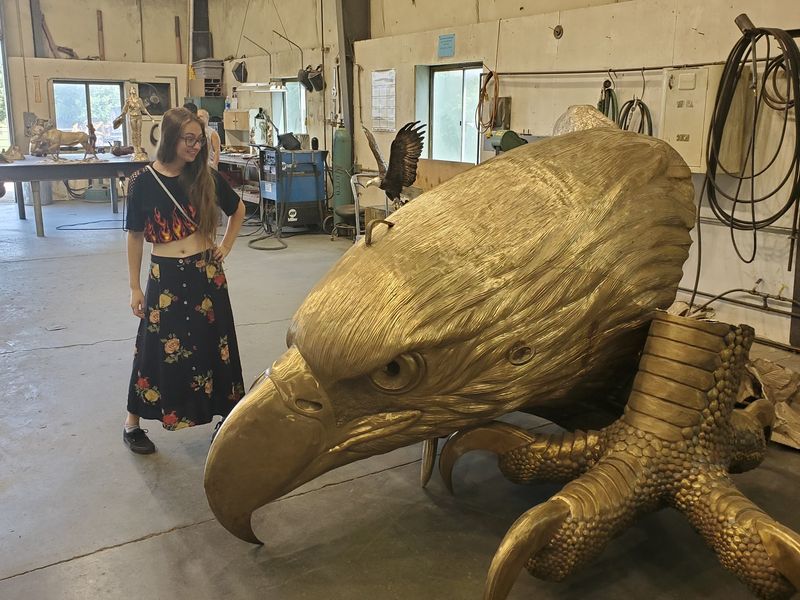
What makes this especially interesting from a visitor’s perspective is that you might see pieces from multiple different artists in various stages of production during a single tour. One section of the foundry might have a wildlife sculpture mid-pour while another area has a figurative piece being chased in wax.
The variety keeps the tour visually engaging from start to finish, and it gives you a genuine sense of how much creative range a single foundry can support.
Patina: The Color That Brings Bronze to Life
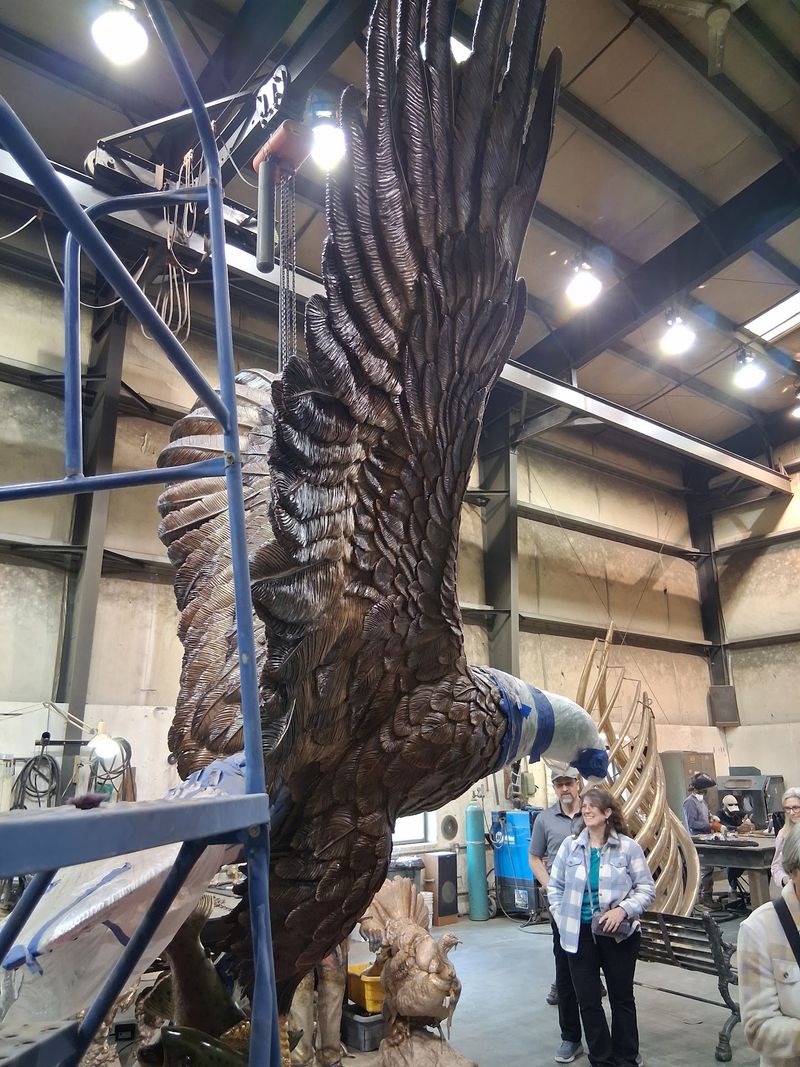
Most people assume bronze sculptures are simply brown. The reality is far more nuanced, and the patina stage of production is where bronze truly becomes art.
Patina refers to the chemical treatment applied to the surface of a finished bronze piece to create color, depth, and visual texture.
At Valley Bronze, patina artists use a combination of heat and chemical solutions to coax specific colors from the metal. The results can range from warm golden tones to deep reddish-brown, mossy green, or even near-black, depending on the desired effect.
The process requires both technical knowledge and an artist’s eye, since the colors shift as the metal heats and cools.
The patina application is one of the most visually dramatic parts of the foundry tour, and it tends to generate the most questions from visitors. Watching a dull gray metal surface transform into something rich and layered in real time is genuinely surprising.
Many visitors say this is the moment the whole process clicks into place for them, because it is where the technical work finally starts to look like the finished sculptures they have seen on the street outside.
The Wallowa Mountains: The Setting That Makes Everything Better
The Wallowa Mountains rise sharply behind Joseph and Wallowa Lake, and their presence shapes the entire character of the region. These are serious mountains, with peaks reaching over 9,800 feet and a wilderness area that covers nearly 360,000 acres.
The range is sometimes called the Alps of Oregon, and while that comparison is well-worn, the scale and drama of the landscape genuinely earns it.
Hiking in the Wallowas is exceptional, with trails ranging from easy lakeside walks to multi-day backcountry routes. Ice Lake, located at about 7,900 feet elevation, is one of the most popular destinations and rewards hikers with stunning alpine scenery after a challenging climb.
The trail is roughly 8 miles round trip and gains significant elevation, so preparation matters.
The mountains also provide the backdrop that makes the bronze sculptures in Joseph feel even more striking. There is something particularly memorable about rounding a corner in a small town and seeing a life-size bronze figure set against a wall of snow-capped peaks.
That contrast between human-made art and raw natural landscape is something this region pulls off better than almost anywhere else I have been.
Planning Your Visit: Practical Tips for Getting the Most Out of It
Valley Bronze is open Monday through Thursday from 7 AM to 4 PM, and the public tour runs at 11 AM on those days. The foundry is closed Friday through Sunday, so plan accordingly.
Tours cost $15 per person and last about 90 minutes. Reservations are not always required for small groups, but calling ahead at +1 541-432-7551 is a smart move, especially in summer.
Joseph is about a four-hour drive from Portland and roughly 80 miles from La Grande, the nearest larger city. The drive through the Blue Mountains and into the Wallowa Valley is scenic and worth taking slowly if your schedule allows.
The town itself is small enough to explore entirely on foot once you arrive.
The best time to visit is late spring through early fall, when the lake is accessible, hiking trails are open, and the outdoor sculptures can be enjoyed without winter weather. Summer weekends draw the largest crowds, so a midweek visit lines up perfectly with the foundry’s tour schedule.
Pairing the foundry tour in the morning with a lakeside afternoon makes for one of the more well-rounded day trips in the region.
Why This Place Stays With You Long After You Leave
Some places are easy to enjoy in the moment and easy to forget afterward. Joseph, Oregon, and the Valley Bronze foundry are not that kind of place.
The combination of hands-on access to a world-class artistic process, a town full of finished work displayed in the open air, and a mountain lake that looks almost too beautiful to be real creates something that genuinely sticks.
The foundry tour changes the way you engage with public art. Every bronze sculpture you encounter after visiting Valley Bronze carries a different weight, because now you know what went into making it.
The wax work, the ceramic shells, the pour, the finishing, the patina. None of it is simple, and none of it is fast.
The broader lesson Joseph seems to offer is that small towns can build remarkable identities around craft and creativity, and that those identities attract people who genuinely care about what they are seeing. That is a rarer thing than it sounds.
The foundry is the anchor, the lake is the reward, and the mountains make sure you never quite want to leave. That combination is hard to beat anywhere in Oregon.
Share this story