Just minutes from downtown Billings, a beloved Montana state park offers sandy swimming beaches, excellent fishing, peaceful paddling, and scenic lakeside trails without requiring a long drive into the wilderness. Visitors come to cool off in the reservoir, cast a line from the fishing pier, kayak across calm water, or simply enjoy a relaxing walk around the lake, but many return because the park makes outdoor recreation feel effortless. It’s the kind of place where families, anglers, dog owners, and nature lovers all find their own reason to stay a little longer.
The experience extends far beyond the shoreline. A dedicated dog park with lake access, a scenic 1.4-mile walking trail, picnic areas, wildlife viewing, accessible outdoor amenities, and more than a century of local history make it one of Billings’ most rewarding outdoor destinations. Whether you’re looking for a refreshing summer swim or a peaceful year-round escape, it’s easy to understand why this park has become a favorite for both locals and visitors.
Here’s why Lake Elmo State Park has become one of Montana’s most popular urban parks and one of the best places near Billings for outdoor recreation and relaxation.
Where the City Ends and the Water Begins
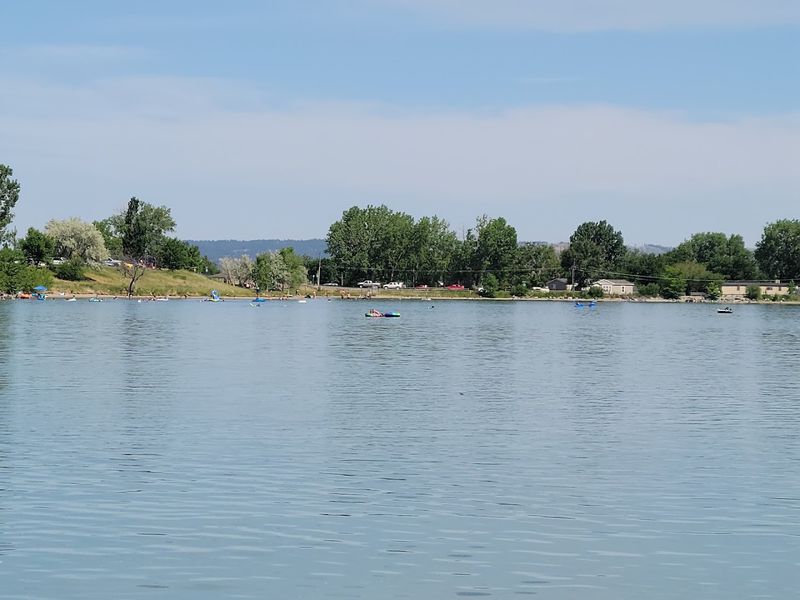
Right in the middle of Billings, Montana, Lake Elmo State Park sits at 219 Rolling Hills Drive, Billings, MT 59105, making it one of the most conveniently placed outdoor escapes in the entire state. The park covers 123 acres in total, centered around a 64-acre reservoir that serves as the beating heart of the whole operation.
At an elevation of 3,199 feet, the views stretch wide and open in every direction, giving you that unmistakable Montana big-sky feeling without ever leaving the city limits. Paved parking, clean restrooms, and well-maintained facilities greet you right away, removing any logistical friction before you even reach the water.
The park is open daily from 5 AM to 10 PM, which means early risers can catch the lake glittering in the morning light before the crowds arrive. For anyone who has ever wished their city came with a built-in natural retreat, this park is exactly that answer.
From Irrigation Canal to Community Treasure
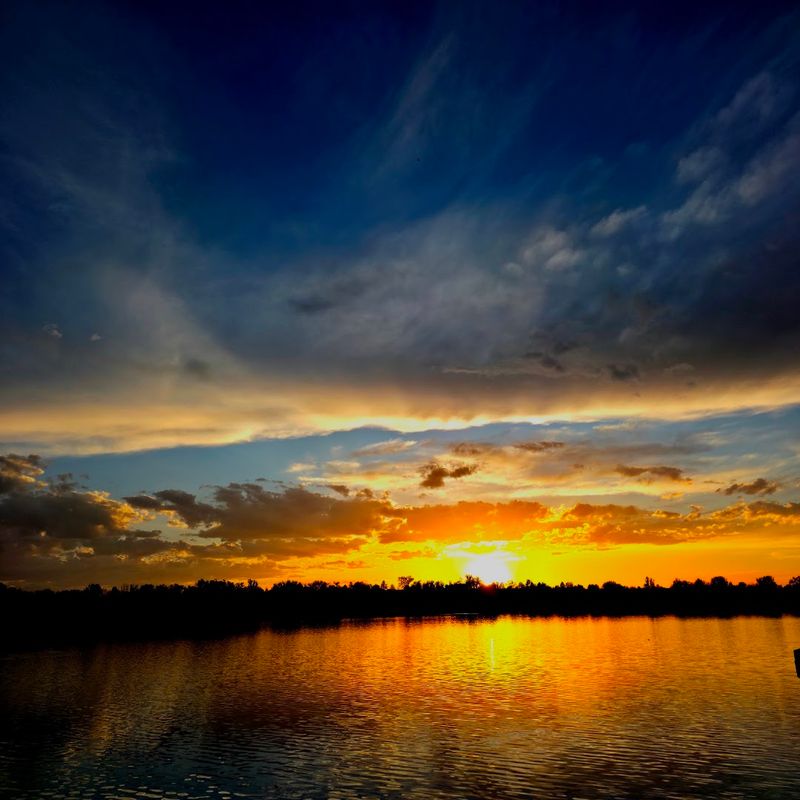
The lake’s origin story is more industrial than idyllic. Built in 1906 as Holling Lake Reservoir under the Carey Land Act of 1894, its entire purpose was to deliver irrigation water to the farmlands surrounding Billings, drawing from the Yellowstone River near Laurel through a 63-mile network of gravity-fed canals.
By 1929, the reservoir’s recreational potential was too obvious to ignore, and the owning family opened it to the public. The name “Elmo” came from Elmo McCracken, whose family owned the north shore in the 1920s and established the legendary Elmo Club in 1931, a two-story restaurant and nightclub famous for big band music, dancing, and waterfront entertainment.
That vibrant social hub burned down in a fire in 1946 and was never rebuilt, but its name lived on, and the area was officially designated a Montana State Park in the mid-1980s. The lake carries that layered history quietly beneath its surface every single day.
The Swimming Scene: Refreshing, Accessible, and Genuinely Fun
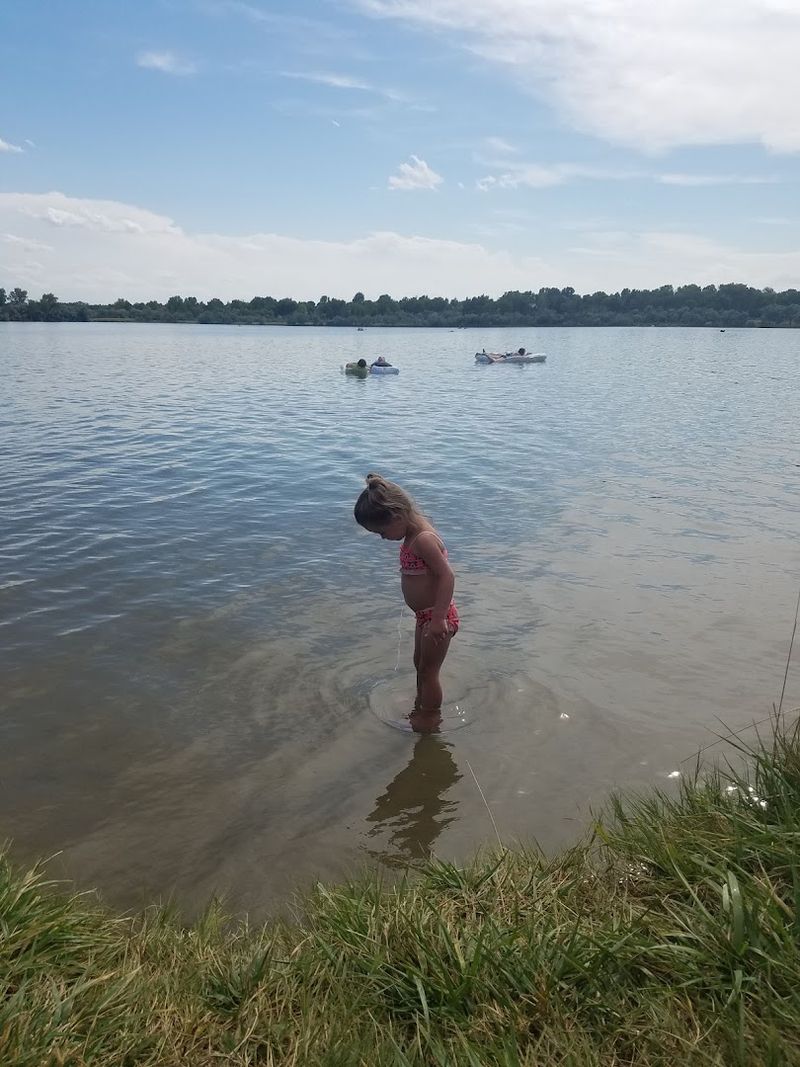
Three designated beach-front areas line the shores of Lake Elmo, giving swimmers plenty of room to spread out, splash around, and soak up the Montana sun. The water can run murky at times, as is completely normal for a natural reservoir, but that does not stop crowds of families from making a beeline for the shoreline the moment summer temperatures climb.
Children wade in the shallows, adults float in the deeper sections, and the general atmosphere along the beach has the relaxed, unhurried energy of a neighborhood pool crossed with an actual Montana lake. Outdoor showers are available near the beach, which is a small but genuinely appreciated detail after a long swim.
One honest note worth mentioning: the water quality can vary seasonally, and swimming is occasionally not recommended during certain periods, so checking current conditions before your visit is always a smart move. When conditions are good, though, this beach delivers exactly the kind of uncomplicated summer fun it promises.
Casting Lines and Chasing Catches at Rogers Pier
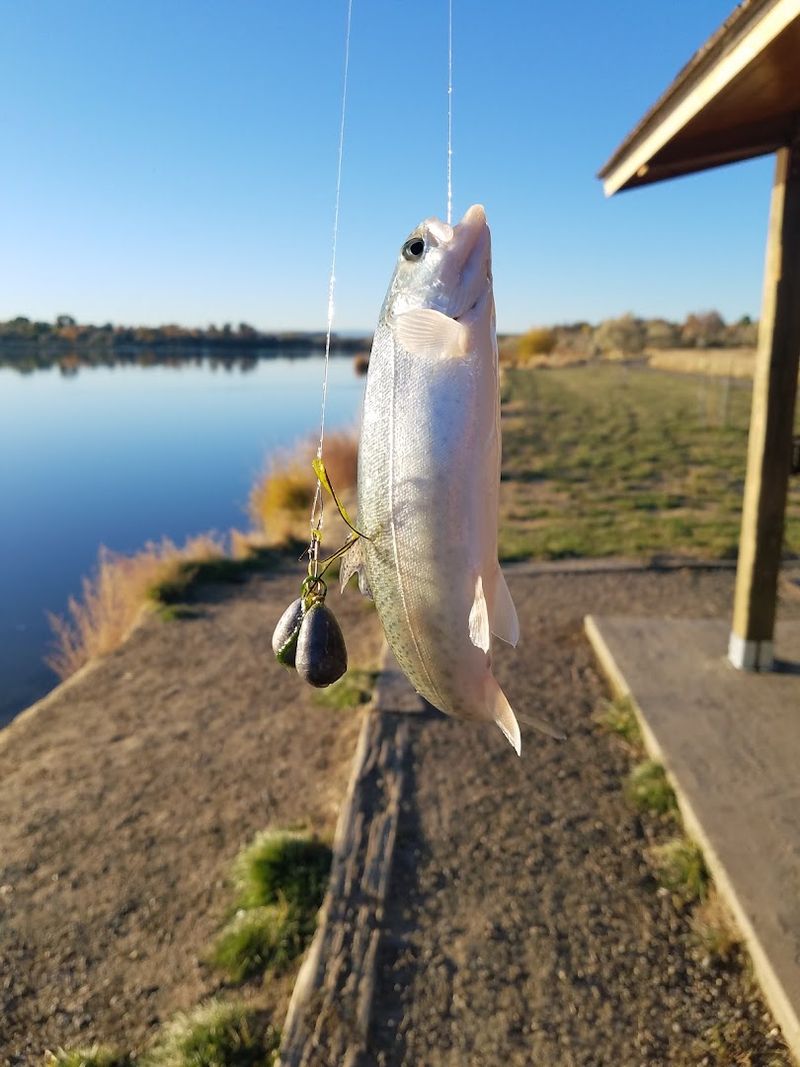
Rogers Pier, perched on the south shore, is the social hub of the Lake Elmo fishing community. On any given morning, you will find a mix of seasoned regulars and enthusiastic beginners lined up along its railings, lines in the water, eyes fixed on the surface with that particular brand of patient optimism that only anglers truly understand.
The lake supports a solid variety of species, including rainbow trout, smallmouth bass, yellow perch, and carp, with catfish being a particular crowd favorite, especially during evening and night fishing sessions. Montana Fish, Wildlife and Parks stocks the lake regularly, keeping the fishery healthy and the catches reasonably consistent.
The FWP Regional Office sits right on-site, making it easy to grab a fishing license or ask a question without driving across town. After the 2020 dewatering project to eliminate invasive Asian clams, the fishery was carefully re-established, and muskies were reportedly added to the mix, giving anglers an exciting new target to pursue on every visit.
Paddles, Boards, and the Quiet Joy of Non-Motorized Boating
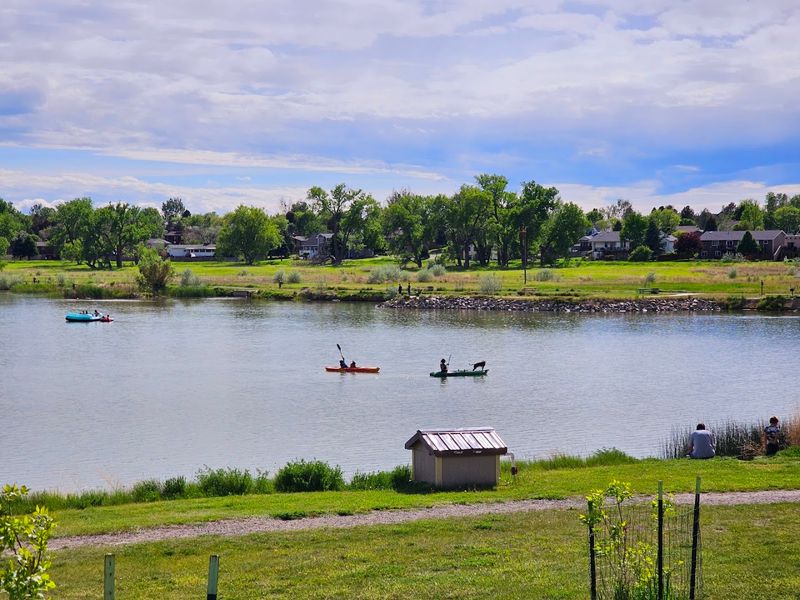
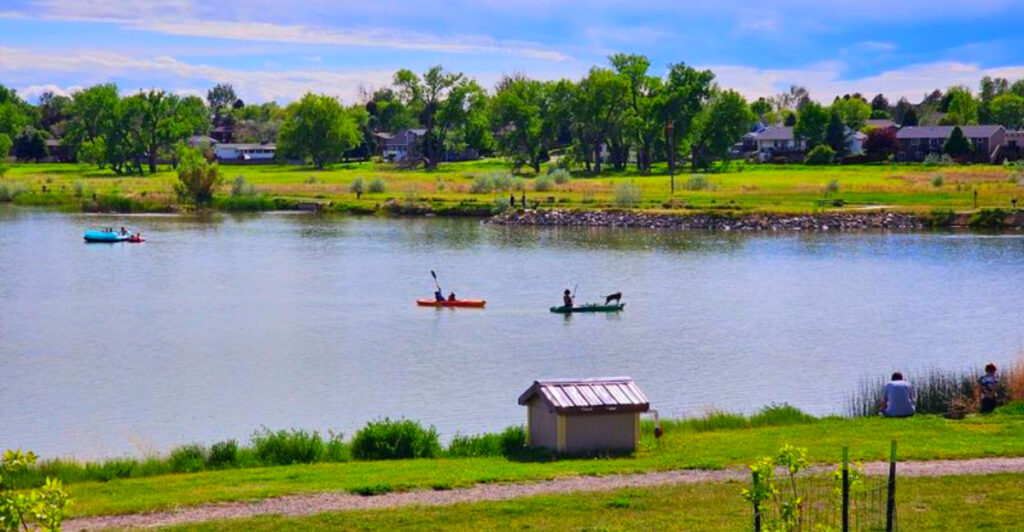
Motorized boats are not welcome here, and honestly, that restriction is one of the park’s best features. The absence of engine noise means the lake stays calm, quiet, and genuinely peaceful, creating ideal conditions for kayaking, canoeing, stand-up paddleboarding, and windsurfing.
The boat launch area on the shore makes getting your vessel into the water straightforward, and the 64-acre surface area gives paddlers enough room to explore without feeling crowded. Watching a line of colorful paddleboards glide across the water on a still summer morning is one of those simple, satisfying sights that makes you glad you showed up early.
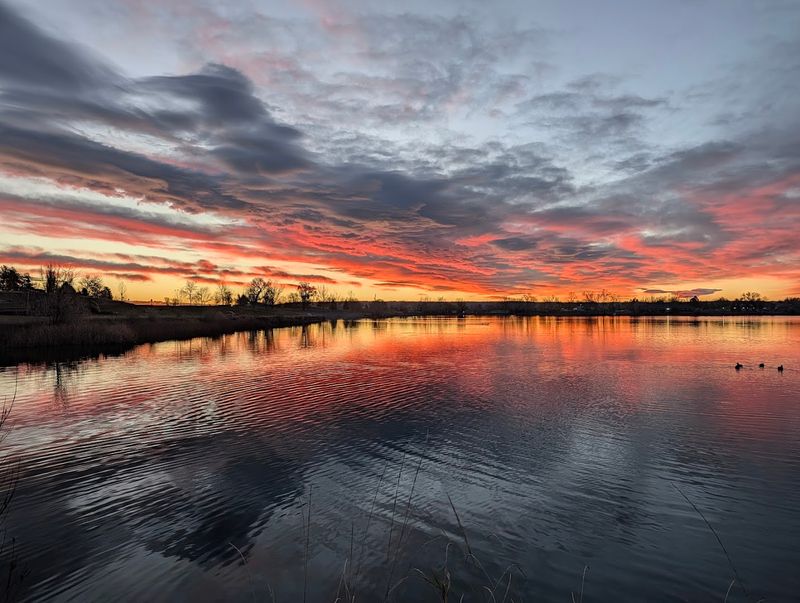
Beginners find the calm water forgiving and manageable, while more experienced paddlers appreciate the uninterrupted stretches for longer sessions. The reflective quality of the lake on windless days adds a visual bonus, doubling the sky and the surrounding landscape in the water below. Paddling here feels less like exercise and more like a moving meditation, which is a surprisingly rare thing to find within city limits.
The 1.4-Mile Trail That Feels Like a Different World
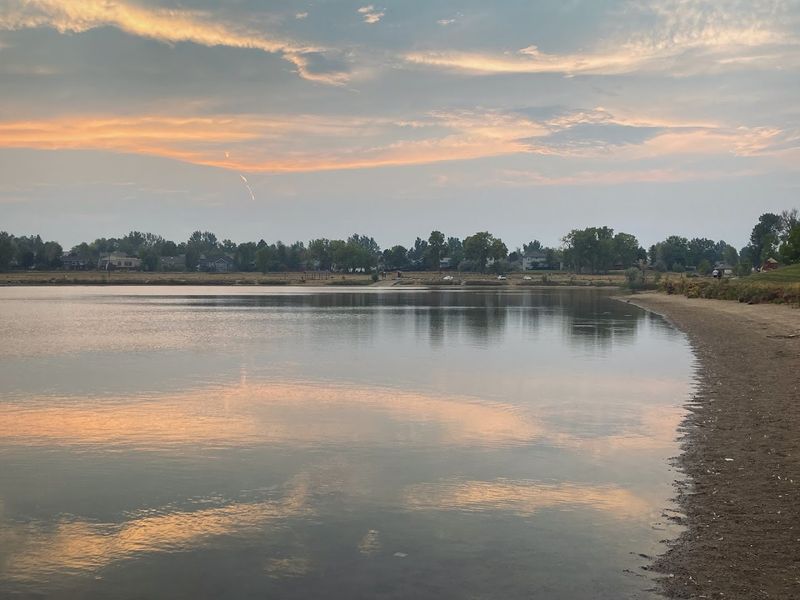
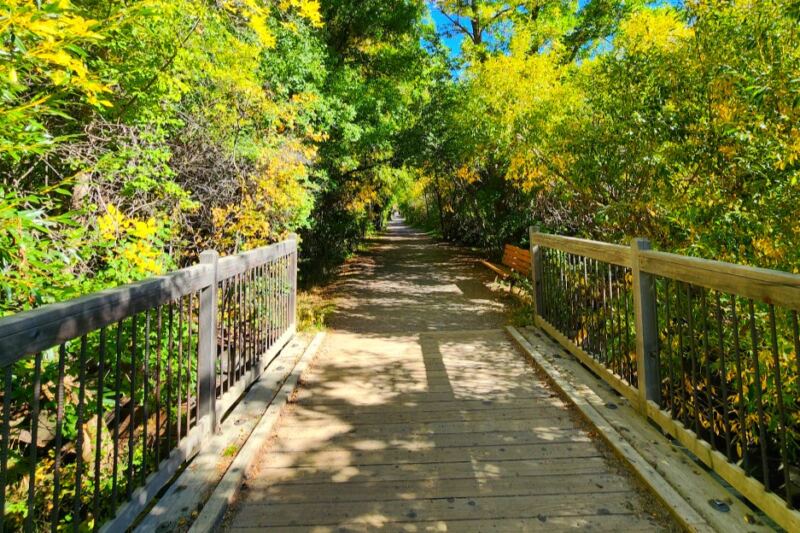
A 1.4-mile loop trail circles the entire lake, and it manages to feel both easy and rewarding at the same time. The path is partially paved and partially gravel, making it accessible to most visitors, though the gravel section can be a mild challenge for strollers depending on wheel size.
The trail passes through open grassy areas, small clusters of trees, and stretches of shoreline where the water comes right up to the path’s edge. Joggers use it for morning runs, families walk it with wagons and dogs, and solo visitors stroll it slowly enough to notice the ducks, sparrows, finches, and the occasional hawk that populate the surrounding landscape.
Foxes and deer have also been spotted along the route, which adds a genuine wildlife element to what might otherwise seem like a simple urban loop. The trail changes character with every season, offering golden autumn color, snow-dusted winter calm, and spring birdsong in equal measure. One full loop is rarely enough to feel finished with it.
The Dog Park That Actually Has Its Own Lake Access
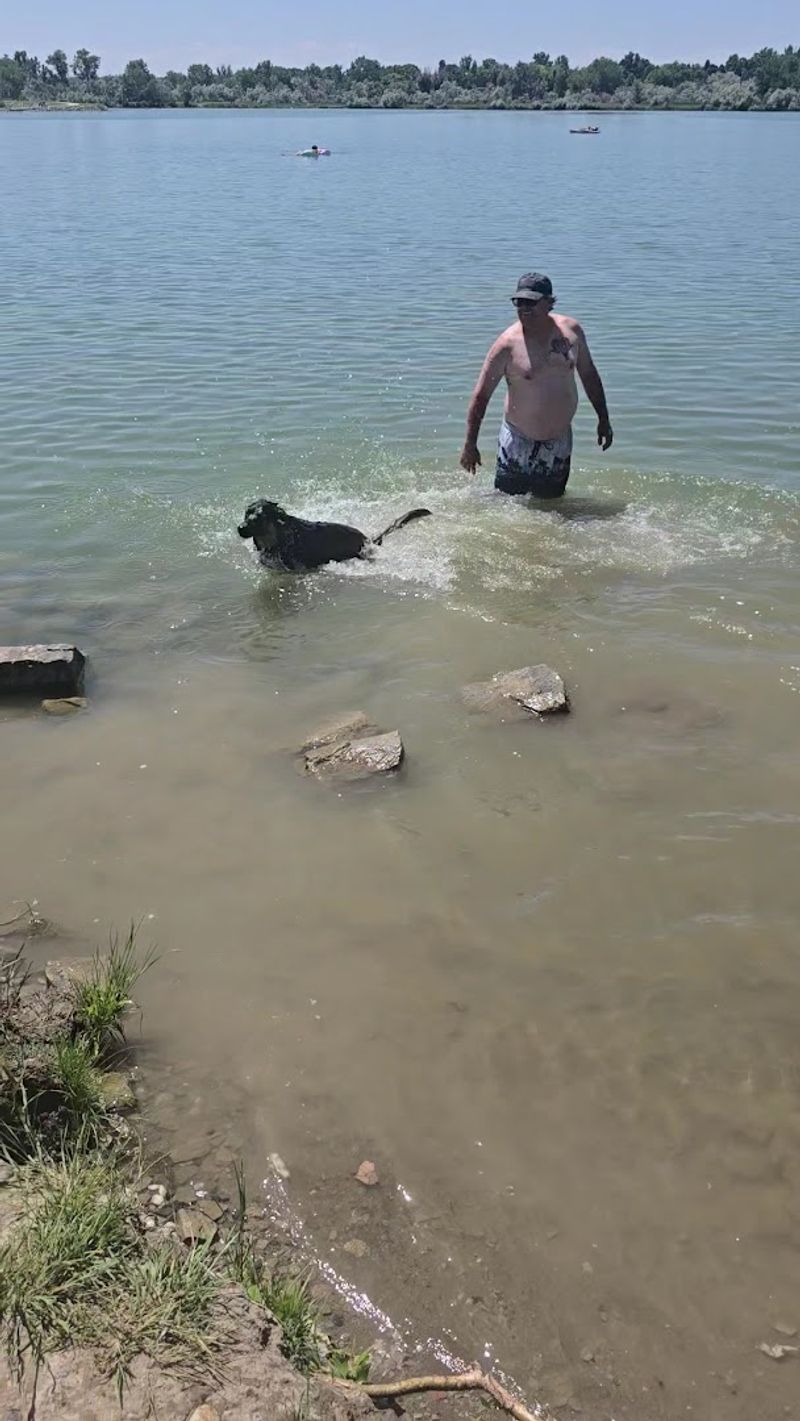
The fenced dog park on the west side of the lake is not your average patch of dry grass with a water bowl in the corner. This dedicated area gives dogs direct access to the lake, meaning your four-legged companion can run, splash, and paddle freely in a safe and enclosed environment.
Up to two dogs per visitor are permitted off-leash inside the fenced zone, and watching multiple dogs charge into the water simultaneously is one of the park’s most reliably joyful spectacles. Outside of this designated area, dogs must remain on a leash and be at least four months old, a rule that keeps the rest of the park comfortable for all visitors.
Dog owners gather here regularly, turning the dog park into its own little social scene where conversations start easily and tails rarely stop wagging. If your dog has never experienced the specific bliss of a lakeside off-leash run, this particular corner of Lake Elmo will make a very strong impression on both of you.
Picnics, Playgrounds, and the Art of Doing Nothing Productively
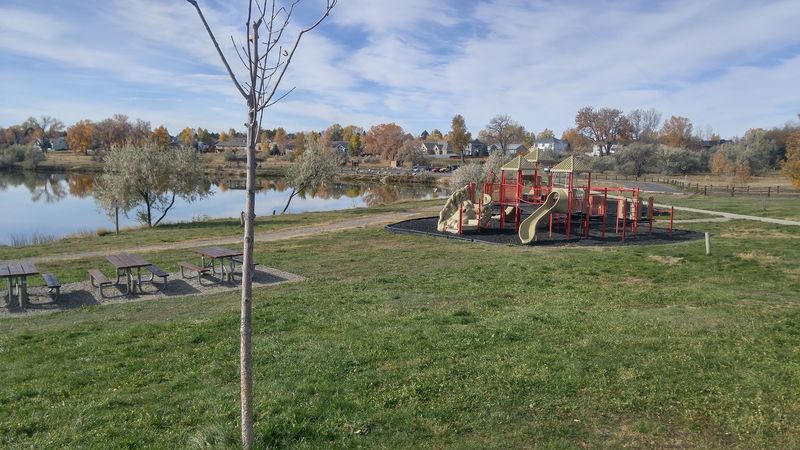
Some of the best moments at Lake Elmo happen without any equipment, reservations, or planned activities whatsoever. The park is generously outfitted with picnic tables and shelters scattered throughout the grounds, offering shaded spots for everything from a quick lunch to a multi-family reunion spread.
Reservable picnic shelters are available for larger groups, which makes the park a practical choice for birthday parties, team outings, and family gatherings that need a reliable outdoor venue. The playground keeps younger visitors entertained while adults settle into the slower rhythm of a lakeside afternoon.
Grills are also available on-site, so the option to cook your own meal rather than packing everything pre-made is genuinely on the table. The combination of shade, water views, and the distant sounds of children on the playground creates an atmosphere that is quietly restorative in a way that feels almost accidental. You sit down for lunch and somehow two hours pass without anyone noticing or minding at all.
Accessibility That Goes Beyond a Ramp
The Action Trackchair available at Lake Elmo State Park is not a minor amenity. This all-terrain power wheelchair can be reserved free of charge through the park manager or the FWP Regional Office, and it opens the primary trail and the ADA-accessible fishing pier to visitors who would otherwise find those areas difficult or impossible to navigate independently.
The FWP Regional Office on-site also doubles as an interpretive center on weekdays, offering educational programming about local wildlife and the park’s ecological history. Picking up a fishing license there before heading to Rogers Pier is a genuinely convenient option that saves a separate trip across town.
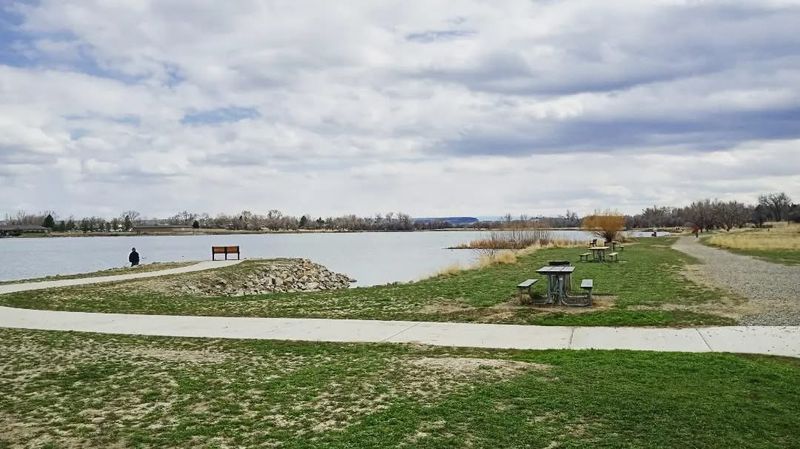
Long sidewalks run along the beach side of the lake, making a significant portion of the park accessible without requiring any special equipment. These thoughtful design choices reflect a genuine commitment to making the outdoors available to everyone, not just those who can handle rough terrain without assistance. The park’s accessibility features are worth highlighting specifically because they are consistently well-maintained and actually functional.
Wildlife That Shows Up Without an Invitation
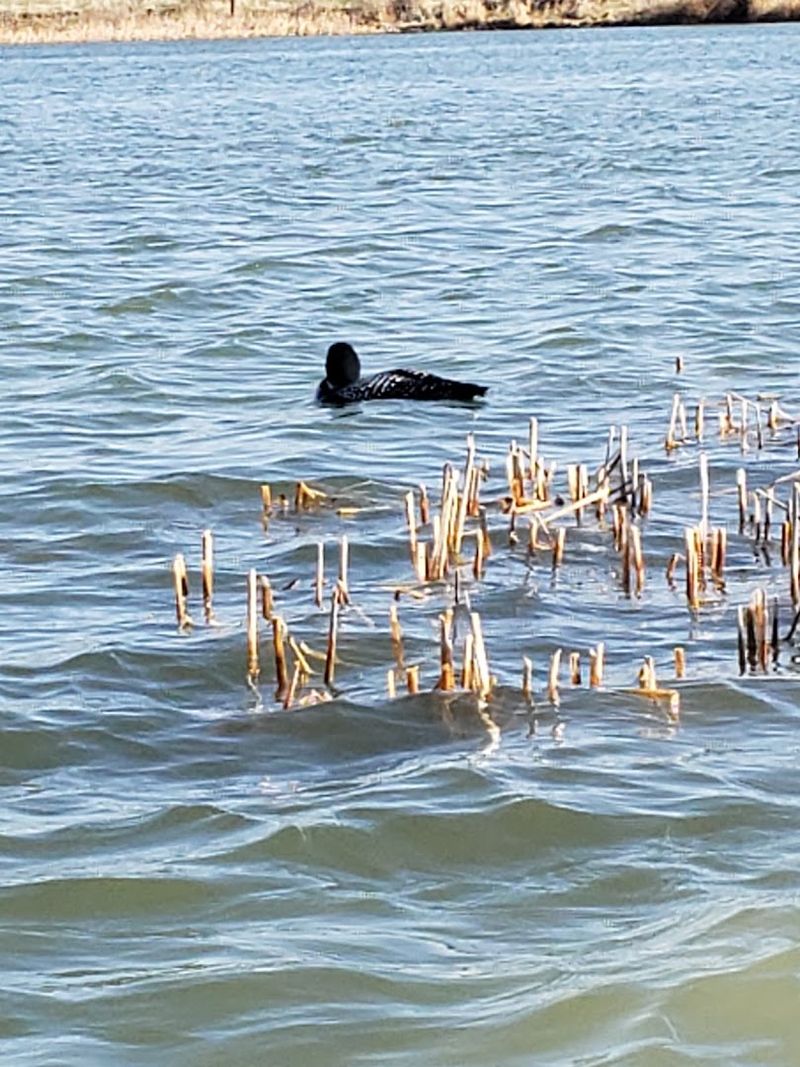
The lake’s re-establishment after the 2020 dewatering project brought back not only fish but also a richer variety of wildlife than many visitors expect from an urban park. A loon took up residence in the lake following the restoration, which is the kind of detail that stops you mid-stride on the trail.
Ospreys have been spotted diving for fish, great blue herons work the shallows with their characteristic slow patience, and ducks paddle across the surface in clusters throughout the warmer months. Robins, finches, and sparrows fill the trees along the trail with enough noise to make the walk feel genuinely alive.
Foxes and deer make occasional appearances, particularly in the quieter early morning hours when human foot traffic is minimal. The lake’s position within a residential neighborhood means wildlife and city life exist in an unusual but surprisingly comfortable overlap here. Spotting a fox trotting along the trail edge while a family cycles past on the other side is the kind of only-in-this-park moment that earns a second visit.
Timing Your Visit for the Best Experience
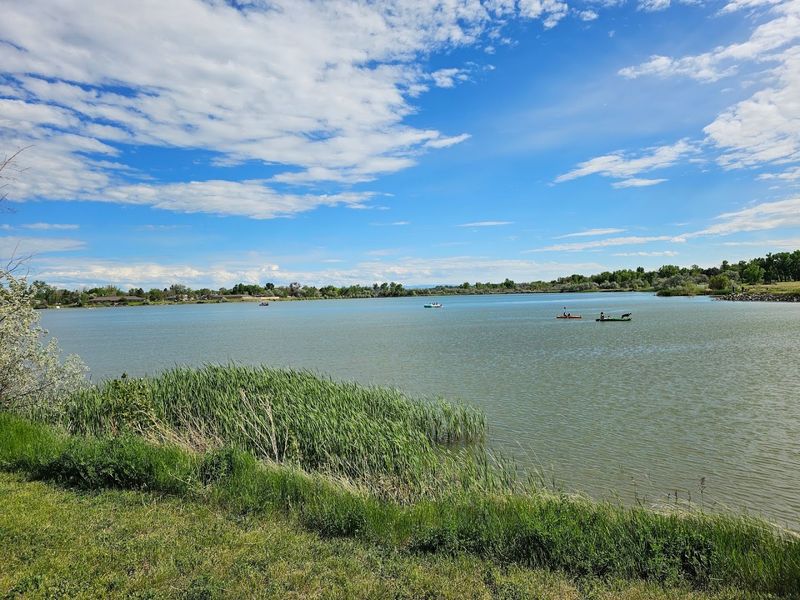
Summer is peak season at Lake Elmo, and for good reason. The water warms up, the beaches fill with swimmers, and the trail sees its heaviest foot traffic between late June and August. Weekend afternoons during this period can get crowded, but arriving before 10 AM on a Sunday usually means you have the lake largely to yourself for at least an hour or two.
Spring brings noticeably less foot traffic and noticeably more birdsong, making it a favorite season for walkers and wildlife watchers who prefer a quieter atmosphere. Fall delivers some of the most visually striking conditions of the year, with the lake reflecting the surrounding autumn colors in a way that feels almost theatrical.
The park is open daily from 5 AM to 10 AM year-round, which means even winter visitors can take a brisk lap around the trail on a clear day. Non-resident day-use fees apply seasonally from Memorial Day through Labor Day, typically running around five dollars per vehicle, a small cost for what the park consistently delivers.
Why This Urban Park Keeps Earning Its Reputation
Lake Elmo State Park holds a 4.4-star rating from over a thousand visitors, and the consistency of that score across such a large number of reviews says something real about the place. It is not a hidden secret or a best-kept local tip anymore. It is a well-loved, well-maintained community anchor that reliably delivers on its promises.
The combination of swimming, fishing, paddling, hiking, dog-friendly spaces, accessible amenities, and wildlife watching in a single 123-acre urban park is genuinely unusual. Most parks this close to a city center specialize in one or two of those things. Lake Elmo manages all of them simultaneously without any single activity feeling like an afterthought.
Families return here across seasons and across years, building the kind of easy, layered familiarity with a place that turns a park visit into something closer to a ritual. The lake has been drawing people to its shores since 1929, and based on everything it continues to offer, that tradition shows absolutely no sign of slowing down.
Share this story