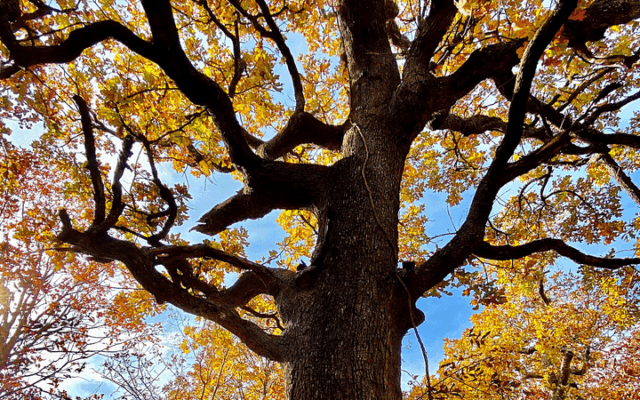
Somewhere in Oklahoma, tucked away from the noise of everyday life, there is a forest that has been quietly growing for centuries. Ancient oaks stretch overhead, their gnarled branches telling stories that predate anything most of us will ever see.
Knowing a place like this exists in the state is one thing, but actually standing beneath those trees is something else entirely. If you have been looking for a reason to lace up your hiking shoes and head outdoors, this is it.
A Forest That Time Forgot Near Tulsa
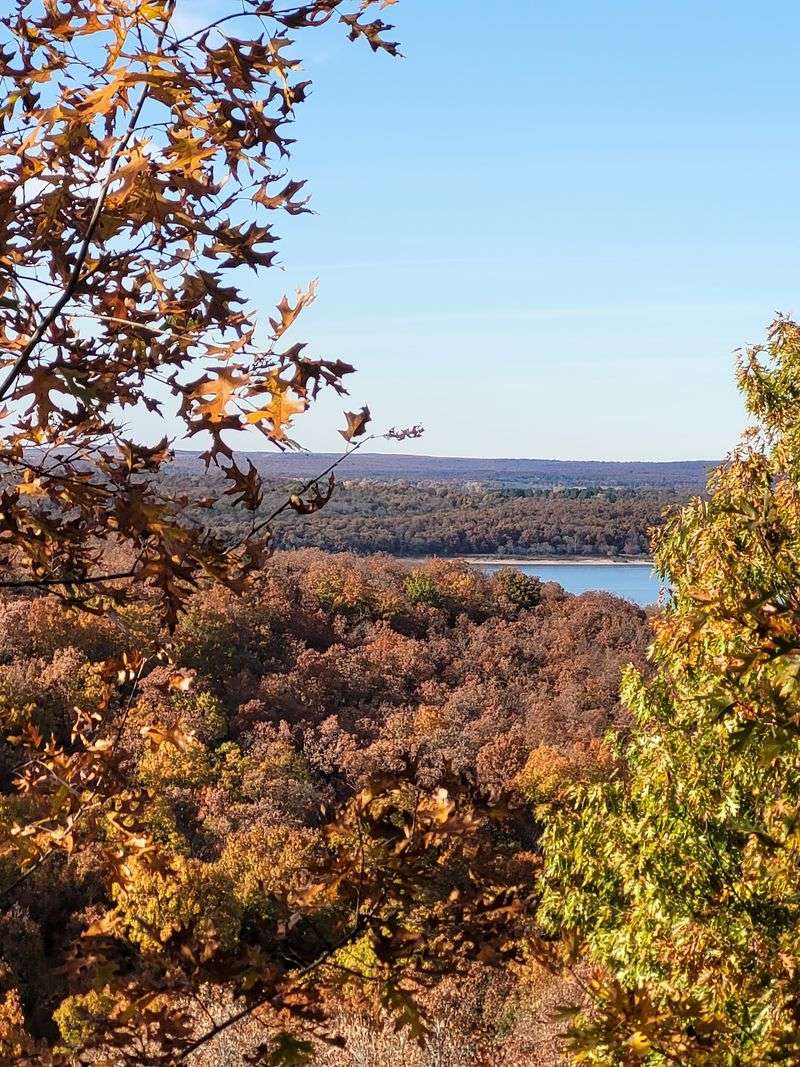
Just outside Sand Springs, a short drive from Tulsa, Keystone Ancient Forest sits on land that has never been developed or cleared. That fact alone makes it extraordinary by Oklahoma standards.
While so much of the state has been reshaped by agriculture and industry over the past two centuries, this particular stretch of forest has been left to grow on its own terms.
The result is a rare ecosystem anchored by post oaks and blackjack oaks that are believed to be anywhere from 300 to 500 years old. Walking among them feels genuinely different from any other trail in the region.
The canopy is thick, the air smells earthy and cool, and the scale of the trees puts everything into quiet perspective.
Located at 160 Ancient Forest Drive in Sand Springs, the preserve is managed with real care and intention. Visitors often mention feeling surprised by how remote and peaceful it feels, given how close it sits to a major metro area.
For anyone craving a slice of untouched Oklahoma wilderness without a long drive, this forest delivers in a way that is hard to overstate.
Centuries of Growth Without Interruption
Most forests in Oklahoma have been logged, farmed, or otherwise altered at some point in their history. Keystone Ancient Forest is a genuine exception.
Because it has never been commercially developed, the trees here have had centuries to grow without interruption, producing the kind of old-growth character that is almost impossible to find anywhere in the southern plains.
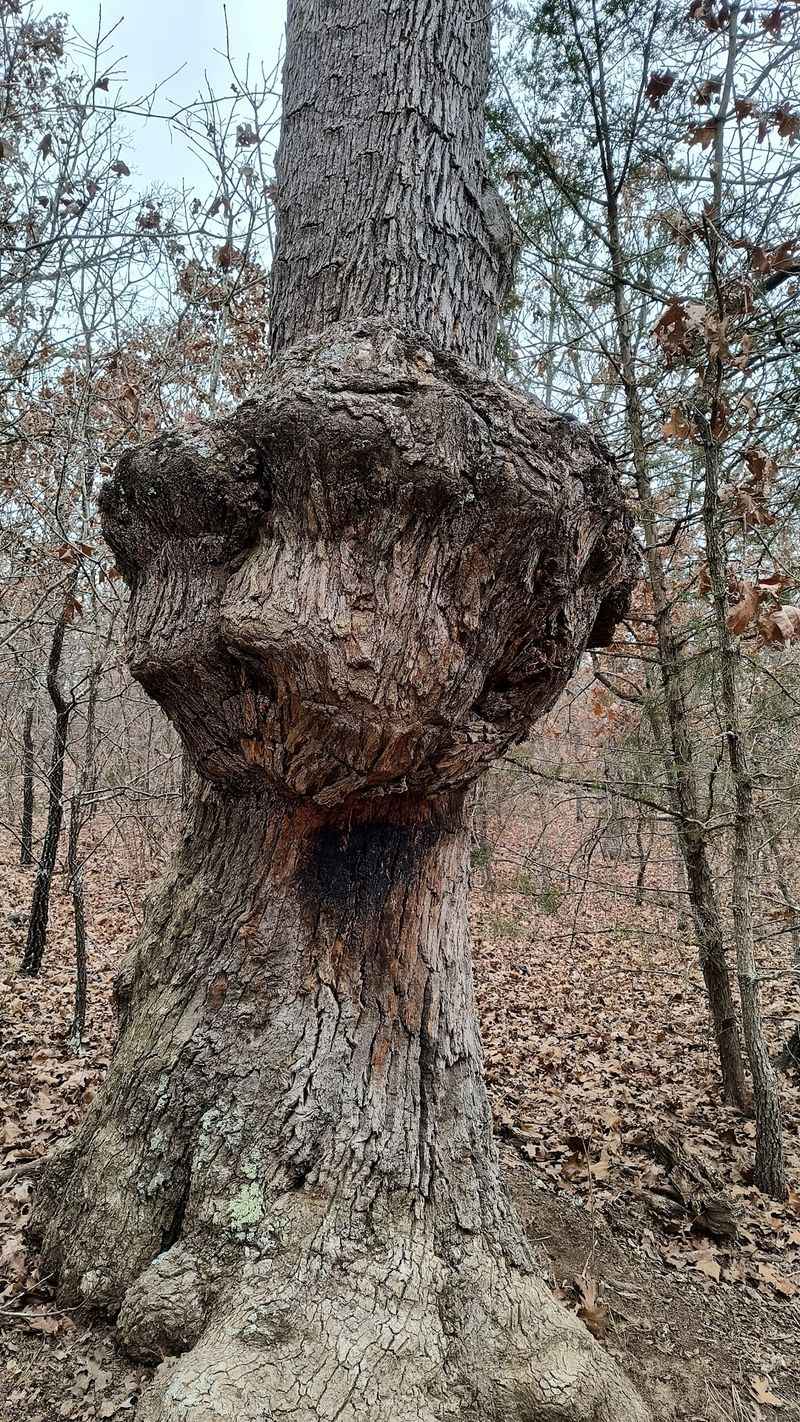
The post oaks and blackjack oaks that dominate the landscape are the stars of the show. Some of these trees have trunks so wide and bark so deeply furrowed that they look more like sculptures than living plants.
Visitors often stop mid-trail just to put a hand on the bark and absorb the fact that these trees were already old when European settlers first arrived in North America.
Informational signs placed along the trails add helpful context, pointing out specific species and explaining the ecological significance of what visitors are seeing. Rangers and docents are enthusiastic about sharing the history of the forest, and their knowledge makes the experience feel more meaningful.
Knowing what you are looking at turns a pleasant hike into something closer to a genuine education in Oklahoma natural history.
Trail Options for Every Kind of Hiker
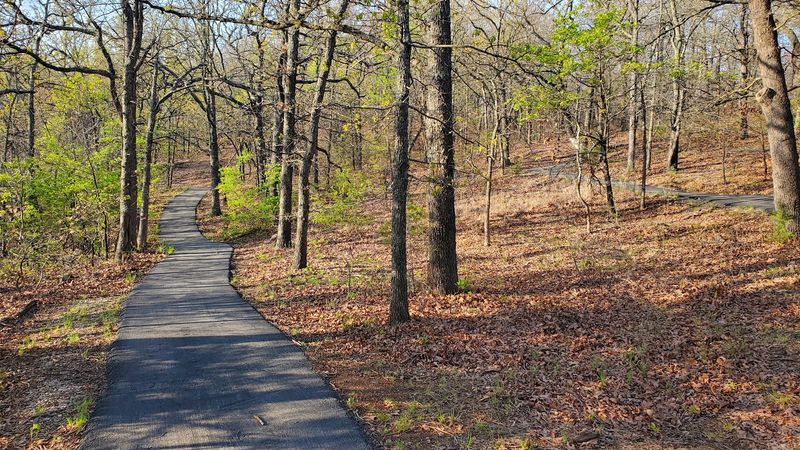
One of the most appealing things about Keystone Ancient Forest is how well it accommodates different fitness levels and hiking preferences. Whether someone is a seasoned trail runner or a first-time hiker bringing young children, there is a route that fits.
The trail system currently includes five distinct paths, each with its own character and challenge level.
The Childer Trail is a paved loop under a mile long, making it ideal for strollers, casual walkers, and anyone who simply wants a gentle introduction to the forest. Frank’s Trail covers roughly 1.5 to 2 miles of packed dirt and offers a pleasant, shaded experience without demanding too much effort.
The Less Traveled Trail stretches to 4.5 miles of moderate difficulty, while Wilson’s Trail packs a surprising challenge into just one mile.
The Falls Trail is the headliner at 3.5 miles rated difficult, featuring rocky terrain, creek crossings, steep inclines, and some genuinely dramatic elevation changes in the back half. Visitors who complete it describe feeling thoroughly worked out but deeply satisfied.
The variety across all five trails means repeat visits never feel repetitive, and most hikers find themselves planning a return trip before they have even reached the parking lot.
The Falls Trail and What Waits at the Hard Part
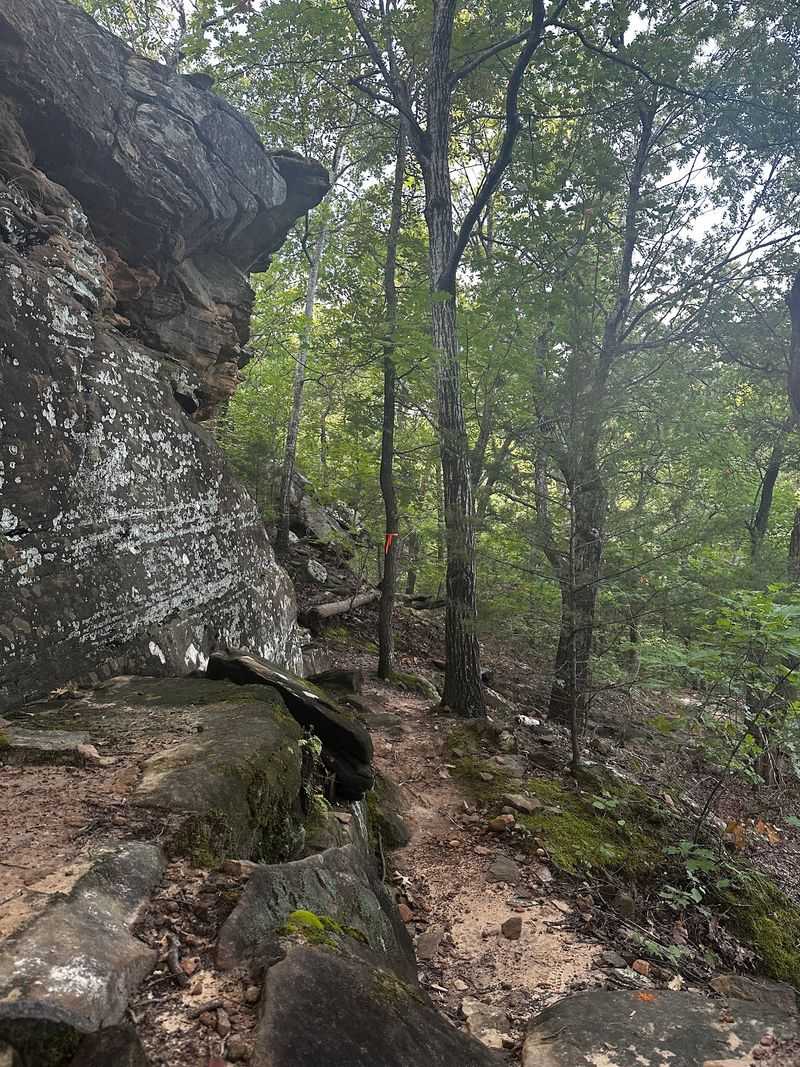
Earning its difficult rating honestly, the Falls Trail is the kind of hike that starts out deceiving you. The first half is relatively flat and easy to walk, moving through shaded forest on a comfortable packed-dirt surface.
Many hikers report feeling pleasantly surprised early on, wondering what all the fuss about the difficulty rating was about.
Then the terrain shifts. Rocky sections begin appearing underfoot, and the trail starts climbing with increasing determination.
Mile markers 118 and 119 are where most hikers feel the burn, as the grade steepens and the footing demands more attention. Larger boulders appear, creek crossings add variety, and the canopy, while keeping you shaded from direct sun, also traps the humidity close to the ground on warm days.
The payoff for pushing through is a genuine sense of accomplishment and some of the most interesting natural scenery in the region. Rock formations line the trail, dry creek beds wind alongside the path, and the forest feels progressively wilder the deeper you go.
A cold water jug near the butterfly garden provides welcome relief partway through, and the color-coded flag system on the trees keeps navigation straightforward even when the trail gets rugged and remote-feeling.
Wildlife and Natural Wonders Along the Way
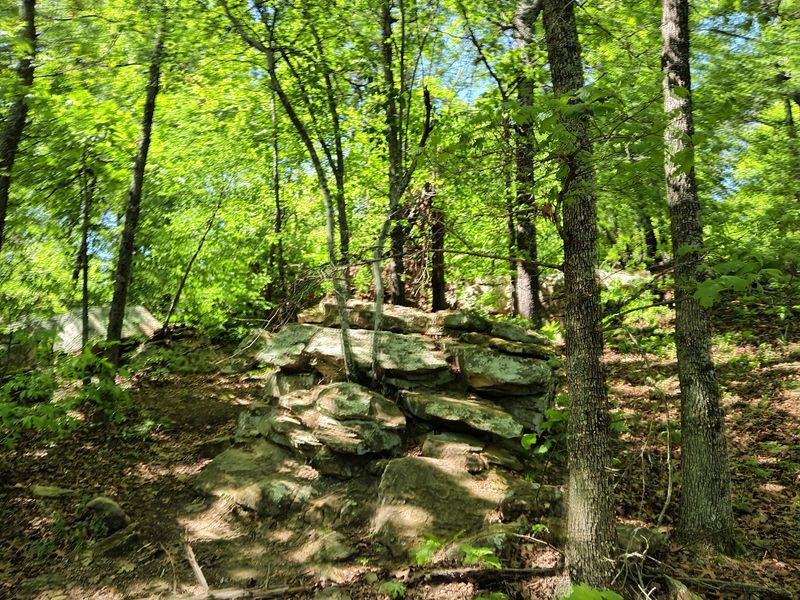
Beyond the ancient trees themselves, Keystone Ancient Forest is alive with wildlife that catches visitors off guard in the best possible way. Armadillos are a surprisingly common sighting, particularly on quieter weekday visits.
Skinks dart across rocks and roots, birds call from deep within the canopy, and deer tracks appear regularly in the soft soil near the creek beds.
Birdwatchers tend to find the forest particularly rewarding. The thick, undisturbed canopy provides habitat for species that prefer mature woodland environments, and the variety of oaks and hickories supports a rich food web that keeps the ecosystem thriving.
Visitors who move quietly and take their time are frequently rewarded with close encounters that feel genuinely wild rather than managed.
Seasonal changes add another layer of interest. Fall brings dramatic color as the deciduous oaks and hickories turn, and several visitors have specifically mentioned the autumn foliage as a highlight worth planning a trip around.
Spring brings wildflowers and fresh green growth, while summer offers the deep shade that makes even warm-weather hikes bearable. One visitor spotted what appeared to be intentionally bent marker trees, adding a layer of historical mystery to an already fascinating landscape.
Accessibility Features That Set This Place Apart
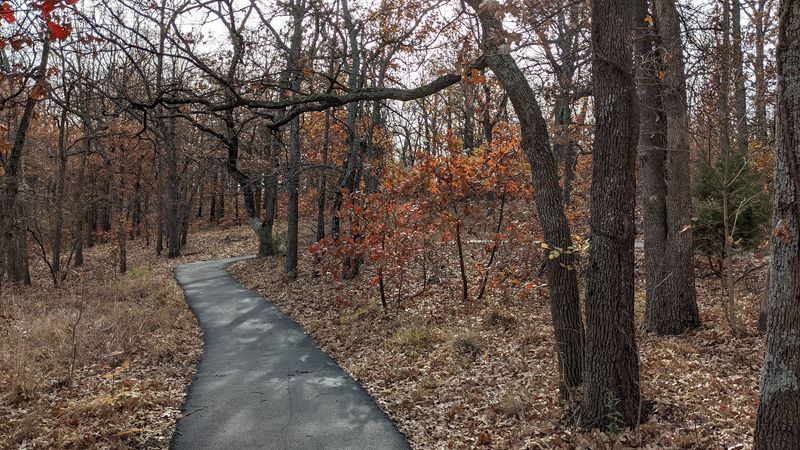
Outdoor spaces that genuinely welcome everyone are still rarer than they should be, which makes Keystone Ancient Forest stand out in a meaningful way. The Childer Trail provides a paved, accessible route through the forest that works well for wheelchairs, strollers, and visitors with mobility considerations.
At under a mile, it offers a real taste of the ancient landscape without requiring rugged terrain navigation.
Even more impressive is the availability of off-road Trek Chairs, motorized wheelchairs equipped with joystick controls that allow users to explore trails beyond the paved path. These can be reserved at no cost through the forest website, making backcountry-style access a realistic option for visitors who might otherwise be excluded from that experience.
Reviewers specifically call out this feature as something that genuinely impressed them.
The staff and volunteers who run the preserve clearly put thought into inclusion at every level. Wide trail surfaces, benches placed at regular intervals throughout the trail system, and the well-maintained paved loop all reflect a commitment to making the forest accessible rather than treating accessibility as an afterthought.
For families with mixed ability levels, this kind of planning removes barriers that would otherwise make a group outing complicated or stressful to coordinate.
The Visitor Center as a Genuine Base Camp
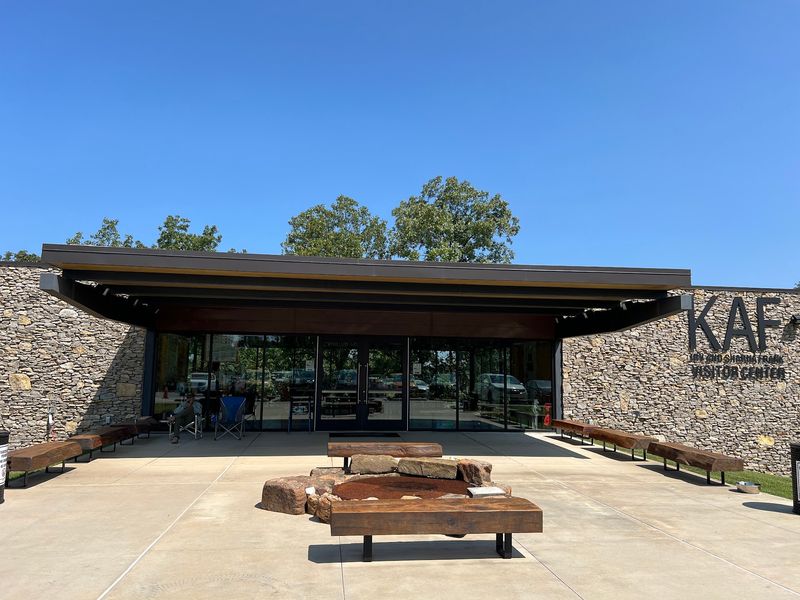
Arriving at Keystone Ancient Forest, the visitor center sets an immediately welcoming tone. Knowledgeable staff and volunteers are typically on hand to greet hikers, assess their fitness level and interests, and recommend a trail that fits.
This personalized approach is something visitors mention repeatedly, and it genuinely changes the experience for those who are new to the area or unsure where to start.
Inside the center, clean restrooms and a water fountain for bottle refills make practical preparation easy. Hiking poles are available to borrow at no charge, which is a thoughtful touch for anyone who did not think to bring their own.
A small selection of souvenirs includes magnets, pins, keychains, beanies, T-shirts, and stickers for those who want a memento of the visit.
Outside the visitor center, misters provide cooling relief on warm days, and a row of rocking chairs invites hikers to sit and decompress after a long trail. A trail condition board near the entrance flags current hazards like mud or wet rocks, keeping safety front of mind without making the experience feel overly managed.
The combination of practical amenities and genuine hospitality turns the visitor center into more than just a starting point; it feels like the heart of the whole operation.
Safety Systems Built Into Every Trail
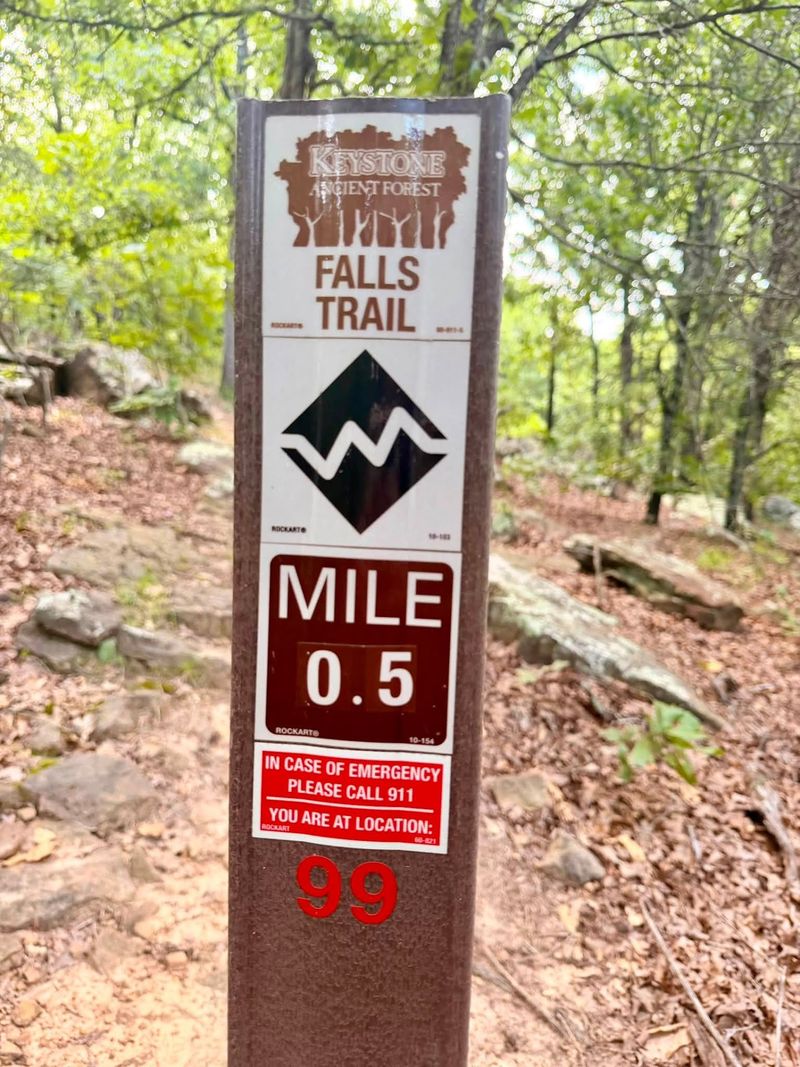
Few hiking areas at this scale put as much thought into trail safety as Keystone Ancient Forest does, and the details are worth understanding before you set out. Every trail is marked with color-coded flags tied to the trees, helping hikers stay on the correct route even when the path gets rocky or the terrain starts to look similar in all directions.
The system is intuitive once explained, and staff at the visitor center walk every visitor through it before they head out.
Mile markers along the trails display location numbers rather than simple distances. In the event of an emergency, a hiker can relay their nearest marker number to rescuers, allowing help to reach them quickly and accurately.
Blue flags at certain points indicate the fastest exit route to the Fire Road, providing a clear escape option for anyone who needs to leave the trail in a hurry due to weather, fatigue, or any other reason.
Drop buckets at the trailhead allow hikers with dogs to leave waste bags without carrying them the entire way back, a small convenience that makes pet-friendly visits tidier. Hydration stops with cold water available at key points along the longer trails ensure that even hikers who underestimate the distance have a safety net.
The overall system reflects genuine care for visitor wellbeing rather than a checkbox approach to trail management.
Hours, Access, and What to Know Before You Go
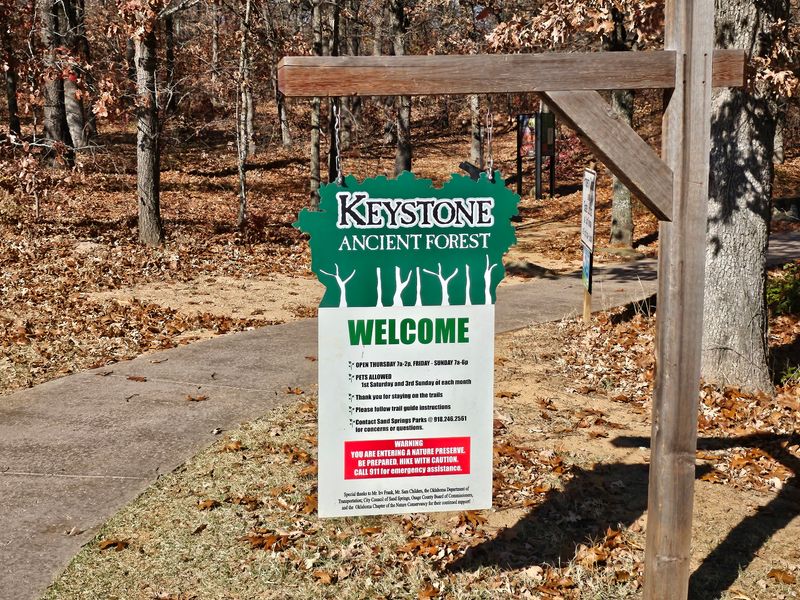
Planning a visit to Keystone Ancient Forest requires a little scheduling awareness, because the preserve is not open every day of the week. The forest is open Thursday from 7 AM to 2 PM, and Friday through Sunday from 7 AM to 6 PM.
Monday, Tuesday, and Wednesday are closed, so arriving on the wrong day means a wasted drive. Checking the schedule before heading out is a simple step worth taking.
Parking is free, and the lot is described as spacious enough to handle a busy weekend without stress. Admission to the trails does not carry a fee, which makes this one of the better-value outdoor experiences in the Tulsa area.
The preserve is located at 160 Ancient Forest Drive in Sand Springs, and visitors consistently report it being easy to find without getting turned around.
Pets are welcome, but only on the first and third weekends of each month, so dog owners should verify the schedule before bringing their animals. The forest phone number is 918-246-7795 for anyone with specific questions.
Guided art walks are offered on the first Sunday of each month at 2 PM, adding a creative angle for visitors who want something beyond a standard hike. Bringing water, wearing comfortable shoes, and arriving early on warm days are all habits that make the experience noticeably better.
Share this story