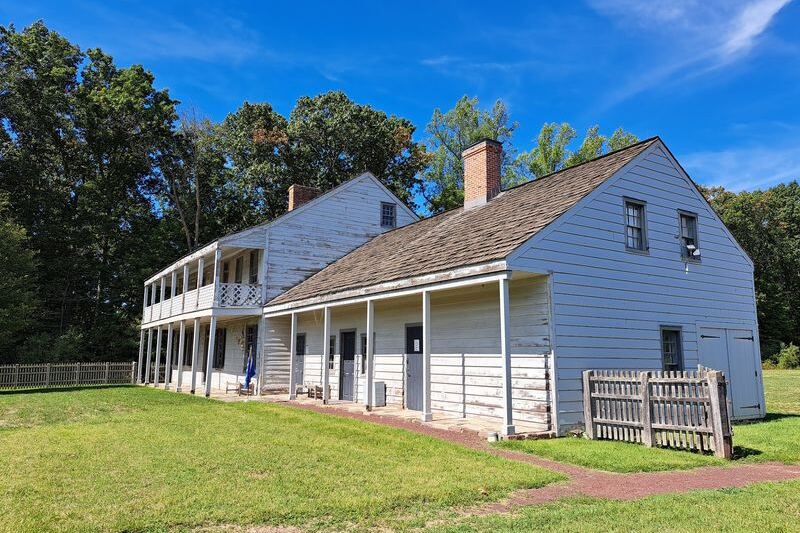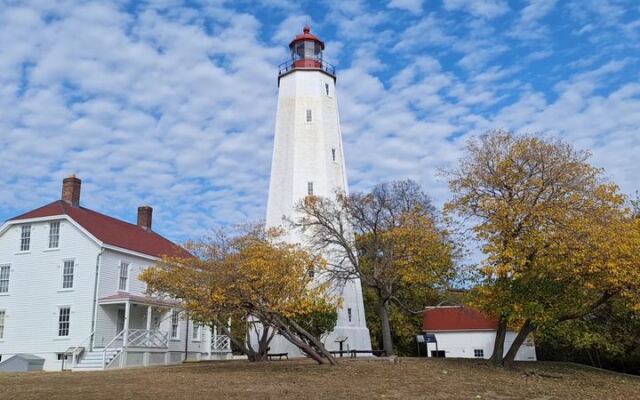
The final stretch to the top of this tower isn’t a step at all. It’s a ladder, waiting after 95 spiral stairs, and it leads to a view of the New York City skyline across the harbor.
That tower was built in 1764. It was already shining more than a decade before the Declaration of Independence existed.
I can’t imagine many New Jersey landmarks with a resume like that, and it still works today.
The best part? Seeing it up close costs nothing.
Park rangers lead short tours, the old keeper’s house holds a small museum, and deer often wander the surrounding grounds.
I like how something this old can still feel like a fresh discovery. So what does it actually feel like to reach the top of America’s oldest working lighthouse?
A Stone Beacon Near the Tip of a Peninsula
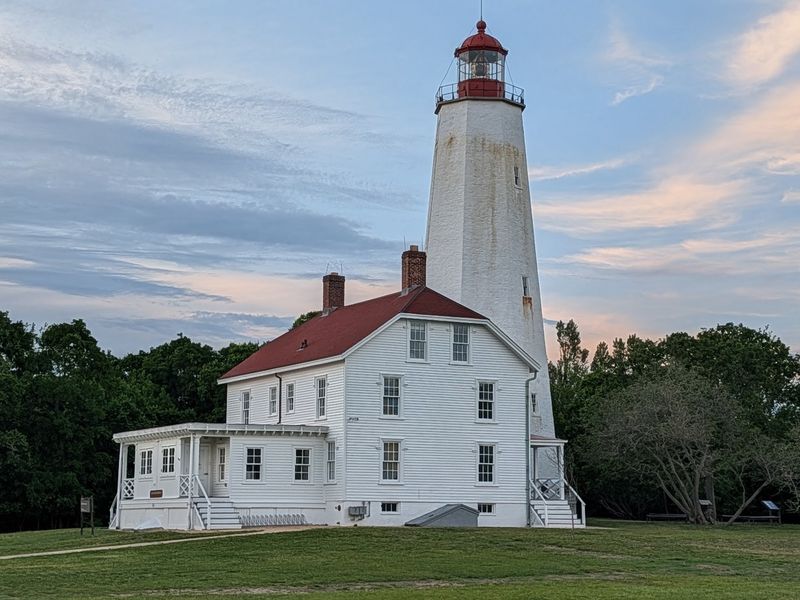
Standing near the north end of a long, skinny peninsula, the Sandy Hook Lighthouse is hard to miss. Its tall octagonal stone tower rises above the flat landscape like a patient lookout.
The lighthouse sits inside the Sandy Hook unit of Gateway National Recreation Area, managed by the National Park Service. That means it shares space with beaches, bike paths, trails, and a former military base.
Here’s the headline fact worth repeating at dinner. It’s the oldest continuously operating lighthouse in the United States.
Plenty of old lighthouses survive as museum pieces, but this one still does its job.
The setting adds plenty to the appeal. Water surrounds the Hook on several sides, so harbor and ocean views come with the territory.
New Jersey residents may know Sandy Hook mostly as a beach destination. Many drive right past the tower on their way to the sand.
That’s a shame, honestly, because this beacon packs centuries of history into one compact stop.
The grounds open early and close late, giving you flexibility. You can treat it as a quick detour or the centerpiece of a full day out.
Either approach works beautifully here.
Older Than the Declaration of Independence
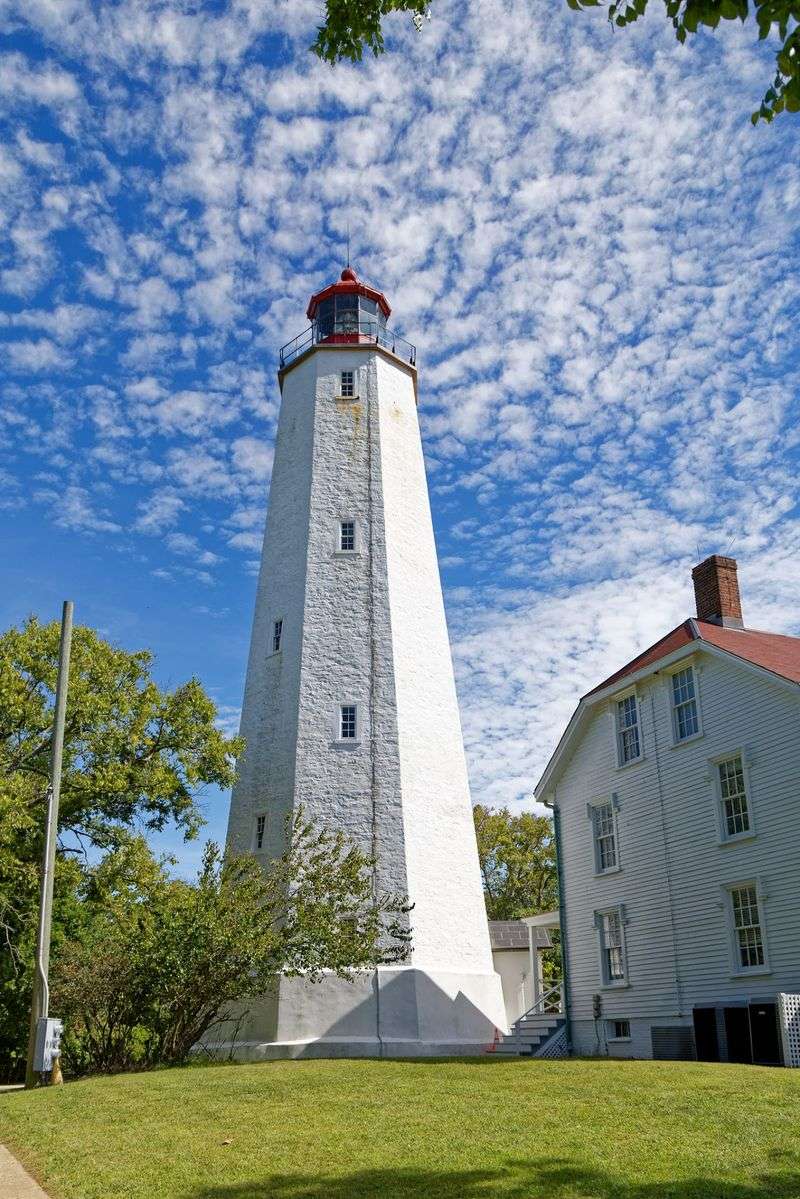
Builders finished this tower in 1764. George Washington was still a Virginia planter back then, and the country we know didn’t exist yet.
Ships heading into New York Harbor needed help navigating the tricky waters around the Hook. A lighthouse here made obvious sense, and merchants were eager for safer passage.
Then came the Revolutionary War, and the story gets dramatic. British forces captured the beacon and used it for their own purposes.
American cannon fire targeted the tower, yet the sturdy stone held firm.
That toughness explains why it still stands today. Thick masonry walls weathered storms, wartime damage, and more than two and a half centuries of salty coastal air.
The lighthouse is now a National Historic Landmark. It earned that title by surviving long enough to watch an entire nation grow up around it.
History fans will appreciate how much context surrounds the tower. Naval, NOAA, and other historic buildings dot the area nearby.
Standing at the base, you’re surrounded by layers of American coastal history, from colonial shipping to modern weather science. Not bad for a stop that costs nothing to visit.
Those Famous 95 Steps and One Sneaky Ladder
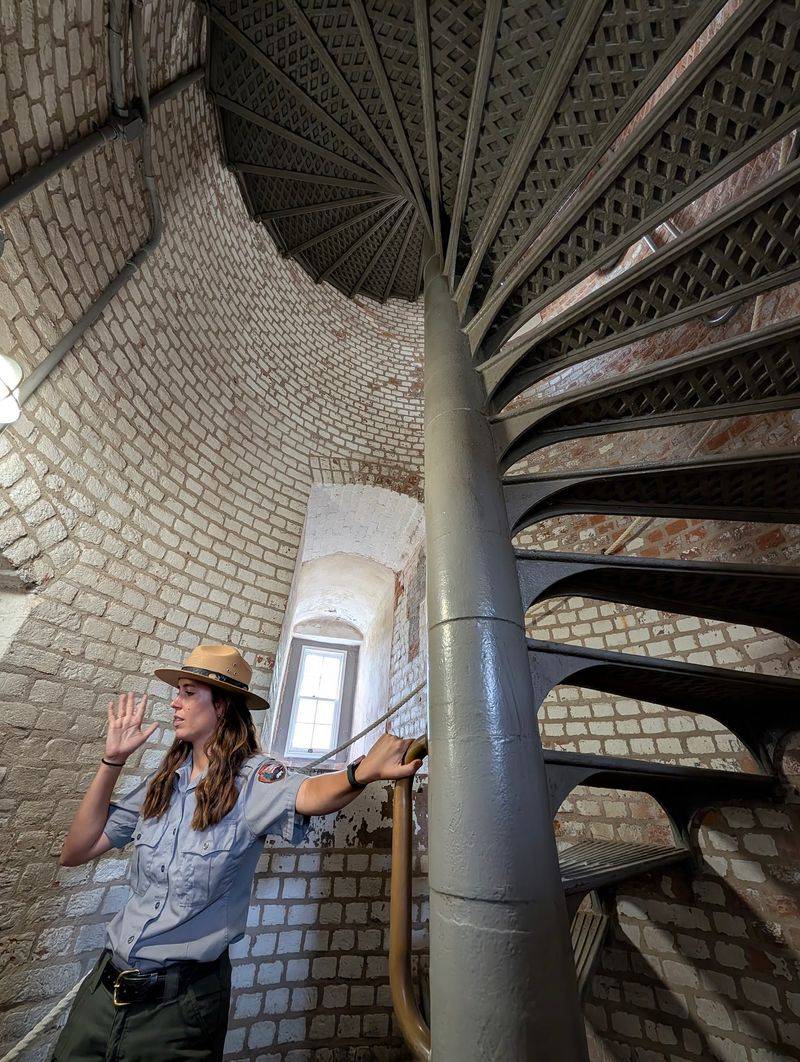
Ninety-five steps sounds manageable on paper. Then you remember they spiral upward inside a narrow stone tower built in the 1700s.
Guided tours take visitors up that winding staircase toward the top. Most folks describe the climb as fairly easy, though a few joke about feeling it in their legs afterward.
The real twist waits near the end. A ladder at the very top provides access to the observation area.
Yes, you finish this adventure like a sailor climbing into a crow’s nest.
Wear sturdy shoes and bring a little patience. The staircase is snug, and groups move together with a ranger leading the way.
Hot days can change plans, so keep expectations flexible. On some especially warm afternoons, rangers have stopped groups short of the very top for safety and comfort.
Still, even partial climbs reveal fascinating details. You can see how the tower narrows as it rises and how thick the walls are.
It gives you real respect for the keepers who made this trip daily. They did it without a guide cheering them on, too.
A 360-Degree Payoff Over Harbor and Ocean
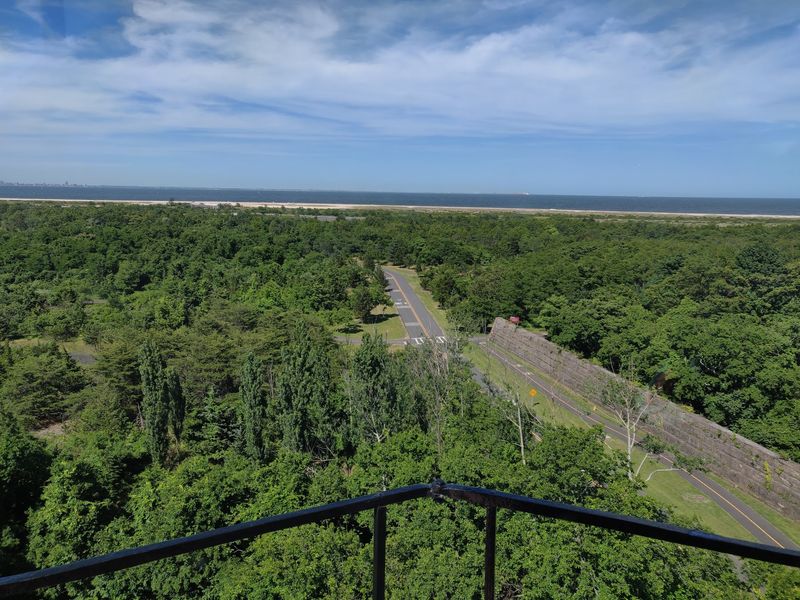
Reach the top and the whole region spreads out around you. The view stretches in a full circle, covering New York Harbor, the Atlantic Ocean, and the peninsula below.
On clear days, the New York City skyline appears across the water. Seeing those towers from a colonial-era lighthouse feels delightfully strange, like two centuries sharing one window.
Look down and Sandy Hook reveals its shape. Beaches, trees, historic buildings, and winding roads trace the narrow strip of land.
Rangers often explain what you’re seeing from up there. They point out landmarks and shipping routes, which turns a pretty view into a geography lesson you’ll actually remember.
Cameras come out fast at this point, naturally. Just make sure to put yours down for a moment and take it all in without a screen.
The view also clarifies why this spot mattered so much. From this height, you can understand how ships relied on the beacon to find their way.
Standing where keepers once stood, the purpose of the tower suddenly makes perfect sense. It’s history you can see stretching to the horizon.
Ranger-Led Tours on a First-Come Basis
Timing matters if you want to go inside. Tours of the Sandy Hook Lighthouse run during certain hours and operate on a first-come, first-served basis.
Schedules can shift with the season, so checking ahead with the National Park Service is smart. Tours haven’t been available on some early-season visits, and staffing changes can affect access.
The tour itself is short, often around 20 minutes. That makes it easy to fit between beach time and a bike ride.
Park rangers and volunteers lead the groups, and they get consistent praise for being knowledgeable and friendly. They share stories of lighthouse keepers, military personnel, and the beacon’s long working life.
Arriving early improves your chances of snagging a spot. Groups are small because the tower is narrow, so tour slots fill up.
Missed the last one? Don’t sweat it too much.
The grounds remain open, and the guides nearby are often happy to answer questions. You’ll still leave knowing far more than when you arrived.
Plus, you’ll have a great excuse to plan a return trip and try again.
The Keeper’s Quarters Museum and Gift Shop
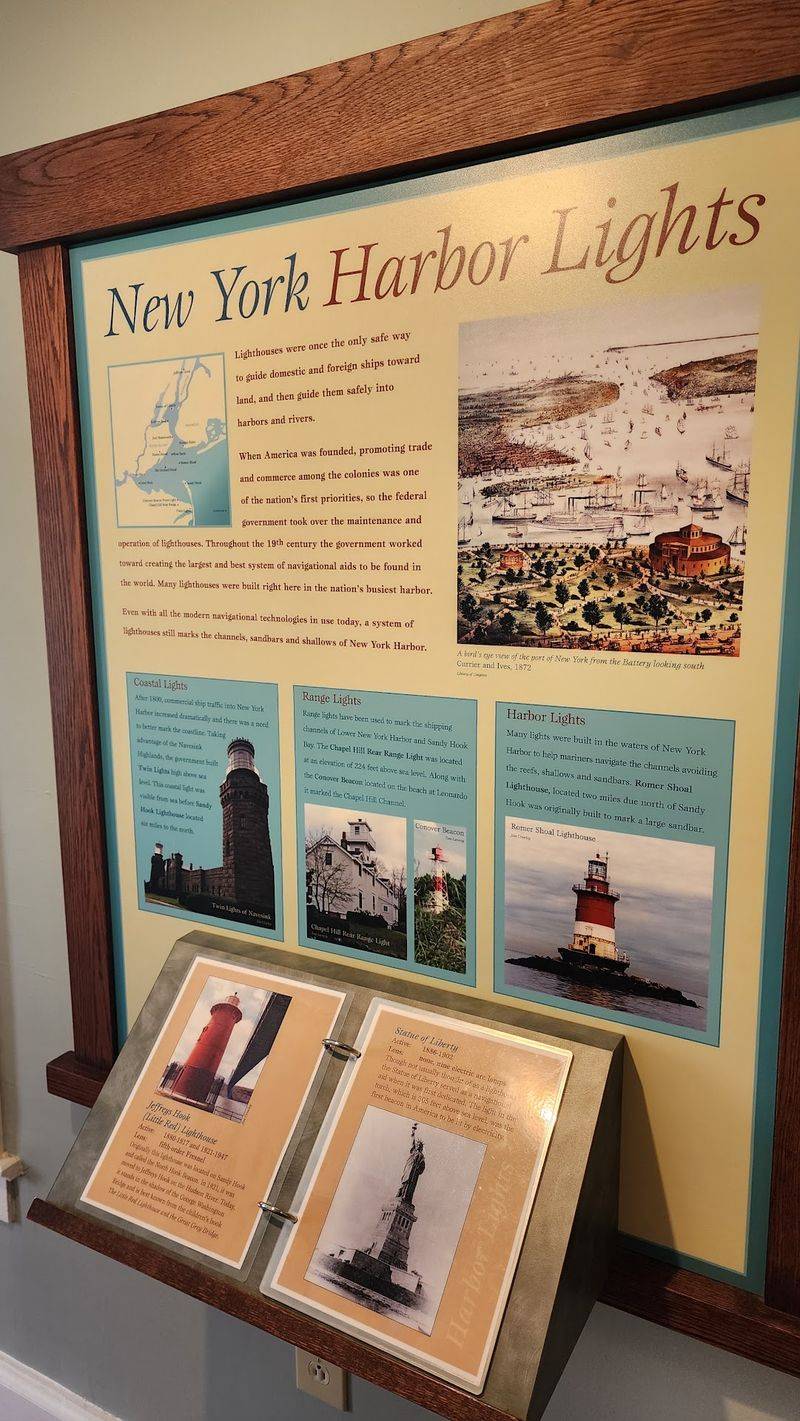
Right beside the tower sits the old keeper’s house. It now serves as a small museum and visitor center packed with lighthouse lore.
Inside, exhibits explain the role of the lighthouse and its long history. A rolling video offers a quick introduction, perfect for anyone who likes context before exploring.
Kids tend to love the hands-on elements. Interactive displays let them press buttons and watch lights glow, and a large touch screen walks through the lighthouse timeline.
The museum also covers other lighthouses in New Jersey. That makes it a great backup plan if the tower tour isn’t running or the climb isn’t for you.
A small gift shop rounds out the building. It’s been cash only in the past, so tuck a few bills in your pocket just in case.
Keep in mind the building isn’t always open. Government shutdowns and seasonal schedules have closed it at times.
When it is open, though, it adds real depth to the visit. You get to imagine daily life for the families who once kept this beacon burning through stormy nights.
Bunkers and Barracks From Fort Hancock
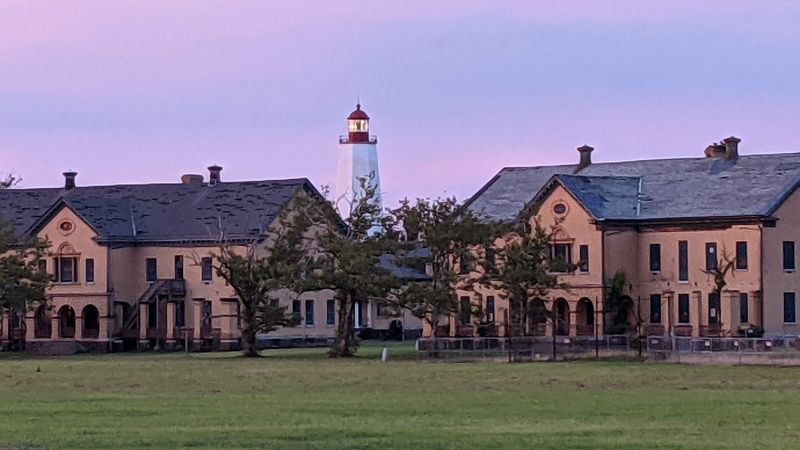
Cross the road from the lighthouse and you’ll find a mortar battery. Sandy Hook’s military past sits right next door.
The area includes an old military base, Fort Hancock, with historic houses and buildings scattered around. Bunkers, barracks, and officers’ homes make the neighborhood feel like a time capsule.
History buffs can easily spend an extra hour wandering. Plenty of signs provide self-guided information, so you don’t need a tour to understand what you’re seeing.
The military layer adds a fascinating contrast. The lighthouse protected ships through guidance, while the fortifications guarded the harbor entrance in a much different way.
Walking among these structures gives the peninsula a mood all its own. Quiet streets and weathered buildings invite slow exploration and plenty of photos.
Families with curious kids will find lots to talk about here. How did soldiers live?
Why put defenses on this spot? The answers connect directly back to the lighthouse and the busy harbor it served.
It’s one big outdoor classroom, and nobody hands out a test at the end.
Deer, Seals, and Maybe a Snowy Owl
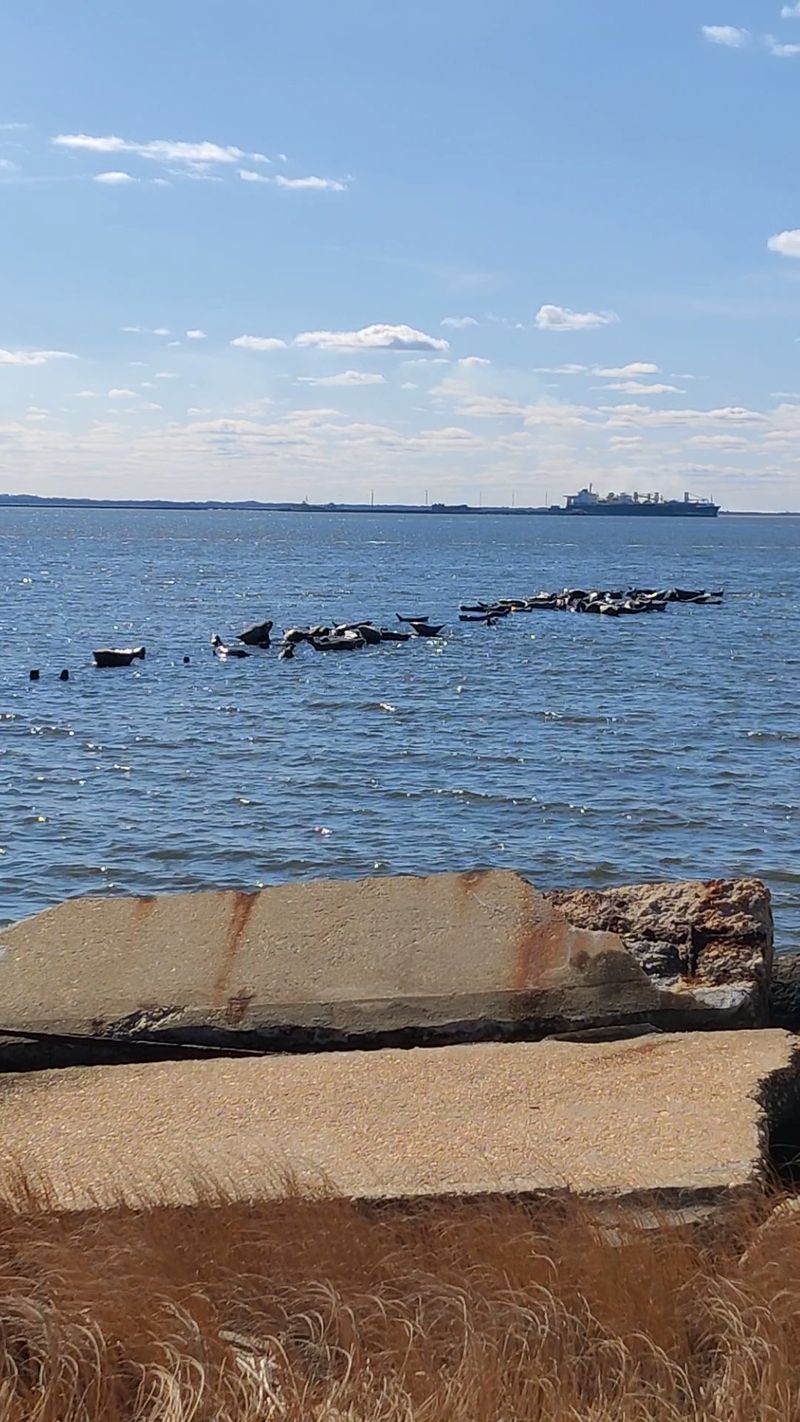
Deer often graze calmly on the grounds around the tower. Spotting them against the old stone backdrop feels like a scene from a storybook.
Wildlife is a big part of Sandy Hook’s charm. Rabbits and foxes are also known to roam the area, adding surprise sightings to an ordinary walk.
Seals show up along the shoreline at times, too. Keep a respectful distance and enjoy them from afar, since they’re wild animals resting on their own terms.
Winter brings talk of snowy owls visiting the area. Sightings aren’t guaranteed, but birders keep their binoculars handy for a reason.
The peninsula’s mix of beaches, trees, and open spaces supports this variety. Flowers and native plants add color, especially in the warmer months.
For New Jersey families, this pairing is a sweet bonus. You come for a historic lighthouse and might leave talking about a fox.
Kids especially love scanning the grass for movement while adults read the history signs. Just remember not to feed any animals.
Keeping them wild keeps them healthy and keeps the magic going for the next visitors.
Sunset Walks and Photo Moments
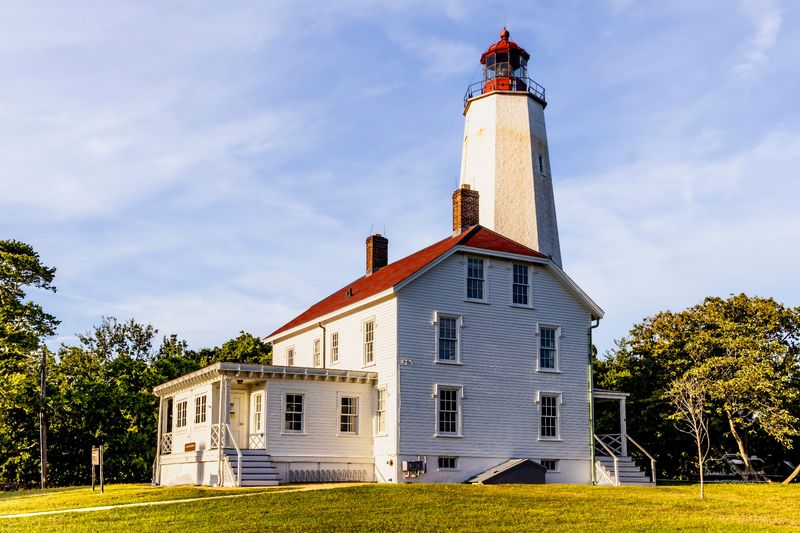
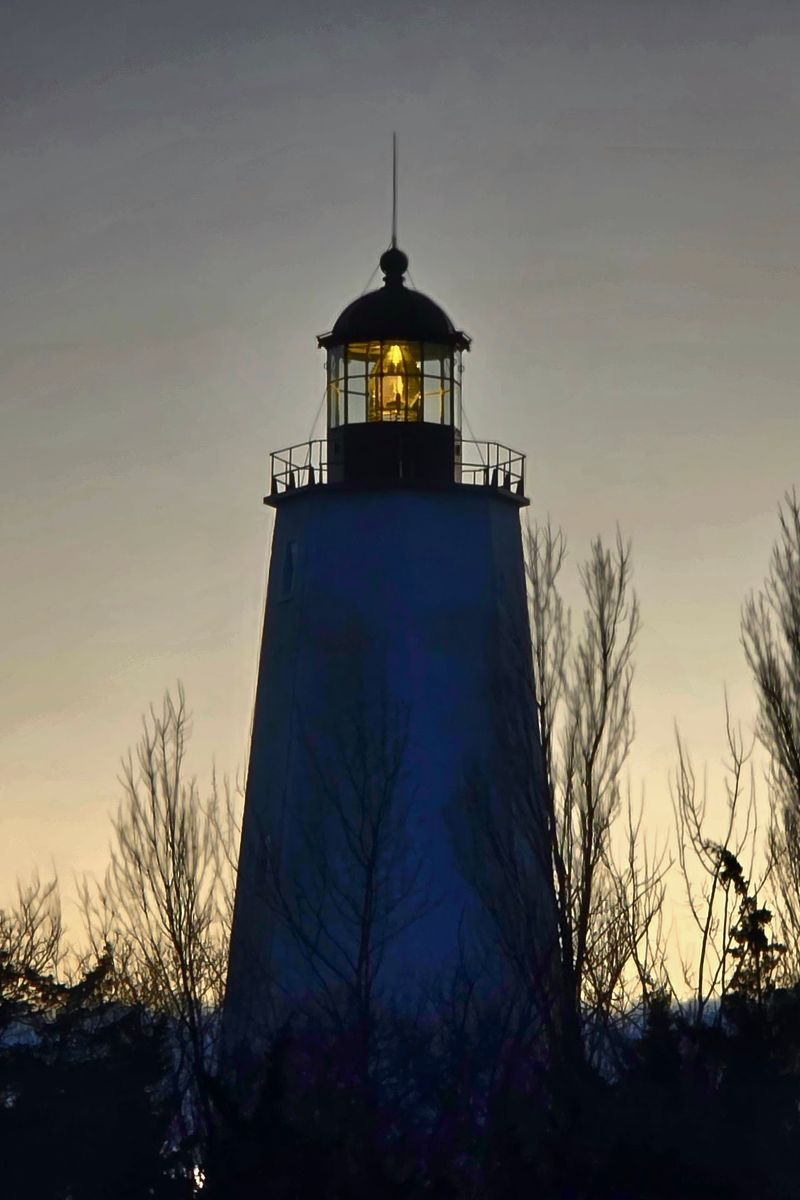
Evenings bring a special glow to this old beacon. The grounds stay open until 9 PM, leaving plenty of time to catch the sunset.
Sunset walks and photography rank among the most popular reasons to visit. The white tower against a colorful sky makes an easy, striking subject.
Even photographers working events nearby have stopped by for extra shots. The lighthouse offers endless angles, from close-ups of the stone to wide frames with trees and sky.
Spring visits earn praise for their peaceful, scenic feel. The views stay lovely year-round, and many visitors hope to return in every season.
You don’t need fancy gear to get something frame-worthy. A phone camera and good timing go a long way here.
Simply hanging out at the base is pleasant, too. Some folks skip the tour entirely and just relax on the grounds, soaking in the calm.
With early morning opening at 6 AM, sunrise fans have options as well. Early birds and night owls both get their turn with this beauty.
A Full Day Beyond the Lighthouse
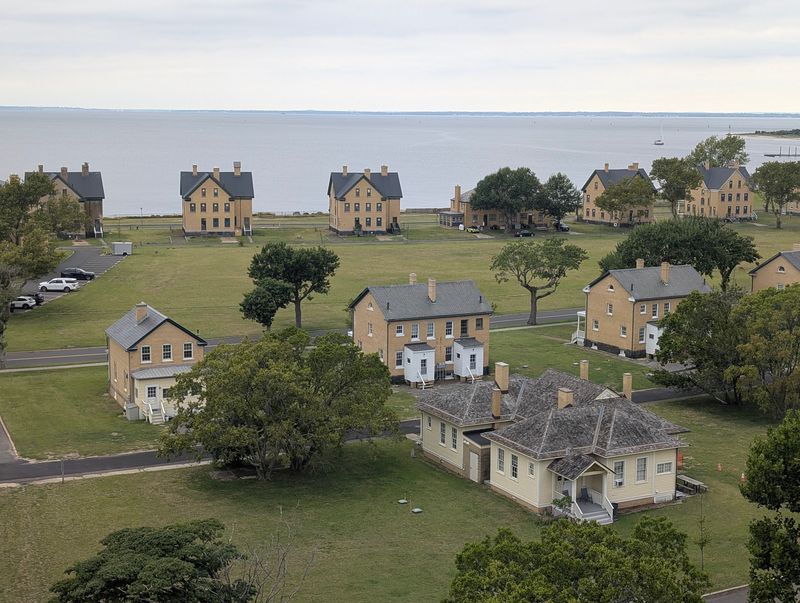
Few landmarks come with this many side quests. The lighthouse makes a great anchor for a bigger day on Sandy Hook.
Beaches line the peninsula, perfect for a swim or stroll before or after your visit. Many people end a beach day at the tower, which works wonderfully.
Bike paths are a major draw as well. The track is flat, making it friendly for casual riders and couples pedaling together.
Walking trails and picnic spots add even more options. Pack a lunch and enjoy it with harbor views and a fresh breeze.
Hungry without a picnic? A snack bar sits nearby, and there’s also a restaurant on the former base.
Seafood fans have spotted calamari on the menu there.
Since everything sits within the Gateway National Recreation Area, you can bounce between activities easily. History, nature, and recreation all share the same strip of land.
It’s a rare New Jersey outing that satisfies the history buff, the beach lover, and the cyclist in one trip. Nobody in the car has to compromise.
Hours, Fees, and Parking Pointers
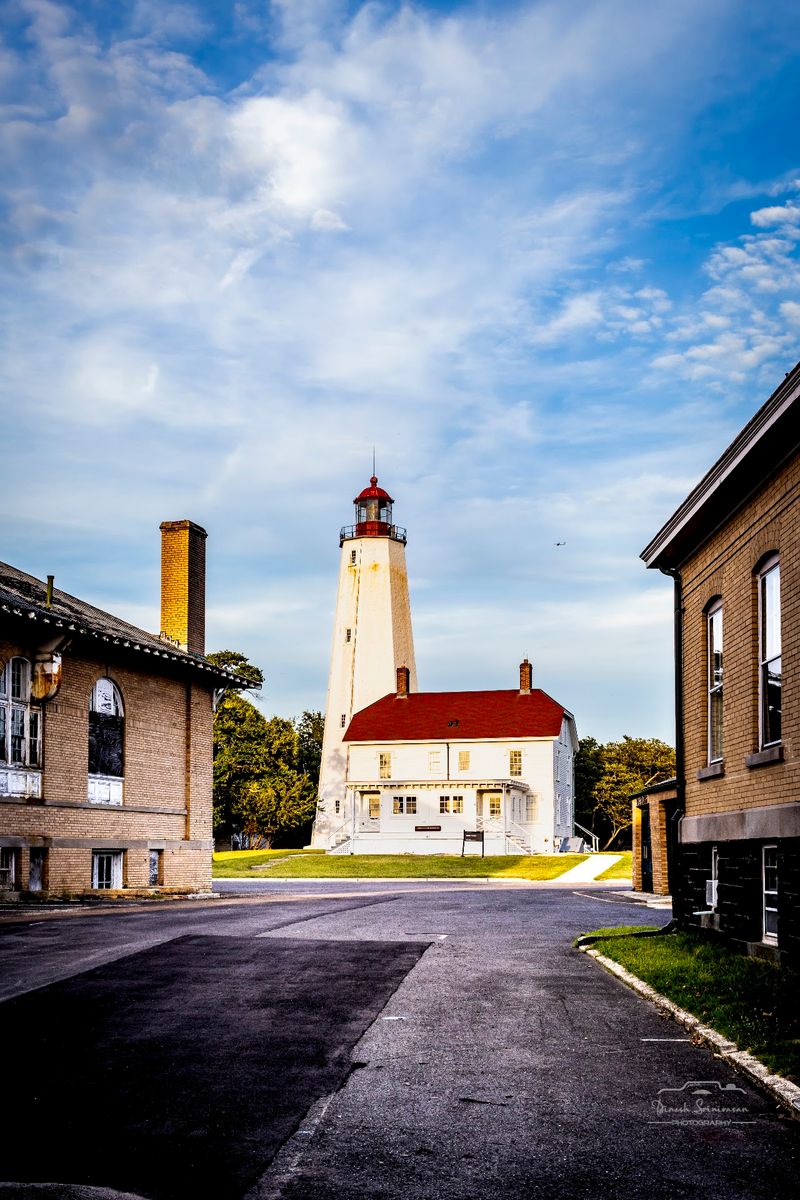
Good news first: the lighthouse grounds are open daily from 6 AM to 9 PM. That generous window suits early risers and evening wanderers alike.
Admission to see the Sandy Hook Lighthouse is free. Tours are also free, which feels almost too good for a structure this historic.
Beach parking fees can apply in the busy season at Gateway National Recreation Area. Visitors heading only to the lighthouse have historically avoided that fee, but check current rules before you go.
You’ll find the lighthouse at 84 Mercer Rd, Highlands, NJ 07732. It sits toward the north end of the park and is easy to spot thanks to its height.
Parking near the lighthouse is generally free and easy. Beach lots elsewhere on the Hook can fill up quickly, especially on warm days.
Off-season visits come with perks. Traffic tends to be lighter and fees may not apply.
Just remember that tours and the museum can have limited availability then. A quick look at the National Park Service schedule saves disappointment and helps you plan the climb.
Why This Old Light Deserves Your Next Day Trip
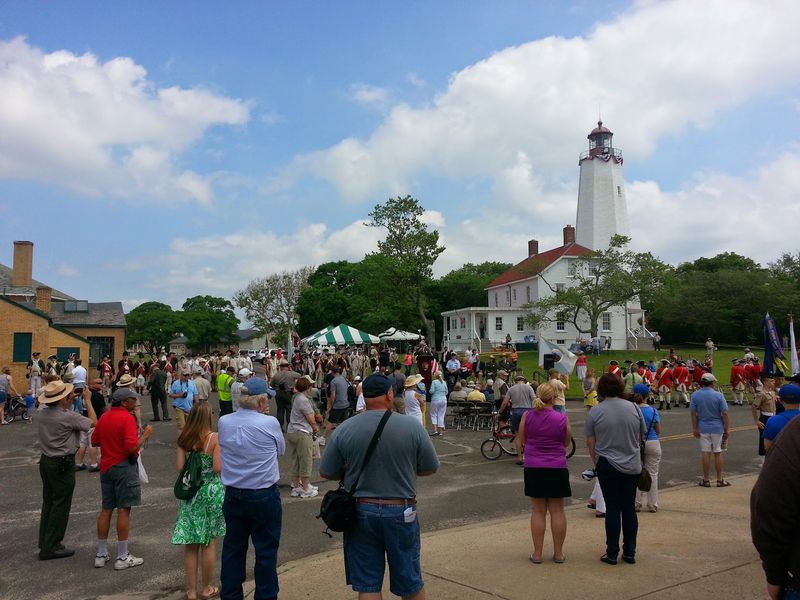
Some landmarks impress with size or flash. This one impresses simply by still showing up for work after more than 260 years.
The Sandy Hook Lighthouse offers an easy blend of history, scenery, and fun. You can climb 95 steps and a ladder, explore a museum, or just enjoy a sunset.
It suits a wide range of visitors. History fans, families, photographers, cyclists, and beachgoers all find something worthwhile here.
Is it a whole-day destination on its own? Maybe not for everyone.
Paired with the beaches, trails, and Fort Hancock, though, it becomes a seriously rewarding outing.
Plan around tour times if climbing matters to you. Bring cash for the gift shop and patience for summer parking.
Most of all, take a moment to appreciate what’s here. New Jersey holds the oldest working lighthouse in the country, and anyone can walk right up to it for free.
That’s something worth bragging about to friends. So the next time you head toward Sandy Hook, give the old beacon a proper visit instead of a passing glance.
Share this story