Oklahoma has a way of hiding its most stunning places in plain sight, and one sprawling stretch of western grassland proves that point better than almost anywhere else in the state. Spread across roughly 31,000 acres of open sky, rolling plains, and quiet water, this remote national grassland feels like stepping into a forgotten corner of the American frontier.
Visitors who make the long drive out here often find themselves completely alone with the wind, the grass, and a horizon that seems to go on forever. If wide-open space and genuine solitude are what you are after, this place delivers in a way few spots in Oklahoma can match.
Location and Identity of Black Kettle National Grasslands

Tucked into the far western edge of Oklahoma near the small community of Cheyenne, Black Kettle National Grasslands sits in Roger Mills County at roughly 35.67 degrees north latitude. The address falls under Oklahoma 73638, placing it deep in the shortgrass prairie country that once defined the southern plains.
Managed by the U.S. Forest Service, the grassland spans approximately 31,000 acres of federally protected land.
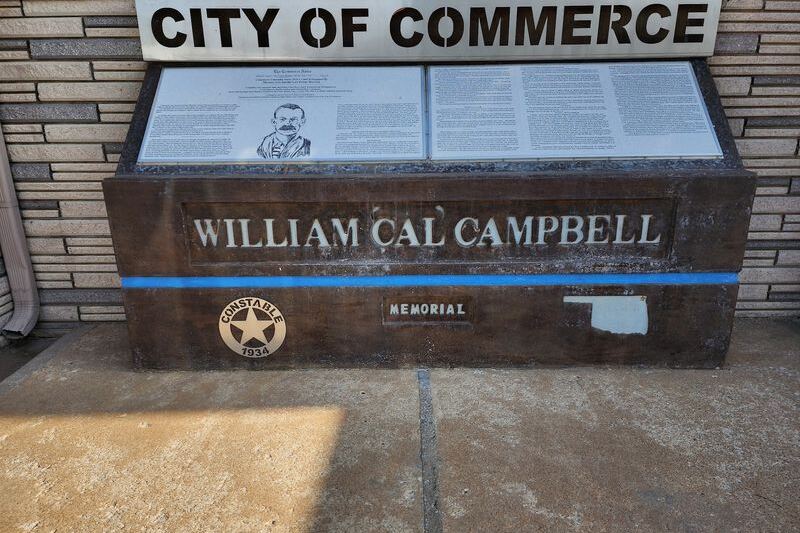
The name carries real historical weight. Black Kettle was a Southern Cheyenne peace chief whose village once occupied this region of the plains.
Visitors who know that history tend to experience the landscape differently, reading the open ground as more than just scenery. The land itself becomes a quiet record of what came before.
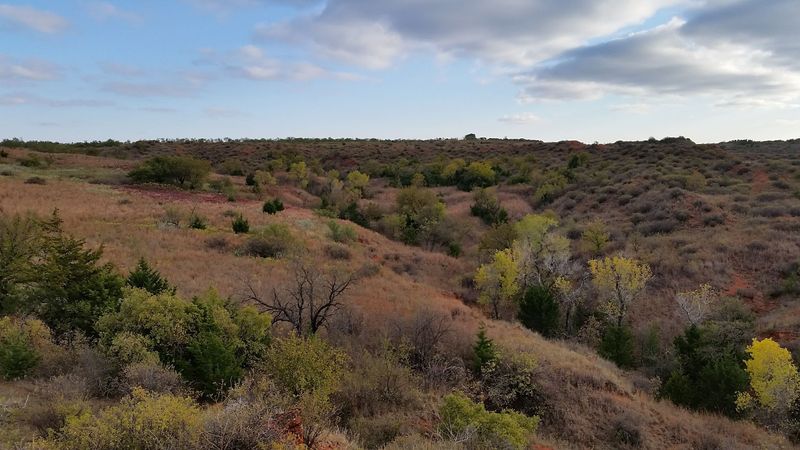
Unlike a traditional forested national forest, the terrain here is wide and mostly flat, broken by creek drainages, small lakes, and patches of scrubby vegetation. There are no dramatic mountain backdrops or towering canyon walls.
What you get instead is sky, and plenty of it, stretching in every direction without a single obstruction to interrupt the view. For people who find peace in open spaces, that horizon alone is worth the drive.
The History Behind the Name

Few public lands in Oklahoma carry a name with as much historical resonance as this one. Black Kettle was a Southern Cheyenne chief known for his persistent pursuit of peaceful relations with the U.S. government, even as tensions on the plains escalated through the 1860s.
His village camped along the Washita River, which runs through or near the grassland that now bears his name.
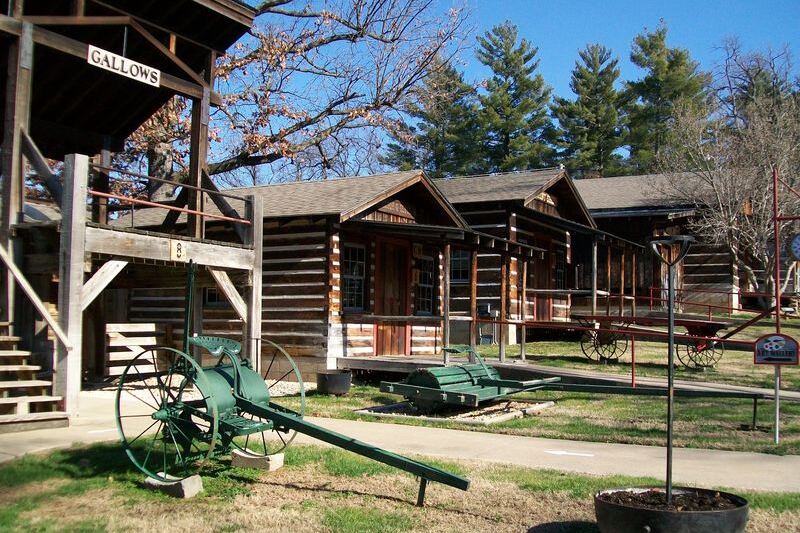
Visitors who stop at the nearby museum referenced by some who have explored the area gain a richer understanding of what happened on this land. The museum adds context that the open prairie alone cannot fully communicate, helping guests connect the quiet modern landscape to the complex history embedded in the soil beneath their feet.
One recent visitor noted that the grassland represents an interesting part of the broader history of the nation, a sentiment that captures the layered significance of the place. Standing on the open ground here, especially at dusk when the light turns golden and the wind picks up, it is easy to feel the weight of that past pressing gently against the present.
The name is not decorative. It is a reminder, and a meaningful one at that.
The Landscape and Natural Setting
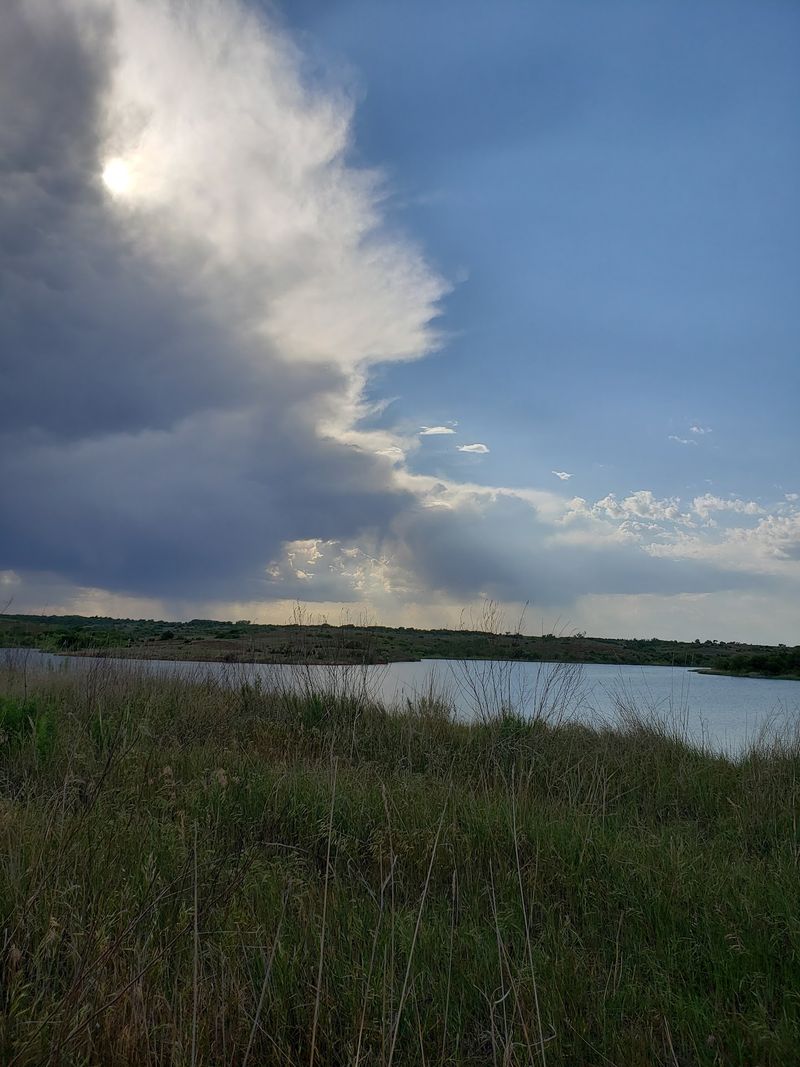
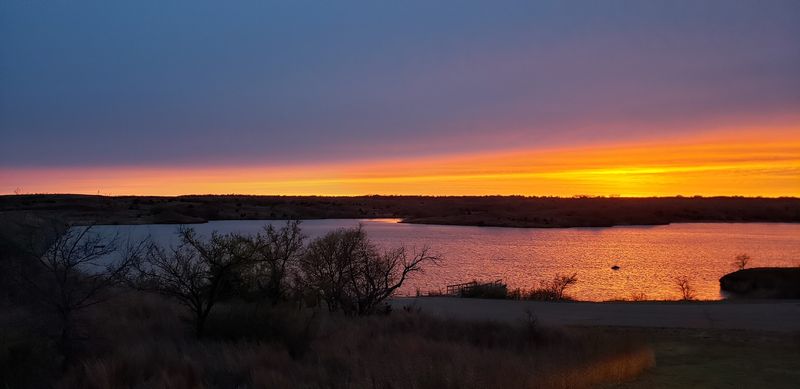
Shortgrass prairie has its own kind of beauty, and Black Kettle National Grasslands showcases it without apology. The terrain rolls gently across the western Oklahoma plains, covered in native grasses that shift color with the seasons, from pale gold in late summer to rich brown in winter and fresh green after spring rains.
The sense of openness is almost overwhelming in the best possible way.
A small lake anchors part of the recreation area, complete with a boat ramp and a pier. Behind the lake, trails wind past smaller ponds tucked into the back sections of the property.
Those secondary water features attract wildlife and give hikers something to discover beyond the main shoreline, turning a simple walk into a genuine exploration of the property’s quieter corners.
The surrounding terrain is largely undeveloped, which means natural sounds dominate the experience. Wind moving through the grass, birds calling across the water, and the occasional rustle of deer in the brush create an ambient soundtrack that no speaker system could replicate.
Visitors who spend a night here often mention waking up to a stillness that feels rare in modern life. The natural setting is not flashy, but it earns its place in the memory long after the drive home.
Camping Options Across Three Campgrounds
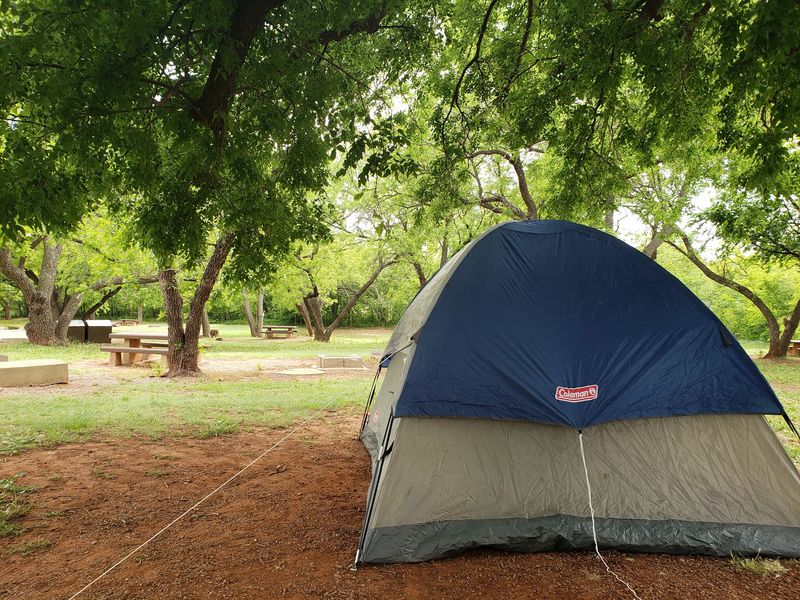
Free camping is one of the most compelling reasons to make the trip out to Black Kettle, and the grassland delivers on that front with three separate campgrounds spread across the area. Skipout Campground is among the most talked-about, offering designated spots for RVs along with multiple parking areas where tent campers can walk out and set up in a more open configuration.
Roughly ten picnic tables serve tent campers at Skipout alone.
Campsites come equipped with fire pits, making evening campfires a straightforward pleasure rather than a logistical challenge. Restrooms at the campgrounds have earned generally positive mentions for cleanliness, with at least one visitor specifically noting the presence of two-ply paper as a welcome detail after long stretches of rougher camping.
Water spigots allow campers to refill containers on-site, though there is no electricity or sewage dump available.
Crowds are rarely an issue. On a Friday night, one group reported sharing the entire campground with only three other camping parties, a level of solitude that is genuinely difficult to find at more popular Oklahoma parks.
Two dumpsters handle trash, keeping the site tidy. For anyone seeking a no-cost, low-impact overnight stay under an enormous western Oklahoma sky, Skipout and its neighboring campgrounds are hard to beat.
Fishing at the Lake and Ponds

Anglers who venture out to Black Kettle find a modest but functional fishing setup centered on the main lake and the smaller ponds scattered behind it. The lake has a boat ramp for those who want to launch a small vessel, and a pier extends over the water for those who prefer to stay on solid ground.
Visitors describe the fishing as decent, a characterization that fits the general vibe of the place: unpretentious and genuinely enjoyable without making grand promises.
The smaller ponds accessible via the back trails add extra options for explorers willing to walk a bit. Those quieter water features tend to feel even more remote than the main lake, offering the kind of fishing experience where the solitude matters as much as what ends up on the line.
Wildlife activity around the ponds makes the walk worthwhile even on slow fishing days.
No elaborate amenities support the fishing experience here, which is partly the point. There is no bait shop, no rental equipment, and no guided service.
Guests bring their own gear and their own expectations, and the grassland rewards that self-reliance with access to water that sees very little pressure. For anyone who finds crowded fishing holes frustrating, the lake at Black Kettle offers a refreshing alternative.
Trails and Walking Opportunities

Trails at Black Kettle wind through the back sections of the property, running alongside the smaller ponds behind the main lake and cutting through stretches of open grassland. The paths offer a low-key hiking experience rather than a demanding backcountry challenge, making them accessible to most fitness levels and age groups.
Families with young children often find the terrain manageable and the surroundings engaging enough to hold attention throughout the walk.
One practical note worth keeping in mind: at least one trail in the area does not permit dogs, a detail that caught at least one visitor off guard. Pet owners planning a trip should check current trail rules in advance to avoid disappointment after a long drive.
The restriction applies to specific walking trails rather than the campgrounds or open areas of the grassland.
The trail network is not extensive by national park standards, and some visitors have noted that the routes feel short. For those expecting a full-day hiking adventure, the trails alone may not fill the itinerary.
Pairing a walk with fishing, birdwatching, or simply sitting near the water tends to round out the experience nicely. The trails function best as one component of a broader visit rather than the sole attraction drawing you out to the western Oklahoma plains.
Wildlife and Hunting on the Grassland

Deer are a consistent presence at Black Kettle, and multiple visitors have mentioned spotting them during both casual visits and dedicated hunting trips. The grassland’s open terrain and limited human traffic create favorable conditions for wildlife, and the deer population appears healthy enough that hunters return to the area with genuine enthusiasm.
At least one regular visitor expressed a strong desire to come back specifically for deer hunting.
Beyond deer, the grassland’s mix of water, open grass, and brushy creek margins supports a range of bird species that make the area rewarding for birdwatchers as well. The combination of shortgrass prairie and small wetland habitats tends to attract both year-round residents and seasonal migrants, giving wildlife enthusiasts something new to look for across different times of year.
Hunting is permitted within the grassland under applicable federal regulations, which is part of what makes Black Kettle function as a true multiple-use public land rather than a strictly recreational preserve. Visitors who are not hunters can still enjoy the wildlife viewing opportunities without any conflict, since the property’s 31,000 acres provide more than enough room for different uses to coexist comfortably.
Seeing a deer at dawn from a campsite here is the kind of moment that sticks with you long after the trip ends.
The On-Site Museum

A museum connected to the Black Kettle area adds an educational dimension that distinguishes this grassland from a purely outdoor recreation destination. Visitors who have stopped in describe it as great, noting that it enhances the overall experience of the site by providing historical context that the open landscape alone cannot communicate.
The museum appears to focus on the history associated with the land and the people who once called this region home.
Having an interpretive component on-site makes Black Kettle a more complete destination, particularly for families traveling with children who benefit from structured storytelling alongside the unstructured experience of being outdoors. The combination of a museum visit and an afternoon at the lake or campground creates a well-rounded day that mixes learning with recreation in a natural and unhurried way.
The museum is not a sprawling institution by any measure, but its presence here in this remote corner of western Oklahoma feels meaningful rather than perfunctory. Travelers who might otherwise pass through without pausing are given a reason to slow down, step inside, and engage with the deeper story of the land beneath their feet.
For anyone interested in Oklahoma history, indigenous heritage, or the broader story of the southern plains, that stop is worth building into the itinerary.
Solitude and the Feeling of True Remoteness

Genuine solitude is increasingly hard to find in American public lands, and Black Kettle delivers it in quantities that feel almost extravagant by modern standards. Visitors consistently describe the experience in terms of tranquility, open space, and a quietness that resets something inside them after time spent in busier environments.
Multiple visitors mention returning to the area specifically because it offers a kind of peace that is difficult to replicate elsewhere.
One family visitor recalled bringing their children to the grassland years ago, and noted that those same kids are now grown. That kind of generational connection to a place speaks to the depth of the impression Black Kettle makes on people who give it a real chance.
The memory of open sky and quiet water tends to linger well past the trip itself.
Weekend crowds are essentially nonexistent compared to more popular state parks or federally managed recreation areas. Even on a Friday night during camping season, the campgrounds hold only a handful of parties at most.
For anyone who has ever arrived at a campground to find every site taken and noise levels climbing, the contrast here is striking. Black Kettle offers something increasingly rare: a place where the only sounds competing for your attention are the wind and the birds.
Navigation Tips and Getting There
Getting to Black Kettle requires some advance preparation, and navigation deserves special attention. At least one visitor reported that GPS directions attempted to route them through an active oilfield, which is exactly the kind of detour nobody wants on a remote western Oklahoma road.
Cross-referencing directions with official U.S. Forest Service resources before leaving home is a sensible precaution.
The grassland sits near Cheyenne, Oklahoma, in Roger Mills County, roughly in the center of the state’s western panhandle region. Drivers coming from Oklahoma City can expect a trip of around two to two and a half hours depending on the route.
The roads leading into the area transition from paved state highways to gravel and dirt roads as you get closer to the campgrounds and trailheads, so a vehicle with decent clearance is helpful.
One additional heads-up: some mapping tools place the GPS endpoint in the middle of a bare field where the road simply ends. Relying on a single mapping app without a backup plan can lead to confusion in an area with limited cell service.
Downloading offline maps in advance and noting the general address of Oklahoma 73638 as a starting reference point helps ensure the drive ends at the right place rather than a dusty dead-end in the middle of nowhere.
Who Will Enjoy Black Kettle Most

Not every traveler will connect with what Black Kettle offers, and that honesty is part of what makes recommending it feel genuine. Visitors who thrive here tend to share a few common traits: comfort with open, undeveloped landscapes, an appreciation for quiet, and a willingness to bring their own entertainment rather than expecting curated activities.
Campers, anglers, hunters, and history enthusiasts all find something meaningful in the grassland’s particular combination of features.
Families with older children who can appreciate both the outdoor freedom and the museum’s historical content often report especially satisfying visits. The low-pressure environment, where nobody is rushing you toward the next scheduled event, allows kids to explore at their own pace and develop a real relationship with the natural world around them.
That kind of unstructured outdoor time is harder to manufacture than it sounds.
Solo travelers seeking a mental reset also fit naturally into this landscape. The combination of free camping, minimal crowds, and an enormous sky creates conditions that encourage genuine reflection rather than distraction.
Visitors looking for a resort-style experience with amenities and organized programming will find Black Kettle underwhelming. But for those who understand that sometimes the best thing a place can offer is simply space and silence, this remote Oklahoma grassland is a perfect fit.
Planning Your Visit: Practical Details

Black Kettle National Grasslands operates as a federally managed multiple-use area under the U.S. Forest Service, which means access and camping are generally free of charge.
That no-cost camping is one of the most frequently highlighted aspects of the grassland among visitors who have stayed overnight. Bringing your own supplies is essential since there are no on-site stores, restaurants, or equipment rental services anywhere near the campgrounds.
Campsites at Skipout and the two other campgrounds in the area include picnic tables, fire pits, restrooms, and water spigots for filling containers. Electricity and sewage dump stations are not available, so RV travelers should plan accordingly and come self-contained.
Two on-site dumpsters handle trash, which helps keep the campgrounds clean despite the lack of daily maintenance staff.
Pet owners should note the reported presence of goathead-type stickers in some grassy areas, which can be painful for dogs walking through affected patches. The stickers were not universally encountered, but awareness helps avoid a sore-pawed situation mid-trip.
Cell service in this part of western Oklahoma is limited, so downloading maps, saving offline content, and informing someone of your plans before heading out are all practical steps worth taking. A full tank of gas before leaving the nearest town is equally important given the remote location.
Share this story