Somewhere in the rolling hills of Oklahoma, a small city with fewer than 6,000 residents quietly holds one of the most jaw-dropping records in American sports history. You might drive through without a second glance, but locals know something that the rest of the country is only starting to figure out.
Henryetta has sent more rodeo champions into the arena than towns ten times its size, and the story of how that happened is as wild as any eight-second ride. Pull up a seat, because this place has earned every bit of the spotlight it rarely gets.
Where Henryetta Sits and Why That Matters
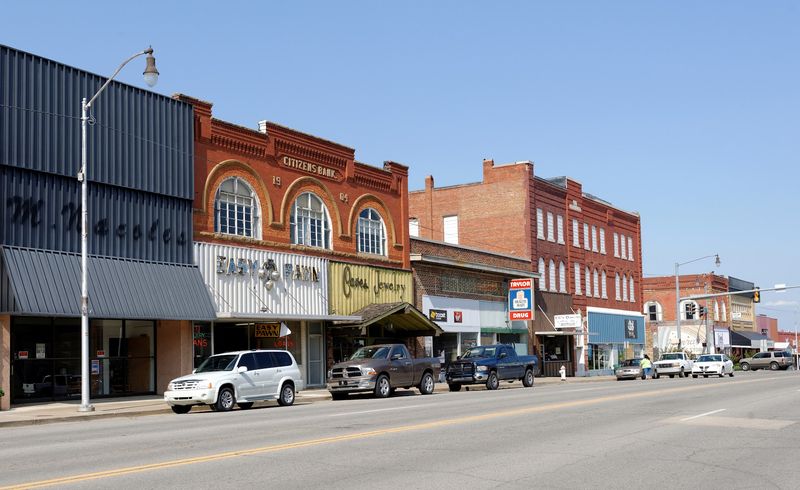
Nestled in Okmulgee County in eastern Oklahoma, Henryetta sits along U.S. Route 75, roughly halfway between Tulsa and McAlester.
The landscape around it is classic Oklahoma transition country, where the flat plains of the west begin giving way to the wooded hills of the east. It is the kind of town where everyone waves from their pickup truck and the feed store has been on the same corner for decades.
With a population of just 5,640 recorded in the 2020 census, Henryetta is by any measure a small city. But size has never told the full story here.
The town carries a weight of athletic legacy that punches so far above its weight class it borders on the unbelievable.
Geographically, the area is surrounded by ranch land, cattle operations, and wide open spaces that have historically shaped the culture and daily rhythms of its residents. Growing up around livestock, ropes, and horses was never a hobby in Henryetta.
For generations of kids raised here, it was simply life. That foundation turned out to be the perfect breeding ground for rodeo greatness, and the numbers back it up in a striking way.
The Rodeo Capital Nobody Talks About
Most people associate rodeo royalty with cities like Cheyenne or Fort Worth, places that have massive professional events and long-standing national reputations. Henryetta operates differently.
Rather than hosting the biggest shows, it simply produces the biggest names, and it has been doing so quietly for decades.
The town has become something of a legend in rodeo circles, known among competitors and historians as one of the most productive talent pipelines in the entire sport. Champions who grew up here have taken titles in bull riding, steer wrestling, team roping, and barrel racing at the highest levels of professional competition.
What makes Henryetta’s record so remarkable is the sheer concentration. Statistically speaking, producing even one world champion from a town this size would be noteworthy.
Producing multiple champions across multiple generations and multiple disciplines puts Henryetta in a category that almost no other community on the planet can match. Rodeo insiders have long acknowledged this, even if mainstream sports media has been slow to catch up.
The town wears its reputation with a kind of quiet pride, the way places do when they know the truth and do not feel the need to shout it.
Troy Aikman and the Athletic DNA of a Town
Rodeo is not the only sport that Henryetta has gifted to the world. Troy Aikman, the Hall of Fame NFL quarterback and three-time Super Bowl champion with the Dallas Cowboys, grew up in Henryetta before moving to California as a teenager.
His early years in Oklahoma shaped the competitive drive that defined his career.
Aikman’s connection to Henryetta is a point of enormous local pride, and it feeds into a broader conversation about what this town produces. Some communities have one great athlete come through every few generations.
Henryetta seems to manufacture exceptional competitors the way other towns manufacture furniture or grain.
Researchers and sports writers who have looked at small-town athletic output per capita have repeatedly found Henryetta near or at the top of lists that measure champion density. The combination of rodeo legends and an NFL Hall of Famer from a single zip code in rural Oklahoma is statistically extraordinary.
Locals tend to credit the culture of hard work, outdoor life, and genuine competition that runs through the community. It is not a manufactured sports program.
It is something that grows organically out of the land and the people who work it every single day.
Jim Shoulders and the Legend That Started It All
If one name carries more weight than any other in Henryetta’s rodeo story, it belongs to Jim Shoulders. Born in 1928 and raised in the Henryetta area, Shoulders became one of the greatest rodeo competitors in the history of the sport.
He won 16 world championship titles during his career, a record that stood for decades and still ranks among the most impressive achievements in professional rodeo.
Shoulders competed in both bull riding and bareback bronc riding, dominating those events at a time when rodeo was one of the most watched sports in America. His consistency, his toughness, and his ability to perform under pressure made him a hero not just in Oklahoma but across the entire western United States.
He later became a stock contractor and a mentor, helping to shape the careers of younger cowboys who came up behind him. His legacy in Henryetta is enormous, the kind of local-legend status that shapes how an entire community sees itself.
When younger generations of Henryetta kids dreamed about rodeo, they grew up knowing that someone from their town had already conquered the sport at its highest level. That knowledge carries real weight in a child’s imagination.
The Culture of Competition Baked Into Everyday Life
Ask anyone who grew up in Henryetta what weekends looked like, and the answers tend to sound remarkably similar. Roping in the backyard.
Riding horses before breakfast. Watching older siblings compete at local jackpots and junior rodeos scattered across eastern Oklahoma.
Competition was not something families scheduled. It was something that happened naturally, like chores or church.
That organic exposure to rodeo skills at a very young age creates a development pipeline that formal sports academies spend millions trying to replicate. Kids in Henryetta were learning balance, timing, and animal behavior before they hit middle school, and they were doing it in real working environments rather than structured practice sessions.
The community reinforced the culture at every level. Local events celebrated rodeo achievement the same way other towns celebrate football championships.
School hallways displayed buckles and ribbons alongside trophies from other sports. Parents who had competed passed their knowledge directly to their children, creating a multigenerational transfer of skill and competitive instinct that compounded over time.
By the time a Henryetta kid showed up at a regional or national event, they had already logged thousands of hours of practical experience that competitors from other places simply could not match.
The Land Itself as a Training Ground
Geography plays a bigger role in athletic development than most people realize. Henryetta’s surrounding landscape, with its mix of open pastureland, timber, and creek bottoms, created an environment where working with animals was a practical daily necessity rather than a recreational activity.
Cattle needed to be moved, horses needed to be worked, and fences needed to be mended across terrain that demanded physical toughness.
Growing up on that land built a specific kind of body and a specific kind of mindset. Core strength, quick reflexes, and an intuitive understanding of how large animals move and behave are all qualities that translate directly into rodeo performance.
Kids who spent their childhoods doing ranch work arrived at their first competitions already equipped with physical tools that other athletes spend years developing in gyms.
The red clay soil of Okmulgee County and the rolling terrain around Henryetta also meant that conditions were rarely perfect or predictable. Riders learned to adapt, to stay calm when things went sideways, and to trust their instincts over their plans.
Those are exactly the qualities that separate good rodeo competitors from great ones. In Henryetta, the land itself was the first and most demanding coach any young cowboy or cowgirl ever had.
Multiple Disciplines, Multiple Champions
One of the things that sets Henryetta apart from other small towns with rodeo traditions is the range of events in which its residents have excelled. Championship pedigree from a single town tends to cluster around one or two disciplines.
Henryetta’s record spans the full width of professional rodeo competition.
Bull riding, bareback riding, steer wrestling, team roping, and barrel racing have all produced Henryetta-connected champions at regional and national levels. That breadth suggests the town’s advantage is not a narrow specialization.
It reflects something deeper about the overall athletic and competitive culture that the community cultivates.
Producing champions across multiple rodeo disciplines from a population base of fewer than 6,000 people is the statistical detail that tends to stop sports researchers cold when they first encounter it. The per-capita math becomes almost absurd when you line up the names and the titles against the census numbers.
Other towns have produced great bull riders. Others have produced great ropers.
Henryetta has produced great everything, and that consistency across events and across decades is what earns it the reputation as one of the most extraordinary athletic communities in the history of American rodeo. The breadth of that legacy is genuinely hard to explain away.
How the Community Kept the Flame Burning
Traditions this strong do not sustain themselves without active effort. Henryetta’s rodeo culture has stayed alive across generations because the community has consistently chosen to invest in it, not just financially but socially and emotionally.
Local rodeo events, youth programs, and informal mentorship networks have kept the pipeline flowing even as broader American culture shifted away from agricultural life.
Older champions returning to the area often took on mentorship roles, working with young riders and sharing the technical knowledge that formal coaching programs rarely capture. That direct transmission of expertise from one generation to the next has been one of Henryetta’s most powerful advantages.
When a 12-year-old can get advice from someone who actually won at the National Finals Rodeo, that is an educational resource money cannot easily buy.
Community events tied to rodeo have also served as social anchors, bringing families together around a shared identity and shared pride. Even residents who never competed personally grew up understanding what rodeo achievement meant to the town and cheering for local competitors with genuine investment.
That kind of communal support creates psychological fuel for young athletes who might otherwise quit when the training gets hard. Knowing your whole town is watching and believing in you changes the equation entirely.
The National Finals Connection
For professional rodeo competitors, the National Finals Rodeo held annually in Las Vegas is the Super Bowl, the World Series, and the championship game all rolled into one. Qualifying for the NFR requires finishing in the top 15 in earnings for the year in your event, which means only the very best competitors in the world get to compete there.
Henryetta has sent competitors to the NFR not once or twice but across multiple decades and multiple events. That sustained presence at the sport’s highest level is part of what makes the town’s record so compelling.
It is not a historical footnote about a single great athlete from a lucky generation. It is a pattern of excellence that has repeated itself across time.
When rodeo fans and historians talk about places that have shaped the sport, Henryetta belongs in those conversations alongside towns and regions with far larger populations and far more resources. The NFR connection gives the town a direct line to the sport’s elite level, and the names associated with Henryetta on those NFR rosters over the years represent a collective achievement that the community has every right to celebrate loudly.
Most places would have already turned it into a tourism industry. Henryetta mostly just keeps producing more champions.
What Visiting Henryetta Feels Like Today
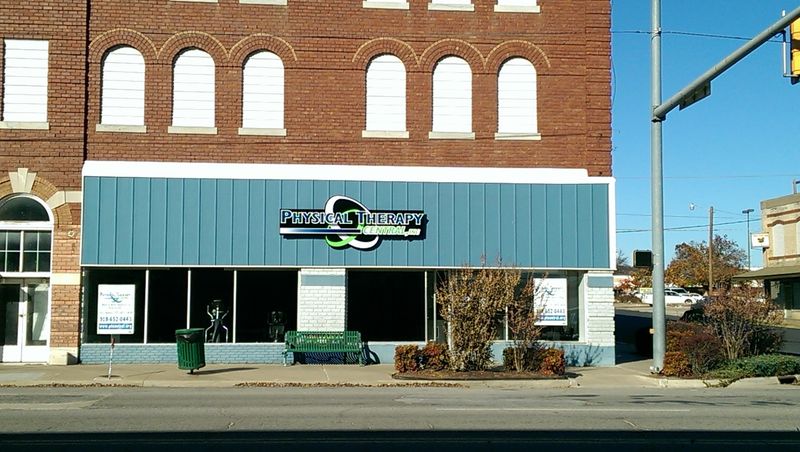
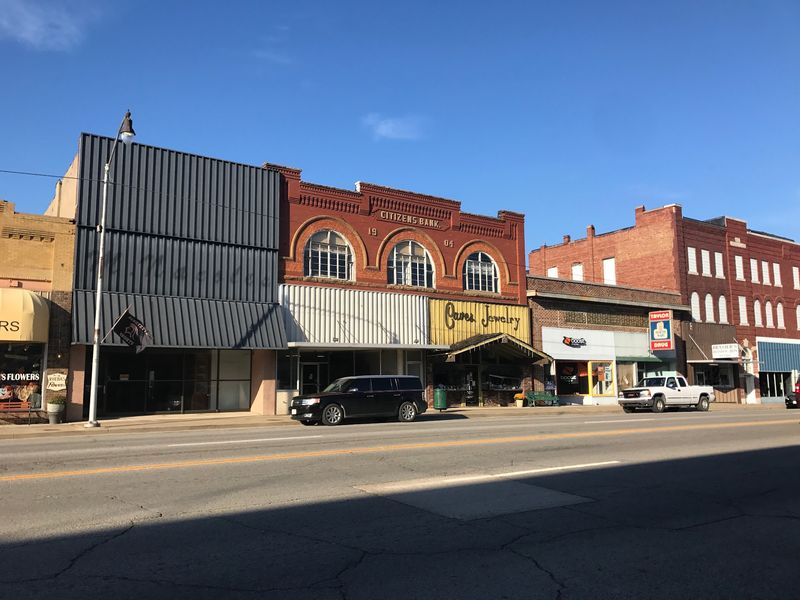
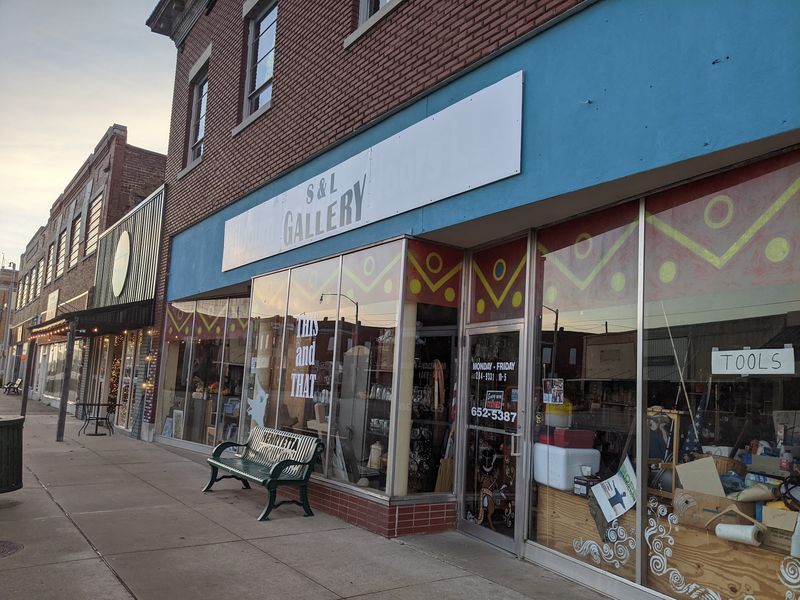
Driving into Henryetta today, the first thing you notice is how unhurried everything feels. The pace is genuinely slow in the best possible sense.
People are not rushing, storefronts carry the comfortable look of places that have been around long enough to stop trying to impress anyone, and the surrounding landscape reminds you quickly that you are in working country.
The town sits along U.S. Route 75, making it accessible for road trippers cutting between Tulsa and southern Oklahoma.
It is not a destination built around tourism infrastructure, which is actually part of its charm. You get a real town, not a curated version of one.
For visitors who come specifically to connect with the rodeo history, the experience is more about soaking in the atmosphere and the local knowledge than ticking boxes on a tourist checklist. Talking to residents, stopping at local spots, and simply paying attention to the details of daily life here reveals a community that carries its legacy with a kind of understated confidence.
Nobody is going to hand you a brochure. But spend a few hours in Henryetta and you start to understand instinctively why this particular patch of Oklahoma keeps producing people who are exceptionally good at being tough, skilled, and competitive.
Local Pride and the Identity It Shapes
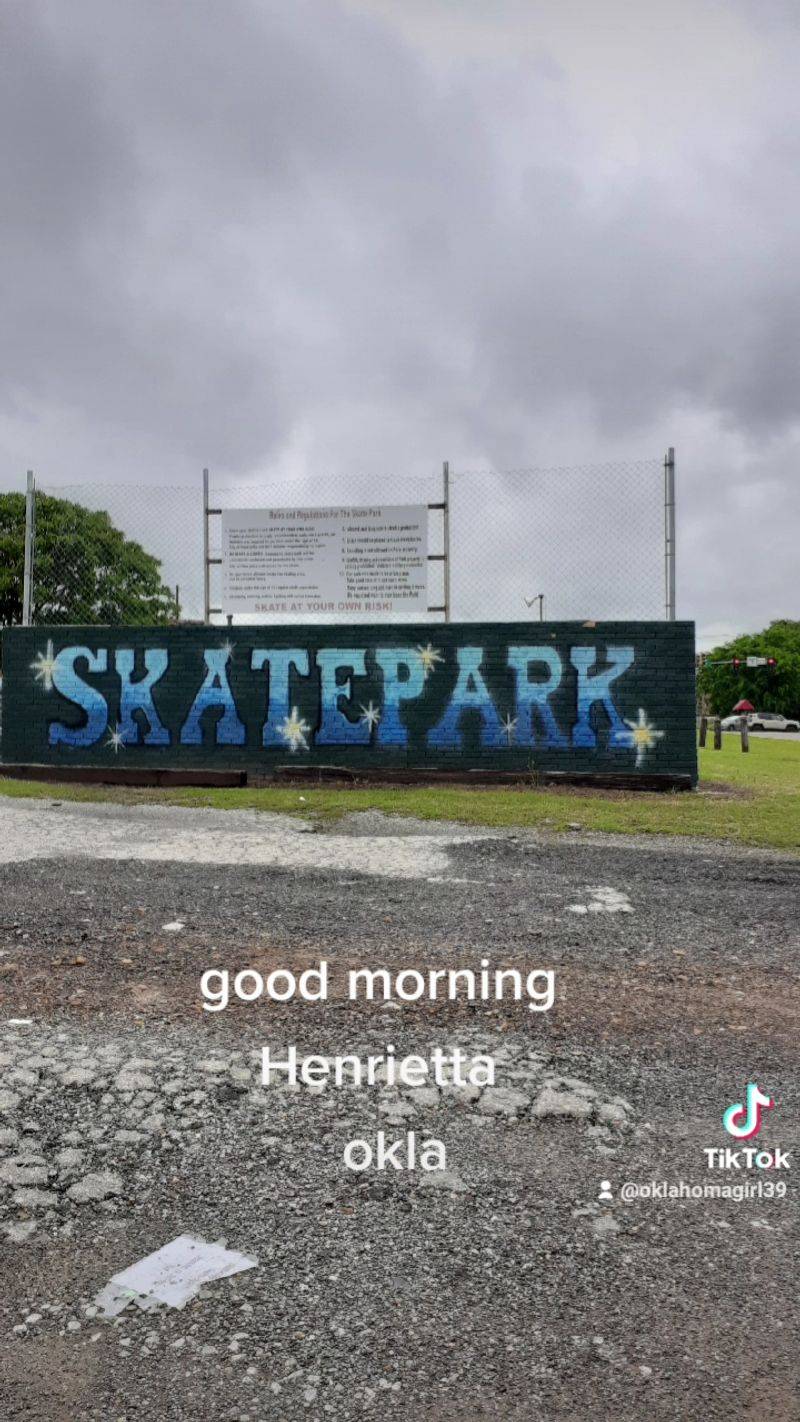
Athletic legacy shapes community identity in ways that go far beyond sports. In Henryetta, the rodeo tradition has influenced how residents see themselves, how they raise their children, and what values they consider worth passing on.
Toughness, persistence, and the willingness to get back up after being thrown down are not just rodeo skills in this town. They are community values.
Schools here have historically reflected that identity in subtle and not-so-subtle ways. Young people grow up knowing the names of local champions the way kids in other cities know professional athletes from their favorite teams.
The difference is that in Henryetta, those champions are neighbors, relatives, or at least familiar faces from town. That proximity makes the achievement feel attainable rather than distant.
Parents talk about the work ethic that rodeo demands as one of the most valuable things the sport teaches young people. Early mornings, physical discomfort, and the constant need to improve are built into the lifestyle from a very young age.
Those habits tend to transfer into other areas of life, which may explain why Henryetta’s champions have historically shown the kind of long-term success and resilience that brief talent alone cannot account for. The culture builds complete people, not just skilled competitors.
Getting to Henryetta and Planning Your Visit
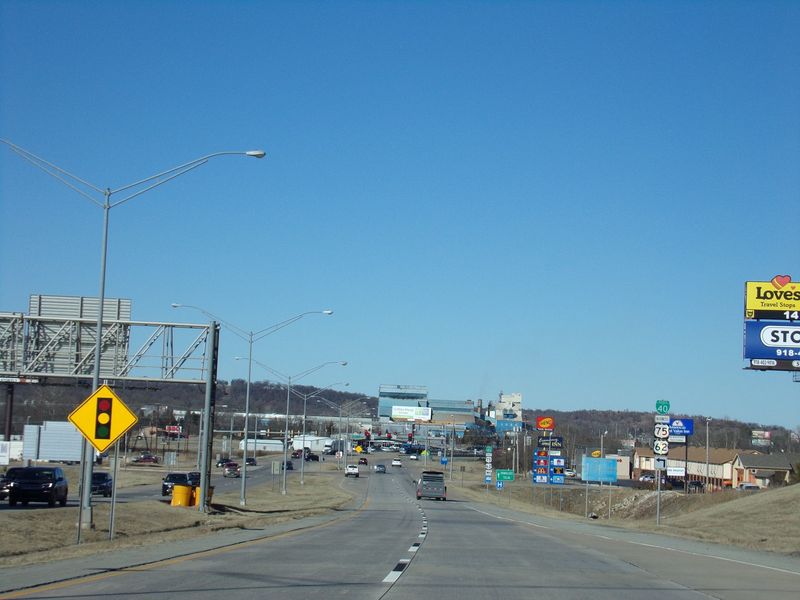
Reaching Henryetta is straightforward for anyone coming from the Tulsa metro area, which sits roughly 60 miles to the north along U.S. Route 75.
From Oklahoma City, the drive runs about 90 miles east on the Turner Turnpike before heading south. The routes are well-maintained and the drive through eastern Oklahoma’s landscape is genuinely enjoyable, especially in spring and fall when the hills are green or turning color.
The town itself is compact and easy to navigate. Most of the points of historical and cultural interest are accessible within a short drive of the main corridor through town.
There are no major admission fees associated with experiencing the community’s character, since so much of what makes Henryetta worth visiting is found in its streets, its people, and its surroundings rather than in ticketed attractions.
Plan to spend at least a half day if you want to absorb the atmosphere properly. Combining a visit to Henryetta with other stops along U.S.
Route 75, including the broader Okmulgee County area, makes for a satisfying Oklahoma road trip focused on history, culture, and the kind of authentic small-town character that is genuinely hard to find anywhere else. Come curious and leave impressed.
That tends to be how most visits to this town go.
Why Henryetta Deserves a Place in the American Sports Story
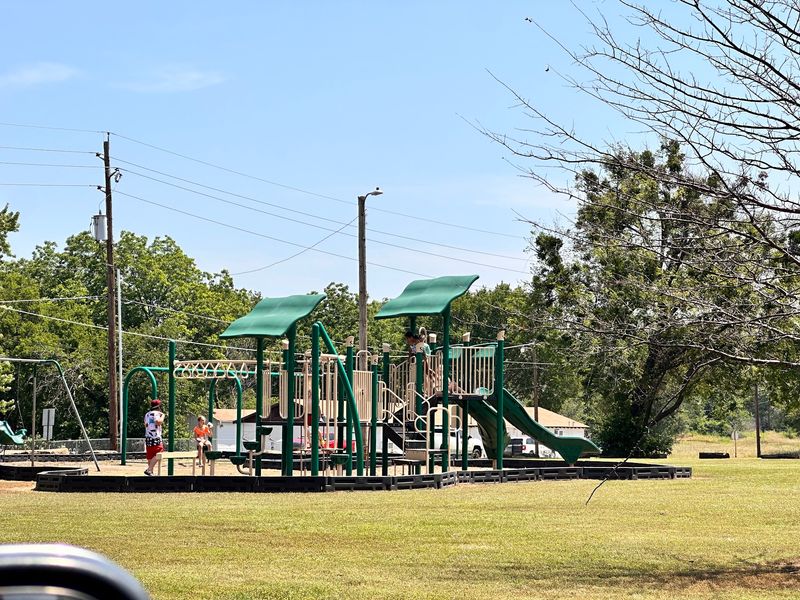
Per-capita athletic achievement is one of the most honest ways to measure a community’s contribution to a sport. By that measure, Henryetta’s record in rodeo is not just impressive for Oklahoma.
It is genuinely remarkable by any standard applied anywhere on earth. The concentration of world-class talent produced by fewer than 6,000 people across multiple generations and multiple disciplines places this town in a conversation that very few communities globally can enter.
American sports culture tends to celebrate the biggest markets, the largest programs, and the most heavily funded development systems. Henryetta represents the opposite argument: that culture, environment, and community values can produce elite athletes more reliably than money or infrastructure ever could.
It is a compelling case, and the evidence supporting it has been accumulating for decades.
For anyone who loves sports, history, or the kind of underdog story that feels almost too good to be true, Henryetta is worth knowing. The town sits quietly in eastern Oklahoma, going about its business, raising its children, and occasionally sending another champion out into the world.
No fanfare required. The record speaks clearly enough on its own, and it says that something genuinely special has been happening in this small corner of Oklahoma for a very long time.
Share this story