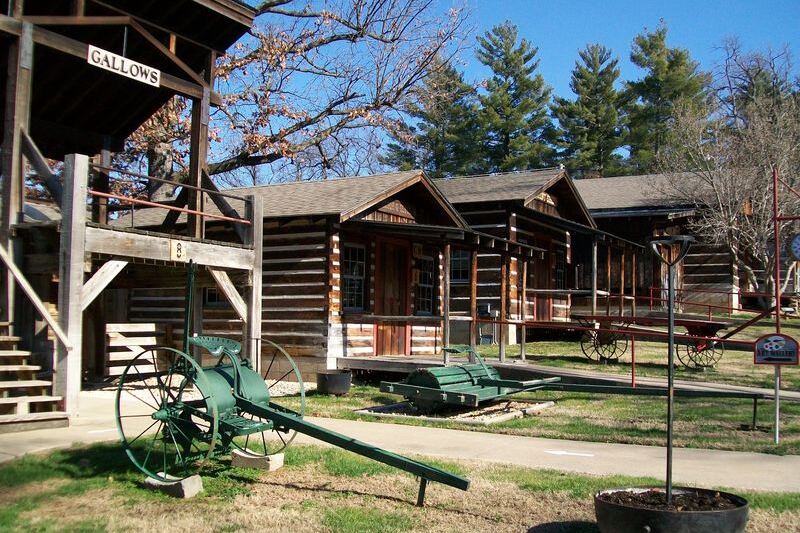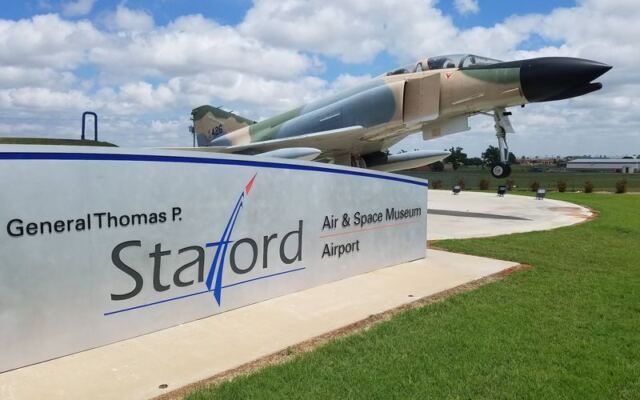
Oklahoma has a way of hiding its most extraordinary places in the quietest corners, and this one might be the most surprising of them all. Somewhere off I-40, tucked into a small town most drivers blow past without a second glance, sits a museum so packed with aerospace history that visitors regularly lose track of time inside.
Rockets, jets, space capsules, stealth aircraft, and artifacts that have actually orbited Earth fill room after room in a collection that rivals some of the biggest institutions in the country. If you have ever sped past a highway sign and wondered whether it was worth the exit, this is the place that will make you wish you had stopped sooner.
Where to Find This Hidden Aerospace Giant
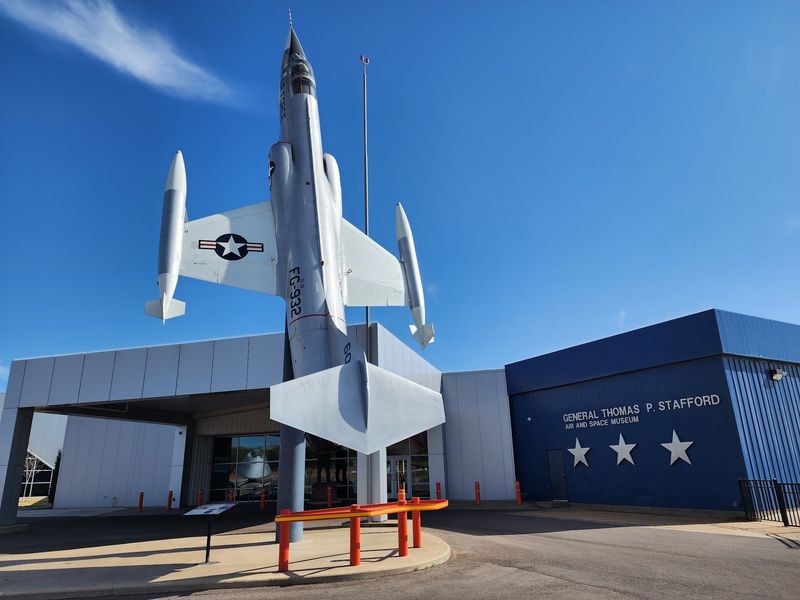
Sitting just off Interstate 40 in Weatherford, Oklahoma, the Stafford Air and Space Museum occupies a spot that most road-trippers overlook entirely. The address is 3000 Logan Rd, and the museum sits conveniently along the historic Route 66 corridor, making it an easy and rewarding detour whether you are heading east or west across the state.
Weatherford is a small city in Custer County, the kind of place you might pass through in minutes without realizing what you are missing. But the museum anchors the town with a cultural presence that punches well above its weight class.
Visitors coming from Oklahoma City are looking at roughly an hour-long drive, while those arriving from Amarillo find it a logical midpoint stop.
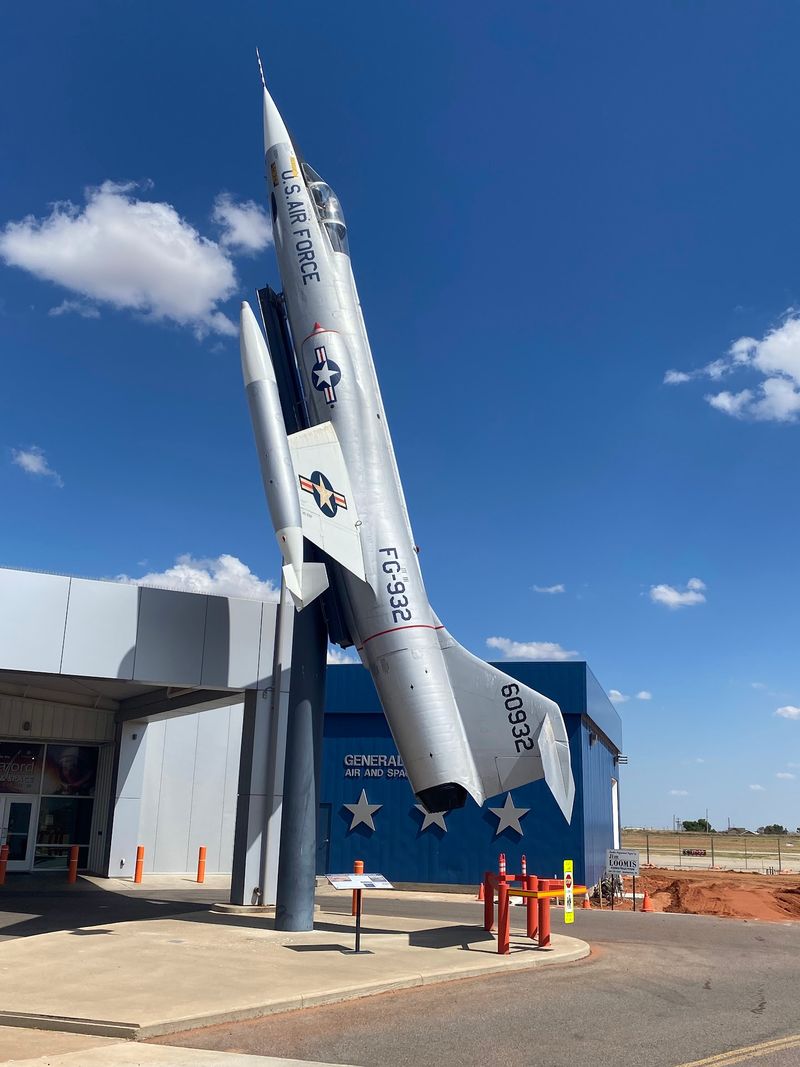
The museum is attached to a general aviation airport, which adds an extra layer of atmosphere for aviation enthusiasts who appreciate watching real aircraft come and go while they explore. Outdoor displays greet visitors before they even reach the front door, with full-size aircraft parked on the grounds as a preview of what waits inside.
The setting alone signals that something genuinely special is happening here.
The Story Behind the Museum’s Name
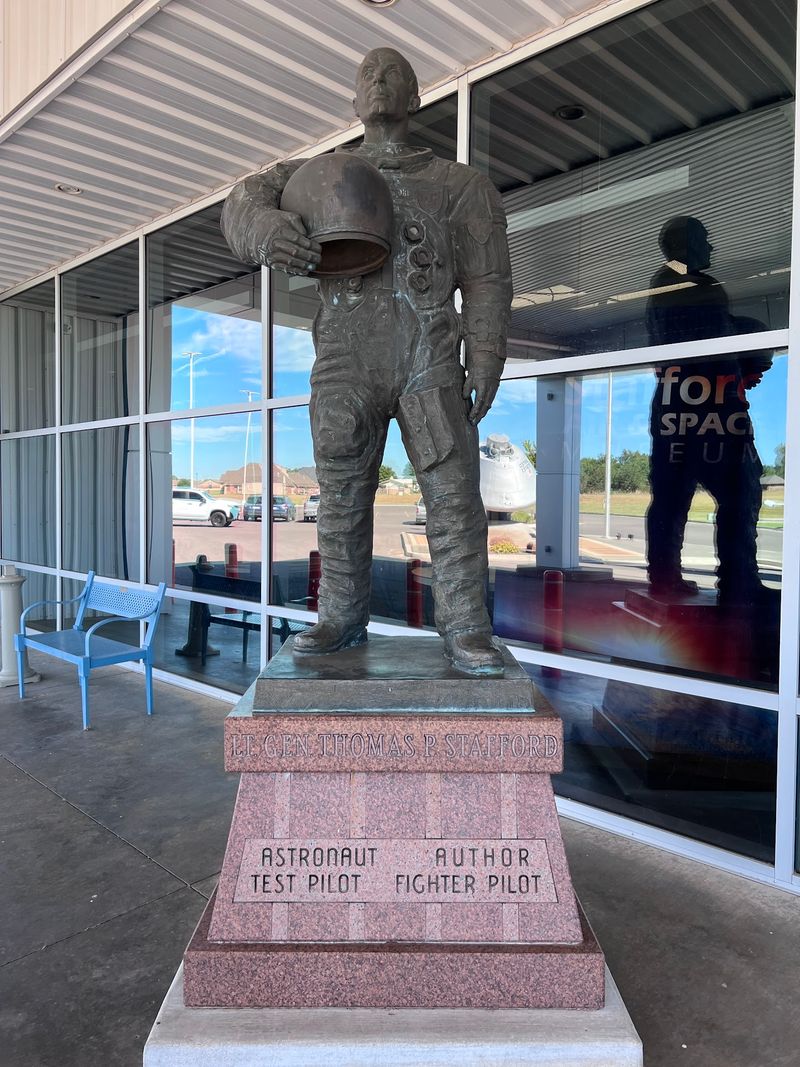
Not every museum is built around one person’s life, but when that person happens to be a pioneering astronaut and decorated military general, the result is something remarkable. The museum takes its name from Thomas P.
Stafford, a Weatherford native who rose to become one of NASA’s most accomplished astronauts during the golden age of space exploration.
Stafford flew on Gemini 6, Gemini 9, Apollo 10, and the historic Apollo-Soyuz Test Project, the first international crewed spaceflight. His career arc stretched from Korean War-era military aviation all the way to Cold War diplomacy conducted in orbit, a range of service that few figures in American history can match.
The museum traces every chapter of that journey with detailed exhibits and genuine artifacts from his missions.
Visitors who arrive without knowing much about Stafford often leave having gained a deep appreciation for what he accomplished. The exhibits do an excellent job of connecting his personal story to the broader sweep of aerospace history, so his biography never feels isolated from the larger narrative.
Learning about the city’s own connection to the aviation industry adds another surprising layer to the experience.
A Collection That Competes With the Biggest Names
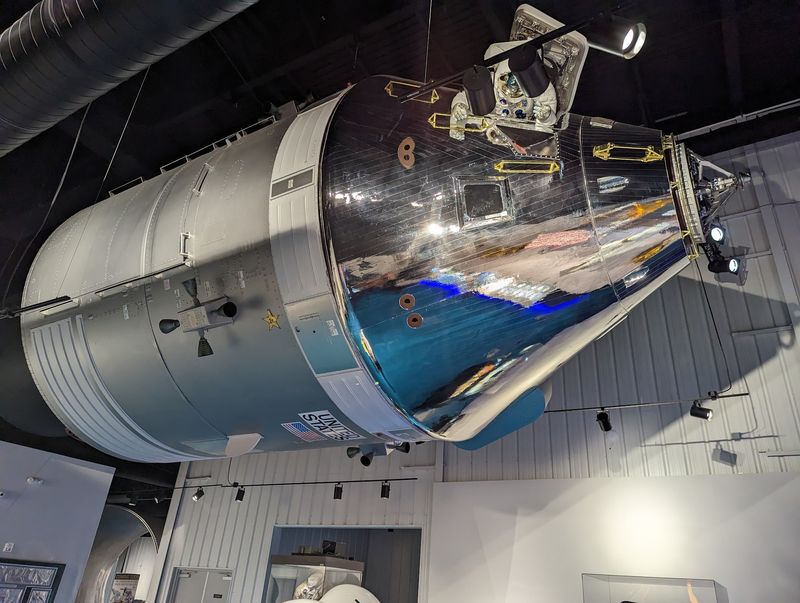
More than 3,500 aerospace artifacts fill this museum, a number that genuinely startles first-time visitors who expect something modest from a small-town Oklahoma attraction. The range is staggering, covering everything from early aviation milestones to cutting-edge military aircraft and deep-space mission hardware.
Calling it comprehensive feels like an understatement.
Visitors consistently mention being surprised by just how vast the collection is. Many plan for a quick one-hour stop and find themselves still exploring two and a half hours later, drawn from one exhibit to the next by the sheer density of interesting material on display.
The progression from the Wright Brothers era through the Space Race and into modern aerospace technology flows naturally through the building’s layout.
The museum holds Smithsonian affiliate status, which places it in rare company and reflects the quality and authenticity of what it presents. That affiliation is not just a badge; it shapes how exhibits are researched, labeled, and maintained.
Displays are well-marked and informative, with detailed explanations accompanying each artifact so visitors walk away with genuine knowledge rather than just a visual spectacle. Few institutions outside major metropolitan areas can claim this level of curatorial rigor.
Real Spacecraft and Artifacts That Actually Went to Space
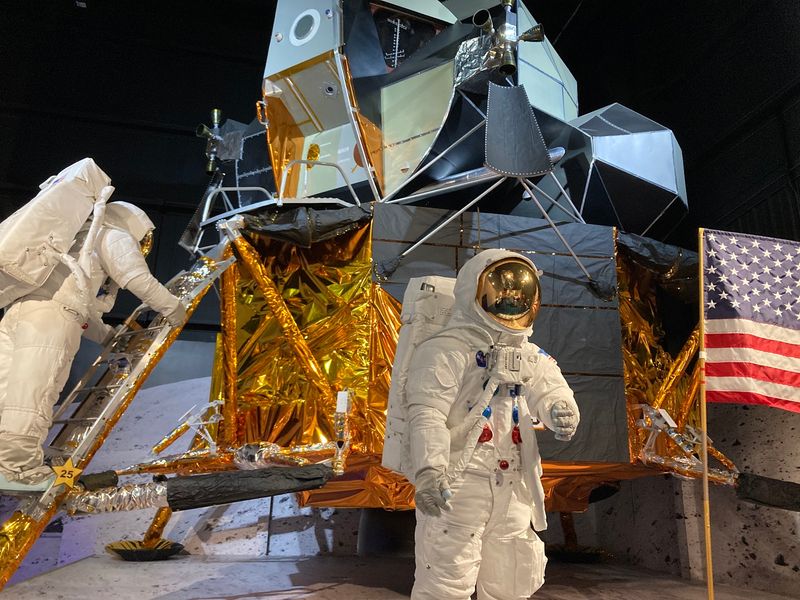
Replicas are fine, but there is something fundamentally different about standing next to hardware that has actually been beyond Earth’s atmosphere. The Stafford Air and Space Museum holds original Gemini and Apollo capsules among its collection, real mission-flown vehicles that carry the weight of history in every scorch mark and rivet.
Rocket engines from various programs are also on display, giving visitors a chance to appreciate the sheer scale and complexity of the machinery that made spaceflight possible. Seeing an actual engine up close, rather than a photograph or a scale model, changes how you understand the engineering challenge involved.
The Snoopy unmanned lunar module, sent up ahead of the Apollo missions as a precursor test vehicle, is a particular standout that surprises many visitors who did not know the story behind it.
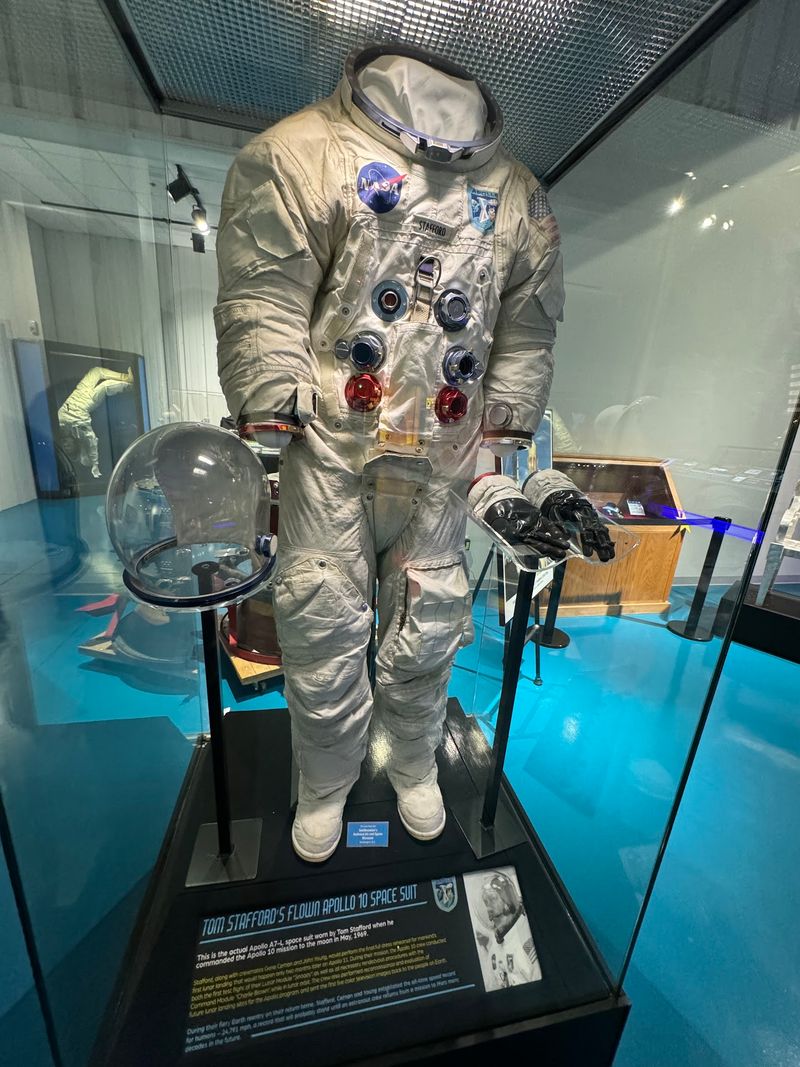
Space suits, mission equipment, and other space-worn items round out the collection of genuine artifacts. The museum is transparent about which pieces are originals and which are replicas, so visitors always know exactly what they are looking at.
That honesty makes the authentic items hit even harder, because when a placard confirms that something you are inches away from actually traveled to space, the moment carries real weight.
The Lockheed F-117 Nighthawk on the Floor
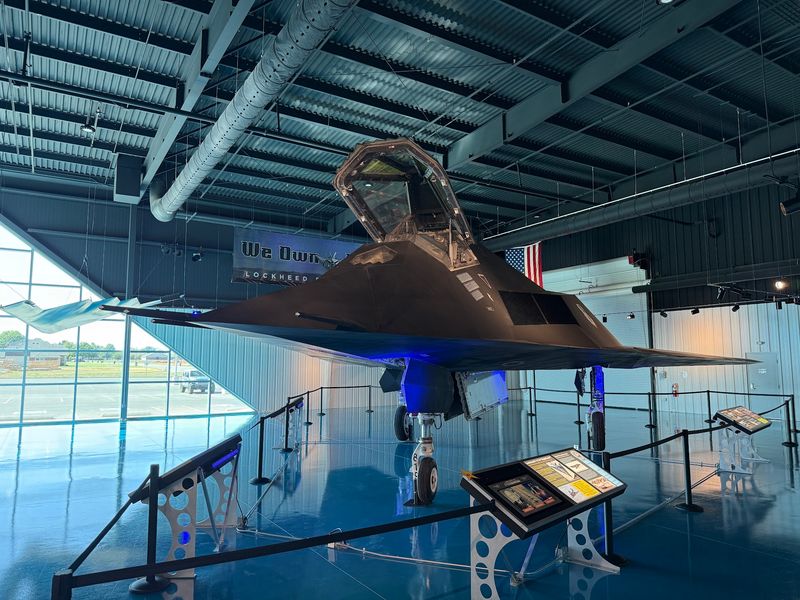
For many visitors, seeing a stealth aircraft in person for the first time is a moment they genuinely did not anticipate. The Lockheed F-117 Nighthawk sits among the museum’s displays as one of its most visually arresting pieces, its angular, faceted geometry looking almost more like a geometric sculpture than a flying machine.
The Nighthawk earned its place in aviation history as the world’s first operational stealth aircraft, designed to evade radar detection during Cold War-era missions. Its unusual shape is a direct result of the engineering required to scatter radar signals rather than reflect them back, a concept that was revolutionary when the program was developed.
Seeing it in person makes the design logic immediately obvious in a way that photographs simply cannot convey.
Visitors who arrive specifically to see the F-117 often end up spending far more time than planned because the surrounding exhibits pull them deeper into the museum’s broader story. The Nighthawk is prominently mentioned in visitor conversations as a highlight, and it appears frequently as the reason aviation enthusiasts make the trip in the first place.
For anyone who has only ever seen this aircraft in books or on screens, standing beside it is a genuinely striking experience.
Mission Control and the Space Shuttle Simulator
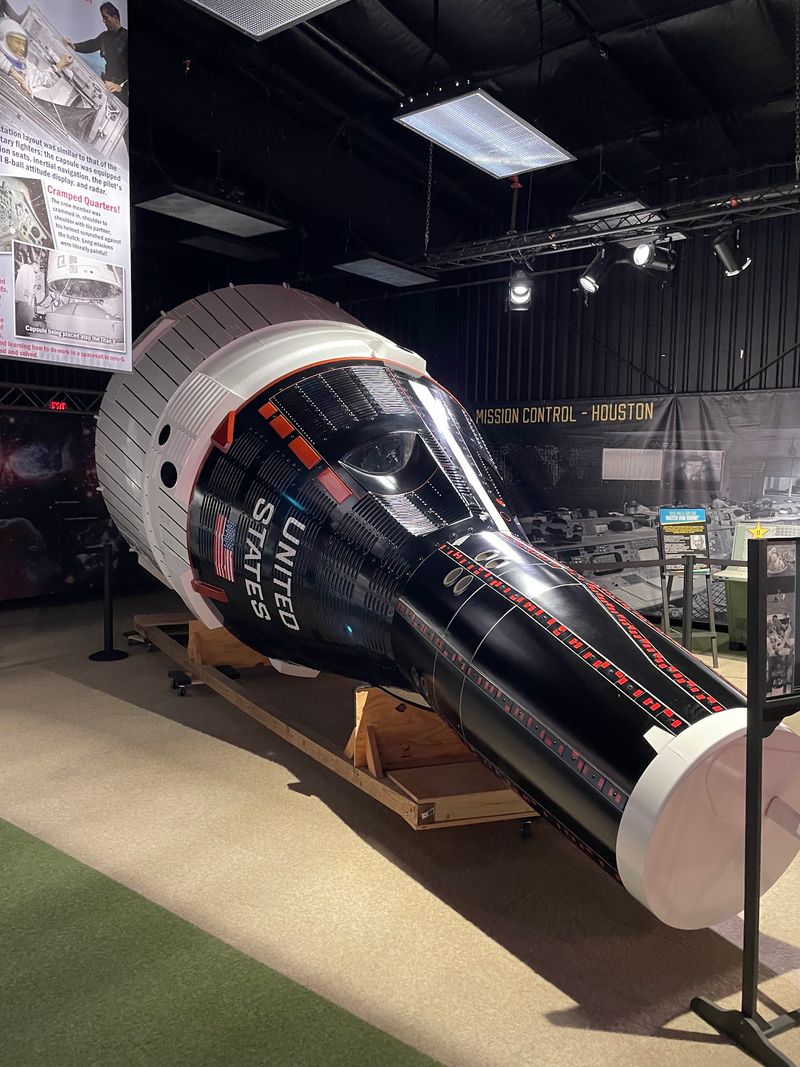
Few museum experiences match the feeling of standing inside a piece of Mission Control. The Stafford Air and Space Museum houses an original section of the Mission Control setup used during the Apollo program, a physical artifact from one of the most dramatic chapters in human exploration history.
Walking up to those consoles and screens, knowing that real decisions about real missions were made at equipment like this, creates a connection to history that no photograph or documentary can fully replicate. The layout gives visitors a tangible sense of the intense, focused environment that NASA personnel worked within during the Space Race.
It is the kind of exhibit that makes adults go quiet for a moment before they start asking questions.
Alongside the Mission Control section, the museum also features an original Space Shuttle simulator, adding a hands-on dimension to the experience. Simulators like this were used in actual astronaut training, so the hardware carries genuine operational history.
Together, these two exhibits create a powerful narrative about the human infrastructure behind spaceflight, the rooms and machines and people that made it all work from the ground up. Visitors with even a passing interest in NASA history find this section particularly absorbing.
The History of Flight From Wright Brothers to Rockets
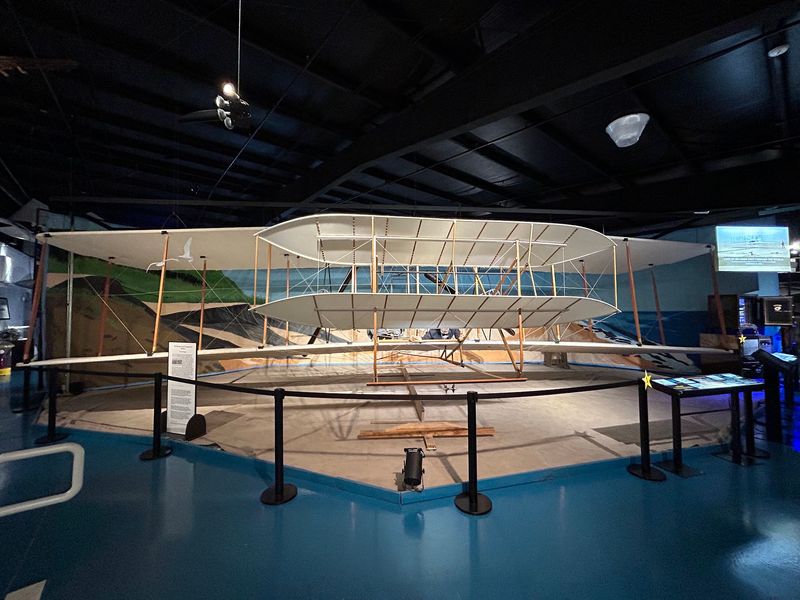
Aviation history is a long story, and the Stafford Air and Space Museum tells it from beginning to near-present with impressive coherence. The narrative arc starts with the Wright Brothers and moves steadily through the development of military aviation, commercial flight, jet technology, and eventually the space programs that defined the second half of the twentieth century.
What makes the progression work is that each era gets enough space and detail to feel complete rather than rushed. Visitors do not feel like they are skimming through history; they feel like they are walking through it.
The engineering explanations are clear and accessible without being dumbed down, making it easy for curious adults and younger visitors alike to follow the story of how flight evolved from fragile wood-and-fabric biplanes into machines that broke the sound barrier and eventually left the atmosphere entirely.
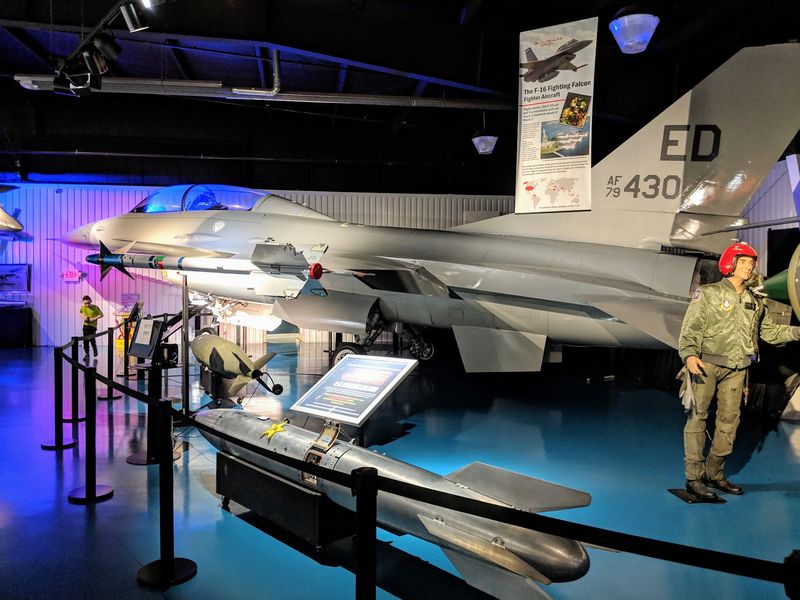
The Cold War section is particularly effective, connecting the military aviation story to the Space Race in a way that makes the political and technological pressures of that era feel vivid and immediate. Seeing aircraft from different generations side by side gives a tangible sense of how rapidly technology advanced over just a few decades.
Visitors who enjoy engineering history find this chronological flow one of the most satisfying aspects of the entire museum.
The Snoopy and NASA Connection You Never Knew About
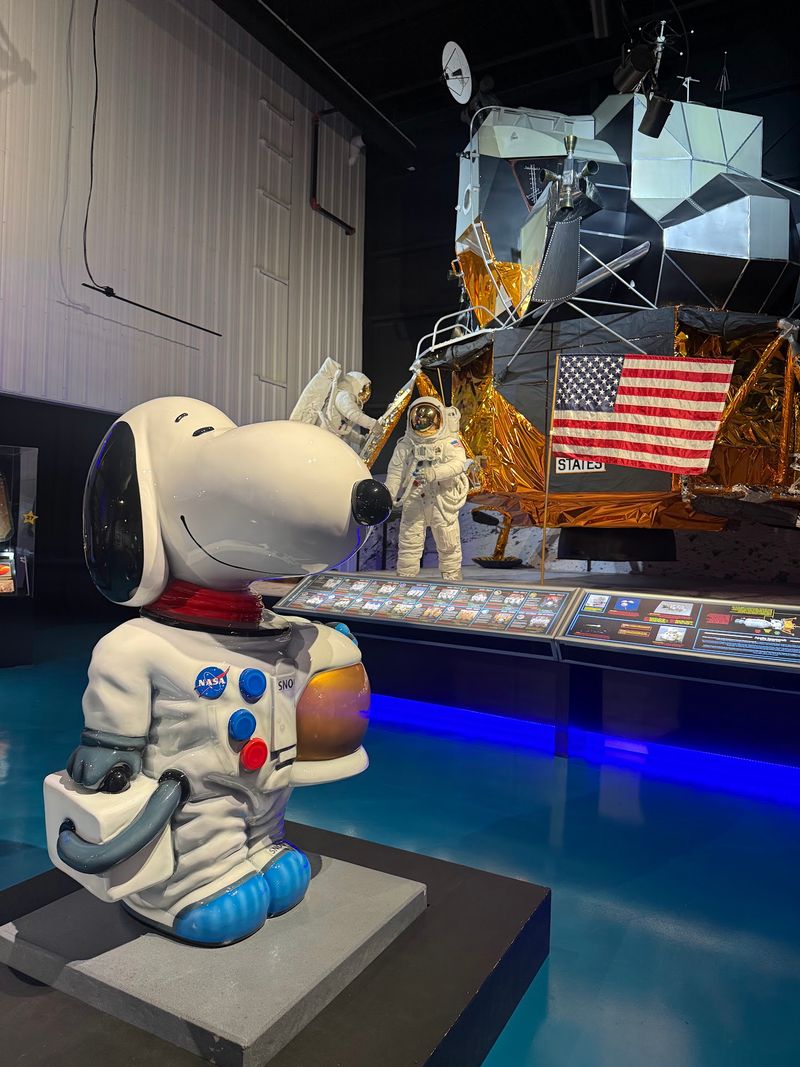
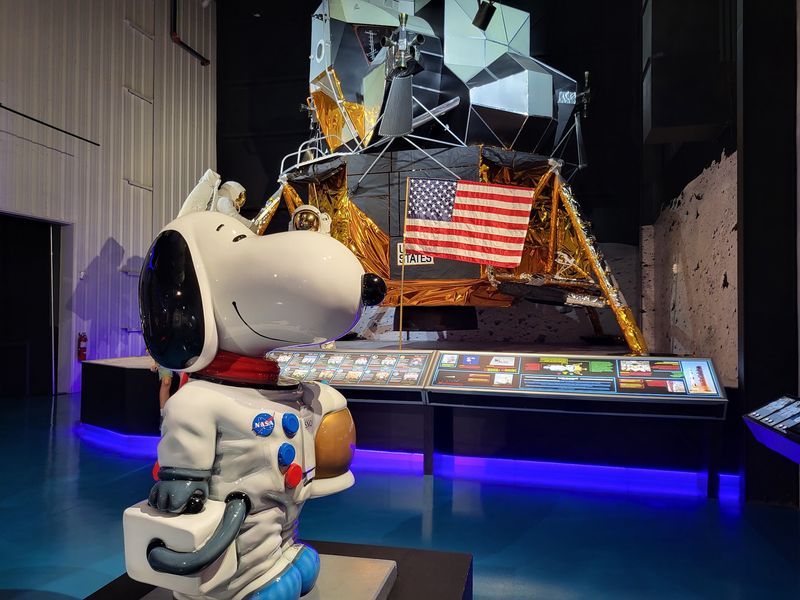
One of the more unexpected delights inside the museum is learning why Snoopy became so deeply embedded in NASA culture. Most people recognize the Peanuts beagle as a cartoon character, but the connection between Snoopy and the Apollo program runs surprisingly deep and the museum explains it with genuine enthusiasm.
NASA adopted Snoopy as an unofficial safety mascot in the 1960s, and the partnership with cartoonist Charles Schulz grew into something meaningful for the agency. The Apollo 10 lunar module was actually named Snoopy, serving as the precursor mission that tested the systems that would later land humans on the Moon.
That module is among the artifacts visitors can see at the museum, giving the Snoopy connection a physical, tangible presence rather than just a historical footnote.
Visitors who arrive without knowing this backstory frequently describe it as one of the most memorable things they learned during their visit. The exhibit handles the topic with warmth and historical context, making it feel genuinely educational rather than gimmicky.
The museum gift shop even carries Snoopy souvenirs for visitors who want to take a piece of that story home, and from the sounds of it, they sell well. It is the kind of unexpected discovery that makes a museum visit feel like time well spent.
Interactive Exhibits and the Scavenger Hunt Experience
Passive observation is only part of what the Stafford Air and Space Museum offers. Interactive exhibits are woven throughout the collection, giving visitors something to do rather than just something to look at, which makes a noticeable difference in how engaged people stay over a multi-hour visit.
The scavenger hunt is a particularly popular feature, mentioned frequently by families as a highlight of their experience. It gives younger visitors a structured way to explore the museum while keeping them actively searching and learning rather than drifting.
Parents appreciate that the activity keeps kids motivated to move through exhibits they might otherwise rush past, and the format works well across a range of ages.
Staff members are another standout element of the interactive experience. Multiple visitors mention that museum employees proactively approached them to offer information and answer questions, which adds a human layer to what could otherwise be a self-guided wander.
That kind of attentive service transforms the visit from a solo reading exercise into something closer to a guided conversation with people who genuinely know the material. For families traveling with curious kids or adults who want to go deeper on specific topics, having knowledgeable staff readily available makes the whole experience significantly richer.
The Outdoor Displays and the Space-Themed Park
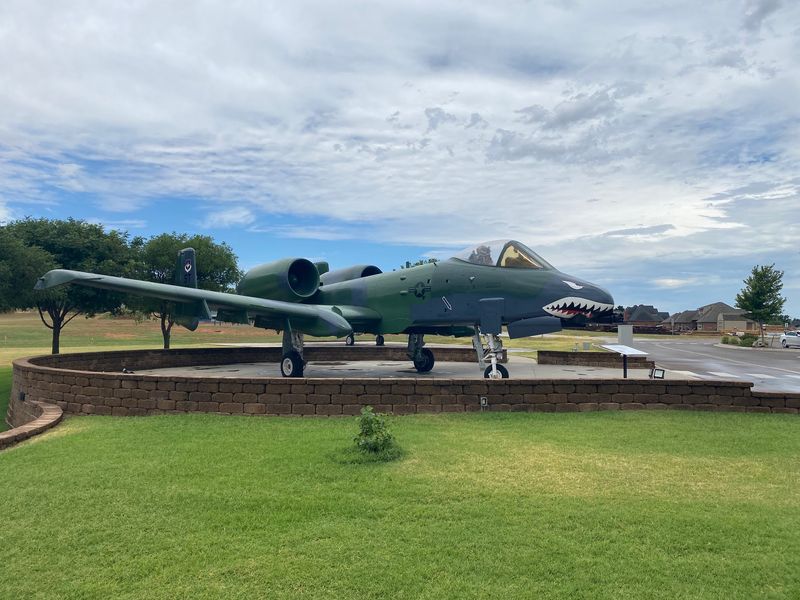
Before visitors even step through the front door, the outdoor displays set the tone for what is waiting inside. Full-size aircraft are positioned on the grounds around the museum, offering a chance to walk around real jets and appreciate their scale in a way that indoor displays sometimes cannot match.
The outdoor setting also makes for a natural breathing break mid-visit.
Across the parking lot, a space-themed park has been taking shape as a developing companion attraction to the museum itself. When a family stopped unexpectedly after spotting signs from the highway, their kids spent so much time in the outdoor play area that the group had not even made it inside yet.
The park features water elements that make it particularly appealing on hot Oklahoma summer days, which is a practical bonus for families traveling during warm months.
The park was still partially under construction during some recent visits, but the sections already open were drawing enthusiastic responses from families. Once completed, the combination of the outdoor park and the indoor museum creates a full-day destination rather than a quick stop.
For road-trippers traveling with children, having a high-quality outdoor play space attached to a world-class museum is the kind of pairing that makes a detour feel like an obvious decision.
Who Will Love It Most and Why It Works for Everyone
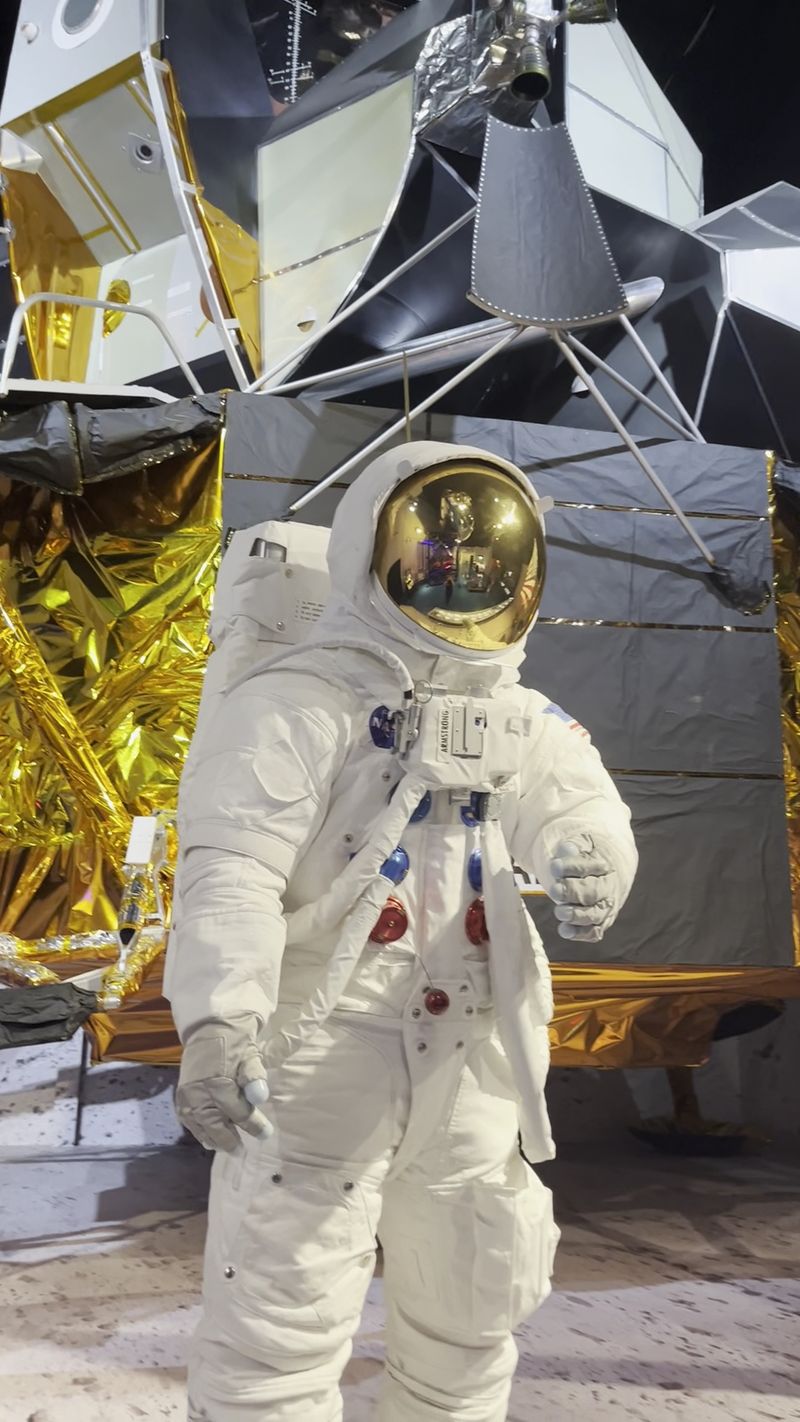
Aviation enthusiasts are the obvious audience, but the Stafford Air and Space Museum has a way of converting people who arrive with only mild curiosity into genuinely captivated visitors. The mix of military history, engineering detail, personal biography, and space exploration gives everyone something to latch onto regardless of their starting point.
Families with kids find the combination of interactive exhibits, the scavenger hunt, and the outdoor park creates a visit that holds attention across age groups without anyone feeling left out or bored. Adults traveling without children tend to appreciate the depth of information available, since the exhibits reward slow, careful reading rather than just a surface-level scan.
Veterans and anyone with a connection to military aviation often find the collection particularly moving given how thoroughly it documents the contributions of American aerospace personnel.
The museum also works well for solo travelers who want to spend an afternoon absorbed in something genuinely interesting. The uncrowded atmosphere that visitors frequently mention means there is room to linger at any exhibit without feeling rushed or jostled.
Whether you are a lifelong aerospace obsessive or someone who just saw a sign from the highway and decided to pull off, the museum has an unusual ability to meet visitors exactly where they are and give them more than they expected.
Recent Renovations and What Is New Inside
Museums can grow stale if they never evolve, but the Stafford Air and Space Museum has been actively investing in updates that even returning visitors notice immediately. Recent renovations have refreshed the interior in ways that visitors describe as innovative and genuinely new, not just cosmetic touch-ups to familiar displays.
For anyone who visited years ago and assumed they had already seen everything the museum has to offer, the renovations make a return trip worth planning. The updated layout and exhibit design reflect a commitment to keeping the collection engaging and accessible, which matters for a museum that draws both first-timers and repeat visitors from across the region.
The improvements also signal that the museum is thinking about its long-term role as a destination rather than just maintaining the status quo.
The combination of ongoing development, the expanding outdoor park, and the core collection of over 3,500 artifacts means the museum is genuinely growing rather than standing still. Visitors who check back in after a gap of a few years tend to find that there is new material to engage with alongside the permanent highlights.
That kind of continuous investment keeps a museum feeling alive, and for a Smithsonian affiliate sitting in a small Oklahoma town, the ambition on display is genuinely impressive.
Hours, Prices, and How to Plan Your Visit
Planning a visit to the Stafford Air and Space Museum is straightforward, and the pricing makes it an easy call even for travelers watching their budget. Admission runs around twelve dollars per person, with discounts available for seniors and military personnel.
For a collection of this depth and quality, that price point is genuinely hard to argue with.
The museum is open Tuesday through Saturday from 9 AM to 5 PM, and on Sundays from 1 PM to 5 PM. Monday hours also run 9 AM to 5 PM, giving visitors plenty of flexibility across the week.
If you are planning around a specific day, a quick call to the museum at 580-772-5871 or a check of the official website at staffordmuseum.org will confirm current schedules and any special events.
Most visitors find that two hours is a reasonable minimum to see the major highlights, though the museum rewards those who budget closer to two and a half to three hours. Arriving in the morning gives you the best chance of a relaxed, uncrowded experience before any afternoon tour groups arrive.
Parking is ample and the location off I-40 makes it a natural mid-drive stop for anyone crossing Oklahoma on a road trip. Pack comfortable shoes and plan to stay longer than you think you will need.
A Verdict That Is Hard to Argue With
Pulling off I-40 for an unplanned museum stop is always a small gamble, but the Stafford Air and Space Museum is the kind of place that makes you feel genuinely smart for stopping. The scale of the collection, the quality of the exhibits, and the warmth of the staff combine to create something that feels much bigger than its small-town setting might suggest.
Comparable institutions in major cities charge significantly more and often deliver a less personal experience. Here, you can stand inches away from hardware that orbited Earth, walk through aviation history at your own pace, and let the kids burn energy in a space-themed park before getting back on the road.
The value is obvious and the memories tend to stick.
For road-trippers crossing Oklahoma on I-40, this is not a stop you have to talk yourself into. It is the kind of place you end up telling people about later, the unexpected detour that turned out to be the best part of the trip.
Whether aerospace history is your passion or you simply appreciate discovering something genuinely extraordinary in an unlikely place, the Stafford Air and Space Museum delivers on every level. The highway sign is worth following.
Share this story