Finding this Korean restaurant takes a little detective work, because it sits on the second floor of an indoor market in Philadelphia’s Chinatown. Some first-time diners follow a paper sign past other food stalls, down a ramp, and up a set of stairs.
The reward waiting upstairs is a bubbling bowl of soft tofu stew that arrives sizzling hot.
The menu covers a lot of Korean comfort food ground. Stone bowl bibimbap, black bean noodles, spicy pork in a cast iron skillet, and pork bone soup all share space on the same list.
I like places that reward a bit of effort, and this one does it with free side dishes called banchan that show up before the main meal.
So why would a Korean spot choose a second-floor perch above a busy Pennsylvania street? The answer says a lot about this neighborhood.
A Second-Floor Spot Above Race Street
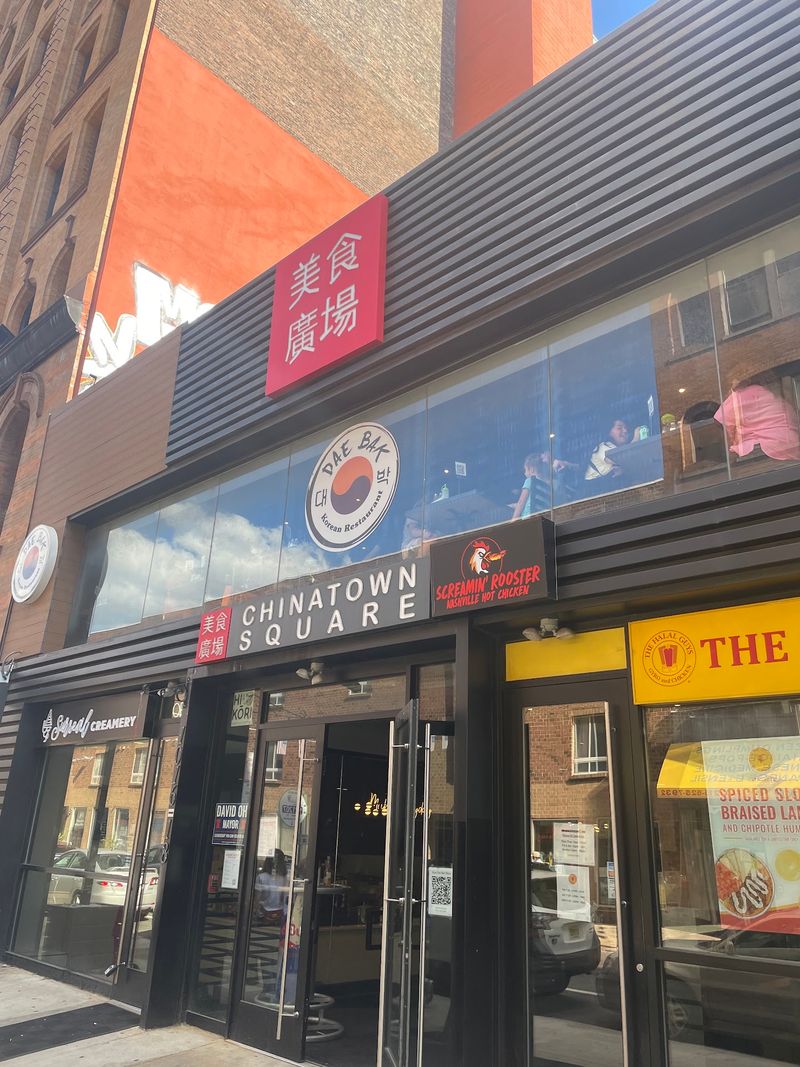
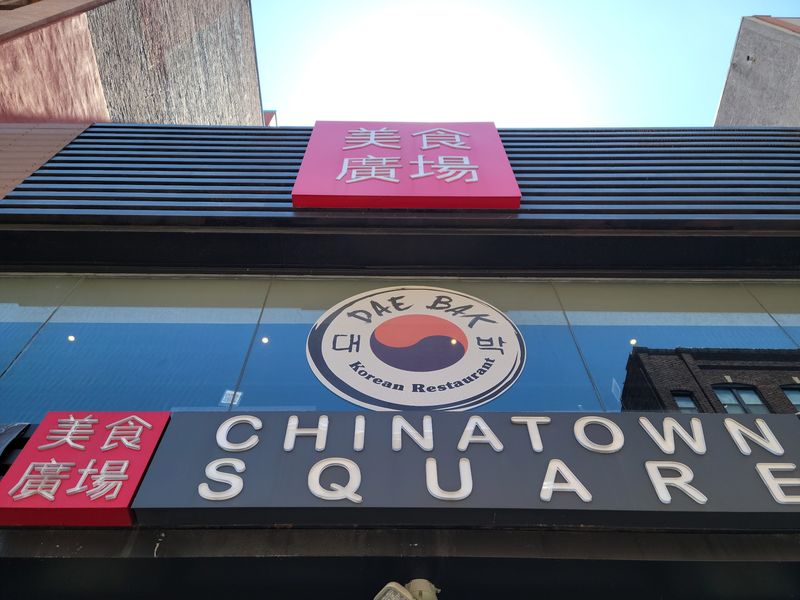
The restaurant is called Dae Bak, and its full address is 1016 Race St, 2nd Floor, Philadelphia, Pennsylvania 19107. It lives inside Chinatown Square, a food market building in the middle of Philadelphia’s Chinatown neighborhood.
That second-floor location is the first thing worth knowing. You enter the market at street level, then make your way upstairs to reach the dining room.
Some visitors have described following a paper sign with directions, so keep your eyes open for it.
I find this setup kind of fun. Hunting for your dinner inside a busy market feels like being let in on a neighborhood secret, even though the spot is listed right there on the map.
The name itself carries a playful meaning. In Korean, dae bak is a popular expression people use when something is awesome or a huge success.
It is a bold promise to hang over a dining room.
Chinatown Square sits within walking distance of Center City, so it fits easily into a day of exploring. Once you reach the top of those stairs, the menu waiting for you turns out to be far bigger than the hallway suggests.
Free Little Dishes Before the Big Ones
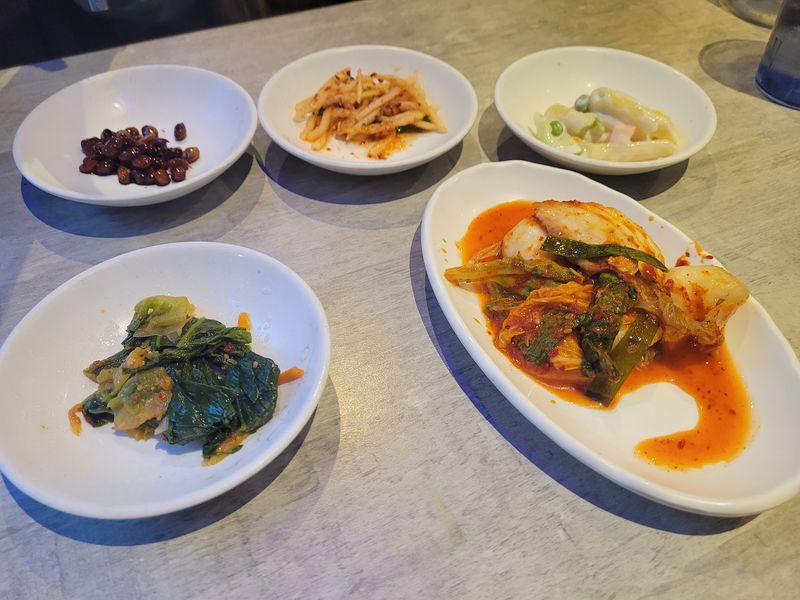
Order a meal here and a small parade of bowls soon lands on your table. These are banchan, the free side dishes that come with traditional Korean meals.
Banchan are a big part of Korean dining culture. Instead of one plate per person, the table shares several small dishes, and everyone picks from them throughout the meal.
At Dae Bak, the lineup has included cabbage kimchi and kkakdugi, which is kimchi made from cubed radish.
Kimchi is fermented, usually made with cabbage or radish along with garlic, ginger, and chili. Every cook makes it a little differently, so the version here is worth tasting on its own before you mix it with anything else.
Here is a handy tip. Banchan are typically refillable at Korean restaurants, and staff at Dae Bak have been known to bring more when asked.
Do not be shy about a polite request.
I like that the meal starts with sharing. It sets a relaxed tone and gives you something to snack on while the kitchen works.
Speaking of the kitchen, the dish that comes out next might still be bubbling when it reaches you.
Soft Tofu Stew That Arrives Still Bubbling
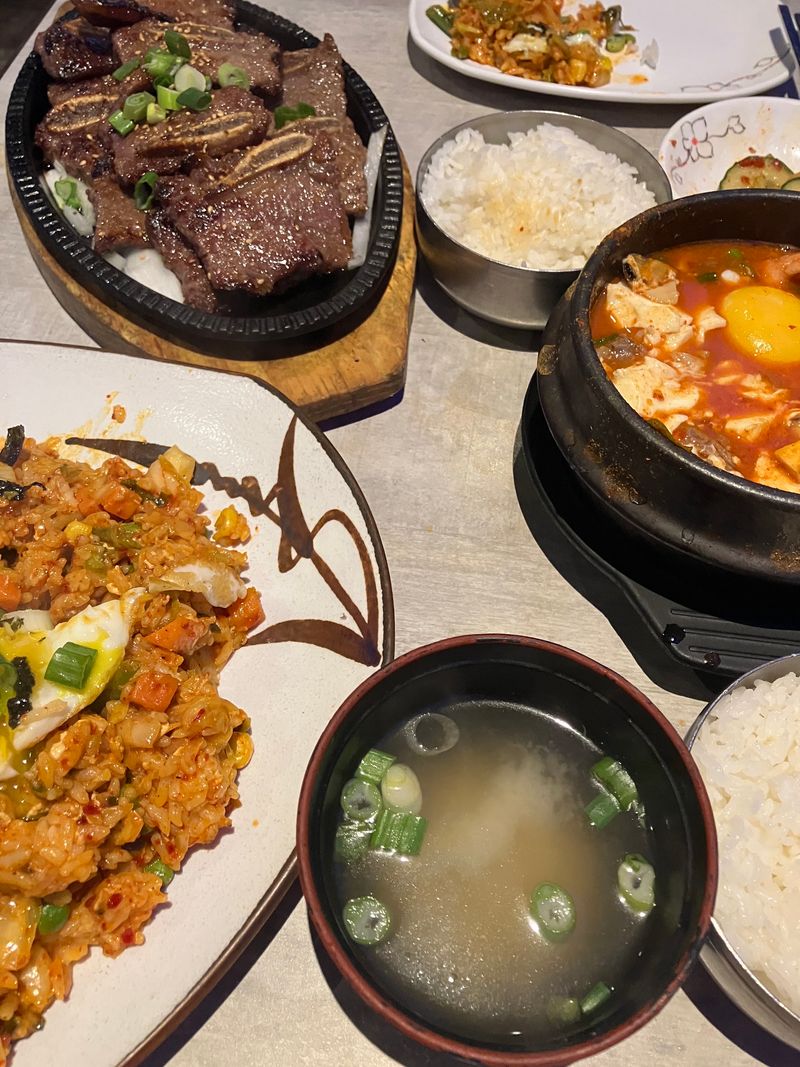
Few dishes announce themselves quite like soondubu jjigae. This soft tofu stew usually reaches the table in its own pot, still boiling hard enough to make you wait a minute before your first spoonful.
Soft tofu stew is one of the most talked-about dishes at Dae Bak. The base is silky, custard-like tofu in a spicy broth, a classic Korean comfort meal especially on chilly Pennsylvania evenings.
Spice is adjustable here, which is great news for cautious eaters. Diners can ask for a level that suits them.
Just know that the hot setting is serious, so start lower if you are unsure.
Korean families often crack a raw egg into the stew right as it arrives. The heat cooks the egg gently inside the broth.
Ask your server how they serve it here before you try it.
A bowl of rice on the side helps balance the heat, and the banchan you already have make great partners. I would treat this stew as the best introduction to the menu, since it shows how the kitchen handles warmth and spice together.
The next favorite comes in a different kind of hot bowl.
Bibimbap in a Sizzling Stone Bowl
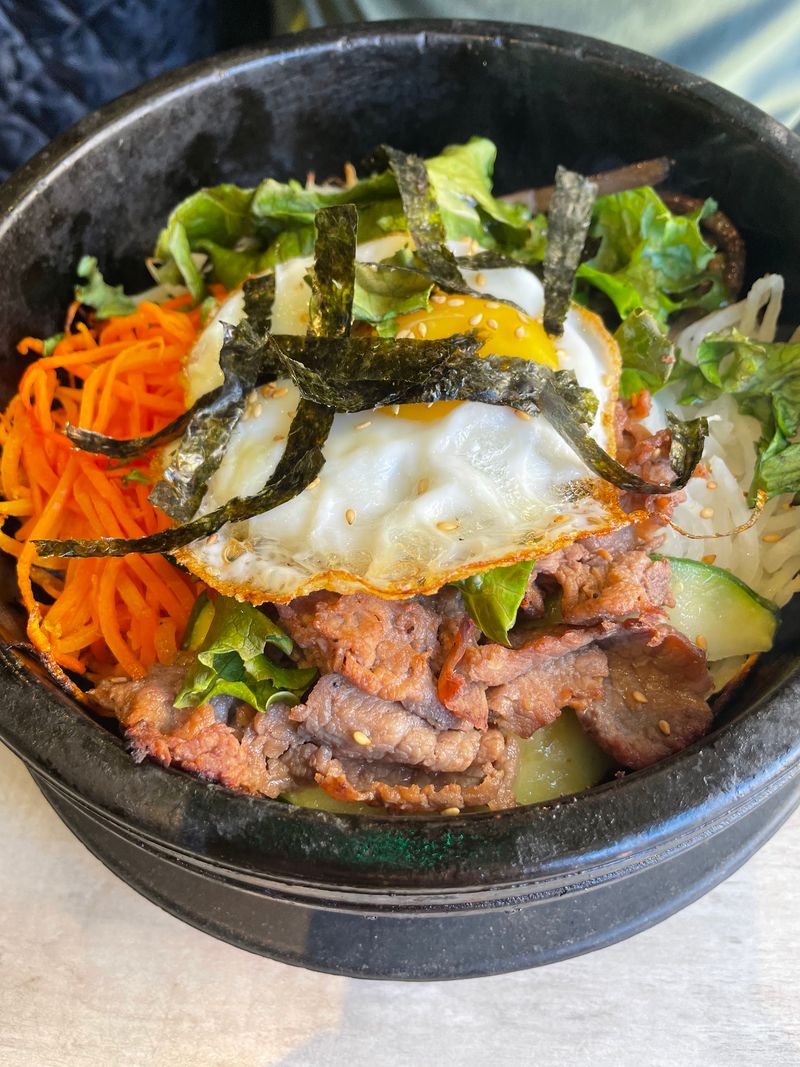
Listen closely when a dolsot bibimbap reaches your table, because that stone bowl is still crackling. Dolsot means stone pot in Korean, and the bowl is heated so the rice at the bottom gets crisp.
Bibimbap is a mixed rice dish topped with vegetables, protein, and often an egg. At Dae Bak, it is the single dish diners mention most.
Versions have included bulgogi beef, tofu, and squid, so there are choices for different appetites.
The fun part is the mixing. Add a spoonful of gochujang, a red chili paste, and stir everything together with your spoon.
Keep stirring so the rice touches the hot sides of the bowl.
That crispy rice layer has a name. Koreans call it nurungji, and many people think it is the best bite in the bowl.
Here is my advice for first-timers. Wait a moment before digging to the bottom, then scrape up the crunchy bits near the end of the meal.
Bibimbap also works well for picky eaters, since you control how much sauce goes in. It is a dish that lets everyone eat their own way.
Black Bean Noodles With a Story
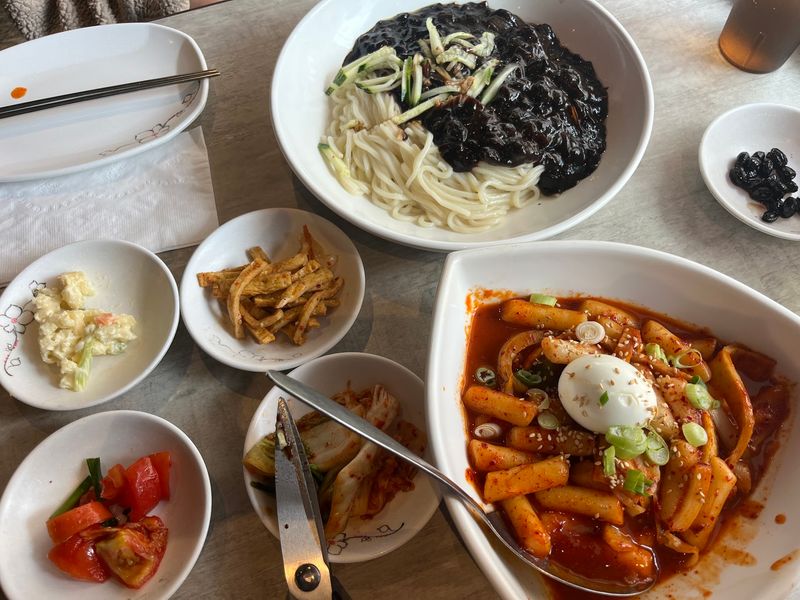
Korean kids grow up eating jjajangmyeon on moving days, graduation days, and lazy weekends. It is a Korean Chinese dish, and it feels right at home on a Chinatown menu.
The dish starts with thick wheat noodles. They get covered in a glossy dark sauce made from black bean paste, usually cooked with onions and bits of meat.
Fresh cucumber slices often sit on top for crunch.
Black bean noodles show up on Dae Bak’s menu, and diners bring them up often. The dish makes a nice change of pace if you want something without much heat.
Fun fact for movie fans. In South Korea, there is even an unofficial day called Black Day on April 14.
Single people gather and eat jjajangmyeon together as a playful twist on Valentine’s Day.
A tip before your bowl arrives. Mix the sauce and noodles completely with your chopsticks so every strand gets coated.
And maybe skip the white shirt, since that dark sauce loves to splash.
I find it fitting that a dish with roots in both Korean and Chinese cooking is served inside a Chinatown market. The building and the bowl share the same mixed heritage.
Spicy Pork That Keeps Cooking at the Table
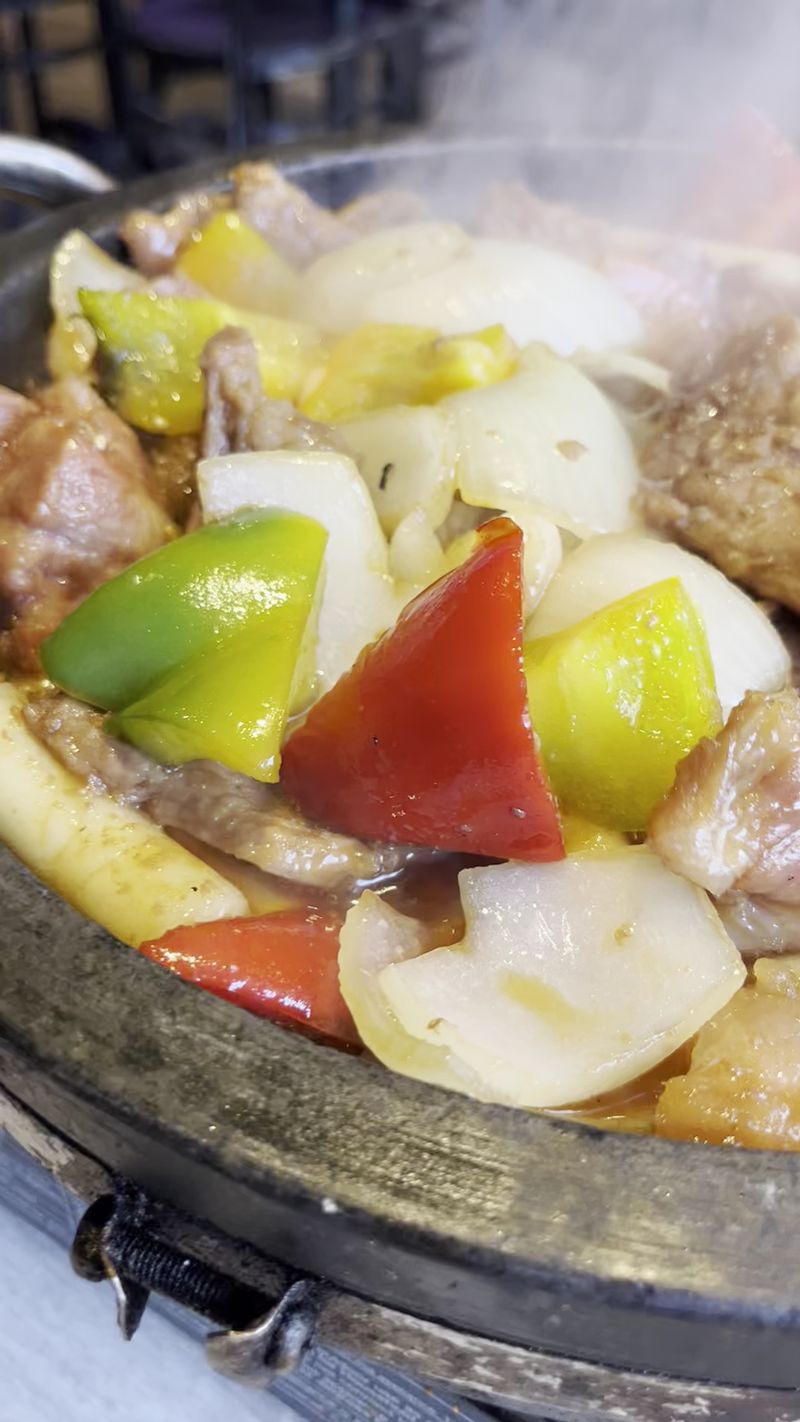
Jeyuk bokkeum might be the dish that rewards patience the most. This spicy stir-fried pork has been served at Dae Bak in a hot cast iron skillet.
The pork is cooked in a sauce built on gochujang, the Korean red pepper paste, often with onions and other vegetables. Because the skillet stays hot, the meal keeps warming as you eat.
That hot skillet does something extra. As the meal goes on, leftover sauce starts to caramelize on the surface.
Those crispy, sticky bits at the bottom are worth scraping up with your spoon.
I would order a bowl of rice to go with it. The spicy sauce pairs nicely with plain rice, and the banchan add cool contrast.
Pork lovers have other options too. The menu has included marinated pork short ribs and galbi, which is a classic marinated short rib dish found at Korean restaurants all over the world.
A friendly warning about the skillet. It stays hot for a long time, so keep little hands and sleeves away from the edges.
The kitchen also handles seafood and frying, which brings us to a giant pancake.
A Pancake Built for the Whole Table
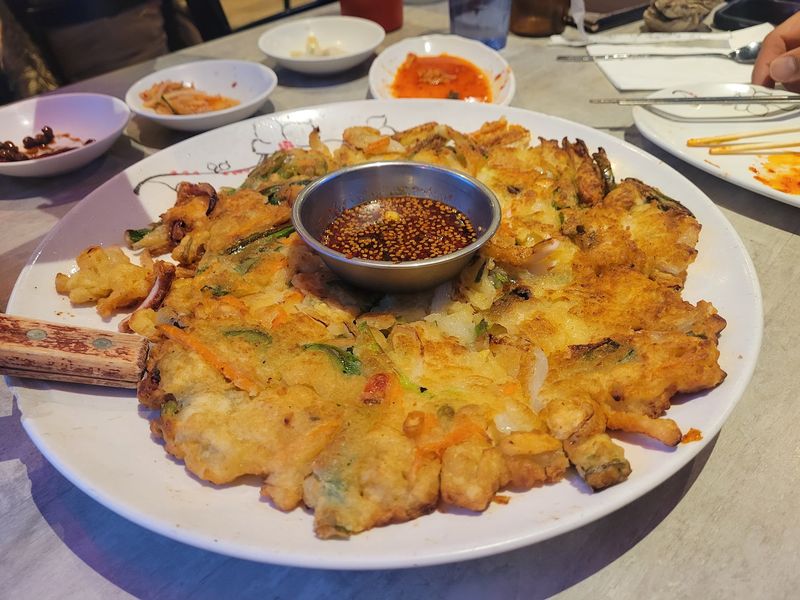
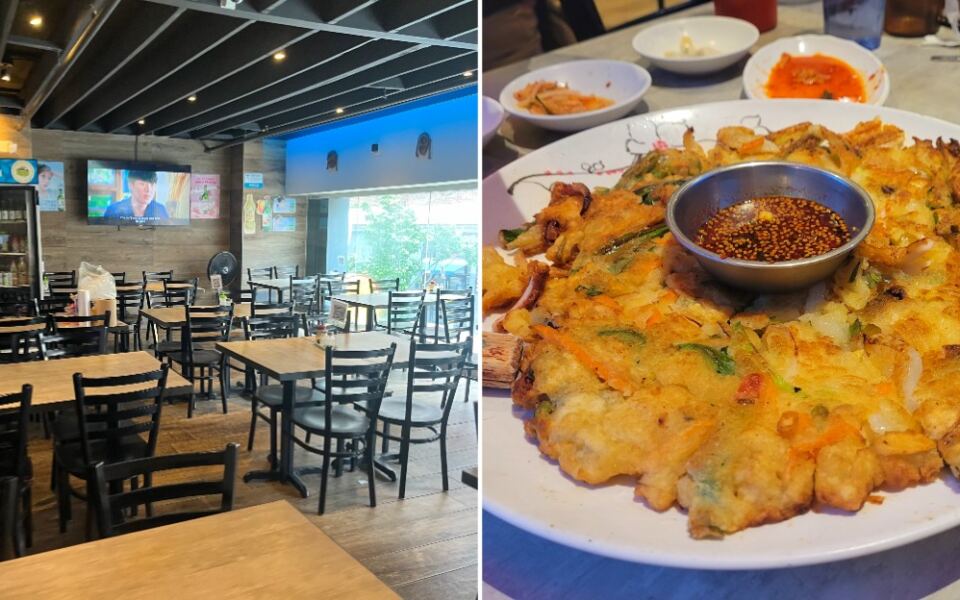
Sharing is not optional with the seafood and scallion pancake. One diner described it as big enough for four people, so plan on passing it around.
Korean pancakes, called pajeon, are made from a flour batter loaded with long green scallions. The seafood version adds pieces of seafood into the mix.
It usually comes sliced into wedges or squares, with a dipping sauce on the side.
Dae Bak also offers a spicy scallion pancake for anyone who likes extra kick. Both work as starters while the bigger dishes are being made.
Here is a small cultural note. In Korea, many people like eating pajeon on rainy days.
Some say the sizzle of the batter in the pan sounds like falling rain.
Appetizers here can be large, so watch how much you order. A group of three or four could easily split one pancake plus a few mains.
The menu has also featured fried dumplings and tteokbokki, which are chewy rice cakes in a spicy red sauce. These snack-style dishes are good choices when you want to sample a little of everything.
Soups, Grilled Fish, and Cold Noodles
Some of the most interesting items here are the ones first-timers might skip. Gamjatang, a pork bone soup cooked with potatoes, is one of them.
This hearty soup is a Korean classic. Diners usually pick the tender meat off the bones and sip the rich, red broth along the way.
It is a slow, hands-on meal, so give yourself time.
Soon dae guk bap is another traditional choice. It is a rice soup featuring soondae, a type of Korean sausage.
Adventurous eaters may want to give it a try.
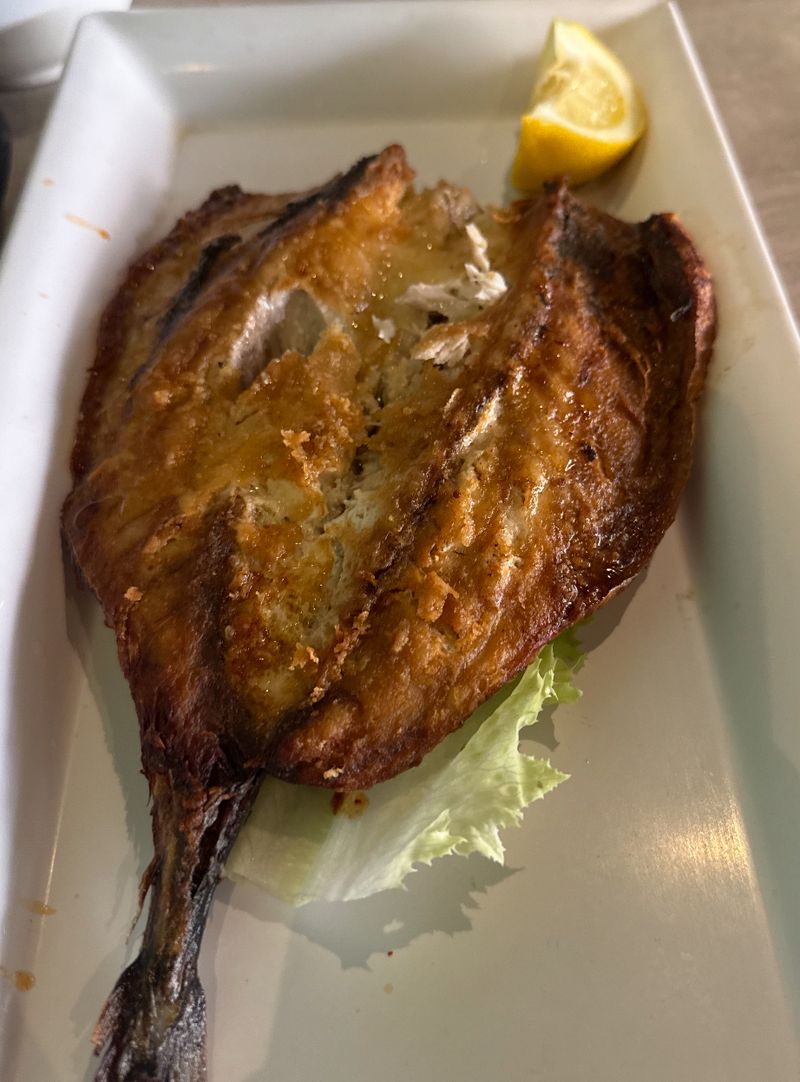
Fish fans have options too. Grilled mackerel and grilled whole croaker have both appeared on the menu, and both pair simply with rice and banchan.
On a hot summer day, cold noodles make sense. One diner ordered them during a heatwave in Philadelphia, which feels like a smart move.
Korean cold noodles, often called naengmyeon, come in a chilled broth.
Japchae is also on the list. These glass noodles are made from sweet potato starch and stir-fried with vegetables.
Variety like this means a group can order very differently, which matters for the next topic.
Room for a Crowd, or Just One
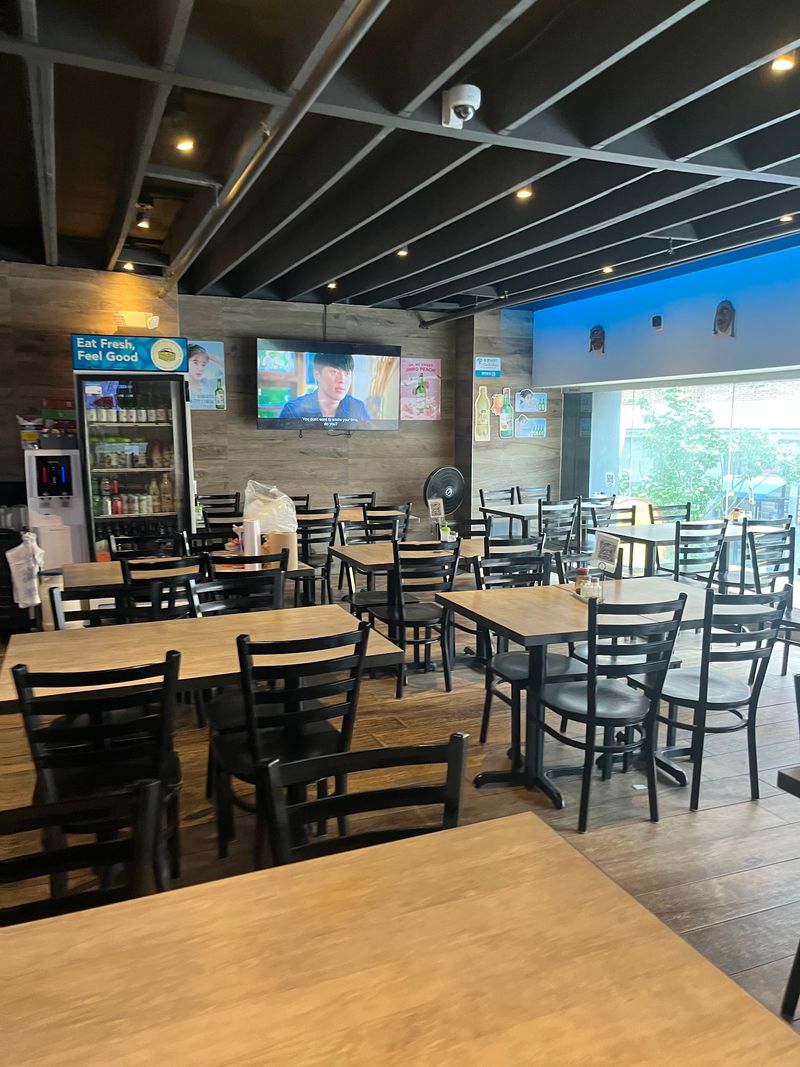
A table of fourteen once showed up here, and the staff handled it. That tells you something about how this dining room works for groups.
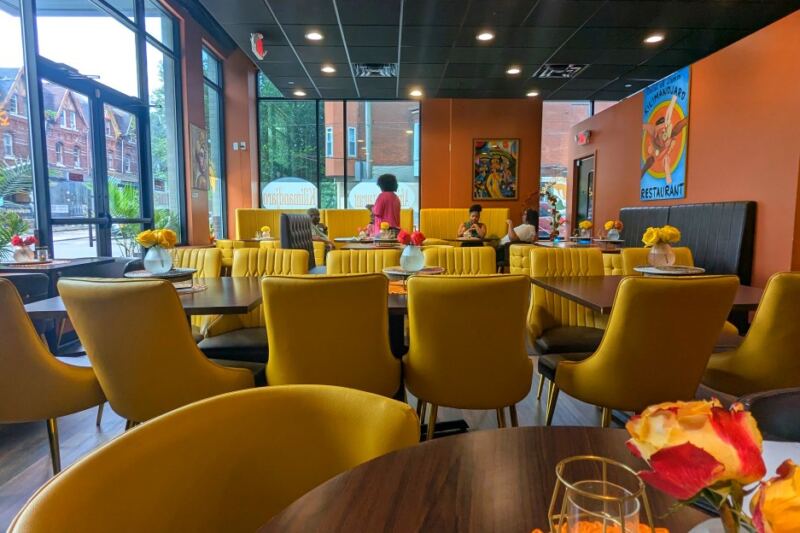
The setting is casual and simple, with large windows looking out over the street. Window seats give you a view of Chinatown life below, which is a fun way to pass the time between dishes.
Korean meals are made for sharing, so groups are a natural fit. Order a mix of stews, rice bowls, and pancakes, then let everyone pick from the middle.
The shared banchan help tie it all together.
Solo diners should not feel left out. The quiet, relaxed mood makes it comfortable to sit with a stew and your thoughts.
A single bowl of bibimbap is a full meal on its own.
Prices are generally considered budget-friendly, and portions are often described as large. That combination works well for students, families, and anyone eating on a budget.
Diners have also praised servers who keep water glasses filled and suggest spice levels. If you are new to Korean food, ask questions.
Staff can point you toward the dishes that match your taste.
Timing Your Trip to Chinatown Square
Thursday is the one day to skip. Dae Bak usually closes on Thursdays and opens from late morning into the evening the rest of the week, but check current hours before you go.
That schedule makes it easy to plan lunch or dinner. Afternoons can be calmer if you prefer a quiet table, while evenings bring more activity to the neighborhood.
The location is handy for a full day out. The Chinatown Friendship Gate on 10th Street is a short walk away, and the Pennsylvania Convention Center and Reading Terminal Market are close by too.
Movie lovers have used this spot for dinner before a film, since theaters sit within walking distance. It is a smart way to fuel up without traveling far.
Chinatown Square has also been part of the neighborhood’s night market events, when crowds fill the streets. Expect a livelier scene on those nights.
My last tip is simple. Bring a sense of adventure, and order at least one dish you have never tried.
With stews, stone bowls, noodles, and pancakes upstairs, Dae Bak gives you plenty of chances to taste Korean comfort cooking in the middle of Philadelphia’s Chinatown.
Share this story