A quick stop for one album can become a much longer hunt in New Jersey. At an unassuming record store, used finds share space with new releases, CDs, tapes, and movies.
The fun is not knowing which title will make you pause and check the price. Here is what makes this shop worth exploring, plus a few useful things to know before you go.
A record store on South Tulane Street
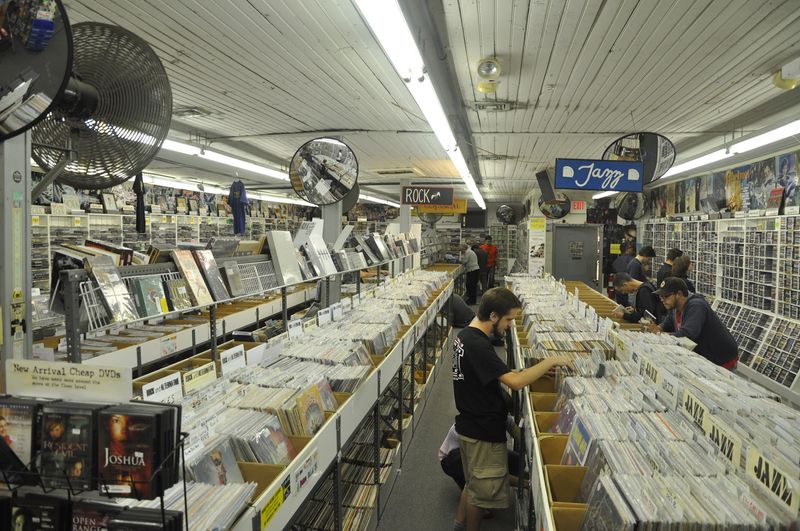
A record hunt needs a starting point, and this one is 20 S Tulane St, Princeton, NJ 08542, United States. Princeton Record Exchange is a record store with a broad range of physical media, so a trip here need not begin with a particular album in mind.
The address puts a specific destination behind a familiar local pastime: browsing until something unexpected earns a closer look.
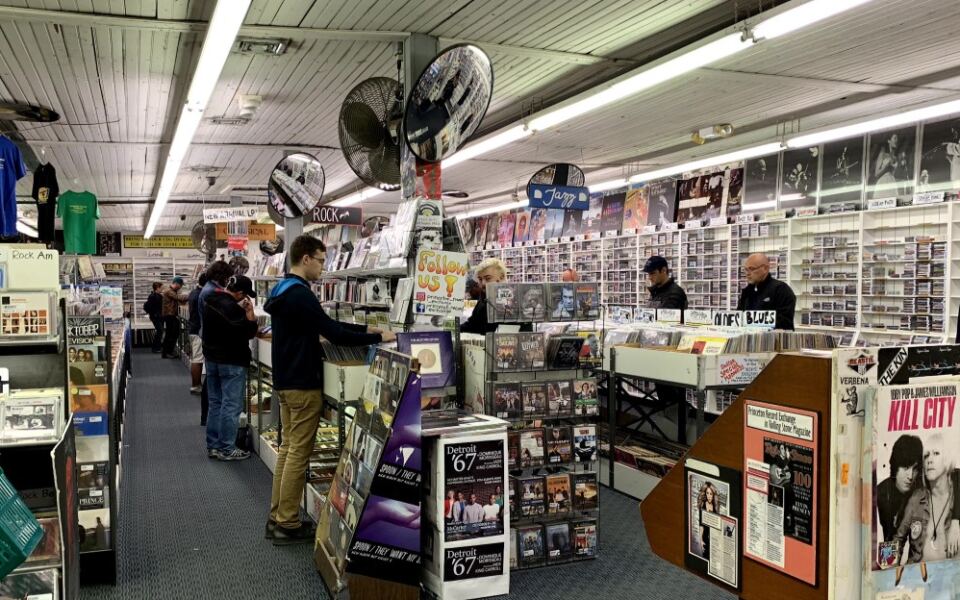
The store is more than a stop for vinyl alone. CDs, cassettes, and DVDs appear alongside records, giving different kinds of collectors a reason to explore.
New releases and used items both have a place here, though they are not always separated in the way a used-only shopper might expect. That detail matters when planning a visit: bring a little patience, especially if the goal is to sort through secondhand copies.
A flexible plan suits the place better than a strict shopping list, and the following sections explain why.
Decades behind the bins
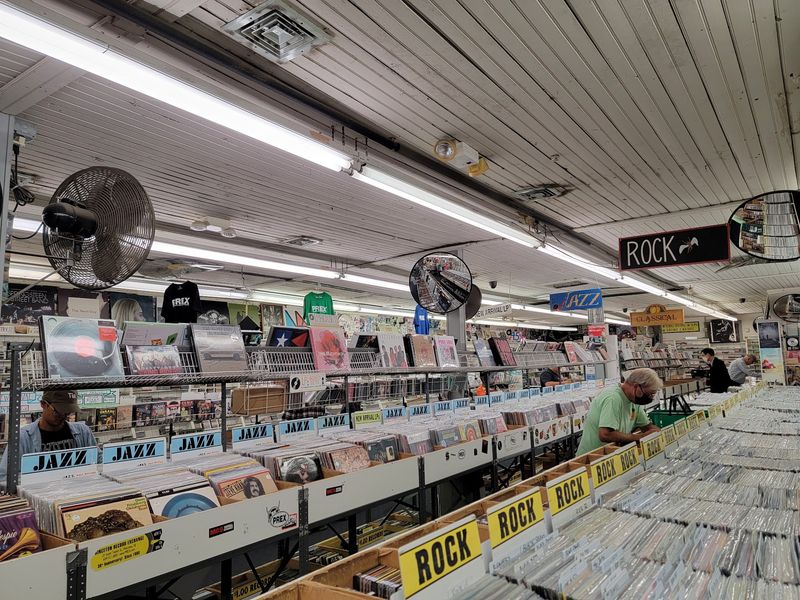
Plenty of shops sell records, but a long-running store gives a browsing trip another layer. Accounts from longtime customers place Princeton Record Exchange in their routines across decades.
One customer recalls first coming about 25 years ago, while another describes speaking with the owner about more than 40 years in the business. Those accounts help explain why the shop means more to some people than a convenient place to buy an album.
That history is best understood through its continuing purpose, not a grand claim about the past. People still come to look through bins, compare formats, and leave with music they can take home.
Some make a point of returning when they are in the area; others bring friends or family along. The store has room for both habits.
Its staying power gives a first visit a curious question to answer: which part of this large collection will feel most worth coming back for?
A place in Princeton’s music routine
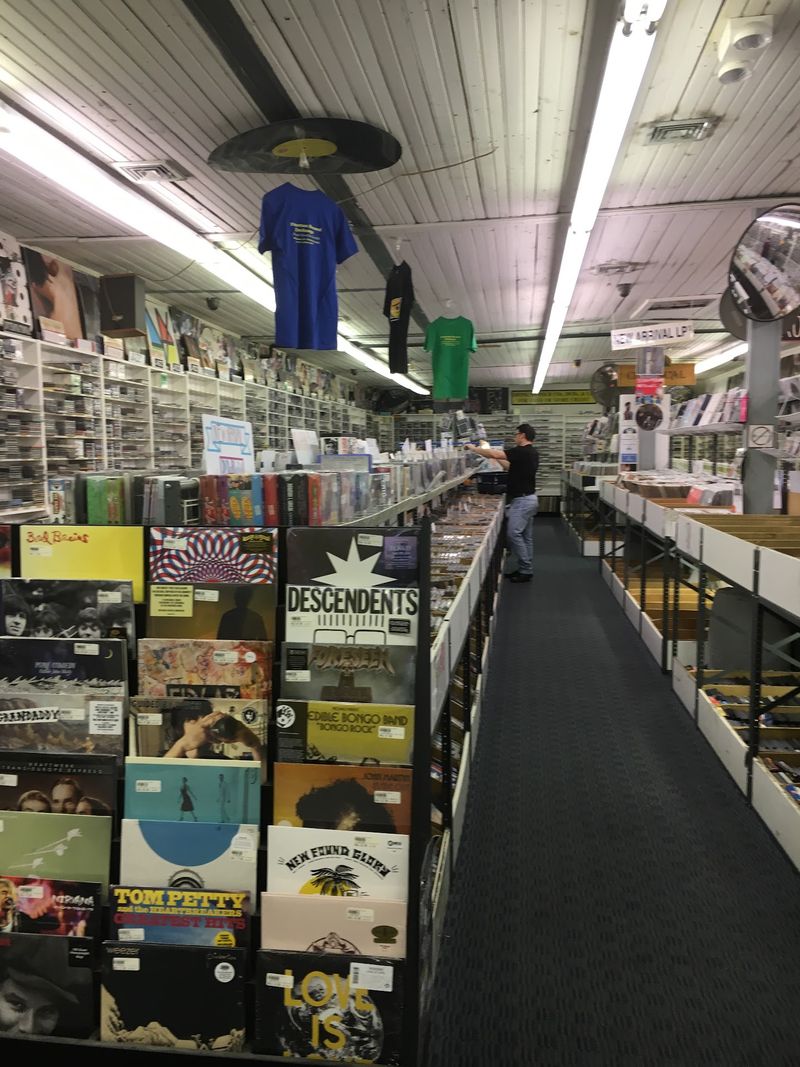
Local attachment is not something a store can put on a shelf. It grows when people work a place into their ordinary plans, and that pattern comes through in accounts of Princeton Record Exchange.
Some shoppers describe stopping whenever they are nearby. Others travel back regularly even after moving farther away.
The store also appears in memories of trips with partners, friends, children, and out-of-town guests.
That range makes its Princeton setting important without turning the shop into a general tour of the town. A college student hunting for a CD and a longtime collector checking the bins can use the same space in different ways.
The surrounding businesses can make the stop part of a longer outing, but the record store remains the reason to come. New Jersey has plenty of places people pass without entering; this is one that gives music fans a reason to make a deliberate return.
Used records and the patient search
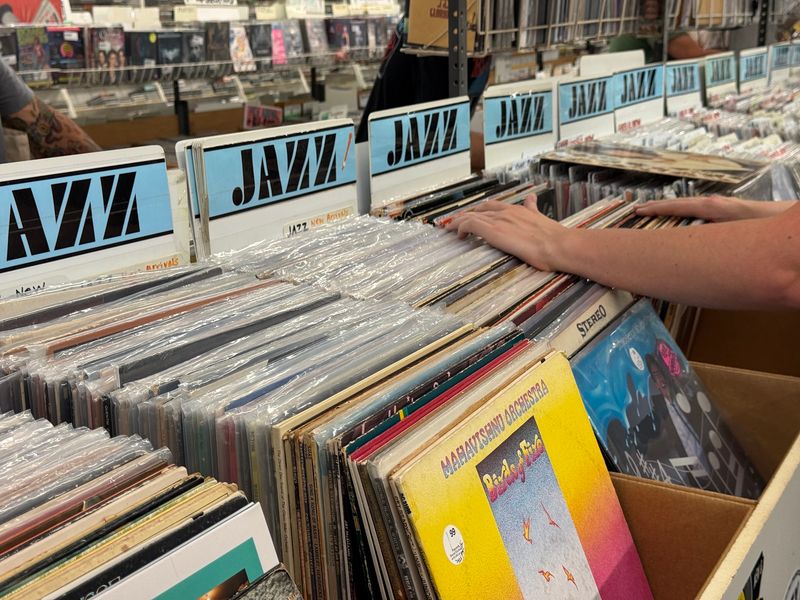
The best crate-digging plans leave room for surprise. Princeton Record Exchange has a large record selection and used vinyl to search, with shoppers describing both familiar titles and less expected finds.
Some also report that the selection changes, which gives repeat trips a purpose: the album passed over last time may not be the album found next time. That possibility is the appeal, not a promise that a particular record will be waiting.
Patience helps because the hunt is not perfectly tidy. Records may be sorted by artist or alphabetically in some areas, while another section can take longer to work through.
New and used copies can also share space, so anyone shopping only for secondhand records should check individual items rather than assume an entire bin fits the brief. A short visit can still be worthwhile, but a less hurried one gives the selection a fairer chance to reveal something interesting.
New releases beside older finds
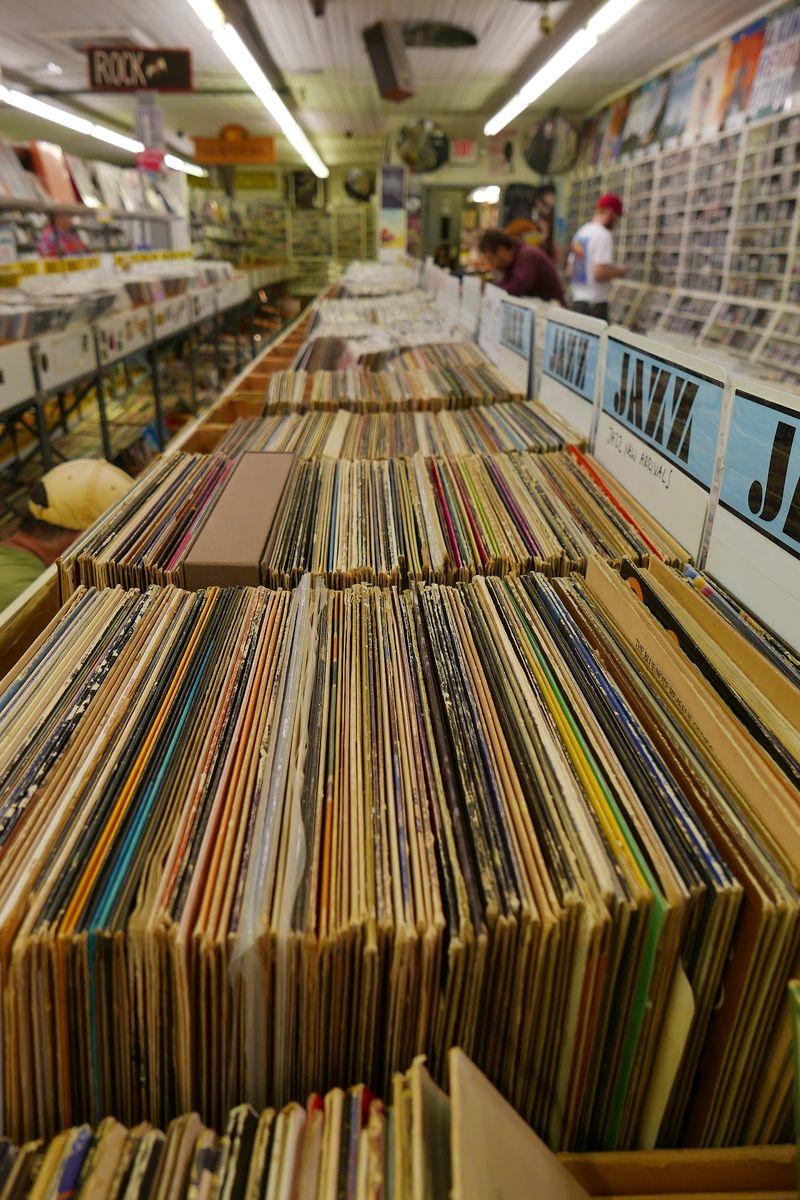
A sealed copy can interrupt a search for secondhand vinyl, and that is useful to know before arriving. Princeton Record Exchange carries new music as well as used media.
The mix opens more options for someone building a collection, particularly when a desired title is easier to find new. It can also slow down a shopper who wants used copies only.
Neither experience cancels the other; they simply call for different ways of browsing.
Start with the artist or style that brought you in, then check the condition and format of each promising find. Do not assume neighboring copies have the same history or cost.
One account describes finding far more sealed records than expected during a particular visit, while others emphasize the secondhand selection. Stock and individual shopping goals can shape those impressions.
The practical lesson is straightforward: treat the bins as a mix to investigate, not as a neatly divided list of old and new.
CD shelves with room to linger
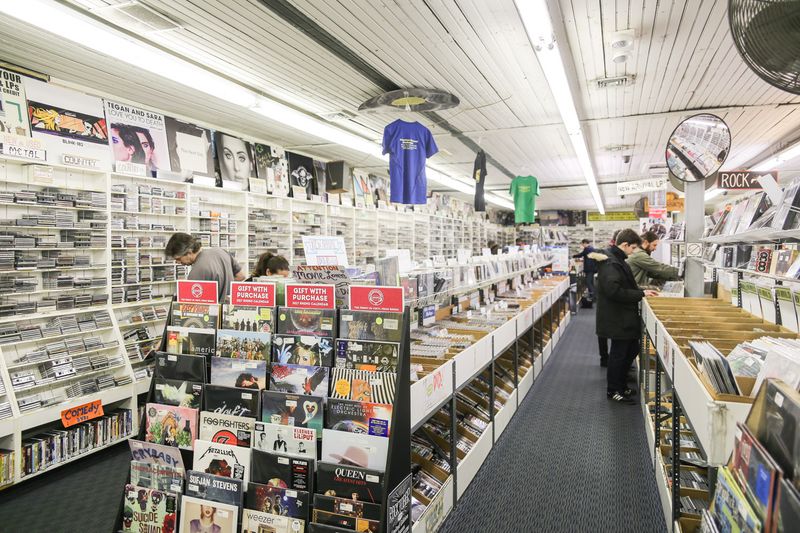
Vinyl may be the headline, but CDs can easily become the main event. Princeton Record Exchange carries a substantial CD selection, including used copies and budget options mentioned by shoppers.
That matters to anyone who still buys albums on disc or wants an affordable way to try an unfamiliar artist. A record search that goes nowhere does not have to end the trip.
Organization deserves a little attention here, too. Some CD areas contain both new and used items, and one shopper found a section devoted to used rock more useful for a secondhand-only search.
Lower shelves can take extra time to check when the store is busy. Rather than trying to inspect every case at once, choose a category or artist and work through it at a comfortable pace.
The CD shelves reward a different kind of focus from the vinyl bins, and switching between them can give an uncertain shopping trip a fresh direction.
Cassettes, DVDs, and other detours
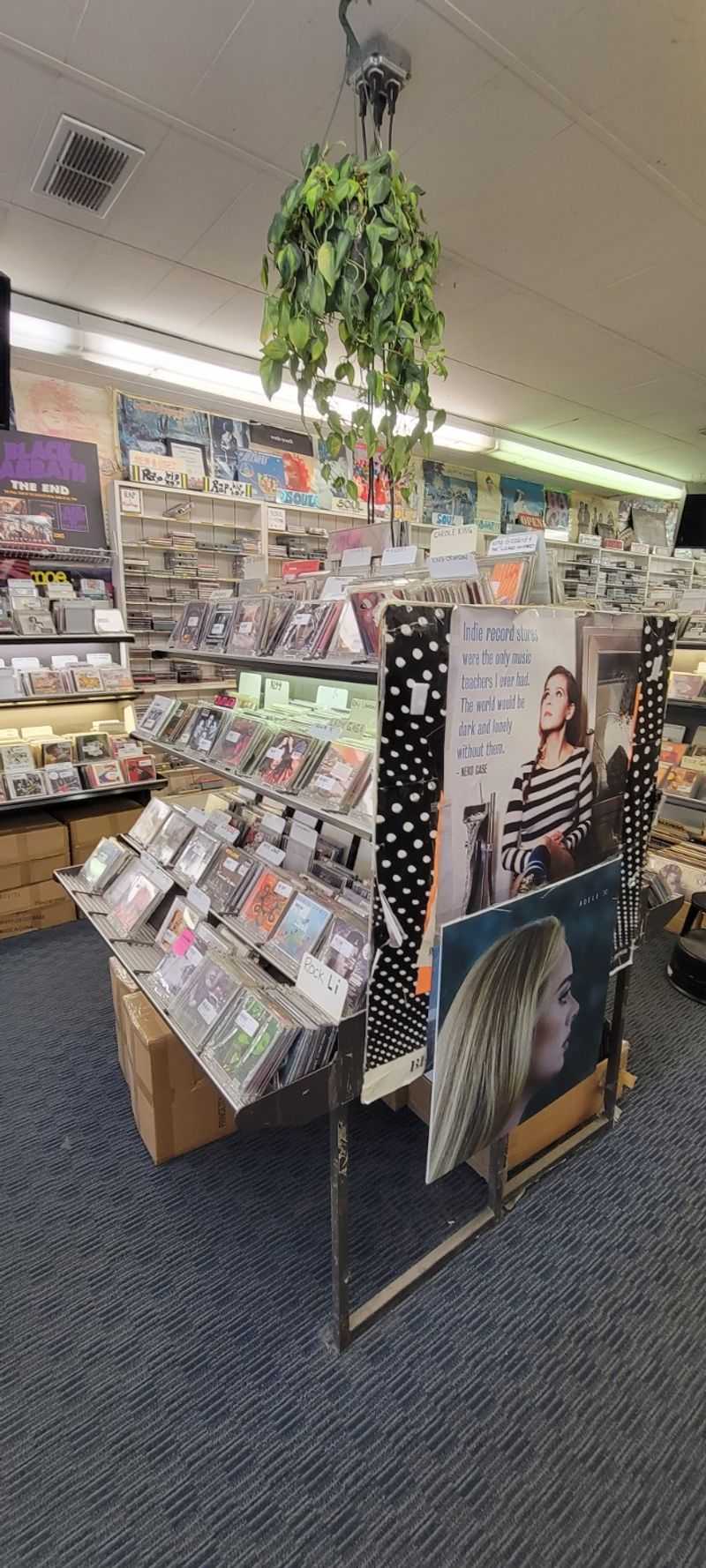
Not every worthwhile find has grooves or comes in a CD case. Cassettes and DVDs are part of the selection at Princeton Record Exchange, adding two easy detours for anyone already exploring the store.
Shoppers looking for movies can browse alongside music collectors, while a cassette fan has reason to check beyond the main record bins. The extra formats make the visit more flexible without changing its central identity as a record store.
These sections are useful when a planned album does not turn up. A shopper can shift attention to a different format rather than leave immediately or buy something merely to justify the trip.
Accounts also mention other media, including magazines, though availability of any particular item is not guaranteed. Keep the goal modest: learn what is there on the day, then decide what deserves a place in your collection.
An unexpected DVD or tape can be a satisfying find in its own right.
Genre paths beyond the obvious
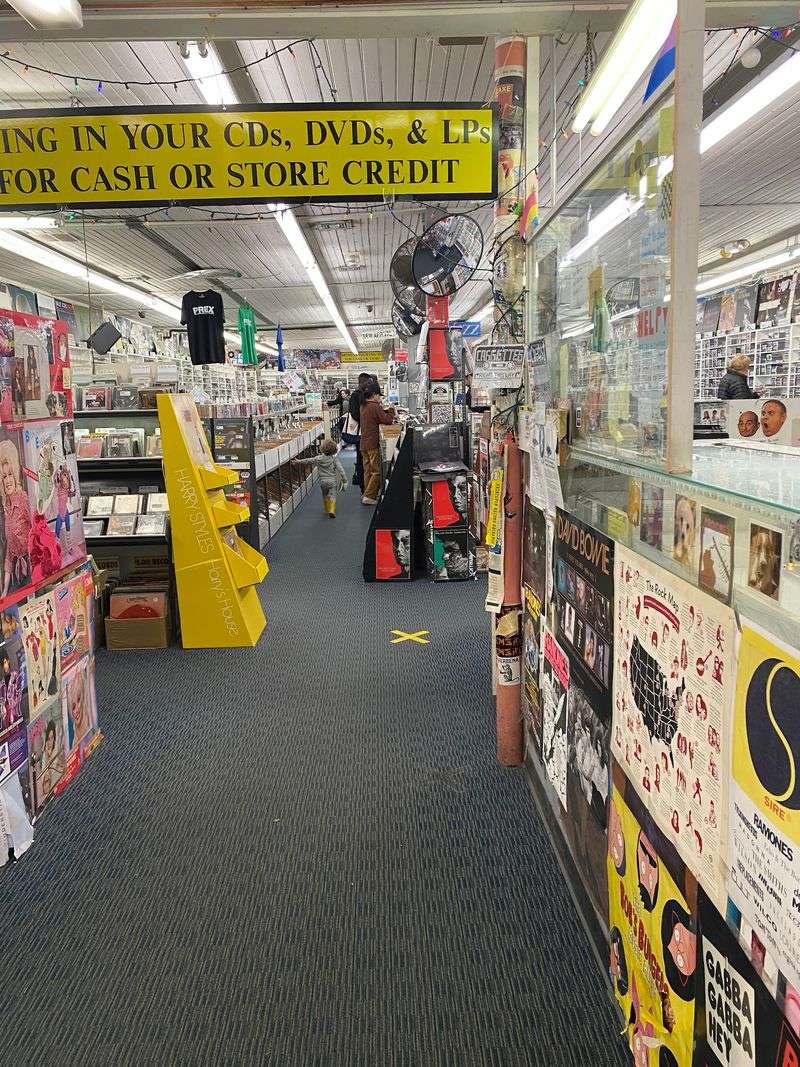
A big selection becomes more interesting when it reaches past the safest choices. Shoppers describe finding music across metal, punk, hip-hop, pop, and rock at Princeton Record Exchange.
The metal and hardcore area stands out in one account, while another points to an extensive assortment of retrospective live Grateful Dead albums and box sets. Those are reasons for fans of particular styles to spend time looking, not guarantees about what will be in stock on every visit.
Range also helps people whose tastes do not fit one tidy category. A group can split up among sections, then compare finds before heading to the counter.
Someone new to collecting can begin with a known artist and follow related interests from there. Still, breadth is not the same as equal depth in every genre; one shopper found the Spanish-language selection limited.
Go with a few possible directions, and the store has more chances to meet you somewhere interesting.
Dollar records and budget discoveries
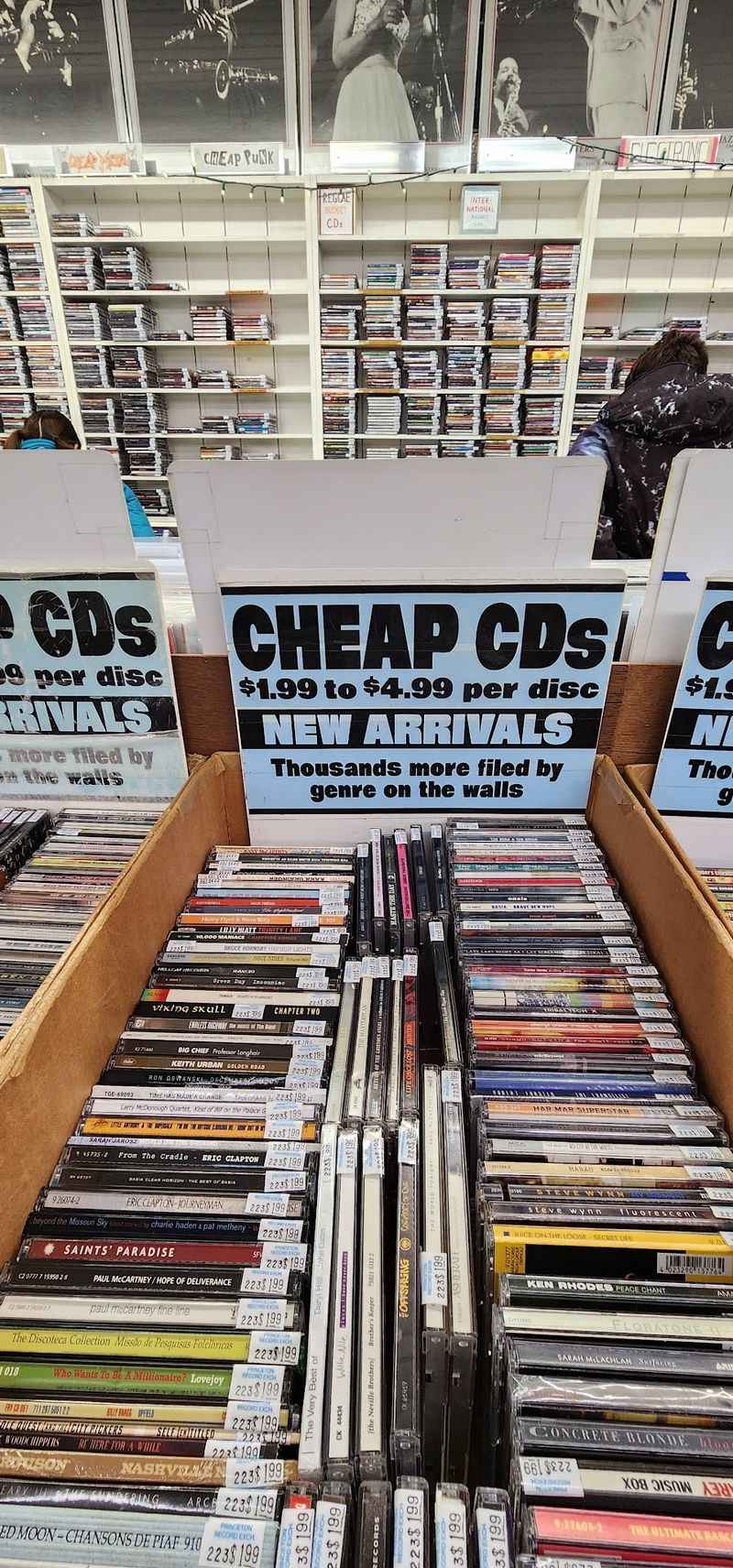
There is particular freedom in browsing without a costly target in mind. Shoppers mention dollar records at Princeton Record Exchange, along with budget CDs and generally reasonable costs for many finds.
Those lower-cost areas can make it easier to take a chance on an artist or album that was not on the shopping list. They also give newer collectors a practical place to start looking.
No single price describes the whole store. New releases, used copies, and collectible pieces can sit at different points, and the cost of a specific title depends on what is available.
One person’s bargain may be another person’s planned purchase, so checking the marked price is more useful than arriving with a blanket expectation. If a small budget is the priority, begin in the lower-cost sections and expand the search only if something justifies it.
A good digging session need not depend on finding the rarest item in the room.
Helpful people for a broad collection
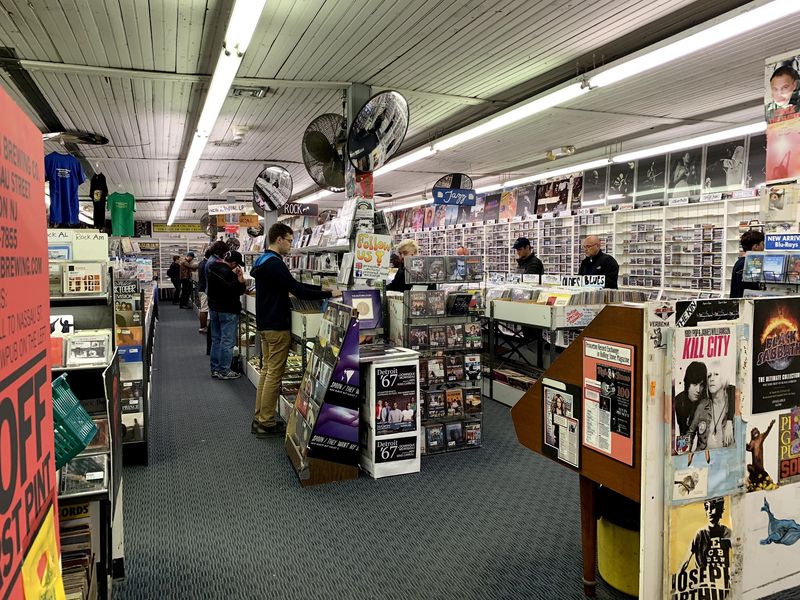
Questions are part of record shopping, especially in a store with several formats and many sections. Accounts of Princeton Record Exchange often describe staff members helping customers find music or choose records for someone else.
Shoppers have also noted employees with particular enthusiasm for metal and hardcore. That knowledge can be useful when an artist name is forgotten or a gift needs a little guidance.
Help should not be mistaken for a promise of a personal introduction at the door. The store can be large and busy, and one shopper preferred the individual attention of a smaller shop.
A practical approach is to browse independently first, then ask a focused question when needed. Mention the format, artist, or style you want, rather than expecting someone to guess the whole shopping mission.
Families, longtime collectors, and newcomers have all described positive interactions here, and a clear question gives the staff the best chance to help with the next find.
The appeal of an unhurried visit
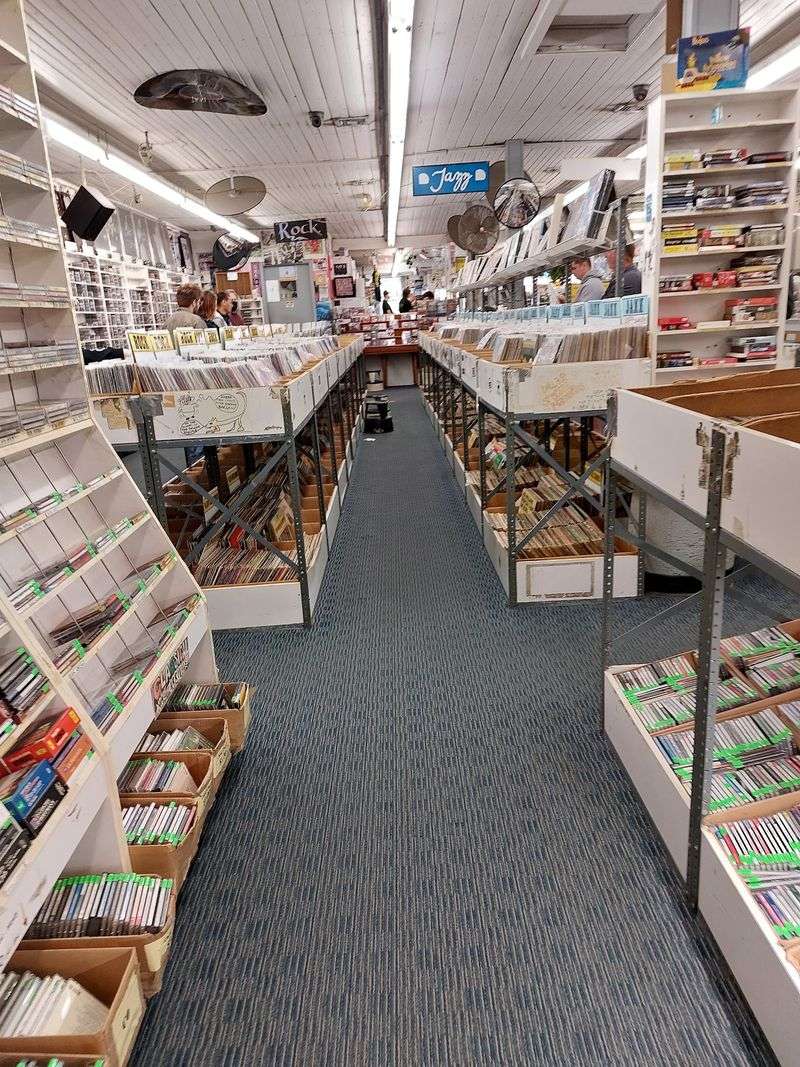
Some stores make a short shopping list feel essential; this one gives people reasons to set it aside. With records, CDs, tapes, and DVDs to consider, Princeton Record Exchange suits anyone willing to spend time comparing possibilities.
Longtime collectors can focus on gaps in a collection, while someone buying a first physical album can start with familiar music and see where the shelves lead.
Not every visit will feel equally relaxed. Accounts describe a lively store with college students and other shoppers, and a busy Saturday may make the lower CD shelves harder to browse.
The larger scale can also feel less personal than a small neighborhood shop. Those are fair considerations, particularly for someone who likes plenty of room to sort through records.
On a day when the pace suits you, though, the mix of people and interests is part of the appeal. Come ready to browse, not to complete a race through every aisle.
Hours, costs, and parking notes
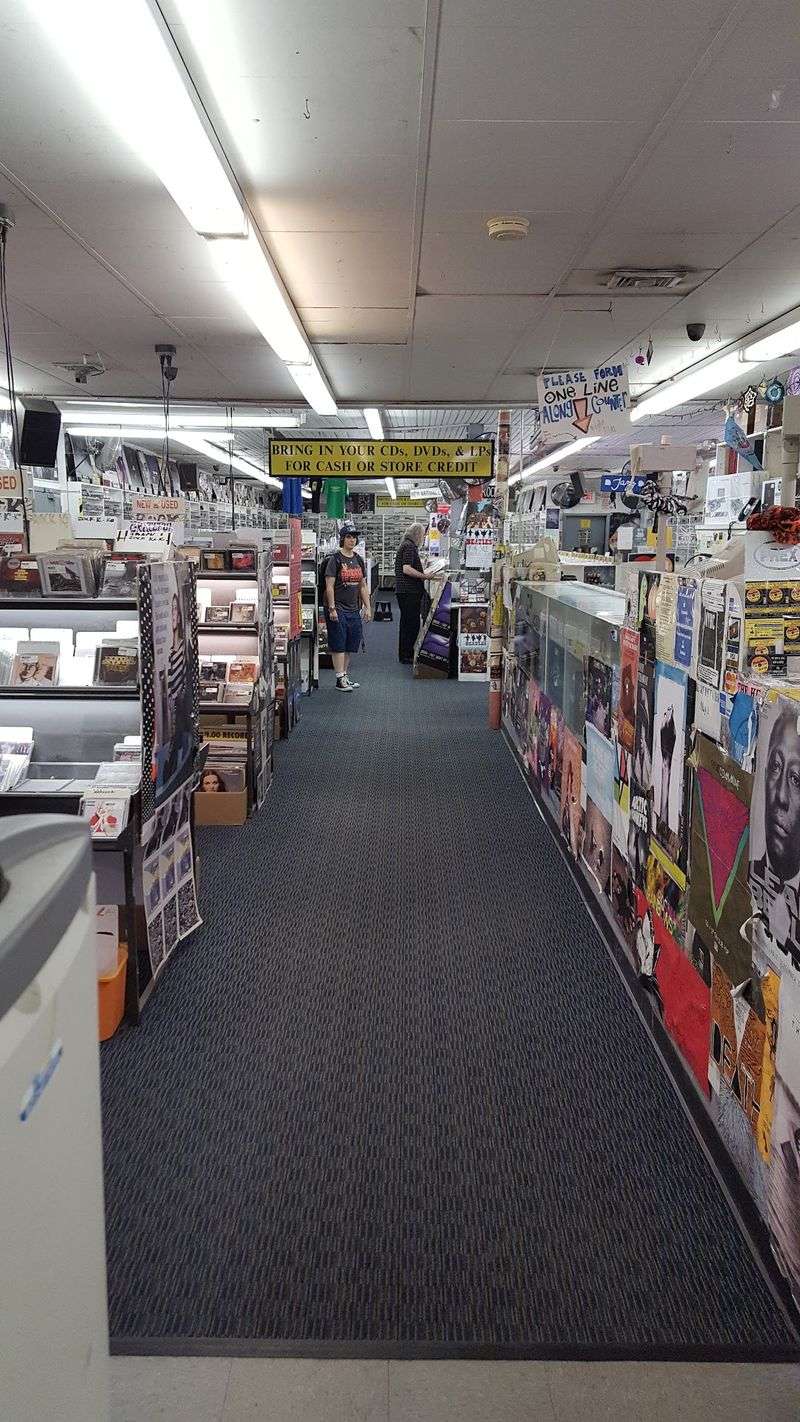
A little planning protects more time for the bins. Listed hours are 10 a.m. to 6 p.m.
Monday through Wednesday, 10 a.m. to 8 p.m. Thursday through Saturday, and 11 a.m. to 6 p.m.
Sunday. Checking current hours before leaving is sensible, especially when a trip depends on a late arrival.
Browsing does not require a purchase; what you spend depends on the records or other media you choose.
Parking deserves attention as well. A shopper reported finding a nearby space rather than parking at the store, and another mentioned returning to a parking meter.
Those experiences do not establish one rule for every day, but they do suggest allowing time to find a legal spot and checking any posted limits. Saturday can be busy, according to one account, so a quieter shopping preference may influence when to go.
The useful plan is simple: confirm the hours, allow some parking time, and leave enough room in the schedule to browse.
A return trip worth leaving open
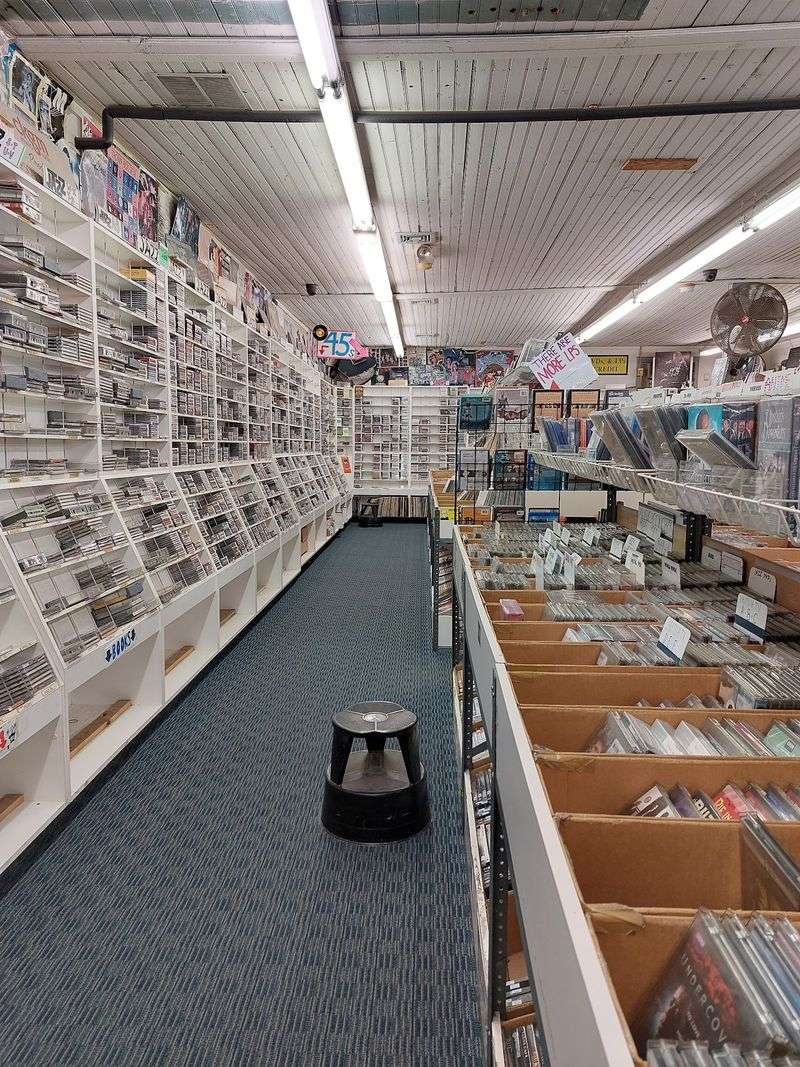
Not finding everything on a list is part of the point here. Princeton Record Exchange offers enough formats, genres, and changing selections that a visit can be worthwhile without producing a perfect match.
A used vinyl hunt might lead to a budget CD. A search for a familiar artist might introduce an unfamiliar album.
Even a quick stop can help a collector learn which sections deserve more time on the next trip.
The shop asks for some flexibility in return. New and used items can mix, busy periods can slow the search, and no particular bargain or collectible is assured.
Those limits are easier to accept when the goal is exploration rather than a guaranteed purchase. For New Jersey music fans, the appeal is practical and lasting: a local place to handle physical music, compare choices, and come back when curiosity returns.
Leave with a find if one fits, and leave the next visit open if it does not.
Share this story