Some of the world’s most famous monuments were not just built with stone and steel but with jaw-dropping amounts of money. From ancient wonders to modern memorials, these structures represent both human ambition and serious financial commitment.
Whether funded by emperors, governments, or public donations, each monument carries a price tag that still surprises people today. Get ready to explore the stories and costs behind 15 of history’s most expensive landmarks.
1. Great Wall of China
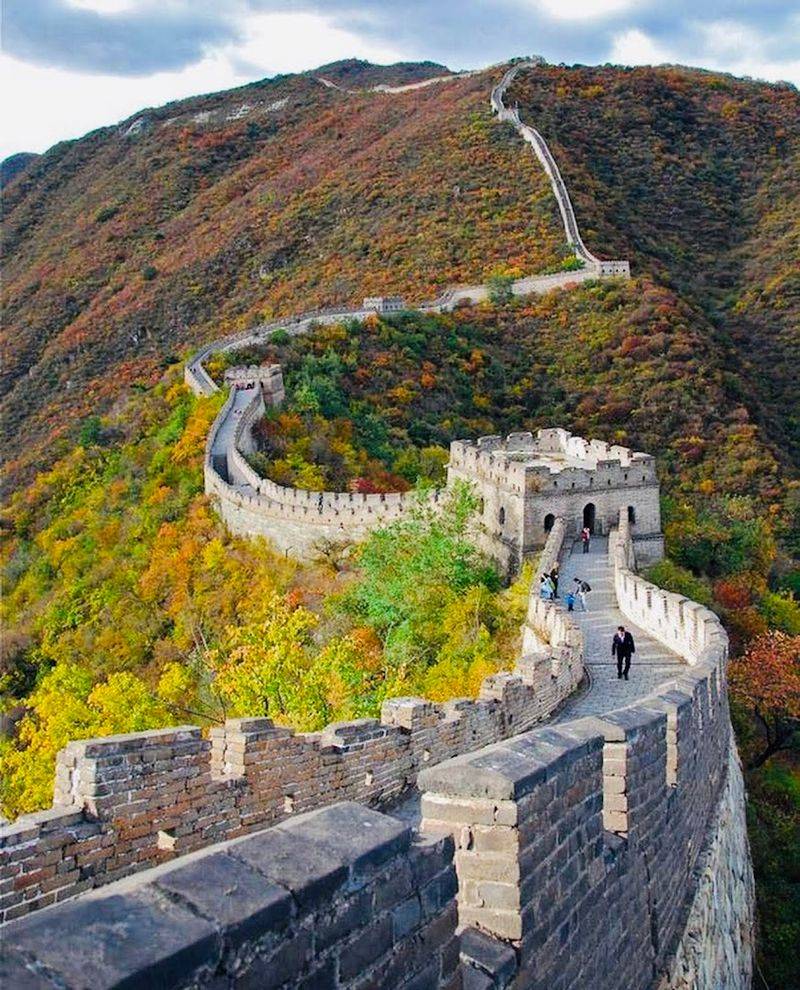
Stretching over 13,000 miles across northern China, the Great Wall is one of the largest construction projects in human history. Built over many centuries, starting around 7th century BC, it required millions of workers, including soldiers, peasants, and prisoners.
Many of them lost their lives during its construction, earning it the grim nickname “the longest cemetery on Earth.”
Estimating the modern cost of the Great Wall is tricky, but historians and economists suggest rebuilding it today would cost over $360 billion. That number accounts for labor, materials, and the sheer scale of the project.
Some estimates push even higher when factoring in modern wages and engineering challenges.
Despite its enormous cost, the wall stands as a symbol of China’s strength and determination. Millions of tourists visit each year, making it one of the most recognized structures in the world.
2. Great Pyramid of Giza
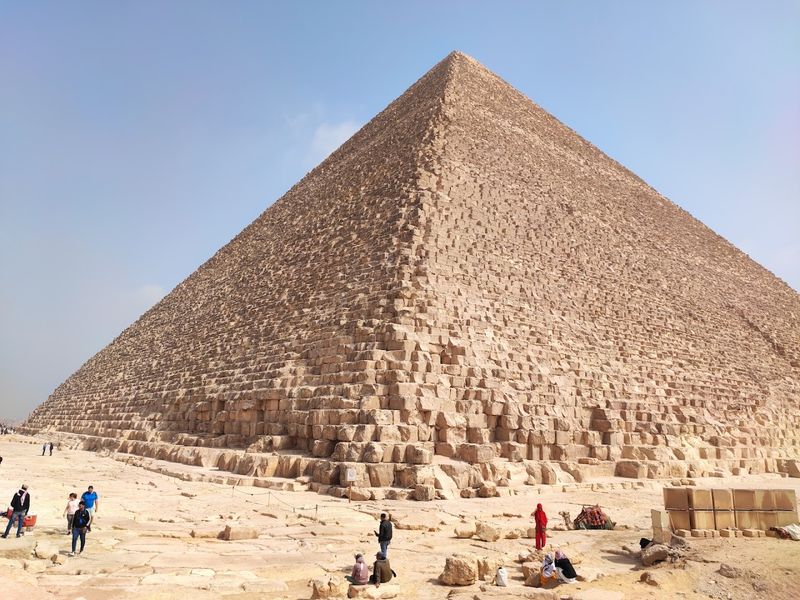
Standing for over 4,500 years, the Great Pyramid of Giza is the oldest of the Seven Wonders of the Ancient World and the only one still largely intact. Built as a tomb for Pharaoh Khufu around 2560 BC, it required an estimated 2.3 million stone blocks, some weighing up to 80 tons each.
The logistics alone were mind-blowing for an ancient civilization.
Economists who have tried to calculate its modern construction cost estimate it would run between $1.2 billion and $5 billion, depending on the method used. That range accounts for labor costs, quarrying, transportation, and modern engineering equivalents.
Some studies suggest the number could climb even higher with today’s safety and precision standards.
What makes this pyramid even more remarkable is that ancient Egyptians built it without modern machinery. It remains a testament to human ingenuity, planning, and sheer willpower across thousands of years.
3. Taj Mahal
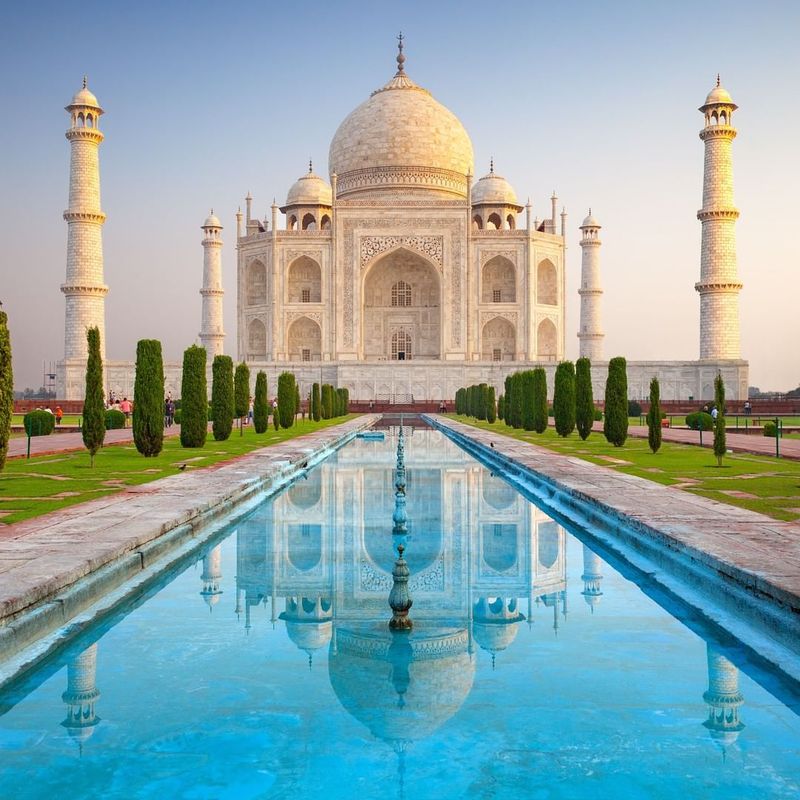
Built by Mughal Emperor Shah Jahan as a tribute to his beloved wife Mumtaz Mahal, who died in 1631, the Taj Mahal is widely considered one of the most beautiful buildings ever constructed. Around 20,000 workers and 1,000 elephants were used to complete it over 22 years.
The monument features intricate marble inlays, precious gemstones, and calligraphy carved with extraordinary precision.
In today’s money, experts estimate the Taj Mahal would cost roughly $827 million to $1 billion to build. The original construction cost is recorded at around 32 million rupees at the time, which was an enormous sum in the 1600s.
Factoring in inflation and modern labor makes the number truly staggering.
Beyond its price tag, the Taj Mahal holds deep emotional significance. It draws over 7 million visitors annually and remains a UNESCO World Heritage Site, celebrated as an eternal symbol of love and architectural mastery.
4. Statue of Liberty
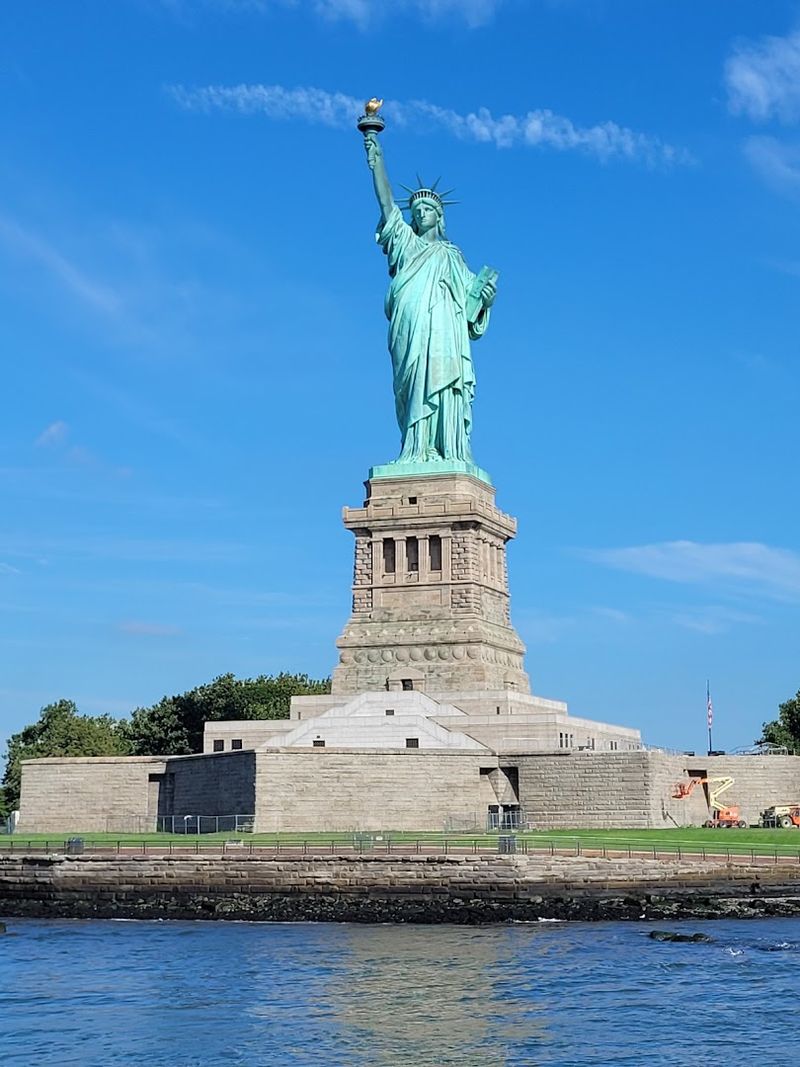
Gifted by France to the United States in 1886, the Statue of Liberty was a symbol of friendship and shared democratic values. France funded the statue itself, while Americans were responsible for building the pedestal.
Fundraising for the pedestal was slow and even required a campaign by newspaper publisher Joseph Pulitzer to get everyday citizens involved.
The total cost of the Statue of Liberty at the time was about $500,000, split between both countries. Adjusted for inflation, that comes to roughly $15 million in today’s dollars.
However, a full modern reconstruction, factoring in copper, engineering, and labor, would likely cost well over $100 million.
Standing 305 feet tall from ground to torch tip, Lady Liberty has welcomed millions of immigrants arriving by sea. She remains one of the most iconic symbols of freedom in the world and draws nearly 4 million visitors every single year.
5. Mount Rushmore National Memorial
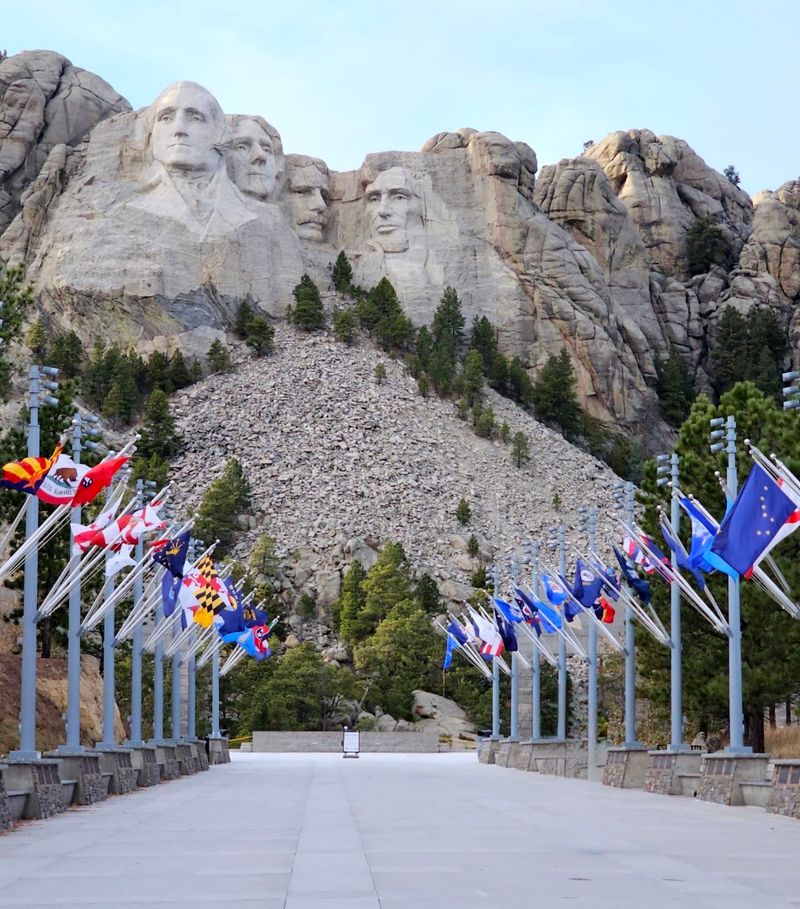
Carved into the granite cliffs of the Black Hills in South Dakota, Mount Rushmore features the faces of four American presidents: George Washington, Thomas Jefferson, Theodore Roosevelt, and Abraham Lincoln. Sculptor Gutzon Borglum led the project, which took 14 years to complete, from 1927 to 1941.
Around 400 workers used dynamite and jackhammers to shape the mountain.
The total cost of the project was approximately $989,992, which sounds modest by today’s standards. Adjusted for inflation, that figure equals roughly $21 million in modern dollars.
A full reconstruction today, accounting for precision drilling, safety regulations, and labor costs, would likely exceed $100 million easily.
Interestingly, not a single worker died during the carving process, which is remarkable given the dangerous conditions. Mount Rushmore draws nearly 3 million visitors a year and continues to spark debate about its location on land sacred to the Lakota Sioux people.
6. Lincoln Memorial
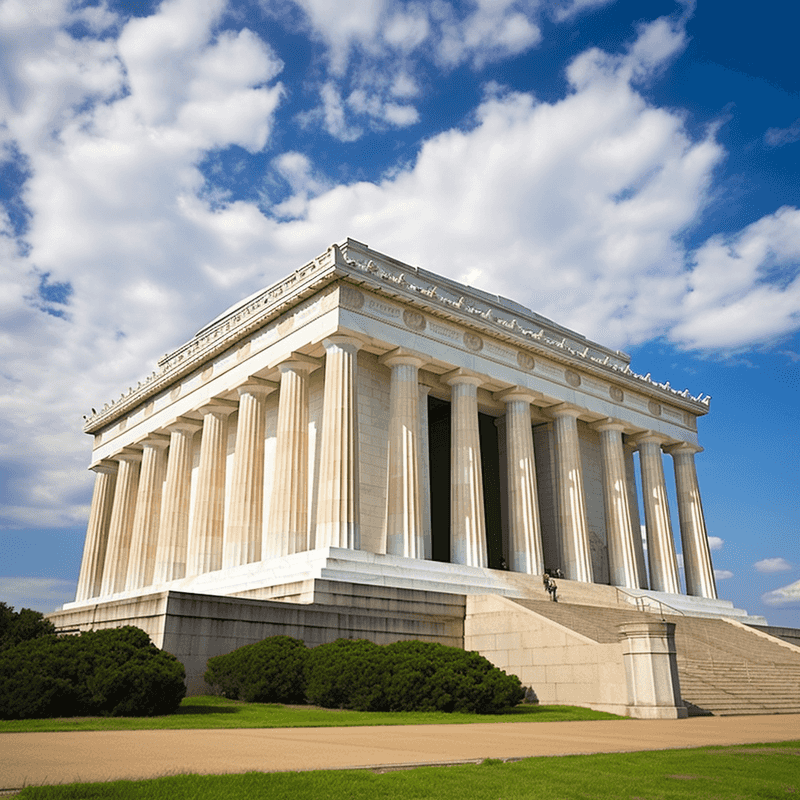
Honoring the 16th president of the United States, the Lincoln Memorial sits at the western end of the National Mall in Washington, D.C. Construction began in 1914 and was completed in 1922, featuring a massive seated statue of Abraham Lincoln that stands 19 feet tall.
The entire structure is made of white marble, granite, and limestone sourced from different states.
The original construction cost was about $2.96 million. Adjusted for inflation, that equals roughly $50 million in today’s money.
A modern rebuild would cost significantly more when factoring in current material costs, engineering standards, and labor regulations.
The Lincoln Memorial has served as a backdrop for some of America’s most important moments. Martin Luther King Jr. delivered his famous “I Have a Dream” speech here in 1963.
Today, it welcomes millions of visitors annually and remains one of Washington’s most emotionally powerful and historically significant landmarks.
7. Washington Monument
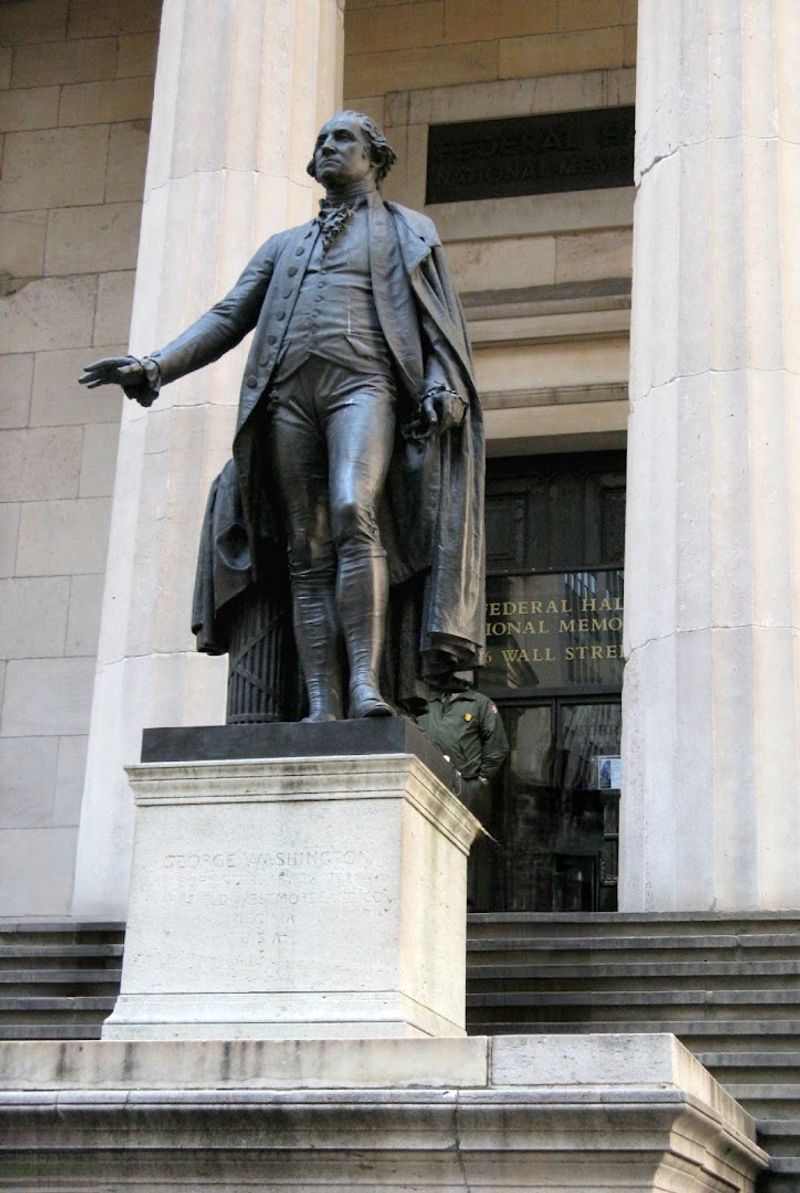
At 555 feet tall, the Washington Monument was the tallest structure in the world when it was completed in 1884. Built to honor the first U.S. president, George Washington, the obelisk took nearly 40 years to finish due to funding shortages and the interruption of the Civil War.
You can actually spot the color difference in the marble about one-third of the way up, where construction paused for over two decades.
The total cost of the monument was approximately $1.19 million at the time, which equals around $34 million in today’s dollars. A modern construction estimate, accounting for materials and safety, would push costs much higher.
Some engineers suggest it could cost upward of $100 million to replicate today.
The monument underwent major restoration work after a 2011 earthquake caused significant cracks throughout the structure. Repairs cost about $15 million and took several years to complete, showing that maintaining history is never cheap.
8. Gateway Arch
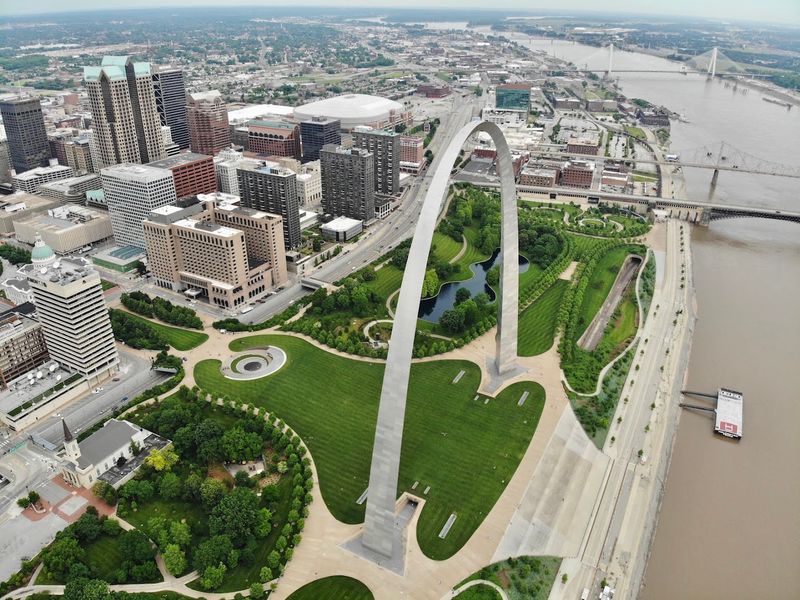
Rising 630 feet above St. Louis, Missouri, the Gateway Arch is the tallest monument in the United States. Designed by architect Eero Saarinen, the stainless steel structure was built between 1963 and 1965 as a tribute to the westward expansion of the United States.
Its elegant, sweeping curve is instantly recognizable and required incredibly precise engineering to complete.
The original construction cost was about $13 million, which adjusts to roughly $120 million in today’s money. A recent renovation of the surrounding park, completed in 2018, added another $380 million to the total investment.
That makes the full modern investment in the Gateway Arch complex well over half a billion dollars.
Visitors can actually ride a small tram inside the arch to reach an observation deck at the top. On clear days, you can see up to 30 miles in every direction.
Around 2 million people visit the Gateway Arch National Park each year.
9. Arc de Triomphe
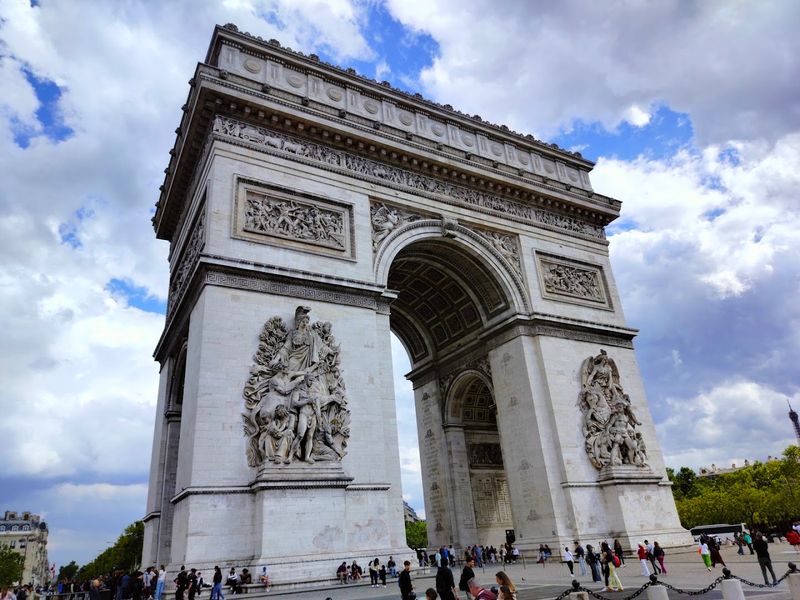
Standing at the top of the famous Champs-Elysees in Paris, the Arc de Triomphe was commissioned by Napoleon Bonaparte in 1806 to honor the French army. Construction was not completed until 1836, long after Napoleon had already died in exile.
The arch stands 164 feet tall and 148 feet wide, decorated with intricate sculptures depicting famous French battles.
The original cost was around 9.3 million francs, which in today’s dollars is estimated at approximately $20 million to $30 million. However, factoring in the detailed stone carvings and modern labor costs, a full reconstruction would likely cost far more.
Some architectural estimates suggest rebuilding it today could exceed $50 million.
Beneath the arch lies the Tomb of the Unknown Soldier, with an eternal flame that has burned since 1921. The monument attracts around 1.5 million visitors per year and remains one of Paris’s most visited and photographed landmarks.
10. Christ the Redeemer
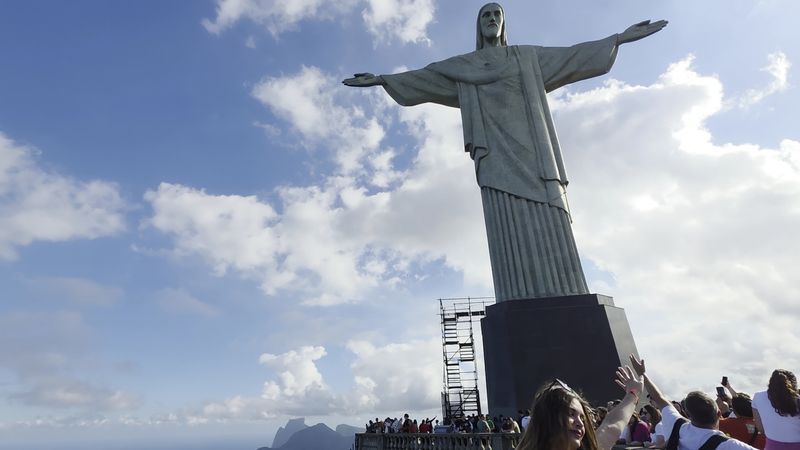
Perched atop Corcovado Mountain, overlooking the city of Rio de Janeiro, Christ the Redeemer is one of the most recognized statues on the planet. Standing 98 feet tall with arms stretching 92 feet wide, the soapstone statue was constructed between 1922 and 1931.
It was designed by Brazilian engineer Heitor da Silva Costa and sculpted by French artist Paul Landowski.
The original construction cost was around $250,000 at the time, largely funded through donations from Brazilian Catholics. In today’s dollars, that equals roughly $4 million to $5 million.
A modern recreation using updated materials and safety standards would cost significantly more, with some estimates reaching $20 million or higher.
The statue has been struck by lightning multiple times and has required multiple restoration projects over the decades. Each restoration effort costs millions of dollars.
Christ the Redeemer was named one of the New Seven Wonders of the World in 2007 and draws over 2 million visitors annually.
11. Vietnam Veterans Memorial
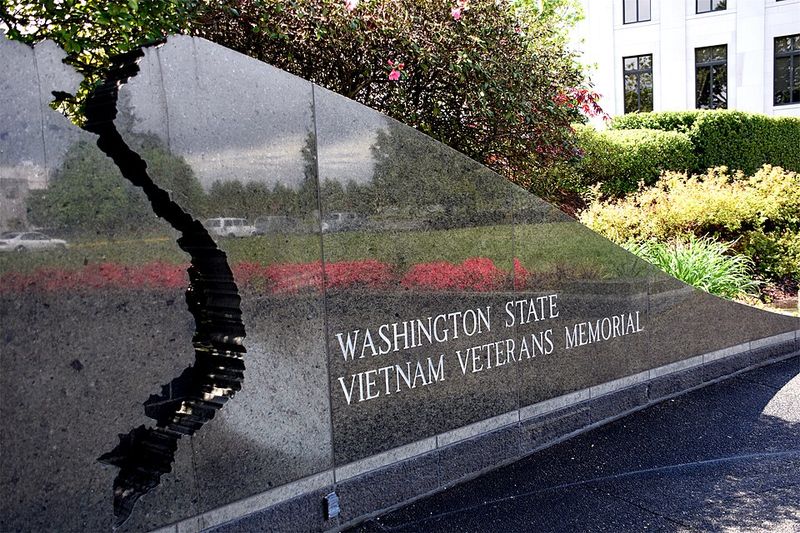
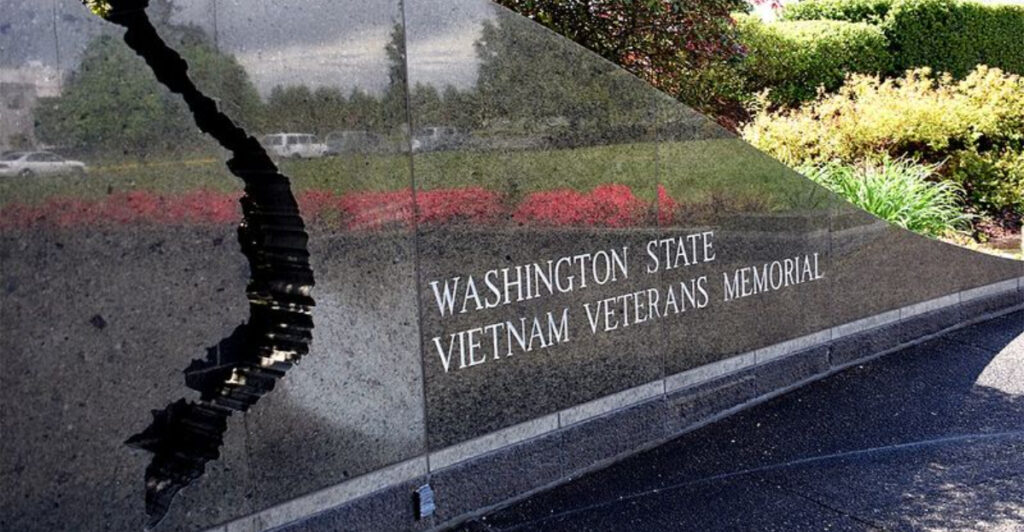
Few monuments carry the quiet emotional weight of the Vietnam Veterans Memorial in Washington, D.C. Designed by Maya Lin, a 21-year-old architecture student at the time, the memorial consists of two black granite walls that meet at a 125-degree angle.
Engraved on the surface are the names of 58,281 American service members who were killed or remain missing from the Vietnam War.
The memorial was completed in 1982 at a cost of approximately $7 million, funded almost entirely through private donations. In today’s dollars, that equals around $22 million.
The design was initially controversial, but it has since become one of the most visited memorials in the entire country.
Visitors often leave personal items like photographs, letters, and medals at the base of the wall. Over 400,000 such items have been collected and preserved by the National Park Service.
Around 5 million people visit the memorial each year, making it one of Washington’s most emotionally resonant sites.
12. National World War II Memorial
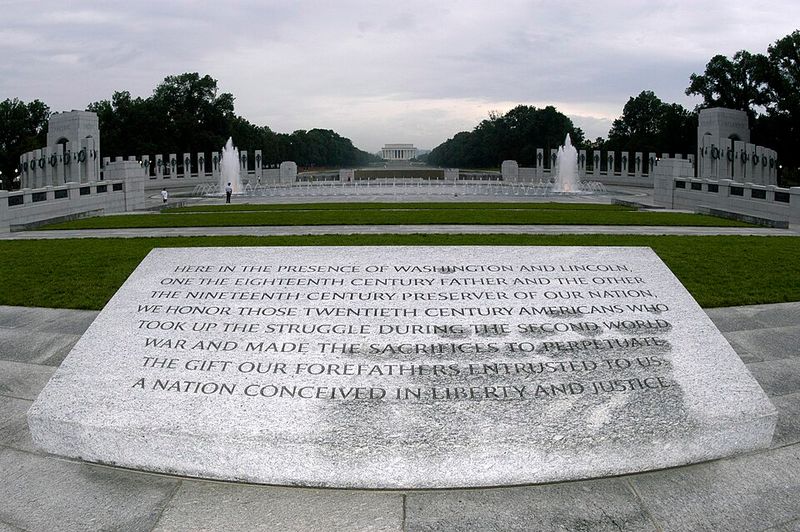
Dedicated in 2004, the National World War II Memorial on the National Mall honors the 16 million Americans who served in the armed forces during World War II, as well as the more than 400,000 who died. The memorial features 56 granite pillars, two 43-foot-tall arches, and a large central fountain.
It took over 17 years from the initial proposal to its official opening.
The total cost of the memorial was approximately $182 million, funded through a combination of federal appropriations and private donations. Adjusted to today’s construction costs, a similar project would likely run well over $250 million.
Fundraising efforts included contributions from hundreds of thousands of American citizens and corporations.
The memorial sits between the Lincoln Memorial and the Washington Monument, placing it at the symbolic heart of American history. It draws around 4 million visitors annually and serves as a deeply moving tribute to the greatest generation of American service members.
13. Memorial to the Murdered Jews of Europe
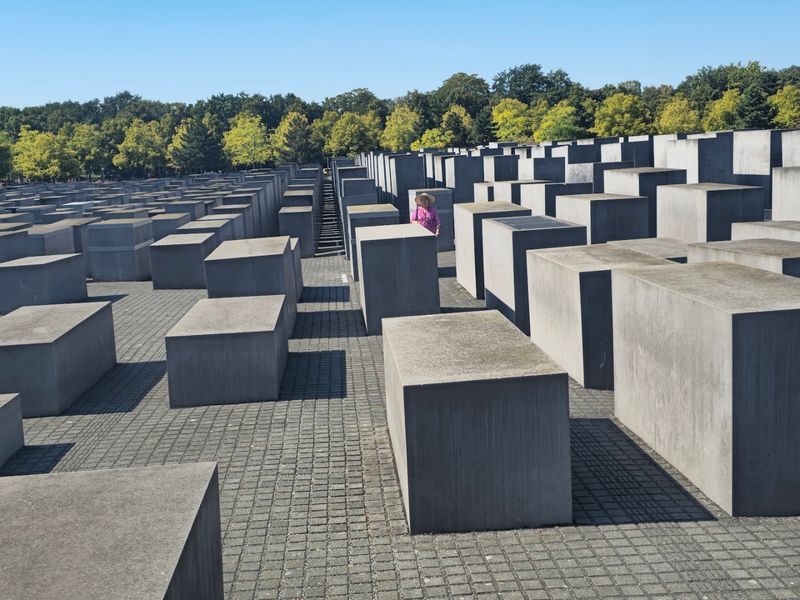
Located just steps from the Brandenburg Gate in Berlin, the Memorial to the Murdered Jews of Europe is a haunting and thought-provoking tribute to the six million Jewish victims of the Holocaust. Designed by American architect Peter Eisenman, the memorial consists of 2,711 concrete slabs of varying heights arranged across 4.7 acres.
Walking through the slabs creates a disorienting, somber experience that is deeply intentional.
The memorial was completed in 2005 at a cost of approximately 25 million euros, which equals roughly $27 million in U.S. dollars at the time. Accounting for today’s construction and material costs, a similar project would likely cost significantly more.
The underground information center, which documents individual victims’ stories, added to the overall expense.
Germany continues to spend millions maintaining the site each year. The memorial receives around 500,000 visitors annually and stands as one of Europe’s most powerful and sobering reminders of the consequences of hatred and indifference.
14. Bunker Hill Monument
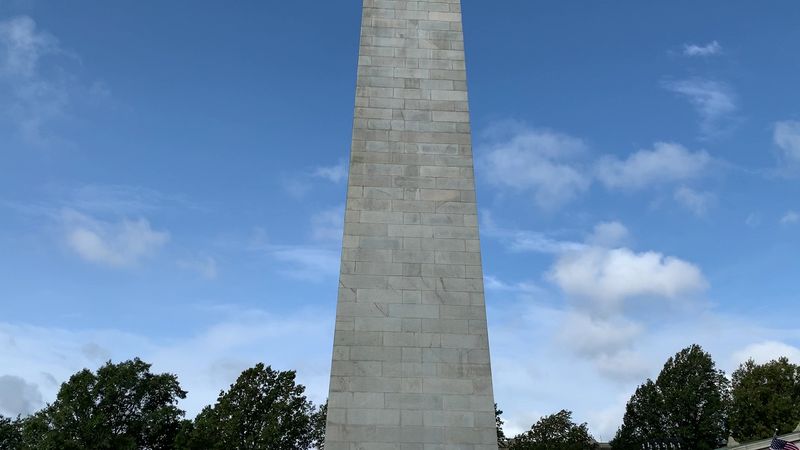
Rising 221 feet above the Charlestown neighborhood of Boston, the Bunker Hill Monument commemorates the Battle of Bunker Hill, one of the first major battles of the American Revolutionary War fought on June 17, 1775. Construction of the granite obelisk began in 1825 and was not completed until 1843, partly because funds kept running out along the way.
Women’s groups actually organized a fundraising fair that helped finance the final stages of construction.
The total cost of the monument was approximately $150,000 at the time, which equals around $5 million in today’s dollars. A modern recreation of the granite obelisk, with current quarrying and construction costs, would likely be several times more expensive.
The monument was one of the first large-scale commemorative structures built in the United States.
Visitors can climb 294 steps to the top for a sweeping view of Boston Harbor and the surrounding city. The monument is managed by the National Park Service and remains a proud symbol of American independence and early patriotism.
15. Nelson’s Column
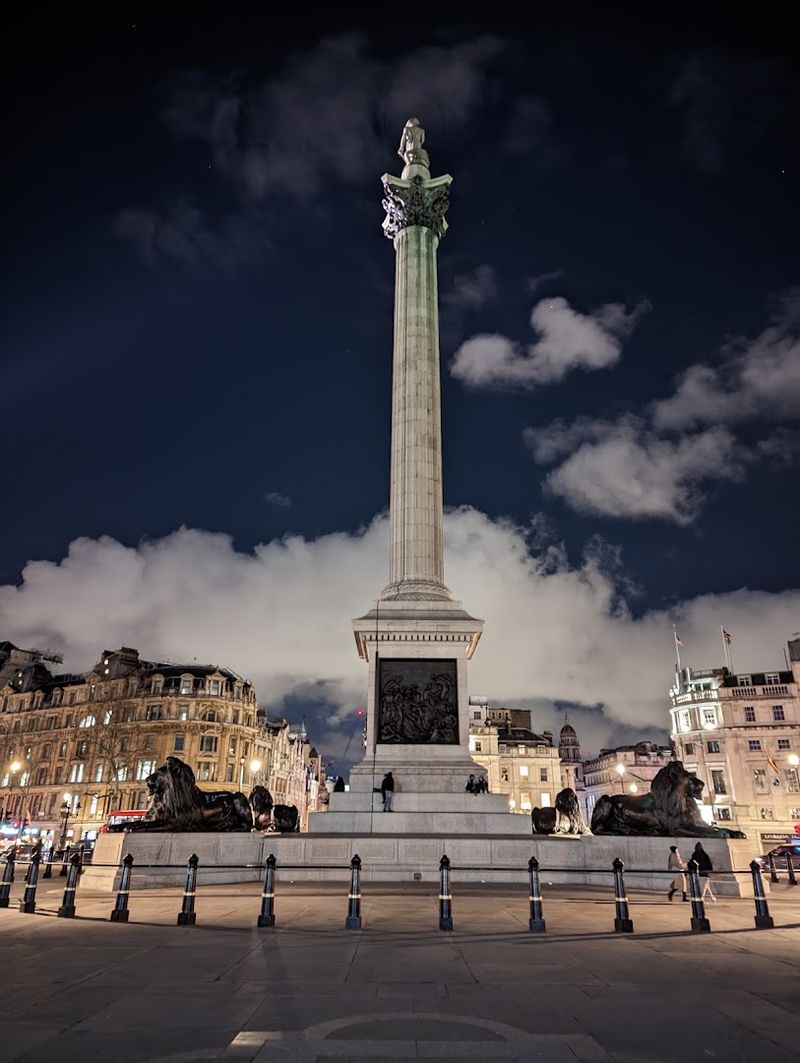
Standing at the center of Trafalgar Square in London, Nelson’s Column was erected to honor Admiral Horatio Nelson, who died defeating Napoleon’s fleet at the Battle of Trafalgar in 1805. The column stands 170 feet tall, topped with a 17-foot statue of Nelson himself.
Four massive bronze lions, added in 1867, guard the base of the column and have become beloved symbols of London.
The original construction cost was approximately 47,000 British pounds in the 1840s, which equals roughly $7 million to $9 million in today’s money. A modern reconstruction, accounting for granite sourcing, detailed bronze casting, and scaffolding, would cost considerably more.
Restoration projects on the column over the years have also added millions to its total lifetime cost.
Trafalgar Square itself draws around 15 million visitors per year, making it one of London’s busiest public spaces. Nelson’s Column remains a proud national symbol and a powerful reminder of Britain’s naval history and its defining role in European affairs.
Share this story