South America is home to some of the most exciting and flavorful food in the world. From coastal seafood dishes in Peru to sizzling barbecues in Argentina, the continent offers a huge variety of tastes and cooking traditions.
Each country brings its own unique ingredients, techniques, and history to the table. Whether you are a foodie or just curious about new flavors, these 15 dishes are a great place to start your South American food adventure.
1. Feijoada – Brazil
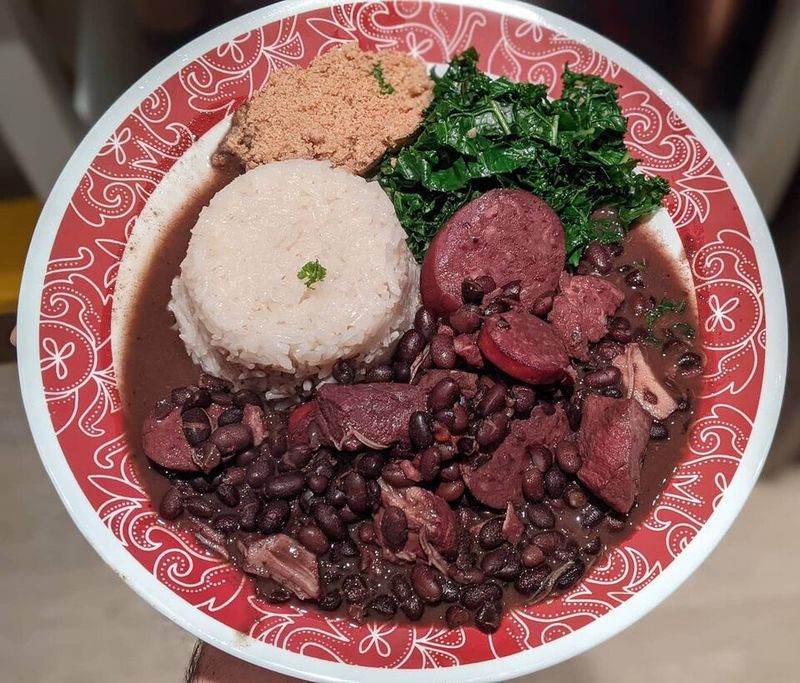
Few meals in the world feel as satisfying and communal as Brazil’s beloved feijoada. This thick, slow-cooked black bean stew is packed with various cuts of pork, including sausage, ribs, and smoked meats, creating layers of deep, smoky flavor.
Traditionally, feijoada is served on Saturdays, when families and friends gather around the table to share the meal together. It comes with white rice, sauteed collard greens, orange slices to cut through the richness, and farofa, which is toasted cassava flour.
The orange slices are not just decoration – they actually help your body absorb iron from the beans.
Feijoada has roots in both African and Portuguese culinary traditions, making it a true symbol of Brazil’s cultural mix. If you ever visit Brazil, skipping feijoada would be a big mistake.
2. Asado – Argentina and Uruguay
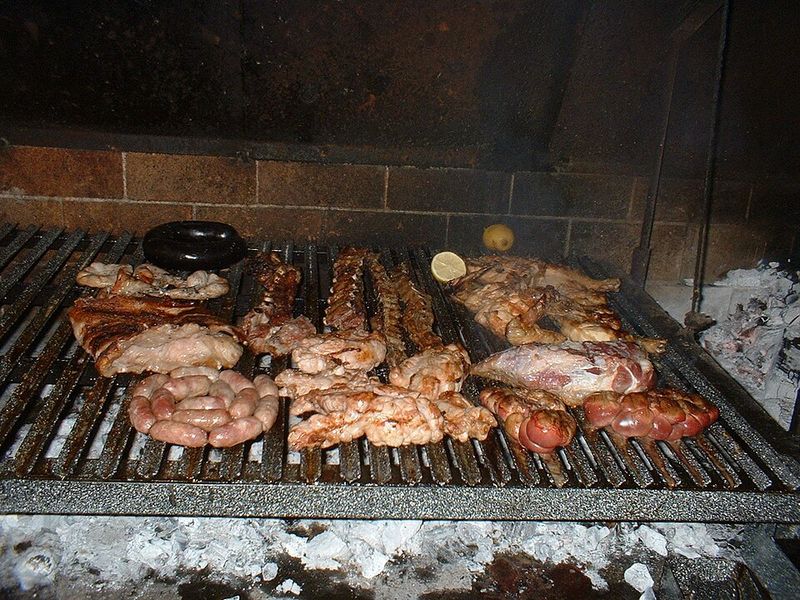
Asado is more than just a barbecue – it is a way of life in Argentina and Uruguay. On weekends, families and friends gather around the parrilla, which is an open grill, to spend hours cooking and sharing different cuts of beef, pork sausages, and ribs over wood or charcoal.
The secret to great asado is patience. The meats cook slowly over low heat, which locks in the juices and creates a smoky crust on the outside.
A skilled asador, the person managing the grill, is treated with great respect at any gathering.
Unlike American barbecue, asado rarely uses heavy sauces. Instead, a simple chimichurri made from parsley, garlic, olive oil, and vinegar is served on the side.
The meat is expected to speak for itself. Sharing asado is one of South America’s most genuine social traditions.
3. Ceviche – Peru
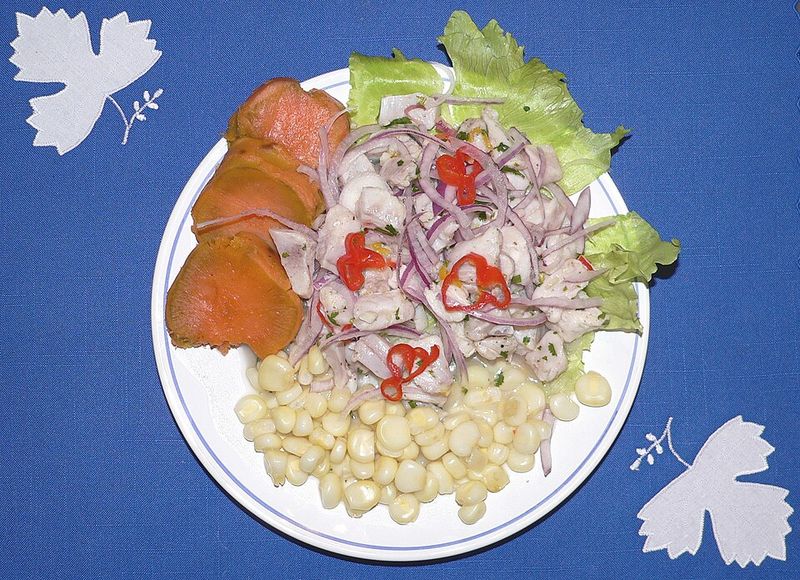
Peruvian ceviche is one of those dishes that surprises people the first time they try it. Raw fish is cured in fresh lime juice, which chemically cooks the fish without any heat.
The result is tender, bright, and incredibly fresh-tasting.
Red onions, aji amarillo chili peppers, and cilantro are mixed in to add sharpness and heat. The leftover lime marinade, called leche de tigre or tiger’s milk, is considered a delicacy on its own and is sometimes served as a small drink.
Ceviche is typically served with slices of sweet potato and large corn kernels called choclo.
Peru officially declared ceviche a national cultural heritage dish in 2004. Coastal Peruvians often eat it for lunch, believing the fresh citrus is energizing.
Whether enjoyed at a beachside shack or a fancy restaurant in Lima, ceviche never disappoints.
4. Empanadas – Argentina, Chile, Colombia and Beyond
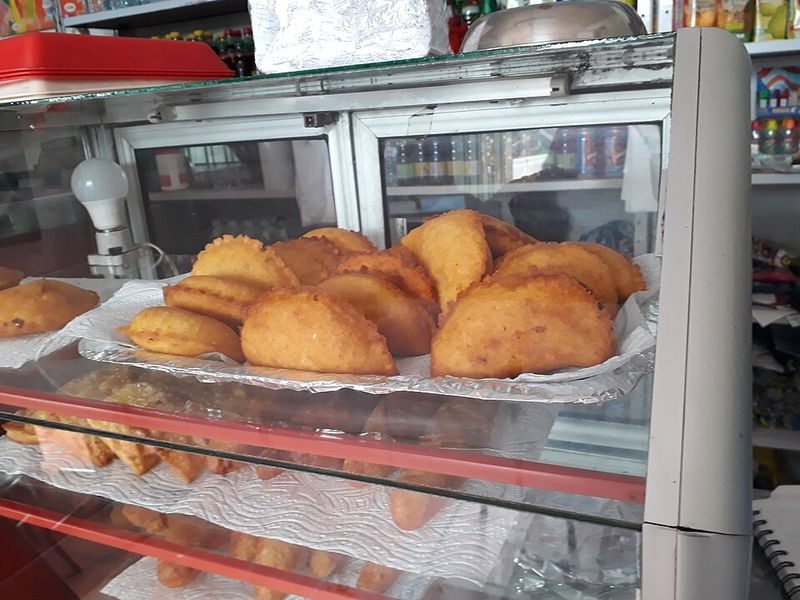
Empanadas are the ultimate grab-and-go food in South America. These handheld pastry pockets are stuffed with all kinds of fillings, from spiced ground beef and olives to gooey cheese, chicken, or even sweet dessert fillings like dulce de leche.
Every country has its own version. Argentine empanadas are often baked and filled with beef, hard-boiled eggs, and green onions.
Chilean versions tend to be larger with a juicier filling. Colombian empanadas are usually fried and made with corn dough, giving them a slightly different texture and taste.
The folded edge of an empanada, called the repulgue, is often crimped in a specific pattern that signals what filling is inside. This was especially useful before labeling became common.
Empanadas are sold at street stalls, bakeries, and family kitchens across the continent, making them one of South America’s most universally loved foods.
5. Lomo Saltado – Peru
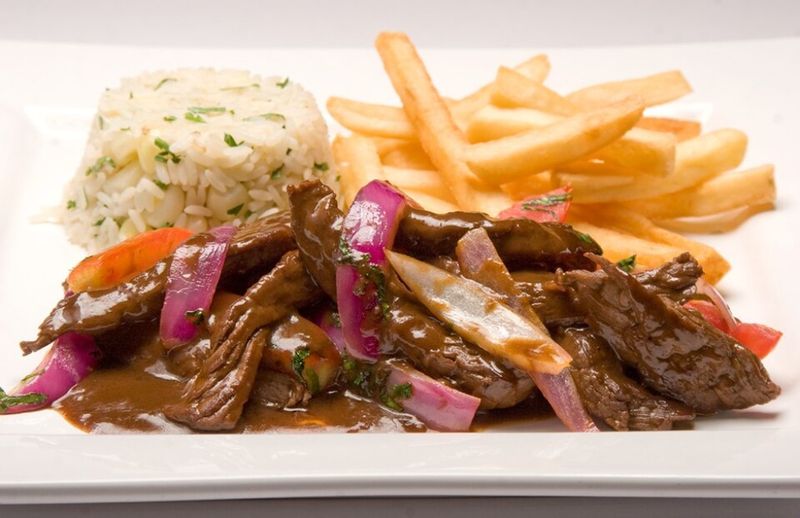
Lomo saltado is proof that food can be a bridge between cultures. This popular Peruvian stir-fry combines tender strips of beef with tomatoes, onions, soy sauce, and french fries, all tossed together over high heat in a wok or skillet.
The dish reflects the strong influence of Chinese immigrants who arrived in Peru during the 19th century. They brought their stir-fry cooking style and soy sauce with them, and Peruvian cooks blended those techniques with local ingredients.
The result is a dish that feels both familiar and totally unique at the same time.
Lomo saltado is typically served with white rice, so you end up with both fries and rice on the same plate. That combination might sound unusual, but it works perfectly.
The savory, slightly tangy sauce soaks into everything, making every bite deeply satisfying. It is a must-order at any Peruvian restaurant.
6. Pao de Queijo – Brazil
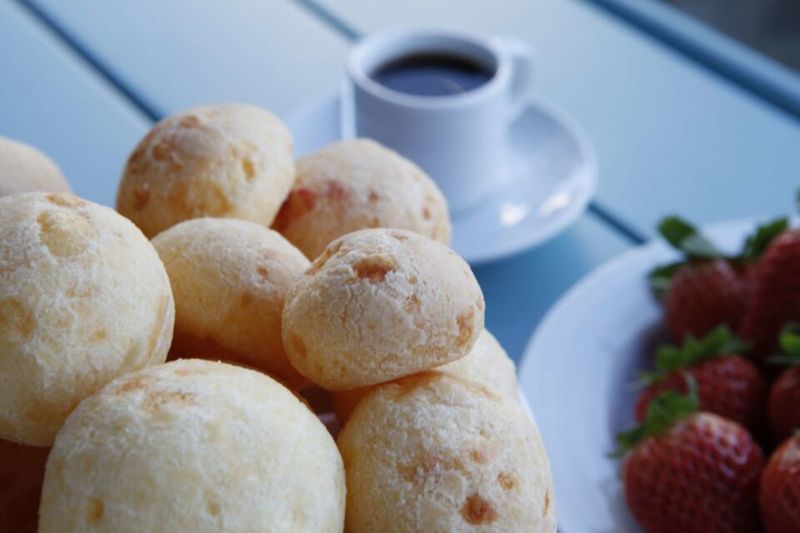
Imagine pulling a warm, puffy bread roll apart and finding a chewy, stretchy, cheesy center. That is exactly what pao de queijo delivers, and it is nearly impossible to eat just one.
These small Brazilian cheese breads are made with tapioca flour instead of wheat flour, making them naturally gluten-free.
The cheese most commonly used is queijo Minas, a mild and slightly salty fresh cheese from the state of Minas Gerais, which is also where pao de queijo originated. The outside of each roll is lightly crisp, while the inside stays wonderfully soft and chewy thanks to the tapioca.
Brazilians enjoy pao de queijo at breakfast, as a snack, or alongside coffee. They are sold everywhere from gas stations to upscale cafes.
Frozen versions are now available in many countries around the world, but nothing beats eating them fresh out of the oven.
7. Churrasco – Brazil
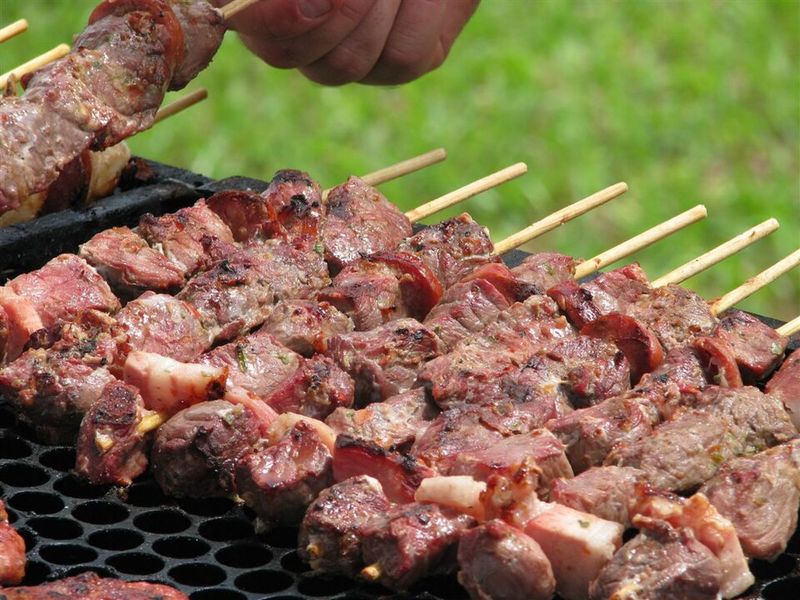
Brazilian churrasco takes the concept of grilled meat to a whole new level. Unlike a typical backyard cookout, churrasco involves large skewers loaded with different cuts of meat that are cooked slowly over open flames and then carved directly at the table.
The most famous cut is picanha, a top sirloin cap that is juicy, flavorful, and beautifully caramelized on the outside.
The churrascaria, or Brazilian steakhouse, is where churrasco truly shines. Servers walk around with skewers of meat, slicing portions onto your plate until you signal that you are full.
This style of dining is called rodizio, and it is as festive as it sounds.
Churrasco has its roots in the gaucho culture of southern Brazil, where cattle ranchers would cook meat over open fires on the open plains. That tradition has since spread worldwide, with Brazilian steakhouses now found in cities across the globe.
8. Arepas – Colombia and Venezuela
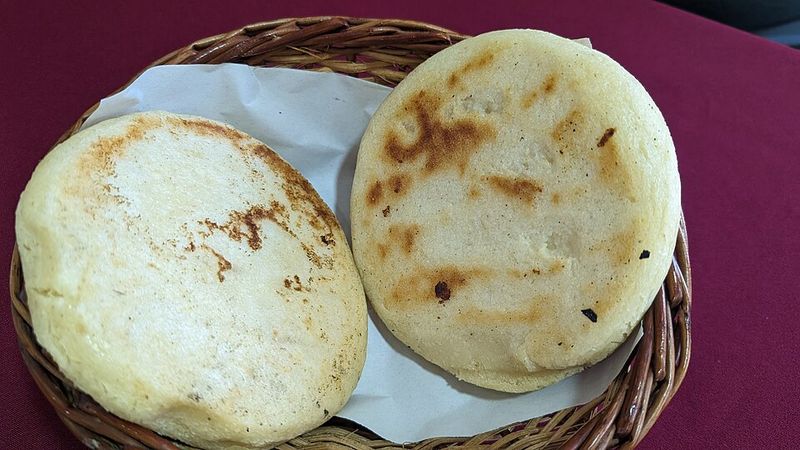
Arepas are one of those foods that feel like home in Colombia and Venezuela. Made from ground cornmeal that is shaped into thick, round patties and then grilled, baked, or fried, arepas are eaten at breakfast, lunch, dinner, and everything in between.
What makes arepas so special is how versatile they are. You can fill them with almost anything: shredded beef, black beans, scrambled eggs, avocado, or white cheese.
In Venezuela, the most famous version is the reina pepiada, stuffed with chicken and avocado salad. In Colombia, coastal regions often serve arepas de huevo, which have an egg fried inside the dough.
Arepas date back thousands of years to the indigenous peoples of northern South America, long before European contact. Today, they remain a daily staple for millions of people.
Street vendors selling fresh, hot arepas are a common and comforting sight in cities across both countries.
9. Moqueca – Brazil
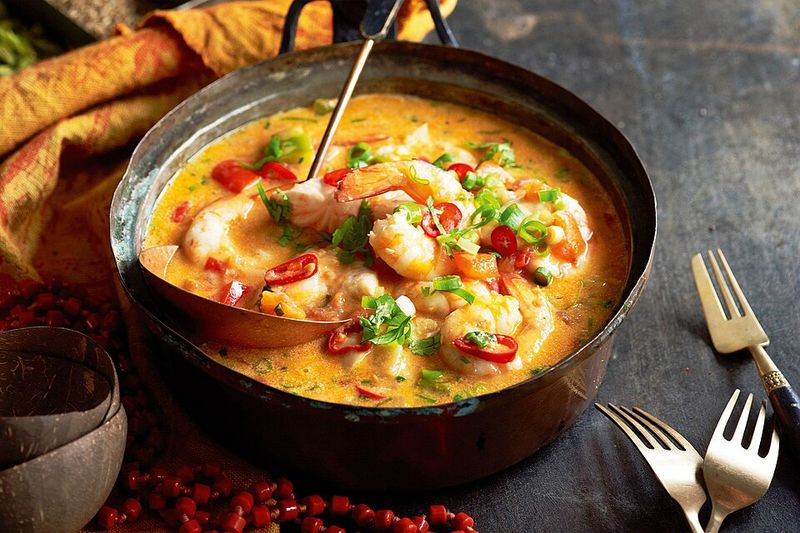
Moqueca is a Brazilian seafood stew that manages to be both bold and comforting at the same time. Fish or shrimp are simmered in a fragrant sauce made from coconut milk, tomatoes, onions, and dendê oil, which is a rich, reddish palm oil that gives the dish its distinctive color and flavor.
There are two main regional versions. The Bahian moqueca uses dendê oil and coconut milk, giving it a deep, tropical richness.
The Espirito Santo version skips the dendê oil and coconut milk, resulting in a lighter, more delicate broth. Both are served in a traditional clay pot, which keeps the stew hot throughout the meal.
Moqueca reflects the strong African influence on Brazilian coastal cuisine, particularly in the state of Bahia. The dish is typically served with white rice and pirão, a thick porridge made from the stew’s broth and cassava flour.
Every spoonful is layered with warm, complex flavor.
10. Ajiaco – Colombia
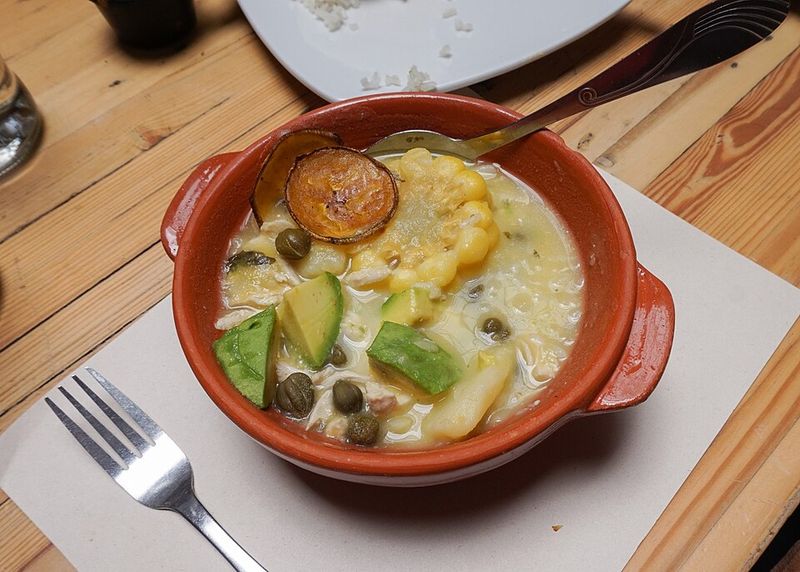
On a cool, rainy afternoon in Bogota, there is nothing more comforting than a steaming bowl of ajiaco. This hearty Colombian soup is made by simmering three different varieties of potato together until they create a thick, starchy broth.
Shredded chicken and ears of corn are added to round out the dish.
The ingredient that sets ajiaco apart from other potato soups is guasca, a dried herb native to the Andean region that has a subtle, earthy flavor. Without it, the soup would taste completely different.
Ajiaco is served with small bowls of heavy cream, capers, and sliced avocado on the side, which diners mix in according to their own taste.
Ajiaco is considered the signature dish of Bogota and the surrounding Cundinamarca region. It has been a staple of Colombian cooking for centuries, with roots tied to both indigenous and Spanish culinary traditions.
Sharing a pot of ajiaco is a meaningful act of hospitality in Colombian culture.
11. Pastel de Choclo – Chile
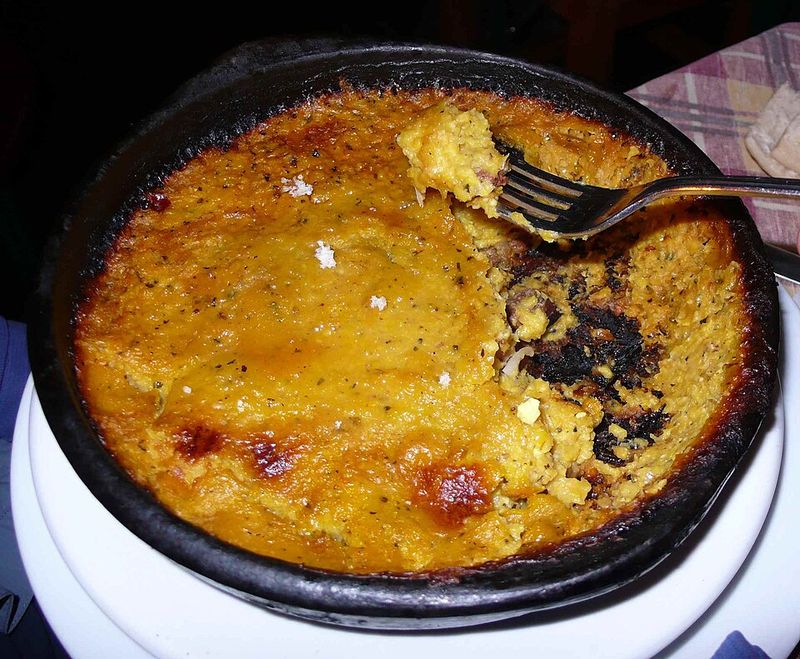
Pastel de choclo is Chile’s answer to comfort food, and it is unlike anything you have probably tried before. At first glance, it looks like a casserole with a golden corn topping.
But underneath that creamy sweet corn crust lies a rich, savory filling called pino, made with seasoned ground beef, shredded chicken, black olives, raisins, and hard-boiled egg slices.
The contrast between the sweet corn topping and the savory, slightly spiced filling is what makes this dish so memorable. Some Chileans sprinkle a little sugar on top before baking to enhance the sweetness even further.
It is traditionally baked and served in individual clay dishes called paila.
Pastel de choclo has Mapuche indigenous roots and has been a staple of Chilean home cooking for generations. It is most popular during summer, when fresh corn is at its best.
Chileans often debate whether to add sugar on top, a friendly argument that has no wrong answer.
12. Humitas – Chile, Ecuador, Bolivia and Peru
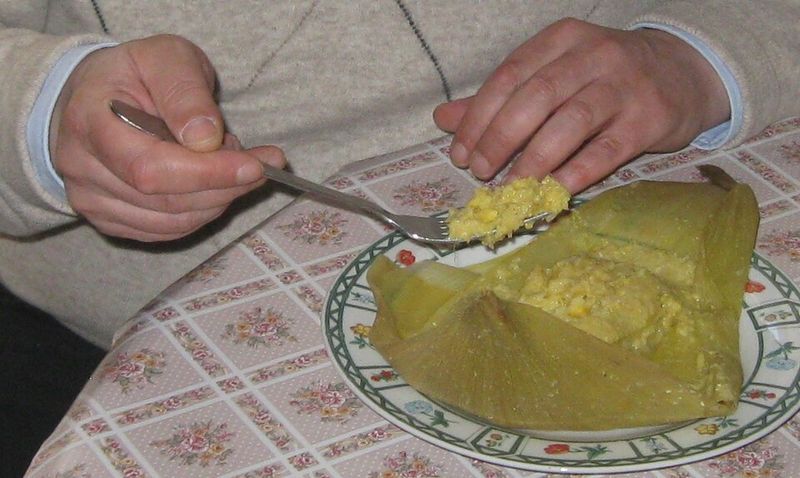
Humitas are one of the oldest foods in South America, enjoyed long before the Spanish arrived. Fresh corn kernels are ground into a moist dough, sometimes mixed with cheese, basil, or a touch of sugar, then wrapped tightly in corn husks and steamed until soft and fragrant.
Unlike tamales, which use dried masa, humitas are made from fresh corn, giving them a lighter, more delicate texture and a naturally sweet flavor. They can be savory or slightly sweet depending on the region.
In Chile, they are often served with tomato salsa. In Ecuador, they tend to be sweeter and are enjoyed as a snack or light meal.
Unwrapping a humita at the table is part of the experience. The corn husk releases a gentle steam and a warm, earthy aroma that is deeply satisfying.
These little bundles connect modern South Americans to thousands of years of culinary history in a very direct way.
13. Locro – Argentina, Ecuador, Bolivia and Peru
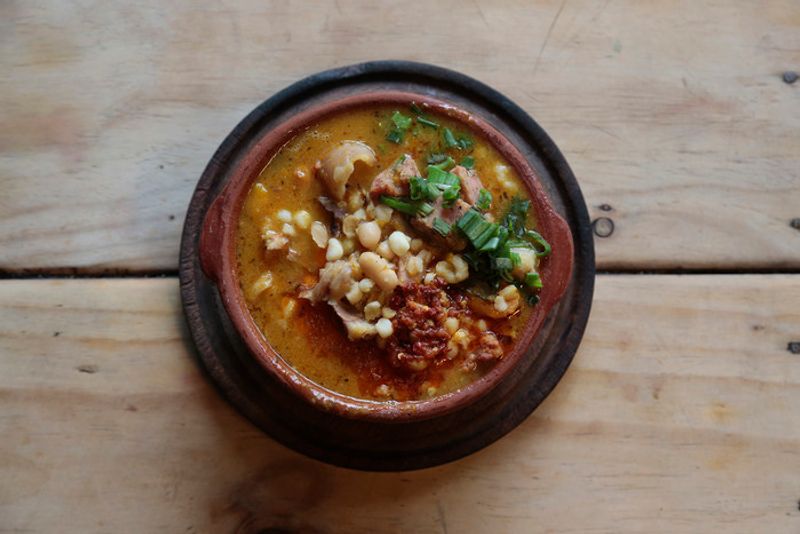
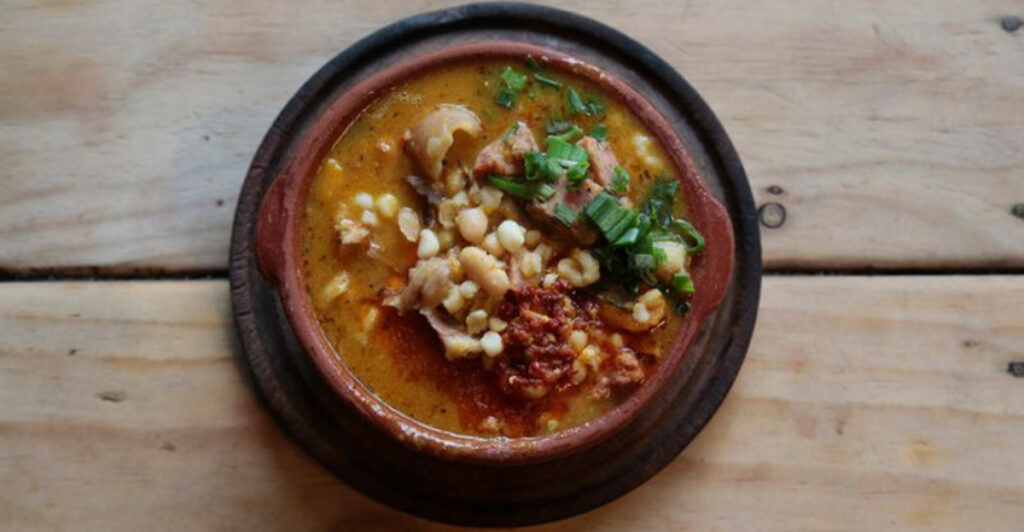
Locro is the kind of stew that warms you from the inside out. Made with a combination of white corn, squash, beans, potatoes, and meat, this thick, hearty dish has been feeding people in the Andean region for thousands of years.
It is especially popular in Argentina, where it is practically the official dish of national holidays like May 25.
The stew gets its richness from the slow breakdown of the squash and corn, which thicken the broth naturally over several hours of cooking. A spiced red oil called quiquirimichi, made with paprika, chili, and fat, is drizzled on top just before serving.
That finishing touch adds a bright pop of color and heat.
Locro is a dish that tells the story of Andean survival. Indigenous communities relied on corn, beans, and squash as their core crops for centuries.
Eating locro today is a small connection to that long and resilient history.
14. Milanesa – Argentina and Uruguay
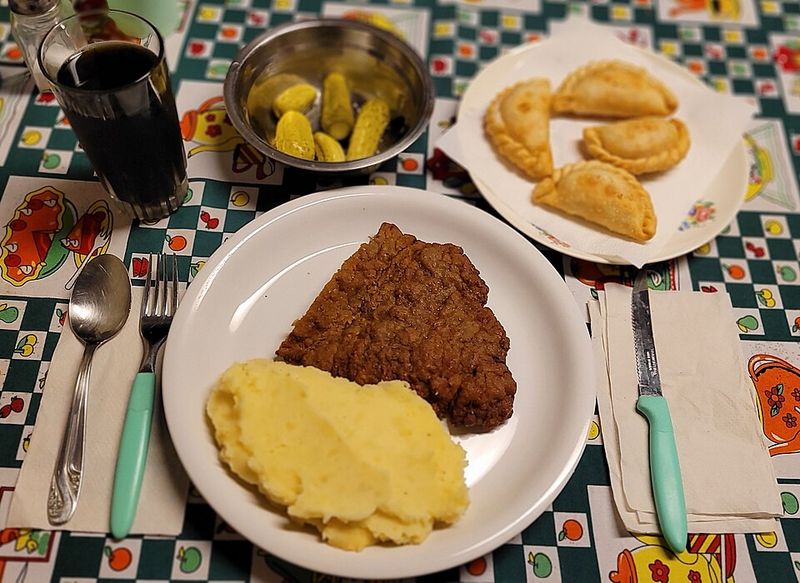
Argentina took the Italian concept of a breaded cutlet and made it completely its own. Milanesa is a thin slice of beef or chicken that is coated in breadcrumbs and pan-fried until golden and crispy.
It is one of the most popular everyday meals in Argentina and Uruguay, found in homes, school cafeterias, and restaurants alike.
The most celebrated version is milanesa a la napolitana, which is topped with tomato sauce, a slice of ham, and melted mozzarella cheese. It looks and tastes like a cross between a schnitzel and a pizza, which might explain why it is so universally loved.
Some versions are served inside crusty bread rolls as a sandwich called a milanesa al pan.
Italian immigrants brought their love of breaded cutlets to Argentina in the late 1800s, and the dish quickly took root. Today, asking an Argentine about their favorite milanesa recipe is a great way to start a very passionate conversation.
15. Cazuela – Chile
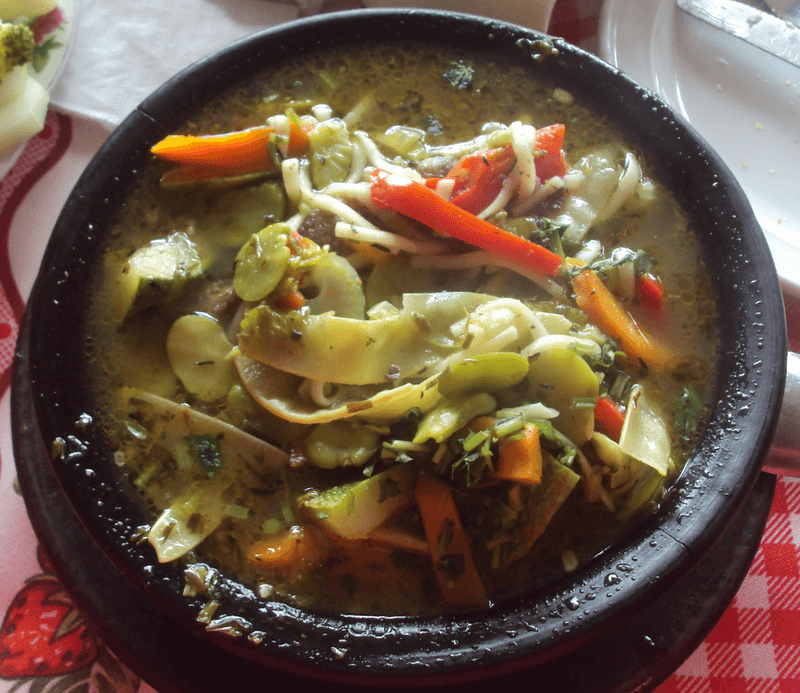
Cazuela is Chile’s most beloved everyday soup, and for good reason. This generous, golden-broth soup is built around a single large piece of chicken or beef on the bone, surrounded by chunks of pumpkin, potato, corn on the cob, rice, and green beans.
Every bowl feels like a complete meal on its own.
The broth is the heart of cazuela. It develops its rich flavor from slow simmering of the meat and vegetables together, absorbing a little of everything in the pot.
A sprinkle of fresh cilantro or parsley on top adds brightness right before serving. Some families add noodles or carrots depending on what they have available.
Cazuela is the kind of meal that Chilean grandmothers are famous for making. It requires no fancy techniques, just quality ingredients and time.
The name comes from the Spanish word for clay pot, which was traditionally used to cook it over a wood fire in rural Chilean kitchens.
Share this story