Growing up in the mid-20th century meant hearing certain phrases over and over – short, sharp reminders that toughness was valued and complaints were not. Boomer kids heard these lines at home, on the playground, and in the locker room, shaping how they understood emotions, work, and resilience. Many of these sayings feel harsh by today’s standards, but they were simply the norm back then. Here are 15 tough-love lines that defined a generation’s childhood.
1. Children should be seen and not heard
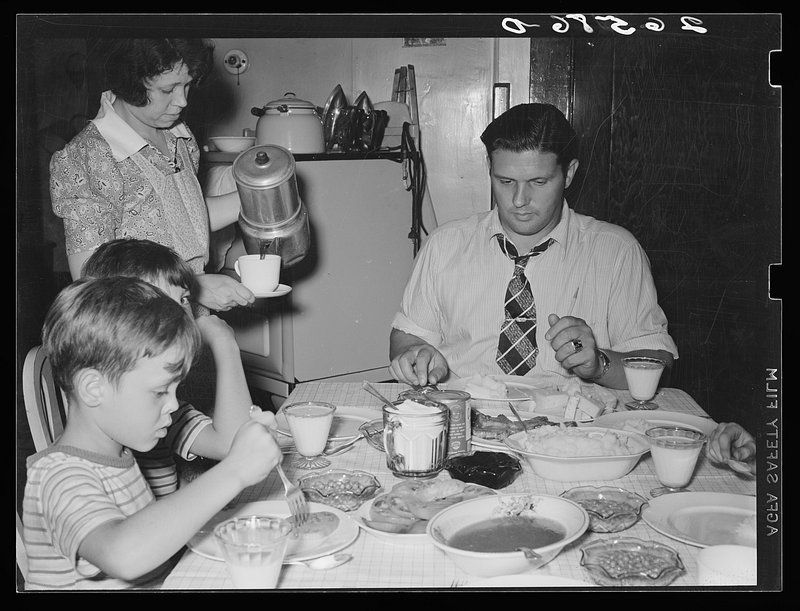
This old English proverb has roots stretching back centuries, but it really took hold in American homes during the Boomer years. Parents expected kids to stay quiet when adults were talking, no interruptions allowed. Dinner parties, family gatherings, and even everyday conversations meant children had to zip their lips.
The idea was simple: adult time was sacred, and kids had no business chiming in. Today’s parenting encourages children to express themselves and share their thoughts freely. Back then, though, silence was golden, and speaking out of turn could earn you a stern look or worse.
Cultural historians point to Phrase Finder and similar sources documenting this saying’s long history in Western culture.
2. Sticks and stones may break my bones…

Every kid who got teased on the playground heard this comeback at least once. The full rhyme—”but words will never hurt me”—was supposed to teach resilience against name-calling and insults. Documented as far back as the 19th century, it became a stock response parents and teachers handed out like candy.
The message? Toughen up and ignore the bullies. Of course, we now know that words can hurt deeply, and emotional wounds are real.
Still, this phrase was the go-to armor for generations of kids learning to navigate schoolyard cruelty. Wikipedia and historical records trace its widespread use through the 20th century, making it a cultural touchstone.
3. Because I said so (Authoritarian parenting)

No explanation, no discussion, no negotiation—just obedience. Boomer-era parents often ruled with unquestioned authority, and this phrase was the ultimate conversation ender. Psychologist Diana Baumrind’s research in the 1960s identified this as the authoritarian parenting style, where rules were rigid and reasons were optional.
Kids learned not to ask why because the answer was always the same. Today’s parents lean more toward the authoritative approach, explaining rules and encouraging dialogue.
But back then, questioning a parent’s decision was seen as disrespectful. Iowa State University’s work on parenting styles highlights how this approach shaped Boomer childhoods, prioritizing control over understanding.
4. Boys don’t cry (Emotional stoicism)

Tears were for girls, or so the message went. Boys growing up in the Boomer era were taught to swallow their feelings, bottle up sadness, and never show vulnerability. Crying was weakness, plain and simple. This rigid masculinity norm pushed boys to be tough, stoic, and self-reliant no matter what.
The American Psychological Association now recognizes how harmful these messages can be, linking them to mental health struggles and relationship problems later in life.
Emotional suppression became a badge of honor for many men raised this way. APA guidelines today encourage emotional expression for everyone, regardless of gender, as a healthier path forward.
5. Walk it off

Twisted ankle? Bruised knee? No problem—just walk it off and get back in the game. This classic sports advice was handed out freely by coaches, parents, and teammates alike. Minor injuries were no excuse to sit on the bench; toughness meant pushing through pain and keeping your head in the game.
Modern sports medicine takes a very different approach, emphasizing proper treatment and rest to prevent long-term damage. Back then, though, quitting mid-game was seen as soft.
Writing Explained and other sources note this phrase as a sports cliché that defined youth athletics for decades, sometimes to the detriment of young athletes’ health.
6. Rub some dirt on it

Another locker-room classic, this phrase meant the same thing as walking it off: shake it off and keep going. Got a scrape? A bruise? Just rub some dirt on it and stop complaining. It was part of a broader tough-it-out culture in youth sports, where showing pain was almost shameful.
Bleacher Report and sports culture retrospectives highlight this saying as emblematic of old-school coaching methods. The idea was that dirt somehow had magical healing properties—or at least that acknowledging an injury was unnecessary.
Today’s young athletes are encouraged to speak up about pain and seek proper care, a welcome shift from the grit-your-teeth mentality of the past.
7. Clean your plate (The Clean Plate Club)

Finishing every last bite was not just polite—it was a rule. The Clean Plate Club had roots in World War I and II anti-waste campaigns, teaching kids that wasting food was practically unpatriotic. Boomer parents carried this lesson forward, insisting children eat everything served, whether they were hungry or not.
Wikipedia documents these clean-plate campaigns and their lasting impact on eating habits. Unfortunately, this approach taught kids to ignore their own hunger cues, potentially contributing to unhealthy relationships with food.
Today’s nutrition experts encourage listening to your body and stopping when full, a big shift from the eat-everything-or-else mentality of mid-century America.
8. Be home when the streetlights come on

No cell phones, no tracking apps—just a simple rule and a whole lot of trust. Boomer kids spent hours roaming the neighborhood unsupervised, and the only curfew was the glow of the streetlights. When those lights flickered on, it was time to head home, no excuses.
Cultural histories and nostalgia sites like takesmeback.com consistently reference this informal curfew as a defining feature of mid-century childhood. Parents trusted their kids to manage their time and stay safe without constant supervision.
It was a different era, one where outdoor play was the norm and independence was expected from a young age.
9. “Money doesn’t grow on trees—get a job.” (Teen work norms)
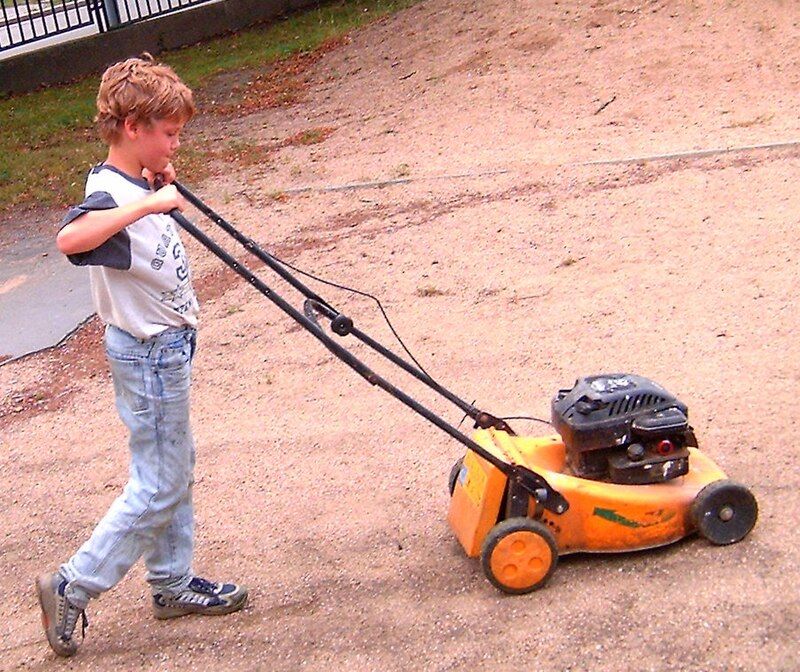
Want spending money? Go earn it. Teen labor-force participation was much higher decades ago, with summer and after-school jobs considered a normal part of growing up. Parents expected teens to work, not just for the paycheck but to learn responsibility and the value of a dollar.
Bureau of Labor Statistics data shows that teen employment rates were historically much higher in the mid-20th century compared to today. Working at 14 or 15 was common, whether bagging groceries, flipping burgers, or mowing lawns.
The message was clear: if you wanted something, you worked for it. Handouts were rare, and self-sufficiency was the goal from a young age.
10. “Get a paper route.”

Before video games and smartphones, one of the most common jobs for kids was delivering newspapers. Paper routes were practically a rite of passage, thanks to a specific child-labor exemption under U.S. law that allowed kids to do this work. Early mornings, rain or shine, kids pedaled through neighborhoods tossing papers onto porches.
The eCFR (Electronic Code of Federal Regulations) documents this exemption, which is why so many Boomer and Gen X kids had paper routes. It taught time management, responsibility, and the grind of earning your own money.
Today, newspaper delivery is largely automated or done by adults, but for a generation, it was the quintessential kid job.
11. “No seat belt? You’ll be fine.”

Seat belts existed, but wearing them was optional for most of the Boomer childhood. Kids bounced around in the back seat, sometimes even standing up or lying in the rear window area during long trips. It sounds shocking now, but it was normal then. Widespread seat belt use did not take off until state laws in the mid-1980s made them mandatory.
NHTSA data shows that national observed seat belt use was only around 14 percent as late as 1984. Before that, buckling up was seen as unnecessary or even paranoid.
Today’s strict car seat and seat belt laws reflect how far safety standards have come.
12. “Helmets are for racers.” (Bike helmets rarely used)
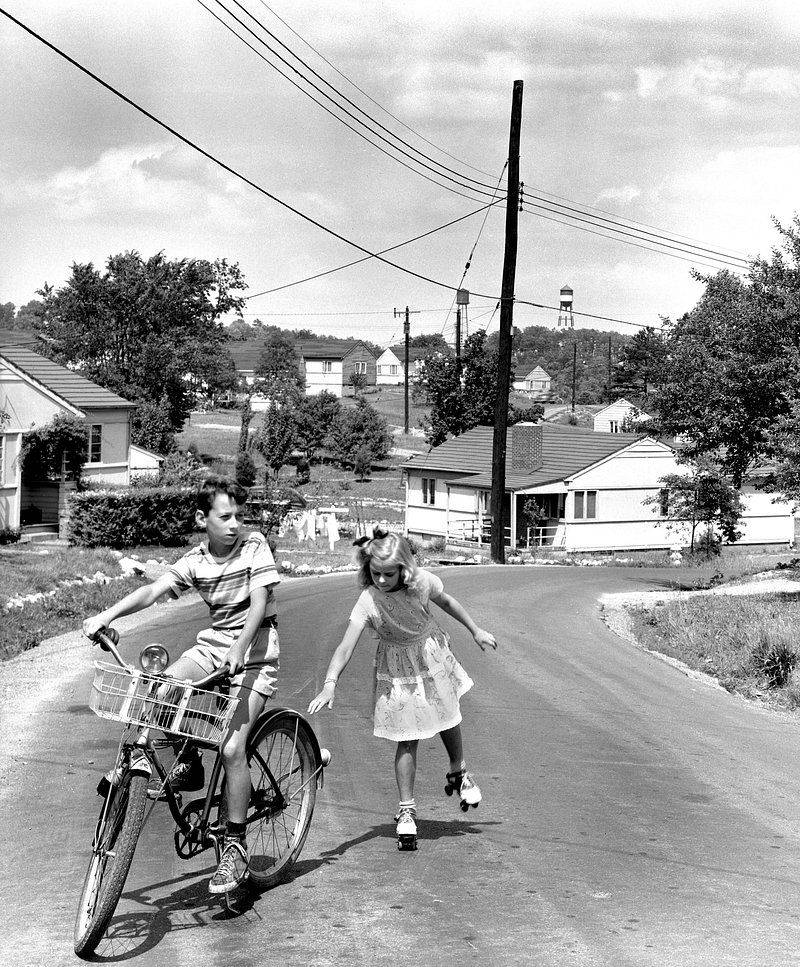
Bike helmets? Those were for professional racers, not regular kids. Boomer children rode bikes bareheaded, often performing stunts and racing down hills with zero protection. Helmet mandates did not start appearing until 1987 and spread slowly across the country. For many kids, the idea of wearing a helmet seemed silly or overly cautious.
Wikipedia traces the slow adoption of helmet laws and the cultural shift toward prioritizing head safety. Before that, skinned knees and bumped heads were just part of childhood.
Today, most parents would not dream of letting their kids ride without a helmet, but for Boomers, it was just another day on two wheels.
13. “Only winners get trophies.” (Pushback against ‘participation’)

Participation trophies existed as early as the 1920s, but they surged in visibility and controversy in the 1990s. The Boomer mindset generally prized winning over mere participation. If you did not come in first, second, or third, you went home empty-handed. That was the rule, and it was supposed to teach kids that effort alone was not enough—results mattered.
Wikipedia documents the history and debate over participation awards, noting the generational divide in attitudes. Boomers often criticize participation trophies as coddling, while younger generations see value in recognizing effort and improvement.
Either way, the message was clear: trophies were earned, not given.
14. “Finish what you start.” (No quitting mid-season)

Sign up for Little League? You are committed for the whole season, no quitting allowed. Boomer parents and coaches drilled this value into kids: finish what you start, even if you hate it. Sticking it out was a matter of character, teaching perseverance and follow-through. Quitting mid-season was seen as weak or irresponsible, a failure of grit.
Psychology Today and other sources discuss the broader cultural debate over participation versus achievement that reflects this value clash. Today, some parents allow kids to quit activities that are not a good fit, prioritizing mental health and genuine interest.
Back then, though, commitment meant seeing it through to the end, no matter what.
Share this story