Some of the best surprises in North Carolina hide in plain sight, tucked between mountain curves and roadside stops you almost drive past. I went in expecting a quick look at a few old objects and walked out an hour later with a full heart and a head buzzing with stories.
This small museum in the Smoky Mountains holds thousands of years of history told by the very people who lived it. If you love affordable outings that stay with you long after the drive home, keep reading.
A Mountain Museum on Tsali Boulevard
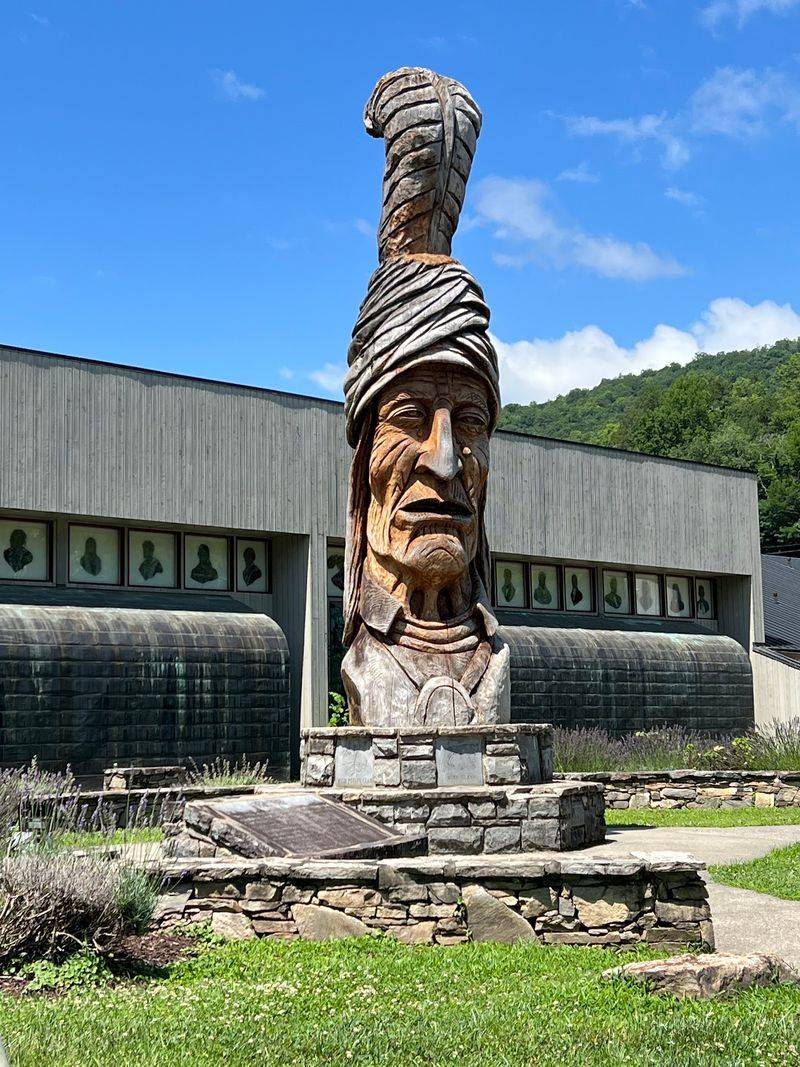
Right in the heart of Cherokee, on the Qualla Boundary in western North Carolina, sits a museum that punches far above its size. The Museum of the Cherokee People is found at 589 Tsali Blvd, a short drive from the edge of Great Smoky Mountains National Park.
Inside, visitors find Cherokee art, history, and culture shared through exhibits, digital films, photographs, and even holographs. It is a place built to explain how one people have called these mountains home for an astonishingly long stretch of time.
Many guests stop by after a full day of hiking or scenic driving in the nearby park. Several describe it as a perfect way to wind down, trading trail dust for quiet galleries and murals.
Others plan the whole trip around it, which says plenty about how much ground this modest building manages to cover in just one visit.
Stories Told by the People Themselves
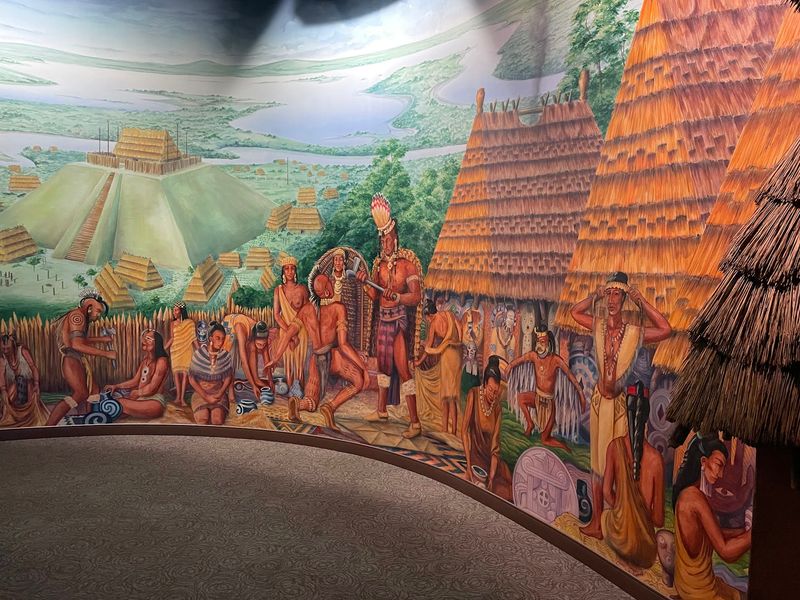
Here is what sets the place apart from a typical history stop. The museum has been working through a review and re-envisioning of its displays so that the Cherokee people are represented by the Cherokee people.
That shift matters. Rather than an outsider’s summary, the exhibits aim to show the Cherokee story as living and evolving, not something frozen behind glass.
One visitor put it beautifully, saying the walk invites you to celebrate, mourn, and hope all at once.
Staff members add to that feeling. Guests often mention how willing employees are to talk about their tribe’s history and answer questions with patience and warmth.
Returning visitors say there is always something fresh to learn. Word around the museum is that a much larger building may be in the works, so the story here keeps growing right along with the community.
Ancient Origins and the First Mountain Dwellers
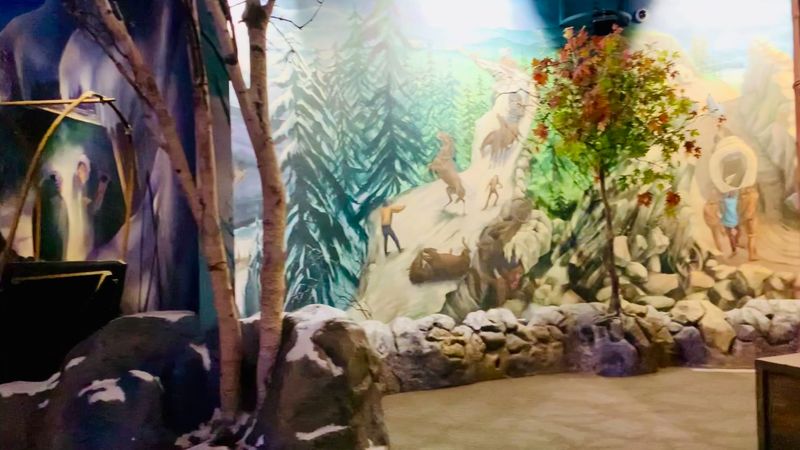
Picture these same ridges thousands of years ago, long before any highway or town. The journey through the museum begins in that deep past, tracing ancient origins and the indigenous peoples who came before the Cherokee as we know them today.
Artifacts are the star attraction for many guests, and they come up in conversation again and again. Stone pieces, tools, and everyday objects help connect modern visitors to people who once hunted, gathered, and gathered around fires in these hollows.
Visitors who love anthropology say the information on the region’s earliest peoples is genuinely fascinating. Each era unfolds in order, so you can follow how life changed slowly over countless generations.
It is a humbling reminder that the mountains we drive through for fall color have hosted human stories for a remarkably long time, and the museum lays those stories out clearly.
Holograms, Soundscapes, and Life-Size Scenes
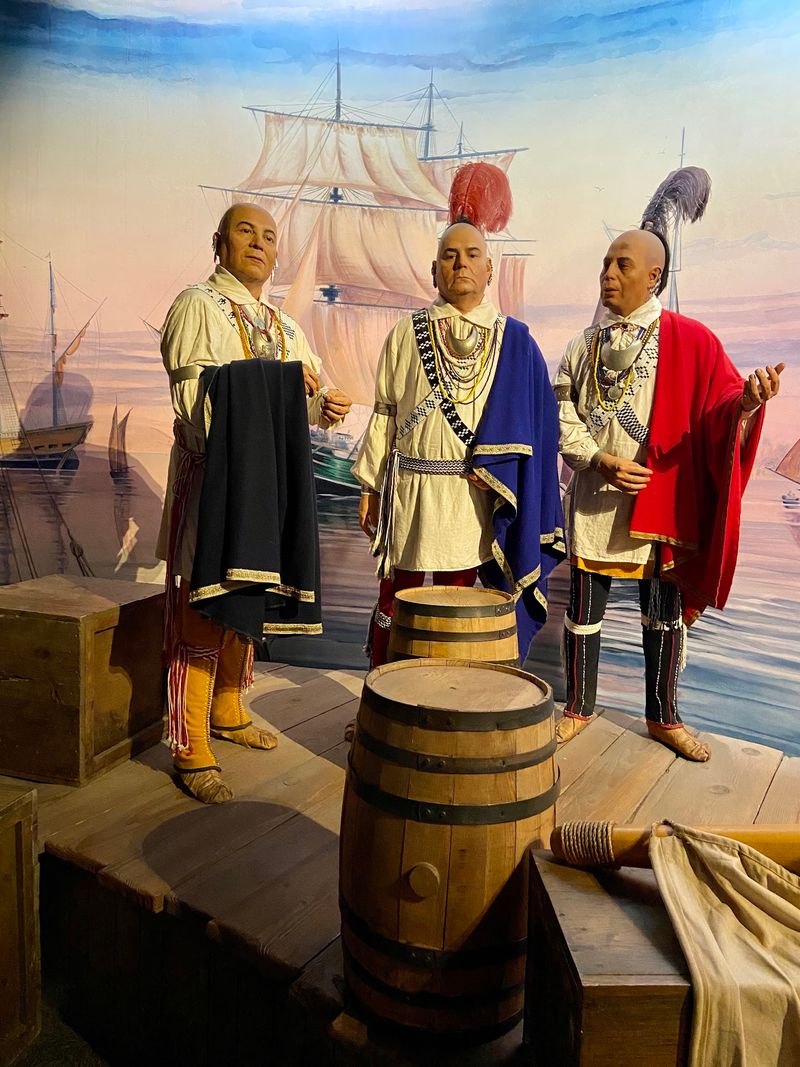
Surprise number one for first-timers: this is not a dusty, silent hall. The museum uses high-tech touches like computer-generated holograms and soundscapes to make history feel close enough to touch.
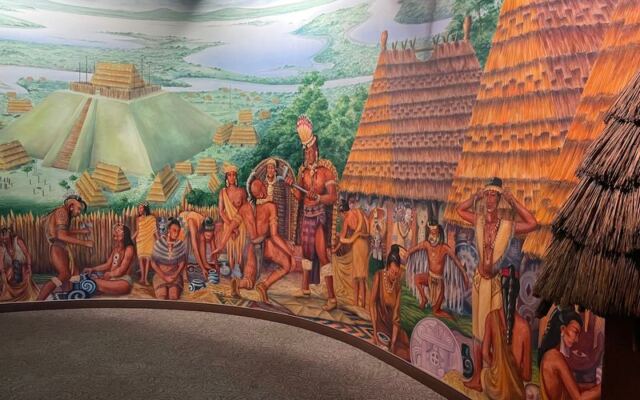
Full-size displays and large murals fill the rooms, and visitors frequently say they enjoyed these scenes most. A few mention lifelike figures that help show how families dressed, worked, and lived in earlier times.
Kids especially seem to perk up when a story suddenly appears in light and sound.
The galleries are spacious, with low lighting that sets a thoughtful mood. One honest note from guests is that a few exhibits can be a little dim to see clearly, so take your time and step in close.
Overall, the mix of old objects and new technology keeps the pace lively, which is great news for anyone traveling with restless young explorers.
Language, Clans, and Everyday Traditions
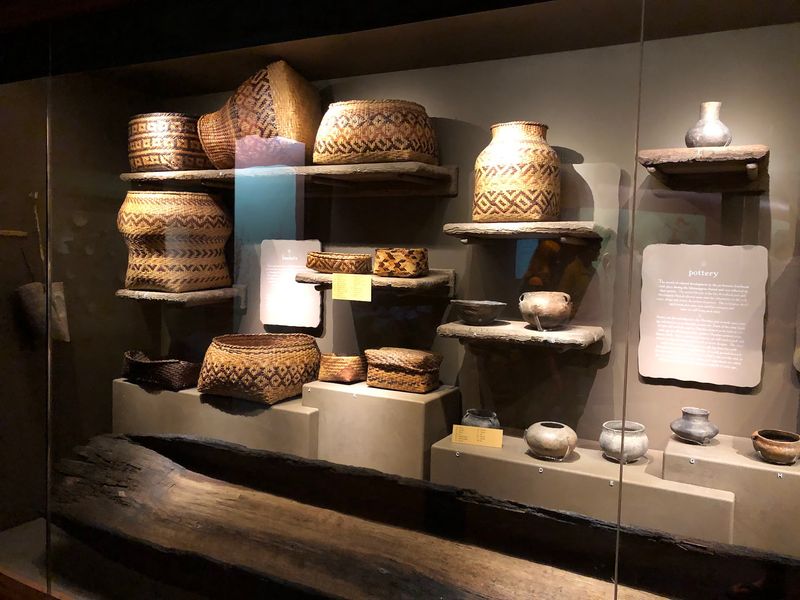
Push a button and listen. One of the most charming exhibits lets you press keys for characters in the Cherokee writing system and hear each one spoken aloud, and guests can’t stop talking about how neat it is.
Language is just one thread. Displays also explain the seven Cherokee clans, traditional lifestyles, and fascinating objects like a mask made from a wasp nest.
Descriptions are easy to read, so even younger visitors can follow along without feeling overwhelmed.
Visitors say they learned how the Cherokee lived, worked, and played, plus how they viewed certain people and events through history. Some curious guests wished for even more detail about daily customs, which shows just how hungry the exhibits leave people for knowledge.
Pottery, crafts, and artwork round out this section, showing traditions that continue to be passed down today in the very town outside the door.
The Trail of Tears Gallery
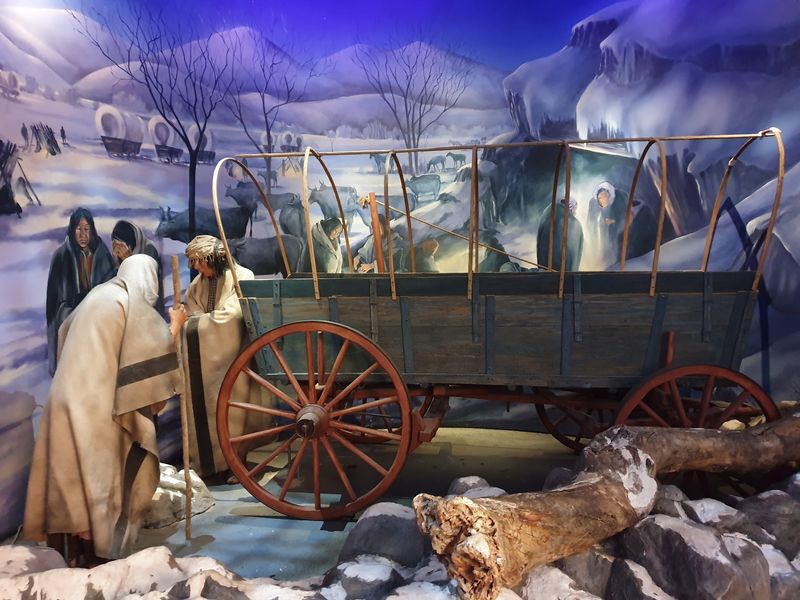
Bring tissues. Nearly everyone who walks through the Trail of Tears exhibit describes it as deeply emotional, and many admit they left quieter than they came in.
The gallery explains how the Cherokee were forced from their homelands in the 1830s and sent west to present-day Oklahoma. It also covers the treaties written, and broken, nearly two centuries ago.
Visitors call it eye-opening and say it gives essential context for understanding the region.
One guest who had once toured New Echota in Georgia was surprised to find a Cherokee community still thriving in western North Carolina, and came here to learn why. That is the heart of this room.
It honors what was lost while making clear the people endured. Parents mention wanting to bring their children so the next generation can see and appreciate this chapter of American history firsthand.
Handcrafted Treasures in the Gift Shop
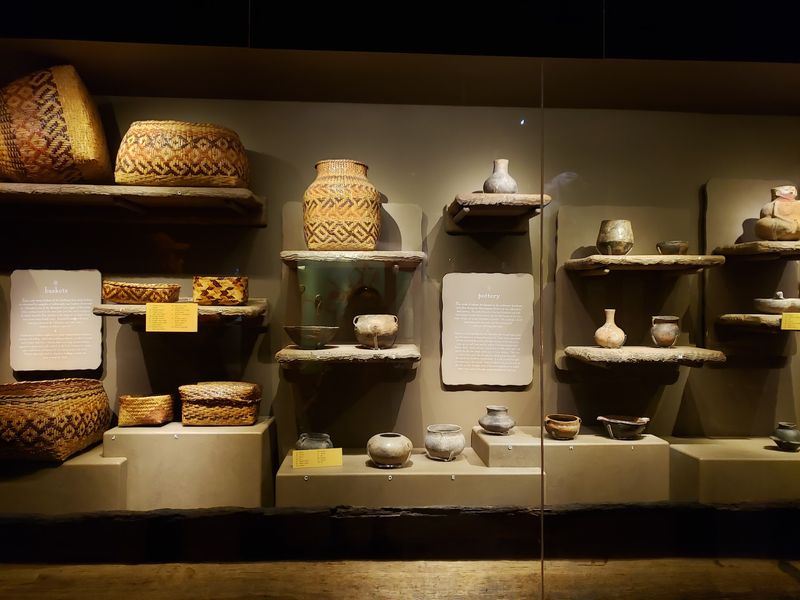
Fair warning, your wallet might get a workout. The gift shop is one of the most talked-about parts of the museum, and guests happily call it top tier.
What makes it special is the focus on handmade goods. Shelves feature locally crafted items and works from indigenous artists rather than mass-produced trinkets.
Visitors mention pottery, dream catchers, and a wide variety of pieces that make meaningful souvenirs.
Shopping here also feels good for another reason. Buying directly supports Cherokee artists and the wider indigenous community, something many guests say they value.
It is the kind of place where a small keepsake carries a real story. Whether you grab a little gift for a grandparent back home or treat yourself to a handmade piece, it makes a sweet final stop before heading back into the mountain air.
Who Will Love a Visit Here
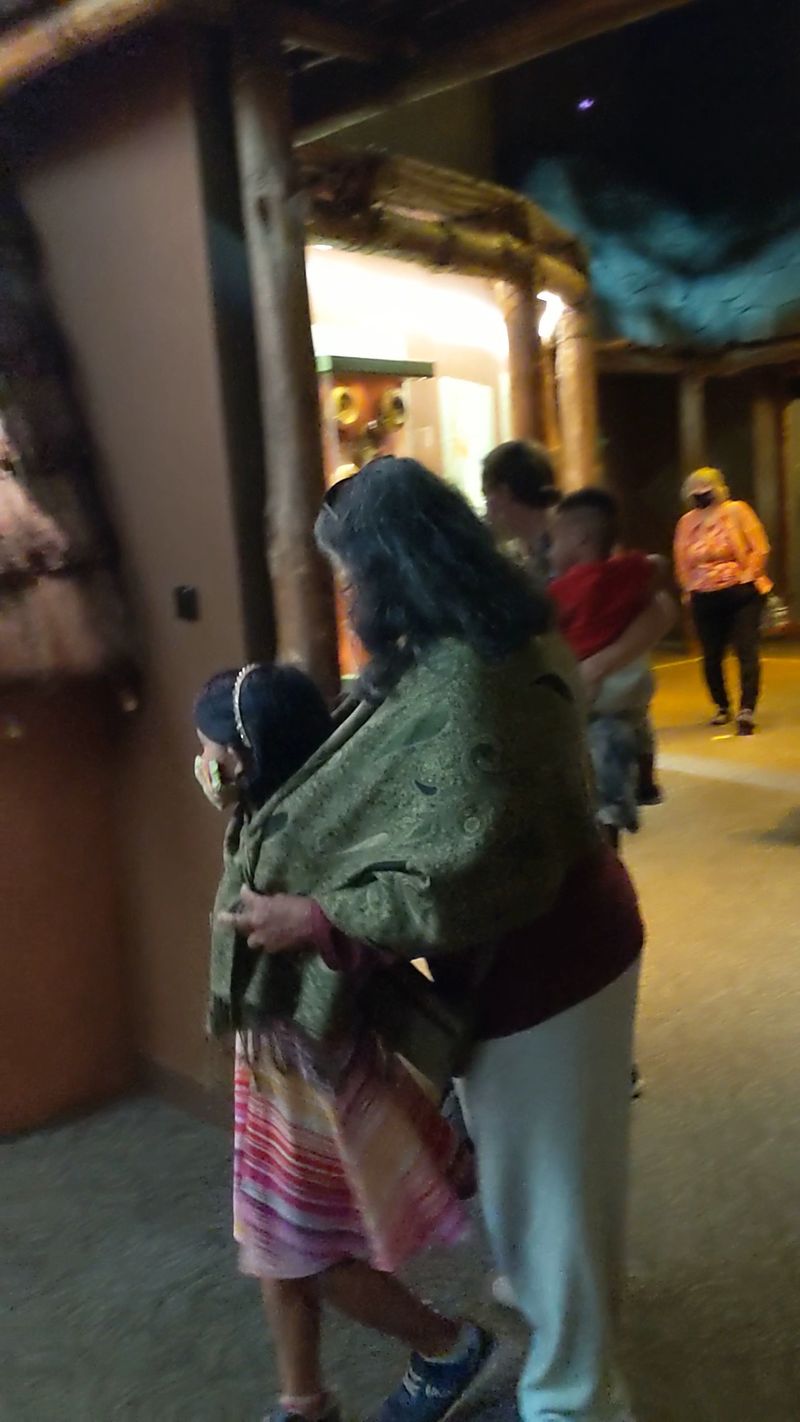
History buffs, curious kids, road-tripping couples, and grandparents with stories of their own will all find something here. Guests describe the museum as perfect for families and history lovers alike.
The mood is respectful and reflective, yet never stuffy. One visitor noted it almost feels wrong to call it simply cool, because the history carries such weight.
Still, plenty of folks leave saying they learned so much they cannot wait to return with relatives.
Expect to spend about an hour, though plaque readers may linger longer. The space is described as a nice small museum, easy to explore at your own pace without feeling rushed or lost.
Repeat visitors are common, too. Some have come three times or more, saying each trip reveals something new.
That kind of loyalty speaks volumes about how welcoming and rewarding the experience feels.
Hours, Tickets, and Getting There
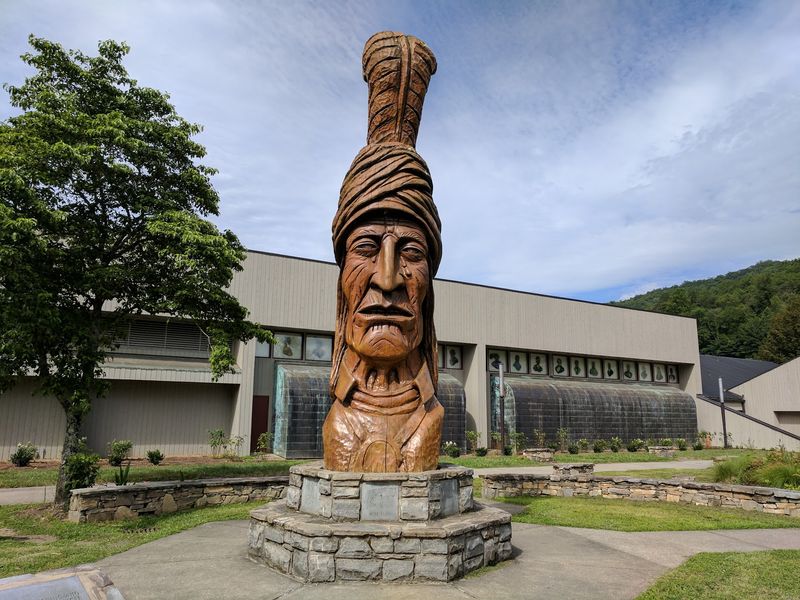
Good news for planners: the museum is open every day of the week from 9 AM to 5 PM. That makes it an easy add-on whether you are visiting on a quiet Tuesday or a busy weekend.
Admission has been reported at around $15 per person, and visitors repeatedly call the price very affordable for what you get. Parking is free, which is always a happy bonus in a popular mountain town.
A picnic area sits out front, though one guest found it too hot for lunch in the summer sun.
You will find the museum at 589 Tsali Blvd in Cherokee, close to the entrance of Great Smoky Mountains National Park. Questions can go to 828-497-3481, or check motcp.org for updates.
Exhibits are being refreshed over time, so it helps to call ahead if there is something specific you hope to see.
Worth Every Mile of the Mountain Drive
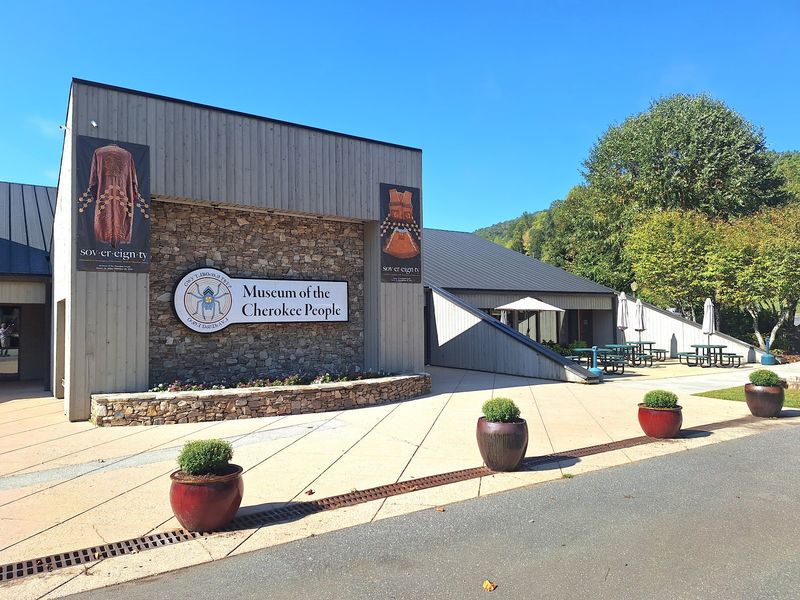
So, should it earn a spot on your next mountain trip? For most travelers, the answer is a warm and easy yes.
For a modest ticket price, you get thousands of years of history, thoughtful storytelling shaped by the Cherokee community, eye-catching technology, and a gift shop filled with real artistry. Add free parking, daily hours, and friendly staff, and it checks nearly every box for a budget-friendly North Carolina outing.
Pair it with a waterfall hike in spring, a scenic drive under fall leaves, or a cozy winter wander through town. However you plan it, guests consistently leave moved, a little wiser, and eager to come back.
Small museums rarely stick with people quite like this one does. Give it an afternoon, and you may find the mountains look a little different on the drive home.
Share this story