Power has shifted from one corner of the world to another many times over the past two thousand years. Some empires ruled through armies, others through trade, ideas, or money.
Looking at who led each era helps explain how today’s world took shape. Here is a century-by-century look at the states that held the greatest strength.
1. 1st-4th Centuries: Roman Empire
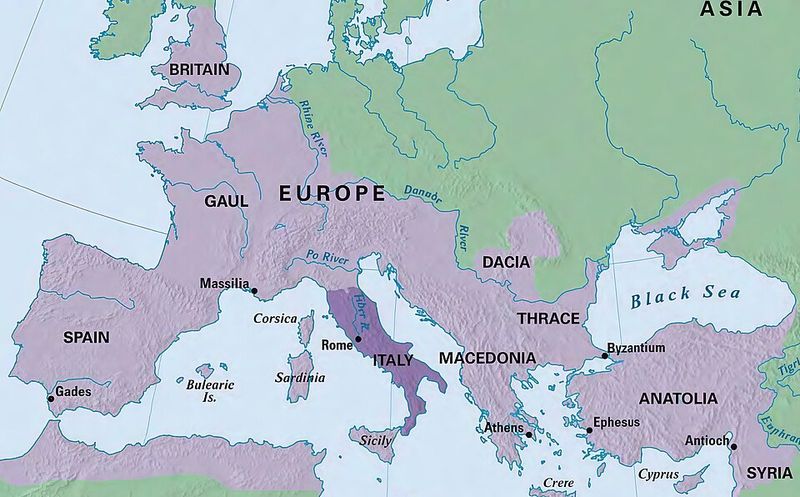
Few roads in history have carried as much traffic as those built by Rome. At its peak, the empire stretched from Britain to Egypt and held roughly one in five people on Earth.
Roman legions kept order across this huge area, and a common currency helped merchants trade from Spain to Syria. Aqueducts brought fresh water to cities, and paved roads let messages and soldiers move quickly.
Rome also left behind ideas that still matter. Many modern laws, languages, and government structures trace back to Roman models.
Latin grew into Spanish, French, Italian, and more.
Troubles did arrive in the 3rd century, including civil wars, plague, and money problems. Even so, Rome held its leading place through the 4th century, when Emperor Constantine reshaped the realm and moved attention eastward.
2. 5th-6th Centuries: Eastern Roman (Byzantine) Empire
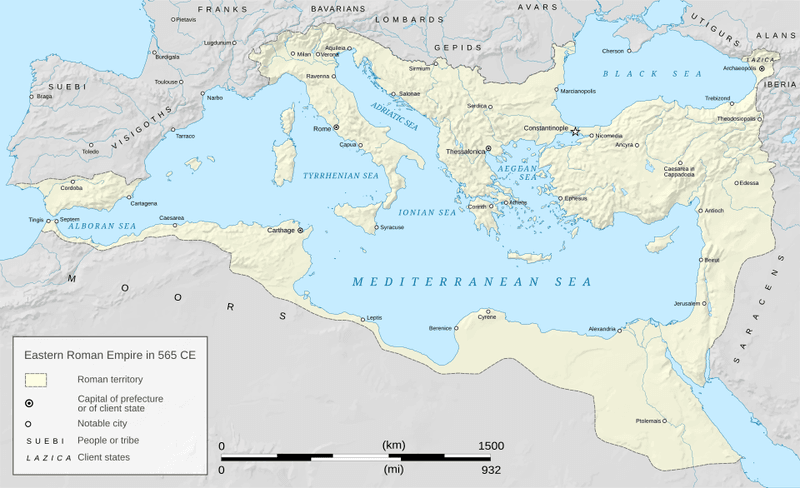
When Rome’s western half collapsed in 476, the eastern half simply kept going. Its capital, Constantinople, sat on a strategic strip of land between Europe and Asia, protected by massive walls.
The city became the richest in Christendom. Traders paid taxes on goods moving between the Black Sea and the Mediterranean, which filled the treasury.
Emperor Justinian I, who ruled from 527 to 565, pushed the empire to new heights. His generals won back parts of Italy, North Africa, and southern Spain.
He also ordered the building of the Hagia Sophia and had Roman law gathered into a clear written code.
Plague and costly wars weakened the state later in the century. Still, for these two hundred years, Byzantium was the strongest and most stable power around the Mediterranean.
3. 7th Century: Rashidun Caliphate
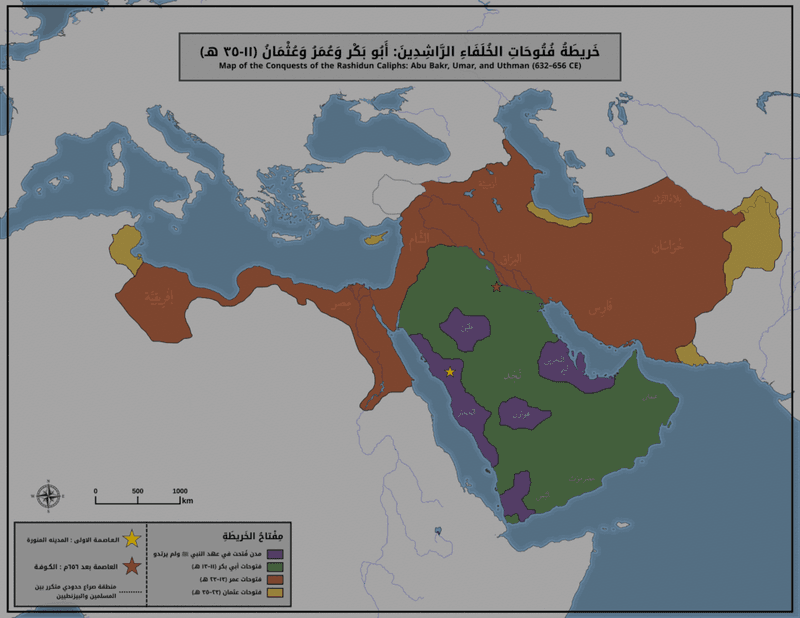
Speed defines this story. In only about thirty years after 632, armies from Arabia carried a new state across the Middle East and beyond.
The Rashidun Caliphate, led by the first four caliphs, defeated Byzantine forces in Syria and Egypt. It also brought down the Sasanian Persian Empire, which had been a major power for centuries.
Fast camel and horse mobility, strong unity, and weakened rivals all helped. Both Byzantium and Persia had worn themselves out in long wars with each other.
The caliphs set up garrison cities such as Basra and Kufa and built a system for collecting taxes and paying soldiers. The empire later faced civil conflict, but by 661 it had created a foundation for a vast realm that linked Africa, Asia, and Europe.
4. 8th-9th Centuries: Abbasid Caliphate
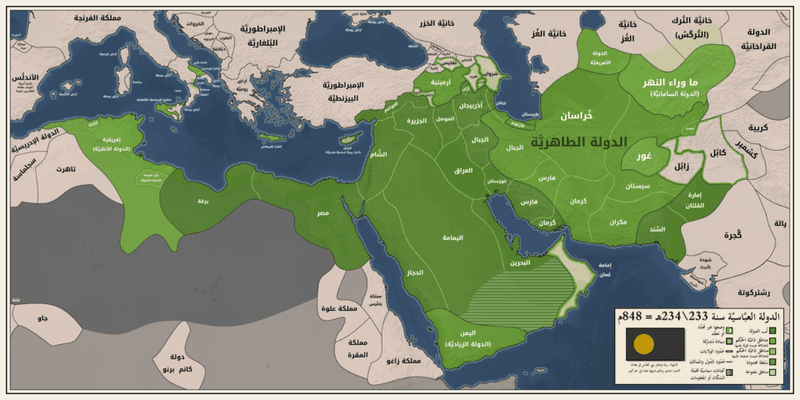
Imagine a city built in a perfect circle. That was Baghdad, founded in 762, which quickly grew into one of the largest and most lively cities on Earth.
The Abbasid Caliphate ruled from there and controlled lands from North Africa to Central Asia. Its power came from trade routes, rich farmland, and a large, skilled bureaucracy.
Learning flourished too. Scholars translated Greek, Persian, and Indian works into Arabic, and thinkers such as al-Khwarizmi helped shape algebra.
Paper-making spread through the realm, making books cheaper.
Caliph Harun al-Rashid and his son al-Ma’mun are remembered for supporting science and the arts. By the late 800s, regional governors gained more independence, but the Abbasids still led the world in wealth, knowledge, and reach.
5. 10th-11th Centuries: Song Dynasty (China)
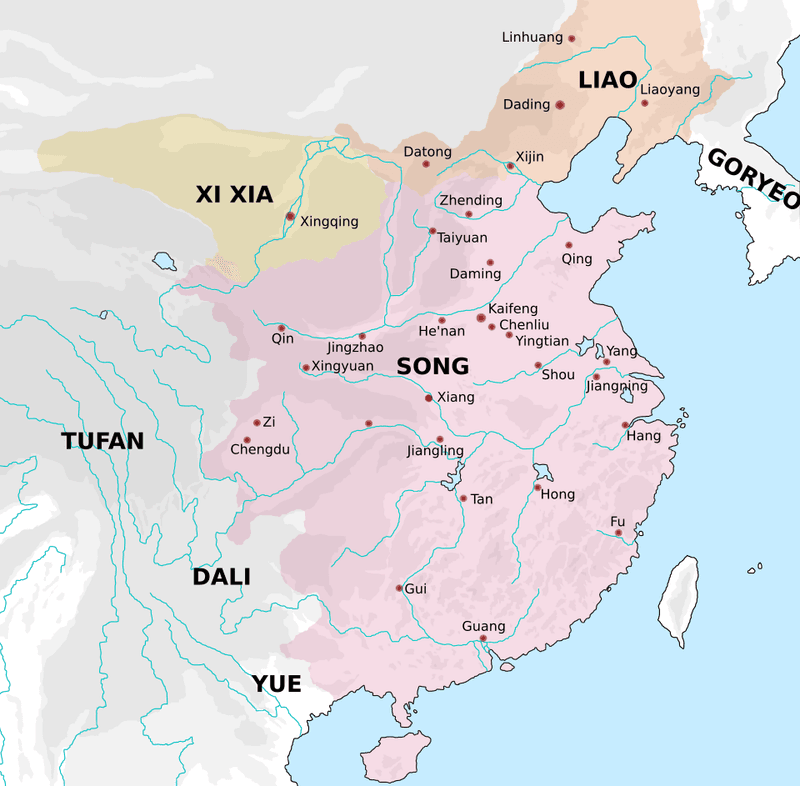
Paper money, gunpowder weapons, and the magnetic compass all grew up together in Song China. Few eras have produced so many useful inventions in such a short time.
Founded in 960, the Song Dynasty built an economy unlike anything else in the world. Cities such as Kaifeng held more than a million people, and farmers produced surplus rice thanks to new fast-ripening varieties.
Government jobs were filled through exams rather than family ties, which gave talented commoners a chance to rise. Iron production also soared, reaching levels Europe would not match for centuries.
The Song army was not always the strongest, and northern neighbors pressed hard. Even so, in wealth, technology, and urban life, the Song stood well ahead of everyone else during these hundred years.
6. 12th Century: Jin Dynasty (China)
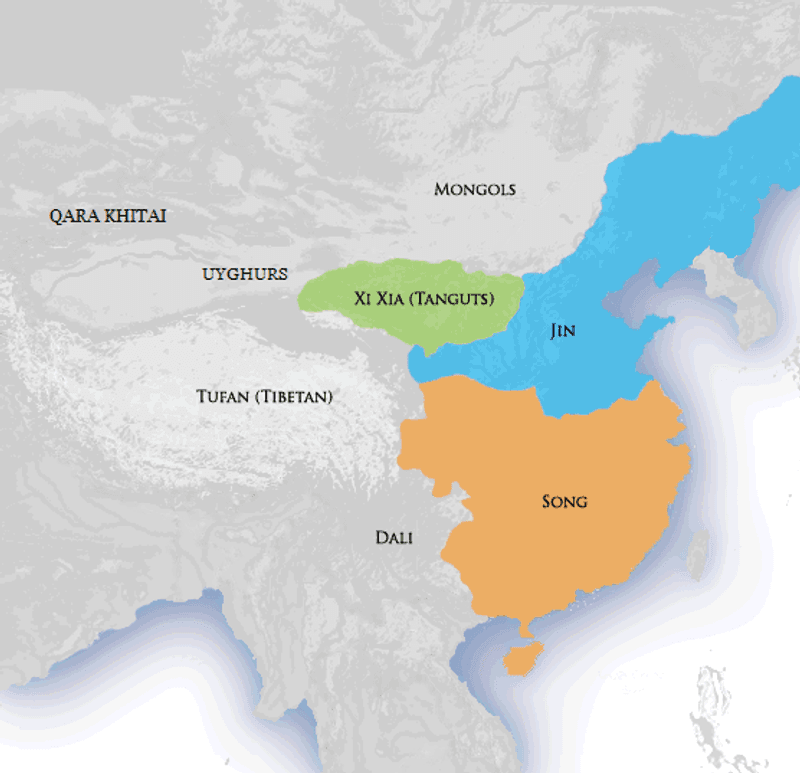
In 1127, a stunning reversal took place. The Jurchen people, once vassals of another state, captured the Song capital and took control of northern China.
The Jin Dynasty combined fierce cavalry with Chinese-style government. Its rulers used existing officials, tax systems, and written records to manage millions of farmers in the fertile north.
This region held most of China’s population and farmland, so Jin strength was substantial. The Song court fled south and paid yearly silver and silk to keep the peace.
Jin rulers also supported printing, art, and Confucian learning. Their capital at Zhongdu, near modern Beijing, grew into a major city.
Troubles later came from the rising Mongols, but across the 1100s the Jin held the strongest position in East Asia.
7. 13th Century: Mongol Empire
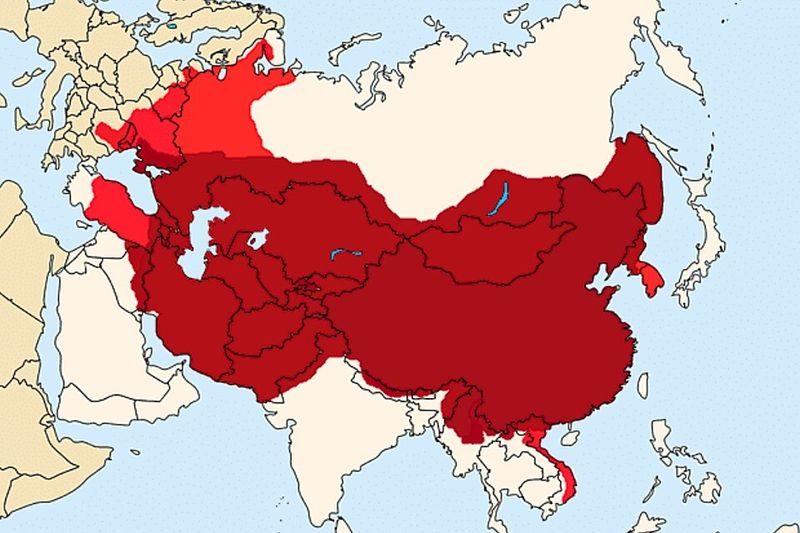
By 1279, the Mongol realm covered about nine million square miles, making it the largest connected land empire ever. It began with Genghis Khan, who united rival tribes in 1206.
Mongol armies were quick, disciplined, and skilled with the bow. Riders could cover long distances with spare horses, which let them surprise slower opponents.
Conquest was only part of the story. The Mongols protected trade routes, ran a relay mail system, and often allowed religious freedom.
Merchants and travelers such as Marco Polo moved across Eurasia with surprising ease.
The empire later split into separate khanates ruled by Genghis Khan’s descendants. Its conquests brought great destruction in many places, yet they also connected distant cultures and spread ideas, foods, and technology across the continent.
8. 14th Century: Yuan Dynasty (China)
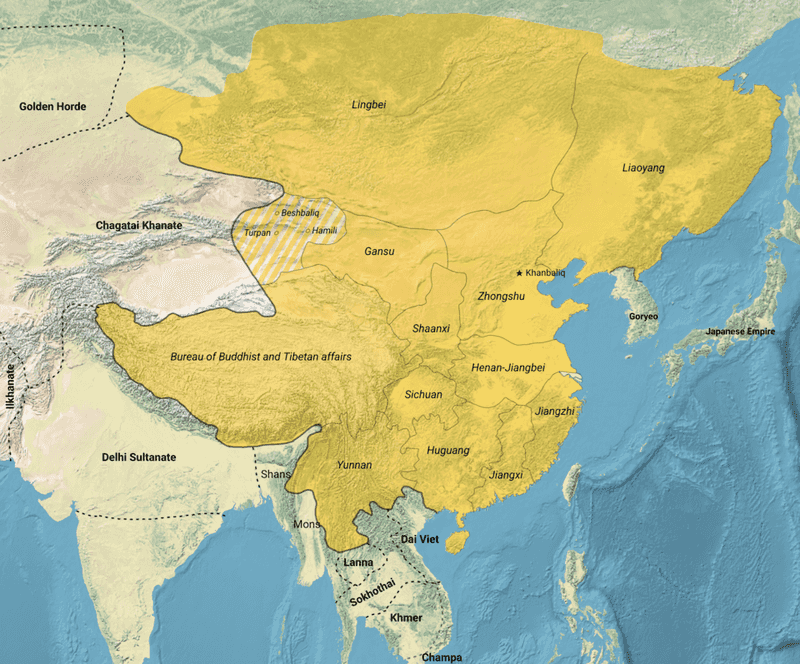
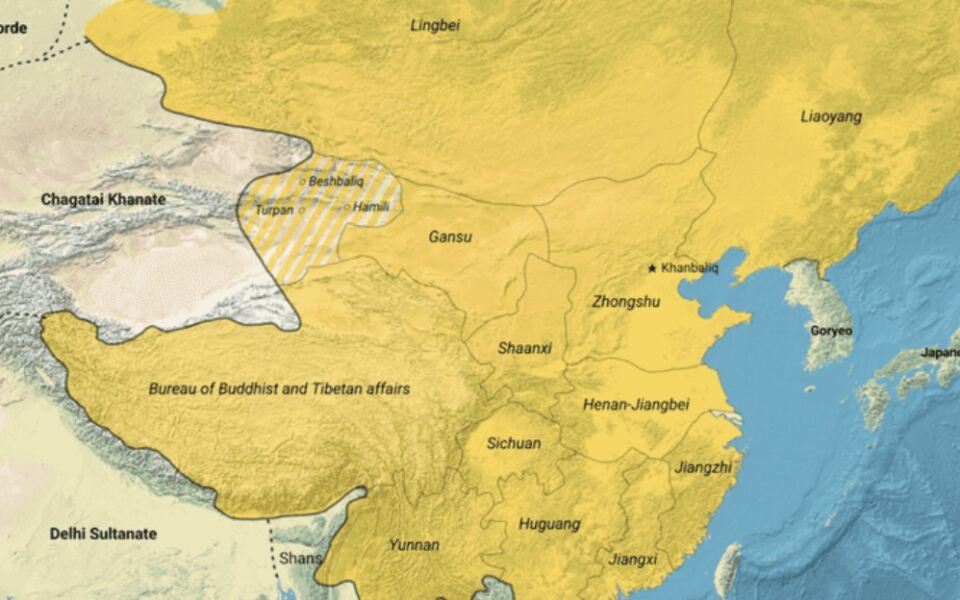
Kublai Khan, grandson of Genghis, did something no Mongol had done before. He took over all of China and ruled it as emperor.
The Yuan Dynasty, founded in 1271, made Khanbaliq (modern Beijing) its capital. From there it governed one of the largest and most populous states on Earth, with ties across Asia.
Paper money circulated widely, and the Grand Canal was expanded to move grain north. Foreign merchants, doctors, and astronomers were welcomed at court.
The dynasty lasted until 1368, and the 1300s brought hard times, including floods, famine, and plague. Rebellions grew, and the Yuan eventually lost control.
Even so, for much of the century it remained among the strongest and richest states in the world.
9. 15th Century: Ming Dynasty (China)
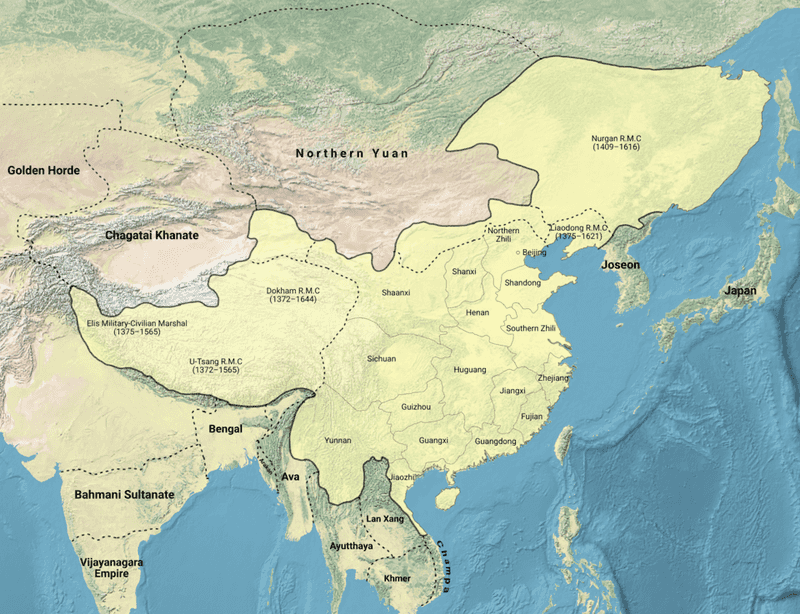
Picture a fleet of more than 200 ships, some of them nearly 400 feet long. That was the scale of the treasure voyages led by Admiral Zheng He starting in 1405.
The Ming Dynasty, founded in 1368, rebuilt China after Mongol rule. It restored farmland, repaired canals, and expanded the army to well over a million soldiers.
Zheng He’s fleets sailed to Southeast Asia, India, Arabia, and East Africa. They carried silk and porcelain and returned with envoys and exotic gifts, showing China’s wealth and reach.
The Forbidden City in Beijing was finished in 1420 and still stands today. Later in the century the court pulled back from long sea voyages and focused on defense, including work on the Great Wall, but Ming China remained the world’s leading power.
10. 16th Century: Spanish Empire
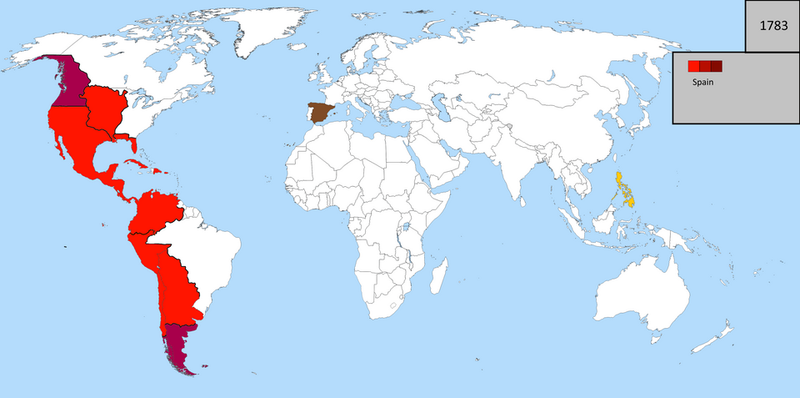
Silver from the mountains of Potosi, in present-day Bolivia, helped pay for the biggest empire of the 1500s. It flowed across the Atlantic in heavy treasure fleets.
After Columbus’s voyage in 1492, Spain claimed large parts of the Americas. Hernan Cortes conquered the Aztec Empire in 1521, and Francisco Pizarro toppled the Inca in the 1530s.
Under Charles V and Philip II, Spain also held lands in Italy, the Netherlands, and later the Philippines. People said the sun never set on its territory.
Its soldiers, called the tercios, were among the best in Europe. The empire’s expansion came at a terrible cost to Indigenous peoples, who suffered from violence, forced labor, and disease.
Debts and costly wars slowly drained Spain’s treasury.
11. 17th Century: Dutch Republic
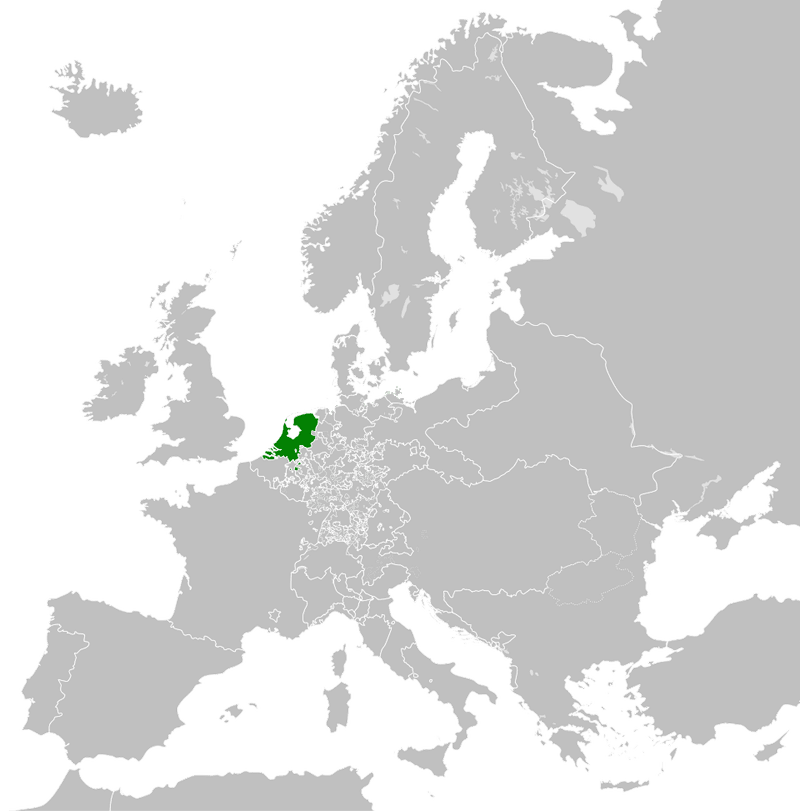
A small country with lots of water and few natural resources became the richest nation of its day. The Dutch Republic did it with ships, clever banking, and trade.
After breaking from Spain in the late 1500s, the Dutch built the world’s largest merchant fleet. The Dutch East India Company, founded in 1602, is often called the first major publicly traded company.
Amsterdam became a hub for finance, with a stock exchange and a bank that held deposits safely. Dutch traders carried spices, sugar, and textiles between Asia, Europe, and the Americas.
The Golden Age also brought great art from painters like Rembrandt and Vermeer. Wars with England and France eventually strained the republic, but through the 1600s it set the standard for commerce and sea power.
12. 18th-19th Centuries: British Empire
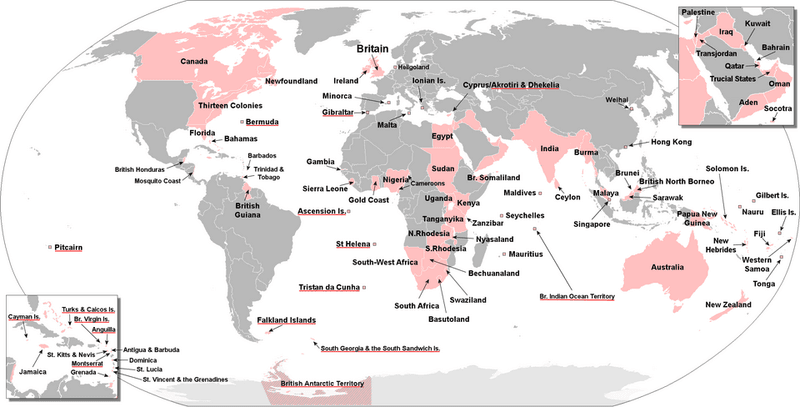
At its height in the early 1900s, the British Empire ruled about a quarter of the world’s land and people. Its rise began much earlier, with sea power and early factories.
The Royal Navy won key victories, including Trafalgar in 1805, and kept sea lanes open for British trade. The Industrial Revolution, which began in Britain, gave it steam engines, railways, and textile mills ahead of its rivals.
Colonies in India, Africa, Canada, and Australia supplied raw materials and markets. Queen Victoria, who reigned from 1837 to 1901, became the face of this global network.
Colonial rule brought harsh treatment, forced labor, and lasting political divisions in many regions. Britain’s leadership in industry, finance, and shipping made it the dominant power for roughly two hundred years.
13. 20th-21st Centuries: United States
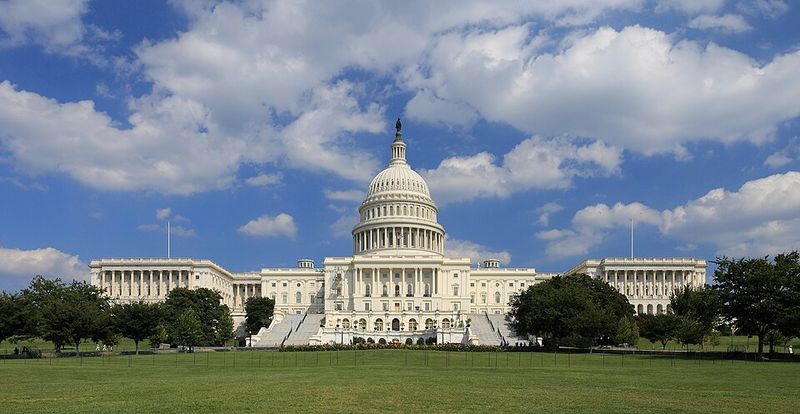
Since 1945, one country has led the world in the economy, military, and technology at the same time. That country is the United States.
Two world wars left Europe worn out, while American factories and farms grew stronger. After World War II, the US helped build institutions such as the United Nations, the World Bank, and NATO.
The Cold War pitted it against the Soviet Union, which ended in 1991 and left America as the sole superpower. The dollar became the main currency for global trade, and American universities and companies drove advances from the internet to space travel.
In the 21st century, rising powers like China and India are growing quickly. Even so, the United States still holds the largest military budget and one of the biggest economies, keeping its leading role today.
Share this story