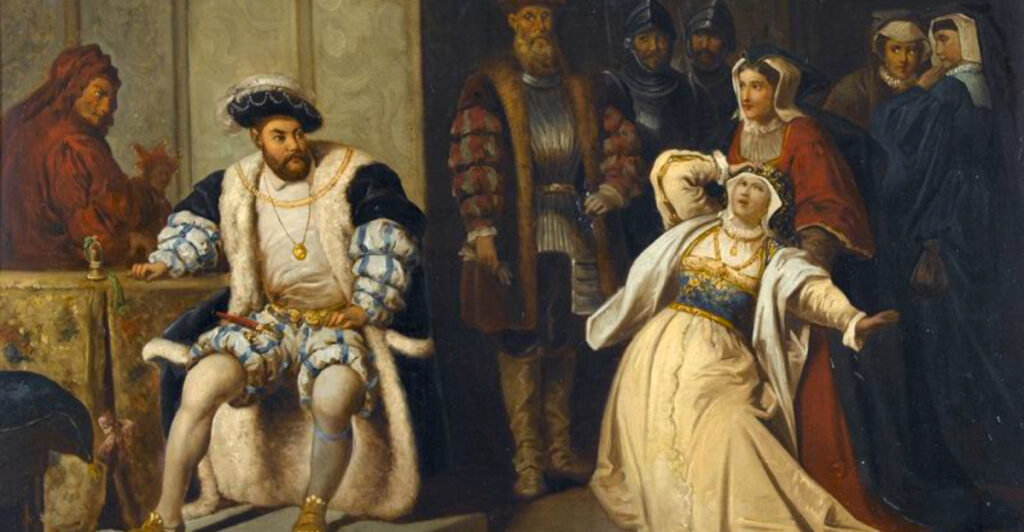
Tudor England was not a place where you could afford to speak carelessly. From 1485 to 1603, the definition of treason expanded far beyond plotting against the king to include words spoken in public, books found in your home, and even your silence at the wrong moment. Henry VIII alone reshaped treason law so dramatically that legal scholars later noted it had abandoned almost every logical principle. What follows is a closer look at 12 surprisingly ordinary ways a person could find themselves accused of one of the most serious crimes in the realm, often without any intention of causing trouble at all.
Whether you were a merchant, a priest, a farmer, or a nobleman, the legal traps were everywhere. Understanding these laws reveals just how carefully Tudor subjects had to navigate daily life, and how quickly loyalty could be questioned by the wrong pair of ears.
1. Speaking Against the King’s Marriage
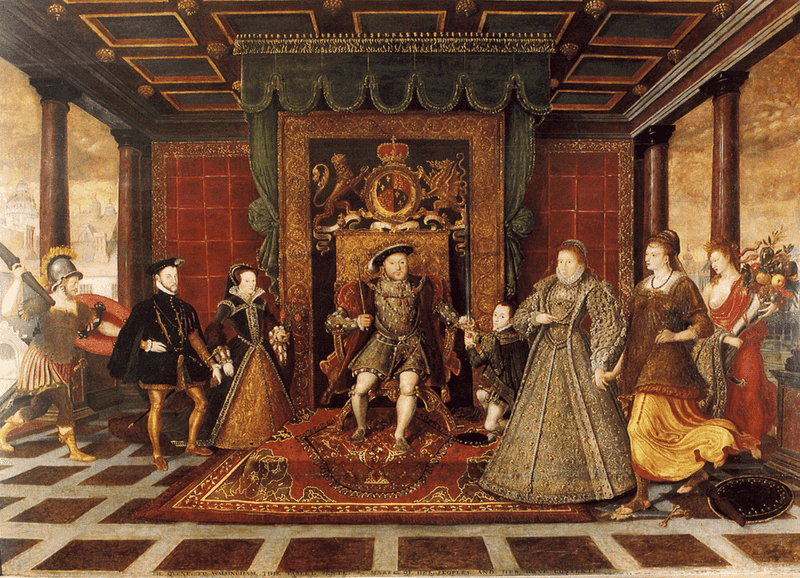
Henry VIII’s 1534 Treason Act turned marital politics into a legal weapon. The law explicitly made it high treason to maliciously publish or pronounce by express writing or words that the king was a heretic, schismatic, tyrant, infidel, or usurper of the crown.
Criticism of his divorce from Catherine of Aragon or his marriage to Anne Boleyn fell squarely within that definition. Elizabeth Abney and her husband were arrested in York for posting bills that challenged the king’s new marriage, treated as a direct violation of this act.
Margery Cowpland was arrested in 1535 for calling Henry an extortioner and Queen Anne a strong harlot. Her mental state was eventually considered, but her case shows how casually spoken words in public could trigger a formal investigation. Marketplaces, taverns, and street corners were all potential courtrooms under Tudor law.
2. Refusing the Oath of Supremacy
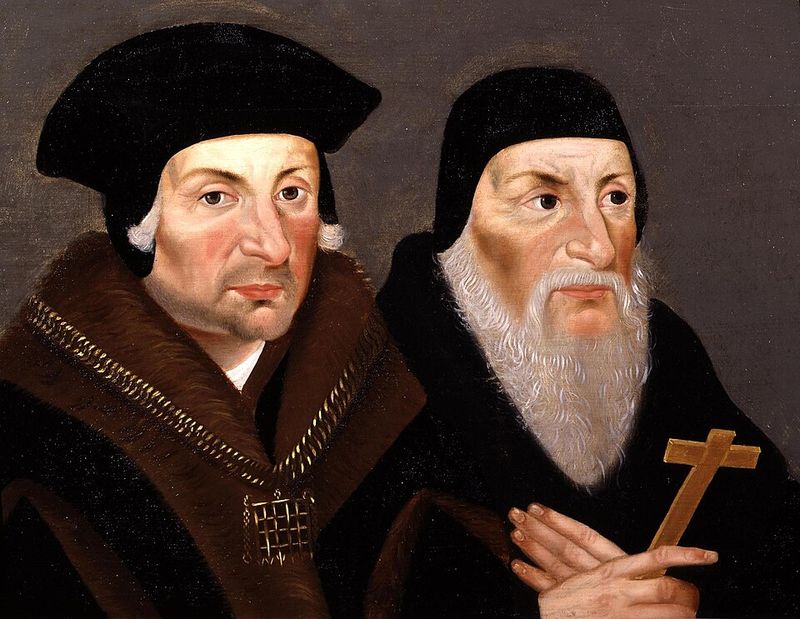
Sir Thomas More was Henry VIII’s former Lord Chancellor, a man of considerable legal knowledge and personal integrity. His refusal to swear the Oath of Supremacy in 1534 was not an act of rebellion but a matter of conscience, yet it cost him his life.
The 1534 Act required subjects to acknowledge Henry as Supreme Head of the Church of England, rejecting papal authority entirely. Refusing the oath was treated as treason, regardless of whether the person made any public protest or took any action against the Crown.
Under Elizabeth I, the penalties escalated with each refusal. A first offense meant losing all movable goods. A second meant life imprisonment and forfeiture of real estate. A third meant a charge of high treason and a sentence of execution.
Bishop John Fisher also refused and faced the same fate as More in 1535.
3. Predicting the King’s Death
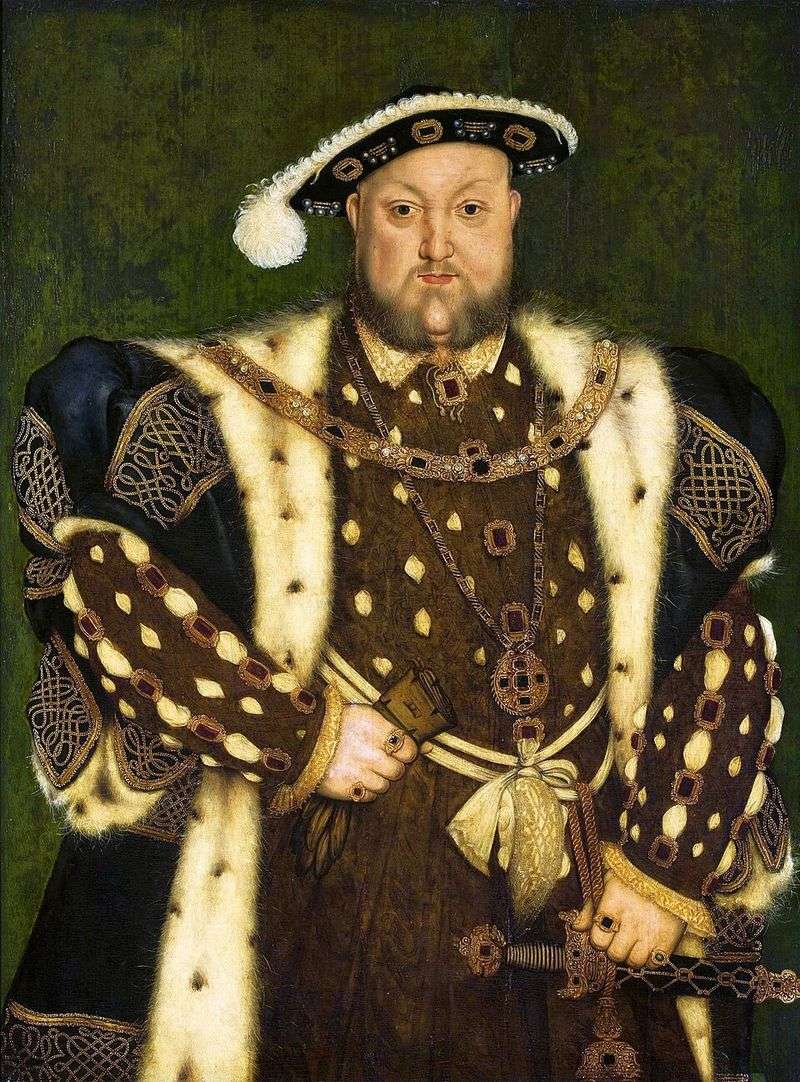
The 1351 Treason Act defined high treason to include compassing or imagining the death of the king. Tudor lawyers interpreted this phrase very broadly, extending it well beyond active plotting to cover anything that could be seen as anticipating or encouraging the monarch’s end.
Prophecies circulated widely in Tudor England, often tied to astrological readings, folk traditions, or political rumors. The government treated these not as harmless superstition but as potential fuel for rebellion. A prediction that the king would fall could encourage rivals to act, which made the prediction itself dangerous.
Even repeating a prophecy you had heard from someone else could attract serious scrutiny. An earlier 1381 law had criminalized rumor and riot as high treason, establishing a precedent for prosecuting speech that destabilized royal authority. Under the Tudors, words about the future carried real legal consequences in the present.
4. Saying the King Was Not the Rightful Ruler

Challenging the legitimacy of the reigning monarch struck at the foundation of Tudor political order. The 1534 Treason Act made it explicitly treasonous to deprive the monarch of any of their dignity, title, or name of their royal estates.
Henry VII faced this challenge most acutely. His claim to the throne after 1485 was legally complicated, and Yorkist supporters who questioned his right to rule were placing themselves in direct legal danger. His 1495 Rex de Facto Act tried to protect his own supporters from future treason charges by clarifying that backing a sitting monarch was legally defensible even if a rival later claimed the throne.
Backing a rival claimant during any Tudor reign, even verbally, carried enormous risk. The 1351 Treason Act covered levying war against the king, and courts interpreted support for a pretender as falling within that definition. Loyalty to the wrong person could be treated the same as open rebellion.
5. Printing or Owning Forbidden Religious Books
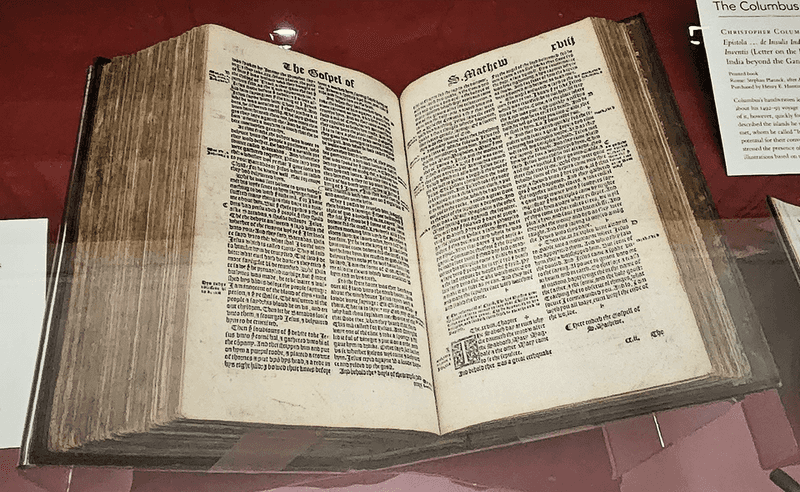
Religious policy in Tudor England changed with each new monarch, and the books that were safe to own one decade could be fatal the next. Archbishop William Warham issued Europe’s first formal catalogue of prohibited books in 1526, targeting William Tyndale’s English New Testament and works by Martin Luther.
Between 1530 and 1555, decrees under Henry VIII and Mary I banned the printing, importing, selling, and possession of leading reformers’ works. Under Mary I, Protestant texts could lead to severe punishment. By 1558, under Elizabeth I, it was illegal to possess books classified as heretical or treasonous.
The 1543 Act for the Advancement of True Religion even restricted Bible reading in English for many commoners, citing fears that printed materials were being used to mislead the public. Simply having the wrong book on a shelf was enough to open a formal investigation into a person’s loyalties.
6. Helping a Catholic Priest Hide
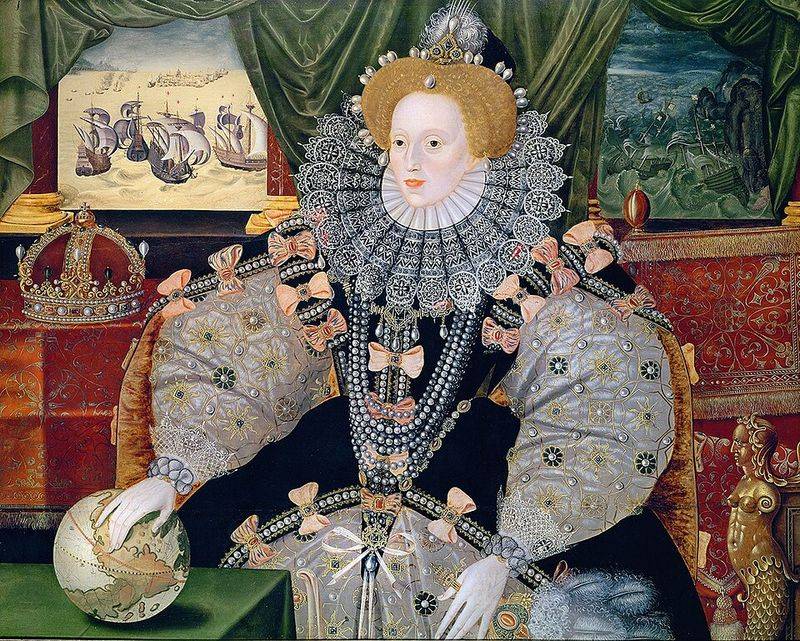
Elizabeth I’s government viewed Catholic priests trained overseas as potential agents of foreign powers, not simply as religious figures. The Recusancy Laws made it a legal offense to skip mandatory Anglican church services, and Catholics who practiced their faith privately were already under suspicion.
Priests who entered England covertly after training in European seminaries operated in direct defiance of the Protestant state. The Elizabethan government treated their presence as a political threat, not merely a religious one. Defending papal authority was itself considered treasonous under the Acts of Supremacy.
Harboring a priest, even out of personal religious loyalty or long-standing friendship, placed the host family in serious legal jeopardy. Authorities interpreted such assistance as material support for an alternative religious authority that the state had formally rejected. Prosecution could follow under the broad framework of laws designed to protect royal supremacy and suppress Catholic practice in England.
7. Counterfeiting the Royal Great Seal
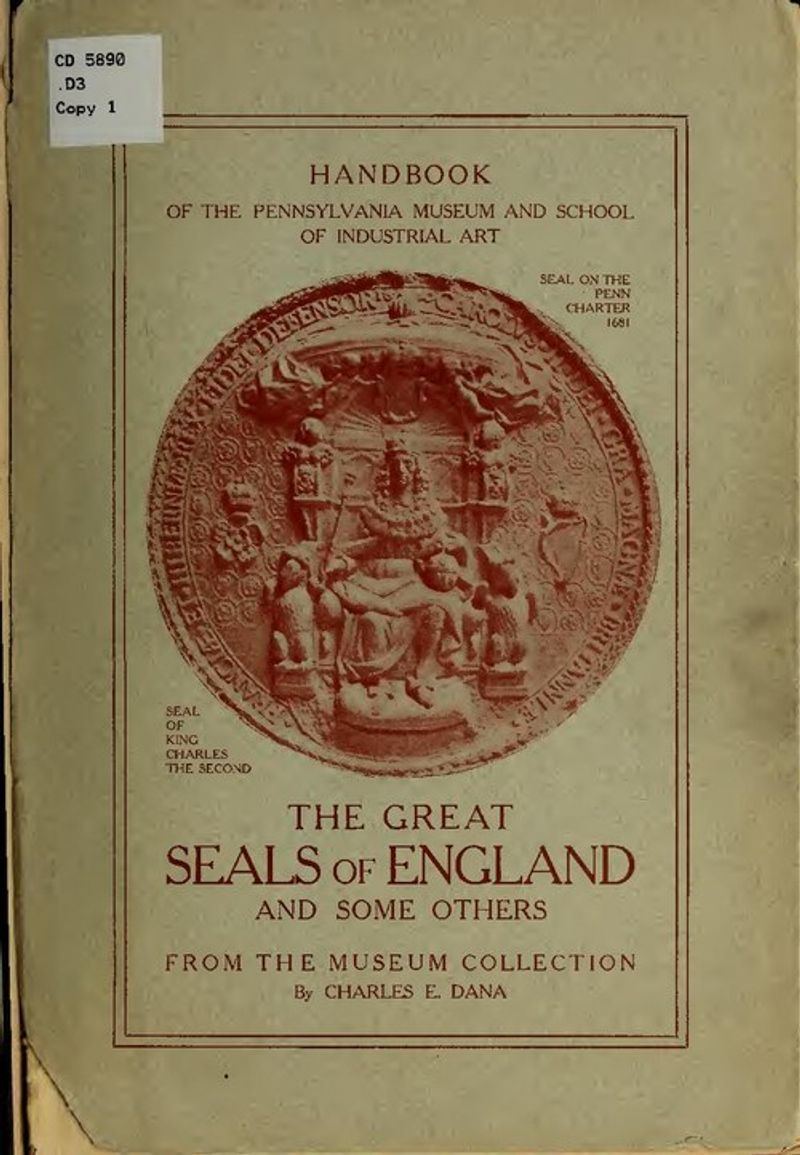
The Royal Great Seal was not merely a decorative stamp. It authenticated official government documents, gave legal weight to royal commands, and represented the monarch’s direct authority in written form. Forging it was treated as an attack on the entire machinery of royal governance.
The 1351 Treason Act listed forging the great seal or the coinage as acts of high treason without qualification. No intent needed to be proven beyond the act of forgery itself. A conviction meant full confiscation of the offender’s estates by the Crown.
Counterfeiting the monarch’s coinage fell under the same category, since coins bore the royal image and served as a daily symbol of sovereign power. The punishment for both offenses was execution by hanging, drawing, and quartering, the standard sentence for high treason. These were not crimes the Tudor legal system treated with any leniency regardless of the scale of the forgery involved.
8. Supporting a Rebellion After It Had Begun
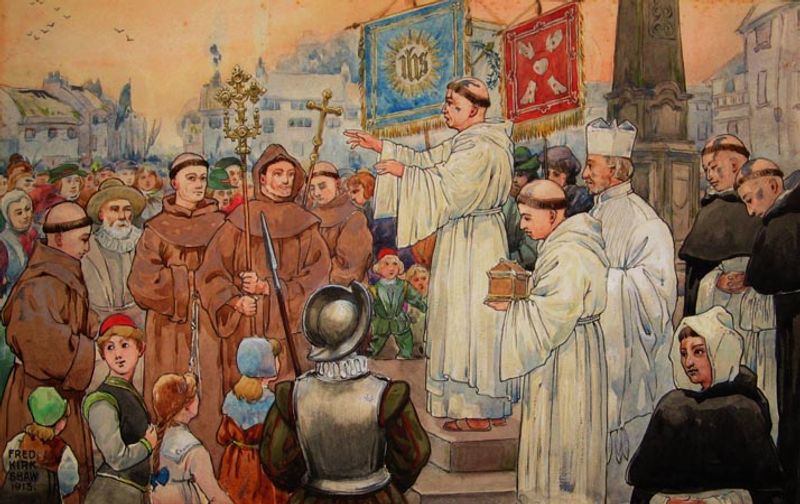
The 1351 Treason Act defined levying war against the king as high treason, and Tudor courts applied that definition broadly. Giving food, shelter, horses, money, or useful information to rebels once an uprising had started was treated as adhering to the king’s enemies, which was explicitly listed as treason in the original statute.
The Pilgrimage of Grace of 1536 to 1537 is the clearest example. This northern uprising against Henry VIII’s religious reforms drew in abbots, priests, and ordinary farmers who provided various forms of practical support. Many were executed for their involvement even if they had not organized or led any part of the rebellion.
Robert Aske, one of the leaders who initially attempted to negotiate with the Crown rather than escalate the conflict, was ultimately arrested and executed for treason after the rebellion collapsed. Helping rebels, even briefly or reluctantly, left very little room for a successful legal defense.
9. Using the Wrong Royal Title
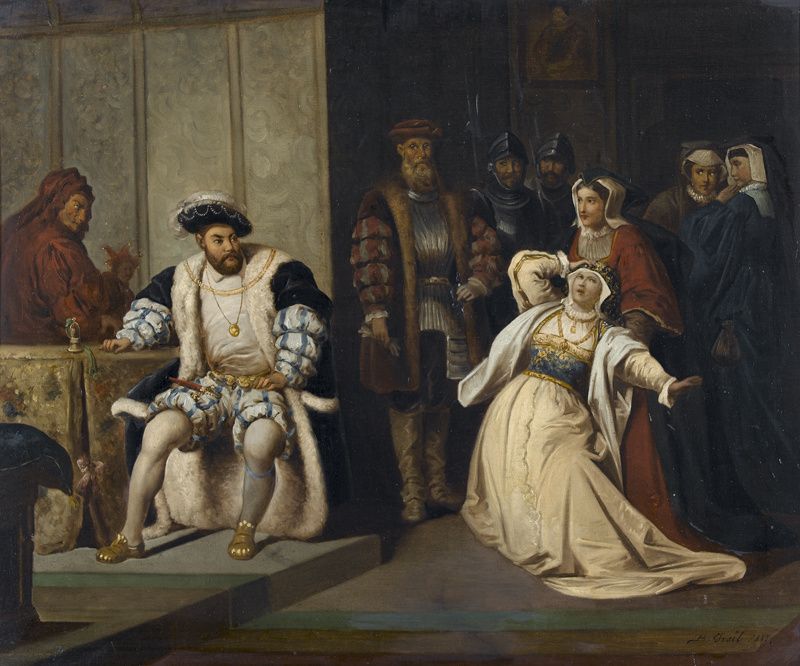
Political language in Tudor England was not just a matter of courtesy. The 1534 Treason Act made it explicitly treasonous to deprive the monarch of any of their dignity, title, or name of their royal estates. Using an incorrect title for a royal figure could be read as a deliberate challenge to the established succession.
The Act of Succession in 1534 declared the children of Henry VIII and Anne Boleyn as the legitimate heirs to the throne. Subjects were required to swear an oath accepting this, and refusal was treated as treason. Referring to Princess Mary, daughter of Catherine of Aragon, as legitimate during that period directly contradicted the official legal position.
The situation reversed more than once across different reigns, meaning the correct title for Mary changed depending on who was on the throne. Getting it wrong, whether out of habit, loyalty, or carelessness, could be interpreted as a deliberate act of political defiance rather than a simple slip of the tongue.
10. Smuggling Messages to Exiles Abroad
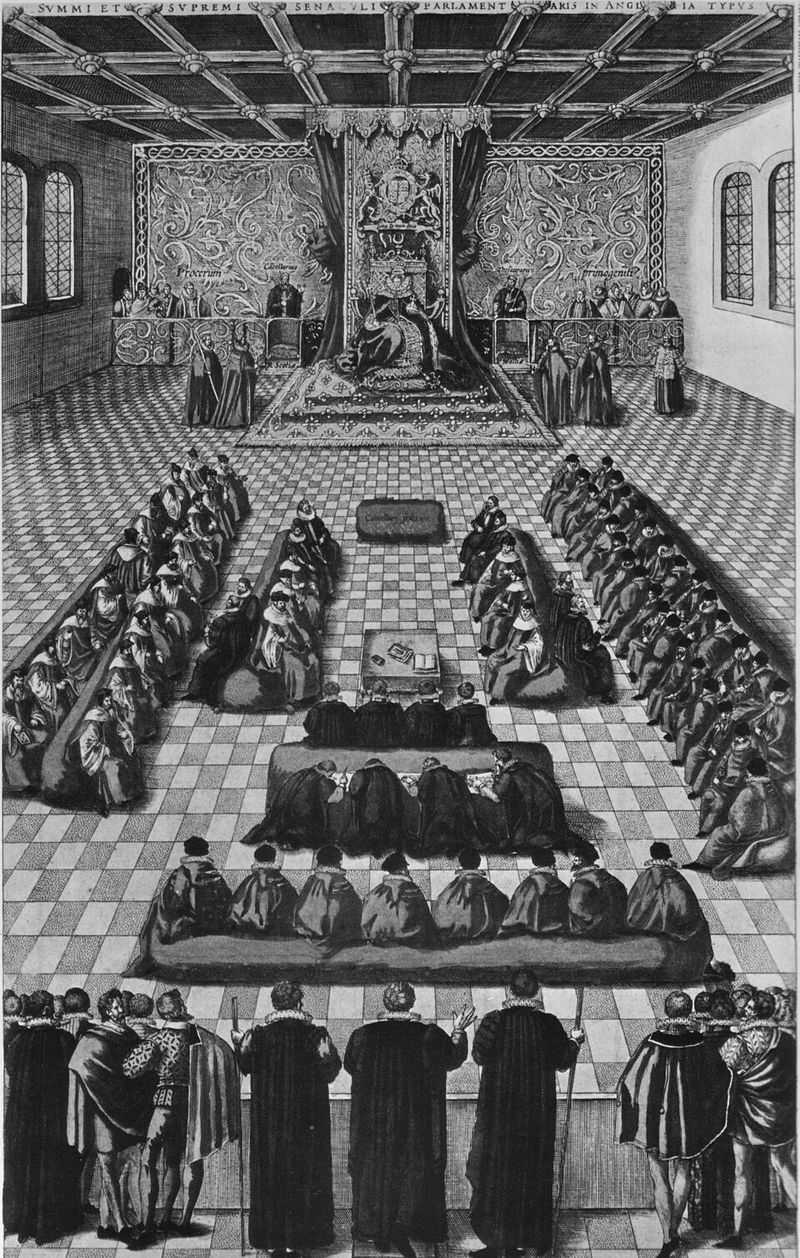
The 1351 Treason Act covered adhering to the king’s enemies in his realm, giving them aid and comfort in the realm or elsewhere. That word elsewhere made the law international in scope. Communicating with individuals the Crown considered enemies was dangerous regardless of where those individuals were located.
Large numbers of English Catholics, Protestants, and political opponents fled overseas during periods of religious upheaval throughout the Tudor period. Some settled in European cities and continued to write, organize, and maintain contact with supporters back in England. The government monitored these networks closely, particularly under Elizabeth I.
The Treason Act of 1543 reinforced this by allowing acts of treason committed outside England’s borders to be tried within the realm. Sending a letter, forwarding money, or passing a coded message to the wrong exile could result in a charge of high treason. The identity of the recipient mattered far more than the content of the message itself.
11. Publicly Denying the King’s Religious Authority
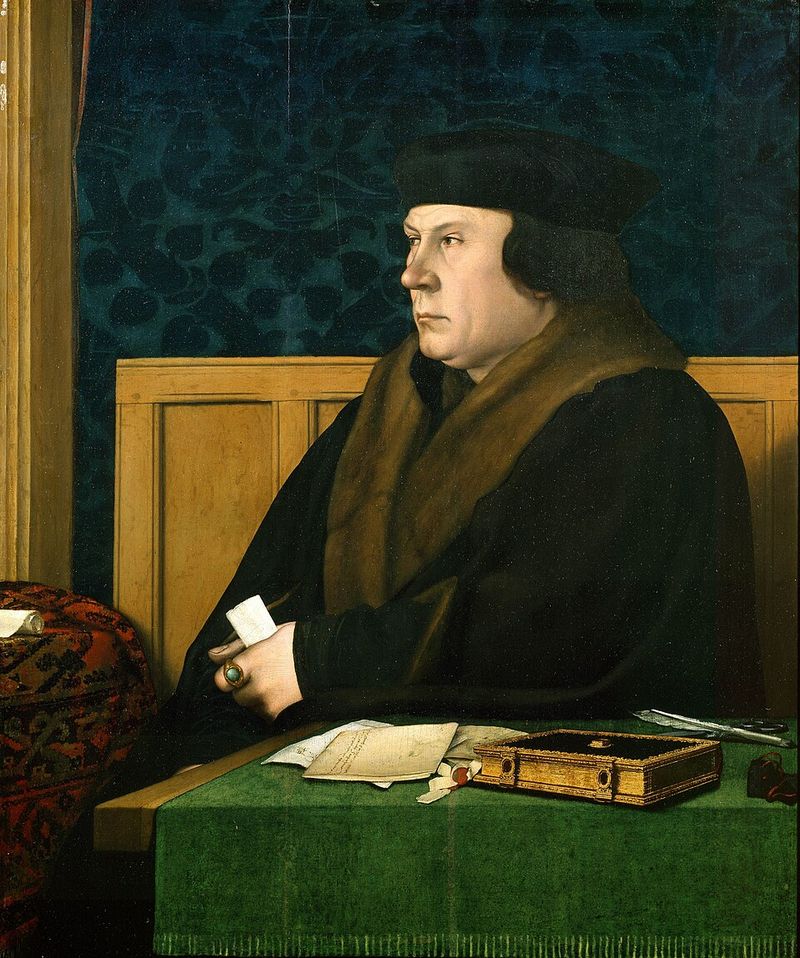
England’s break from Rome under Henry VIII was formalized through the Acts of Supremacy in 1534 and later reaffirmed under Elizabeth I in 1559. From that point forward, asserting that the pope remained the true head of the English Church was not treated as a religious opinion. It was treated as a rejection of royal authority itself.
The 1534 Treason Act made it explicitly treasonous to declare by writing or words that the king was a heretic or schismatic. In 1535, Thomas Cromwell, serving as Henry’s Vicar-General, ordered bishops to actively preach in support of royal supremacy and to publicly denounce the pope from their pulpits.
A public declaration of papal authority could result in a capital charge. The law drew no meaningful distinction between a private religious belief and a public statement of it. Once the words left a person’s mouth in a setting where others could hear them, the legal consequences could be severe and swift.
12. Being Overheard Saying the Wrong Thing
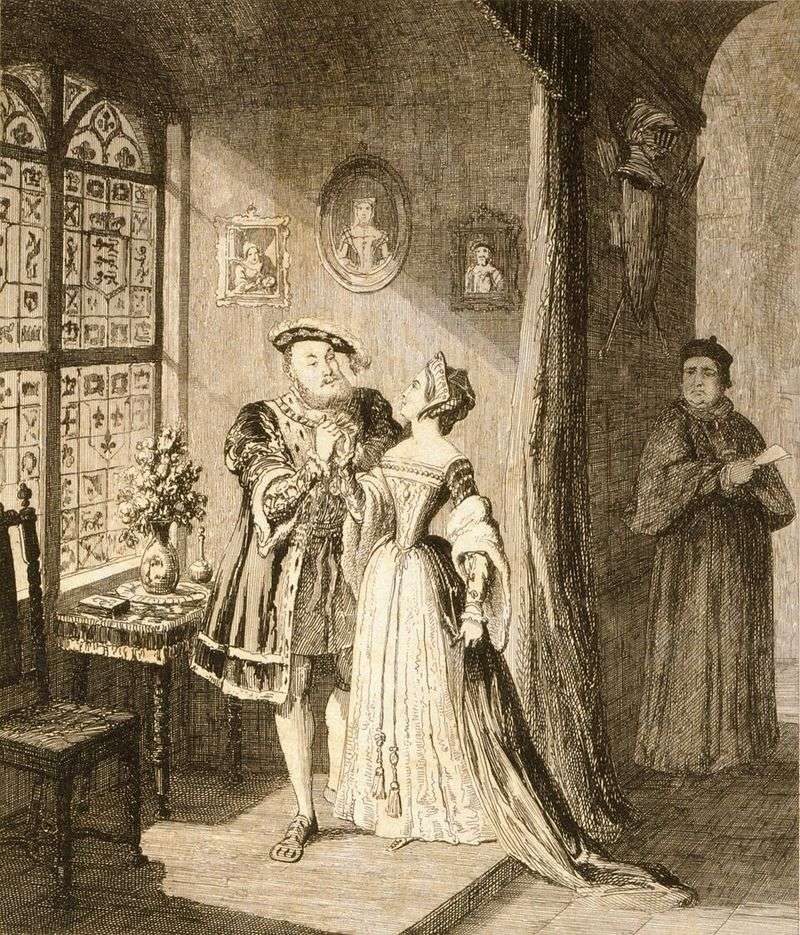
The 1534 Treason Act included maliciously wishing, willing, or desiring by words or writing among the acts that constituted high treason. Spoken language had the same legal weight as written conspiracy under this definition, which meant an unguarded comment could carry the same risk as a formal plot.
Margery Cowpland was arrested in 1535 for remarks she made against Henry VIII and Anne Boleyn that were reported to authorities. Her case proceeded to investigation before her mental state became a factor. The fact that it reached that stage at all illustrates how seriously spoken words were taken.
Legal scholars noted that Henry VIII’s treason laws had abandoned almost any logical legal principle, expanding the definition so broadly that almost any form of opposition or perceived disloyalty could qualify. Parliament even retained the ability to declare past actions treasonous after the fact. Informers, personal enemies, and frightened neighbors all served as the government’s ears in everyday Tudor life.
Share this story