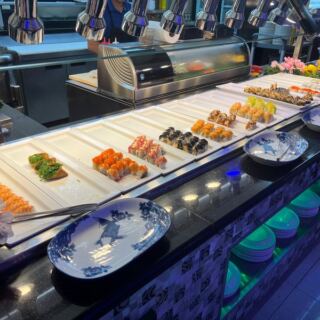
Japanese breakfasts are nothing like the quick cereal or toast most people are used to in the morning. A traditional Japanese morning meal is a carefully balanced spread that combines rice, protein, vegetables, and fermented foods all on one table.
It might sound like a lot, but each dish plays a role in creating a nutritious and satisfying start to the day. Whether you are curious about Japanese culture or just looking to shake up your breakfast routine, these 11 foods are absolutely worth trying.
1. Miso Soup
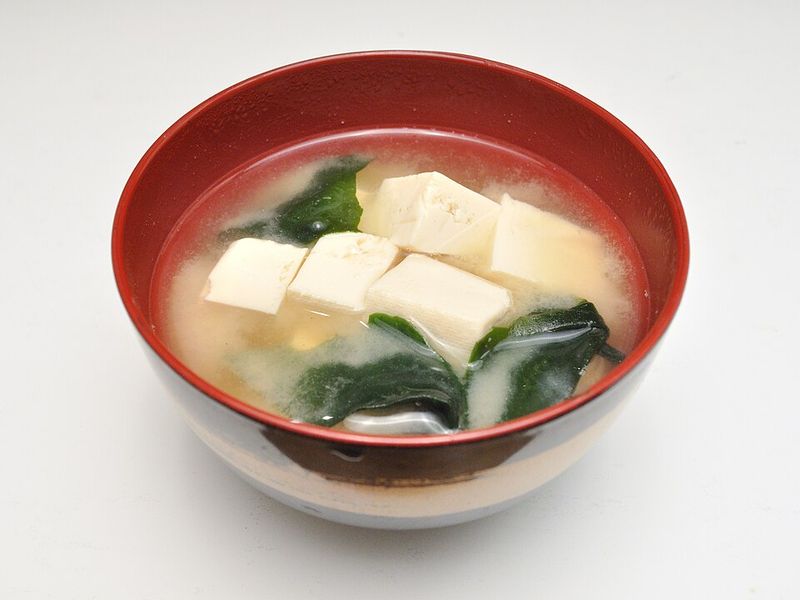
Warm, savory, and deeply nourishing, miso soup is one of those foods that feels like a hug in a bowl. Made from fermented soybean paste dissolved in dashi broth, it carries a rich, umami flavor that wakes up your taste buds without overwhelming them.
Tofu, seaweed, and green onions are the most common additions, though every household has its own version.
Miso soup has been a breakfast staple in Japan for centuries. Fermented miso is also packed with probiotics, which support gut health and digestion, making it a genuinely smart way to start the day.
The soup is typically served in a small lacquered bowl and sipped directly from it rather than eaten with a spoon.
Making it at home is easier than most people expect. A tub of miso paste and some dashi stock are all you really need to get started.
2. Grilled Salmon (Shiozake)
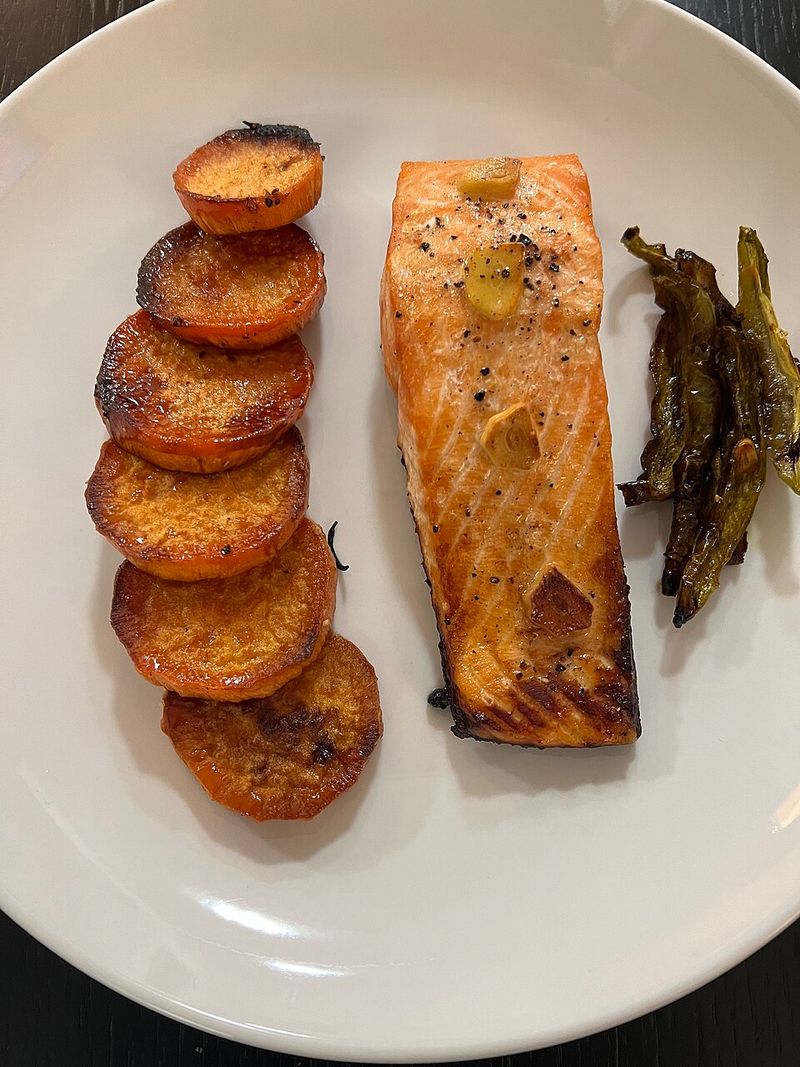
Shiozake, or salt-cured grilled salmon, is one of the most iconic proteins found on a Japanese breakfast table. The salmon is lightly salted and then grilled until the skin turns crispy and the flesh becomes tender and flaky.
That contrast of textures, crispy outside and soft inside, makes every bite genuinely satisfying.
Salt-curing the fish overnight draws out moisture and concentrates the flavor, so even a small portion feels bold and filling. Salmon is also loaded with omega-3 fatty acids and protein, giving your body steady energy throughout the morning.
It pairs perfectly with plain steamed rice and a bowl of miso soup.
Grilling shiozake in a Japanese fish grill or even a regular oven broiler is simple once you get the hang of it. For anyone new to savory breakfasts, this dish is a gentle and delicious entry point into Japanese morning eating habits.
3. Tamagoyaki

Tamagoyaki is a rolled Japanese omelet that looks simple but takes real practice to get right. Thin layers of seasoned egg are cooked and rolled one at a time in a rectangular pan, creating a compact log of egg with a slightly sweet and savory flavor.
A small amount of soy sauce, mirin, and sometimes dashi are mixed into the eggs before cooking.
The result is something between an omelet and a custard, soft and pillowy with a faintly sweet taste that surprises most first-timers. Sliced into thick pieces, tamagoyaki is both pretty to look at and fun to eat.
It is a staple in Japanese lunch boxes too, so learning to make it opens up a lot of options.
A tamagoyaki pan is the ideal tool, but a small nonstick skillet works just fine for beginners. Patience and practice are really the only secrets to mastering this classic egg dish.
4. Natto
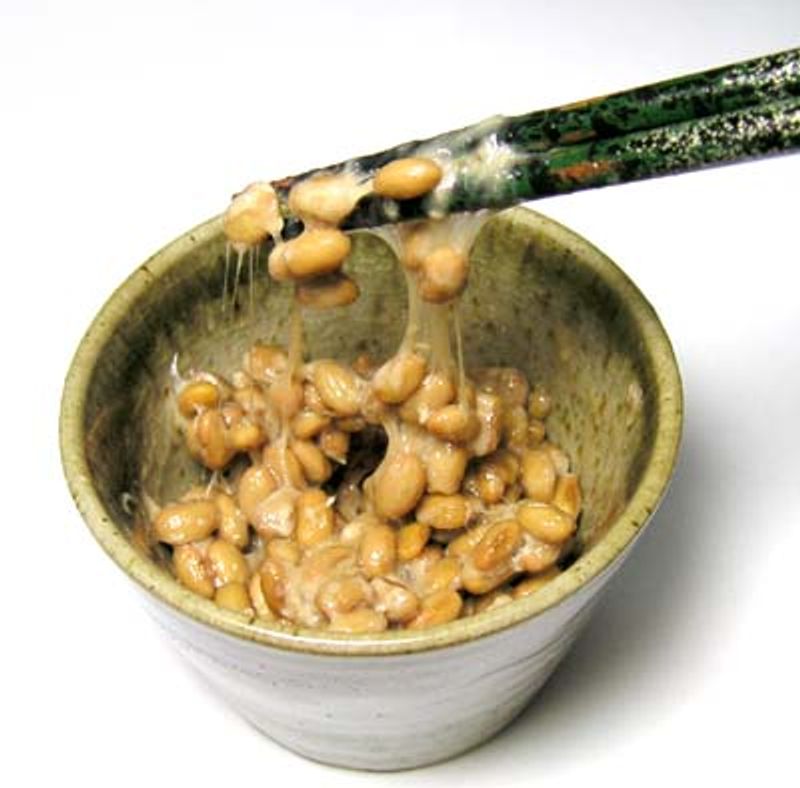
Natto might be the most polarizing food on this entire list, and that is part of what makes it so fascinating. Fermented soybeans with a sticky, stringy texture and a pungent, earthy smell, natto is an acquired taste that many Japanese people grew up loving.
It is typically served over steamed rice with a splash of soy sauce and a dab of spicy mustard.
Stirring natto vigorously before eating is actually encouraged. The more you stir, the stickier and more flavorful it becomes, developing a creamy coating that clings to the rice.
Natto is also one of the most nutritious breakfast foods you can eat, packed with protein, vitamin K2, and beneficial bacteria for gut health.
First-timers often find the smell stronger than the taste, and many people come around to enjoying it after a few tries. Approach it with an open mind and a sense of adventure.
5. Tamago Kake Gohan
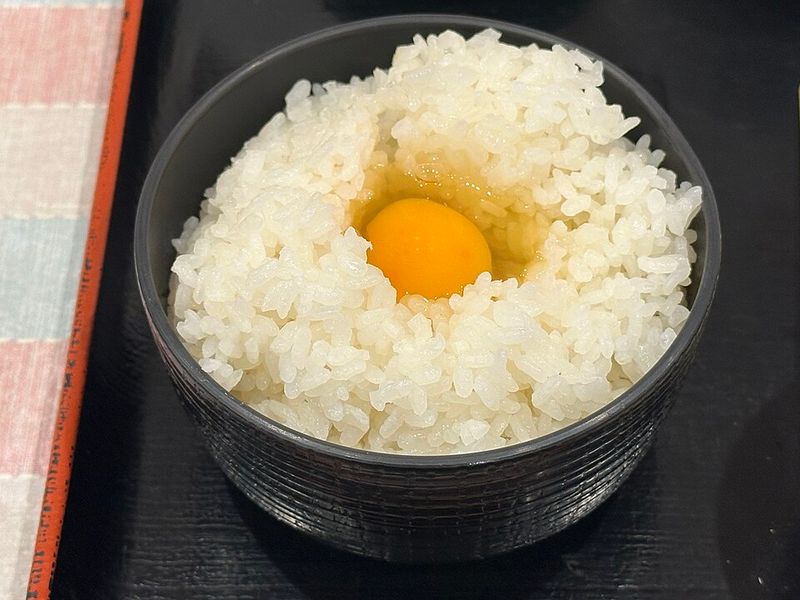
Tamago kake gohan, often shortened to TKG, is one of Japan’s most beloved comfort foods and takes less than two minutes to make. A raw egg is cracked directly over a bowl of hot steamed rice, then mixed together with a drizzle of soy sauce until the egg turns silky and coats every grain.
The heat from the rice gently cooks the egg, creating a creamy, rich texture.
It sounds almost too simple to be exciting, but the combination of fluffy rice, creamy egg, and salty soy sauce is genuinely delicious. Some people add a dash of sesame oil, dried seaweed flakes, or green onions for extra flavor and texture.
Using a fresh, high-quality egg matters here since it is the star of the dish. In Japan, eggs are held to strict safety standards, so raw egg consumption is very common and considered safe in everyday cooking.
6. Tsukemono
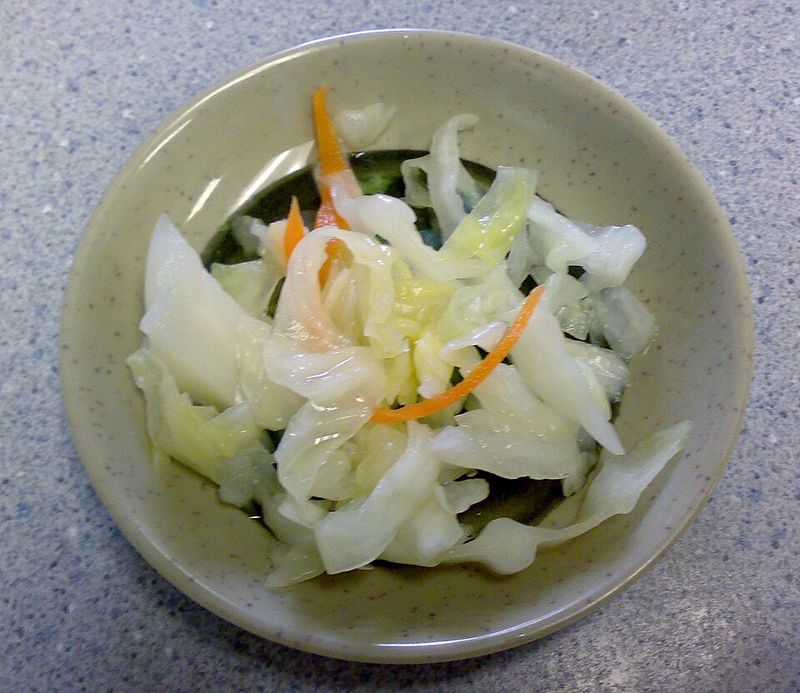
Tsukemono are Japanese pickled vegetables, and they bring a bright, tangy contrast to the richness of a traditional breakfast spread. Daikon radish, cucumber, cabbage, and eggplant are among the most common vegetables used, each pickled in a different mixture of salt, rice vinegar, or fermented brine.
The result is a crunchy, flavorful bite that cleanses the palate between dishes.
Beyond their taste, tsukemono are excellent for digestion. Fermented varieties contain live cultures that support a healthy gut, making them a smart addition to any meal.
They are also very low in calories, which means you can enjoy them freely without worrying about portion size.
In Japan, tsukemono are served in small portions as a side, not a main dish. Their role is to balance and brighten the overall meal.
You can find ready-made versions in Asian grocery stores, or try making a quick salt pickle at home with just a few ingredients.
7. Tofu
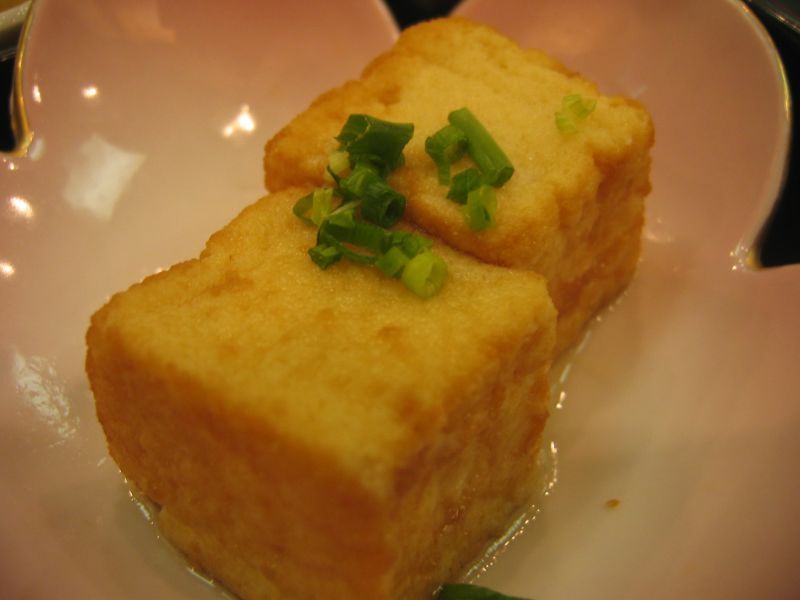
Tofu at breakfast might seem unusual if you grew up thinking of it only as a dinner ingredient, but in Japan it is a natural part of the morning table. Silken tofu, which is soft and custard-like, is the preferred variety for breakfast.
It is served cold or lightly warmed, topped with soy sauce, green onions, grated ginger, and bonito flakes for a simple, elegant dish called hiyayakko.
The flavor is mild and clean, letting the toppings do most of the talking. Tofu is also an excellent source of plant-based protein and contains calcium, iron, and magnesium.
For people who prefer a lighter morning meal, it offers real nutritional value without weighing you down.
Silken tofu requires no cooking at all. Just open the package, slice it gently, add your toppings, and it is ready to eat.
That kind of simplicity makes it a great option for busy mornings when time is short.
8. Shirasu
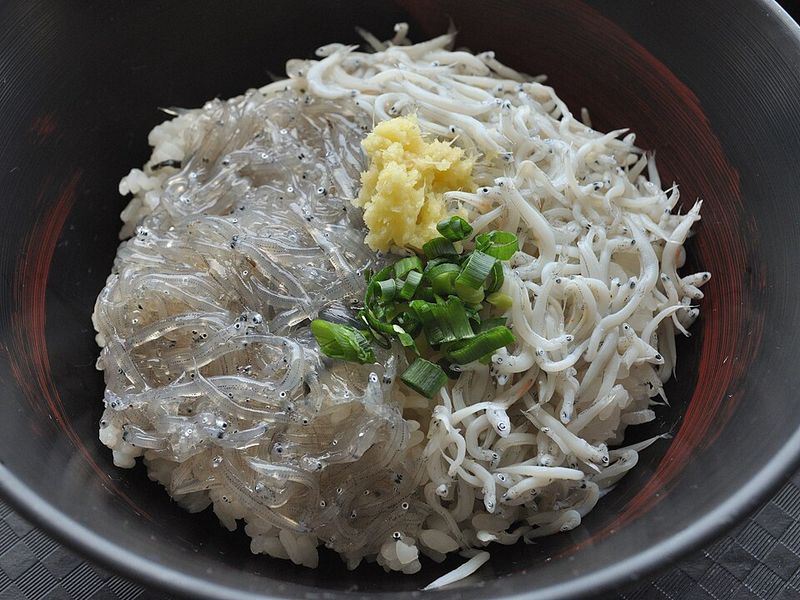
Shirasu are tiny baby whitebait fish, usually sardines or anchovies, harvested before they develop much pigment. They look like little white threads and are served either raw or lightly boiled over steamed rice.
Their flavor is delicate and slightly briny, adding a gentle seafood note to breakfast without being overpowering.
In coastal areas of Japan, fresh shirasu are a celebrated local specialty. Inland, the boiled and dried version called jako is more commonly used, and it keeps well in the refrigerator for several days.
A small handful over rice with a splash of soy sauce and a sprinkle of green onions is all it takes for a complete and satisfying bowl.
Shirasu are rich in calcium and protein, making them especially popular among health-conscious eaters. They are also a good source of vitamin D, which many people do not get enough of through diet alone.
A small portion goes a long way nutritionally.
9. Onigiri
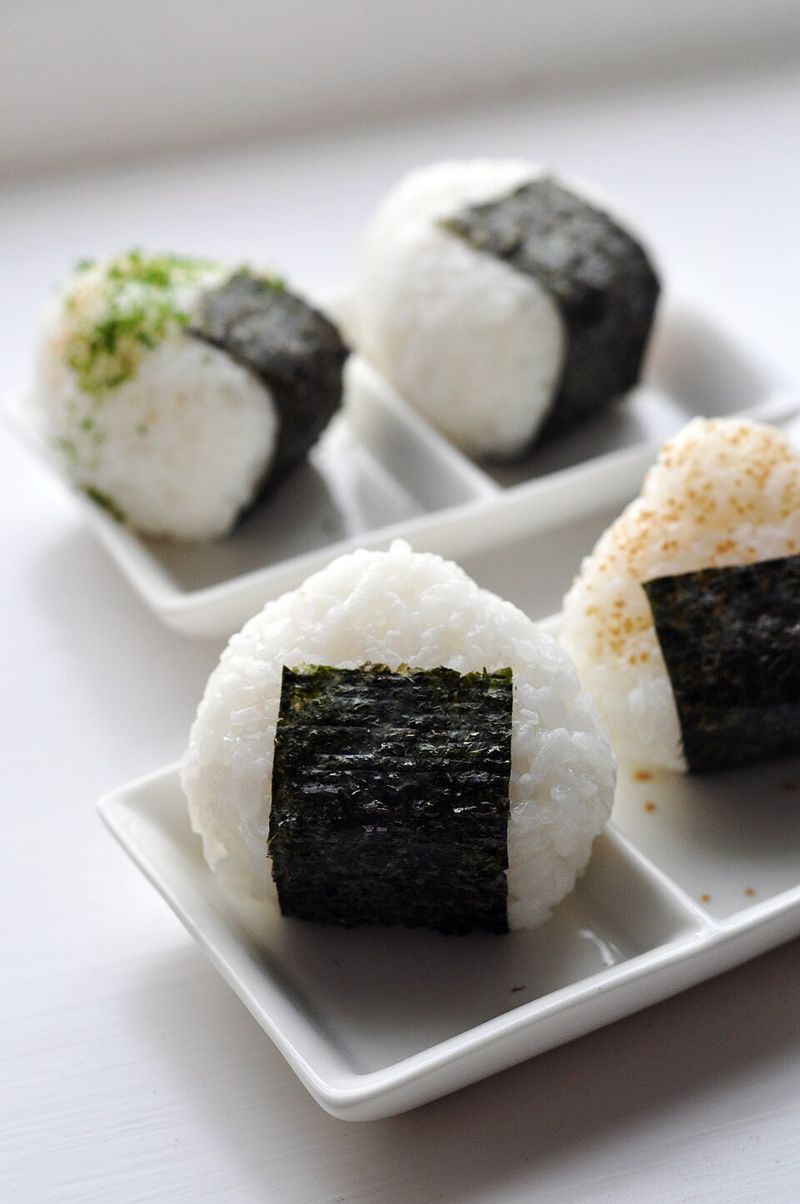
Onigiri are triangular or round rice balls wrapped in nori, and they might be the most portable breakfast food Japan has ever invented. Each one is filled with a savory ingredient, common choices include pickled plum (umeboshi), grilled salmon, tuna mayo, or seasoned kelp.
The rice is pressed firmly enough to hold its shape but stays soft enough to eat comfortably in just a few bites.
Convenience stores across Japan sell onigiri around the clock, and they are a go-to breakfast for commuters and students alike. Making them at home is straightforward once you learn the pressing technique, and you can customize the fillings to suit your own preferences.
Slightly salting the outside of the rice adds flavor and helps preserve freshness.
Onigiri represent something genuinely charming about Japanese food culture: the idea that simple, well-made food is always good enough. No fancy ingredients or complicated steps required, just rice, filling, and a little nori.
10. Japanese Breakfast Sausages

Japanese breakfast sausages are smaller and slightly sweeter than the pork sausages commonly found in American or British breakfasts. They show up most often in what is called a “morning set” at Japanese cafes and family restaurants, served alongside toast, a fried egg, and sometimes a small salad or cup of soup.
The combination is a uniquely Japanese take on the Western breakfast format.
These sausages have a snappy casing and a juicy interior with a mild, lightly seasoned flavor. They are not heavily spiced, which makes them easy to pair with other foods without competing for attention.
Brands like Nippon Ham and Prima Ham are popular in Japanese supermarkets and are widely available in Asian grocery stores abroad.
If you have ever visited a Japanese family restaurant chain like Denny’s Japan or Jonathan’s, you have probably seen this style of breakfast on the menu. It is approachable, familiar, and genuinely satisfying.
11. Toast (Shokupan)

Shokupan is Japanese milk bread, and once you try it toasted, regular sandwich bread will feel like a step backward. This bread is extraordinarily soft and pillowy, made with a higher milk and butter content than standard white bread.
When toasted, the outside crisps up while the inside stays cloud-like and tender, with a faint natural sweetness that makes plain butter taste incredible on top.
Japanese bakeries take shokupan seriously. Thick-cut slices, often 2 to 4 centimeters, are the preferred standard because they hold up better to toppings and toasting without falling apart.
Some people top their shokupan with red bean paste, jam, or even a slice of cheese and egg for a more filling morning meal.
The “morning set” culture at Japanese coffee shops has made shokupan toast a beloved everyday breakfast for millions of people. It is simple, reliable, and deeply satisfying in the best possible way.
Share this story