Japan has a way of folding centuries into a single street corner. In a handful of towns scattered across the country, samurai districts have survived wars, earthquakes, and modernization with their wooden gates, earthen walls, and stone-paved lanes largely intact.
These neighborhoods were once the exclusive territory of feudal warriors, and walking through them today feels less like sightseeing and more like stepping into a different era entirely. From the cherry-blossom-lined streets of Tohoku to the fortified settlements of the Satsuma domain in Kyushu, each of these 13 districts has its own character, its own story, and its own reason to be on your travel radar.
Whether you are a history enthusiast or just someone who appreciates a place that has managed to hold onto its past, this list is worth saving.
Kakunodate Samurai District, Semboku, Japan
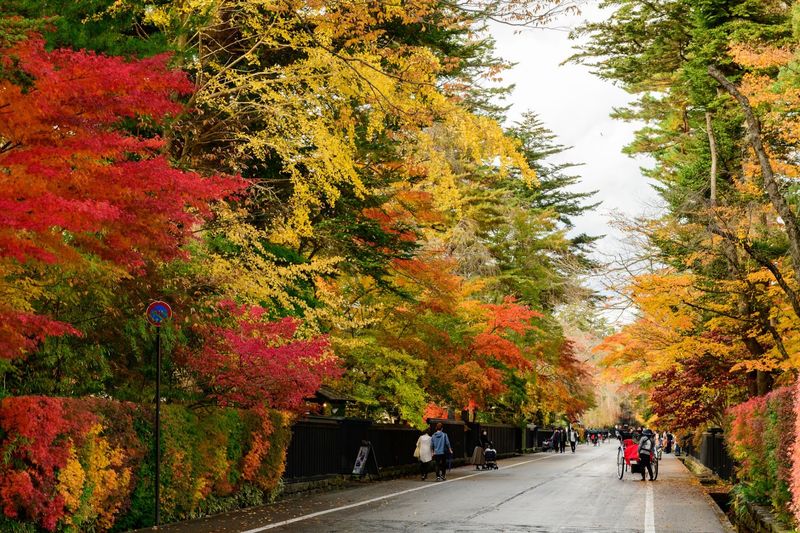
Few places in Japan wear their history as visibly as Kakunodate. Around 80 samurai families once lived along these broad, carefully laid-out streets, and the neighborhood looks as though it never really moved on from that era.
The dark wooden fences, heavy traditional gates, and preserved residences create a streetscape that feels genuinely old rather than reconstructed.
Six samurai residences are open to visitors, including the well-known Aoyagi and Ishiguro houses. Both offer a close look at how warrior families organized their domestic lives during the Edo period.
JNTO recognizes Kakunodate as one of Japan’s most well-preserved historical areas, which is a distinction the town clearly earns.
Kakunodate also happens to sit in Semboku, a region of Akita Prefecture known for its rural scenery. Spring visits bring cherry blossoms to the samurai quarter, adding color to an already striking setting.
Autumn foliage turns the district equally dramatic.
Nagamachi Samurai District, Kanazawa, Japan
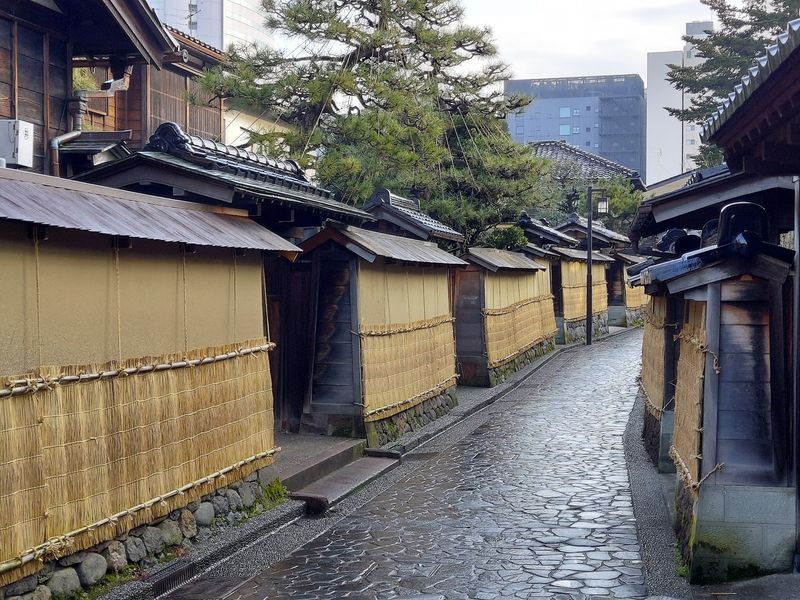
Kanazawa avoided large-scale bombing during World War II, and that historical accident left Nagamachi largely intact. The district sits close to Kanazawa Castle and was historically home to samurai serving the powerful Maeda clan, one of the wealthiest feudal lords outside the Tokugawa family.
That wealth shows up in the quality of what survived.
Narrow lanes twist between preserved earthen walls, gates, canals, and former warrior residences. The Nomura Samurai House is among the district’s best-known properties and draws steady visitor interest for its architecture and period furnishings.
JNTO specifically highlights Nagamachi for its carefully preserved houses and atmospheric streets.
The canals running through parts of the district are a particularly appealing detail. They were originally practical features of the neighborhood’s design, used for water management, and today they add a quiet, unhurried quality to the walk.
Nagamachi rewards slow exploration rather than a quick pass-through.
Hagi Castle Town Samurai District, Hagi, Japan
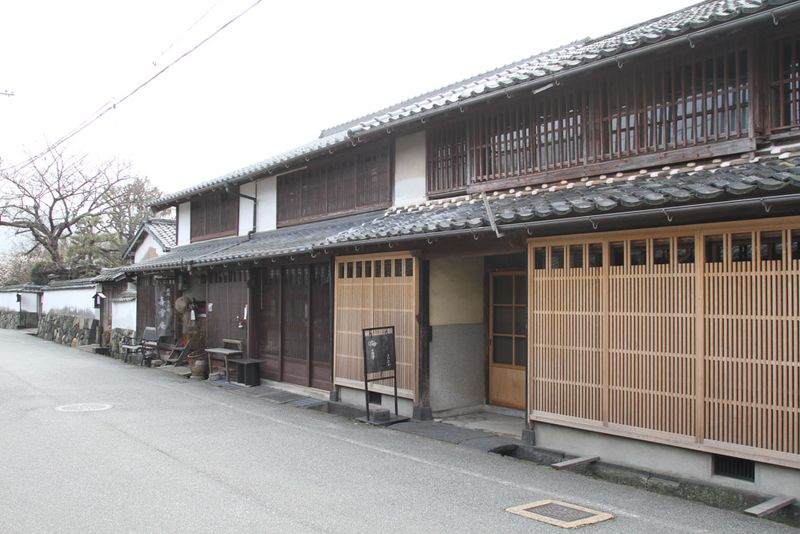
There is a famous claim about Hagi that is hard to ignore: visitors can reportedly navigate parts of the town using an Edo period map because the street layout has changed so little. That kind of continuity is genuinely rare, even by Japanese preservation standards.
Hagi preserves an unusually complete castle town layout from the feudal era. White walls, narrow lanes, former samurai residences, and historic compounds remain around the old castle area.
Standout features include the Kikuya Residence, Kikuya Yokocho, and Edoya Yokocho, each offering a different angle on how the town was organized.
Hagi sits on the western edge of Honshu in Yamaguchi Prefecture, facing the Sea of Japan. It is not the easiest destination to reach by rail, but the town rewards the extra travel time.
The overall preservation here goes beyond a single street and covers a broad, walkable area of genuine historic depth.
Shiomi Nawate Samurai District, Matsue, Japan
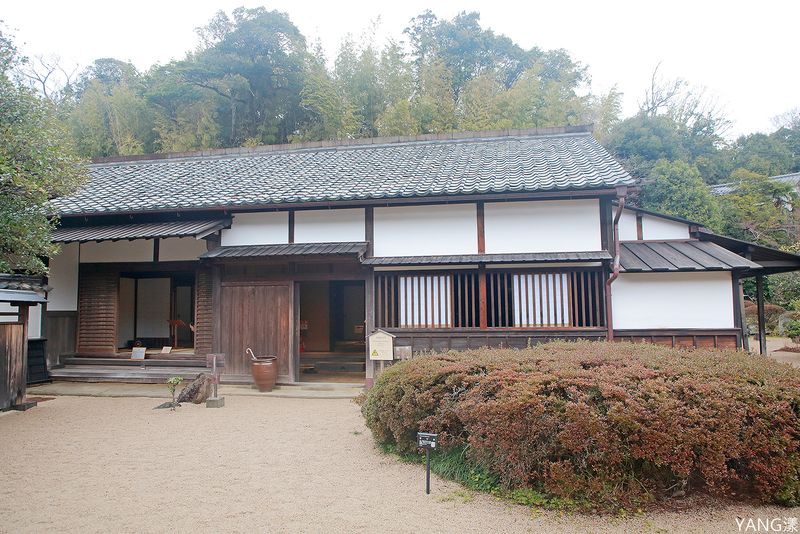
Running beside the northern moat of Matsue Castle, Shiomi Nawate is one of those streets that makes you slow down without trying. The castle sits on one side, the moat stretches out along the other, and the former samurai residences line the path between them with a quiet, unhurried presence.
Middle-ranking samurai once occupied homes behind the traditional walls and gates along this street. The neighborhood remains one of Matsue’s clearest surviving connections to its feudal past.
A restored samurai residence can still be visited, giving a concrete sense of how these properties were arranged and used. JNTO describes Shiomi Nawate as a well-preserved samurai neighborhood.
Matsue itself is sometimes called the City of Water because of its canals, lake, and moat system. Shiomi Nawate fits naturally into that identity.
The combination of castle, moat, and samurai street in one compact area makes this a particularly efficient and rewarding stop for anyone visiting Shimane Prefecture.
Usuki Samurai District, Usuki, Japan
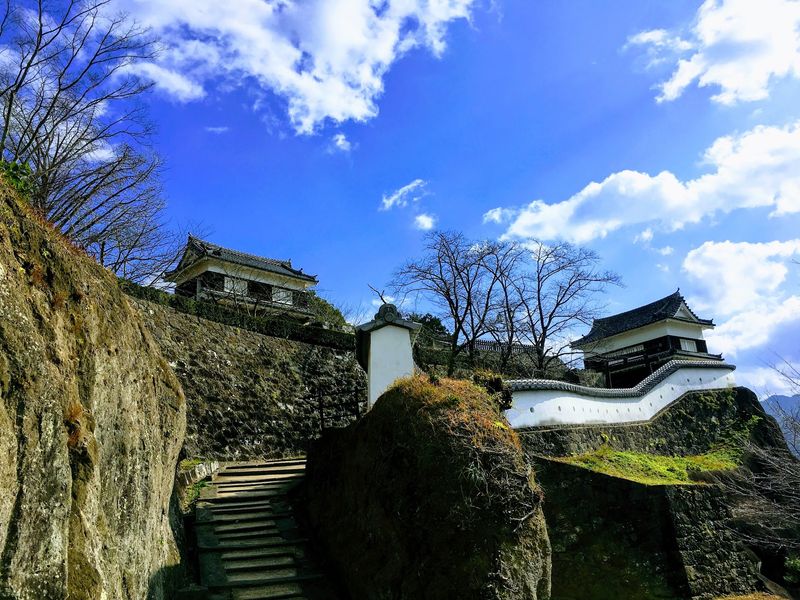
Usuki is probably better known internationally for its stone Buddha carvings than for its samurai quarter, but the historic district centered on Nioza Historic Road deserves equal attention. The roughly 200-meter stone-paved lane is surrounded by temples and surviving Edo period residences that together recreate the feel of a functioning feudal neighborhood.
The Inaba Residence is among the historic properties providing a closer look at samurai domestic life. The nearby Usuki Castle ruins add another layer of feudal context to the area, rounding out the experience for visitors who want more than a single street.
Usuki sits in Oita Prefecture on the Bungo Channel in Kyushu. The town is compact and navigable on foot, making it possible to combine the samurai district, the castle ruins, and the stone Buddha site in a single day.
That concentration of history in a small area is part of what makes Usuki an appealing off-the-beaten-path destination.
Nakacho Samurai District, Hirosaki, Japan
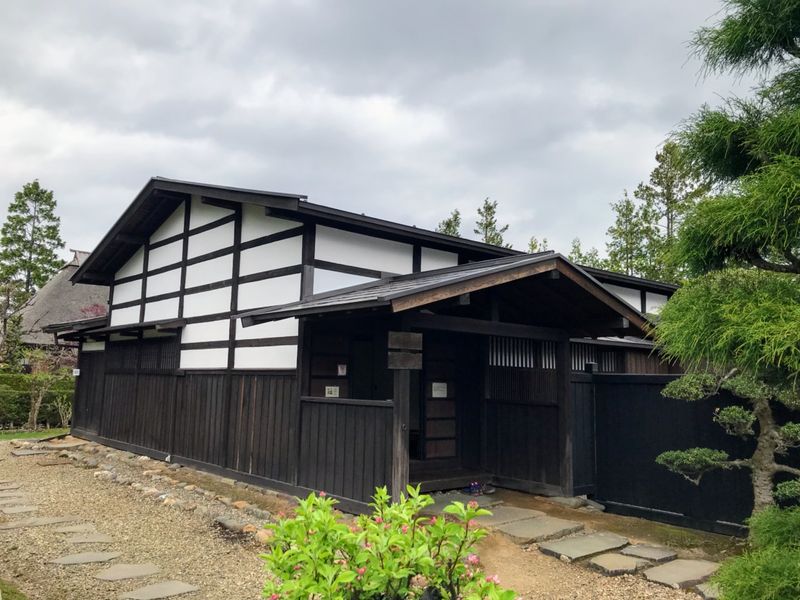
Japan’s Agency for Cultural Affairs does not hand out official preservation designations lightly, so the fact that Nakacho holds the status of an Important Preservation District classified specifically as a samurai quarter carries real weight. The neighborhood sits near Hirosaki Castle in Aomori Prefecture, in the far north of Honshu.
Four samurai houses and a historic merchant house remain accessible to visitors, creating a compact but meaningful collection of traditional architecture. The scale here is smaller than some of Japan’s more famous samurai districts, but the official recognition and the proximity to one of Japan’s few surviving original castle structures give Nakacho a strong case for inclusion on any serious itinerary.
Hirosaki Castle is nationally famous for its cherry blossom festival each spring, which draws large crowds to the surrounding park. Nakacho sits close enough to benefit from that visitor traffic while maintaining a noticeably quieter atmosphere.
It is a good pairing for anyone already planning a Hirosaki visit.
Izumi Fumoto Samurai Residences, Izumi, Japan
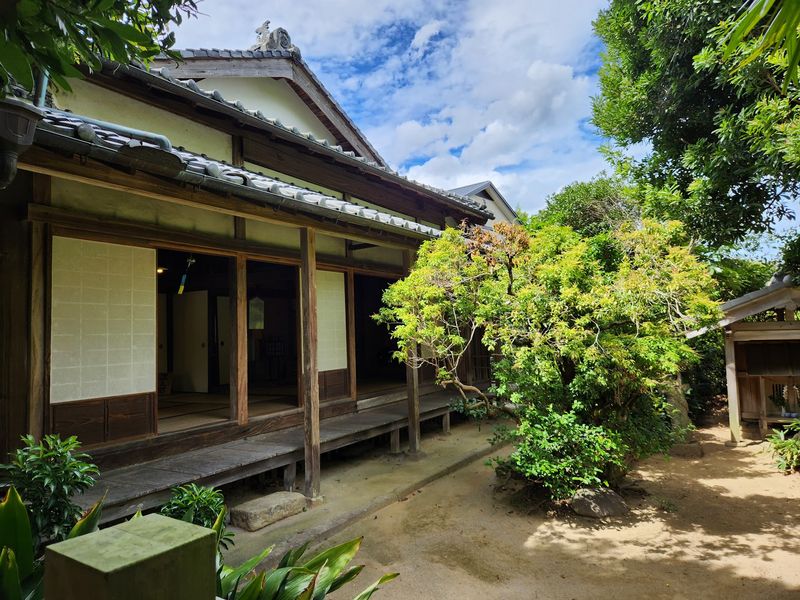
Izumi Fumoto represents a different kind of samurai settlement. Rather than serving a castle town, this community housed Satsuma warriors stationed near the domain’s northern border, essentially a military post that evolved into a permanent residential quarter.
That origin gives the place a distinct character compared to more courtly samurai neighborhoods.
According to JNTO, around 150 Edo period buildings still stand in the area, which is a remarkable survival rate for any historic district. Some former residences can be entered, while many others remain occupied by local families, which keeps the neighborhood from feeling like a museum.
Izumi Fumoto is nationally recognized as a preserved samurai quarter.
Izumi sits in Kagoshima Prefecture in southern Kyushu, and the town is also known for hosting one of Japan’s largest crane wintering populations each year. Combining a visit to the samurai district with crane watching at Izumi Crane Observatory makes for an unusual and genuinely rewarding day trip.
Chiran Samurai Residence District, Minamikyushu, Japan
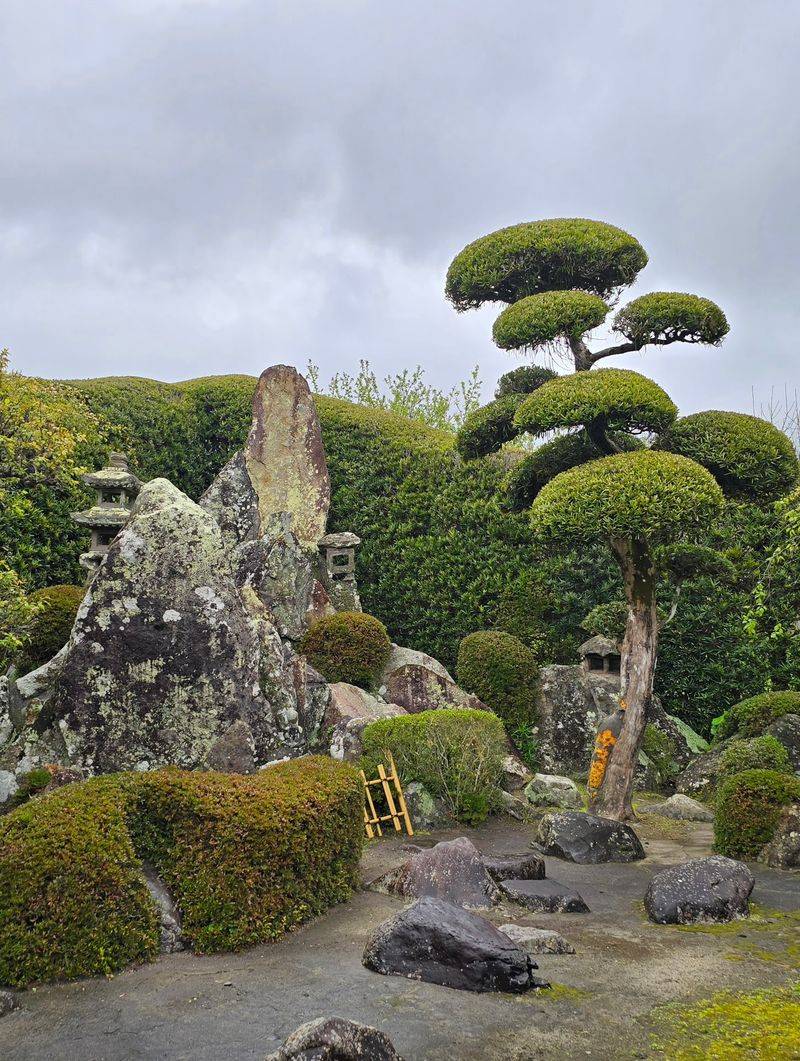
What sets Chiran apart from most samurai districts is the gardens. Seven preserved gardens survive within the former warrior settlement, each designed in styles associated with Edo period residential culture, including dry landscape arrangements and pond-centered layouts.
Gardens of this quality and number in a single historic district are genuinely unusual to find.
Stone walls, clipped hedges, traditional gates, and preserved lanes complete the picture of a well-organized samurai community. Chiran holds official designation as an Important Preservation District, confirming the national significance of what survives here.
The gardens are the main draw, but the streetscape surrounding them is equally worth the walk.
Chiran is located in Minamikyushu City in Kagoshima Prefecture. The town is also home to a museum connected to a significant chapter of World War II history, which many visitors combine with the samurai district on the same trip.
The two sites sit close together, making Chiran a fuller destination than its small size might suggest.
Kitsuki Samurai District, Kitsuki, Japan
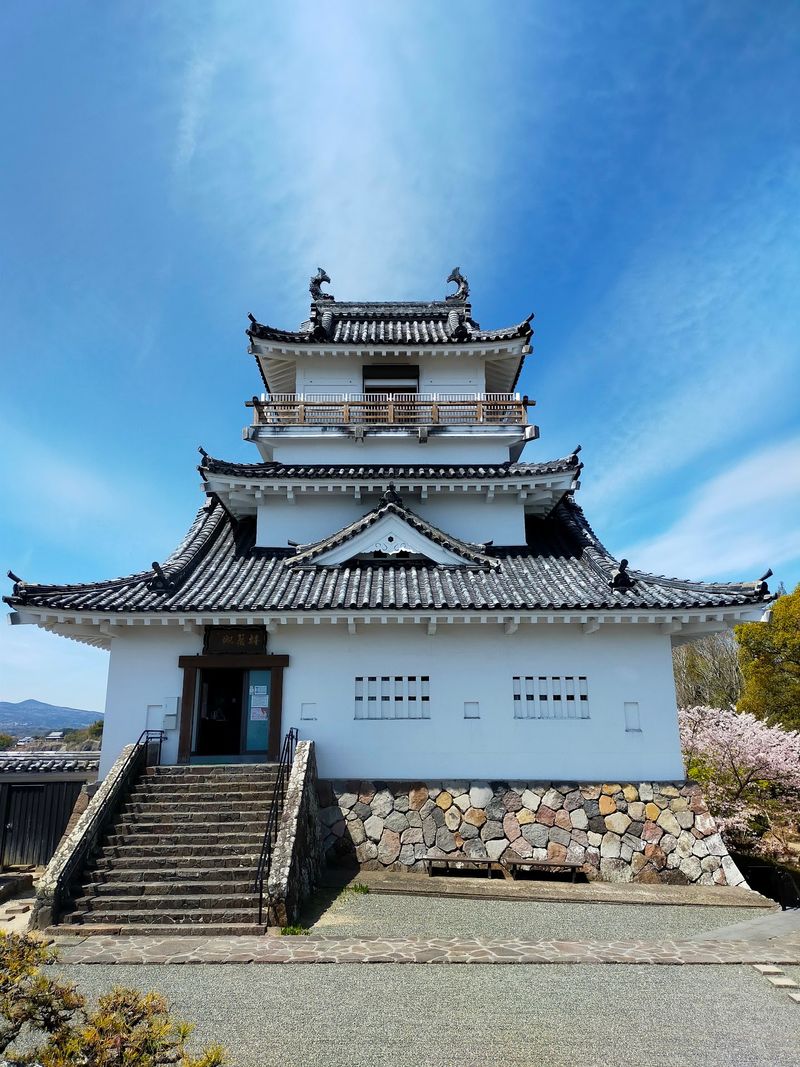
Kitsuki has a layout unlike any other castle town in Japan. Two elevated samurai neighborhoods sit on plateaus on either side of the old commercial district, which occupies the lower ground between them.
Merchants and warriors literally lived at different elevations, and that physical separation is still readable in the town’s geography today.
Traditional residences, stone-paved slopes, walls, and historic buildings survive on both sides of the old merchant quarter. Several former samurai residences have been adapted for visitors, allowing a closer look at the architecture and spatial organization of the upper neighborhoods.
The stone slopes connecting the levels are themselves a distinctive feature of Kitsuki’s character.
Kitsuki sits in Oita Prefecture in Kyushu, and the surrounding area is known for its hot spring culture. The town is compact enough to cover on foot in a comfortable half-day, though the hills mean the walk involves some elevation change.
That physical texture actually adds to the experience rather than detracting from it.
Tonomachi Samurai District, Tsuwano, Japan
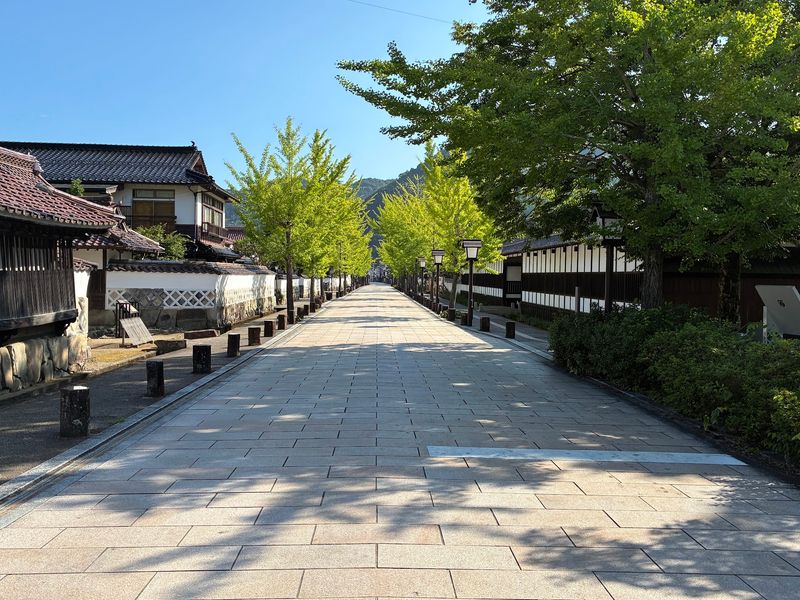
Tsuwano is a small mountain town in Shimane Prefecture that carries a reputation well beyond its size. Tonomachi forms the historic heart of the old town, retaining earthen walls, gates, waterways, and historic buildings associated with the town’s feudal retainers.
The street has a composed, unhurried quality that sets it apart from busier tourist destinations.
Japan’s national preservation system classifies the wider Tsuwano historic area as both a samurai and merchant quarter, reflecting the mixed character of the old town. JNTO identifies Tonomachi specifically as the samurai district within that broader designation.
The combination of warrior and merchant heritage in one compact area gives Tsuwano unusual historical depth.
Tsuwano is sometimes called the Little Kyoto of the San’in region, a nickname that points to the town’s density of cultural landmarks. The local landscape, with mountains rising sharply around the valley, adds scenic drama to the historic streetscape.
A short ride on the SL Yamaguchi steam locomotive from nearby Ogori is a popular way to arrive.
Jonai Suwakoji Samurai District, Kanegasaki, Japan
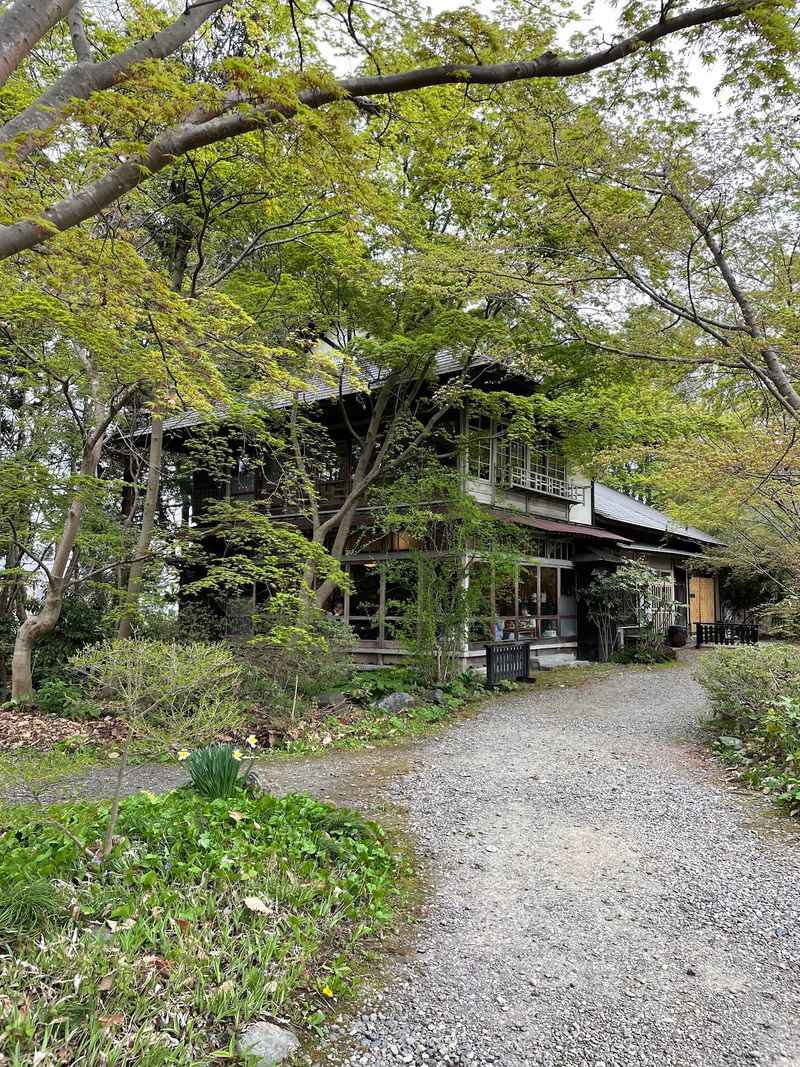
Kanegasaki is not a town that appears on most Japan travel lists, which makes Jonai Suwakoji a genuinely under-the-radar find. The area preserves a remarkably intact samurai settlement from the Edo period, with former warrior houses, hedges, gardens, traditional street patterns, and thatched buildings remaining throughout the conservation district.
The thatched structures are a particularly striking detail. Thatched roofs require ongoing maintenance and are increasingly rare in Japan’s historic districts, so their survival here reflects active preservation effort.
Some residences can be entered, and the town continues to promote the neighborhood as a place to engage with samurai history directly.
Kanegasaki sits in Iwate Prefecture in the Tohoku region of northern Honshu. The area is less visited than southern Japan’s more famous samurai sites, which means quieter streets and a more personal experience.
For travelers who have already covered the well-known districts and want something more off the path, Jonai Suwakoji is a strong option.
Obi Samurai District, Nichinan, Japan
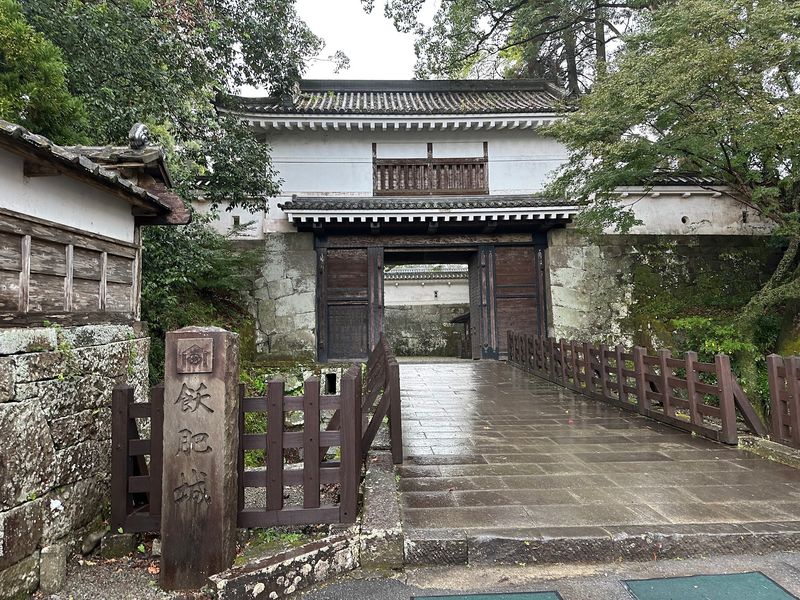
Obi earned the nickname Little Kyoto of Kyushu not through casual comparison but through the visible quality of what the Ito clan left behind over roughly 280 years of rule. Stone walls, gates, waterways, and former samurai residences around the old castle combine to create a townscape with genuine feudal coherence.
The area was designated a national preservation district in 1977, making it one of the earlier entries into Japan’s formal historic protection system. Visitors can walk the old streets and enter some of the historic buildings, which allows a closer look at both the architecture and the spatial logic of the old warrior quarter.
Obi sits in Nichinan City in Miyazaki Prefecture on the southeastern coast of Kyushu. The surrounding coastline is known for scenic drives and surfing beaches, which gives the area appeal beyond the historic district alone.
Combining the samurai town with a stop along the Nichinan Coast is a natural pairing for anyone traveling through this part of Kyushu.
Iriki Fumoto Samurai District, Satsumasendai, Japan
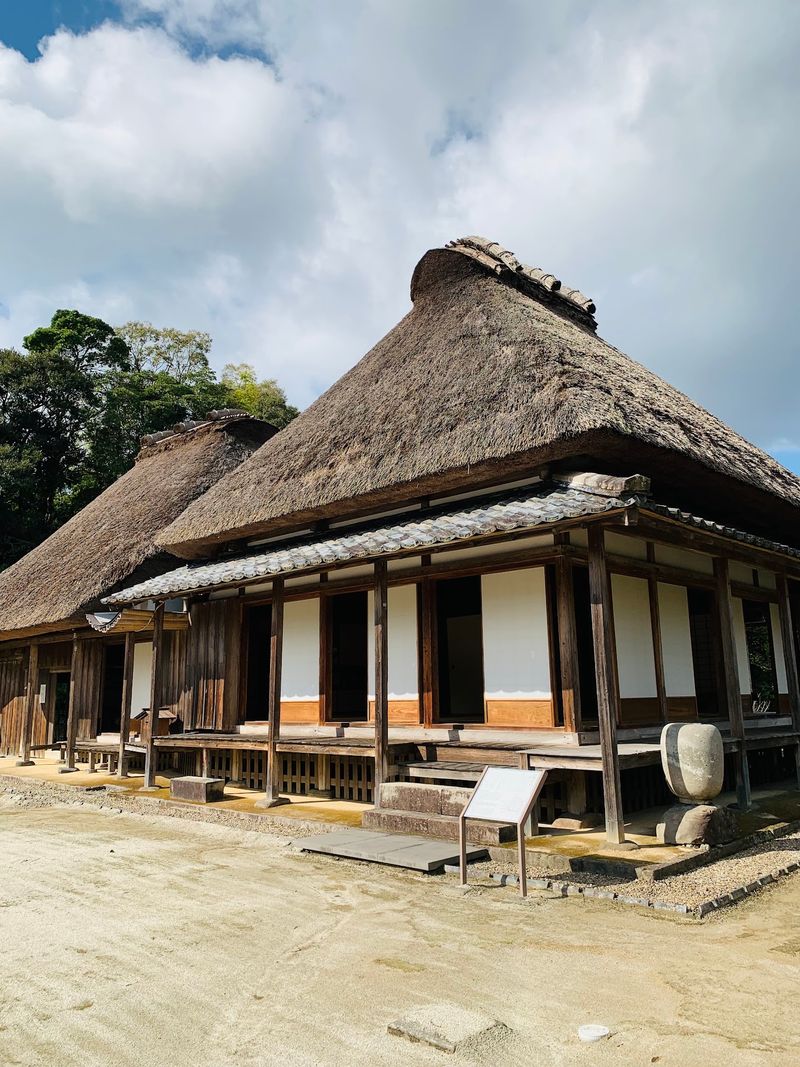
Like Izumi Fumoto, Iriki Fumoto traces its origins to the Satsuma domain’s system of fortified warrior settlements positioned at strategic points across the region. The word fumoto refers to the style of settlement, and Iriki’s version preserves traditional residences, stone walls, hedges, lanes, and historic properties that together convey the organized, defensive logic of Satsuma’s feudal planning.
JNTO confirms that Iriki Fumoto holds designation as an Important Preservation District and remains an active destination for samurai-related cultural experiences. That active status matters because it means the site is maintained and accessible rather than simply surviving in a state of managed decline.
Satsumasendai sits in the northern part of Kagoshima Prefecture, and the surrounding area includes the Sendai River and rural landscapes that add natural context to the historic district. Iriki Fumoto is a fitting final entry for this list because it represents a type of samurai settlement that is distinctly Kyushu in character, practical, durable, and quietly impressive.
Share this story