Mount Fuji gets all the postcards, all the hashtags, and most of the tourist buses. But Japan’s mountain landscape is far bigger and far more varied than one iconic cone rising above a lake. Spread across the country’s main islands, there are volcanic plateaus, ancient pilgrimage peaks, highland marshes, and preserved mountain valleys that most international visitors never even hear about. Some of these regions have been drawing Japanese hikers and pilgrims for centuries, while others are only now starting to appear on travel radar outside the country.
A few can be reached by ropeway, some require a sturdy pair of boots, and at least one lets you drive almost to the clouds. Whether you are planning a dedicated hiking trip or just want to add something genuinely surprising to a Japan itinerary, the thirteen mountain regions ahead are worth every bit of your attention.
1. Kamikochi, Matsumoto, Nagano Prefecture
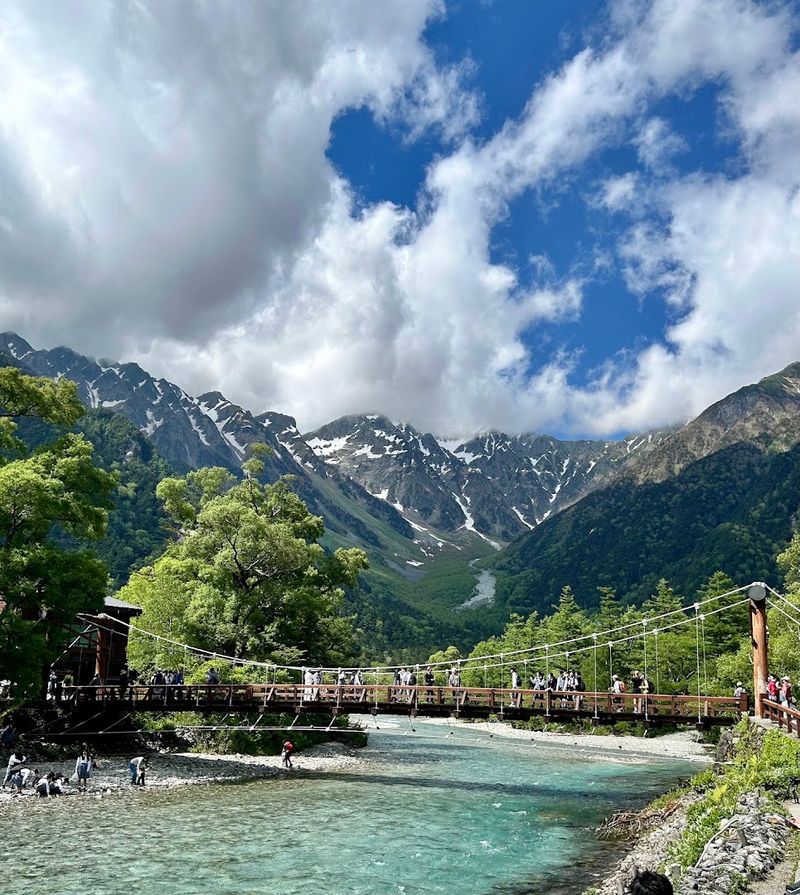
Private cars have been banned from Kamikochi for decades, and that single rule may be the best thing that ever happened to a mountain valley. Without the noise and exhaust of road traffic, the Azusa River runs clear and undisturbed past forested walking trails that lead to some of the most photogenic alpine scenery in the country.
The Northern Japan Alps form a dramatic backdrop here, with the jagged peaks of the Hotaka range rising sharply above the treeline. Iconic spots like Kappa Bridge and Myojin Pond draw steady visitors, yet the valley retains a calm that most crowded mountain destinations simply cannot offer.
Kamikochi is open seasonally from mid-April to mid-November. Spring brings fresh greenery, and autumn transforms the valley into a canvas of red and gold. For serious hikers, the trails extend further into the backcountry toward Tokusawa and Yarisawa, offering multi-day adventures well beyond the main visitor area.
2. Tateyama Mountain Range, Tateyama, Toyama Prefecture
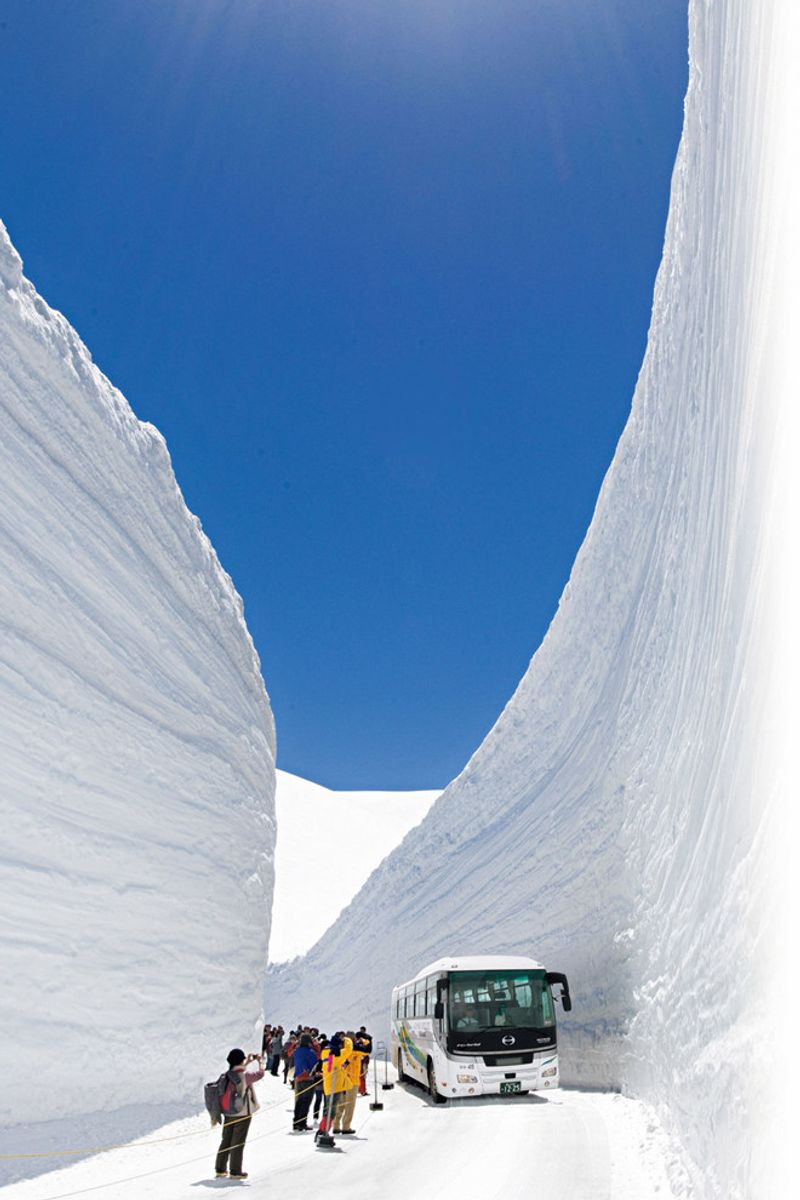
Few mountain experiences in Japan match the surreal sight of walking between walls of snow that tower up to 20 meters on either side of a road. That is exactly what the Tateyama Kurobe Alpine Route offers each spring, when the famous Yuki-no-Otani snow corridor opens to visitors between April and June.
The route itself is a feat of engineering and scenery combined, using cable cars, trolleybuses, and mountain buses to carry visitors across the Northern Alps from Toyama to Nagano. Summer brings wildflowers to the Murodo Plateau, while autumn covers the slopes in vivid color.
Tateyama holds deep spiritual significance as one of Japan’s three sacred mountains, with the historic Oyama Shrine located near the summit. Rock ptarmigans, a rare alpine bird, can be spotted along the higher trails. Volcanic hot springs, including Mikurigaike Onsen, add a relaxing end to any day spent exploring the range.
3. Oze National Park, Katashina, Gunma Prefecture
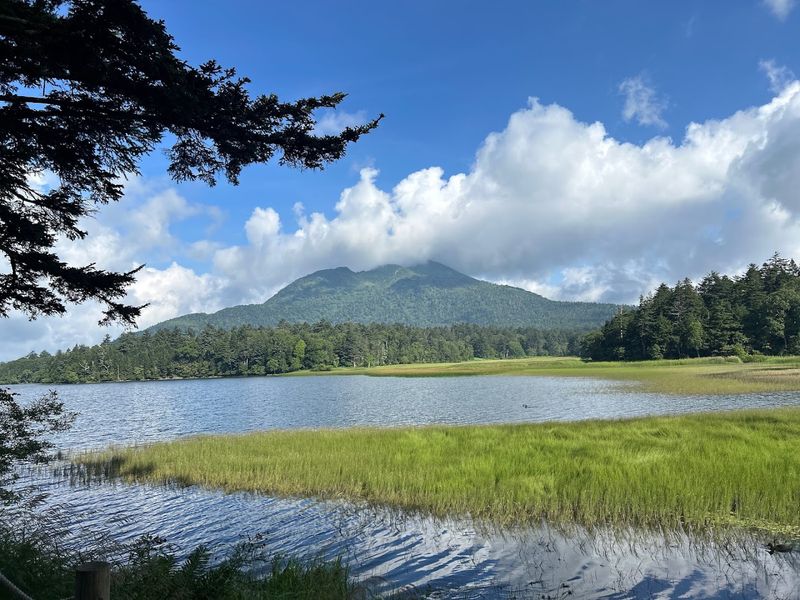
Japan’s largest highland marsh sits at about 1,400 meters above sea level and feels entirely removed from the country’s urban pace. Oze National Park spreads across parts of four prefectures, and a well-maintained network of wooden boardwalks allows visitors to cross the delicate wetland ecosystem without causing damage to the rare plants below.
The marsh runs through distinct seasonal chapters. White skunk cabbages blanket the wetlands in late May and early June, bright yellow alpine lilies follow in midsummer, and the grasses shift to red and gold by autumn. Ozenuma Pond reflects the outline of Mount Hiuchigatake on calm days, creating one of the park’s most photographed views.
The 100-meter Sanjo Falls is another highlight worth the walk. The park closes in winter due to heavy snowfall, so visits are best planned between mid-May and late October. Rare wildlife, including the Japanese stoat and Japan’s smallest dragonfly, also call this wetland home.
4. Daisetsuzan National Park, Higashikawa, Hokkaido
The indigenous Ainu people of Hokkaido call this place “Kamui Mintara,” which translates as playground of the gods. That name turns out to be entirely accurate once you see the scale of it. Spanning roughly 2,267 square kilometers, Daisetsuzan is Japan’s largest national park and contains 16 peaks above 2,000 meters.
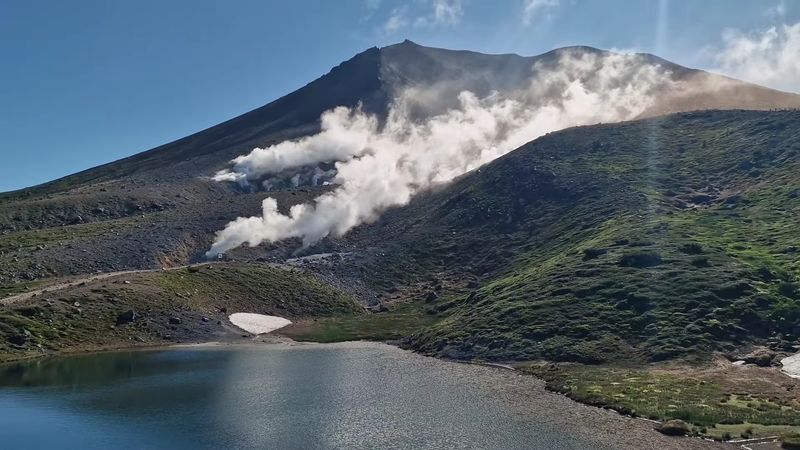
Mount Asahidake, the highest point in Hokkaido at 2,291 meters, is an active volcano with barren upper slopes, steaming vents, and yellow sulfur deposits visible from the Asahidake Ropeway. The park’s dramatic terrain was shaped by millions of years of volcanic activity, visible in features like the enormous Ohachidaira Caldera and the columnar rock gorges at Sounkyo.
Daisetsuzan sees Japan’s earliest autumn colors, beginning as early as mid-September. Brown bears, the Northern Pika, and the extremely rare Blakiston’s fish owl all live within the park. Hot spring villages like Sounkyo Onsen provide a comfortable base for multi-day exploration of this extraordinary wilderness.
5. Norikura Highlands, Matsumoto, Nagano Prefecture
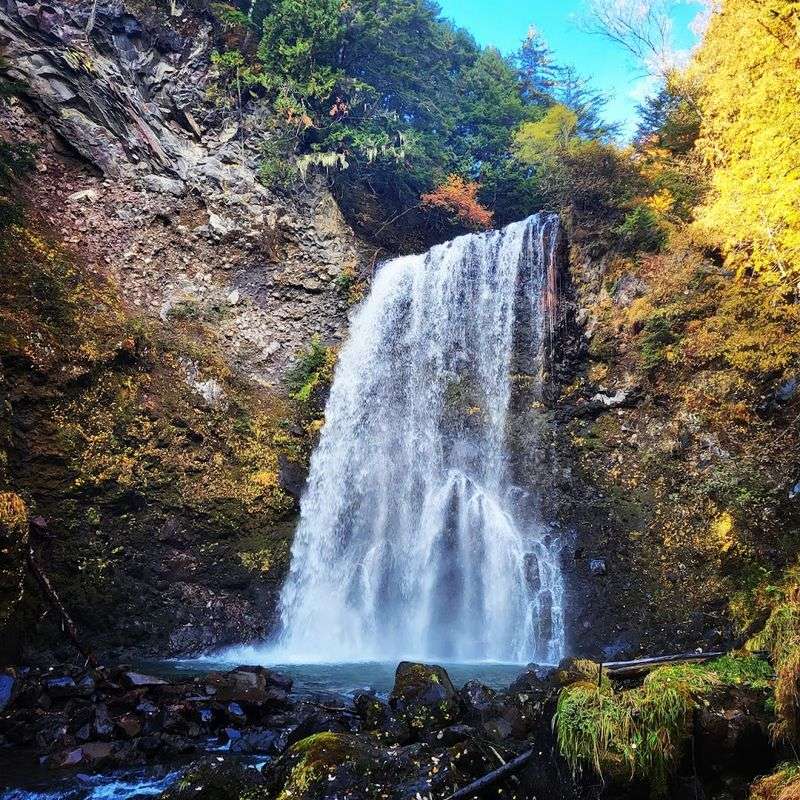
At 1,500 meters above sea level even at its base, the Norikura Highlands offer a mountain experience that does not demand technical climbing skills. The Norikura Echo Line, one of Japan’s highest paved roads, climbs to 2,716 meters at Tatamidaira, though private cars are restricted and visitors travel the upper section by shuttle bus, which actually makes the journey more enjoyable.
The highlands pack in a surprising variety of natural attractions. Zengoro Falls, the triple cascade of Sanbondaki Falls, and the Great Bandokoro Waterfall are all within reach of the walking trails. Birch forests line many of the cycling paths, and the Big Snowy Valley keeps enough permanent snow for summer skiing.
Shirahone Onsen is one of the best-known hot spring resorts in the area and provides a relaxing contrast to a day on the trails. Cooler summer temperatures make the Norikura Highlands a genuinely appealing escape from the heat of Japan’s lowland cities during July and August.
6. Hakusan National Park, Hakusan, Ishikawa Prefecture
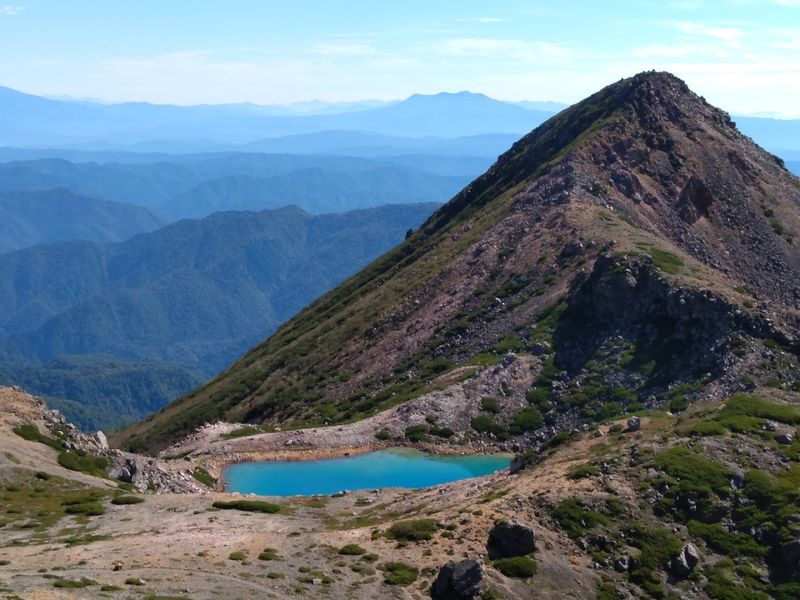
Mount Hakusan has been drawing pilgrims to its summit for well over a thousand years, making it one of Japan’s most spiritually significant peaks. Together with Mount Fuji and Mount Tateyama, it forms the trio of Japan’s three sacred mountains, a designation that reflects both its religious history and its natural grandeur.
The national park surrounding the mountain features ancient beech forests, clear mountain streams, and alpine wildflowers that bloom across the higher slopes in summer. Hiking trails cater to a range of fitness levels, with the main summit routes offering rewarding panoramic views at the top for those who make the climb.
Seasonal change is one of Hakusan’s most reliable attractions. Lush green forest covers the lower slopes through summer, while autumn brings a vivid display of color that moves gradually down the mountain as temperatures drop. The park sits in Ishikawa Prefecture on the Sea of Japan side of Honshu, making it a natural addition to a broader Hokuriku region itinerary.
7. Kiso Valley, Nagiso, Nagano Prefecture
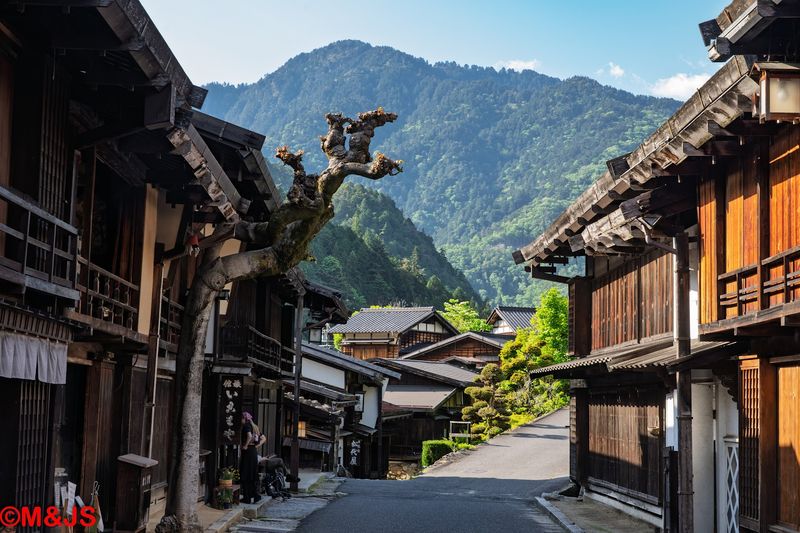
Back in the Edo Period, the Nakasendo highway connected Kyoto to Edo, passing through mountain valleys and post towns where travelers could rest, eat, and continue their journey. The Kiso Valley section of that old road is one of the best-preserved stretches in Japan, and walking it today feels genuinely like stepping into a different century.
The roughly 8-kilometer path between the post towns of Magome and Tsumago winds through dense cedar forest, past traditional waterwheels, and through villages where the wooden architecture has been carefully maintained. There are no convenience stores or modern storefronts interrupting the view, which is exactly the point.
The surrounding mountains give the valley a secluded, enclosed quality that adds to the historic atmosphere. The trail is well-signposted and manageable for most fitness levels, taking around three hours at a relaxed pace. A baggage forwarding service between the two towns means you can walk with just a daypack, which makes the whole experience considerably more comfortable.
8. Hakkoda Mountains, Aomori, Aomori Prefecture
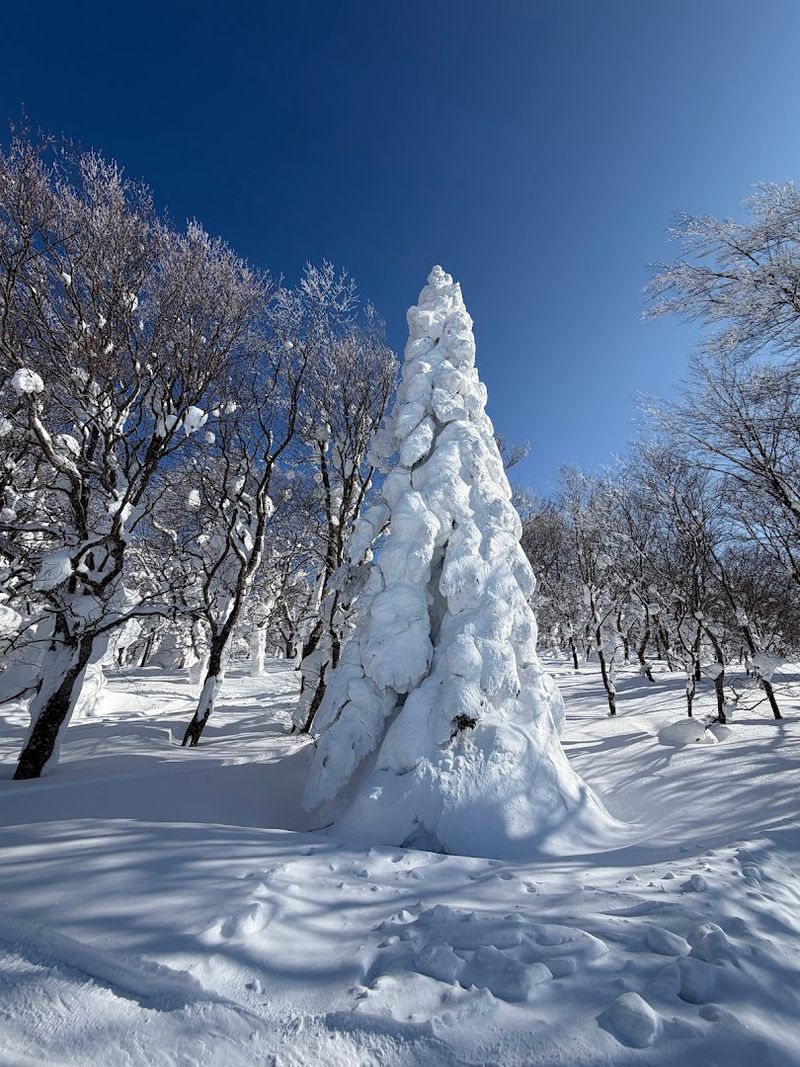
The term “snow monsters” sounds like something from a children’s story, but in the Hakkoda Mountains of Aomori Prefecture, it is a legitimate natural phenomenon. From January through February, the trees on these volcanic peaks become so heavily encrusted with ice and snow that they transform into enormous white sculptures, drawing visitors from across Japan specifically to see them.
The Hakkoda Ropeway carries passengers up Mount Tamoyachidake for panoramic views without requiring a strenuous climb, making the winter spectacle accessible to most visitors. During warmer months, the mountains shift into hiking mode, with trails crossing through wetlands like Kenashitai and Tamoyachi Marshlands, where alpine plants thrive in the volcanic soil.
Sukayu Onsen is one of the most famous hot spring facilities in the region, known for its large communal bath. The Jogakura Bridge offers sweeping views over the mountain gorge below, and volcanic ponds including the dramatically named Jigokunuma, or Hell Pond, add a touch of geological intrigue to any visit.
9. Kirishima Mountain Range, Kirishima, Kagoshima Prefecture
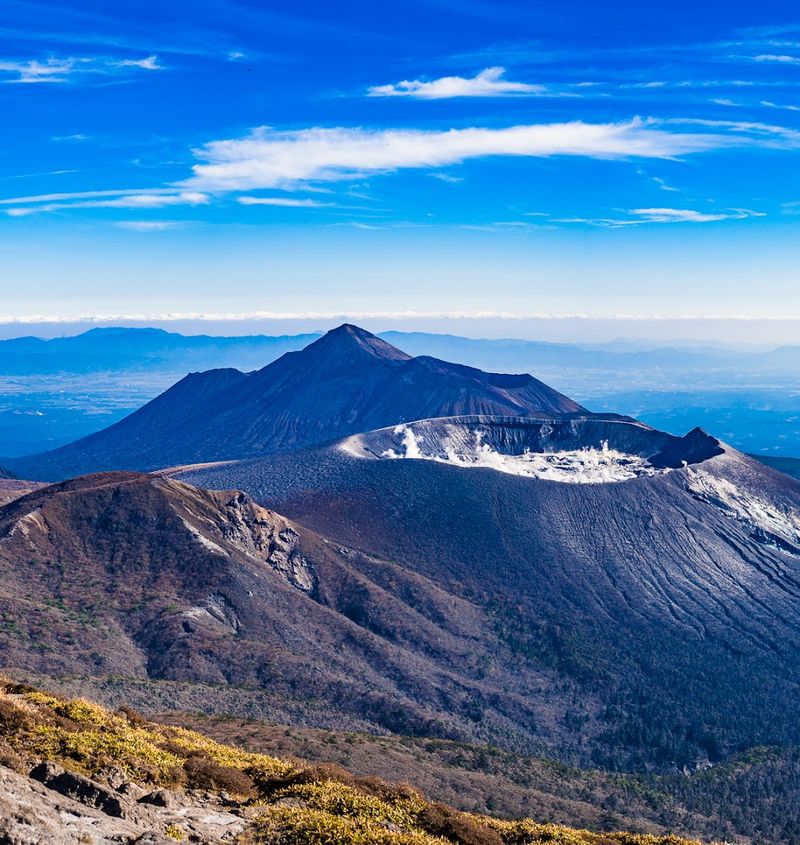
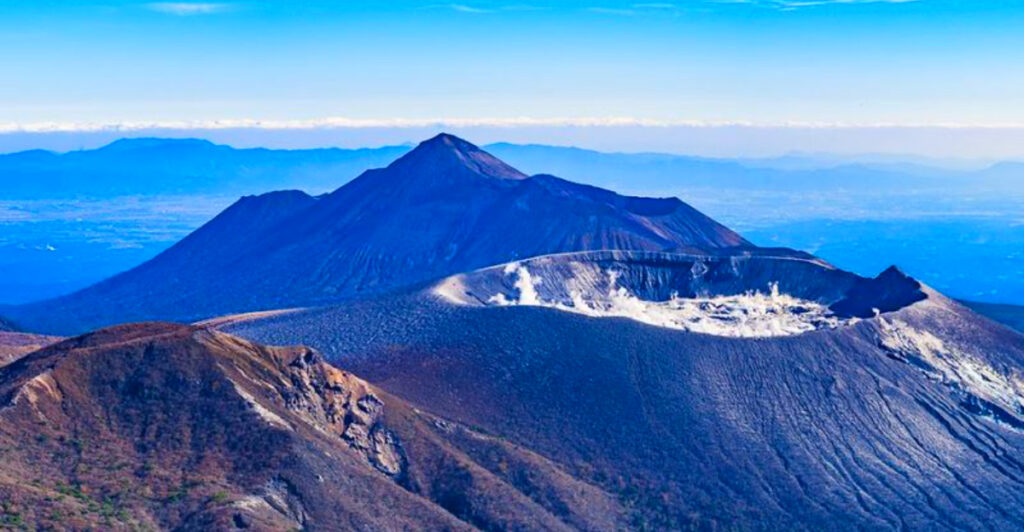
Volcanoes are rarely known for their subtlety, and the Kirishima Mountain Range in southern Kagoshima Prefecture makes absolutely no attempt at being understated. This active volcanic region features multiple crater lakes, including the striking Lake Miike and Lake Ohata, alongside steaming vents that punctuate the landscape with visible signs of ongoing geological activity.
Hiking trails wind through the volcanic terrain, offering close-up views of formations that are genuinely unlike anything found in Japan’s other mountain regions. The combination of crater lakes and open lava fields creates a landscape with a raw, unfinished quality that experienced hikers tend to find particularly compelling.
Hot springs are plentiful throughout the Kirishima area, providing a practical and enjoyable way to recover after a day on the trails. The region sits on the border of Kagoshima and Miyazaki Prefectures, making it a natural stop for travelers exploring southern Kyushu. Access is straightforward by car, and the scenic highland roads through the range are worth exploring even without lacing up hiking boots.
10. Yatsugatake Mountains, Chino, Nagano Prefecture
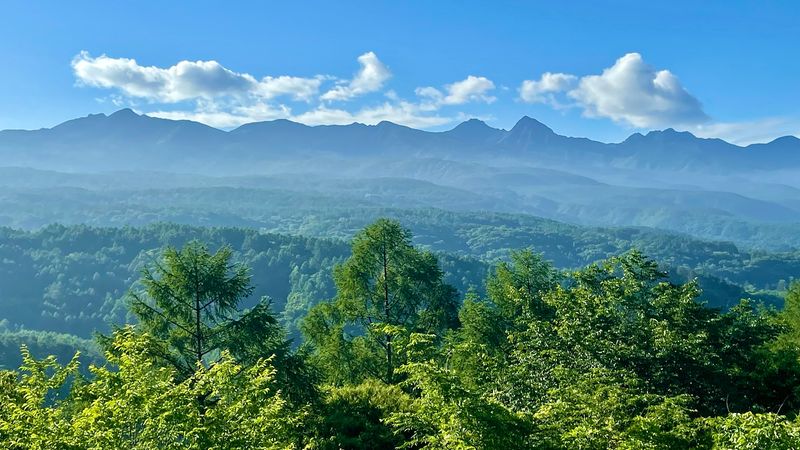
Among experienced Japanese hikers, the Yatsugatake range carries a solid reputation built on genuinely challenging terrain and excellent trail networks. Outside Japan, however, barely anyone outside dedicated hiking circles has heard of it, which means the trails here feel far less congested than the routes around more famous peaks.
The range is defined by jagged ridges, dense conifer forests, and broad highland plateaus that create varied scenery across every season. The rocky upper ridgelines offer exposed hiking with long views across Nagano and into neighboring prefectures on clear days.
Autumn is widely considered the best season to visit. Colorful foliage blankets the mountainsides from mid-October onward, and the contrast between the dark rock of the upper ridges and the vivid reds and oranges below is genuinely striking. Mountain huts scattered along the main routes make multi-day traverses practical without requiring camping gear. The range is also popular for winter mountaineering, attracting a dedicated community of climbers who return year after year.
11. Aso Kuju National Park, Taketa, Oita Prefecture
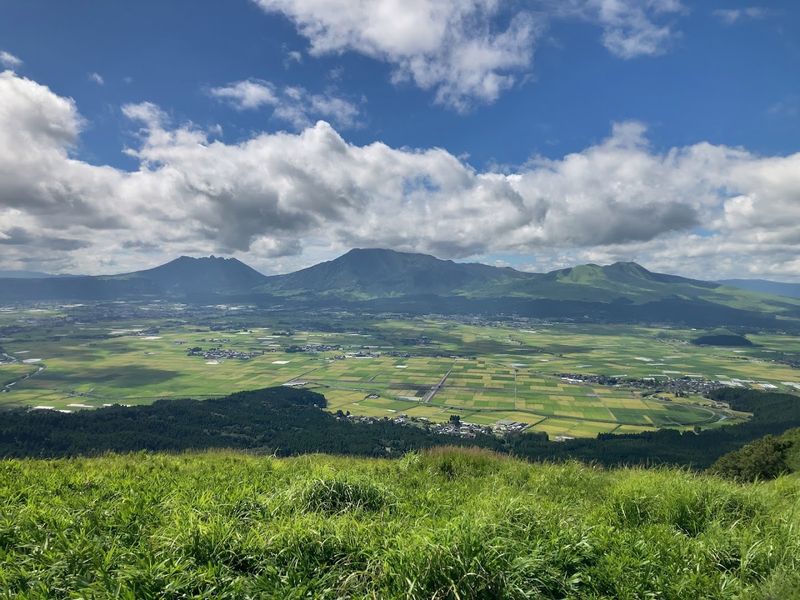
Central Kyushu contains one of the world’s largest volcanic calderas, and Aso Kuju National Park sits right at the heart of it. The park combines the dramatic volcanic landscape of Mount Aso with the Kuju Mountains in Oita Prefecture, creating a region of considerable geographic variety within a relatively compact area.
The Kuju Mountains reward hikers with sweeping panoramic views across the highlands of central Kyushu, and the trails here are well-maintained without being overly crowded. Broad grasslands surround the volcanic peaks, giving the landscape an open, expansive quality that feels quite different from the forested mountain scenery found elsewhere in Japan.
Seasonal wildflowers are one of the park’s most reliable draws, with blooms appearing from spring through early autumn across the highland plateau. The cool mountain air during summer makes hiking comfortable even when temperatures in the lowlands are climbing. Scenic highland roads also make the area accessible by car for visitors who prefer to take in the views without committing to a full-day hike.
12. Shikoku Karst, Kami, Kochi Prefecture
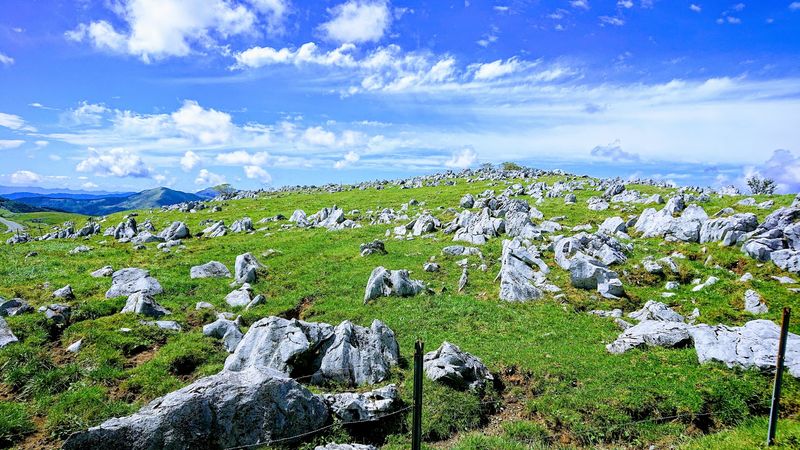
Most visitors to Shikoku focus on the famous 88-temple pilgrimage circuit at ground level, but the island’s most surprising landscape sits high above it all. The Shikoku Karst stretches approximately 25 kilometers along the border of Ehime and Kochi Prefectures, forming one of Japan’s three major karst landscapes at elevations between 1,000 and 1,500 meters.
White limestone formations called karrenfeld and doline push up through rolling grasslands where cattle graze freely from spring through autumn. Prefectural Route 383, nicknamed “Road in the Sky,” winds through the highlands and offers one of the most memorable scenic drives in western Japan. The Tengu Highland, the highest point at 1,485 meters, provides 360-degree views on clear days that extend all the way to the Pacific Ocean.
Light pollution is minimal at this elevation, making the karst an excellent stargazing location in summer when the Milky Way becomes visible on clear nights. A rental car is strongly recommended, as public transport options to the plateau are very limited. Winter snowfall closes portions of the area seasonally.
13. Mount Hachimantai, Hachimantai, Iwate Prefecture
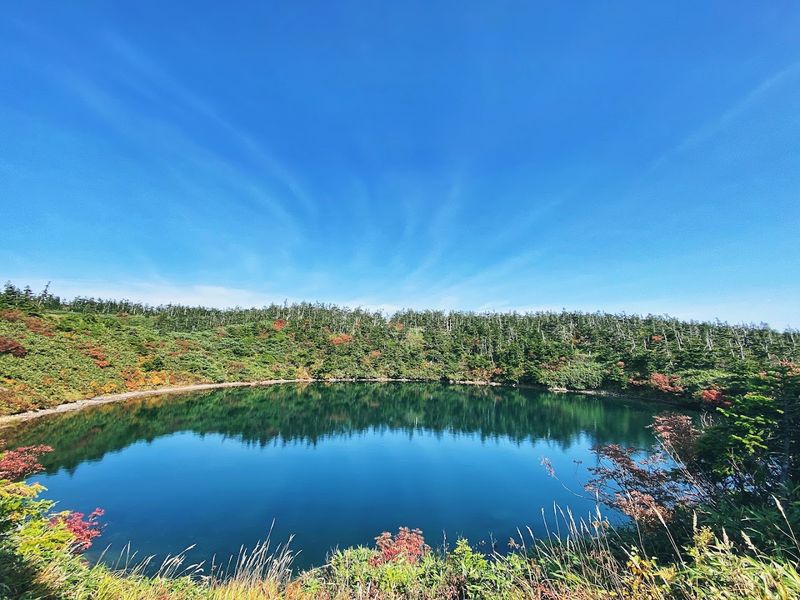
Every year in late May or early June, a pond on the Hachimantai plateau produces one of Japan’s most unusual natural spectacles. As the snow and ice covering Kagami-numa pond melts from the center outward, it creates a perfectly circular opening with vivid blue water at the middle, surrounded by white ice. Locals call it the Dragon Eye, and the comparison is hard to argue with.
Mount Hachimantai is not a sharp, dramatic peak but a broad volcanic plateau rising to 1,613 meters across the border of Iwate and Akita Prefectures. The flat terrain makes it one of Japan’s most accessible mountain destinations, with a summit loop trail that most visitors can complete in about 90 minutes. Alpine wetlands, crater ponds, and geothermal springs dot the plateau throughout.
The Hachimantai Aspite Line provides scenic road access through the area, and mountain hot spring facilities are available nearby. Visitors on forest trails are advised to carry bear bells, as Asiatic black bears are present in the surrounding woodland. Autumn color arrives reliably each year, making October visits particularly rewarding.
Share this story