Mexico is famous for its beaches, ancient pyramids, and colorful colonial cities. But the country holds a much stranger side that most travel brochures skip entirely.
From a surreal jungle garden built by a British poet to a desert zone famous for meteorites and radio silence, these places feel more like something out of a dream than a real trip itinerary. If you are tired of the same resort recommendations and want to see a Mexico that genuinely surprises you, this list is worth saving.
These 14 destinations are real, they are open, and they are unlike almost anything else you will find on a standard vacation list.
Las Pozas, Xilitla, San Luis Potosí
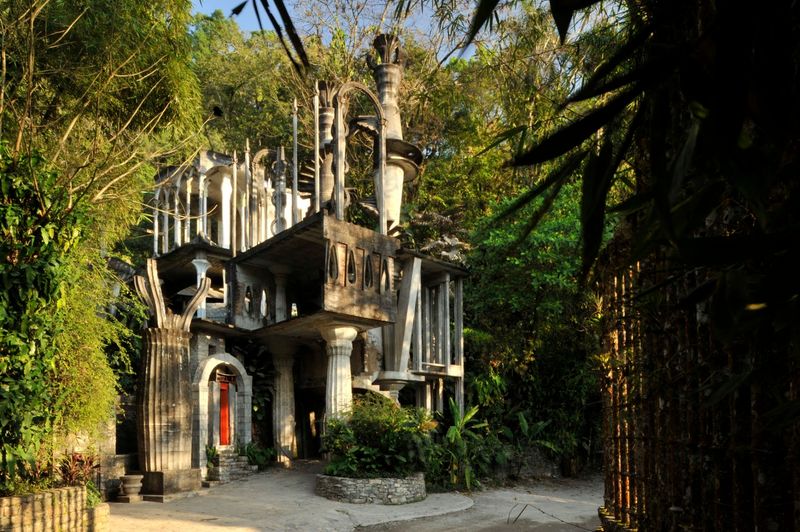
British poet Edward James spent decades and a considerable fortune building something in the Xilitla jungle that defies easy description. Las Pozas is a garden, but calling it that feels incomplete.
There are concrete flowers taller than houses, staircases that climb into open sky, towers shaped like nothing in particular, and pools fed by natural streams running through the property.
James began the project in the 1940s and kept building until his passing in 1984. The structures were never meant to be practical.
They were meant to be experienced as a walk through someone else’s imagination.
Today the site is managed as a cultural attraction and remains open to visitors throughout the year. The jungle has continued growing around the concrete forms, which makes the whole place feel both ancient and invented at the same time.
Plan for uneven terrain and bring good walking shoes.
Museo de las Momias de Guanajuato, Guanajuato
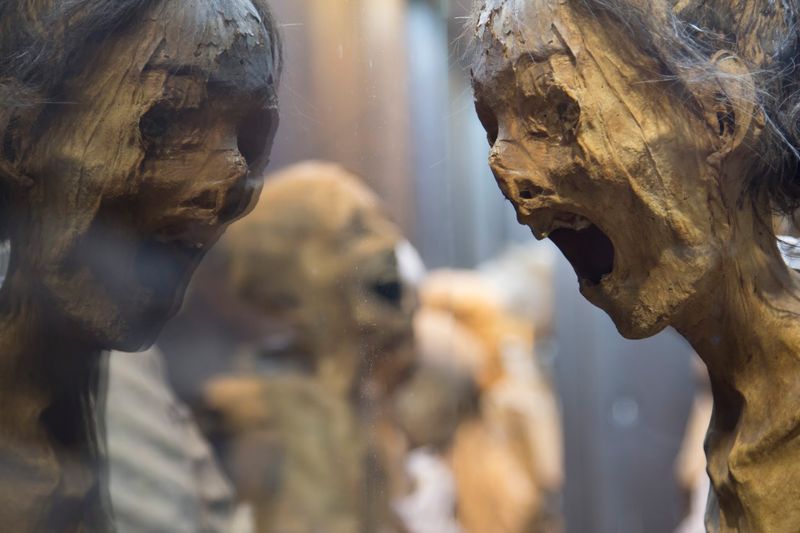
Most museums display objects behind glass. This one displays people.
The Museo de las Momias de Guanajuato holds more than 100 naturally mummified human remains, most of them exhumed from the local municipal cemetery during the 19th and early 20th centuries.
The preservation happened naturally because of the mineral composition of the soil in the area. No special techniques were applied.
The bodies simply dried and held their form over time, which makes the collection genuinely unusual from a scientific standpoint.
The museum is open every day of the year, including holidays, which tells you something about how seriously Guanajuato takes this attraction. The city itself is a UNESCO World Heritage Site, so there is plenty to explore beyond the museum.
But for many visitors, this stop ends up being the one they talk about longest after returning home. It is not for the faint of heart, but it is entirely real.
Las Coloradas, Yucatán
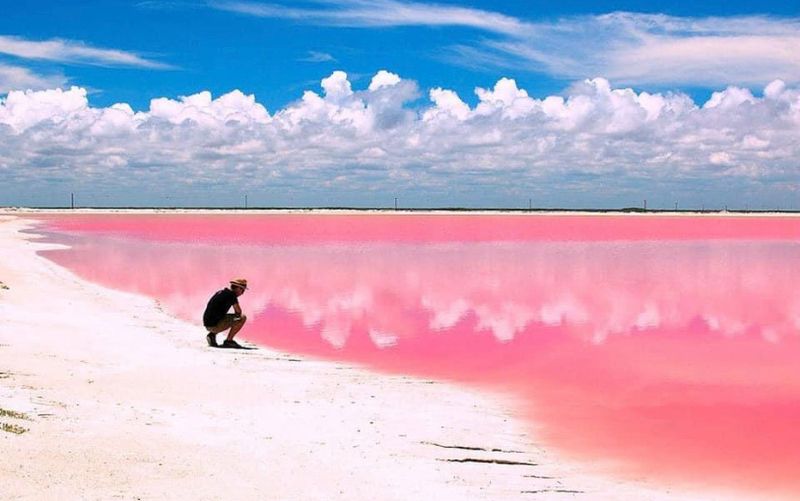
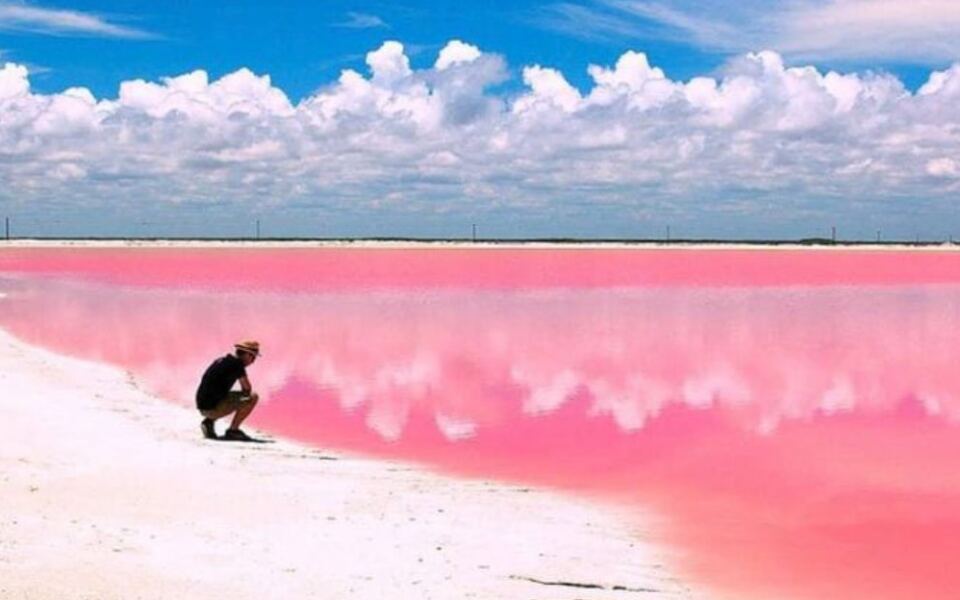
The pink color looks like a filter was applied to a photograph, but no editing is involved. The salt ponds near Río Lagartos in Yucatán turn an intense shade of pink because of microorganisms called halophilic bacteria and algae that thrive in the high-salinity water.
The more concentrated the salt, the deeper the color.
These are working salt pans, not a decorative installation. The landscape is part of an active production area, which means the pink tones can vary depending on the season and salt concentration at any given time.
Visitors are welcome to view the ponds from the designated access points, but entering or swimming in the water is prohibited. Flamingos are commonly spotted in the surrounding estuary area, which adds another layer of visual strangeness to the whole scene.
The nearby town of Río Lagartos also offers boat tours through the biosphere reserve for anyone who wants to extend the visit.
Grutas de Tolantongo, Hidalgo
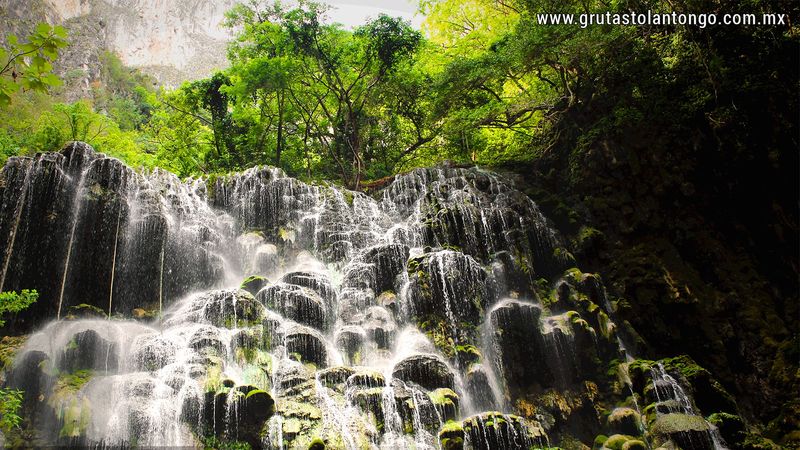
Hot turquoise water running through a canyon carved into the Sierra Madre Oriental is not what most people picture when they think of a day trip in central Mexico. Grutas de Tolantongo offers exactly that, along with thermal caves, a warm river you can wade through, and tiered pools built into the canyon walls.
The water temperature stays warm year-round because of geothermal activity beneath the rock. The canyon setting keeps the area shaded for much of the day, which makes the pools comfortable even in warmer months.
The site is privately managed and currently listed as open to visitors on its official channels. Weekends tend to draw larger crowds, so a midweek visit generally means more space.
Camping and cabin accommodations are available on-site for visitors who want to stay overnight. The drive from Mexico City takes roughly three hours, making it a feasible weekend destination for those coming from the capital.
Real de Catorce, San Luis Potosí
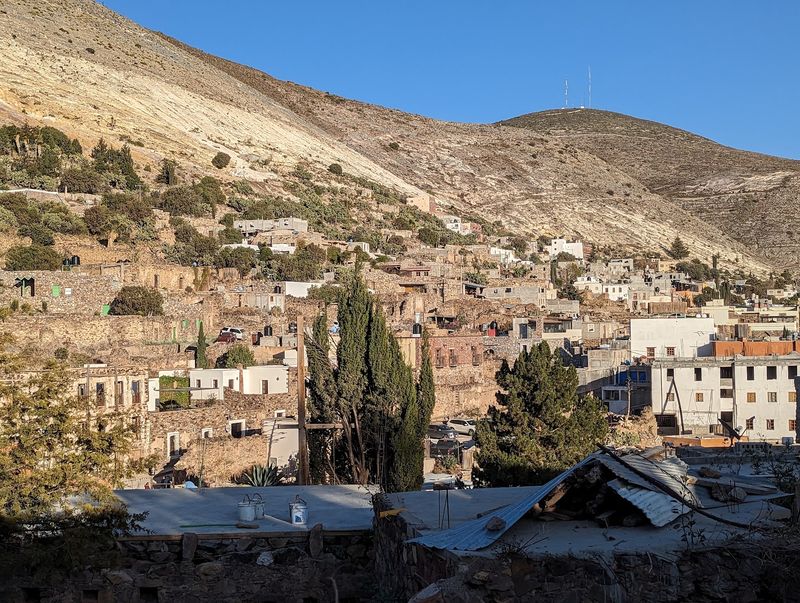
Getting to Real de Catorce is part of the experience. The town sits high in the Sierra Catorce mountains, and the only road in passes through the Ogarrio Tunnel, a roughly 2.3-kilometer passage carved through solid rock.
Vehicles line up and take turns going through one direction at a time.
Once you arrive, the town feels like it exists somewhere between past and present. Real de Catorce was a major silver-mining center in the 18th and 19th centuries, then largely emptied out when silver prices collapsed.
Some buildings remain in ruins, while others have been converted into guesthouses, restaurants, and art spaces.
The town has become a destination for visitors drawn to its unusual atmosphere and its location near the Wirikuta desert, a site of deep spiritual significance for the Wixaritari people. Jeep rides across the high desert are a common activity for those who want to explore the surrounding landscape beyond the town center.
Zona del Silencio, Durango
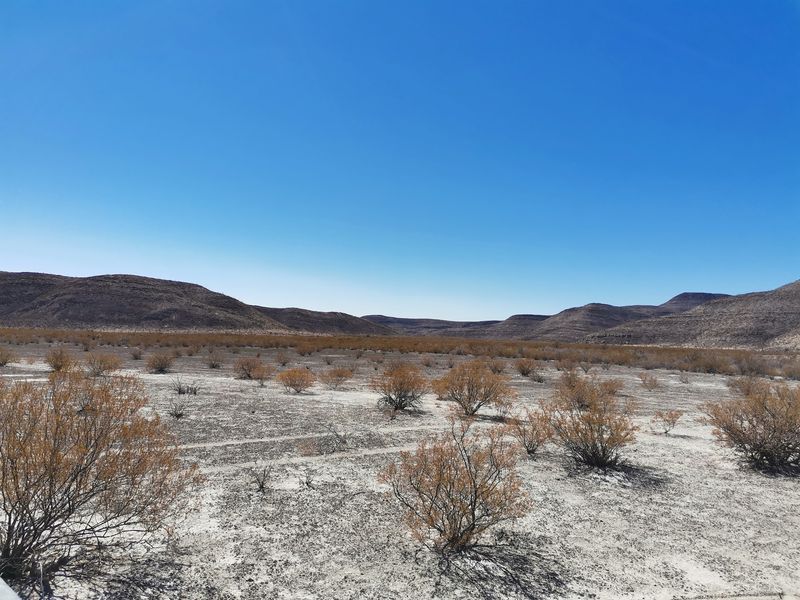
The legends around this stretch of Chihuahuan Desert have grown well beyond what the science actually supports. Stories about radio signals failing, compasses spinning, and unexplained lights in the sky have circulated for decades, turning a remote patch of desert into something of a folklore landmark.
What is verified is more grounded. The area sits within the Mapimí Biosphere Reserve, a protected zone covering parts of Durango, Chihuahua, and Coahuila.
Several meteorites have been recovered from the region over the years, including a significant fall in 1969. The desert also supports unusual plant and reptile species adapted to the extreme conditions.
The landscape itself is genuinely striking in its emptiness. Reaching the area requires a vehicle suited for unpaved roads, and the nearest town with services is Ceballos in Durango.
The Zona del Silencio is not a formal tourist site with facilities, so preparation matters more here than at most destinations on this list.
Great Pyramid of Cholula, Puebla
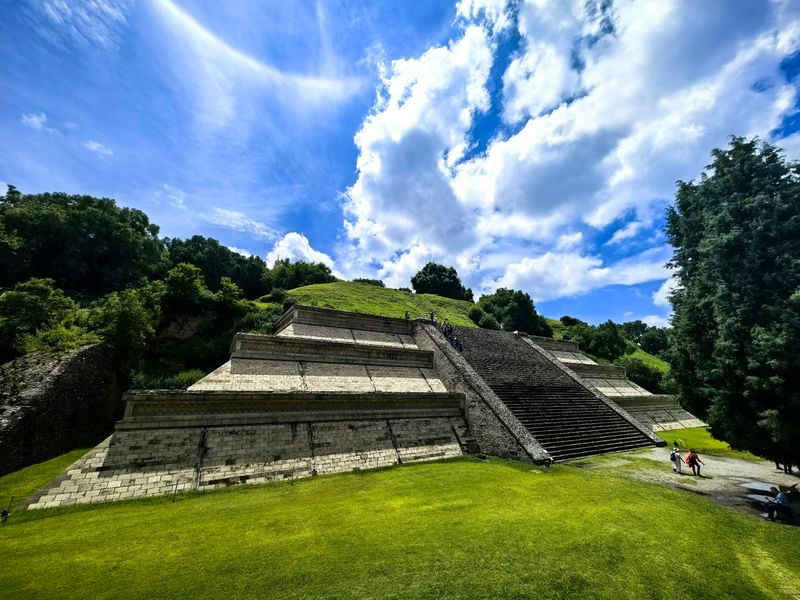
From the road, it looks like a large natural hill with a church sitting on top. That description is technically accurate, but it leaves out the part where the hill is actually the largest pyramid by volume in the world.
The Great Pyramid of Cholula, known as Tlachihualtepetl, covers more ground than the Great Pyramid of Giza, though it is shorter in height.
The Spaniards built the church on top of the structure in the 16th century, either unaware of or unbothered by what lay beneath. Centuries of vegetation growth completed the disguise.
The archaeological zone surrounding the pyramid is currently open to visitors, and the site includes exposed sections of the pyramid’s exterior along with a network of tunnels running through the interior. INAH has noted restrictions affecting full interior tunnel access at various times, so checking current conditions before visiting is worthwhile.
The town of Cholula itself is a lively destination with plenty to see beyond the pyramid grounds.
Cuicuilco, Mexico City
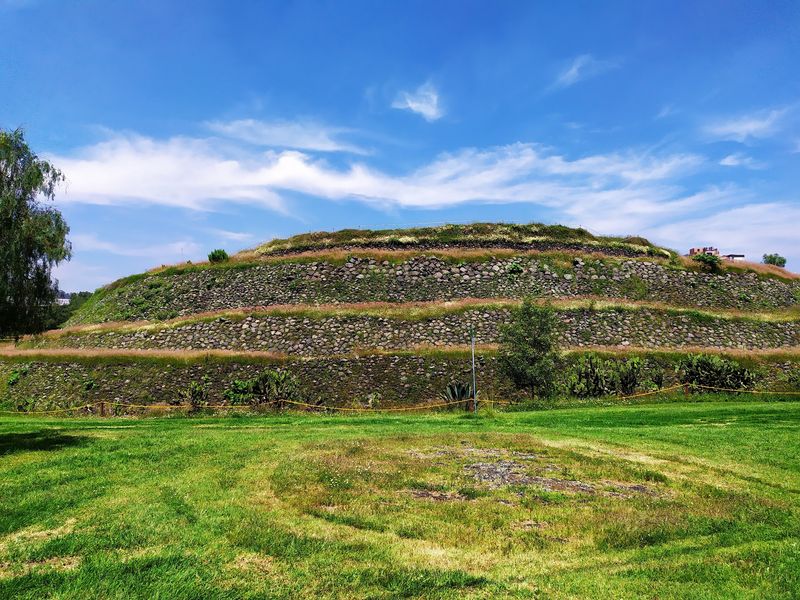
Ancient ruins next to a shopping mall is not a combination most people expect, but that is essentially what Cuicuilco offers. The circular pyramid sits in the southern part of Mexico City, surrounded by the modern urban landscape of the Pedregal neighborhood, with the remnants of a volcanic lava field still visible around the base of the structure.
The Xitle volcano erupted roughly 2,000 years ago and buried much of the original settlement under lava. The pyramid survived because of its height and solid construction.
It is one of the oldest known monumental structures in the Valley of Mexico.
The site is currently open to visitors Tuesday through Sunday, with free admission. A small on-site museum provides context about the settlement’s history and the volcanic event that ended it.
Because it sits within the city rather than in a remote location, Cuicuilco is an easy addition to a Mexico City itinerary without requiring extra travel time.
Guachimontones, Jalisco
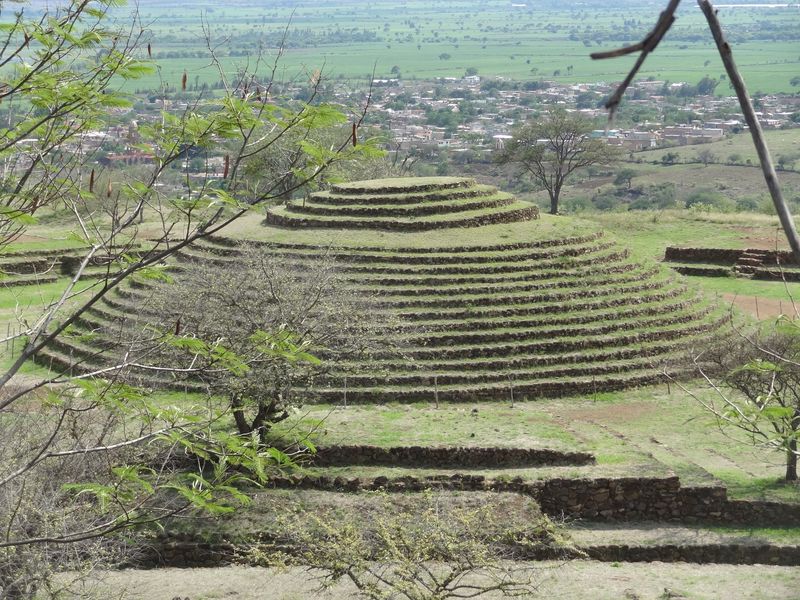
Almost every famous pyramid in Mexico follows a stepped rectangular or square format. Guachimontones is built in a completely different shape.
The ceremonial complexes here are circular, arranged in concentric rings around a central platform, and they represent the Teuchitlan tradition, a cultural group that flourished in western Jalisco roughly 2,000 years ago.
The site was formally studied and brought to wider attention by archaeologist Phil Weigand starting in the 1970s. Before that, the structures had been largely overlooked despite their scale and unusual design.
INAH currently lists Guachimontones as open Thursday through Sunday. The site sits near the town of Teuchitlan, about an hour’s drive from Guadalajara.
An on-site museum provides background on the Teuchitlan culture, including its trade networks and ceremonial practices. The surrounding landscape of volcanic hills and the Tequila Valley adds to the visual appeal of the visit, making this one of the more rewarding day trips from Jalisco’s capital.
Cantona, Puebla
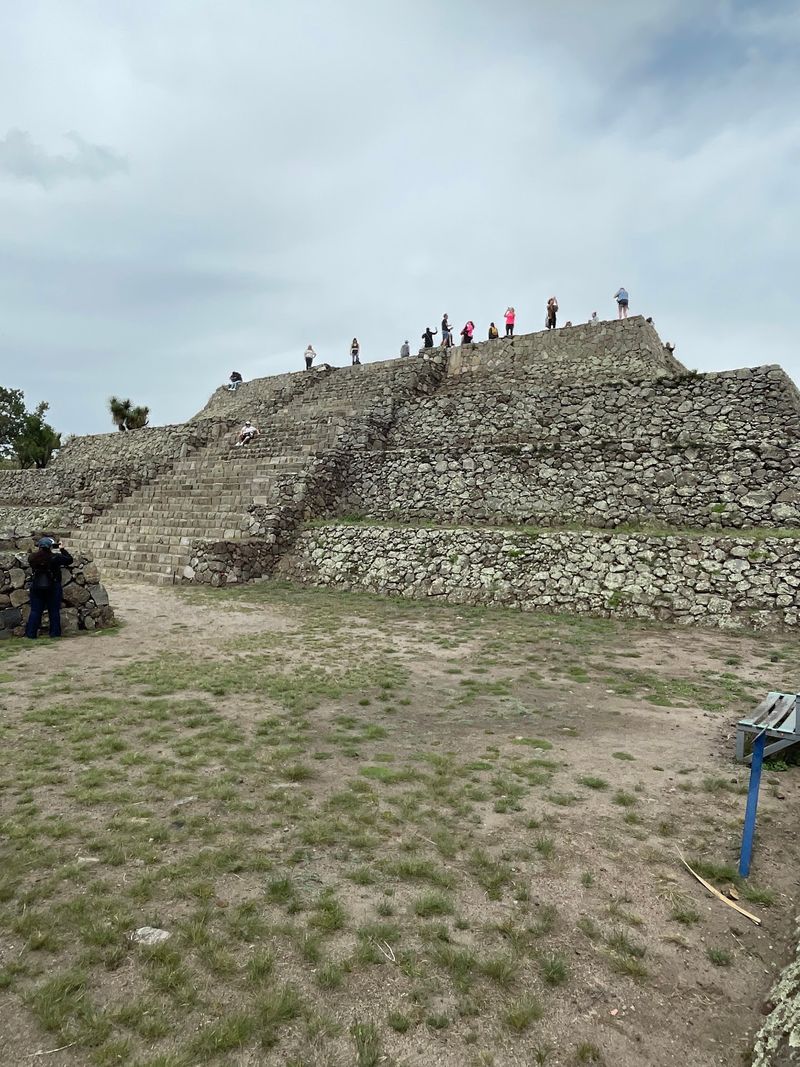
Cantona does not get nearly as much attention as Teotihuacan or Monte Alban, but it may be the strangest urban archaeological site in central Mexico. The ancient city was built across a hardened lava field called a malpais, and its road network of raised stone causeways still connects the scattered residential compounds across the rough terrain.
What makes Cantona genuinely unusual is the number of ball courts documented within the site. INAH has identified at least 27 separate ball courts, which is the highest concentration found at any known Mesoamerican site.
The reasons for this density are still being studied.
The archaeological zone is open to visitors, and because it receives far fewer tourists than better-known sites, the experience feels noticeably quieter and more open. The site covers a large area, so comfortable shoes and water are important.
Cantona is located in eastern Puebla near the town of Oriental, roughly a two-hour drive from the city of Puebla.
Paquimé, Casas Grandes, Chihuahua
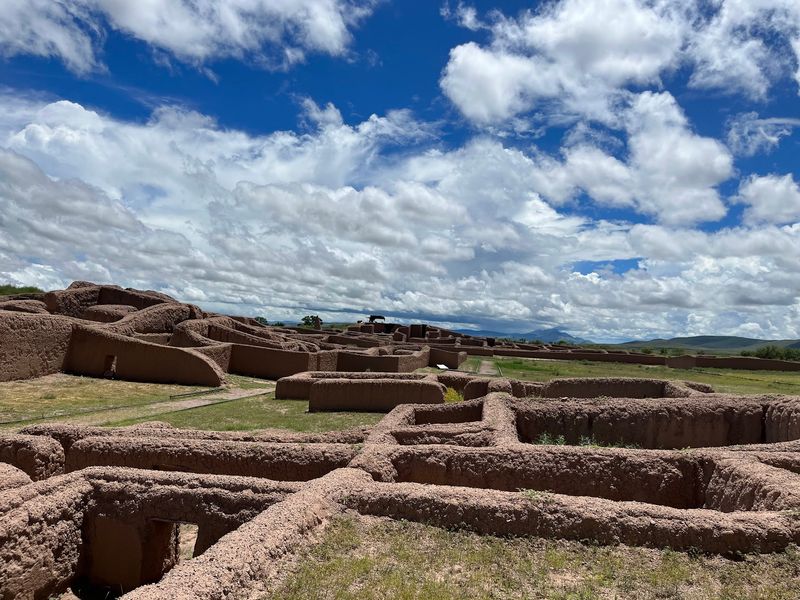
Paquimé looks nothing like the stone pyramids most people associate with ancient Mexico. The site consists of sprawling multi-story earthen structures built from adobe, with interconnected rooms, unusual T-shaped doorways, and a layout that reflects strong connections to the cultures of the American Southwest as well as Mesoamerica.
The settlement reached its peak between roughly 700 and 1450 CE and served as a major trade and ceremonial center for the region known as Oasisamerica. Researchers have found evidence of macaw breeding facilities, copper work, and sophisticated water management systems within the ruins.
Paquimé was designated a UNESCO World Heritage Site in 1998, and the adjacent Museo de las Culturas del Norte provides detailed context about the site’s history and the people who built it. INAH currently lists the site as open Tuesday through Sunday.
Casas Grandes is located in northwestern Chihuahua, making it a natural stop for anyone traveling through the northern desert region.
Grutas de Cacahuamilpa, Guerrero
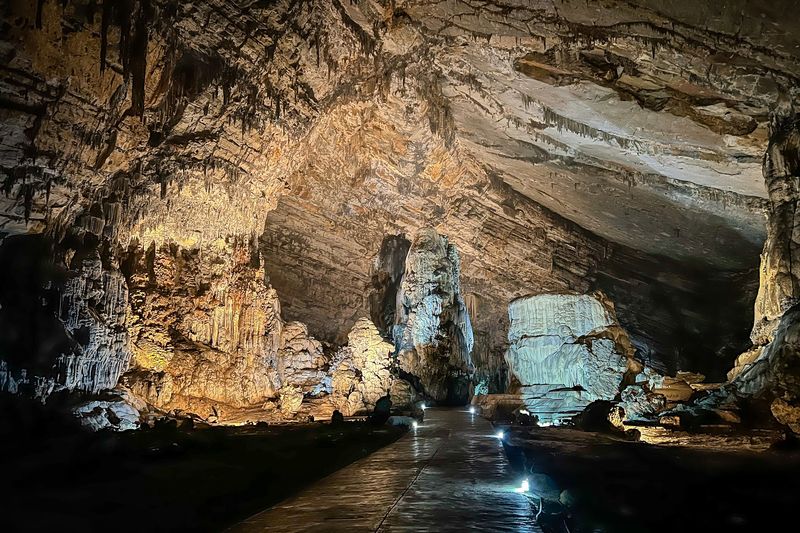
The scale of the main cavern chambers at Cacahuamilpa is what separates this cave system from most others in Mexico. Some of the chambers reach heights of 70 to 80 meters, which makes them large enough to contain a full-sized building with room to spare.
The limestone formations inside have been developing for thousands of years.
The caves are located within the Grutas de Cacahuamilpa National Park in Guerrero, about two hours south of Mexico City. Guided tours move through the main illuminated route, which covers roughly two kilometers of the cave system and passes through a series of connected chambers.
INAH has been organizing public cultural visits to the caves, confirming that the main cavern attraction remains active. Some underground river routes within the broader system can close seasonally due to water levels.
The national park surrounding the caves also includes above-ground natural areas worth exploring if time allows. Booking ahead during holiday periods is advisable.
Cerro de la Estrella, Mexico City
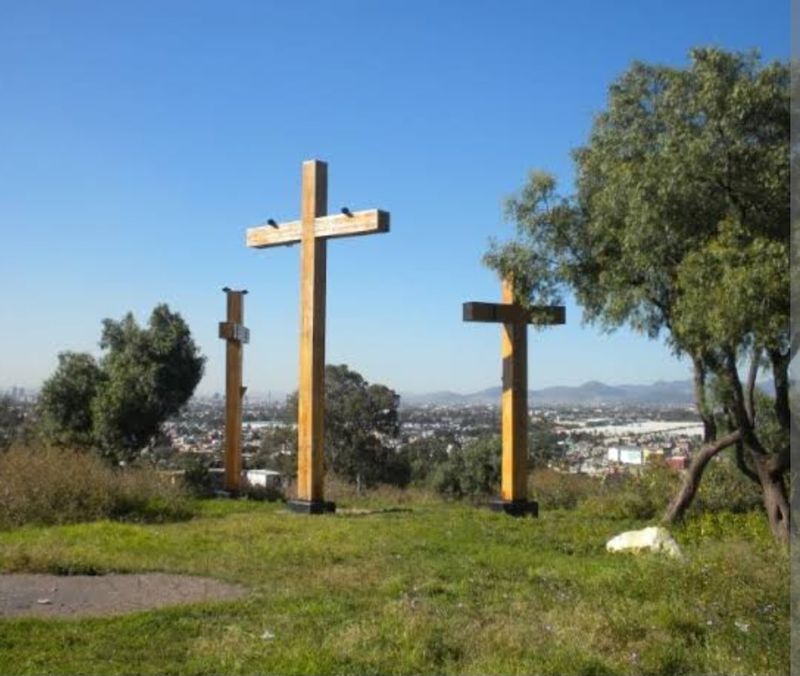
Most visitors to Mexico City never make it to Iztapalapa, but the hill rising out of that neighborhood holds one of the more historically significant sites in the entire metropolitan area. Cerro de la Estrella was the location of the Mexica New Fire ceremony, a ritual performed at the end of every 52-year calendar cycle to symbolically renew the sun and prevent the world from ending.
Priests would climb the hill at midnight, wait for a specific star alignment, and light a new fire on the chest of a sacrificial offering. If the fire caught, the world would continue.
The ceremony was last performed in 1507, just over a decade before Spanish contact.
Today the archaeological zone on the hilltop is open Tuesday through Sunday. The climb offers wide views over eastern Mexico City.
A small ecological park surrounds the base of the hill, and the site is accessible by metro and public transit, which makes it a straightforward addition to any city visit.
Xilitla, San Luis Potosí
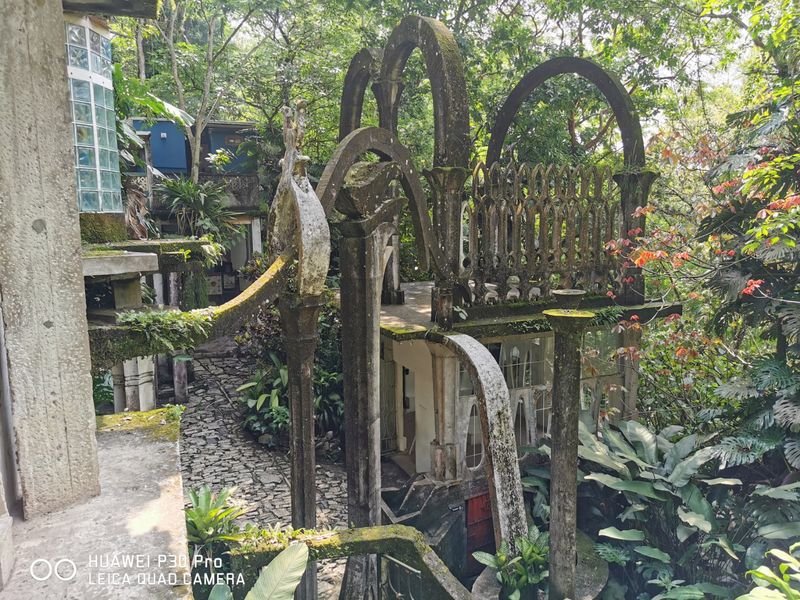
Even without Las Pozas, Xilitla would still be one of the more unusual towns in Mexico. It sits in the Sierra Madre Oriental at an elevation where the cloud forest meets the Huasteca jungle, and the result is a landscape of constant mist, dense vegetation, waterfalls, and narrow winding streets that feel completely removed from the Mexico of resort advertising.
The town holds Pueblo Magico status and is actively promoted by Mexico’s official tourism channels as one of the country’s most surreal destinations. That label is rarely applied this accurately.
The combination of the natural landscape and the legacy of Edward James has given Xilitla a character that is difficult to compare to anywhere else.
Beyond Las Pozas, the town offers access to nearby waterfalls, local markets, and traditional Huastec culture. The drive from Ciudad Valles takes roughly an hour and a half, and the mountain road itself gives visitors a preview of the dramatic terrain that defines the whole area.
Share this story