Throughout history, some of the world’s mightiest nations rose to incredible power, only to eventually disappear from the map entirely. Wars, revolutions, political agreements, and shifting borders all played a role in erasing these once-great states.
From ancient empires that ruled vast territories to modern republics that lasted just a few decades, their stories are fascinating windows into how the world has changed. Here is a look at 14 countries that were once powerful forces in their time but no longer exist today.
1. Roman Empire (27 BCE–476 CE in the West)
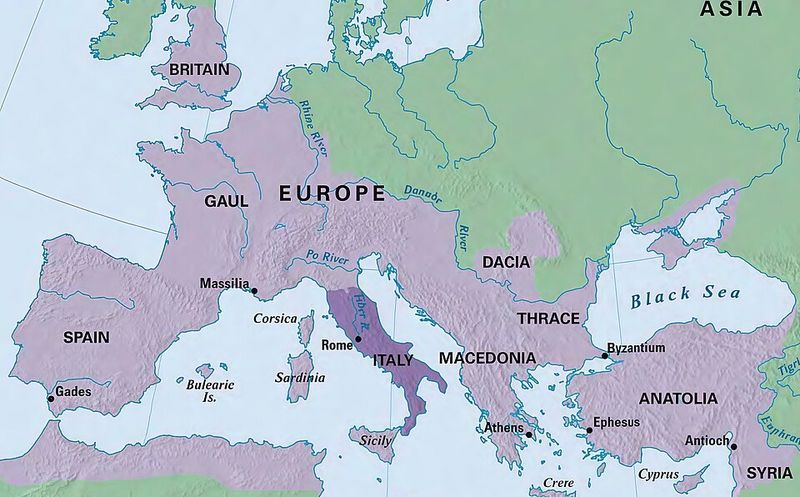
At its peak, the Roman Empire stretched from Britain in the north to Egypt in the south, making it one of the largest empires the world had ever seen. Founded in 27 BCE under Emperor Augustus, Rome built roads, aqueducts, and legal systems that still influence modern civilization today.
The empire was not just a military force but a cultural engine that spread language, architecture, and governance across three continents.
Over time, internal corruption, economic troubles, and repeated invasions by groups like the Visigoths and Vandals weakened Rome from within. The Western Roman Empire officially fell in 476 CE when the last emperor, Romulus Augustulus, was overthrown by the Germanic chieftain Odoacer.
Though the Eastern half survived for nearly a thousand more years, the fall of Rome remains one of history’s most defining moments.
2. Byzantine Empire (330–1453)
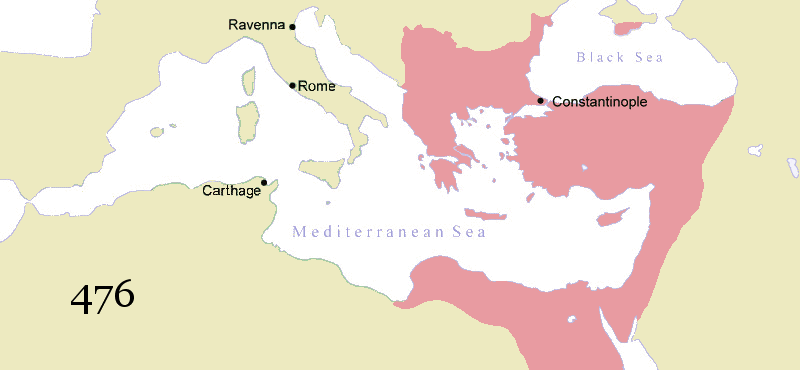
Born from the eastern half of the Roman Empire, the Byzantine Empire carried the torch of Roman civilization for over a thousand years after the West collapsed. Centered in Constantinople, the empire became a hub of art, religion, and trade, blending Greek culture with Roman law and Christian faith.
Its iconic Hagia Sophia, built in 537 CE, still stands today as one of the greatest architectural achievements in human history.
Byzantine rulers called themselves Roman emperors and maintained a sophisticated government long after western Europe fell into chaos. The empire survived countless sieges, plague outbreaks, and political upheavals before finally meeting its end in 1453 CE.
When Ottoman Sultan Mehmed II conquered Constantinople, an era truly ended. The fall of Byzantium is often used by historians to mark the close of the Middle Ages and the beginning of a new era.
3. Ottoman Empire (1299–1922)
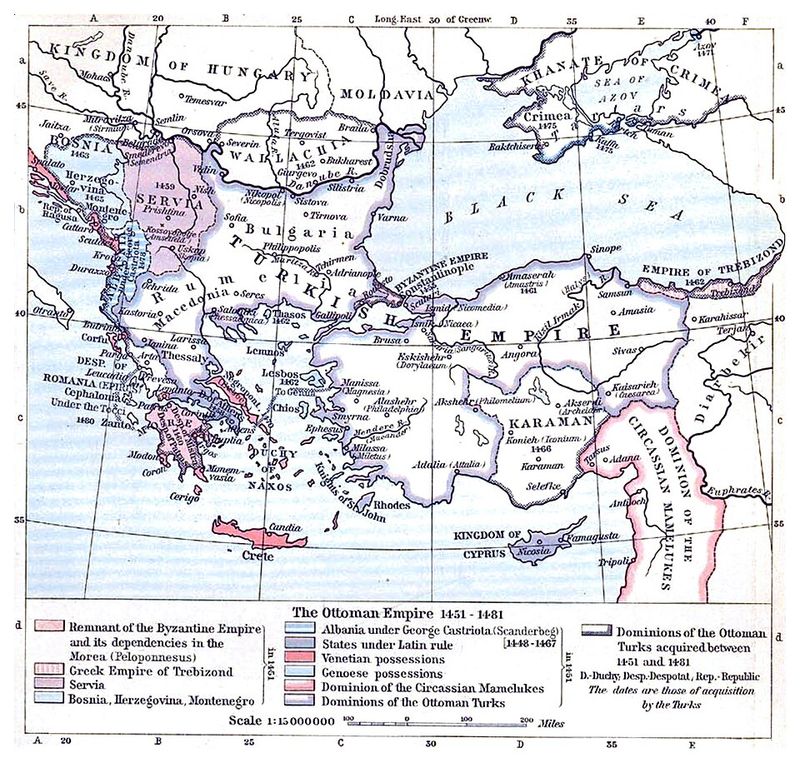
Few empires in history matched the Ottoman Empire for sheer longevity and reach. Founded around 1299 by Osman I, it grew to control much of the Middle East, North Africa, and southeastern Europe at its height in the 16th and 17th centuries.
The empire served as a crossroads between East and West, and its capital Constantinople became one of the world’s most cosmopolitan cities.
Ottoman sultans were not only military commanders but also patrons of art, science, and architecture. The empire’s legal system, known as the Kanun, coexisted with Islamic law and helped govern a diverse population of many religions and ethnicities.
After centuries of slow decline, the empire finally dissolved after World War I. The Republic of Turkey was declared in 1923, marking the official end of one of history’s longest-lasting and most influential empires.
4. Austro-Hungarian Empire (1867–1918)
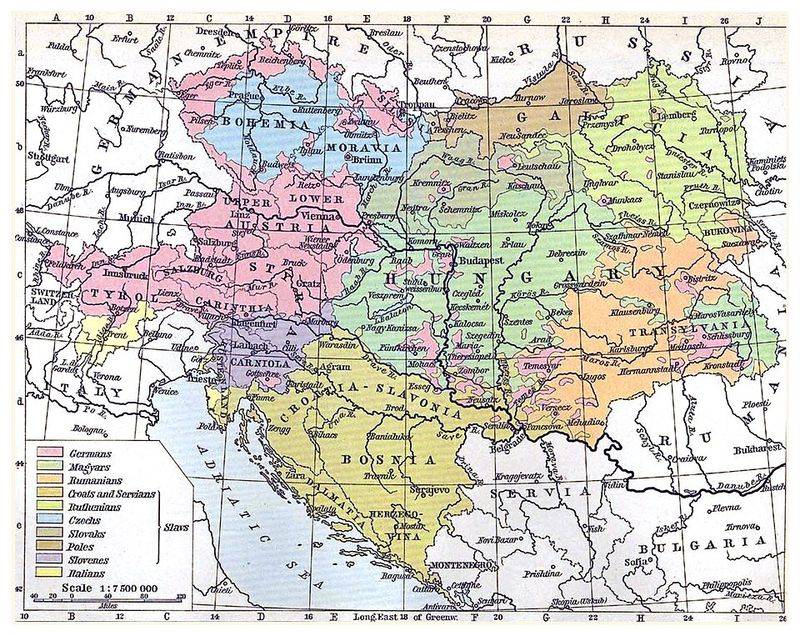
A grand political experiment, the Austro-Hungarian Empire was formed in 1867 when Austria and Hungary agreed to share power under one monarch. At its peak, this dual monarchy governed over 50 million people across a patchwork of ethnic groups, including Germans, Czechs, Poles, Hungarians, Croatians, and many others.
Vienna, its capital, became one of Europe’s most elegant cultural centers, producing legendary figures like Mozart, Freud, and Klimt.
Managing so many different nationalities under one government proved to be a constant challenge. Rising nationalist movements throughout the 19th century created serious tensions within the empire.
When Archduke Franz Ferdinand was assassinated in Sarajevo in 1914, the empire was pulled into World War I, a conflict it could not survive. By 1918, the empire had collapsed and was replaced by several new independent nations, including Austria, Hungary, and Czechoslovakia.
5. Soviet Union (USSR) (1922–1991)
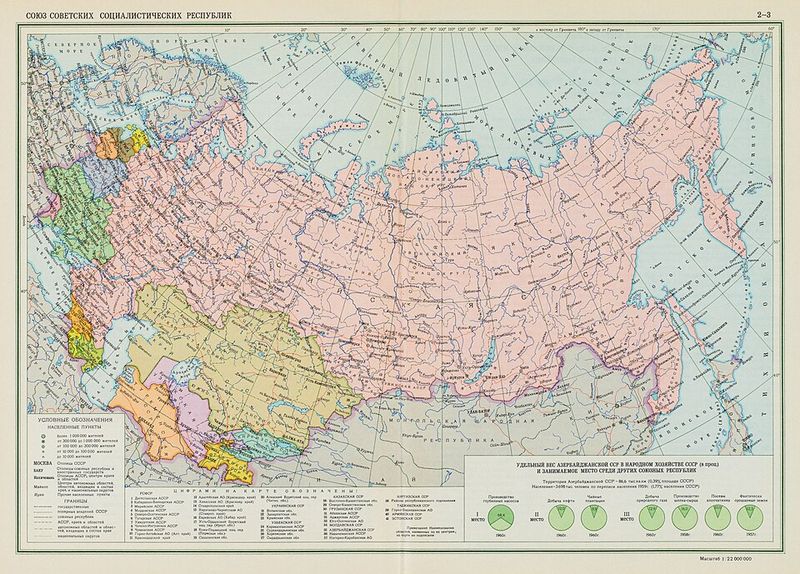
When the Soviet Union was formed in 1922, it became the world’s first communist state and one of the largest countries ever to exist. Spanning 11 time zones and covering nearly one-sixth of Earth’s land surface, the USSR was a global superpower that shaped the 20th century in profound ways.
From launching the first satellite into space to building a massive nuclear arsenal, Soviet achievements were matched only by its enormous human costs under leaders like Stalin.
The Cold War kept the world on edge for decades as the USA and USSR competed for global influence. By the late 1980s, economic stagnation and rising demands for freedom across Eastern Europe put the Soviet system under enormous pressure.
When the Berlin Wall fell in 1989, the momentum became unstoppable. On December 25, 1991, Soviet leader Mikhail Gorbachev resigned, and the USSR officially dissolved into 15 independent nations, ending an era.
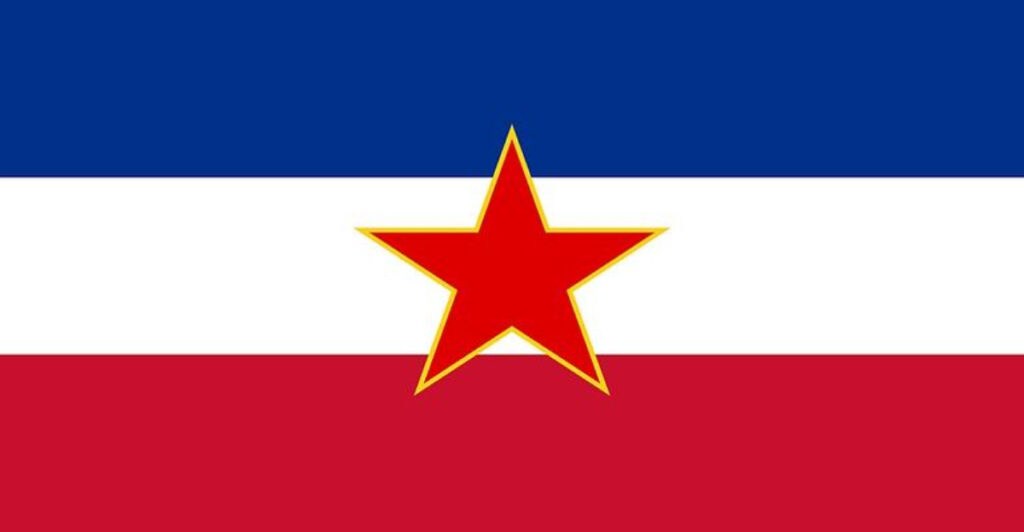
6. Yugoslavia (1918–1992)
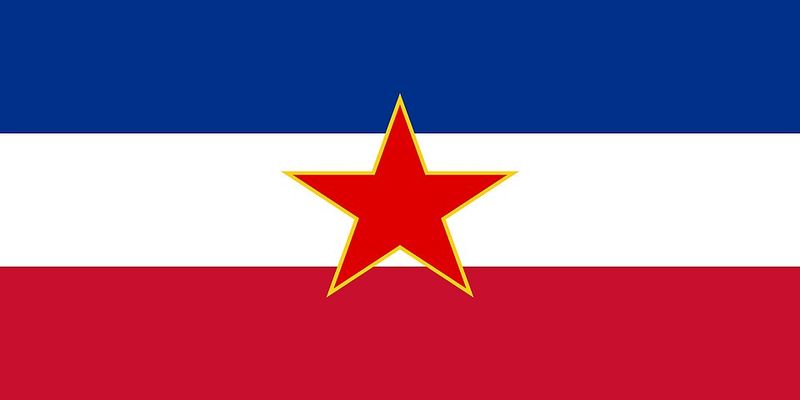
Yugoslavia, meaning Land of the South Slavs, was created after World War I as a union of several Balkan peoples who shared cultural and linguistic roots. Under the leadership of Josip Broz Tito from 1945 until his death in 1980, the country walked a careful line between the Soviet bloc and the Western world.
Tito managed to hold together six republics, including Slovenia, Croatia, Bosnia, Serbia, Montenegro, and Macedonia, through a unique brand of socialist governance.
After Tito died, the glue holding Yugoslavia together began to weaken rapidly. Economic hardship and rising ethnic nationalism created deep divisions among the republics.
By the early 1990s, the country was torn apart by violent wars, particularly in Bosnia and Croatia, that shocked the world with their brutality. Yugoslavia formally ceased to exist in 1992, eventually giving way to seven separate independent nations that still exist on the map today.
7. Prussia (1701–1947)
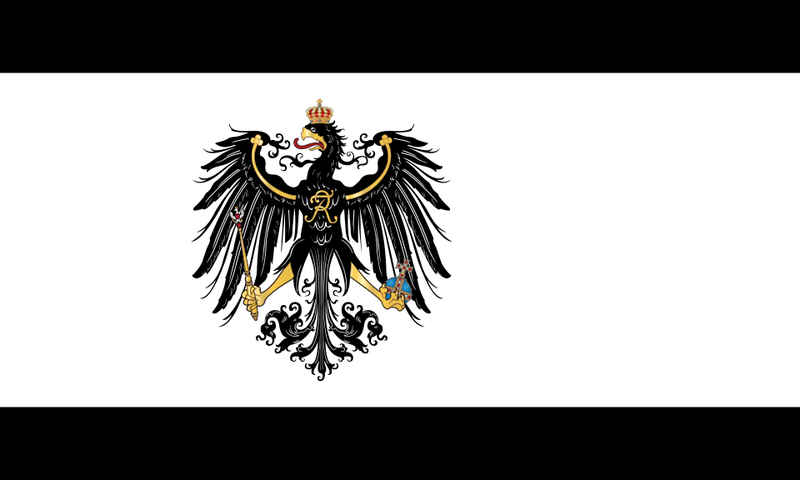
Prussia was once the most feared military state in Europe, known for its disciplined army and efficient bureaucracy. Officially declared a kingdom in 1701 under Frederick I, Prussia grew rapidly under rulers like Frederick the Great, who transformed it into a major European power through brilliant military campaigns and cultural patronage.
At its height, Prussia controlled much of northern Germany and played a central role in unifying the German nation in 1871.
Prussian military values of discipline, duty, and order deeply influenced German national identity for generations. However, those same values were later associated with the militarism that led Germany into two devastating world wars.
After World War II, the Allied powers formally abolished the state of Prussia in 1947, viewing it as a symbol of German aggression. Its territory was divided among Poland, Russia, and the newly reorganized German states, erasing it from the map for good.
8. Gran Colombia (1819–1831)
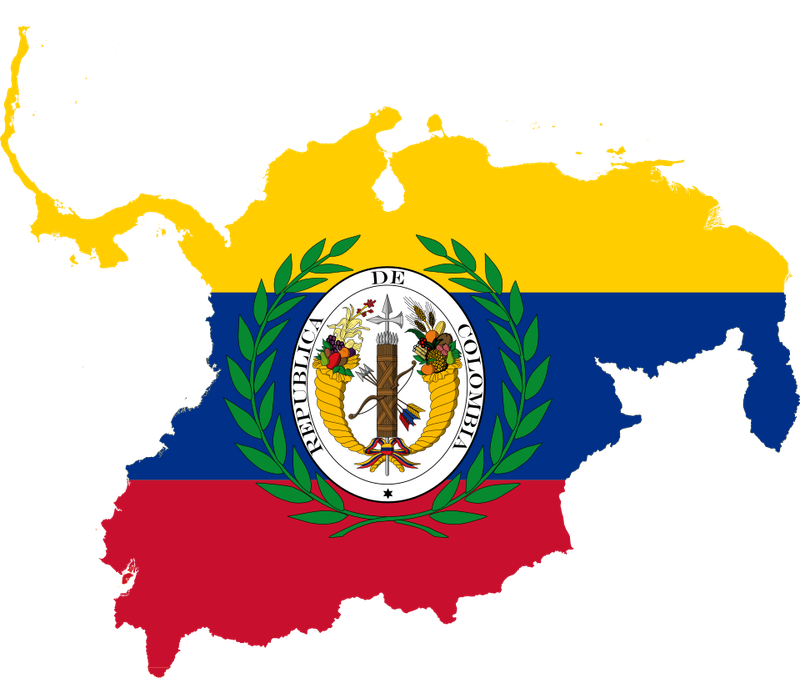
Gran Colombia was the bold dream of one of history’s greatest liberators, Simon Bolivar. Born from the ashes of Spanish colonial rule, this vast republic was formed in 1819 and encompassed what is now Colombia, Venezuela, Ecuador, and Panama.
Bolivar envisioned a powerful unified nation that could stand as a major force in the Western Hemisphere, free from European domination and strong enough to shape its own destiny.
The reality proved far harder than the dream. Geographic barriers like the Andes Mountains made governing such a large territory incredibly difficult.
Regional leaders known as caudillos resisted central authority, and cultural differences between the regions created constant political friction. Venezuela and Ecuador broke away in 1830, and Bolivar himself died the same year, deeply disappointed.
Gran Colombia officially dissolved in 1831, splitting into three separate nations that went on to develop their own distinct identities and histories.
9. Kingdom of Burgundy (888–1032)
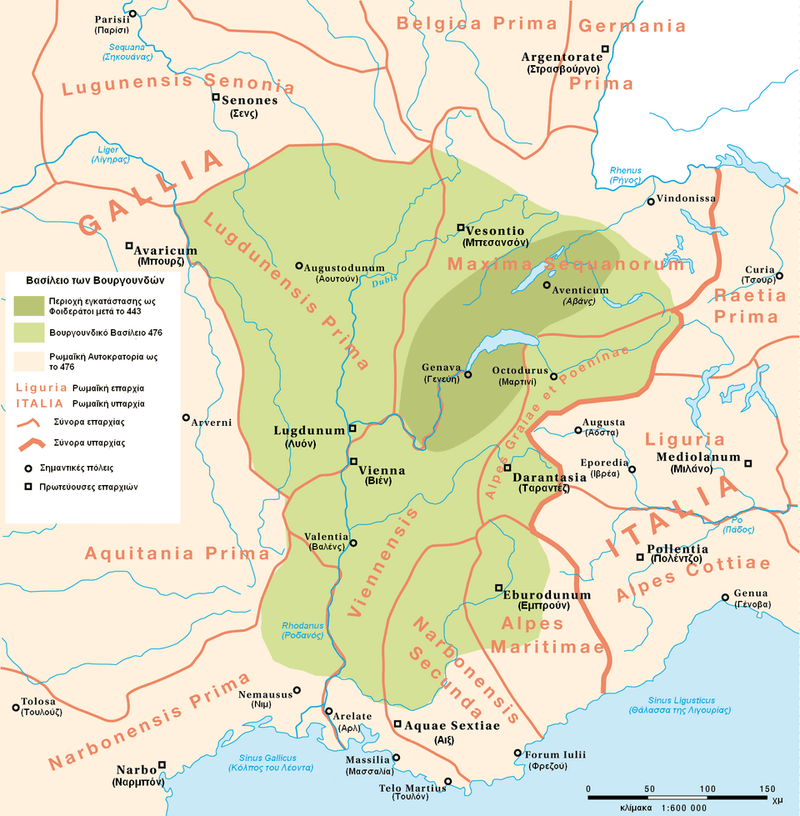
Tucked between France and the Holy Roman Empire, the Kingdom of Burgundy was a medieval realm that punched well above its weight in European politics for nearly two centuries. Established in 888 CE, it occupied a strategically vital position at the heart of Europe, controlling key trade routes and mountain passes through the Alps.
Burgundy was known for its fertile lands, skilled craftsmen, and deeply rooted Christian monasteries that helped spread learning throughout the medieval world.
The kingdom was not a single unified state but rather a complex patchwork of territories with shifting loyalties. Over time, the pressures of neighboring powers and internal succession disputes weakened its independence.
In 1032, the last king of Burgundy, Rudolph III, died without an heir, and the kingdom was absorbed into the Holy Roman Empire. Though the name Burgundy survived as a region in France, the independent kingdom was gone forever.
10. East Germany (German Democratic Republic) (1949–1990)
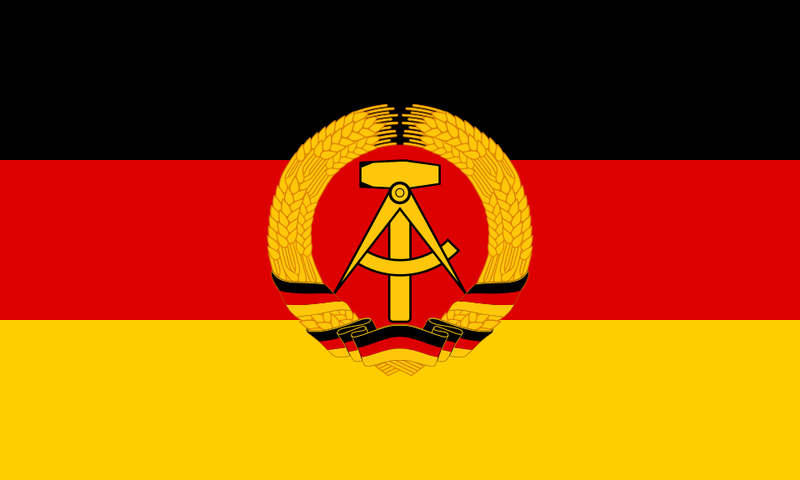
East Germany, officially called the German Democratic Republic or GDR, was born out of the rubble of World War II when Germany was divided between the Western Allies and the Soviet Union. From 1949 onward, the GDR became a communist state tightly controlled by the Socialist Unity Party, with Soviet military backing keeping the government firmly in power.
The Berlin Wall, built in 1961, became the most powerful symbol of the division between East and West, physically splitting families and entire communities overnight.
Life in East Germany was marked by surveillance, limited freedoms, and economic shortages compared to the prosperous West. The secret police, known as the Stasi, monitored millions of citizens.
When the Berlin Wall fell on November 9, 1989, East Germans flooded into West Berlin with tears of joy. Reunification happened rapidly, and on October 3, 1990, East Germany officially ceased to exist, merging with West Germany into one nation.
11. Czechoslovakia (1918–1992)
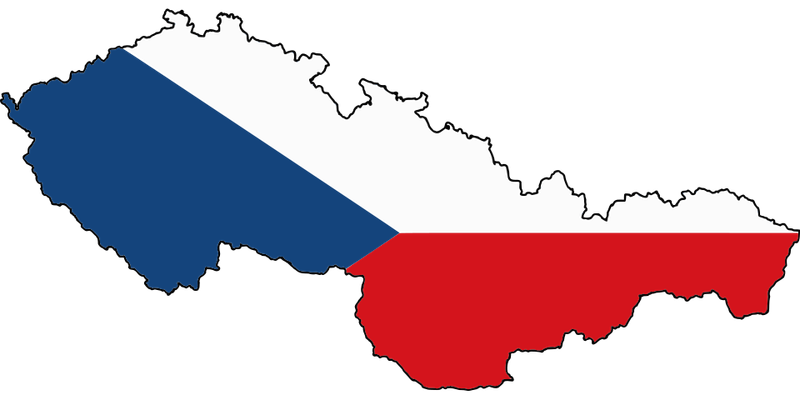
Czechoslovakia came into existence in 1918 following the collapse of the Austro-Hungarian Empire, bringing together the Czech and Slovak peoples into a single democratic republic. Prague, its beautiful capital, quickly became one of Central Europe’s most vibrant cultural cities, known for its art, literature, and progressive politics.
The country was one of the few genuine democracies in interwar Europe, making it stand out as a beacon of stability in a turbulent region.
Its story was not without hardship. Nazi Germany seized the country in 1938, and after World War II it fell under Soviet communist control.
The famous Prague Spring of 1968, a brief period of liberalization, was crushed by Soviet tanks. After the peaceful Velvet Revolution of 1989 restored democracy, Czechs and Slovaks negotiated a calm and orderly separation.
On January 1, 1993, Czechoslovakia peacefully split into two nations: the Czech Republic and Slovakia.
12. Kingdom of Hawaii (1795–1893)
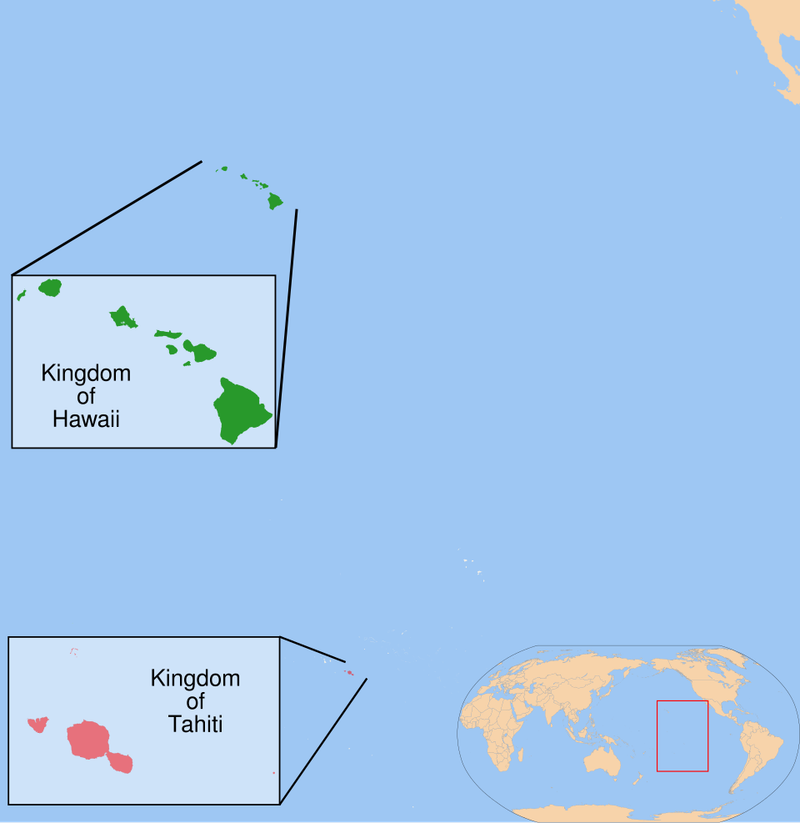
Long before Hawaii became an American state, it was a thriving independent monarchy with its own royal family, culture, and system of governance. King Kamehameha I united the Hawaiian Islands under a single rule in 1795 after years of inter-island warfare, establishing a kingdom that would govern for nearly a century.
Hawaiian royalty maintained diplomatic relations with major world powers and even sent ambassadors to the United States and European nations.
The arrival of American sugar plantation owners and businessmen gradually shifted the economic and political power away from the Hawaiian monarchy. In 1893, a group of American businessmen, backed by U.S.
Marines, overthrew Queen Liliuokalani in a coup that she protested vigorously. President Grover Cleveland actually called it an illegal act, but Congress moved forward anyway.
Hawaii was annexed by the United States in 1898 and eventually became the 50th state in 1959, forever closing the chapter on its royal past.
13. Republic of Texas (1836–1846)
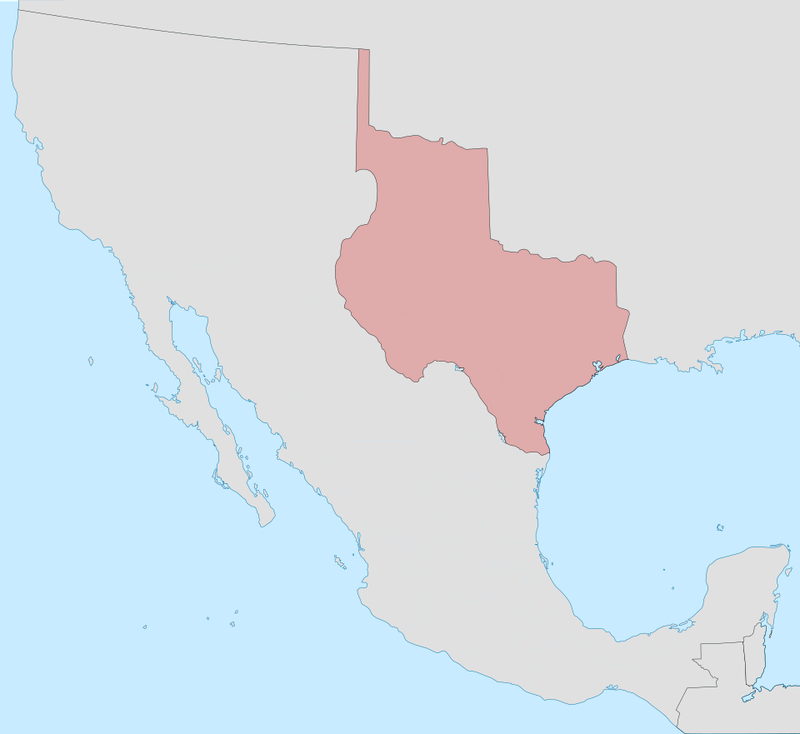
For nearly a decade, Texas was its own independent country with its own president, currency, army, and foreign policy. After winning independence from Mexico in 1836 following the famous Battle of San Jacinto, Texans established the Republic of Texas with Sam Houston as its first elected president.
The new republic was recognized by the United States, France, and Britain, giving it a real standing on the world stage despite its limited resources and ongoing conflicts with Mexico.
Running the republic was expensive and dangerous. The government struggled with debt, raids from Native American tribes, and continued threats from Mexico, which never accepted the loss of its territory.
Most Texans actually wanted to join the United States from the very beginning, and after years of political debate in Washington, annexation was finally approved. Texas officially became the 28th U.S. state on December 29, 1845, ending its brief but colorful run as an independent nation.
14. Kingdom of Sikkim (1642–1975)
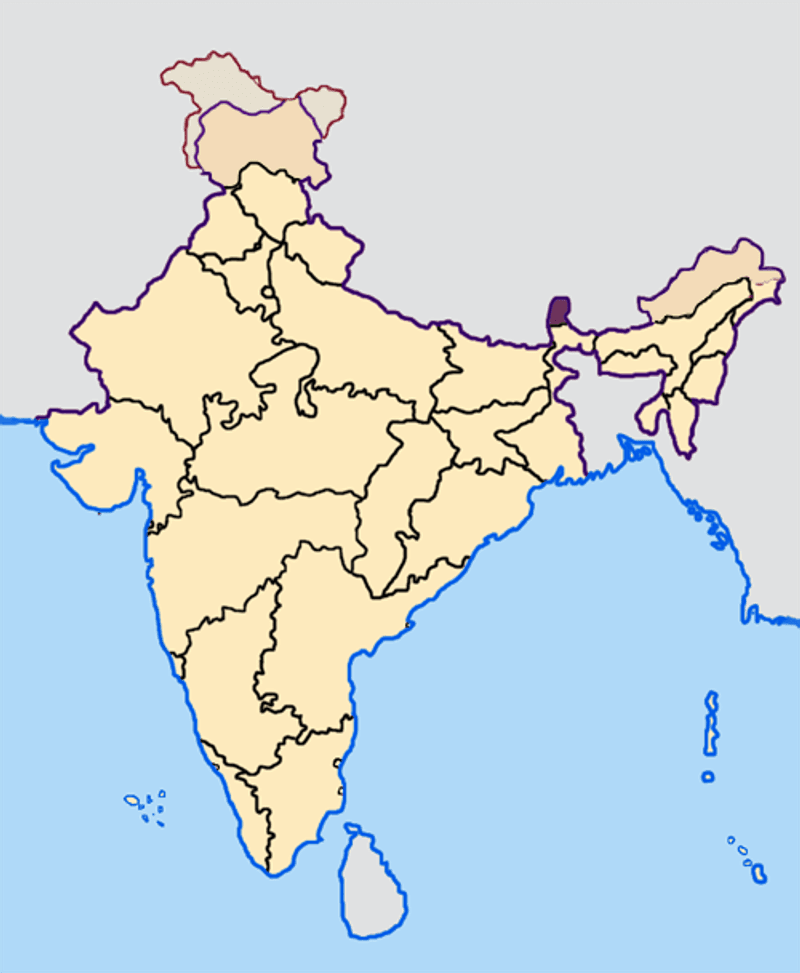
Nestled in the eastern Himalayas between India, Nepal, Bhutan, and Tibet, the Kingdom of Sikkim was a tiny but ancient Buddhist monarchy with a rich culture and breathtaking mountain scenery. Founded in 1642 under the Chogyal, or divine ruler, Sikkim maintained its independence for over three centuries while powerful neighbors jostled around it.
The kingdom was known for its cardamom farms, Buddhist monasteries, and a unique blend of Nepali, Lepcha, and Bhutia cultures.
British India used Sikkim as a buffer state, and after Indian independence in 1947, Sikkim became a protectorate of the new Indian government. Over the following decades, Indian influence grew steadily stronger as a large Nepali-speaking population pushed for closer ties with India.
A 1975 referendum, which many historians consider controversial, voted to merge with India. Sikkim officially became India’s 22nd state that same year, ending more than three centuries of royal rule.
Share this story