Greece has a well-known talent for dazzling visitors with ancient ruins and turquoise coastlines, but some of its most unforgettable places have nothing to do with either. Scattered across the country, from remote mountain ridges to fortified hilltops and isolated island peaks, there are villages where time seems to have politely declined the invitation to move forward. Stone lanes, centuries-old architecture, and local customs that predate your great-great-grandmother are still very much alive here. These are not theme parks dressed up to look historic.
They are real, living communities that have held on to their character through sheer stubbornness and pride. If you have ever wanted to experience a Greece that feels genuinely rooted in its own past rather than packaged for a postcard, the following 14 places are exactly where you need to go.
1. Monemvasia, Laconia, Peloponnese
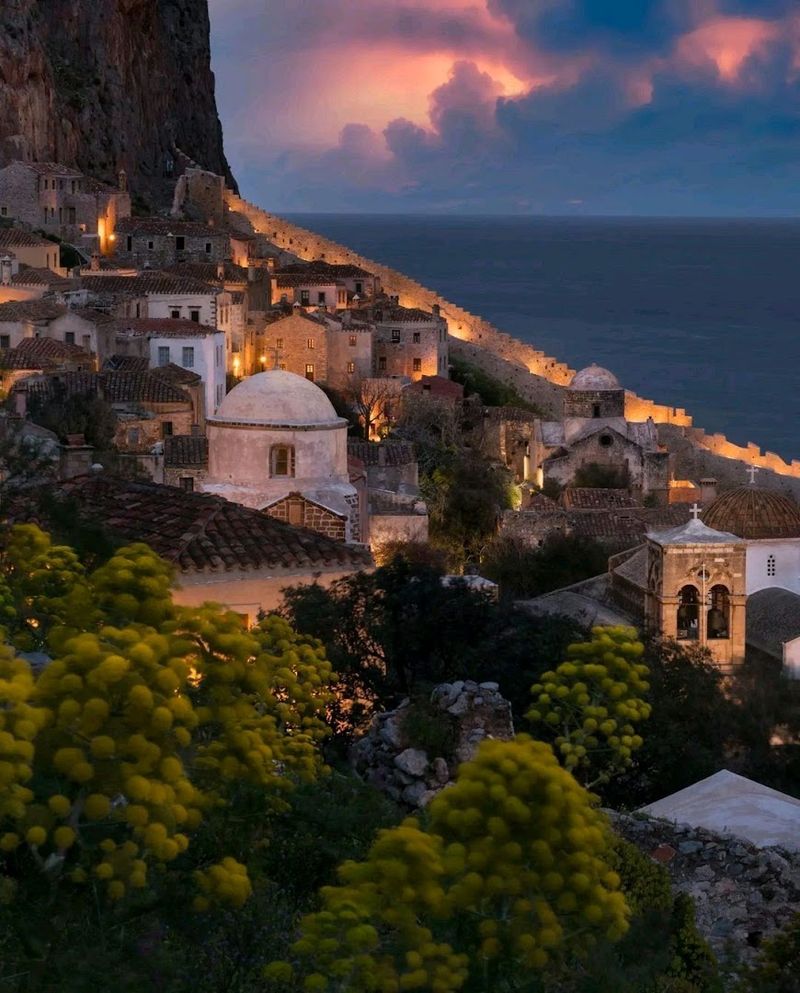
Connected to the Peloponnese mainland by a single narrow causeway, Monemvasia hides its entire medieval world on the far side of a towering coastal rock. You would drive right past it if you did not know what to look for, and that is somewhat the point.
Founded in 583 AD as a refuge from Slavic invasions, the town later became a major Byzantine and Venetian commercial hub controlling key Mediterranean trade routes. Byzantine churches, Venetian mansions, and Ottoman-era details all share the same stone-paved streets without competing for attention.
Cars are banned inside the walls, so exploration happens entirely on foot. The upper fortress holds dramatic ruins and sea views that stretch far into the Aegean. Monemvasia has been carefully restored since the 1970s, but its historic core remains wonderfully intact and free of modern clutter.
2. Mesta, Chios, North Aegean
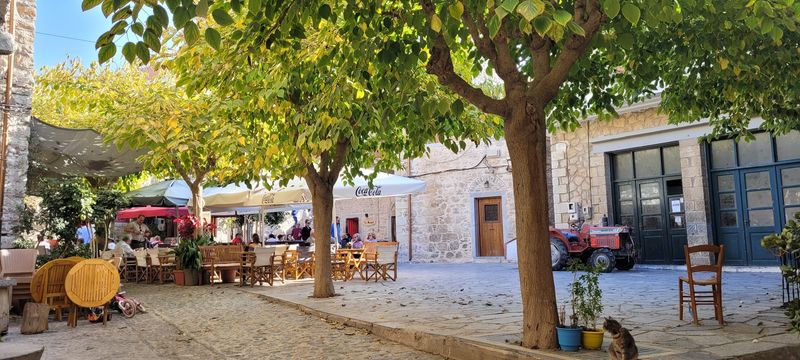
Medieval village planners were, it turns out, excellent at designing confusing street layouts. Mesta on Chios was built with exactly that intention, its winding alleys and tightly packed stone houses engineered specifically to disorient pirates who managed to breach the outer walls.
As one of Chios’s best-preserved mastic villages, Mesta features covered passages called stegasta linking buildings overhead, creating a network of shaded walkways that feel more like corridors than streets. The dark local stone used throughout gives the village a serious, fortress-like character that sets it apart from sunnier Aegean aesthetics.
Despite its defensive origins, Mesta is a living community, not a preserved ruin. Residents still occupy the medieval homes, traditional cafes operate in its tiny squares, and the village continues to produce mastic, the prized resin that made Chios famous across the ancient Mediterranean world.
3. Pyrgi, Chios, North Aegean
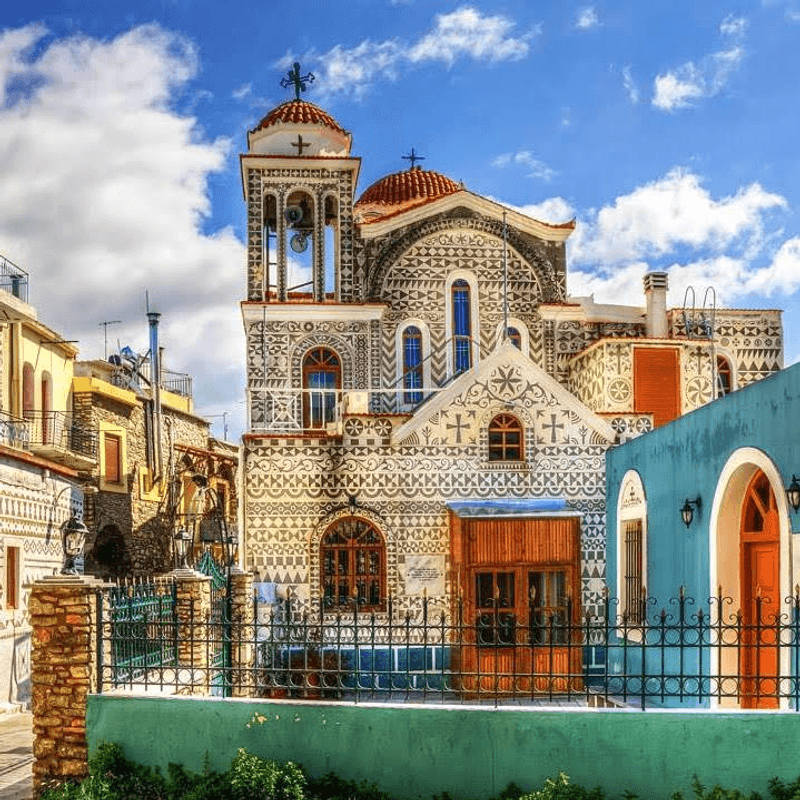
No other village in Greece looks quite like Pyrgi, and that is a fact worth sitting with for a moment. Every building facade here is covered in xysta, an intricate technique where the top layer of white lime plaster is scratched away to reveal a darker layer beneath, creating geometric patterns of spirals, diamonds, and floral shapes.
The village dates to at least the Byzantine period and was later fortified by the Genoese in the 14th century. Its medieval street layout remains intact, with narrow winding alleys, enclosed courtyards, and minimal exterior windows, all designed with pirate raids in mind.
A central tower once served as the last line of defense for residents. Cars are not permitted in the vaulted alleyways, keeping exploration firmly pedestrian. Traditional dances and local costumes are still part of community life here, giving Pyrgi a cultural depth that goes well beyond its striking visual identity.
4. Olympos, Karpathos, South Aegean
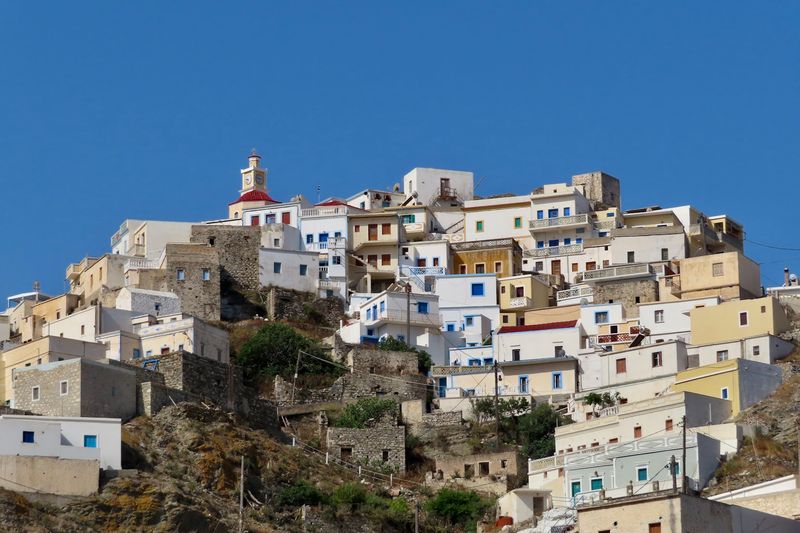
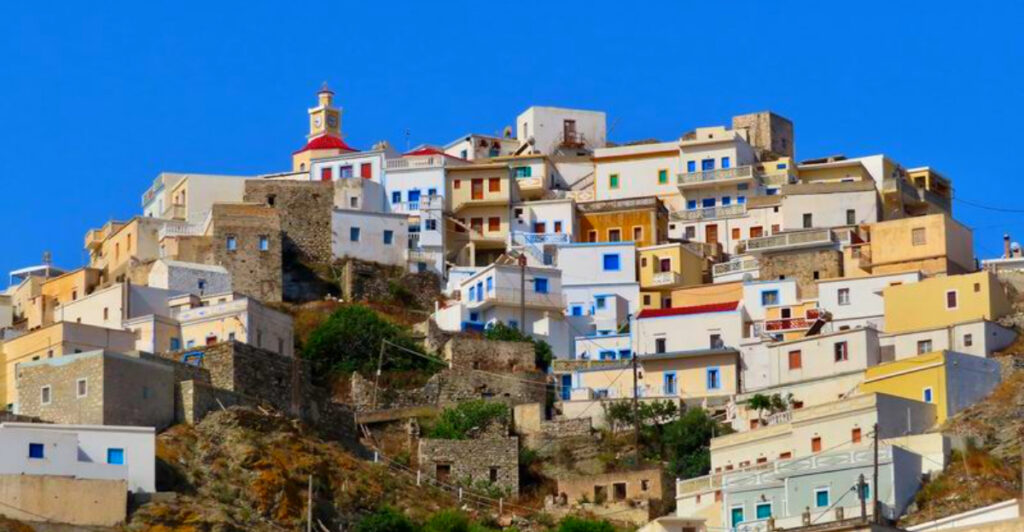
Forget what you know about Greek island villages, because Olympos on Karpathos rewrites the entire script. Perched at 250 meters on the island’s northern tip, this community remained almost completely cut off from the rest of Karpathos by road until the late 20th century, which is precisely why it stayed so remarkably traditional.
Local women still wear handmade traditional costumes in their daily routines, not just for festivals. The village preserves an ancient Doric dialect with words dating back thousands of years, a linguistic rarity found almost nowhere else in Greece.
Around 75 historic windmills dot the landscape, several of which still operate. Walking the car-free alleys between thick-walled whitewashed houses feels genuinely unlike anywhere else in the Aegean. Olympos is not performing tradition for tourists. It simply never stopped living it.
5. Papingo, Ioannina, Epirus
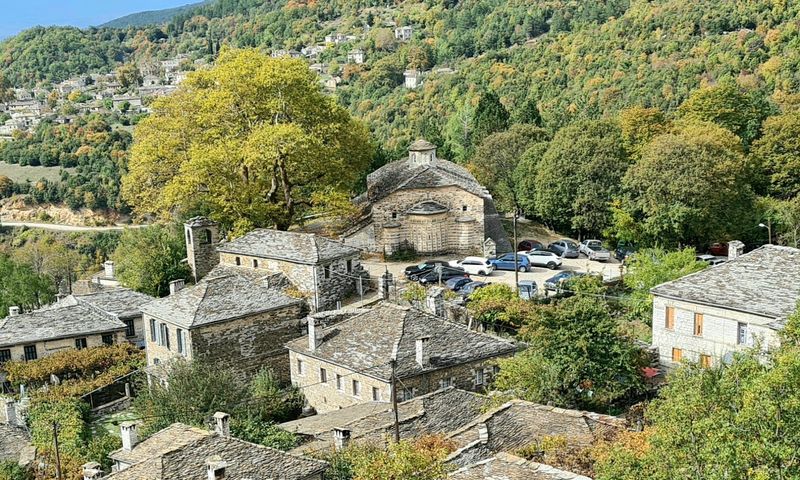
Two small stone villages sharing a footpath between them, Megalo and Mikro Papingo together form one of the most architecturally cohesive communities in northern Greece. Every building here uses local gray stone and slate roofing, materials that match the surrounding Tymfi mountain peaks so closely that the village seems to grow directly from the rock.
Papingo sits within the Vikos-Aoos National Park, placing it at the edge of one of the world’s deepest canyons. Cobbled streets lead past traditional fountains that once served as the village’s primary water source, and most lanes are navigated on foot rather than by car.
The Greek government has designated Papingo a protected settlement, meaning strict rules govern any new construction to preserve its traditional character. Hikers use it as a base for reaching the Vikos Gorge and Dragon Lake, but the village itself rewards those who simply stay and look around.
6. Dimitsana, Arcadia, Peloponnese
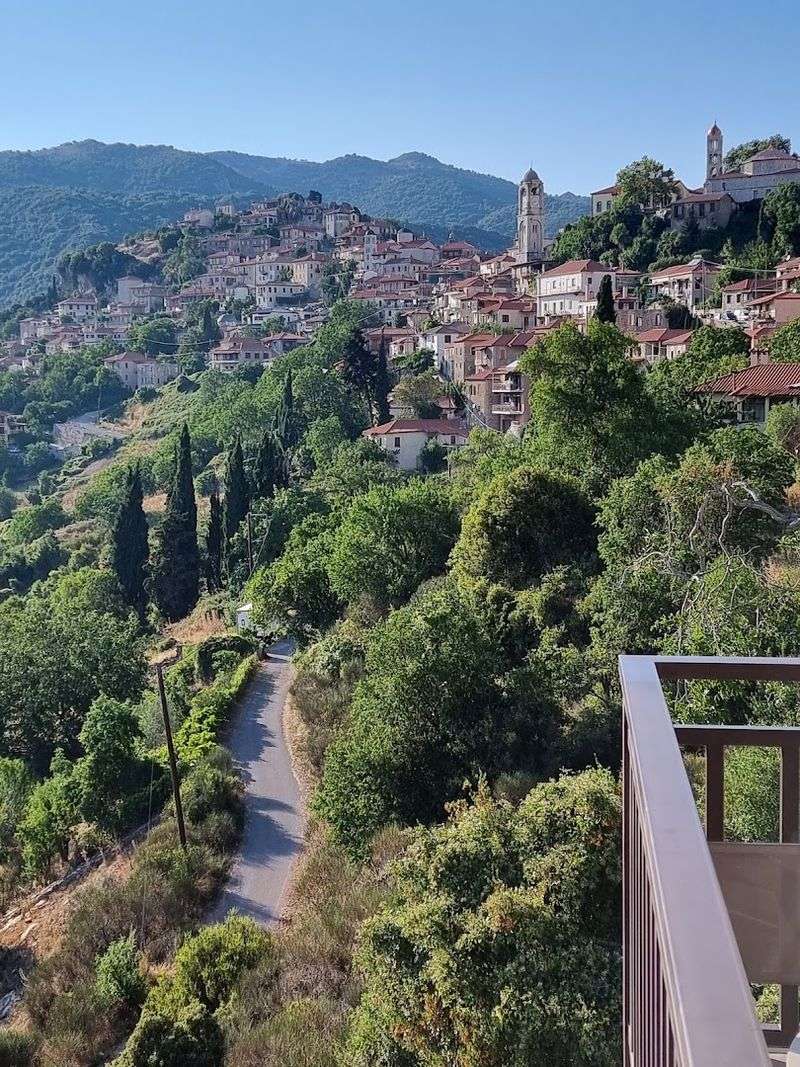
Gunpowder and ancient manuscripts might seem like an unlikely combination, but Dimitsana managed both with impressive commitment. This mountain village above the Lousios Gorge produced gunpowder for the Greek War of Independence in its water-powered mills and also maintained a historic library holding around 35,000 books and manuscripts.
Built on the ruins of the ancient town of Teuthis, Dimitsana’s stone houses and slate roofs cascade down the mountainside in an amphitheatrical arrangement. Its designation as a protected settlement means all construction must follow traditional methods and use local stone, keeping the village visually consistent across centuries.
An Open-Air Water Power Museum preserves the historic mills along the Lousios River, while Byzantine monasteries carved into the gorge walls below add another layer of historical depth. The Clock Tower provides panoramic views across the Arcadian plain, making it a practical stop before any deeper exploration of the gorge.
7. Stemnitsa, Arcadia, Peloponnese
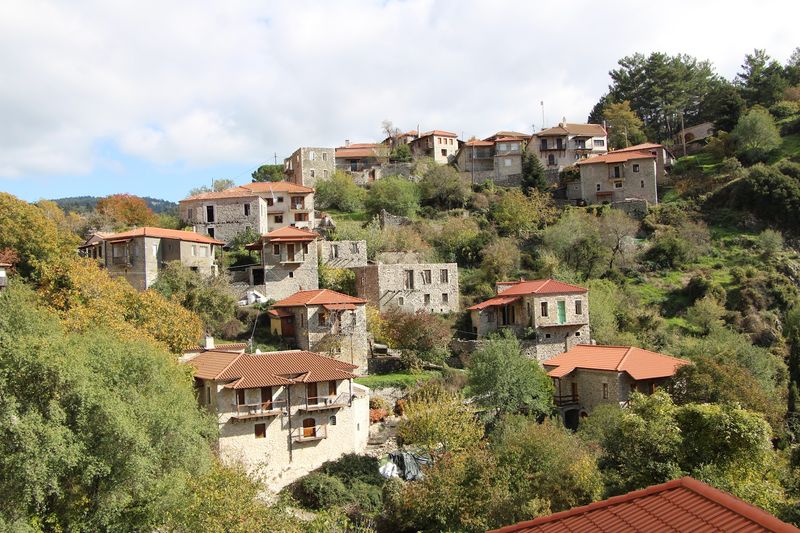
Silversmithing and revolution make for an unusual village resume, but Stemnitsa has both on its record. Located just a short drive from Dimitsana on the western slopes of Mount Mainalon, this Arcadian village served as one of the first seats of the Peloponnesian Senate during the Greek War of Independence and sheltered key revolutionary figures including the Kolokotronis family.
Its history as a goldsmithing and silverwork center stretches back centuries, and that tradition continues today through a public school of jewelry that has operated since 1976, teaching silversmithing techniques in working village workshops.
Stone mansions, Byzantine churches dating to the 12th century, and quiet cobblestone streets make Stemnitsa an inviting place to slow down considerably. Its Folklore Museum and position along the Menalon Trail connect visitors to both the cultural and natural landscape of Arcadia. The elevated setting provides wide views across the surrounding hills that are genuinely hard to leave behind.
8. Vatheia, Laconia, Peloponnese
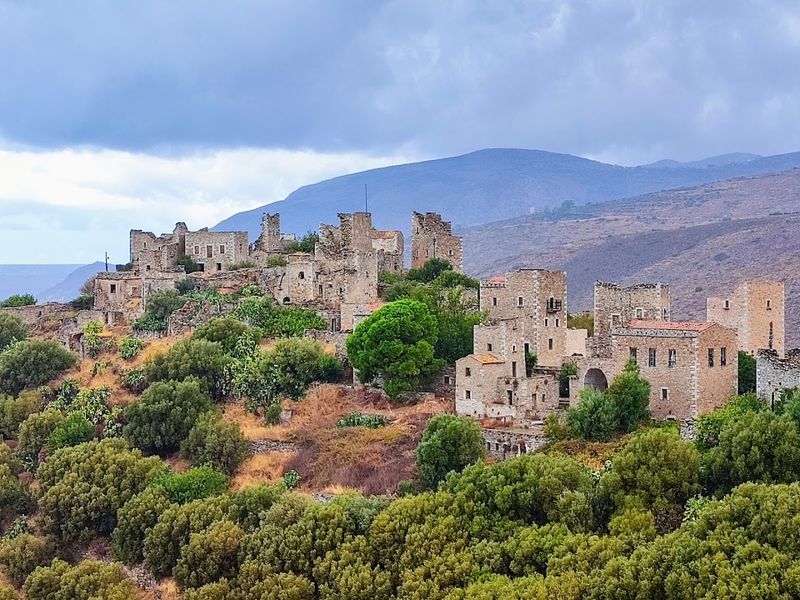
Few village skylines in Greece are as immediately striking as the one Vatheia presents. A tight cluster of stone tower houses rises from a hillside on the Mani Peninsula, built not for beauty but for survival during the fierce clan feuds that defined life in this part of the Peloponnese through the 18th and 19th centuries.
The towers were constructed using dry stone techniques, with walls thick enough to withstand prolonged conflict between neighboring families. Many were abandoned in the mid-20th century as the population declined, and while some have since been restored, the village retains a profoundly sparse and quiet character that no amount of renovation can fully shake.
Vatheia’s hilltop position offers sweeping views across the rugged Mani landscape and the sea beyond. The lanes between the towers are largely empty and peaceful, making it easy to understand why this place feels suspended somewhere between history and the present day.
9. Nymfaio, Florina, Western Macedonia
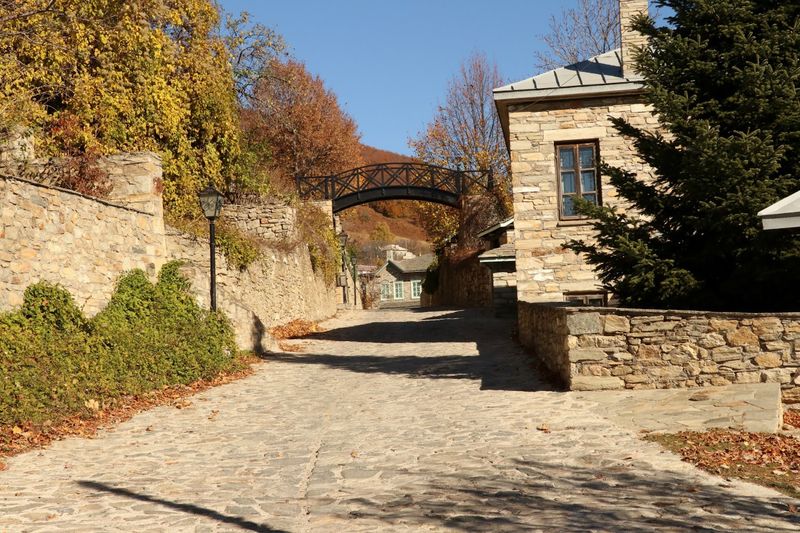
At 1,350 meters above sea level in the beech forests of Western Macedonia, Nymfaio is the kind of place that makes you wonder why more people have not quietly moved there already. Founded in the 14th century by Vlach shepherds, it grew into one of the most significant silversmithing centers in the Balkans by the 18th century, a history still visible in the elegance of its preserved stone mansions.
The village received UNESCO’s Melina Mercouri International Prize for its approach to managing cultural heritage and the surrounding natural environment, a recognition it earned through decades of careful restoration following a population decline in the mid-20th century.
Today Nymfaio hosts a Museum of Silversmithing and Folklore and operates as a base for ecotourism, with the Arcturos Bear Sanctuary and Wolf Shelter located nearby. Views extend over four separate lakes from the village, making every season here visually distinct and worth the winding mountain drive.
10. Makrinitsa, Magnesia, Thessaly
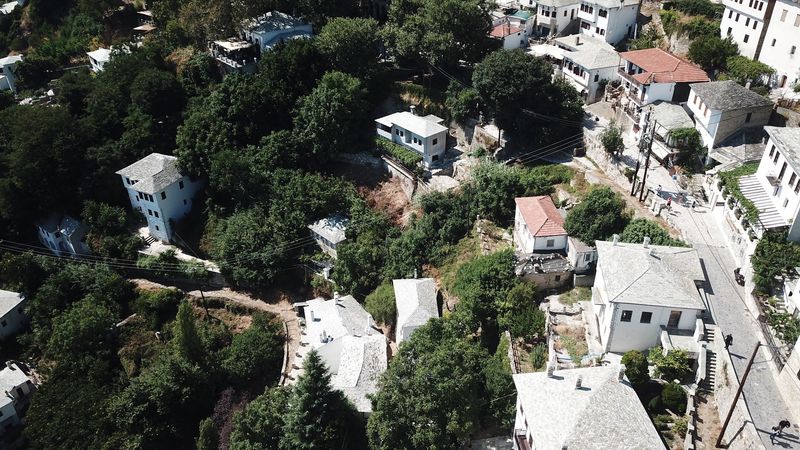
The title of balcony of Mount Pelion belongs to Makrinitsa, and the panoramic views over Volos and the Pagasetic Gulf make that title completely defensible. Perched on the Pelion slopes, this village is a showcase of traditional Pelion architecture, with stone mansions, slate roofs, and intricately carved wooden balconies lining its car-free streets.
A network of cobbled paths called kalderimia connects different parts of the village, passing stone fountains where fresh mountain spring water runs continuously. The central square, shaded by a large plane tree, serves as the natural gathering point for locals and visitors alike.
Historic churches, including the Church of Panagia, add spiritual depth to the village’s architectural character. Local legends and folklore are woven into daily life here in ways that feel organic rather than performed. Makrinitsa rewards slow exploration far more than a quick walk-through, so plan to spend a full afternoon getting pleasantly lost in its lanes.
11. Kalarites, Ioannina, Epirus
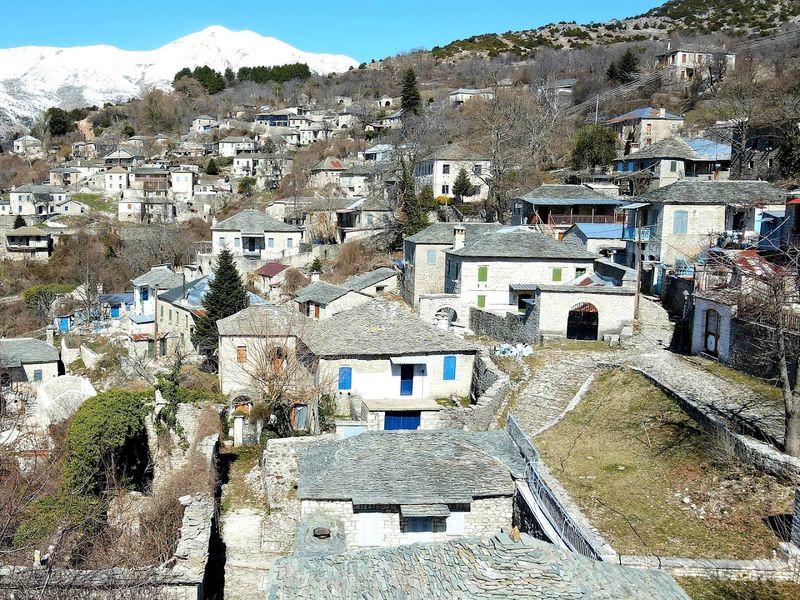
Hidden deep in the Tzoumerka Mountains of Epirus, Kalarites is the sort of village that rewards people who go out of their way to find it. Its grey stone houses with slate roofs were built to handle harsh mountain winters and to blend into the Pindus range with minimal fuss, and they succeed on both counts.
Kalarites once flourished as a notable center for silversmiths and long-distance traders, and the larger mansions scattered through the village hint at a period of real prosperity. That era has passed quietly, leaving behind a community that feels genuinely unhurried.
The historic center is largely car-free, which means the only way to explore its winding cobbled paths is on foot, a format that suits the village perfectly. Surrounded by mountain peaks, gorges, and dense vegetation, Kalarites delivers a sense of geographic isolation that is increasingly rare in modern Greece and all the more valuable for it.
12. Apeiranthos, Naxos, South Aegean
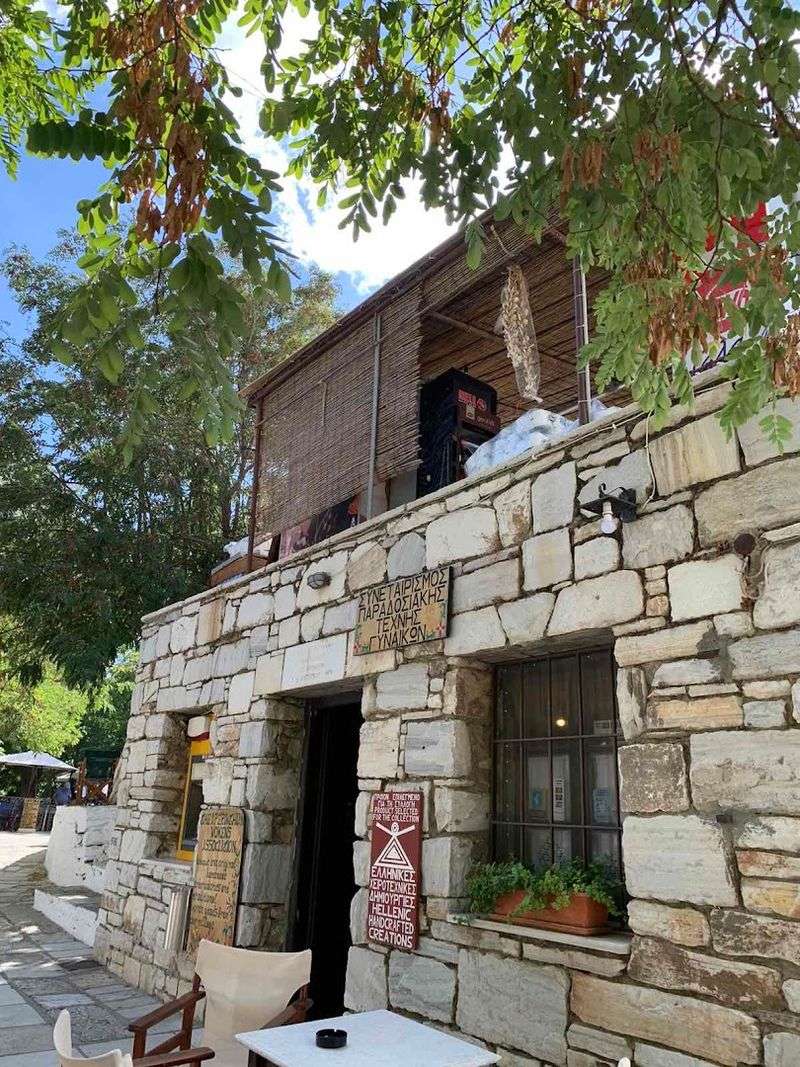
Most Cycladic villages are built from white plaster and island charm, but Apeiranthos on Naxos went a different direction entirely and used marble for almost everything. Perched at nearly 600 meters on the slopes of Mount Fanari, this village has marble-paved streets, marble-detailed stone mansions, and overhead stone archways called stegadia that frame every alley with quiet architectural authority.
Its residents trace their origins to Cretan and Asia Minor migrants who arrived in the 9th century, and they preserved a distinct local dialect that shares roots with ancient Greek and Cretan idiom. The village also maintains a tradition of kotsakia, improvised rhyming verses exchanged between locals.
Four small museums covering archaeology, geology, folk art, and natural history are housed within the village, making it one of the most culturally layered communities on any Greek island. The Zevgoli Tower at the village entrance, built in the 17th century, sets the historical tone before you even step inside.
13. Arnaia, Chalkidiki, Central Macedonia
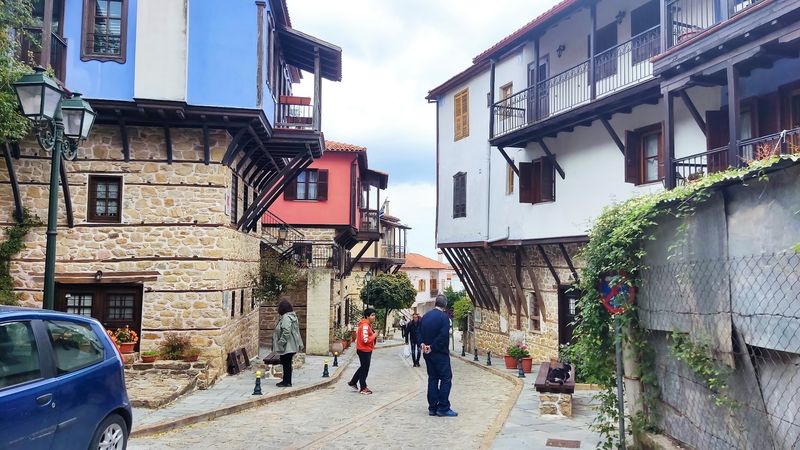
Most people associate Chalkidiki exclusively with beach resorts, which makes Arnaia one of the region’s best-kept secrets. Sitting at 600 meters on Mount Holomontas, this mountain town has been officially designated both a Historic Place and a Traditional Settlement by the Greek Ministry of Culture, recognitions it has earned through genuine preservation rather than clever marketing.
Its Macedonian architecture features colorful tile-roofed houses with earth-toned walls built close together to deflect winter winds. Cobblestone alleys lead past 19th-century mansions and inviting squares where the pace of life has not changed much in decades. The Metropolitan Church of Agios Stefanos, built in 1812, contains a wood-carved iconostasis and a transparent floor section revealing ancient antiquities beneath it.
Arnaia is also known locally for beekeeping, cheesemaking, and textile traditions, with a Textile Museum housed in a stone building from 1870. Hiking trails on Holomontas lead to ruins and waterfalls, rounding out a visit that has nothing at all to do with the coast.
14. Ano Syros, Syros, South Aegean
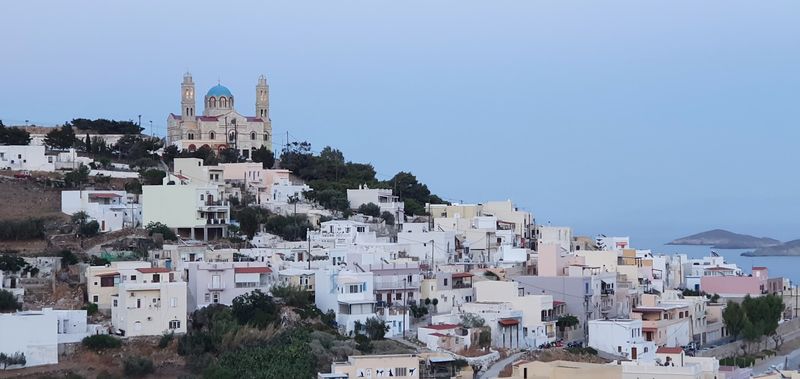
While Ermoupoli buzzes below with neoclassical grandeur and port activity, Ano Syros sits quietly on its hilltop above the city, keeping its medieval character largely to itself. Founded by Venetians in the 13th century, this compact village was built high for defensive purposes, and its fortified layout has changed very little since then.
Narrow stepped alleyways, many arched overhead, wind between densely packed whitewashed cubic houses connected by external staircases. The Catholic Cathedral of Saint George anchors the village’s identity as a historic stronghold of the Catholic community on Syros, a religious heritage that shaped island life for centuries.
No modern development has pushed into the historic core, keeping the atmosphere genuinely quiet and contemplative. From its elevated position, views sweep across Ermoupoli’s rooftops and out over the open Aegean. Wandering Ano Syros without a map is the correct approach, and getting slightly turned around in its lanes is more feature than flaw.
Share this story